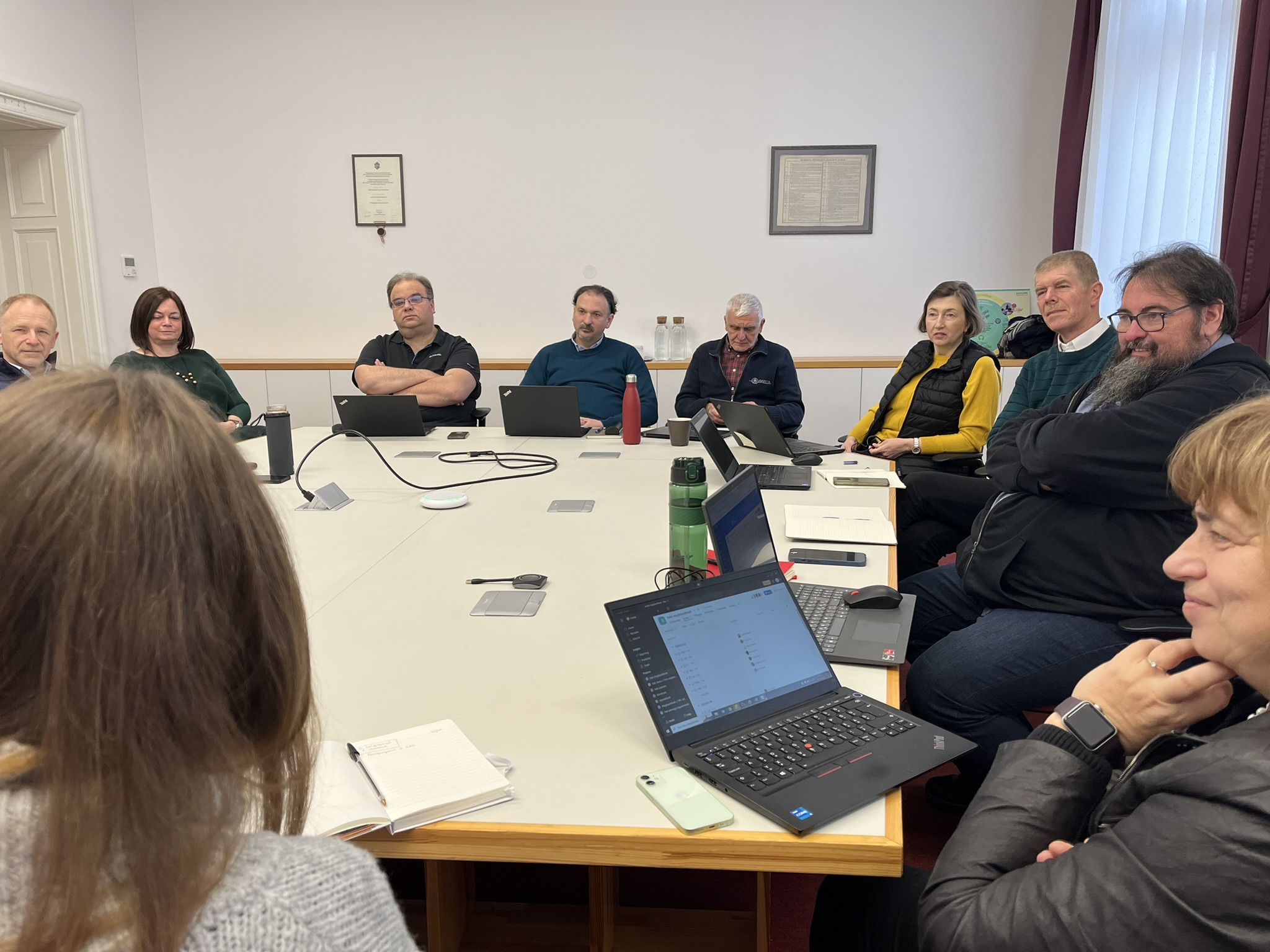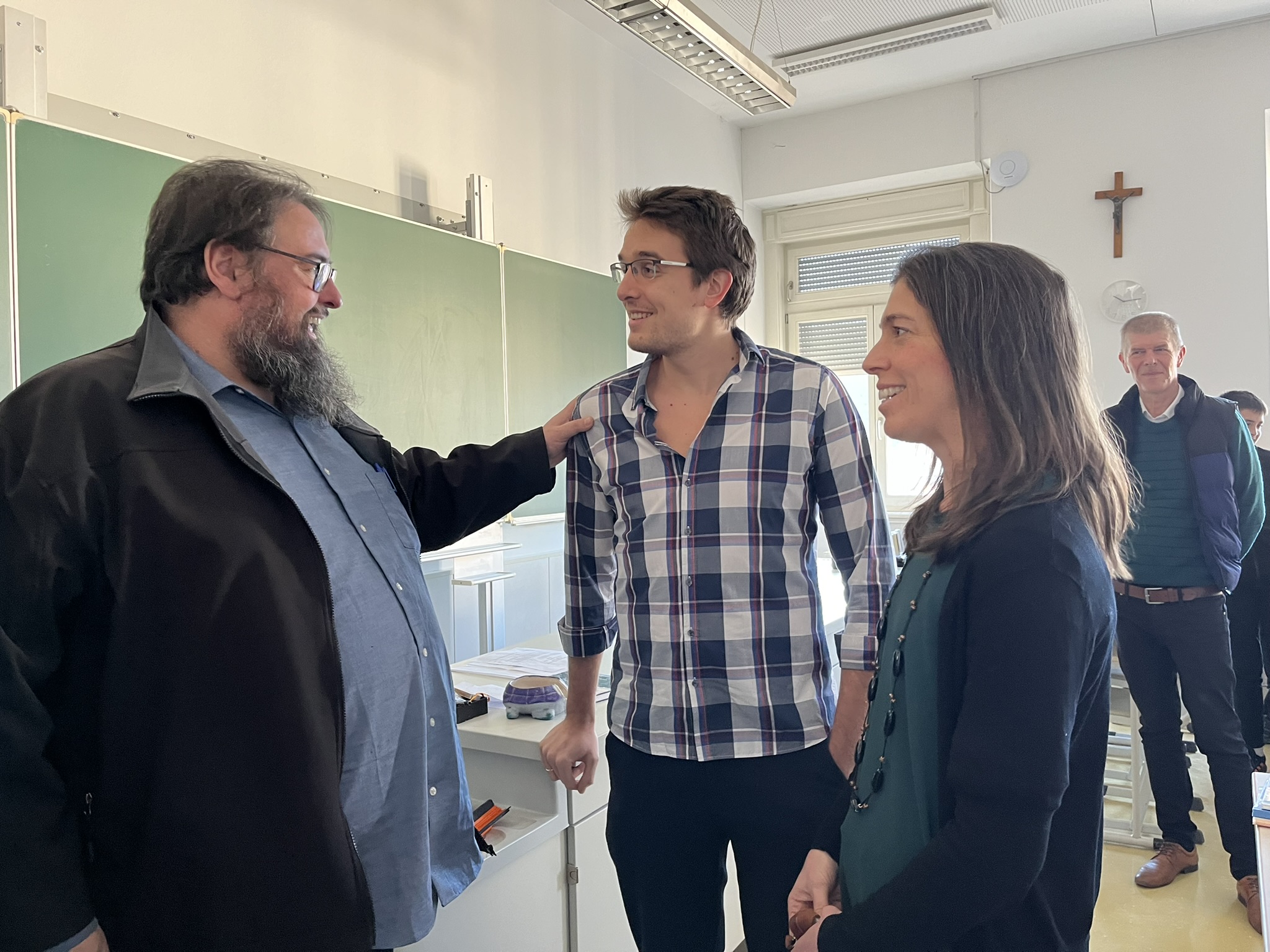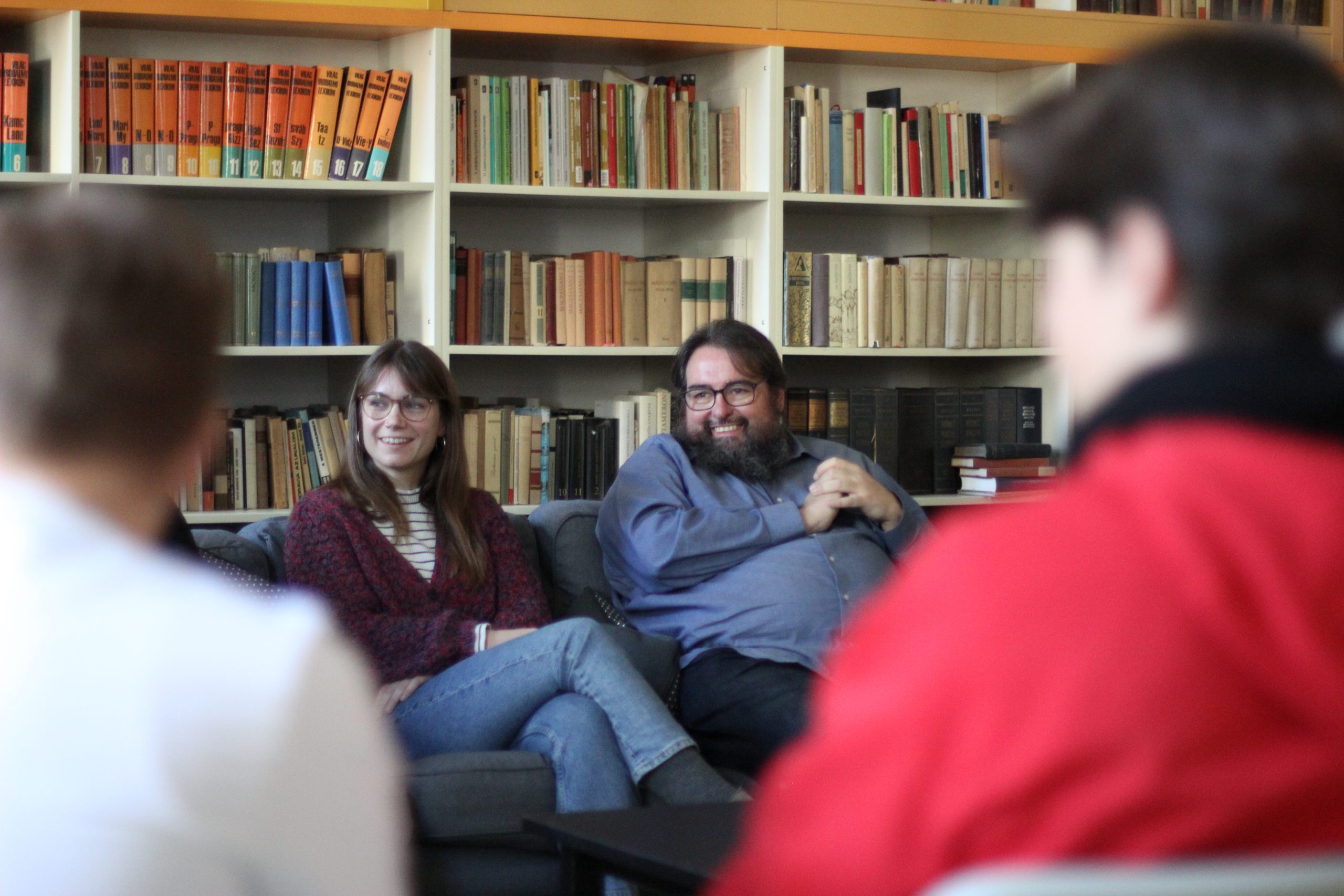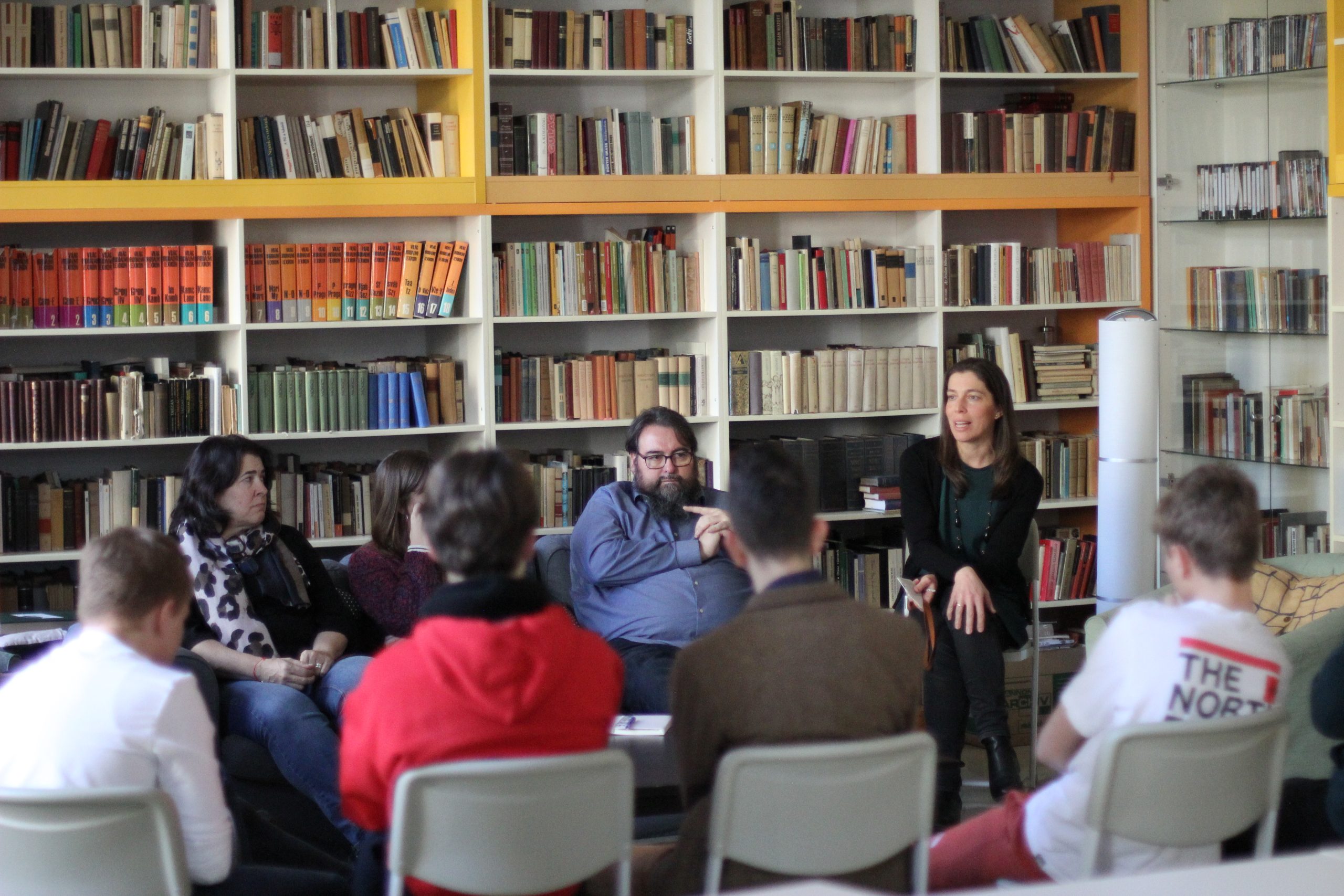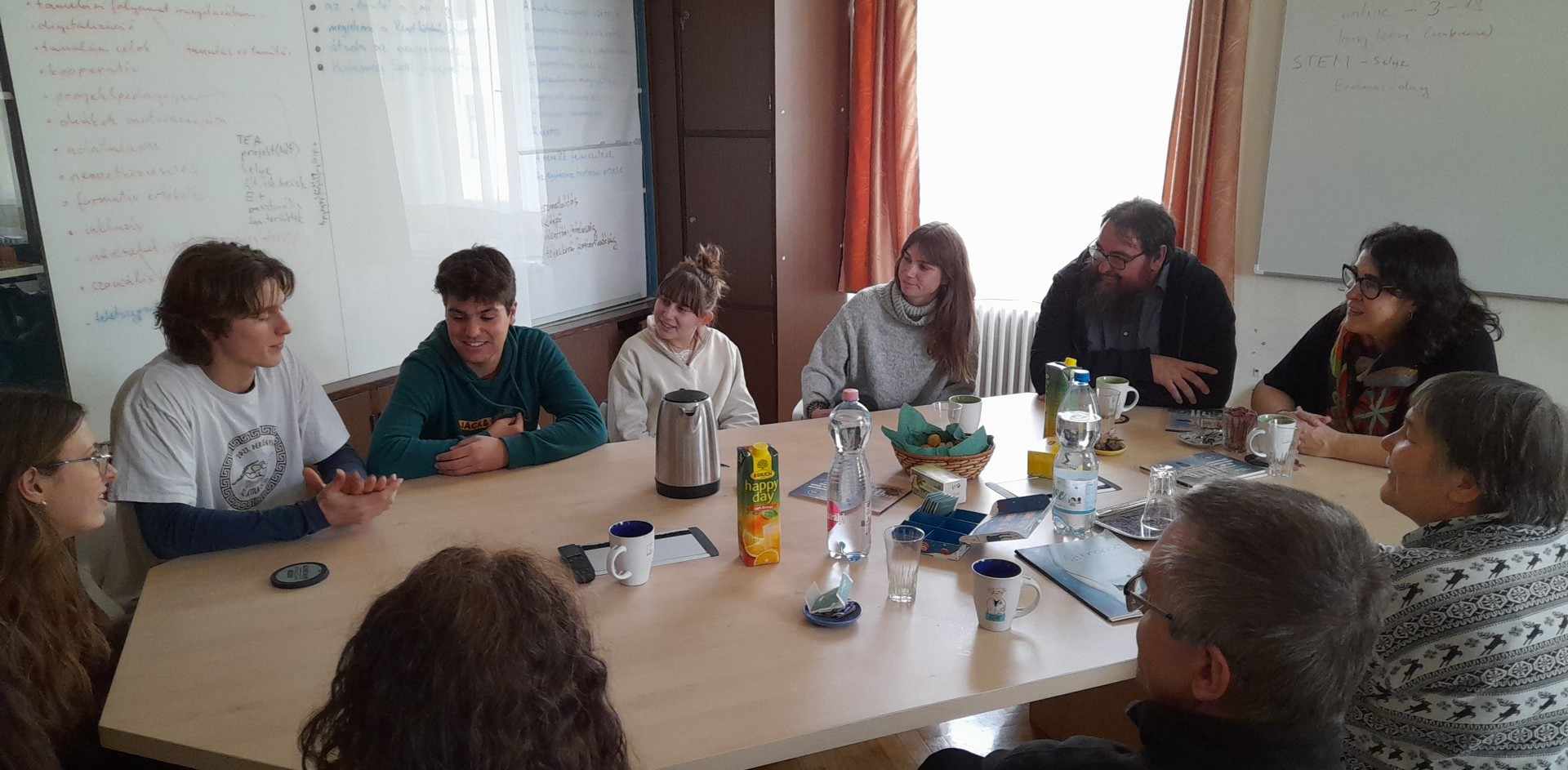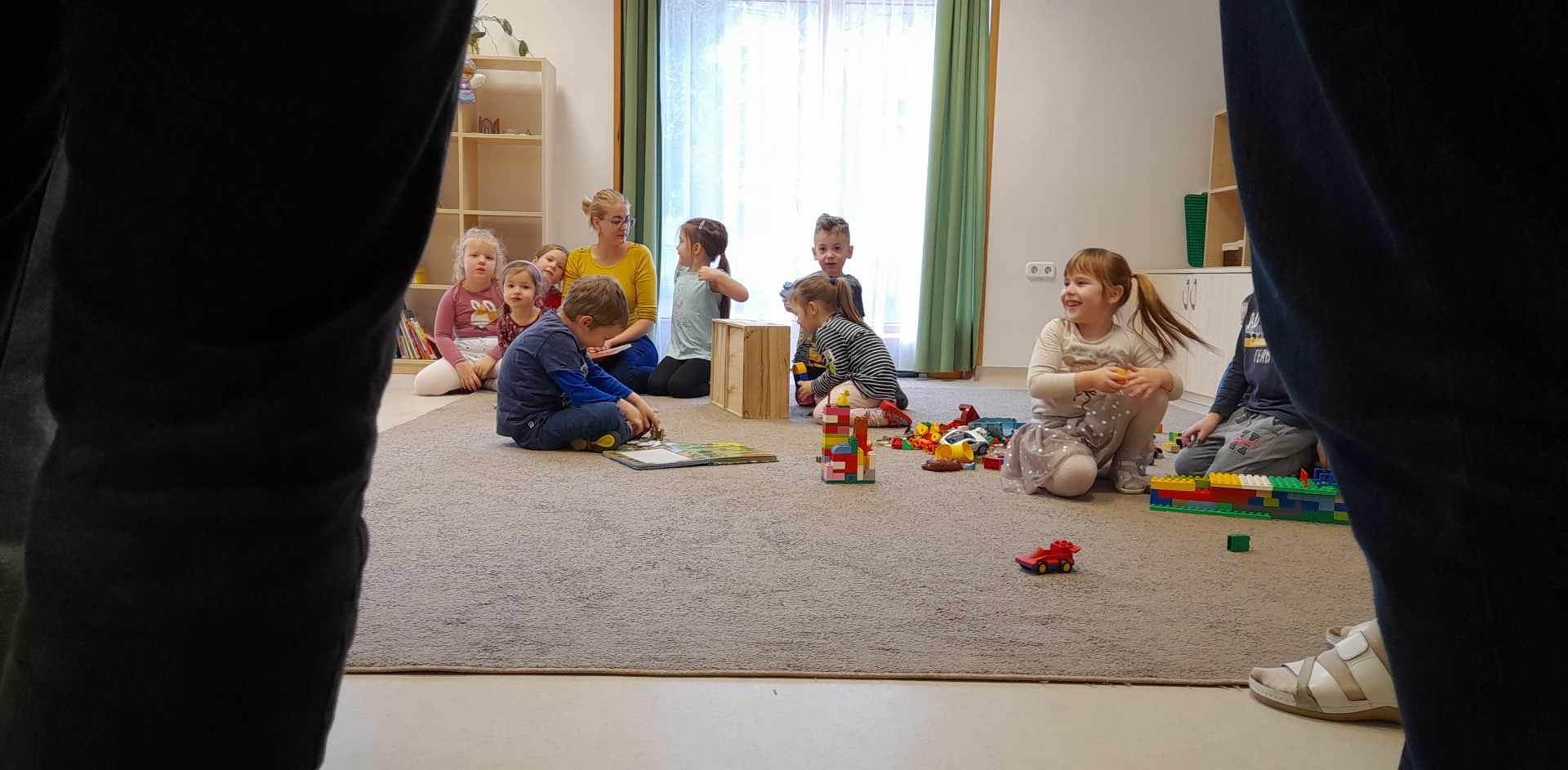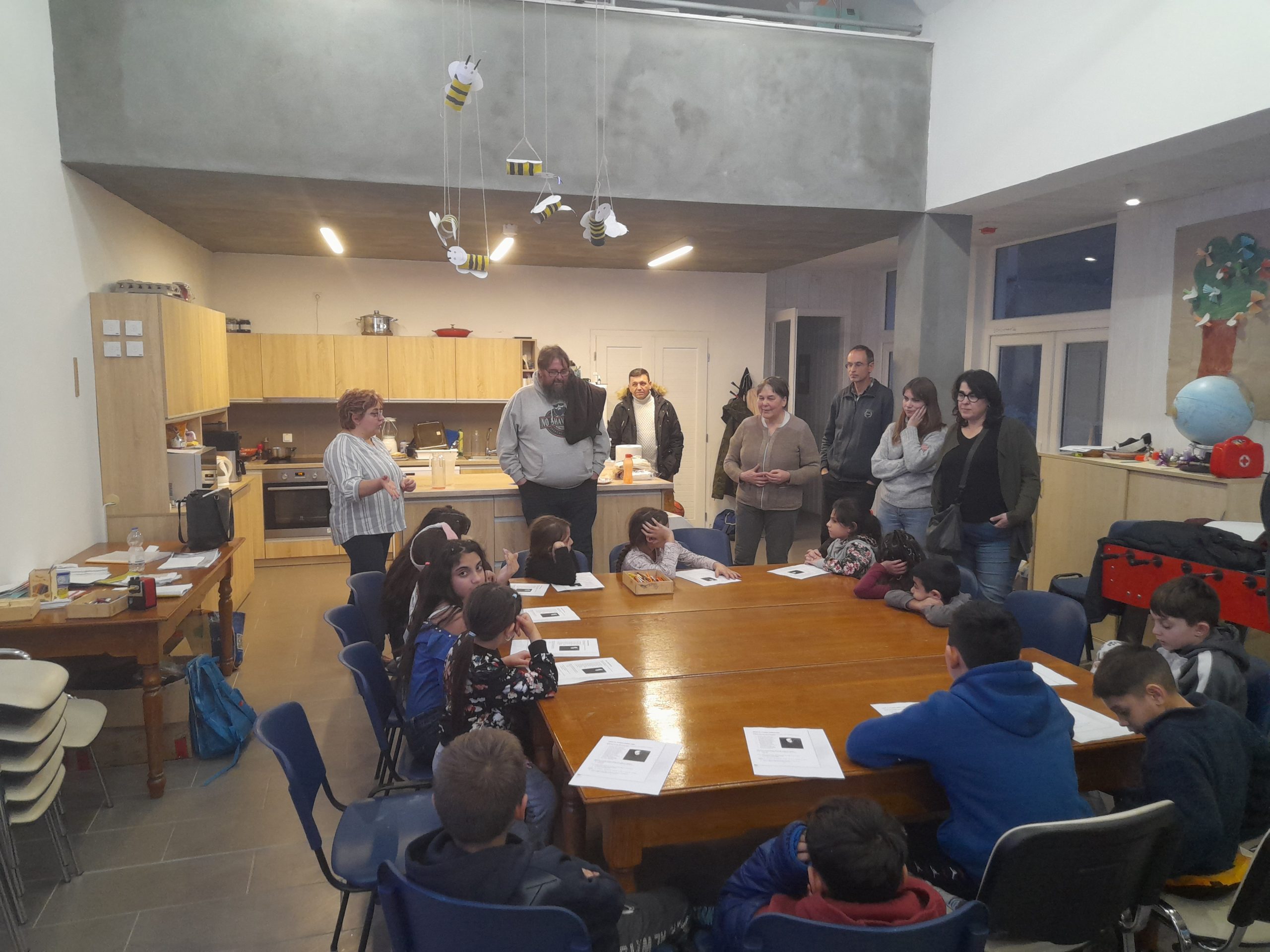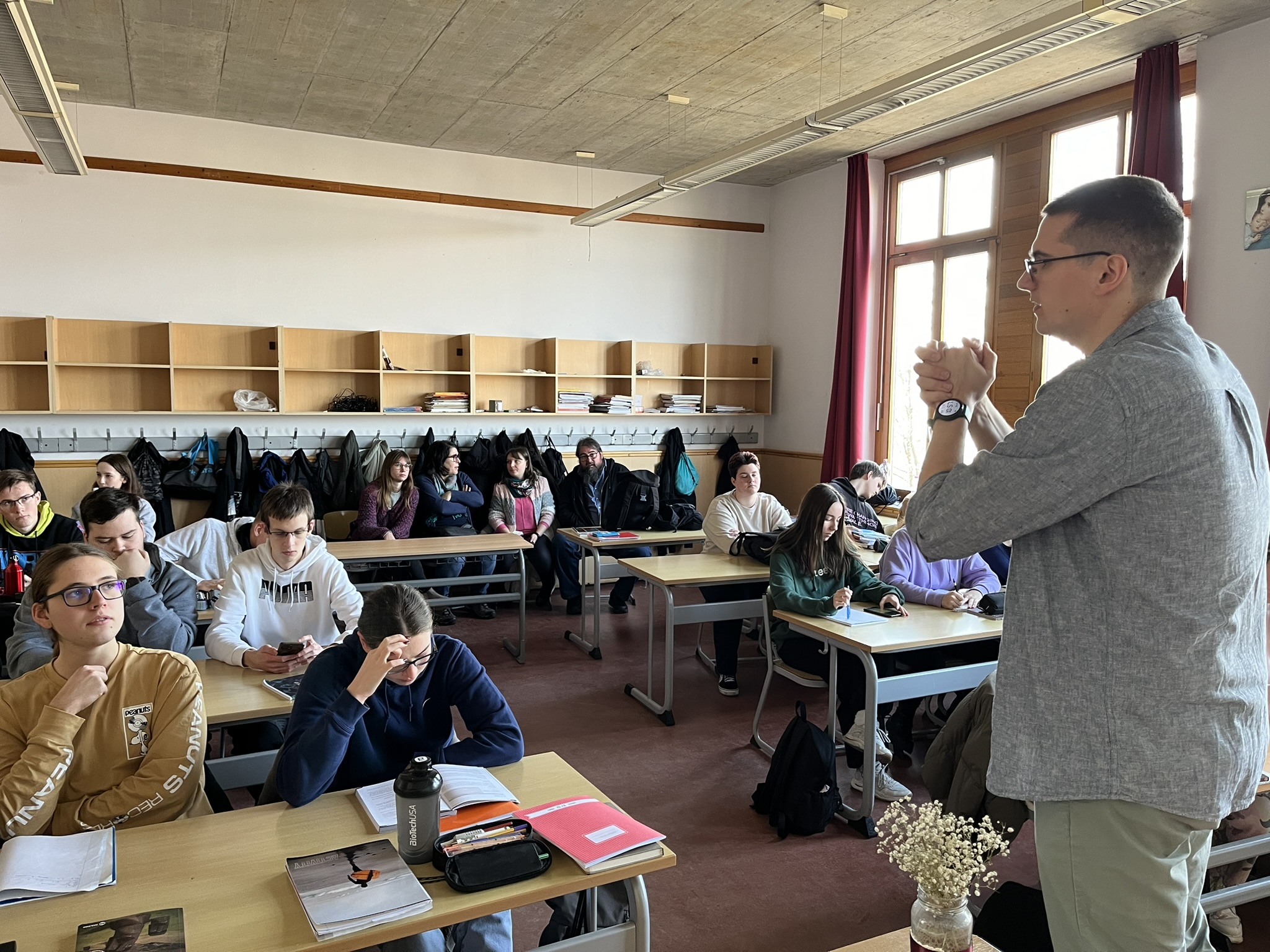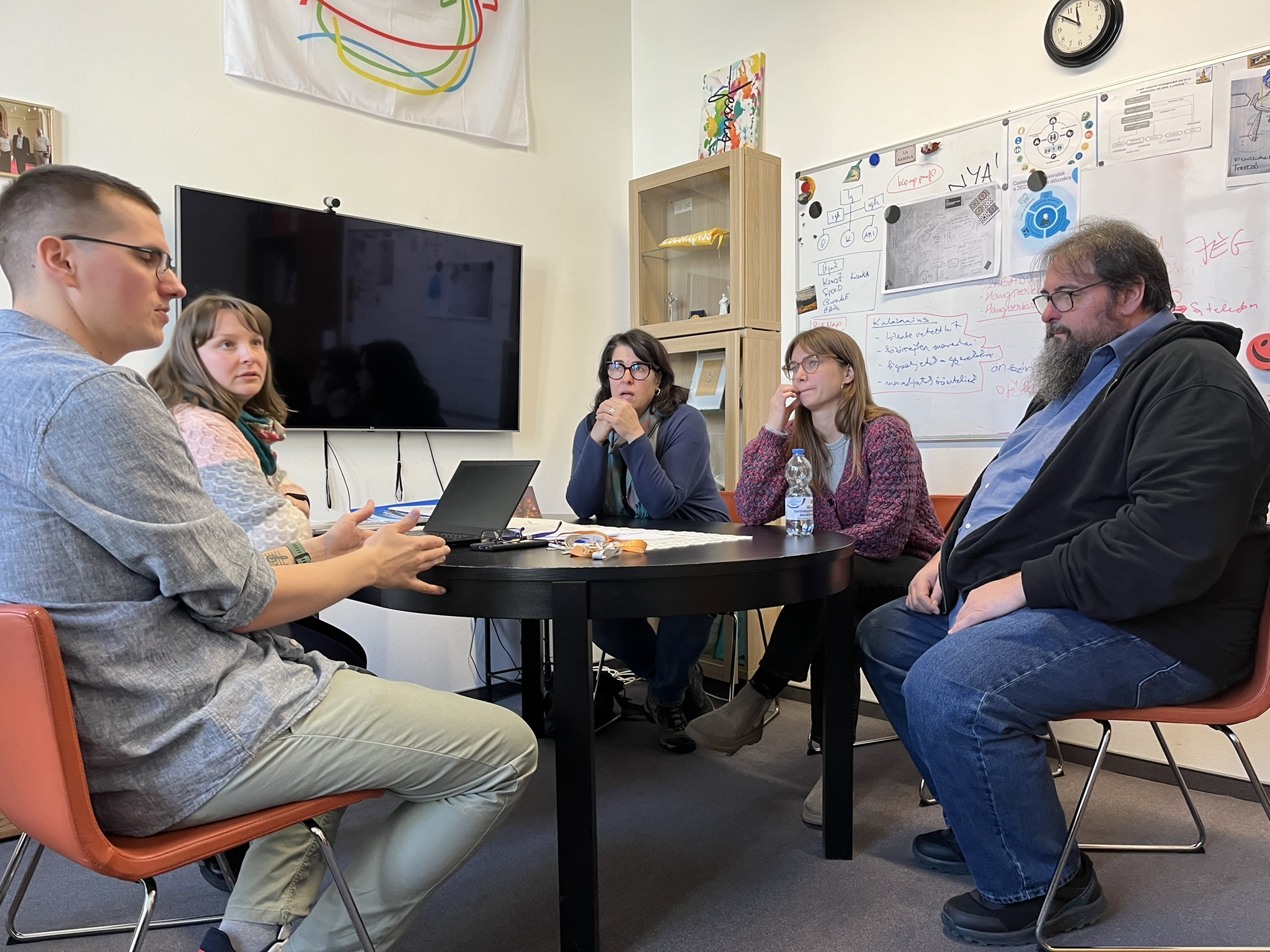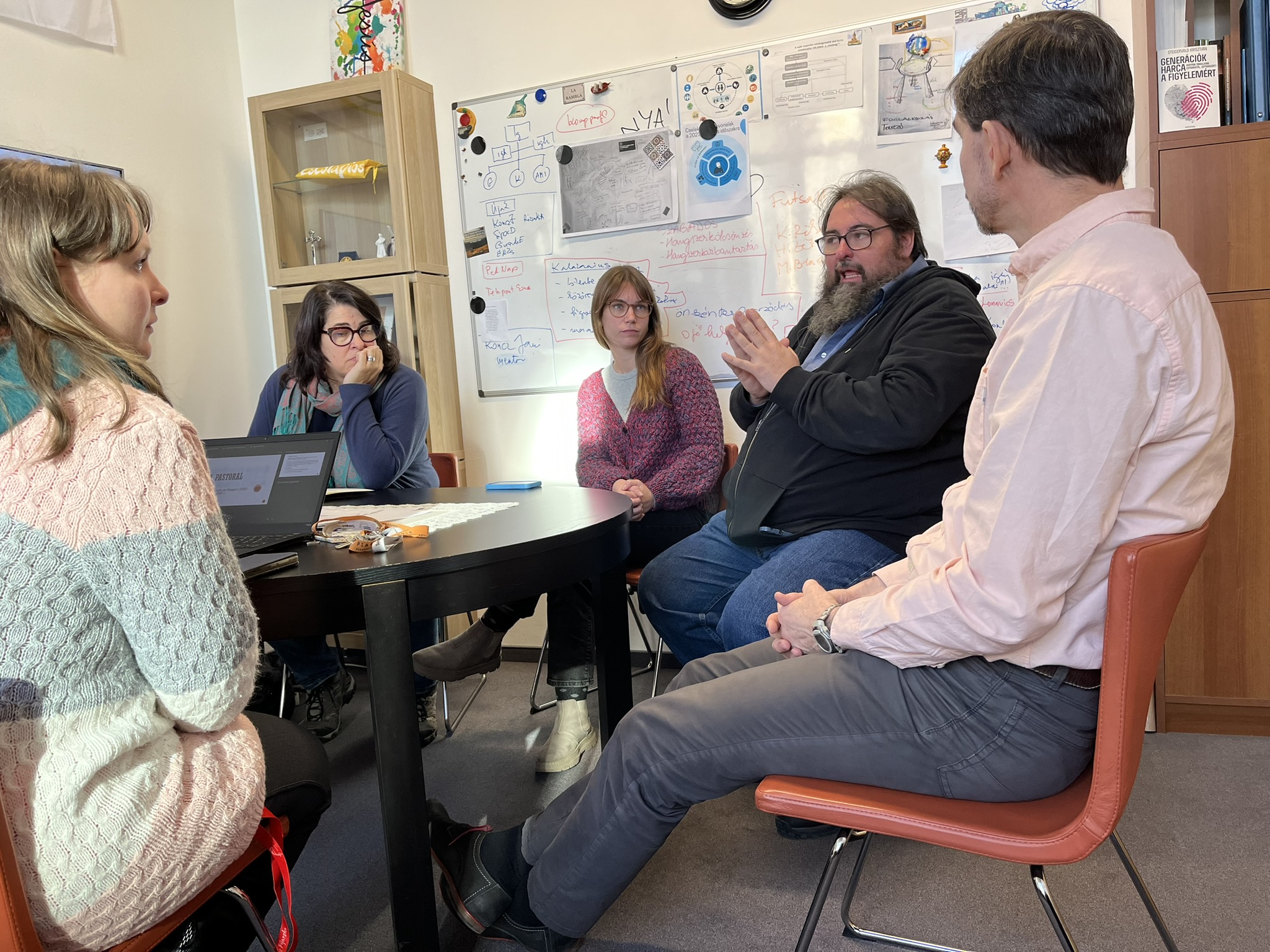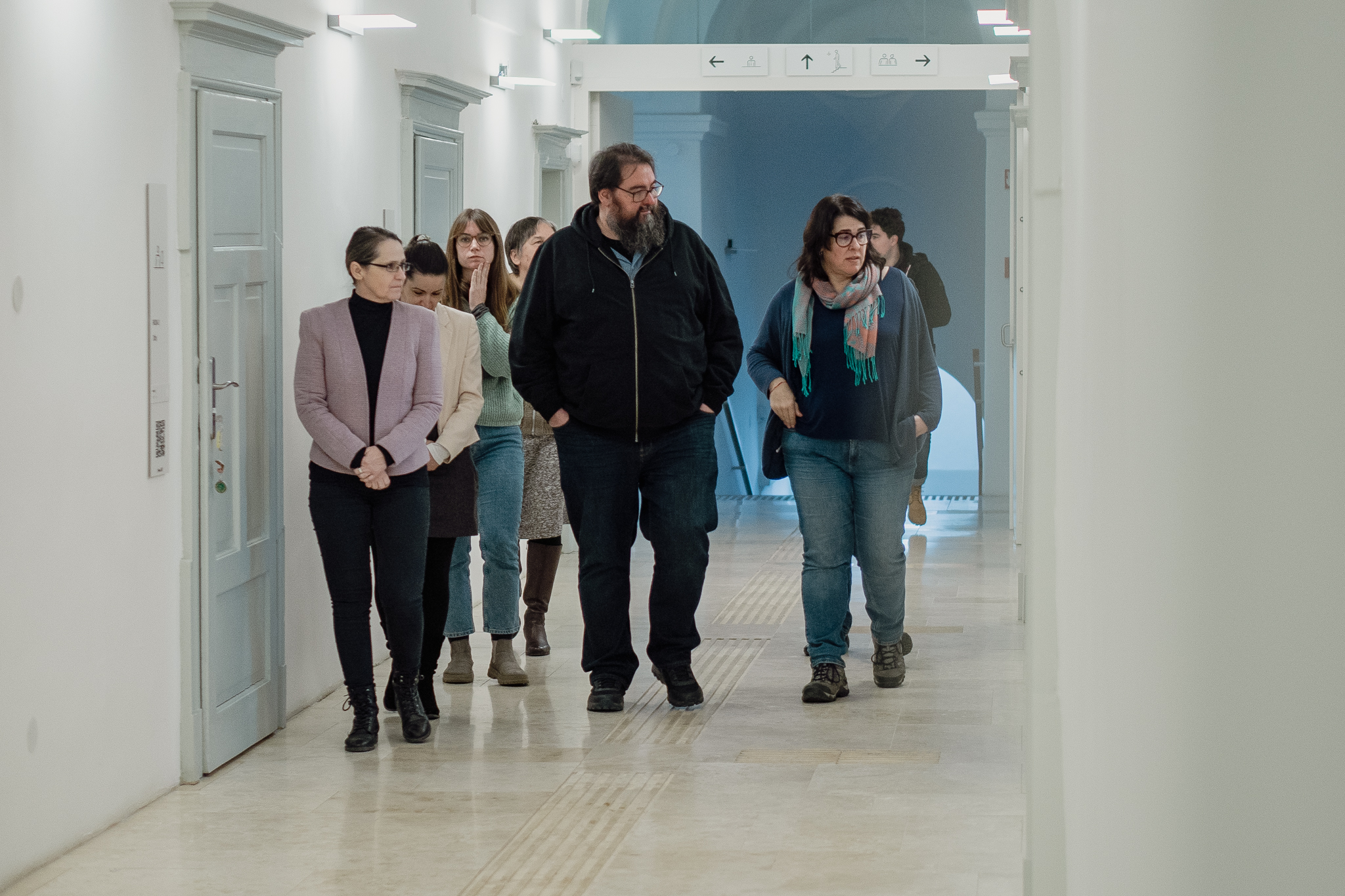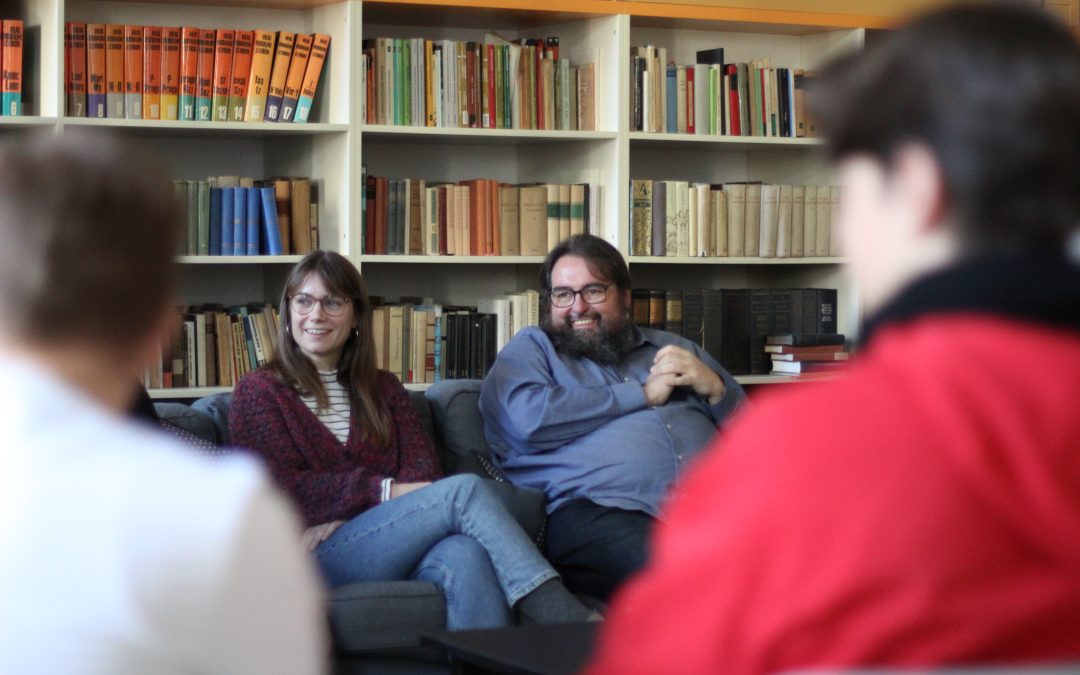
From 21 to 26 January, the Provincial of Catalonia, Jordi Vilà-Font, and two of his collaborators, Sara Camps, Head of the Pastoral Department of the Catalan Province, and Mireia Garriga from the Camins Foundation, visited our Province. During their week-long stay, they visited our schools in Szeged, Sátoraljaújhely, Vác, Kecskemét and Budapest, took part in classes, got to know the pastoral and educational work of the institutions, visited the Piarist Mirador Centre, spoke to students, teachers, members of the Congregation and juniors of the Kalazantínum.
At the end of his visit, we asked Father Jordi Vilà-Font, Provincial, about his experiences and the similarities and differences between the Catalan and Hungarian schools.
I would like to ask you to briefly introduce the Province of Catalonia.
Thank you for the opportunity; it is a pleasure to talk about my province. We have twenty schools, a social foundation and a community project. In the latter, we organise excursions, camps and leisure activities for young people.
This year we have around 19,200 students and almost three thousand employees. However, imagine three thousand families behind the employees, because in a way they are part of it.
Of course, we face many challenges, but our task is to adapt as much as possible to local circumstances and to provide the best response to these challenges.
As far as religious life is concerned, the situation is very different from Hungary. We can say that Catalonia is one of the most secularised regions in Europe. There are very few religious. There are only fifty Piarists left and at least half of the religious are over 80 years old. Nevertheless, we are not giving up on spreading the message and the example of life of Calasanz. We are trying to achieve this by involving as many people as possible who have a deep Calasanctian commitment.
As far as religious life is concerned, our aim is to put the Calasanctian ideals into practise as much as possible and to pass them on to young people in their daily lives. This is the main direction of the commitment of the religious. Our communities are much smaller, but very enthusiastic and try to fill the time we spend together with life, all in the spirit of Calasanz, of course.
As Provincial, how can you be present in the life of the schools?
I want to be very close to the schools. I was headmaster at one of them. I try to be as close as possible. If I am invited, I am happy to give a talk. Of course, it’s a bit more difficult now, as a provincial, but I try to be close to them.
I used to teach philosophy to high school students and history, geography and religion to secondary school students. I really miss teaching, but now I have other commitments.
Your visit to Hungary is ending. What experiences will you return with?
A very pleasant experience. I heard a lot about the Hungarian Province from the Piarists who were here. In many ways, they see Hungary as an example, a model. I did not know that at all.
It is amazing for us to see the efforts that the Hungarian Province made after the regime change, when it was again possible to revitalise the once great institutions and continue the tradition, in line with the current circumstances.
I realised that the institutions we saw are a real response to the challenges of the present.
I was very impressed by the boarding schools, both for high school and university students. We do not have such an institution here and I think it is very useful for young people: being together is a great source of strength and help for them.
I also liked the importance attached to art education in Szeged, for example. In Kecskemét, the many international contacts and in Vác the family atmosphere were the most important experiences. In Sátoraljaújhely, it was touching to see how the neediest were cared for, as this is very close to the mission of the founder of our Order.
Everywhere we went, I noticed that the religious co-operate one hundred percent with the lay workers, and I think that is a very good thing. Both the vocation of the religious and the vocation of the laity are of full value, and both help to realise the dream of Calasanz.
What are the similarities and striking differences between the Catalan and Hungarian schools?
One thing we certainly have in common is that we also look at reality with open eyes. Educational innovation is also very important to us.
It is important to offer children excellent conditions, both in terms of the environment and the staff who support them in their development. They all serve to ensure that the children receive the most comprehensive care possible.
Here in Catalonia, the issue of inclusion is now important: bringing together children from the middle class, disadvantaged children and children from higher social classes. That is what inclusion means. In addition, it is important because each class can contribute something to the common development. In fact, it is a fight against segregation.
Have you seen areas where the two provinces can work together?
There are many. For example, international cooperation, such as Erasmus+, or any bilateral international exchange programme. However, we can also include educational innovation programmes. These would be mutually enriching for the provinces.
I am not just talking about visits, but also about professional exchanges of teachers. Similarly, cooperation in the Calasanz Movement could be expanded, because there are groups of young people who are trying to do important things together. It would be an encouragement for them to see that there are similar groups of young people with similar activities in other countries.
I think it is an important challenge for Europe as a whole that we all deepen our relationships, because there are many areas where we can benefit from each other. They should be utilised much more.
I believe that an important step in this is that we, the provincials, get to know each district in its own reality, with its own problems and concerns.
What message do you have for our teachers and students these days?
My message to the students is: Never stop learning. See every day as a gift, because it is a gift, and always want to improve. Always leave school with a smile on your face, happy to have learnt something new and interesting today.
In addition, to the teachers: keep up the good work! Prepare thoroughly for every lesson and accompany each pupil lovingly as they make progress.
Educate yourself so that you can always offer your students the best you can in this changing world. Become true collaborators of Calasanz and contribute to making our world a better place. Only then will we be able to put into practise the message of Jesus that “the Kingdom of God is among you”.
Viktória Csapó. Communication Hungary