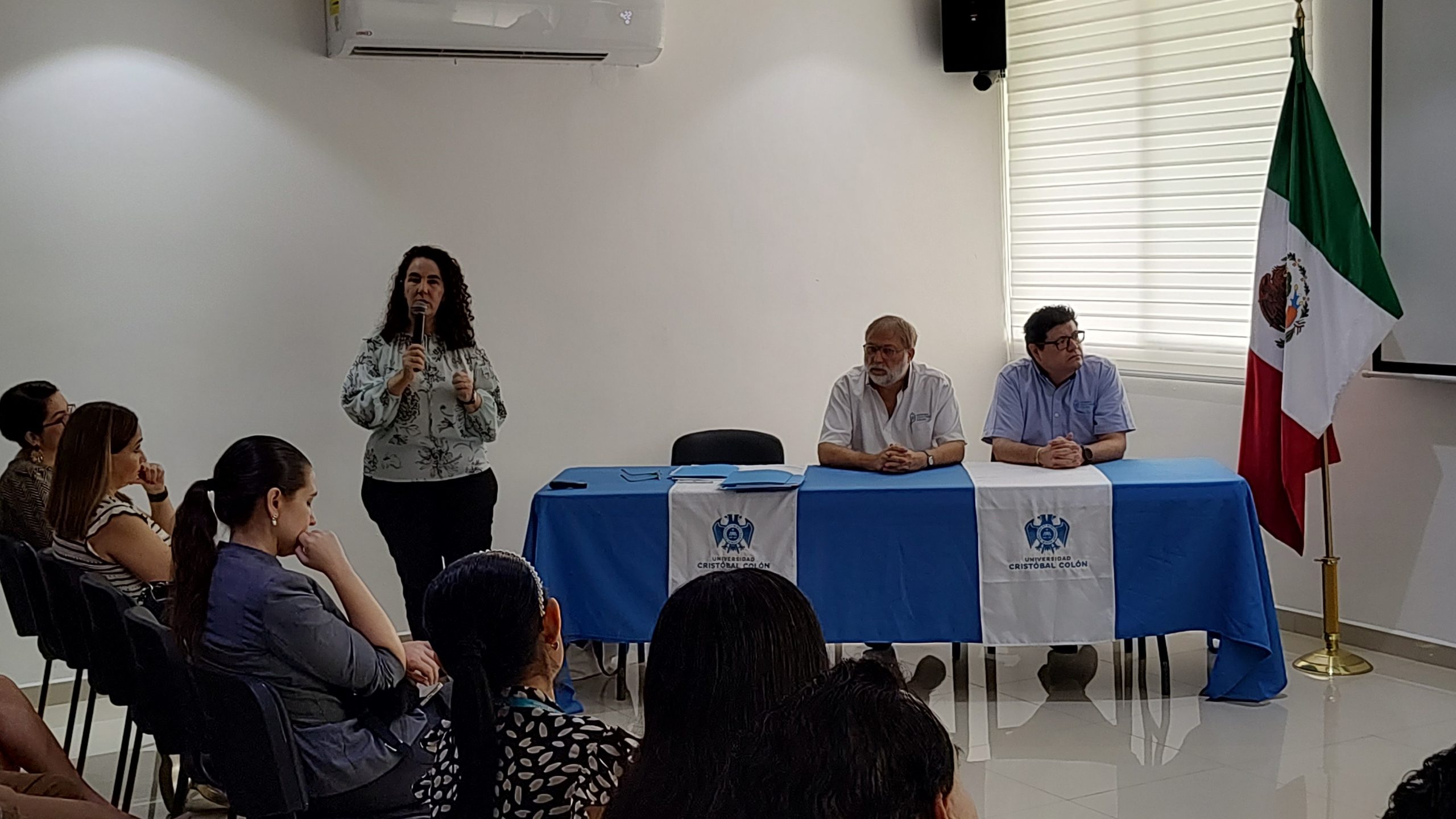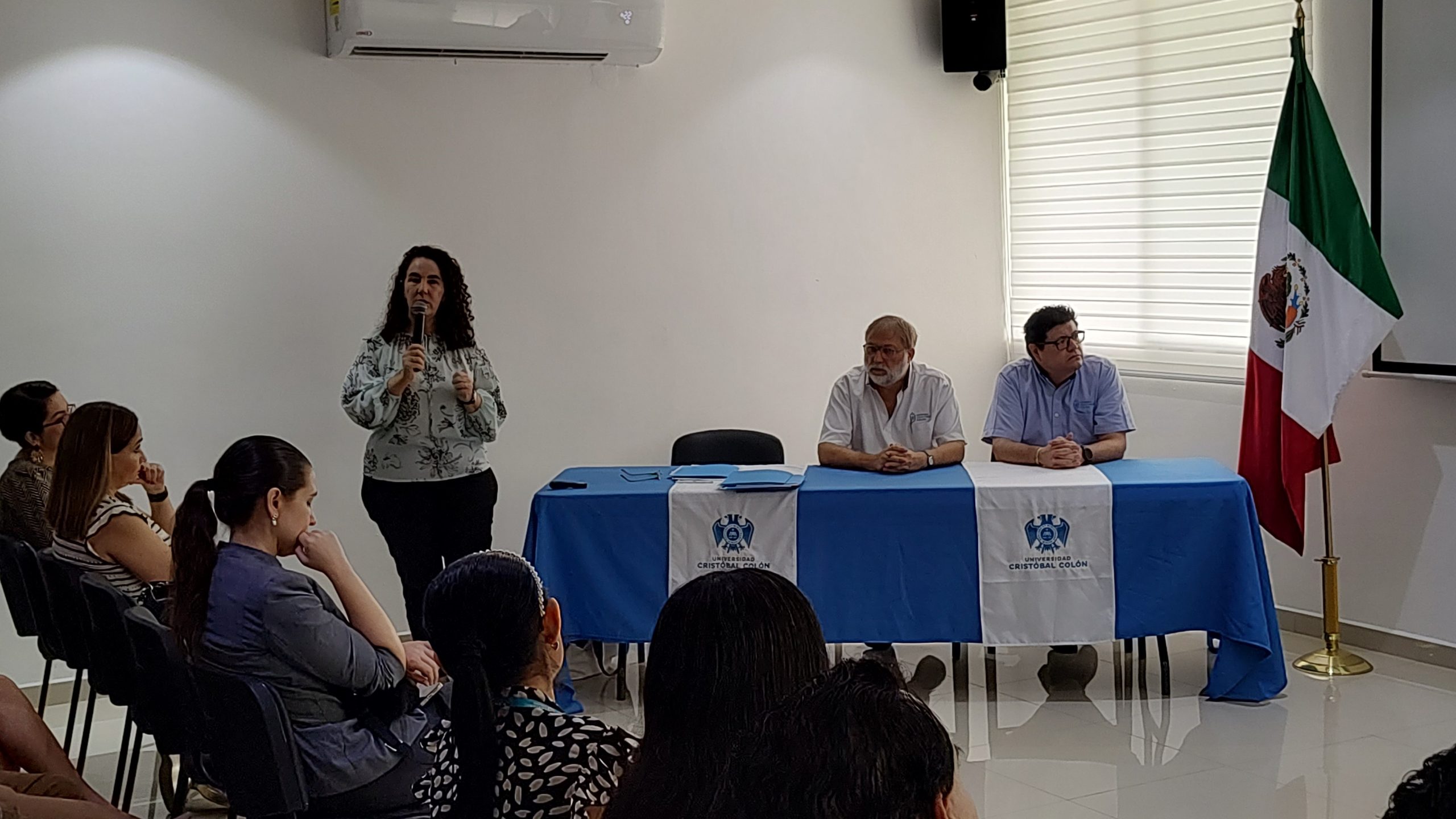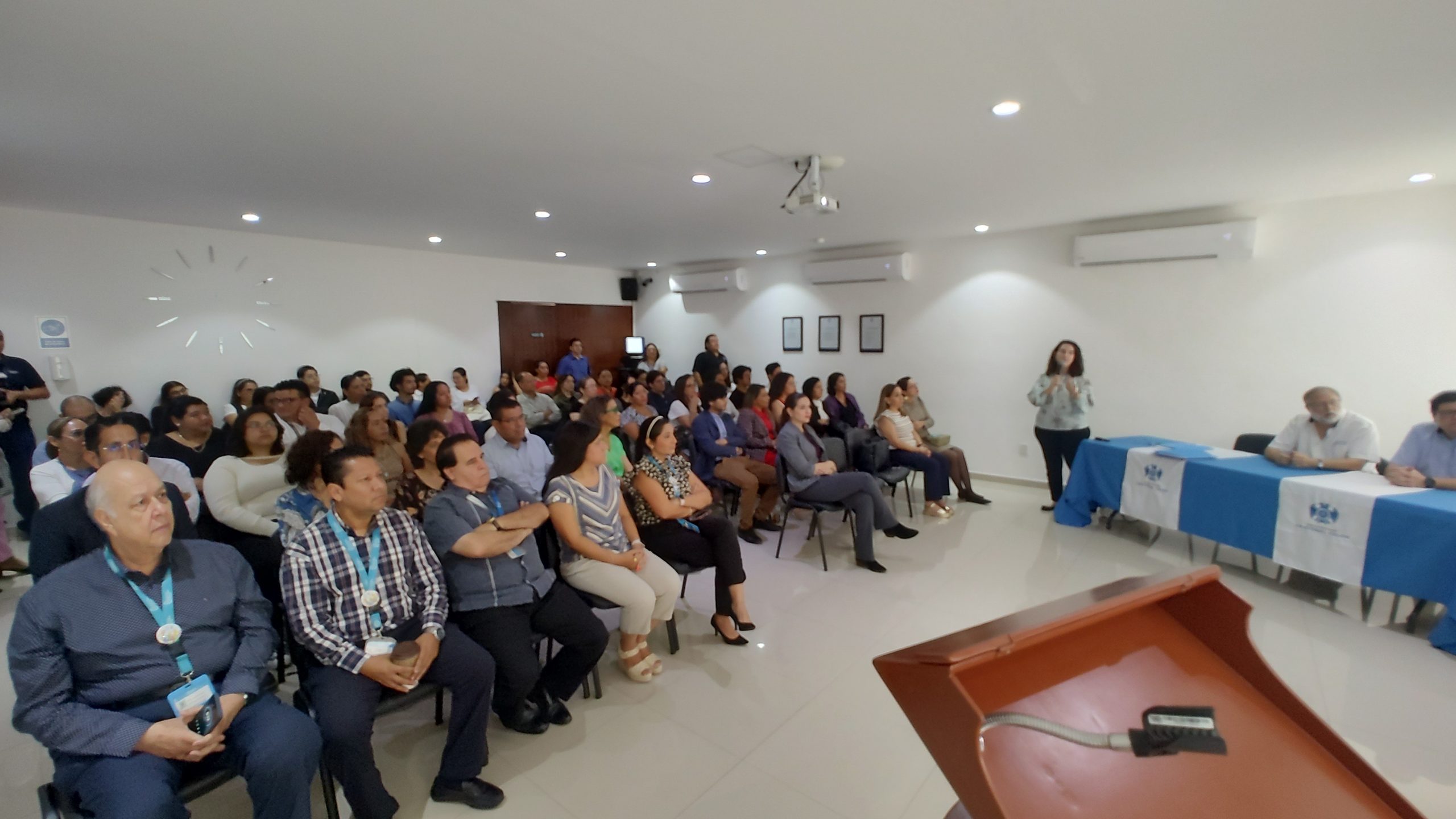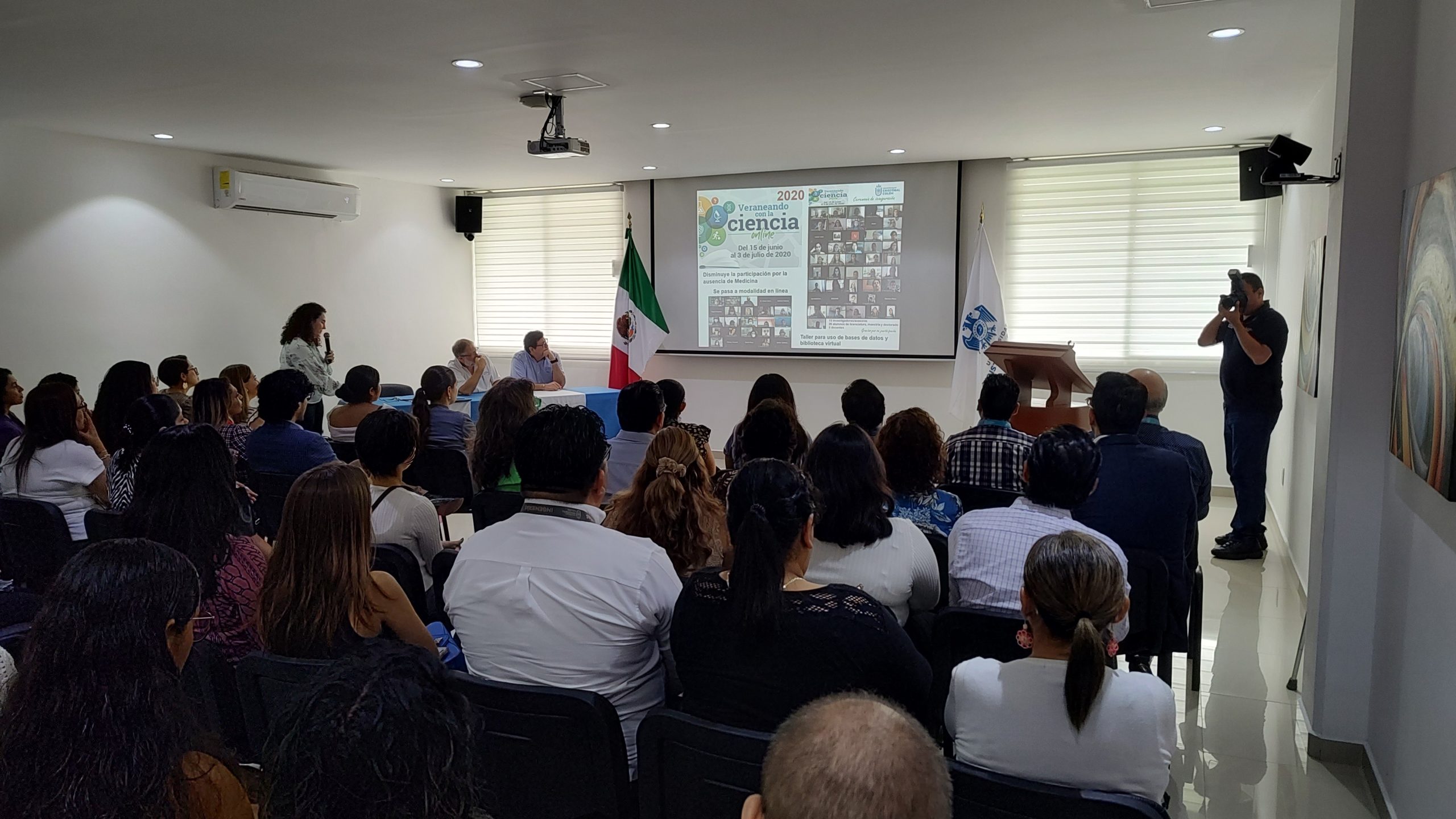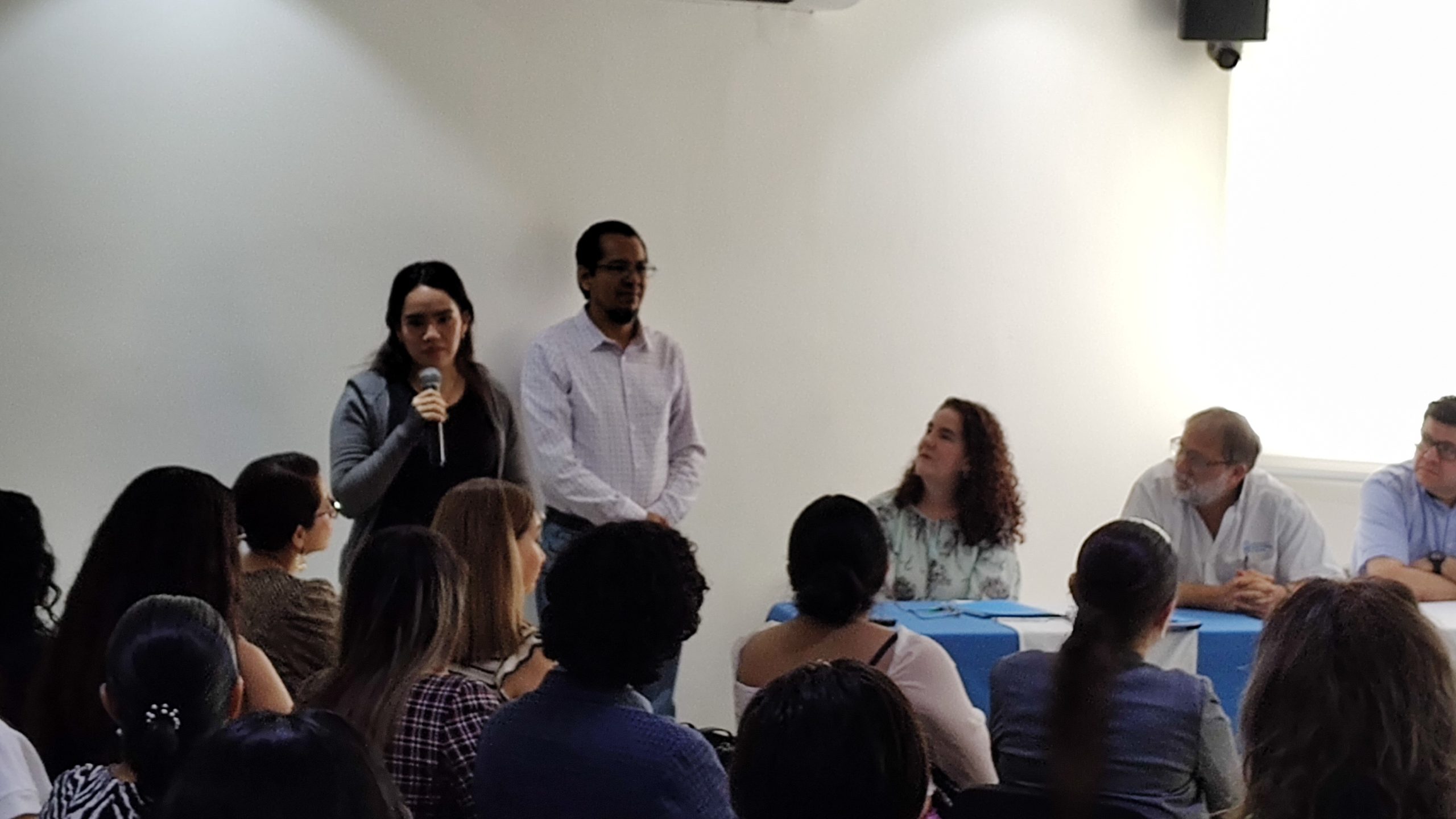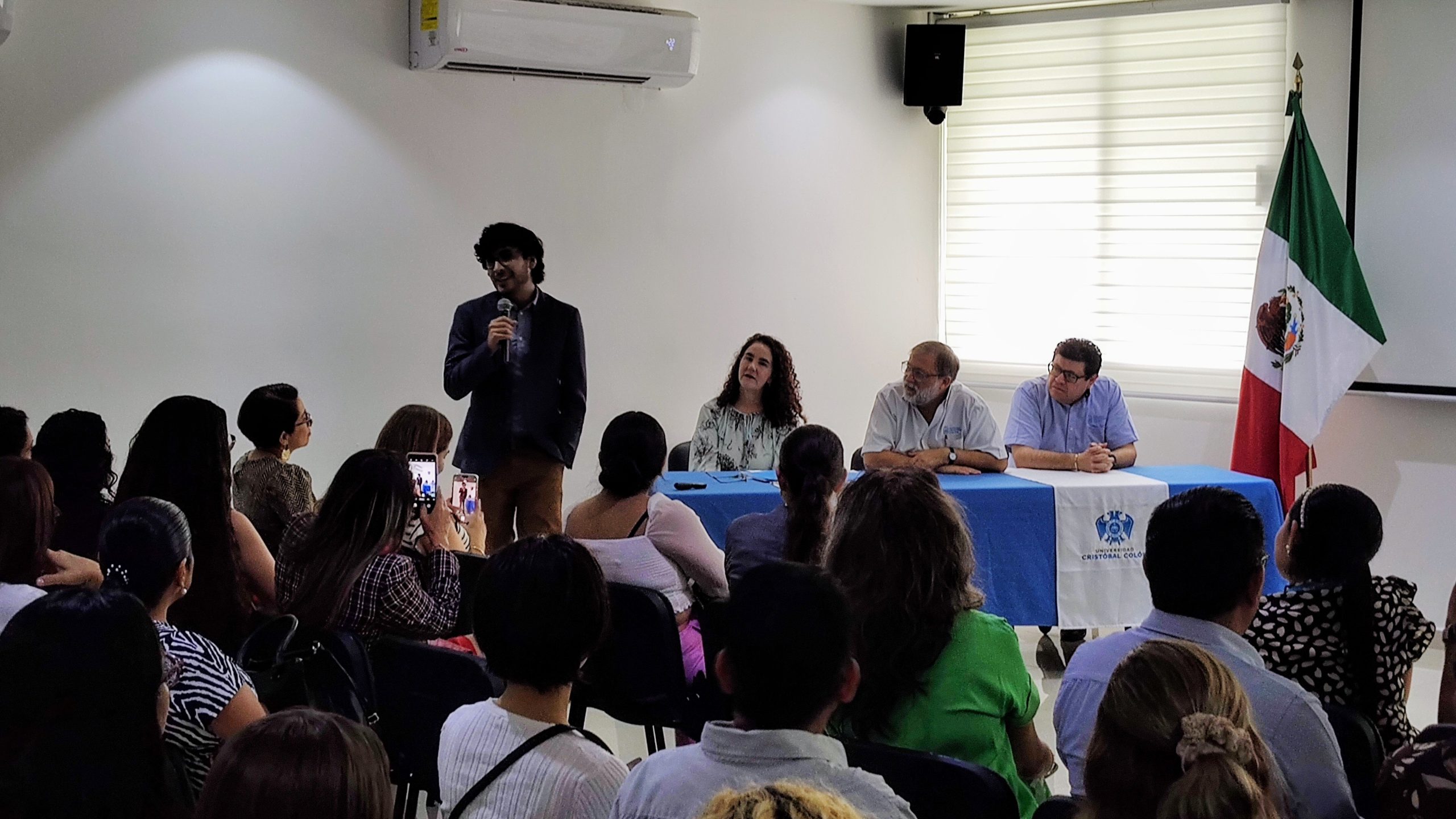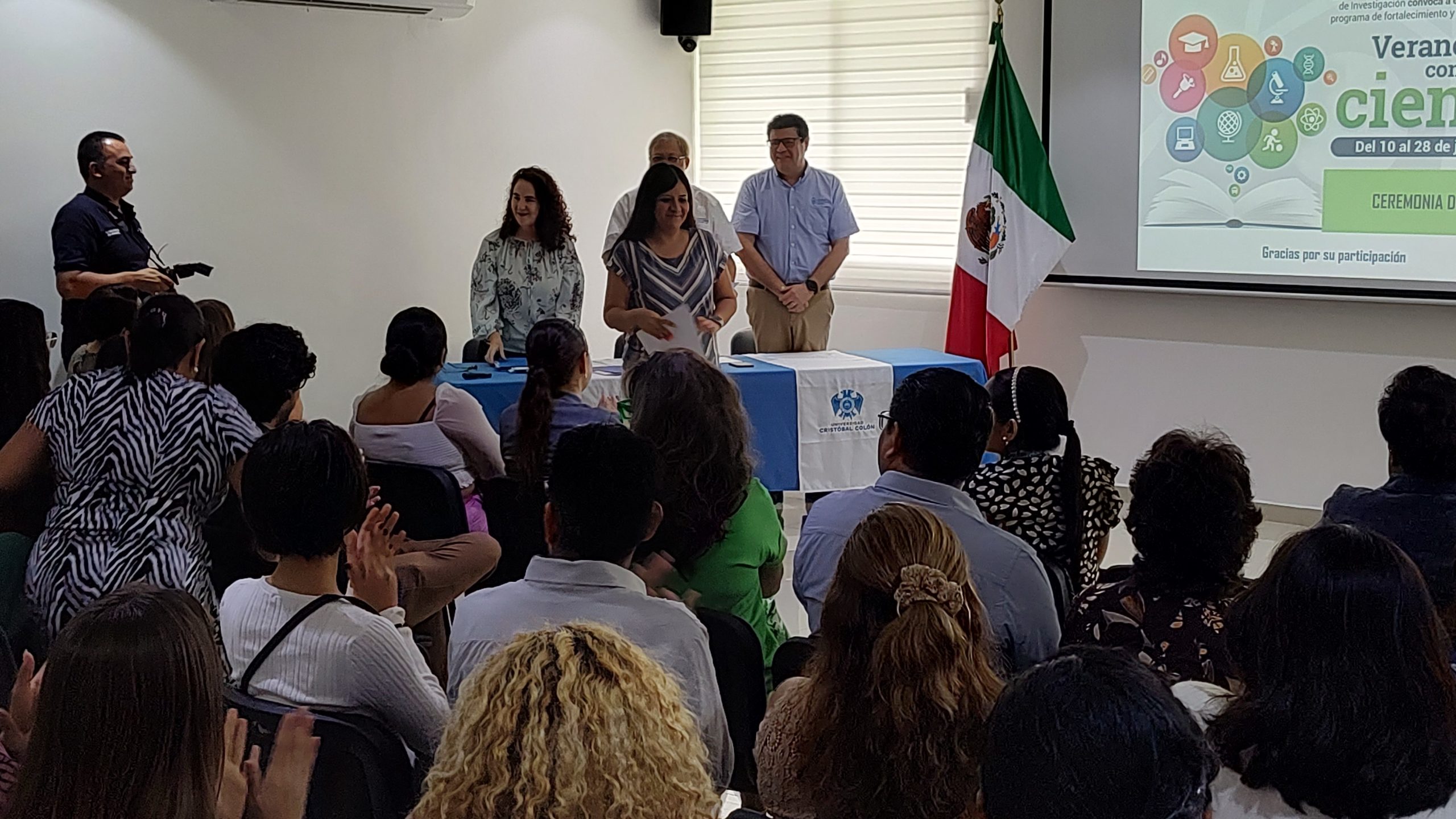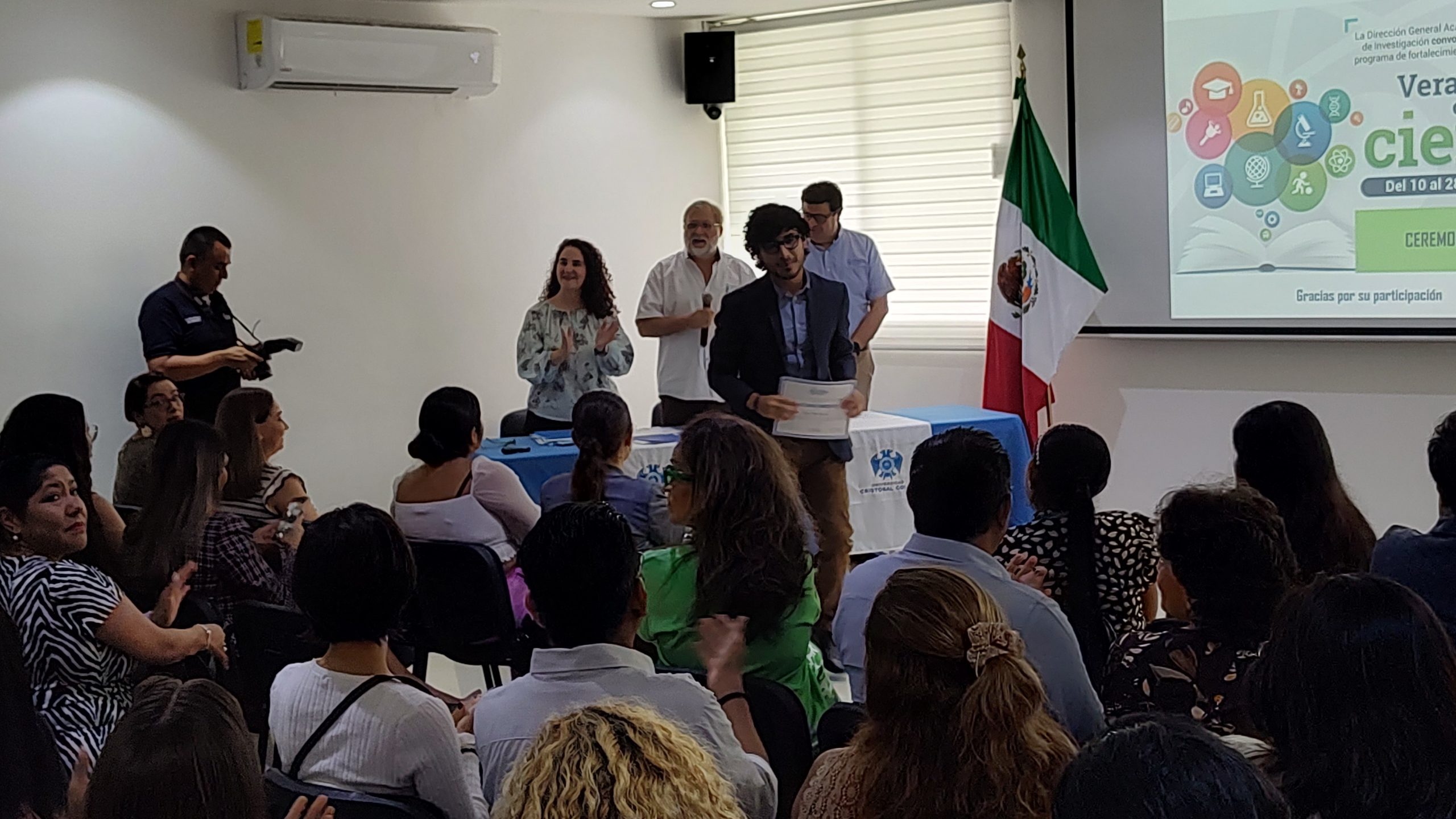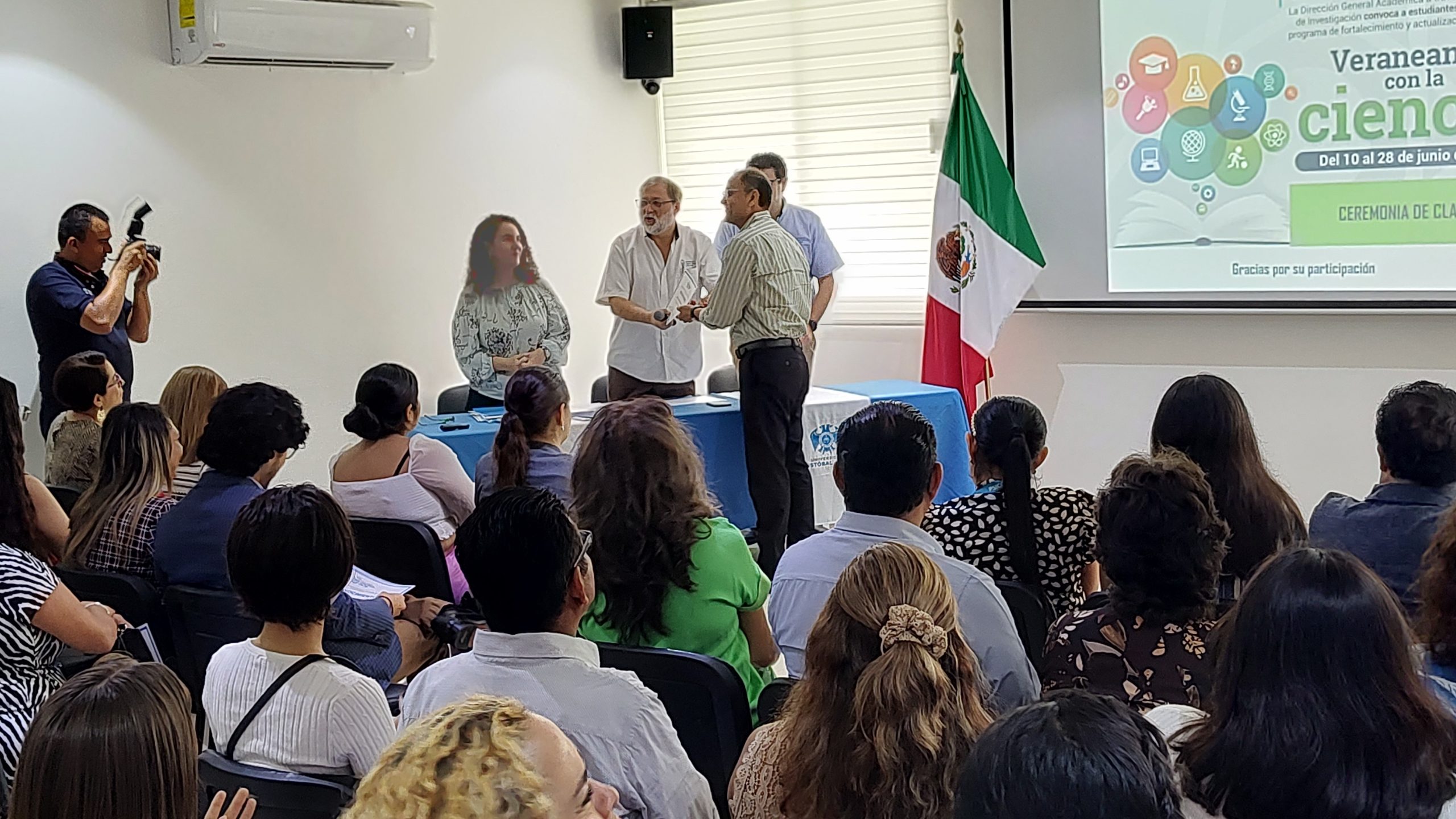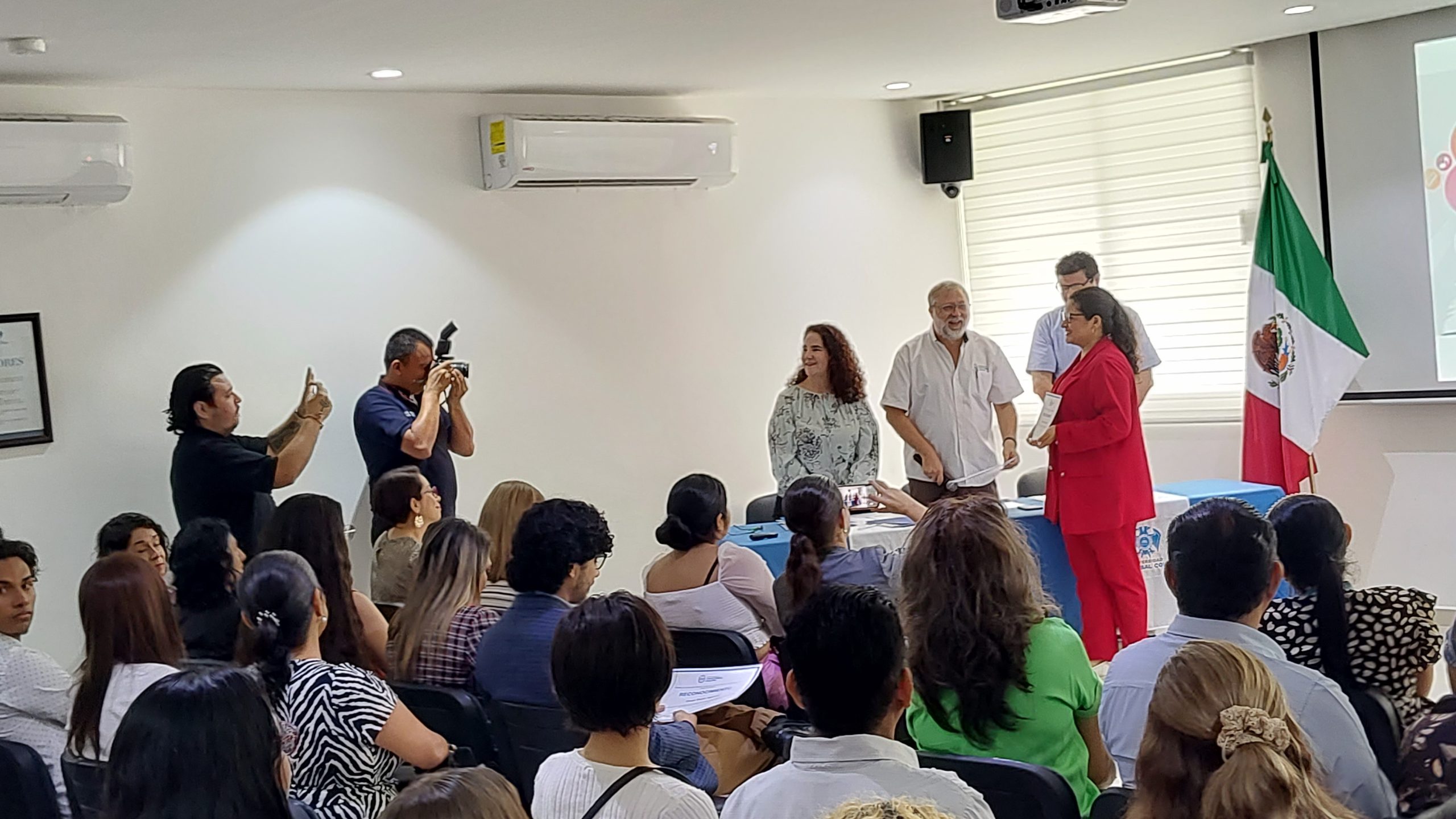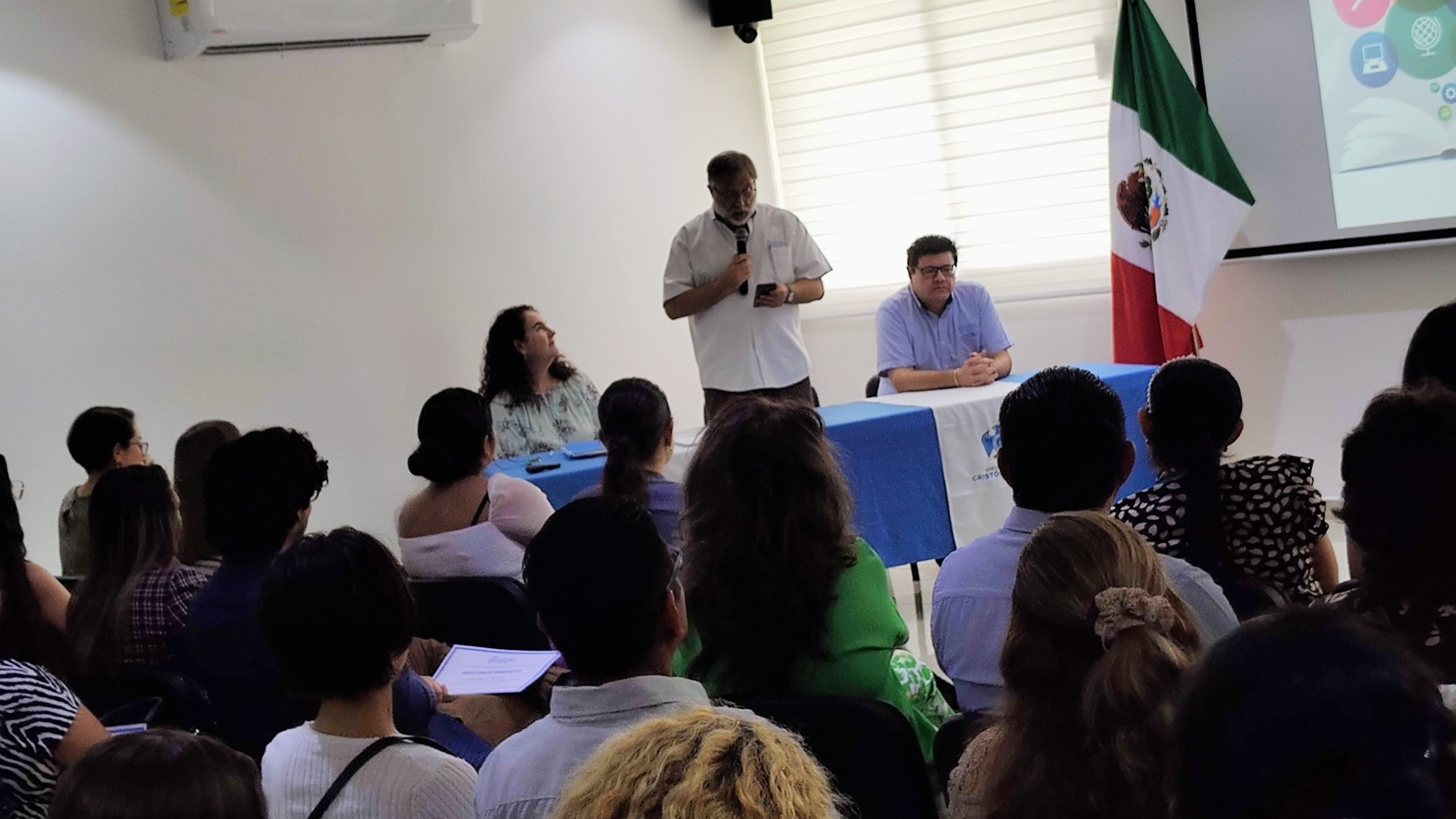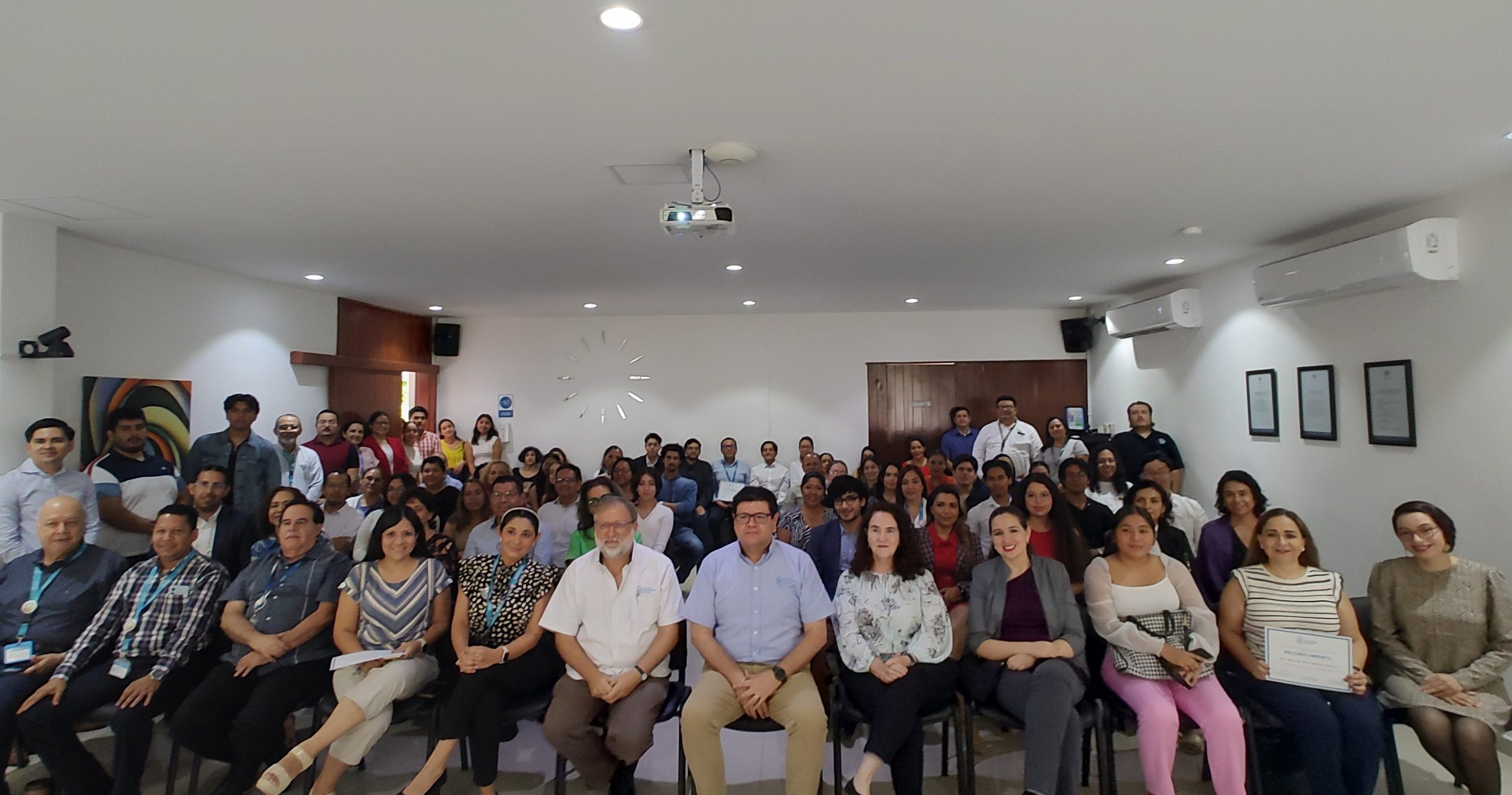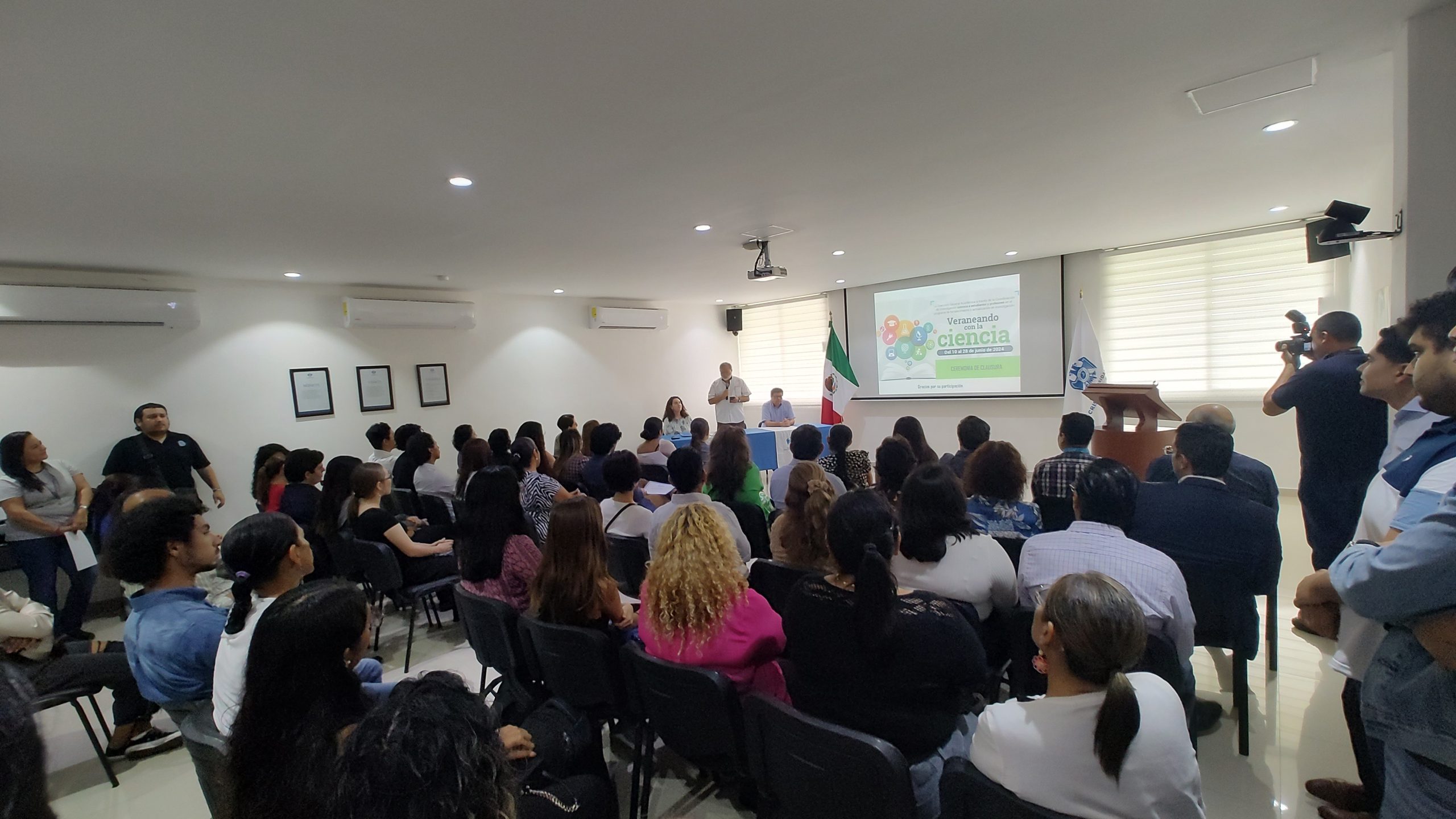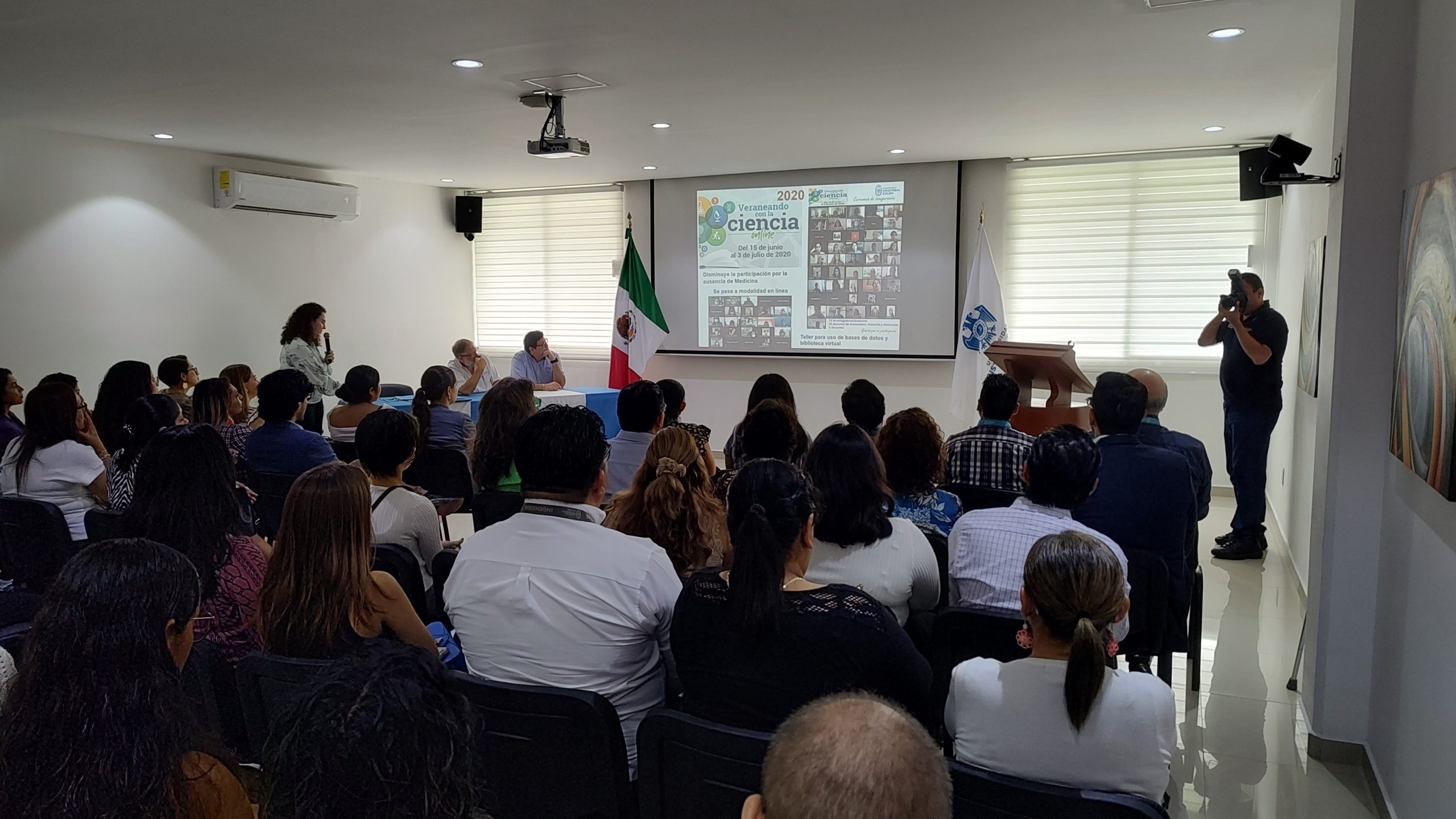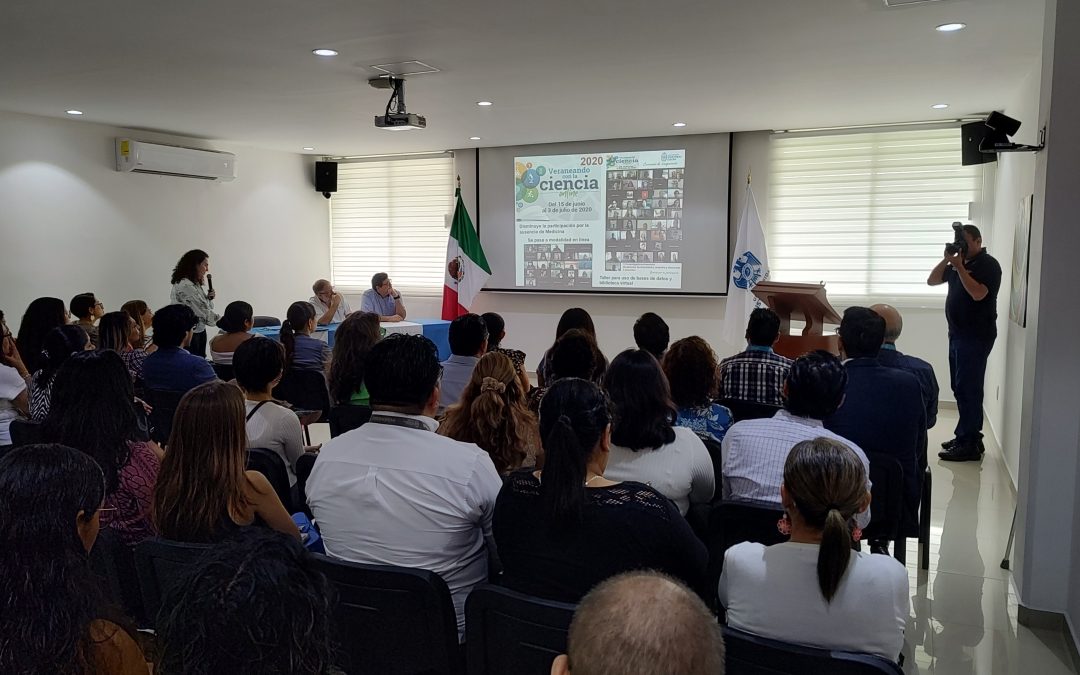
The conclusion of “Summering with Science”, the long-standing institutional programme to strengthen research at our university, took place on 3 July.
From 10-28 June, 74 participants worked intensively under the guidance of UCC researchers and outside guests in an enriching educational experience designed to enhance or strengthen the research skills of students and staff.
Dr Isabel Ortega Ridaura, Research Coordinator, reported on the evolution of the programme in recent years, highlighting the remarkable growth, which has gone from 16 participants and 8 advisors in 2018 to 74 participants and 37 advisors in 2024, an increase of 462%. He mentioned that 329 participants have taken part in Summering with Science over the past six years, including undergraduate, masters and PhD students as well as teachers and staff.
He pointed out that the products resulting from this experience are diverse, ranging from research protocols and dissertation progress to papers, articles, book chapters, and prototype development, many of which are presented in both institutional and external academic forums.
Students and faculty from the Health Sciences, UCC Business School, Engineering and Architecture, Humanities and Law departments then shared their experiences of participating in the programme.
The participants and advisors received their awards from the Rector, Father Javier Alonso Arroyo, and the Academic Director General, Mr Alfonso Ortiz Quezada. Also present were the directors of the academic departments, heads of division, staff and professors.
For his part, Father Javier Alonso delivered a message in which he emphasised the need for science and research at the University;
“In a lucid article, the Spanish philosopher José Ortega y Gasset explains that the role of the University is to ‘transmit culture, teach a profession, carry out research and train new researchers’. He continues: ‘Science is the dignity of the University, indeed – after all, there are people who live without dignity – it is the soul of the University, the principle that fills it with life and prevents it from becoming a vile mechanism’.
The University not only needs constant contact with science. It needs contact with public life, with political and historical reality, because public life urgently needs the intervention of the University as such.
The risk that the university runs today is that it concentrates solely on teaching a profession and loses sight of the fact that it is an institution in which culture is produced and communicated. It is a lighthouse whose light guides ships in search of a safe harbour.
Therefore, the University must go further and, with the (scientific) research spirit of its professors, raise its academic level and improve its presence in society”.
He concluded with congratulations and the hope that the programme will continue to grow in interest and attendance, because in his opinion, one of the quality indicators of a University is its ability to inspire students in the search for knowledge.