Day 1 Coedupia 2025
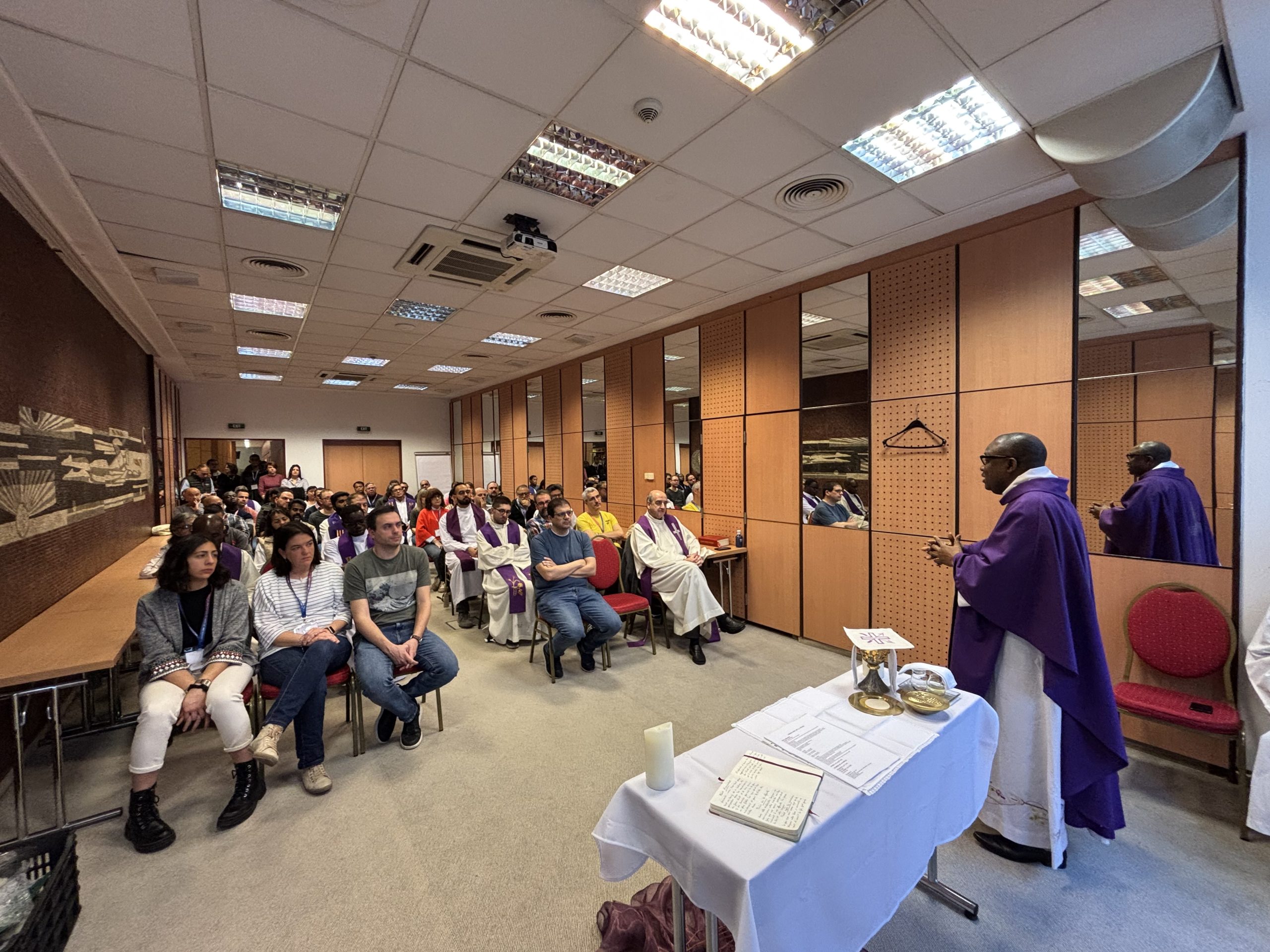
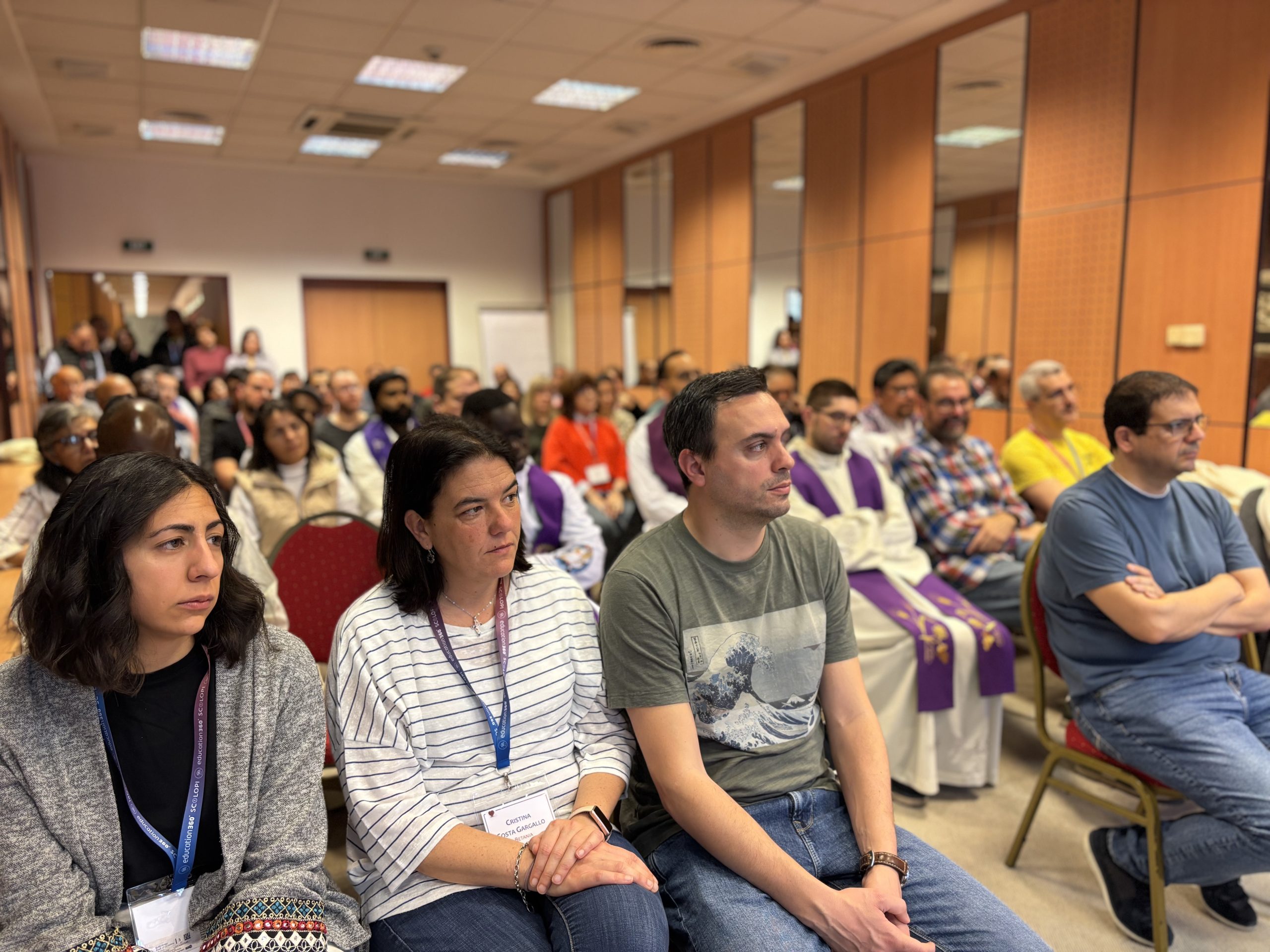
We began the first day of the 2nd International Congress of Piarist Pedagogy with the celebration of the Eucharist which was presided over by Fr Felicien Mouendji, General Assistant for Africa. In his homily, Fr Felicien recalled the words of St John of the Cross ‘love is the only law’, and emphasised the value of education not only for instruction but also as an opportunity for prevention.
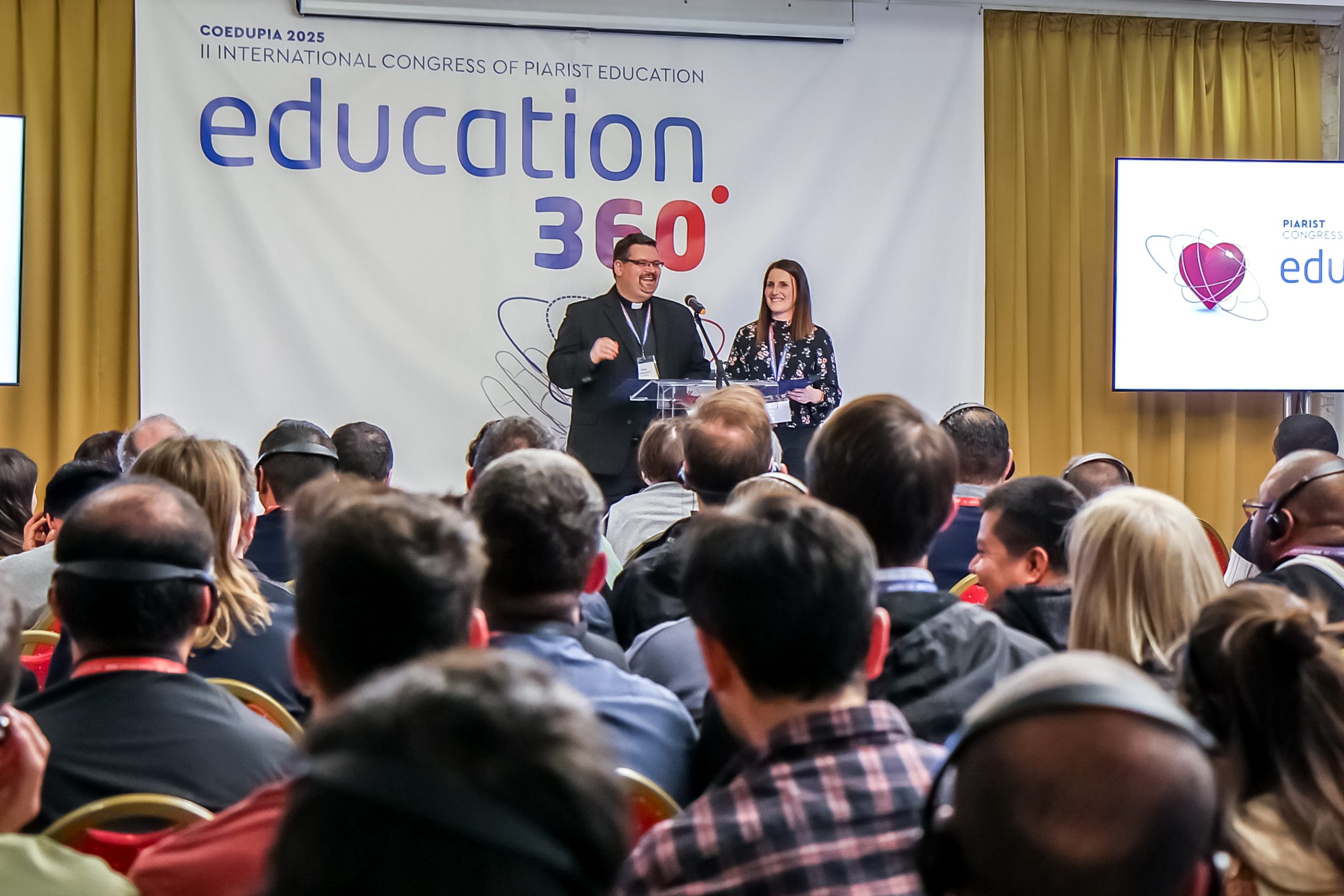
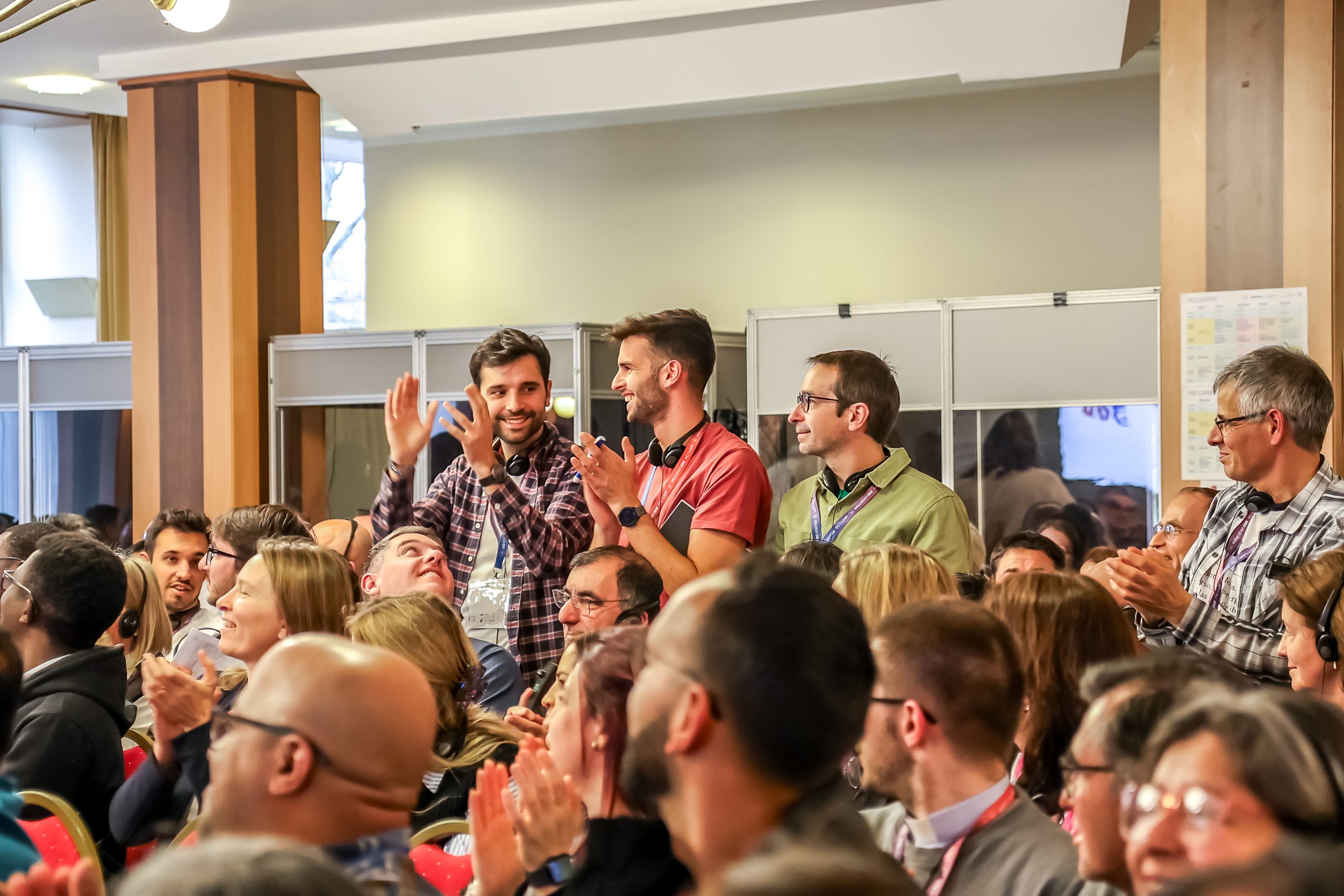
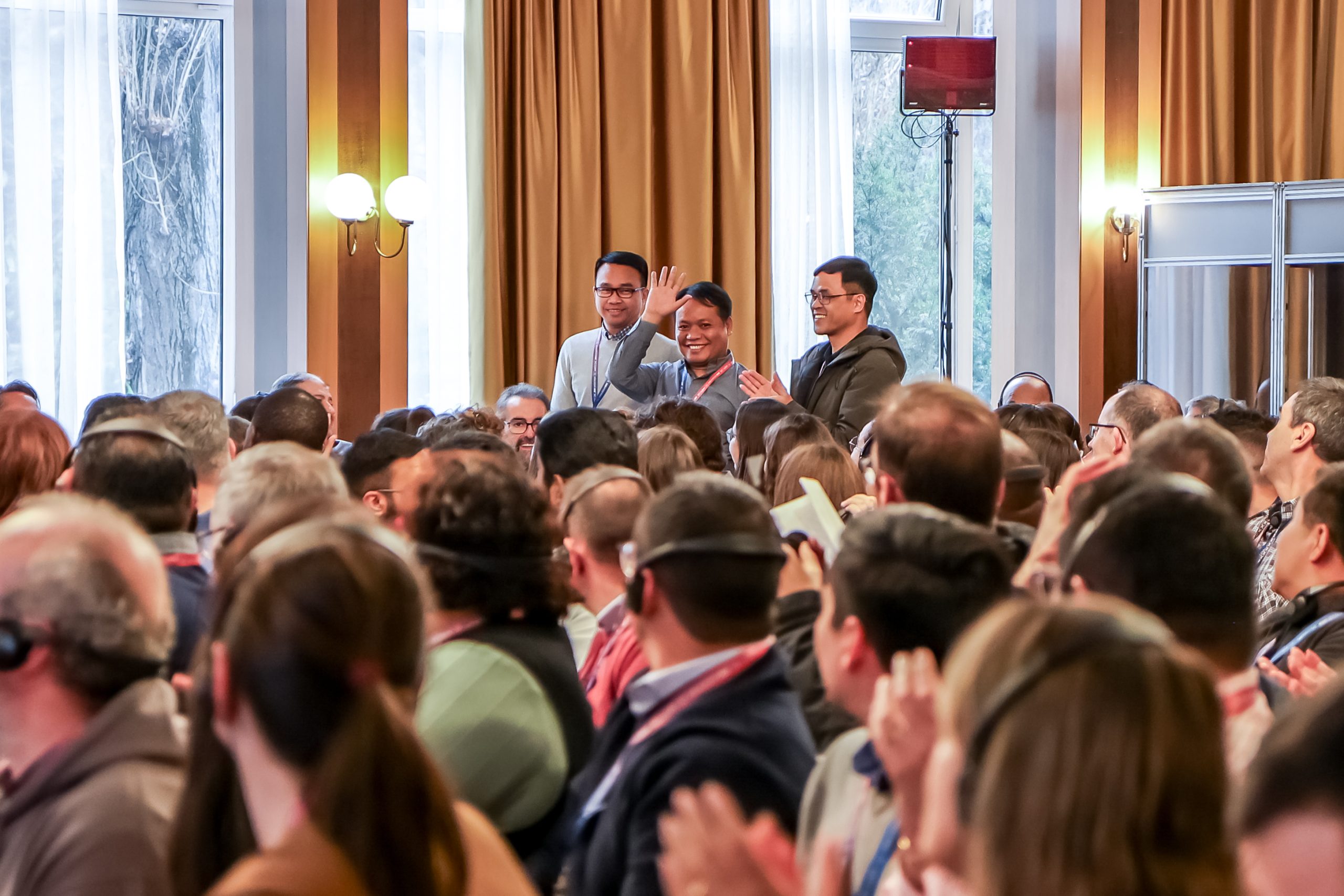
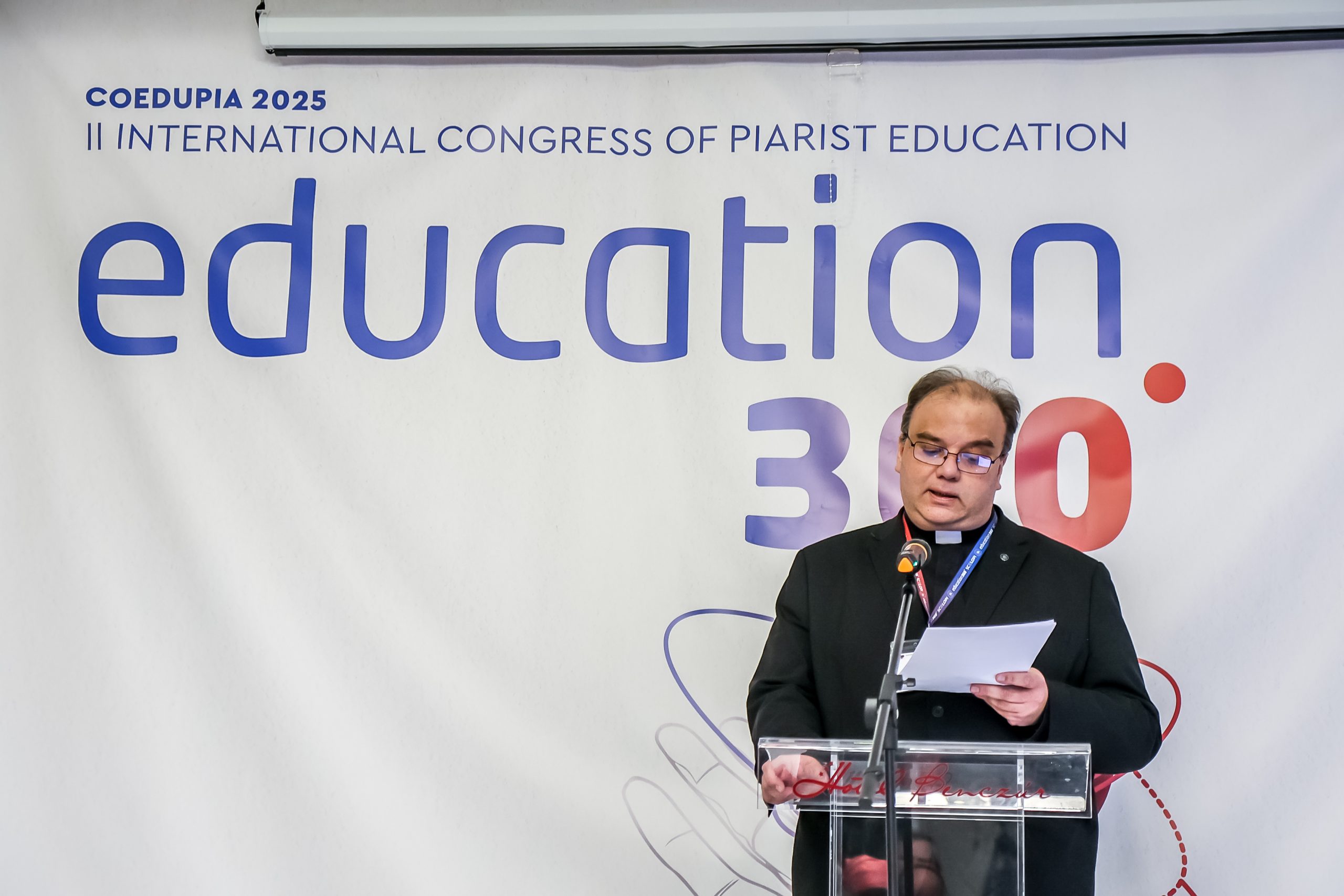
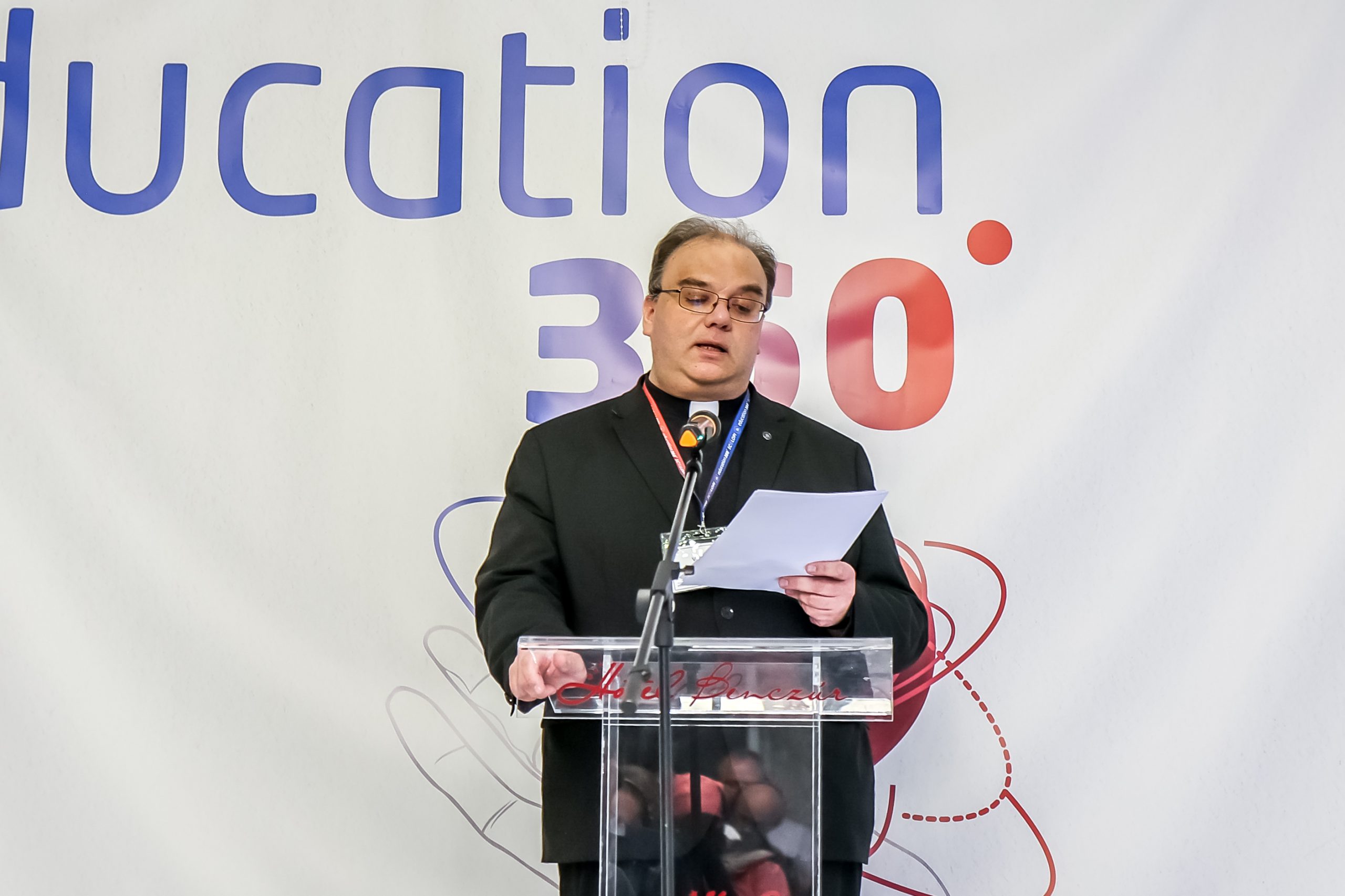
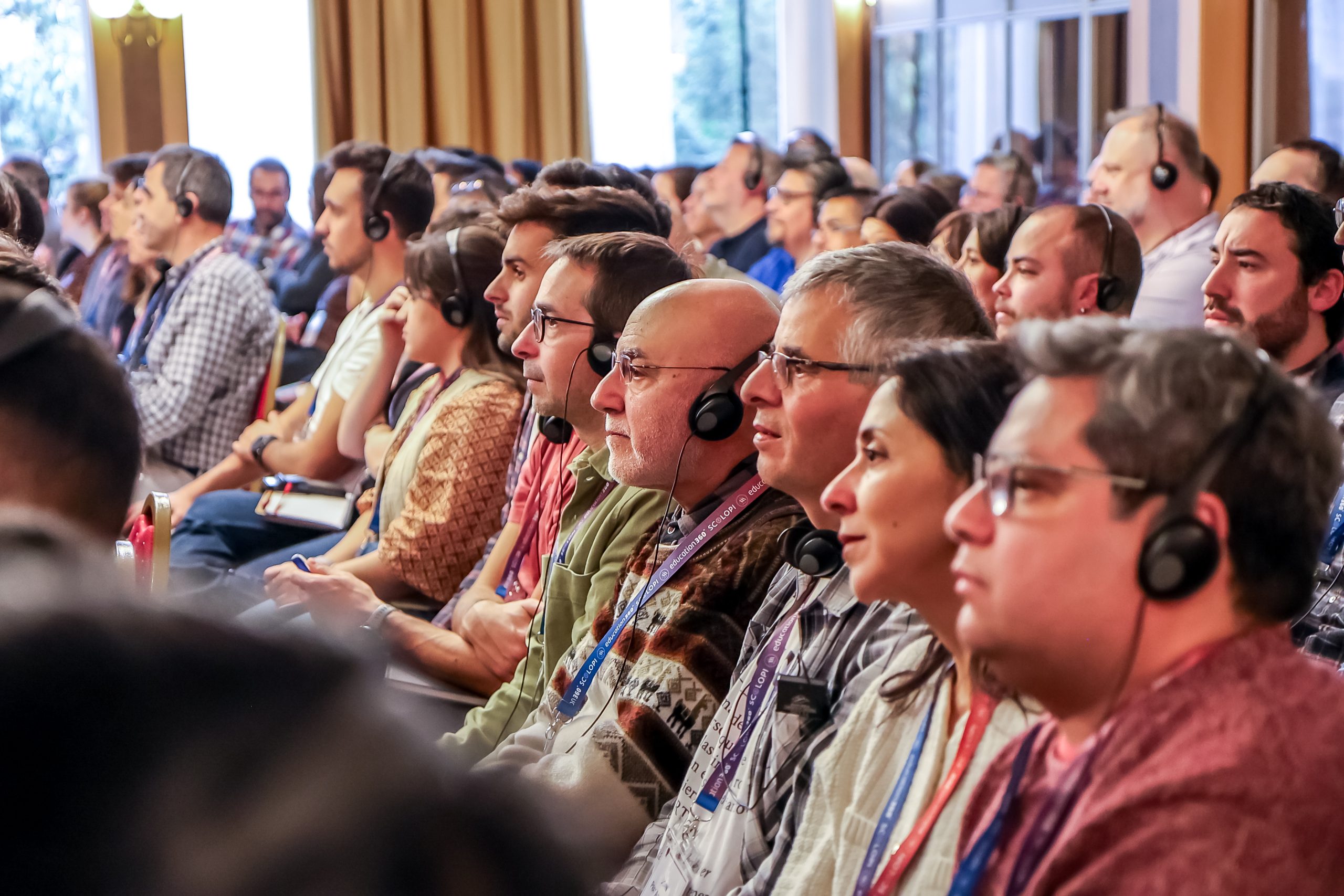
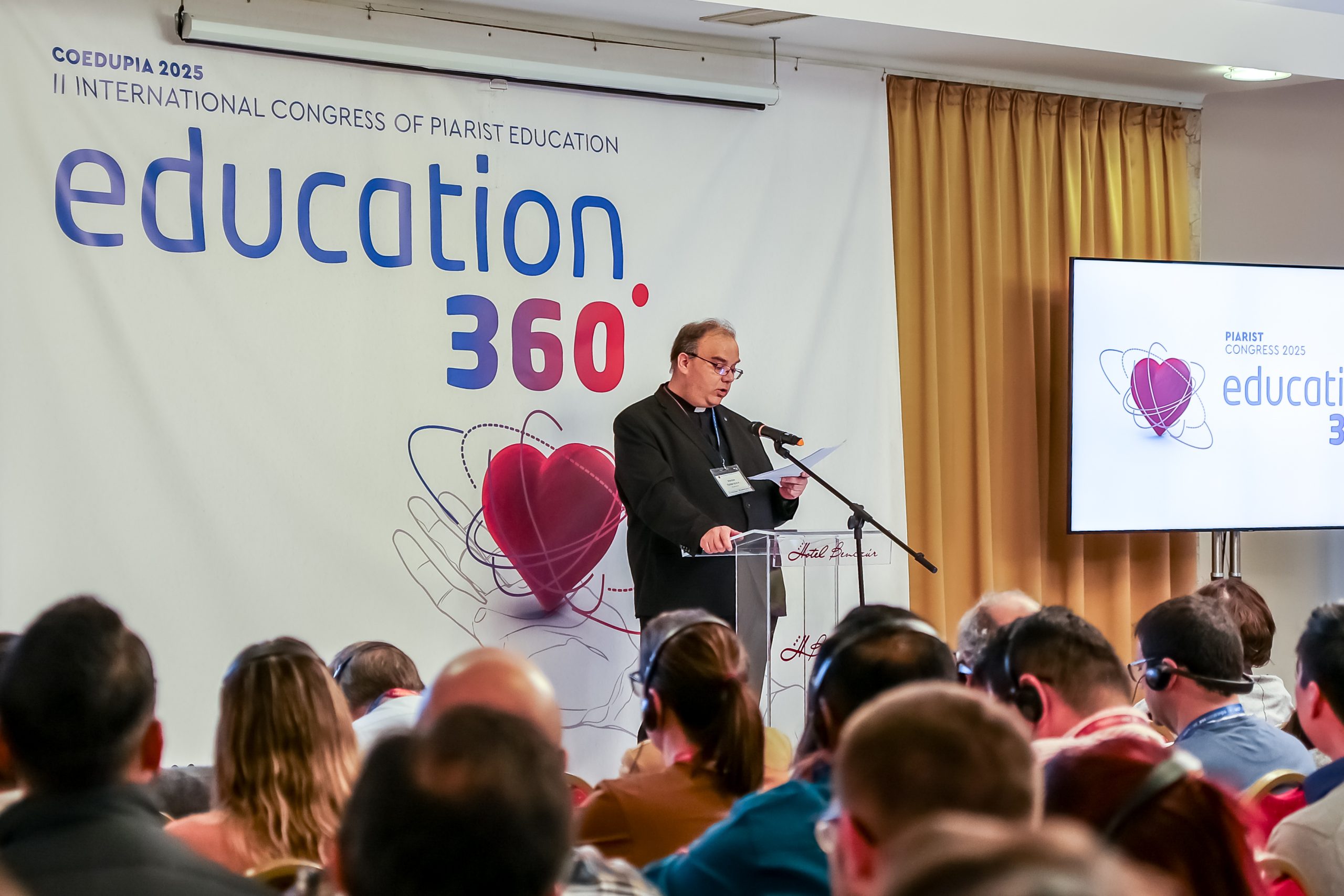
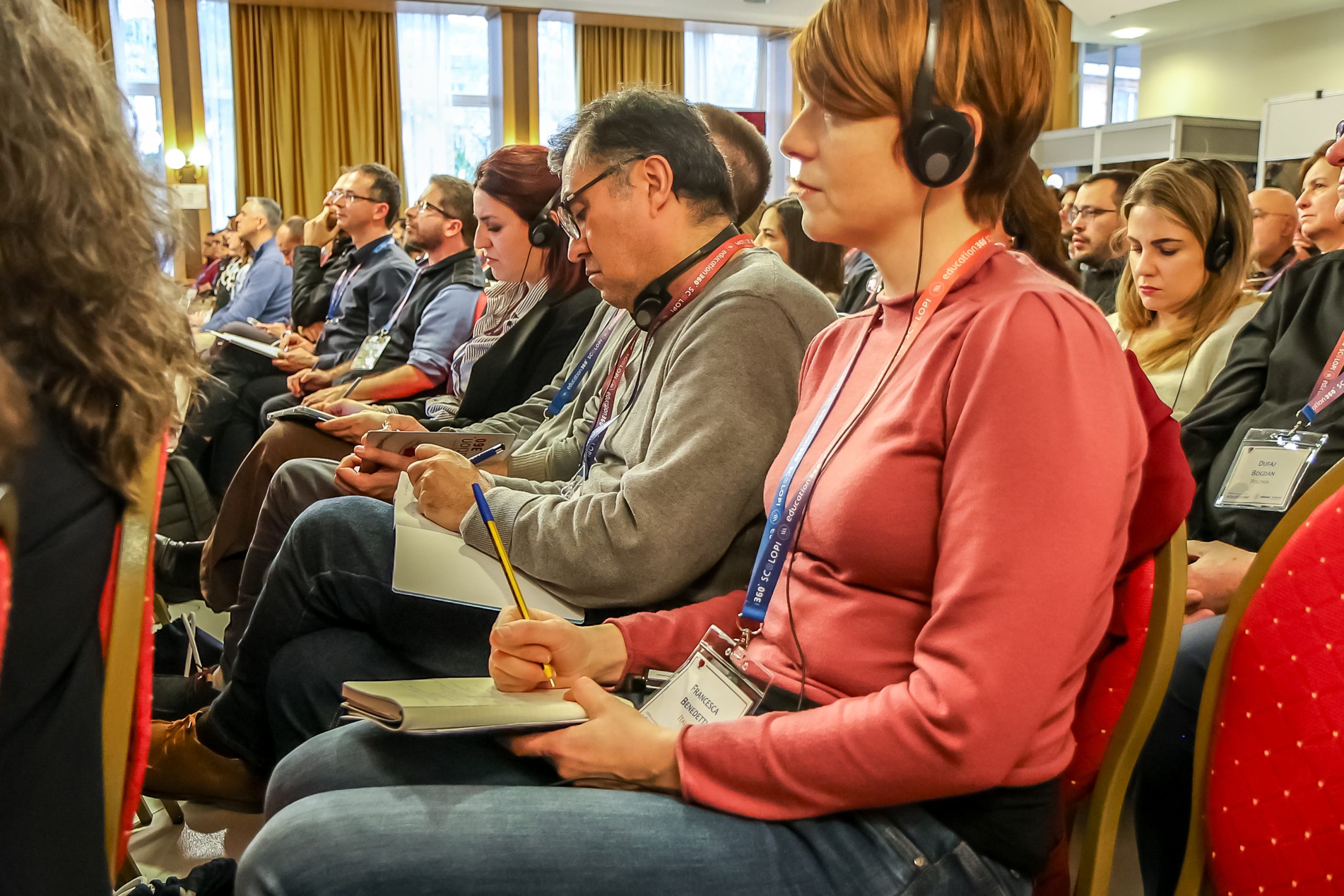
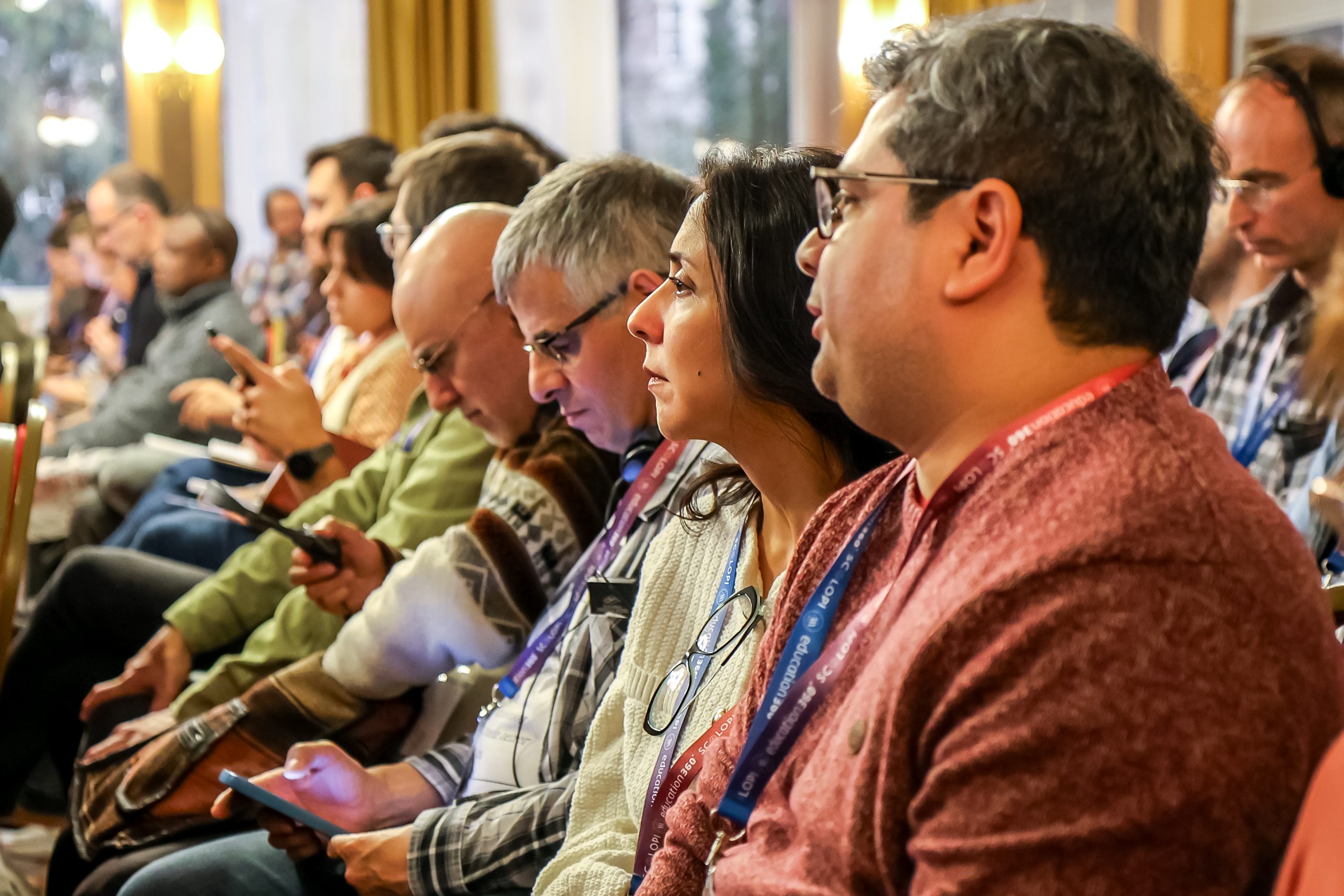
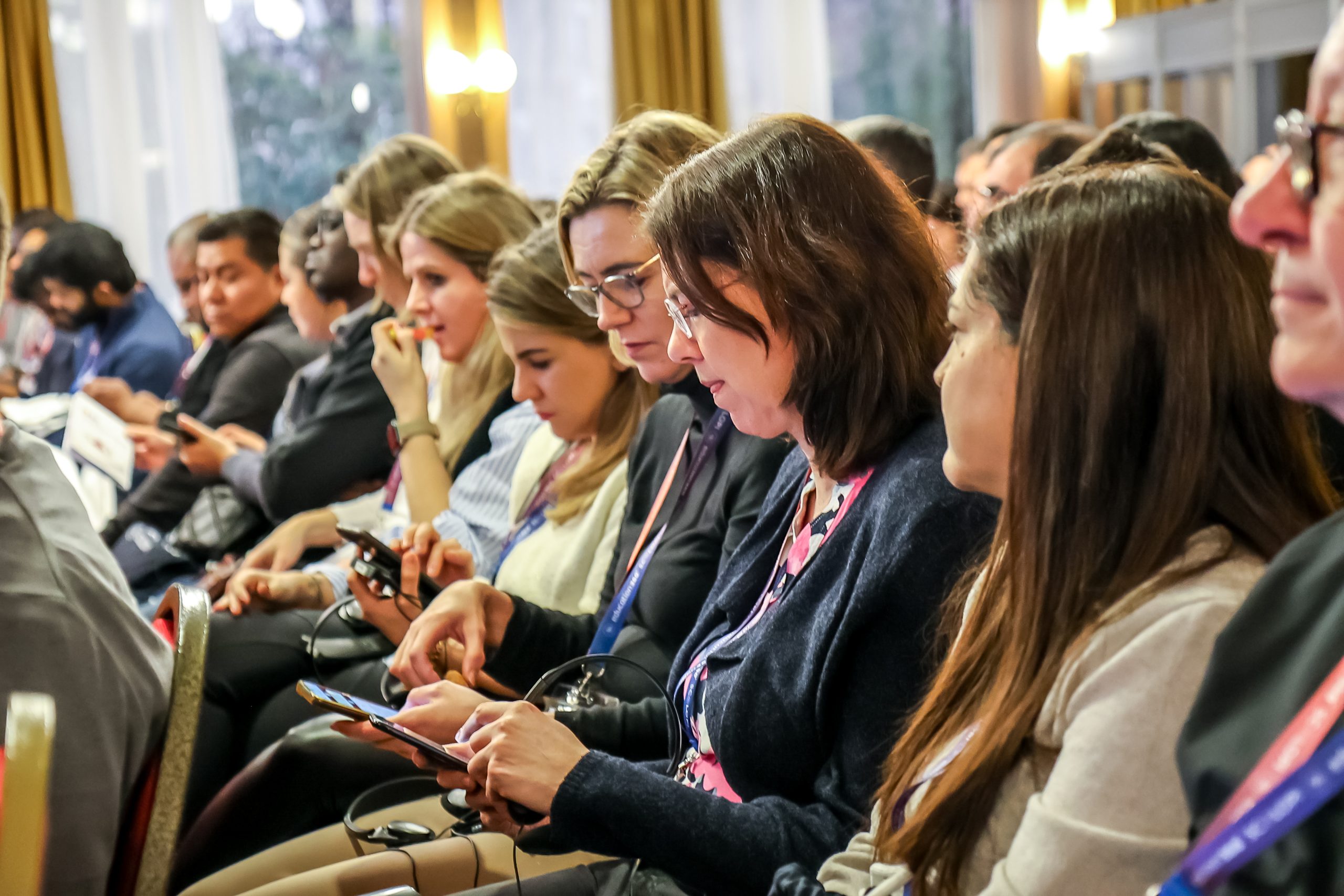
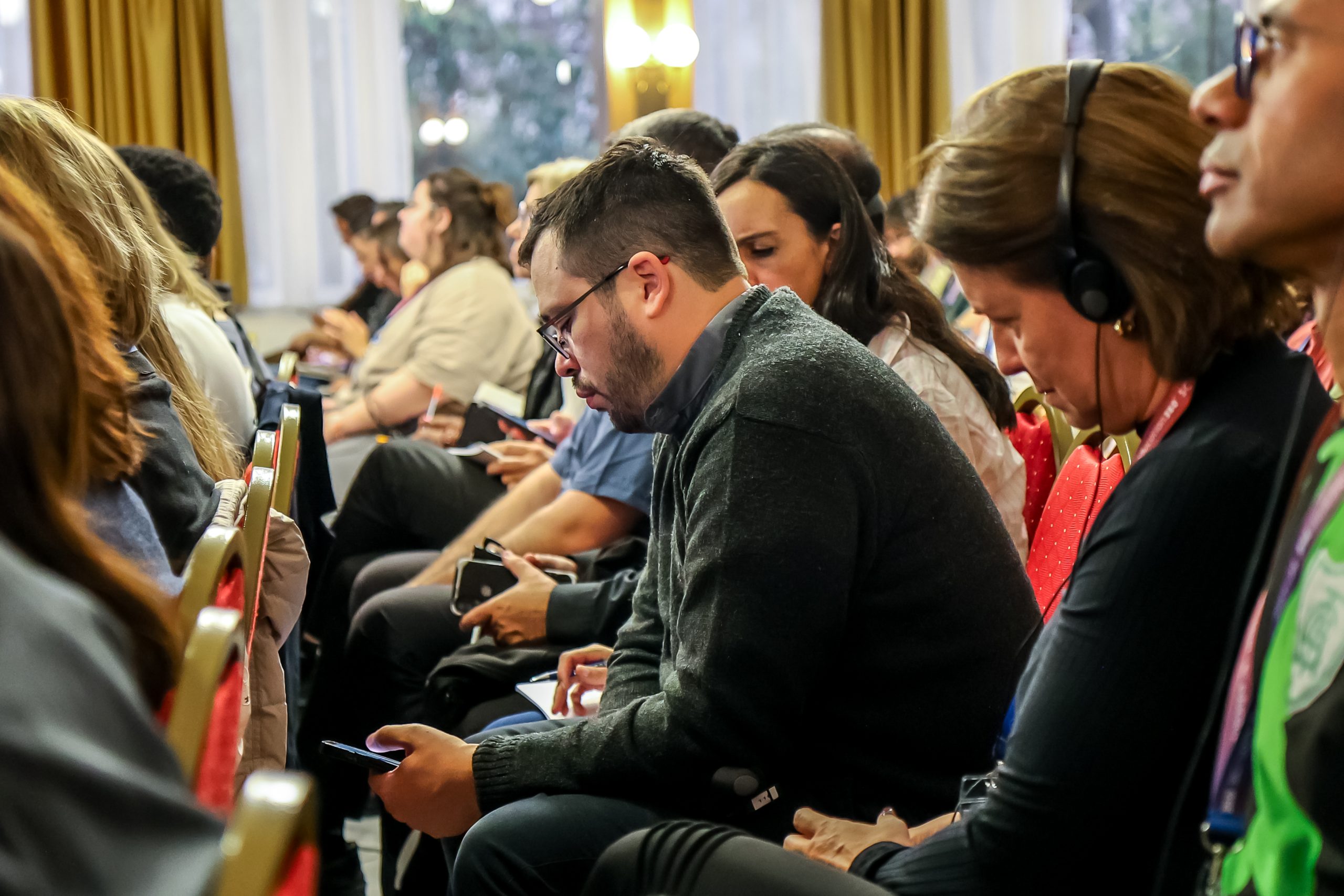
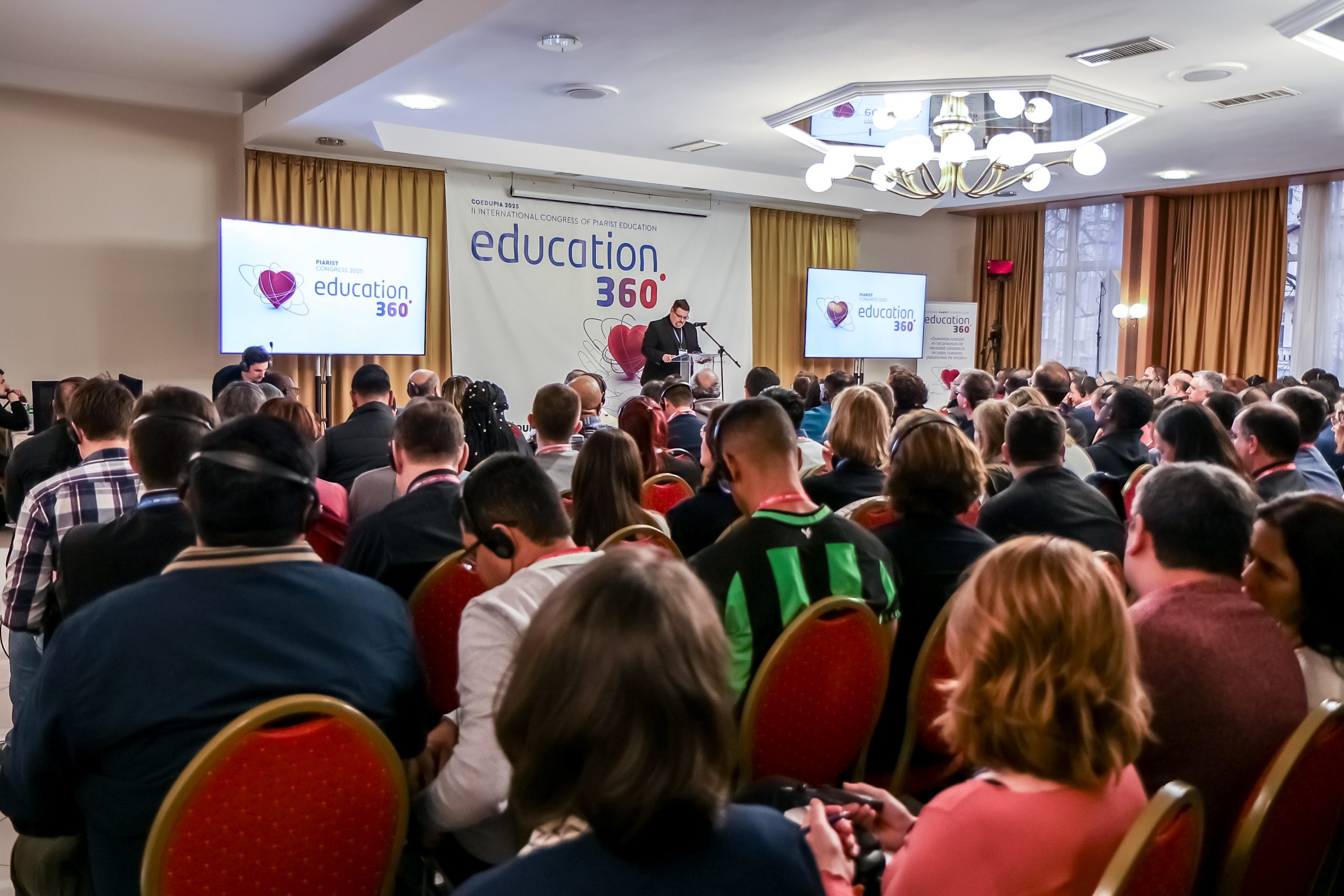
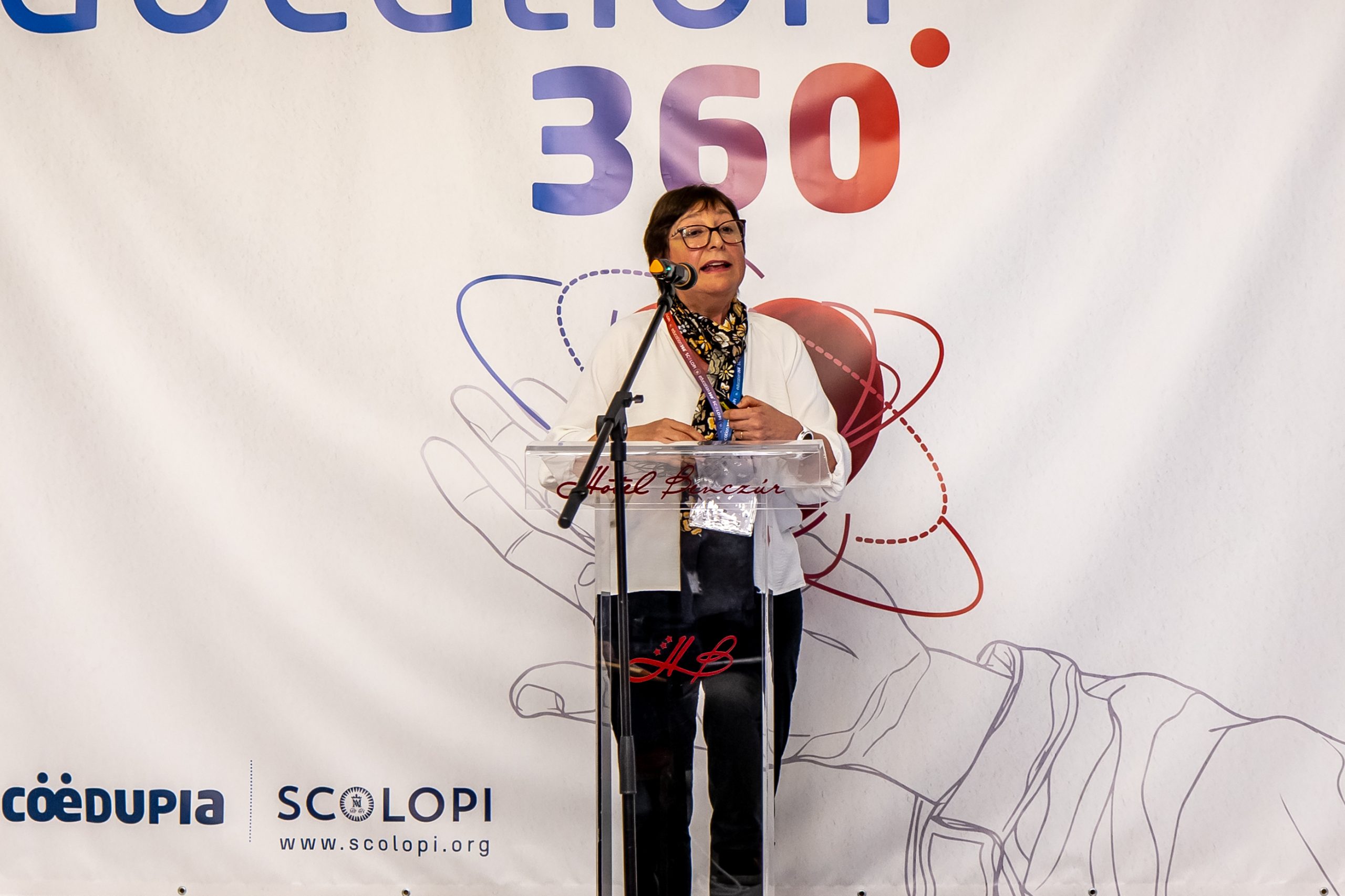
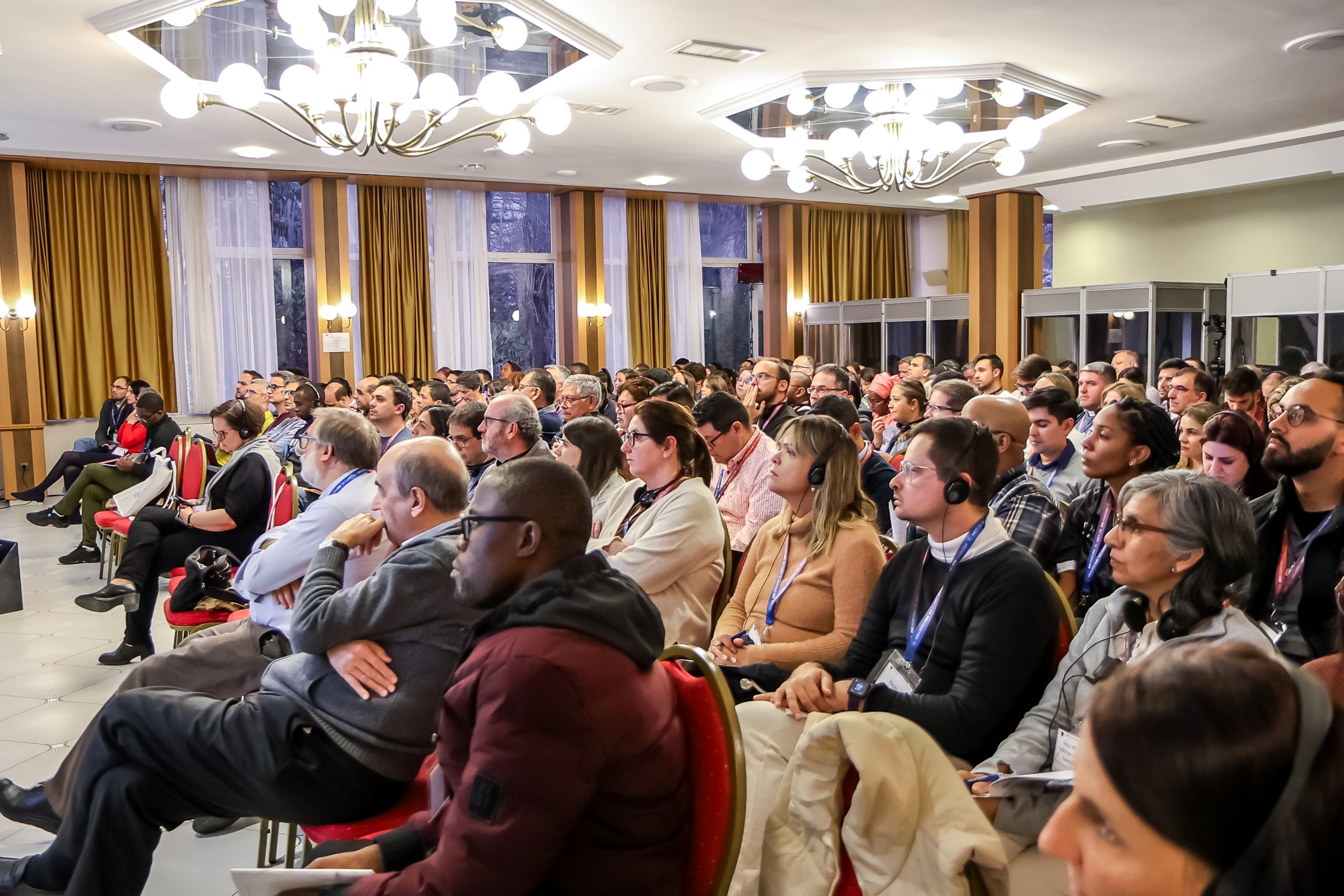
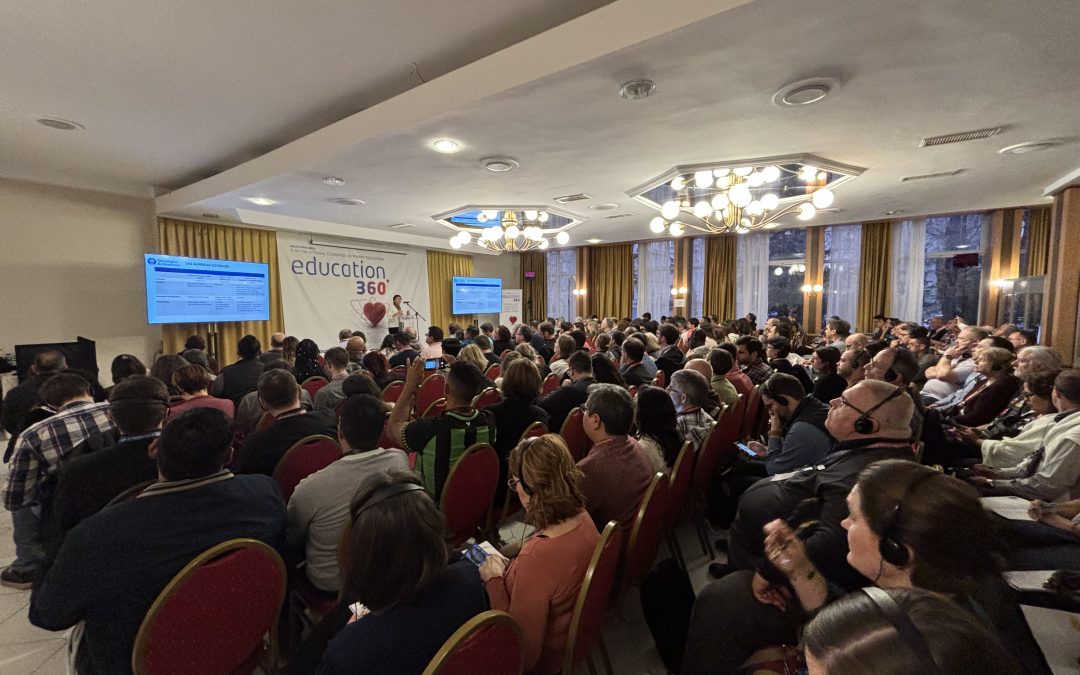
This afternoon saw the official inauguration of the 2nd International Congress of Piarist Pedagogy ‘Education 360º’, with the participation of more than 200 Piarist educators both religious and lay. During the welcome, led by Andrea Horváth and Fr Tibor Galaczi, Provincial Secretary all the participating demarcations were briefly introduced. Fr Viktor Zsódi, Provincial of Hungary said that the times in which we were living were both ‘turbulent and wonderful’. ‘We should see them as a kairos,’ he emphasised, ‘an opportunity to proclaim the Gospel, as educational institutions are increasingly becoming missionary institutions, on the front line of a “Church Going Forth”. Fr. Zsódi emphasised: “At this conference we celebrate the common treasure we call the Piarist vocation which gives us faith and hope for mission even in difficult situations.”
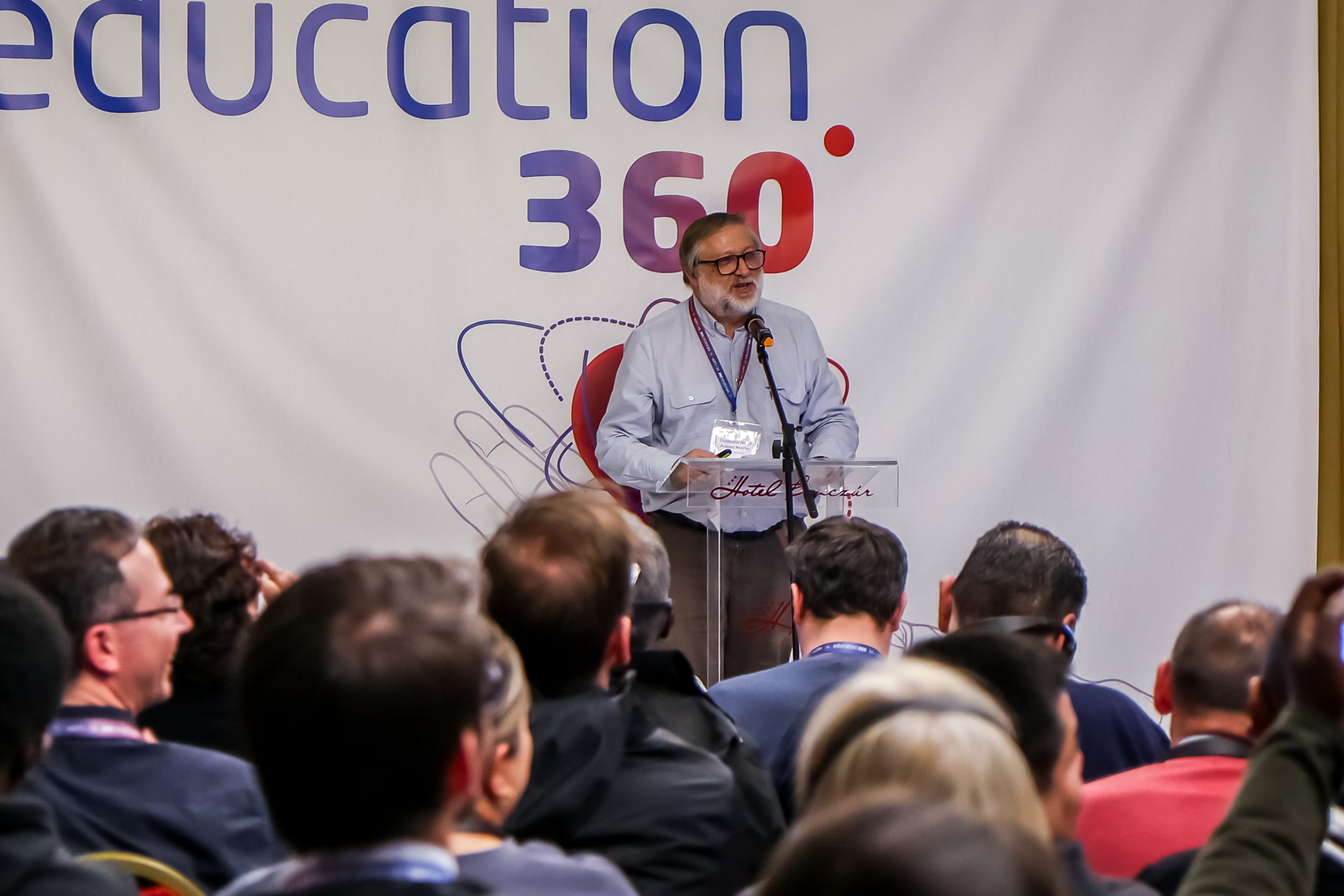
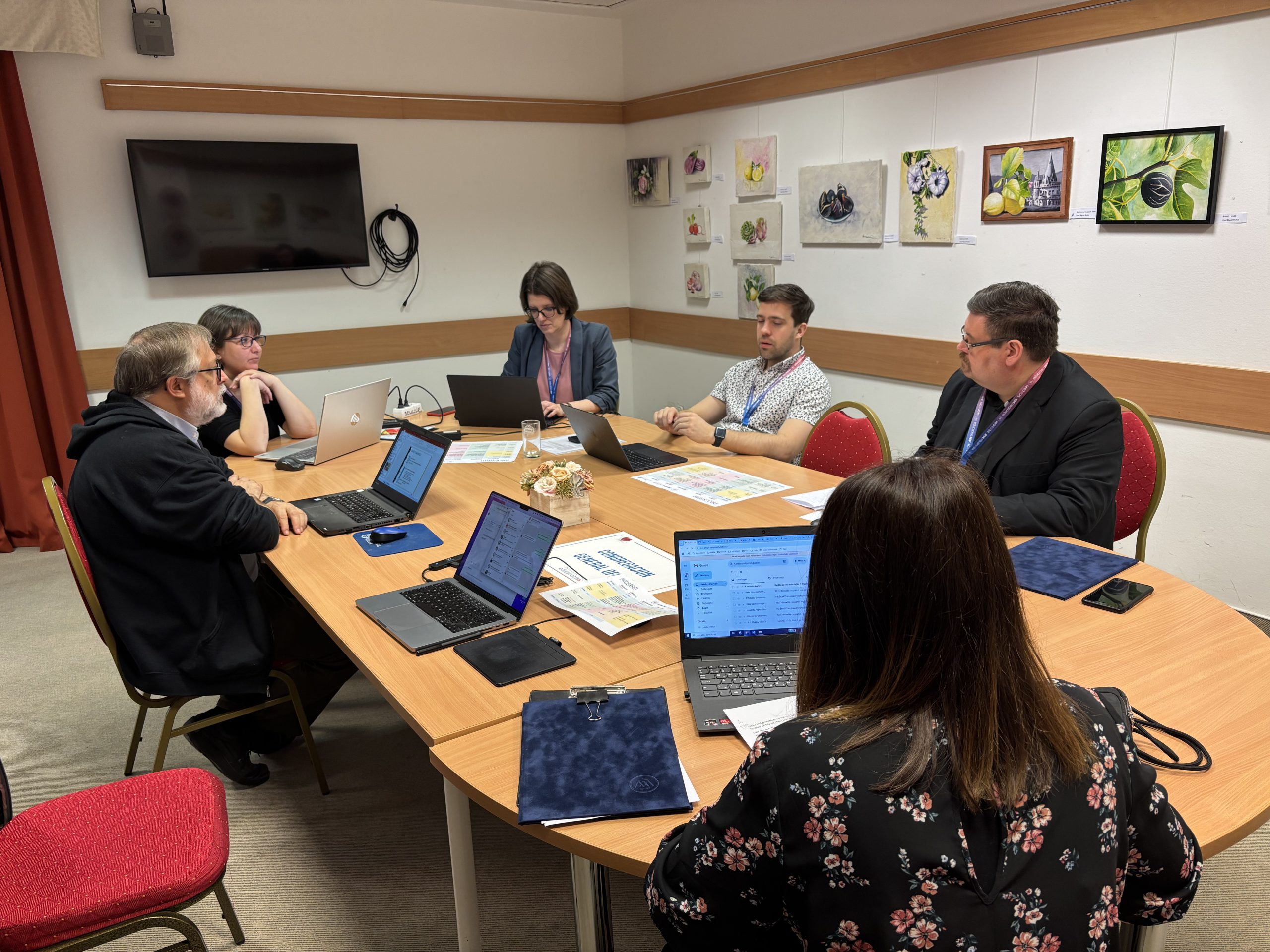
Fr Javier Alonso, coordinator of the Irreplaceable Ministry Team welcomed the attendees and recalled the first international meeting held in Chile and how the subsequent work made possible to reach this second Congress.
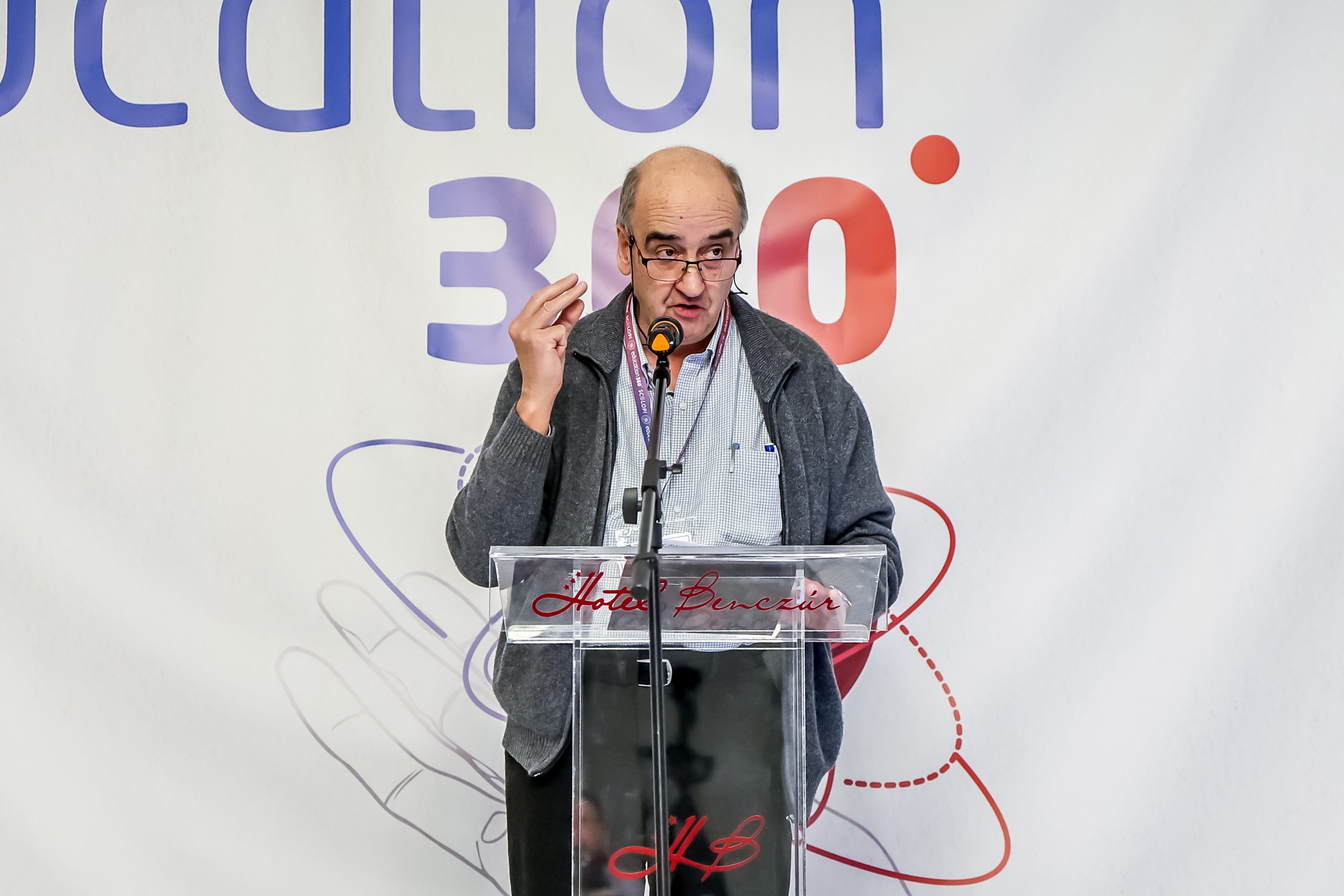
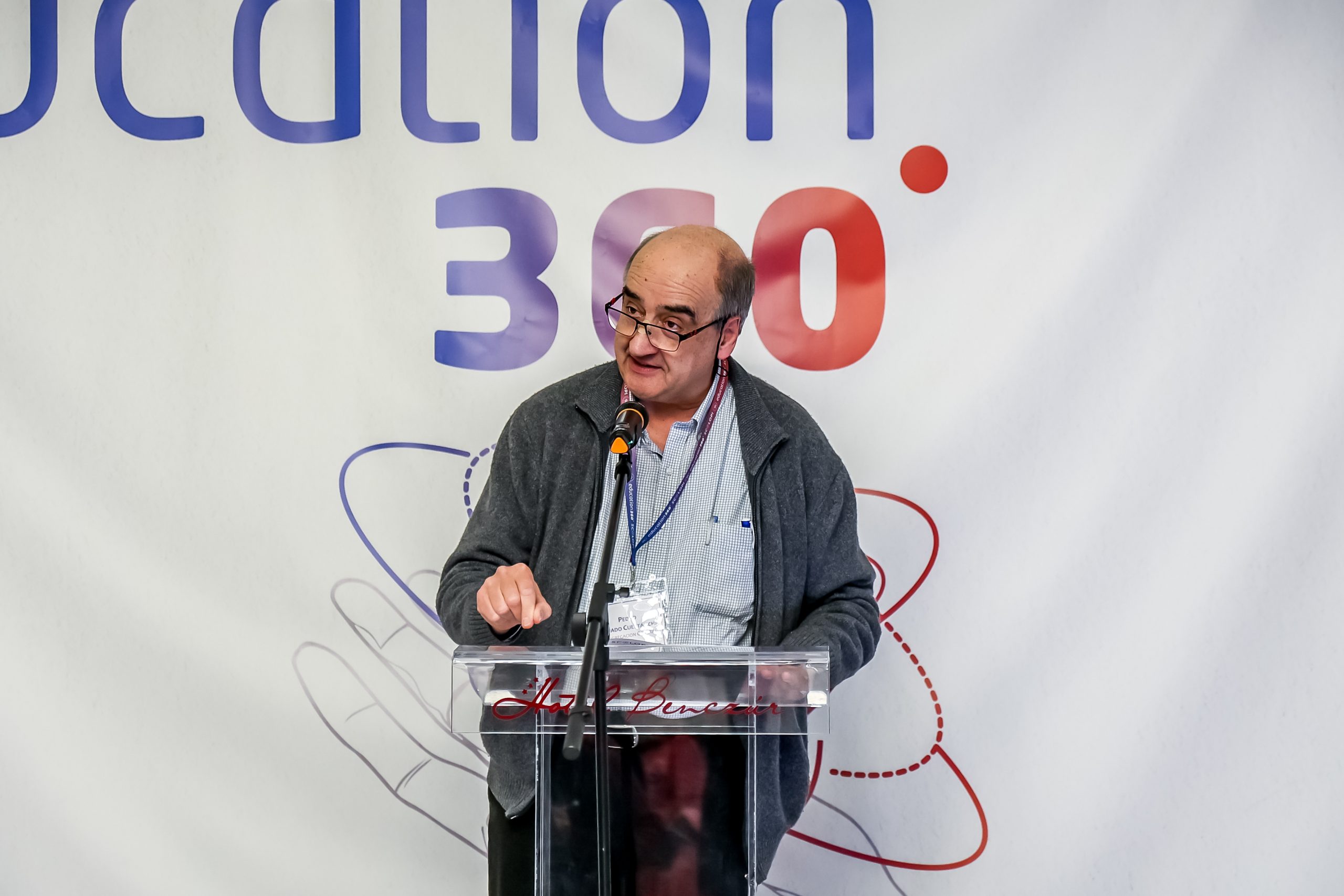
Fr. Alonso provided a detailed explanation of the programme of the coming days. Various forms of communication will be used: talks with workshops will be combined, group meetings and round tables will help the participants to exchange their experiences. Father General Pedro Aguado also had a few words for the attendees. He invited them to place themselves “in an integral dynamic to fully engage in all the planned activities, that is what the 360 degree Congress slogan means”. Fr Pedro highlighted some of the challenges Piarist schools may face such as integral education ‘which makes our centres bearers of a proposal of full meaning’ or innovation ‘from what we are, always open to the new in order to bring us to the central’. ‘The challenge is not novelty but doing usual things in a new way,’ he said during his speech.
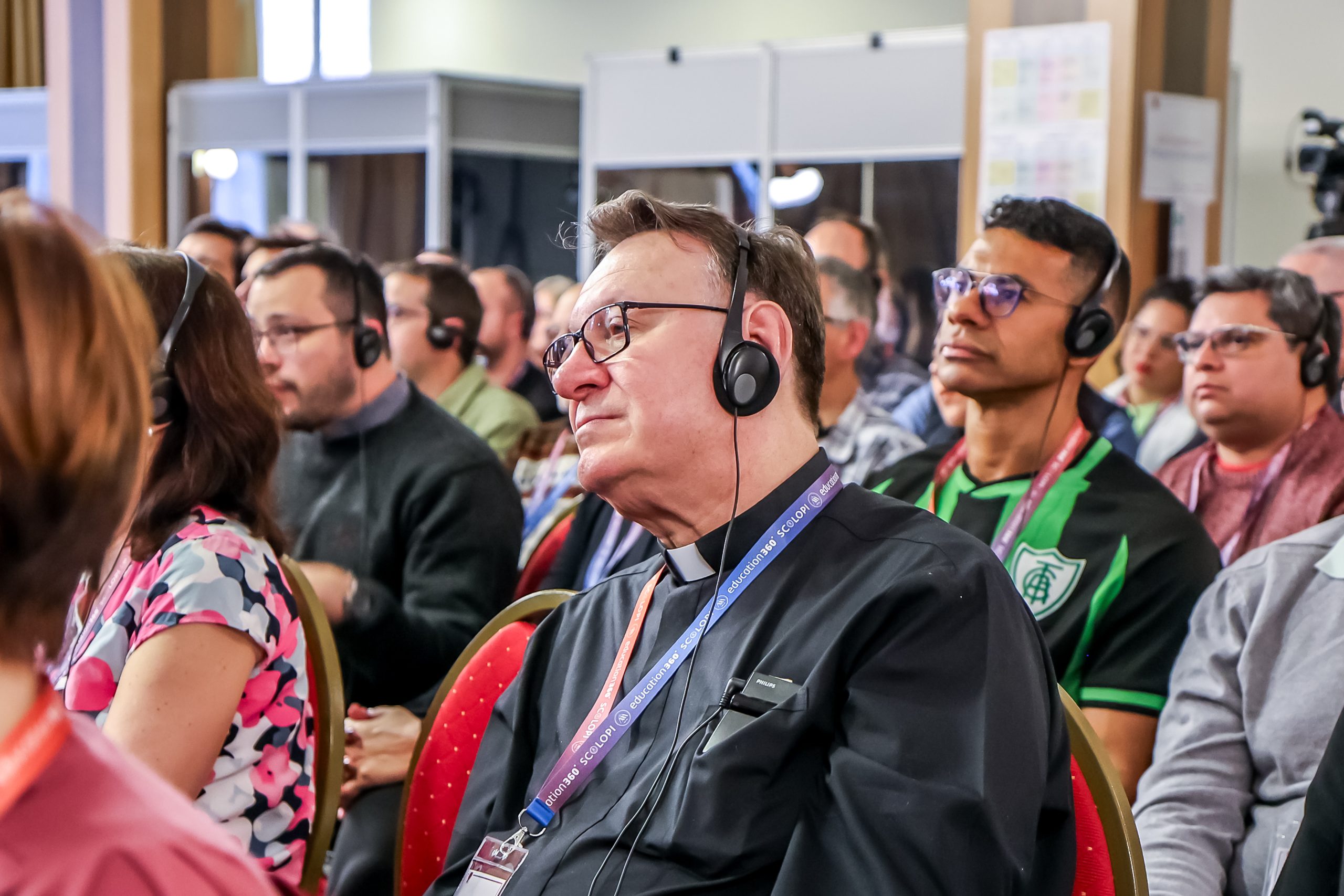
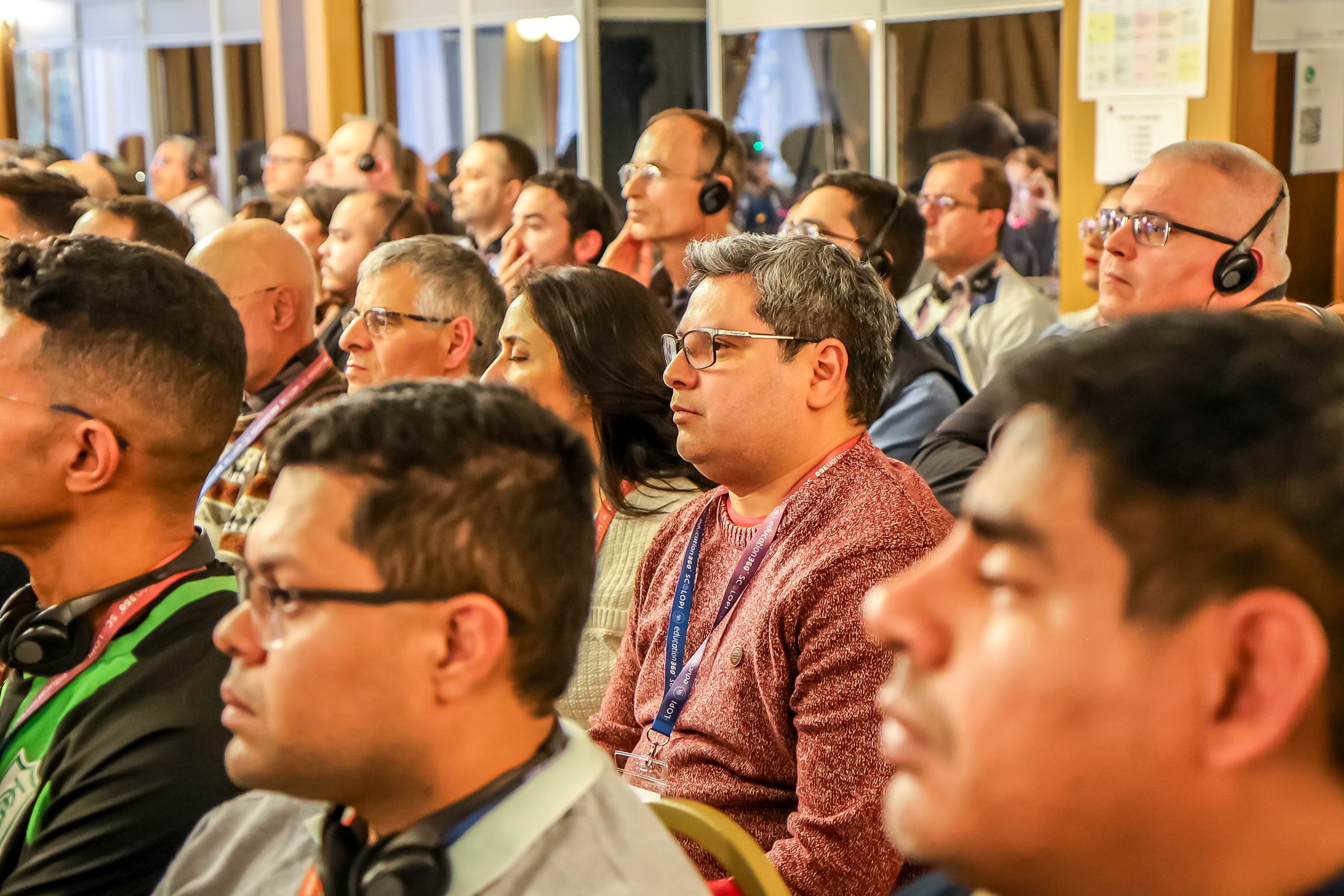
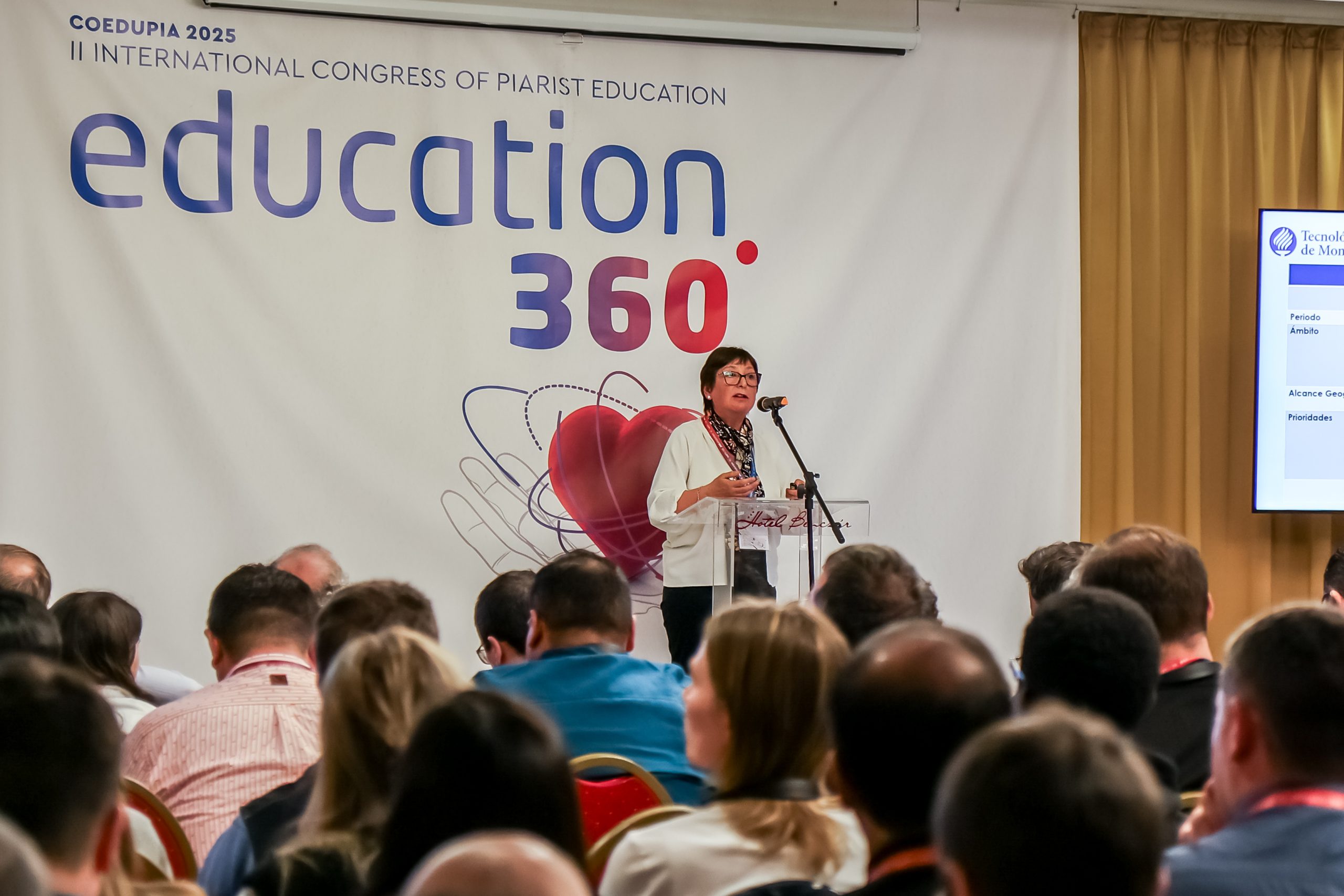
The day’s main talk was given by Claudia Uribe, former regional director for Latin America and the Caribbean at UNESCO and UNESCO representative in Chile. She reflected on the state of education in the world. Professor Uribe explained that ‘more and more children around the world have access to education’. This is a milestone since the majority of the world’s population has attended school at some point in their lives. However, these figures are sadly in contrast with other some negative factors such as the growing inequality between countries and regions of the world. This makes clear that ‘the right to education continues to elude the most disadvantaged children such as those with disabilities, indigenous and stateless children – and especially girls are the ones who belong to these groups’. And the fact is that according to the data, despite the progress made over the last 50 years, ‘there are still 750 million illiterate adults around the world, the majority of them being women’. Among the problems Uribe highlighted was the challenge of artificial intelligence in education, ‘which opens up a new world of both possibilities and challenges’. “We know it has to be done carefully,” he said during his presentation, ‘but the great potential of the AI can lead to a more personalised and broader learning’. The conference presented some data that encouraged audience involvement in a lively conversation between the speaker and the participants in the second part of the presentation.