
San Pantaleo, Rome, 1 April 2026
Jesus said to her, “Mary!”
She turned and said to him, “Rabbuni!”, which means, “Teacher!”
Easter Letter to the Pious Schools
Dear Piarist brothers and sisters,
Christ is risen.
He is truly risen!
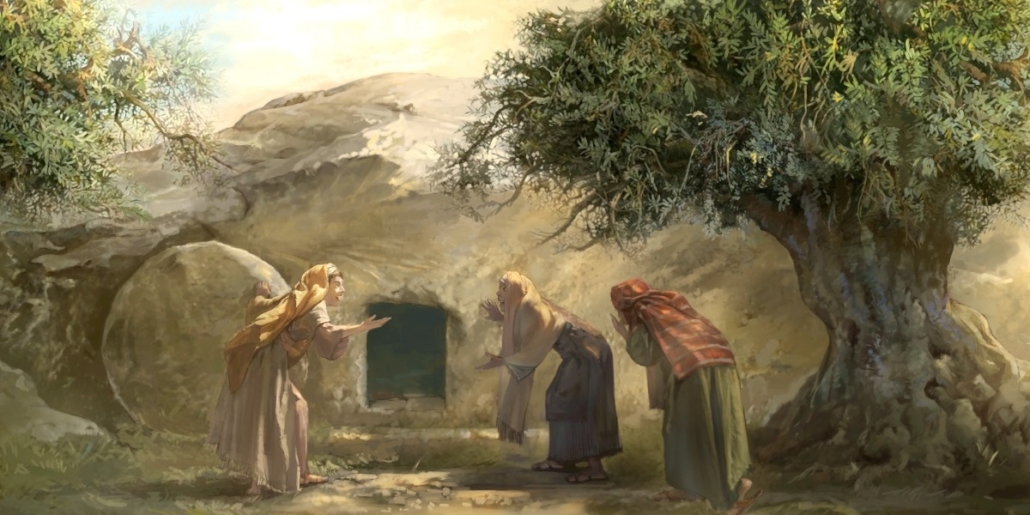
Mary Magdalene runs. She runs even before Peter and John. She runs in the darkness, when dawn has not yet fully broken, moved by something stronger than fear, stronger than uncertainty. She runs because she loves, because she seeks, because something in her heart tells her that the story is not over.
The Gospel of John places us on the first day of the week. The centre of gravity has shifted; it is no longer the Sabbath. The Resurrection inaugurates a new time, a new creation. Sunday, the Day of the Lord, becomes the beginning of everything. God goes on beginning.
The scene of Mary Magdalene takes place at daybreak, while it is still dark. John does not merely recount the moment; he also describes a condition of the heart. The darkness is the lack of faith, the confusion, the bewilderment. Dawn is life reborn, the encounter in which recognition comes, and the faith that awakens. It is precisely there, on that threshold between night and day, that Easter breaks in.
This brief yet profoundly deep dialogue — “Mary!” — “Rabbuni!” — contains the whole of Easter. Her encounter becomes proclamation and mission, and Mary, apostle to the apostles, proclaims her witness: I have seen the Lord, and this is what He said (Jn 20:18).
We are called to be an Order that runs to meet the Lord, with boldness and little baggage, close to the peripheries where life cries out for education, for Gospel, for hope. We are called to know ourselves as sent, and to be able to say, like Mary Magdalene: I have seen the Lord. Let us recover that good haste of the Gospel, the haste of love, the haste of one who has found something that cannot be kept for oneself.
Today, the Risen Jesus makes Himself present and says to us: Peace be with you. The passage lived by the disciples is also ours: from being shut in to being sent out, from fear to peace. He does not remove difficulties, but He transforms the way of living them; He does not take away wounds, but He gives them a new meaning.
In a particular way, for those of us who today renew our solemn vows, may this renewal not be repetition, but Easter: a living memory of that first yes and, at the same time, a newness that allows itself to be recreated by the Lord. We do not return to the same thing; we relive that which gave us life so that it may once again become new life today. May our yes be paschal.
Brothers and sisters, in this new time that the Lord gives us, let us allow ourselves to be found by Him. And, even in the midst of our nights, let us dare to run. For life has conquered, and for us it begins anew.
With fraternal affection, and in Calasanz,
General Congregation
