From 8 to 27 March 2026, the canonical visitation to the Province of Poland took place, carried out by Fr Carles Gil i Saguer, Superior General, accompanied by Fr Jacek Wolan, General Assistant for Europe. The Province is present in four countries: Poland, the Czech Republic, Ukraine and Belarus; in the latter, the visitation will take place, God willing, in the coming months.
Following the itinerary, very well prepared by Provincial Fr Mateusz Pindelski, the places visited were as follows:
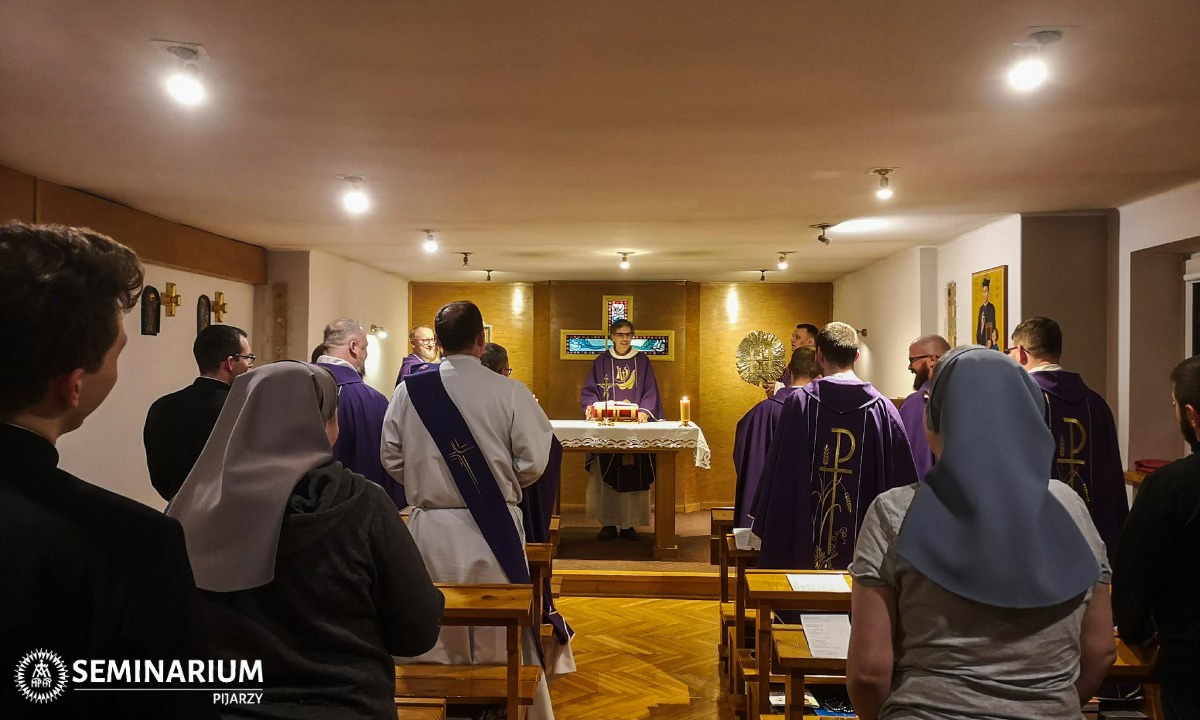
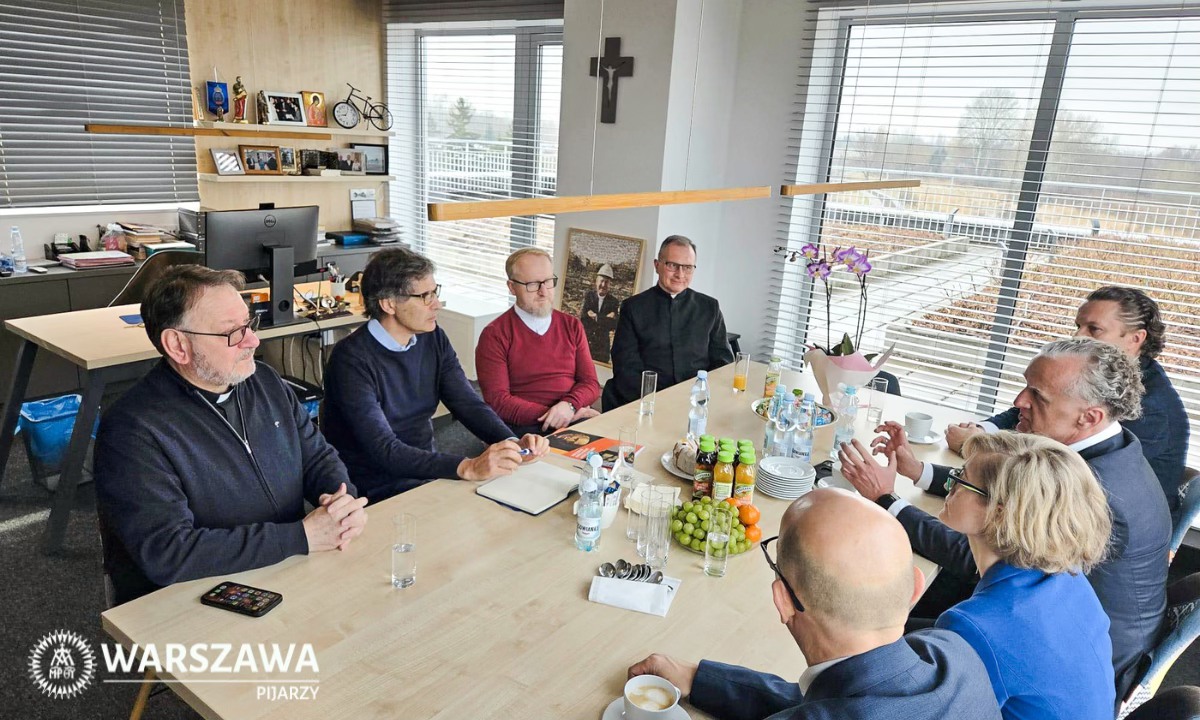
The Kraków-Pijarska community was re-established seven years ago, after a complete refurbishment of the house. It currently serves as the seat of the Provincial Curia, a rectoral church, an art gallery in the crypt, and a residence for university students. The fruit of the atmosphere of the house and the community is seen in a series of monthly weekend meditation retreats. The pastoral ministry is linked to art: homilies illustrated with drawings and exhibitions in the crypt, which already has its own history and a good reputation.
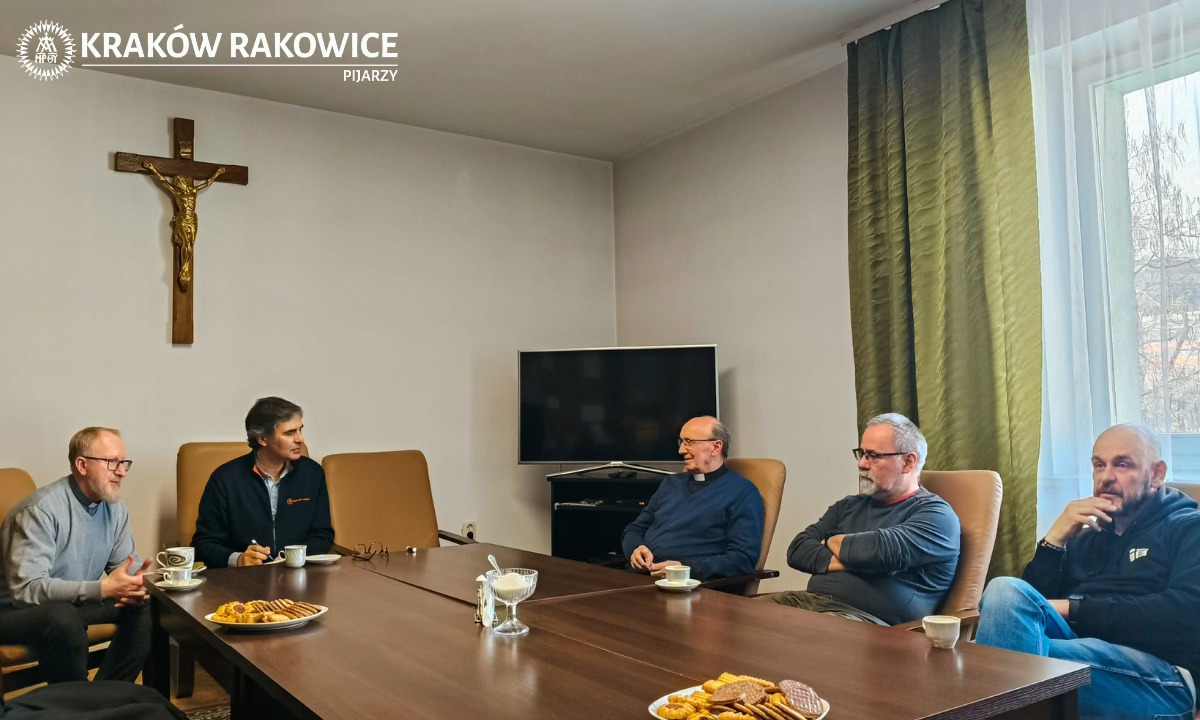
The meeting with the Provincial Congregation was held in hybrid format, that is, both in person and online. The Provincial Treasurer and Vice-Treasurer also took part. The members of the Congregation presented their areas: pastoral ministry and non-formal education, formal education, vocational culture, and youth ministry. There was also a meeting with the members of the curia: the Provincial Secretary, the archivist, the secretariat staff, the Province’s General Accountant, as well as those responsible for cultural and building projects.
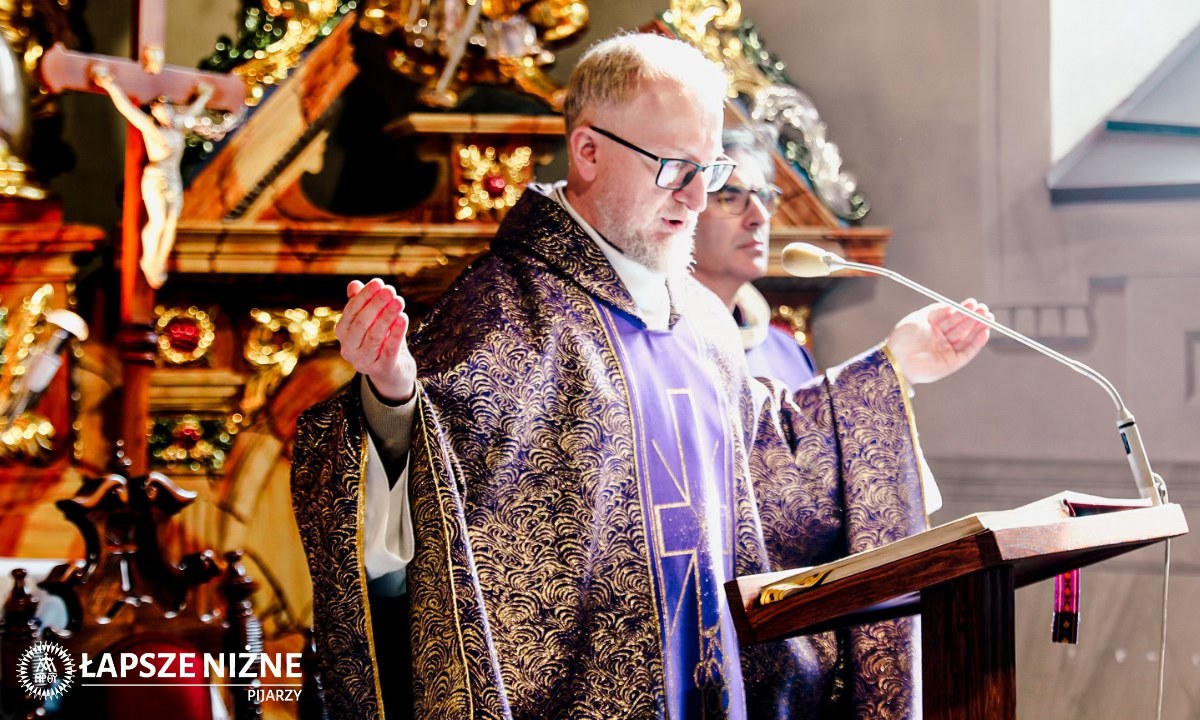
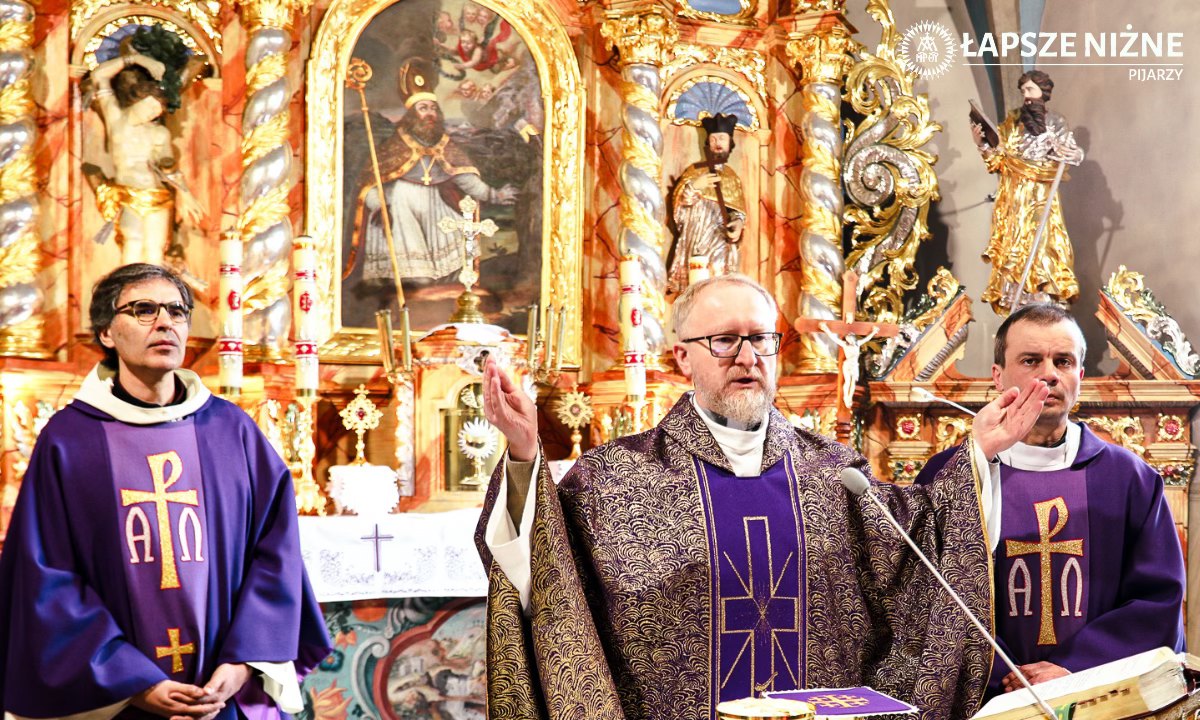
In Łapsze Niżne we have a parish and a youth hostel. It is a very beautiful place, with mountain scenery and a very pleasant atmosphere. For this reason, the hostel welcomes both Piarist groups and outside groups.
The Superior General had a conversation with Fr Kazimierz Wójciak, who, despite the war, remains in Ochakiv, Ukraine. There we have a small parish church, which is also a diocesan Marian shrine, and a youth hostel intended as a retreat house. Ochakiv is a port city on the coast of the Black Sea, and so the situation is very serious. In the parish, help is given not only to children from Catholic families, but also to those from Orthodox families. Before COVID-19 and the war, during the holiday period, the hostel welcomed around 600 children and young people each year.
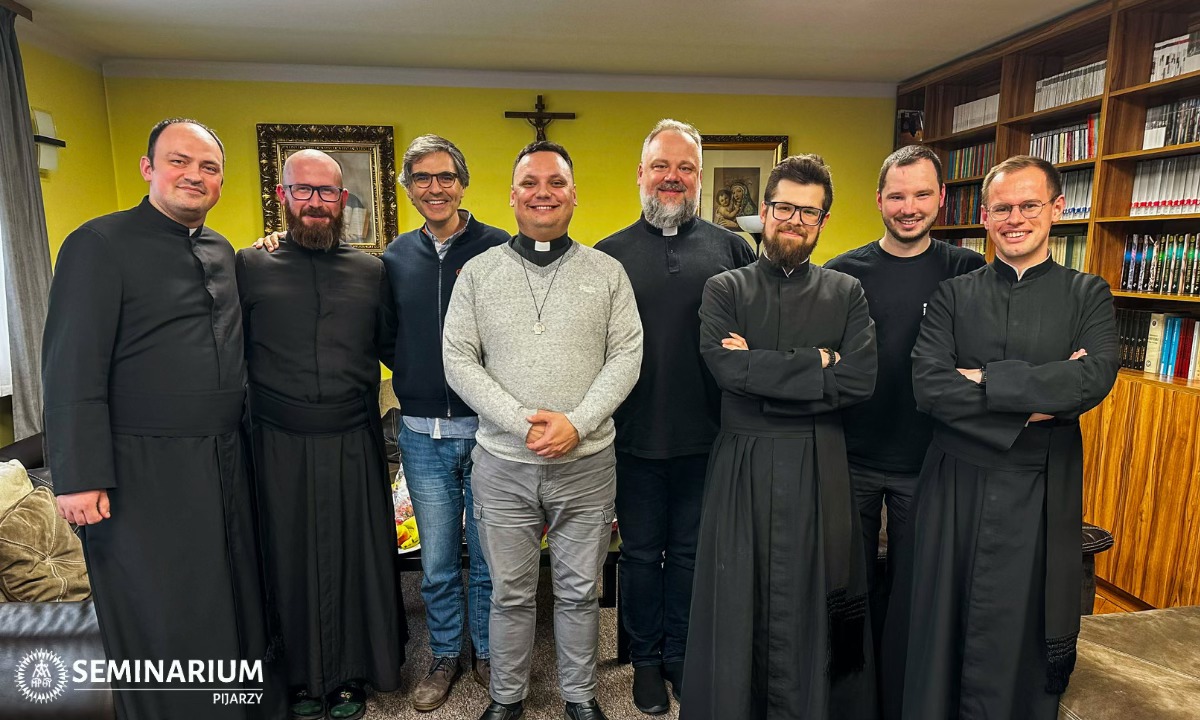
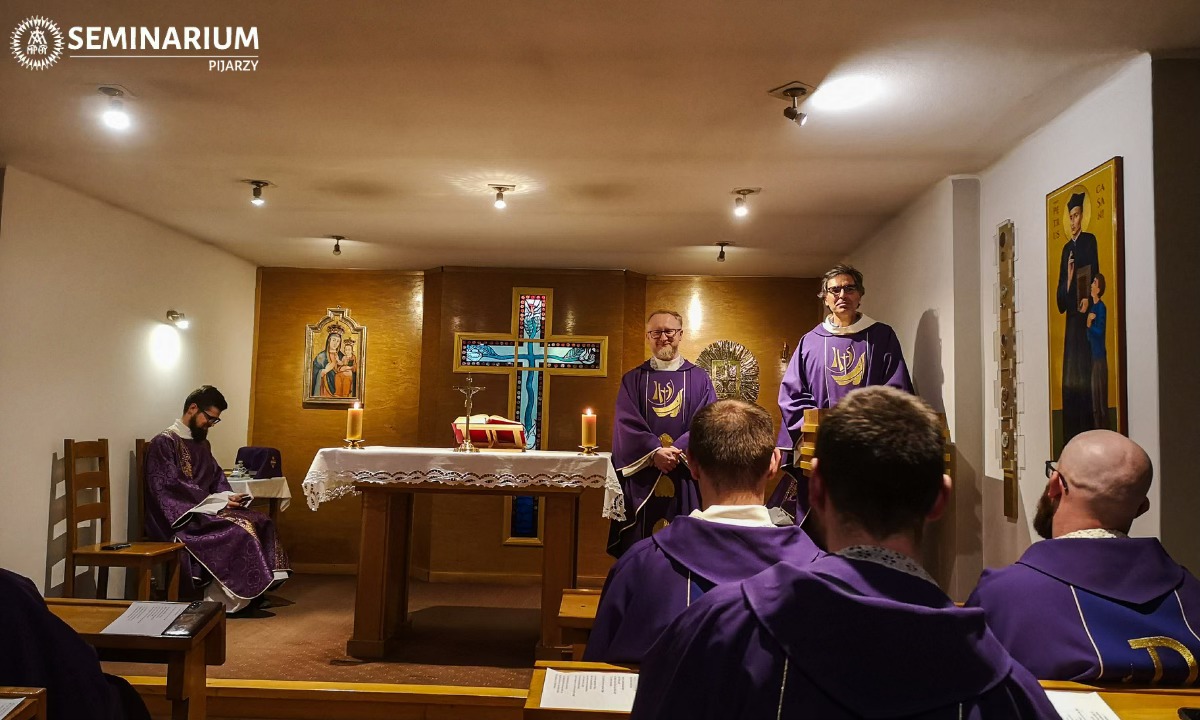
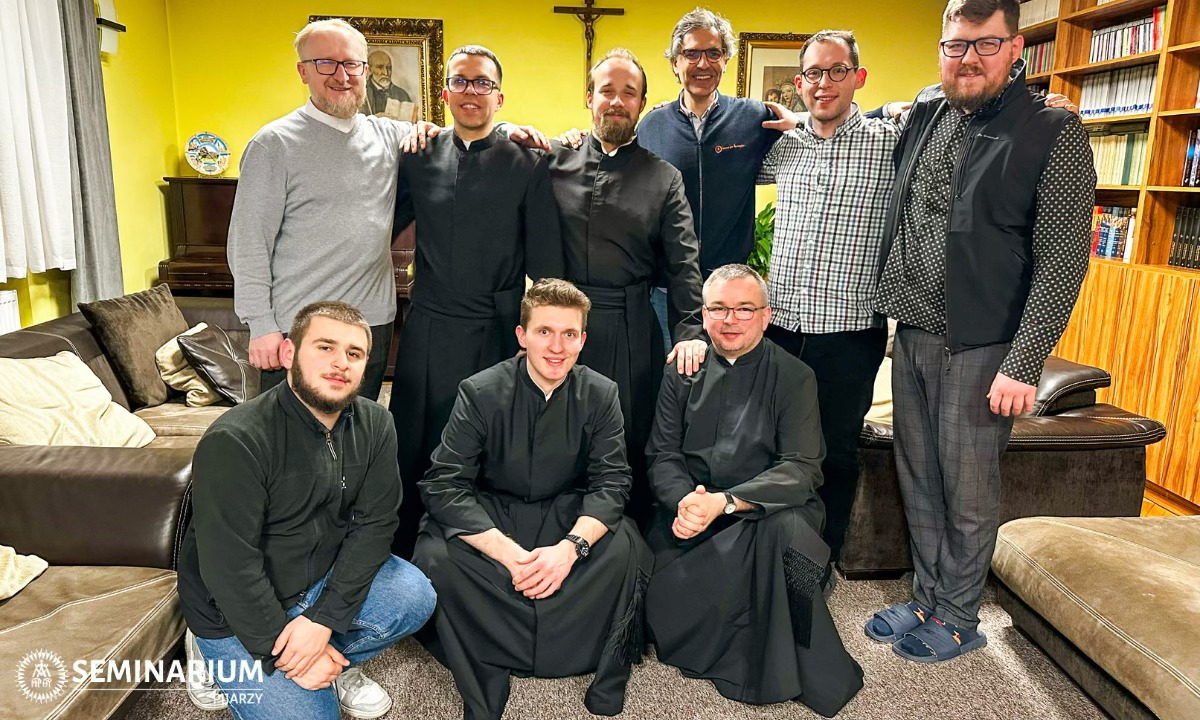
In the house of formation in Kraków, there are two formators: the Juniorate Master, with four juniores, and the Aspirancy Master, with one Ukrainian candidate. There is an atmosphere of fraternity, co-responsibility, commitment, prayer, dialogue, discernment and communion with the Order.
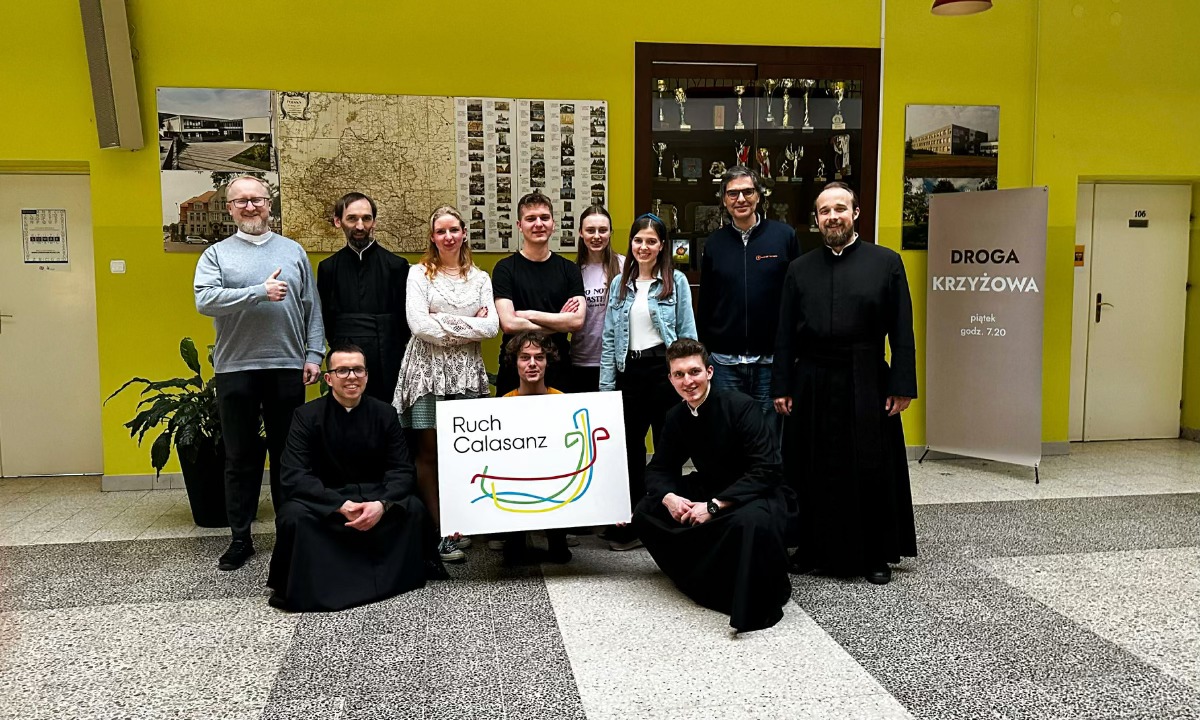
The group of leaders and moderators of the Calasanz Movement includes solemnly professed Piarists and juniores, as well as young leaders. The leaders have experience in accompanying small groups of upper-secondary students in Kraków and now form part of the team working in the formation of other presences.
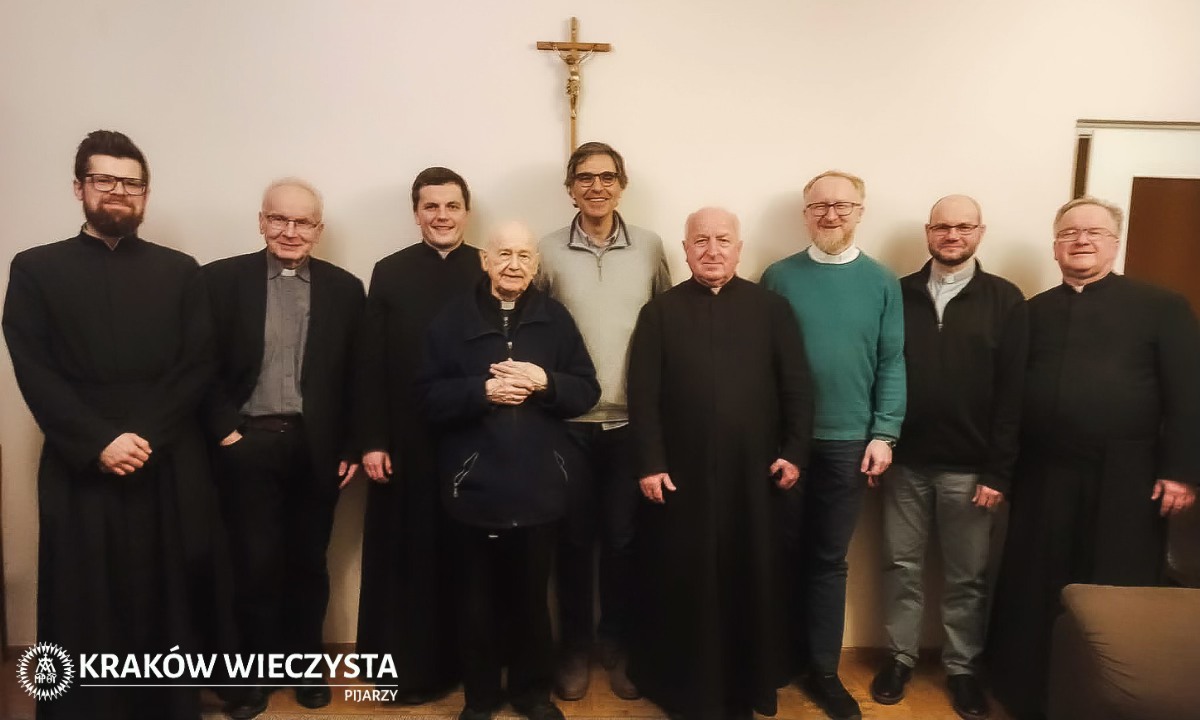
The person responsible for the formation of the Piarists during the five years following Solemn Profession organised a meeting during the visit of the Superior General to Kraków. Four deacons took part, who continue their service in Belarus and Poland, as well as three young priests from Poland.
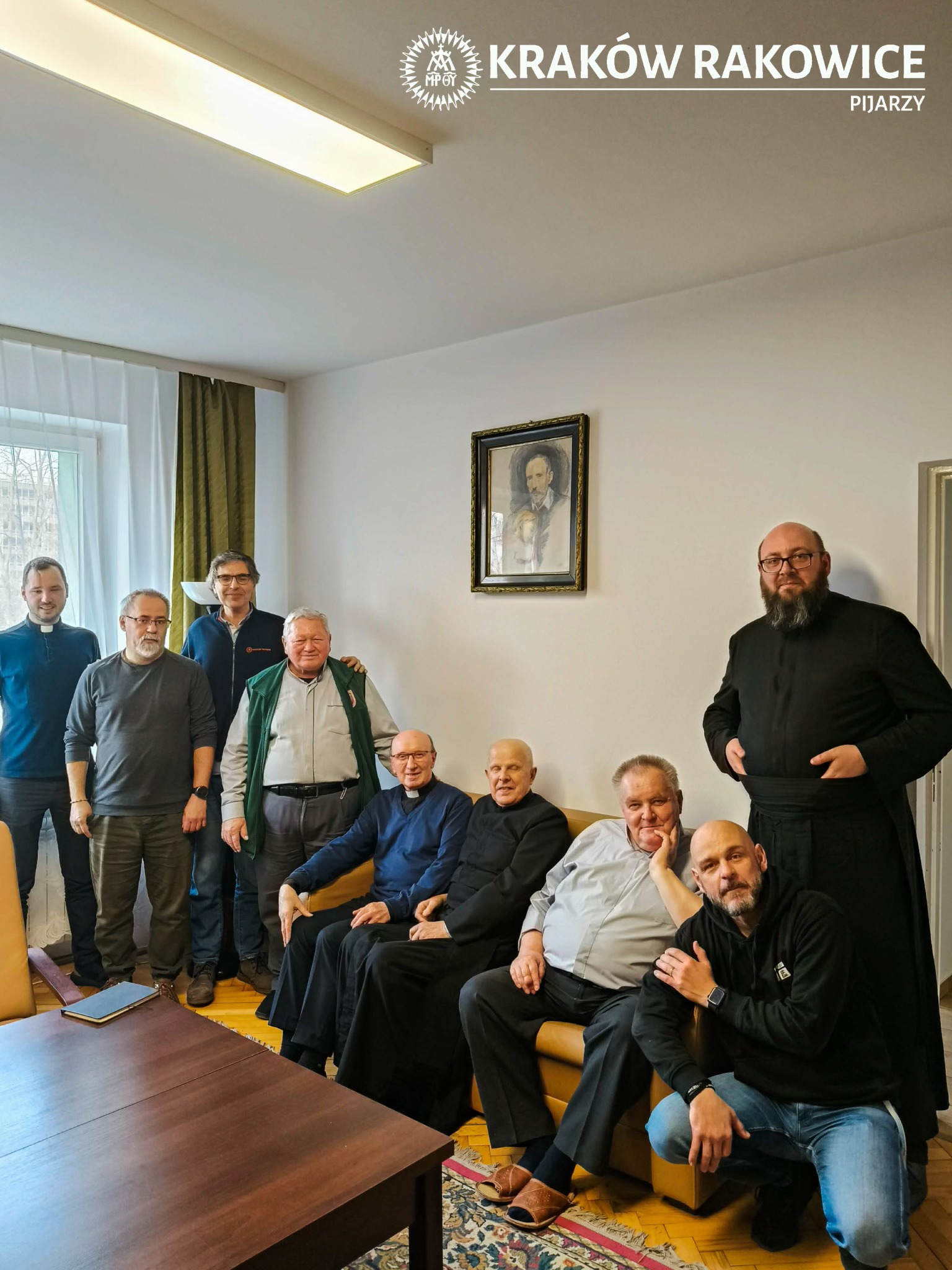
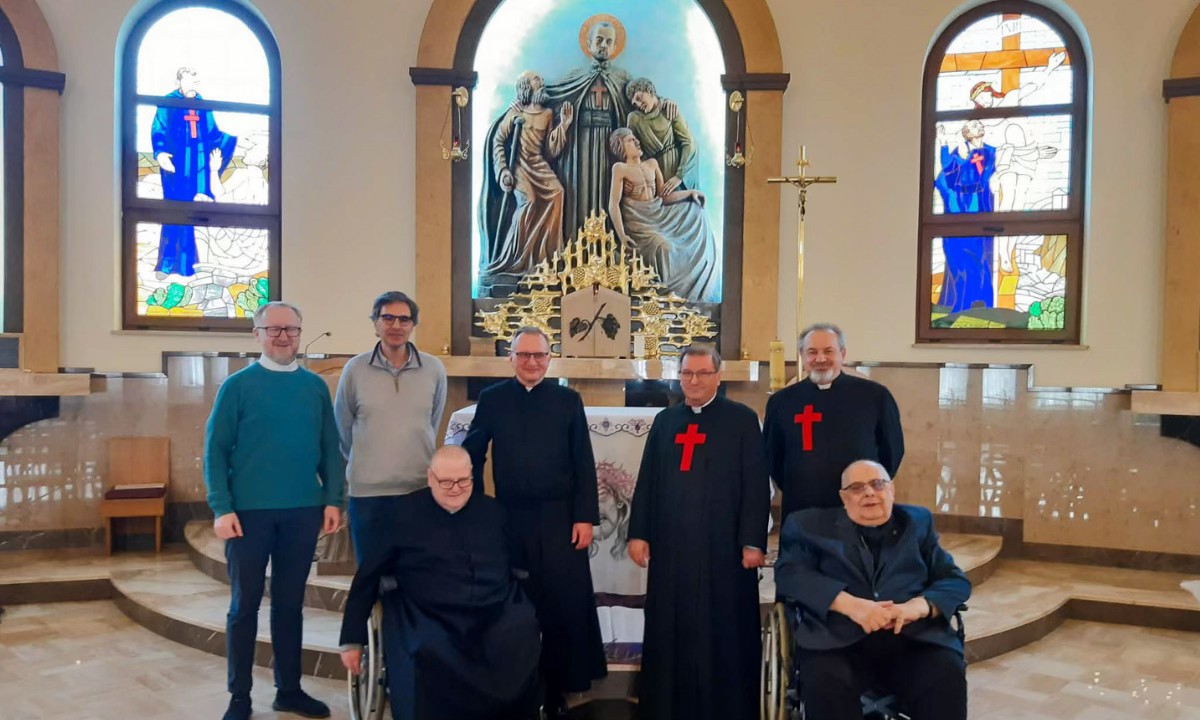
The main work of the Kraków-Rakowice community is the parish. The community lives in the same building as the primary school and shares the dining hall with the pupils. It is the largest community in the Province and includes elderly religious.
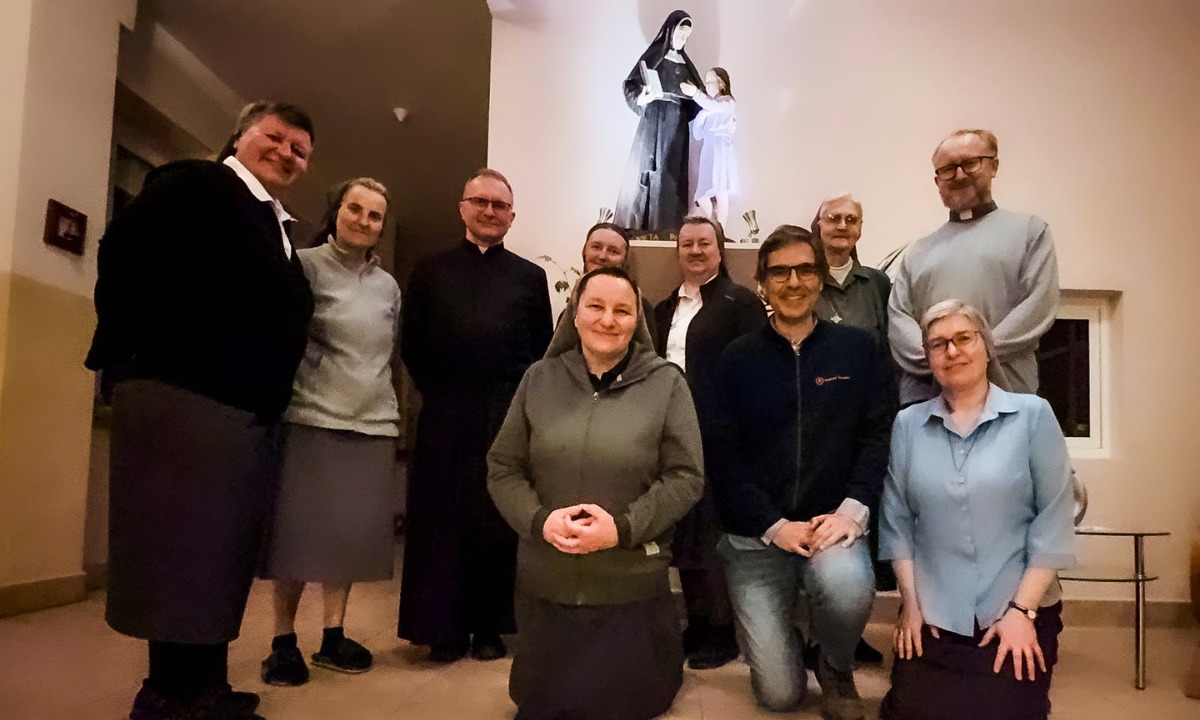
A very fraternal visit was made to the motherhouse of the Piarist Sisters of the Delegation of Poland in Kraków. Besides this house, the Piarist Sisters are also present in a district on the outskirts of Kraków, in Rzeszów and in Bolszewo.
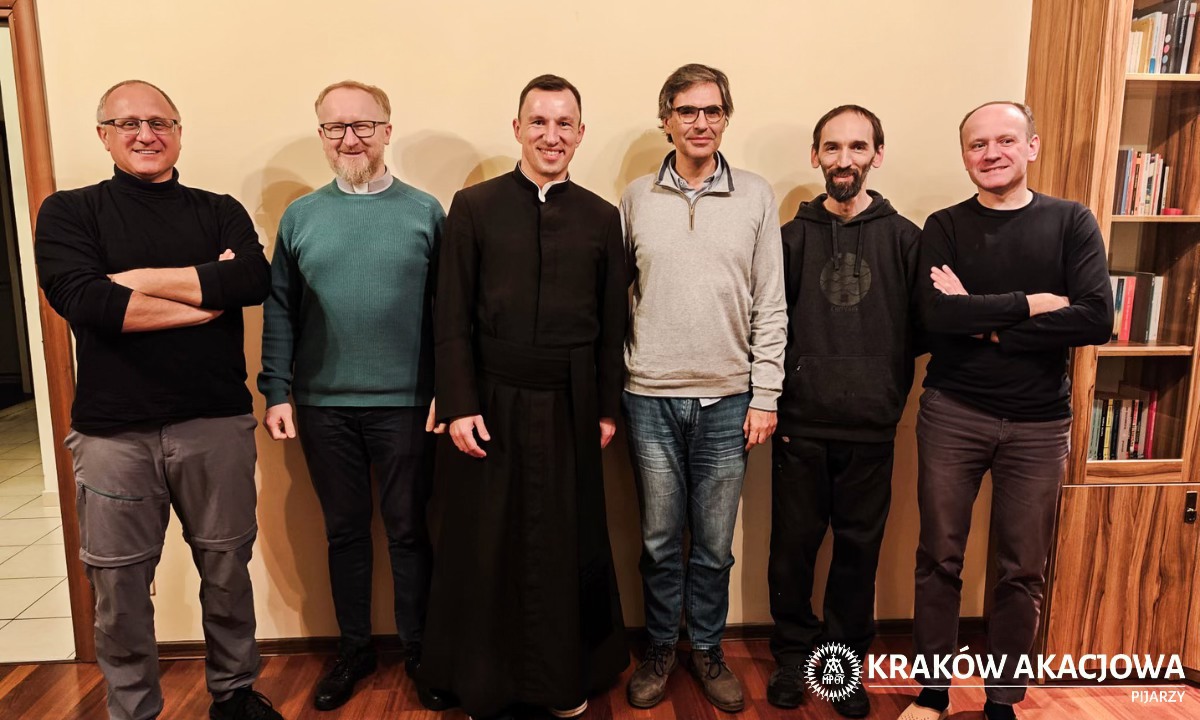
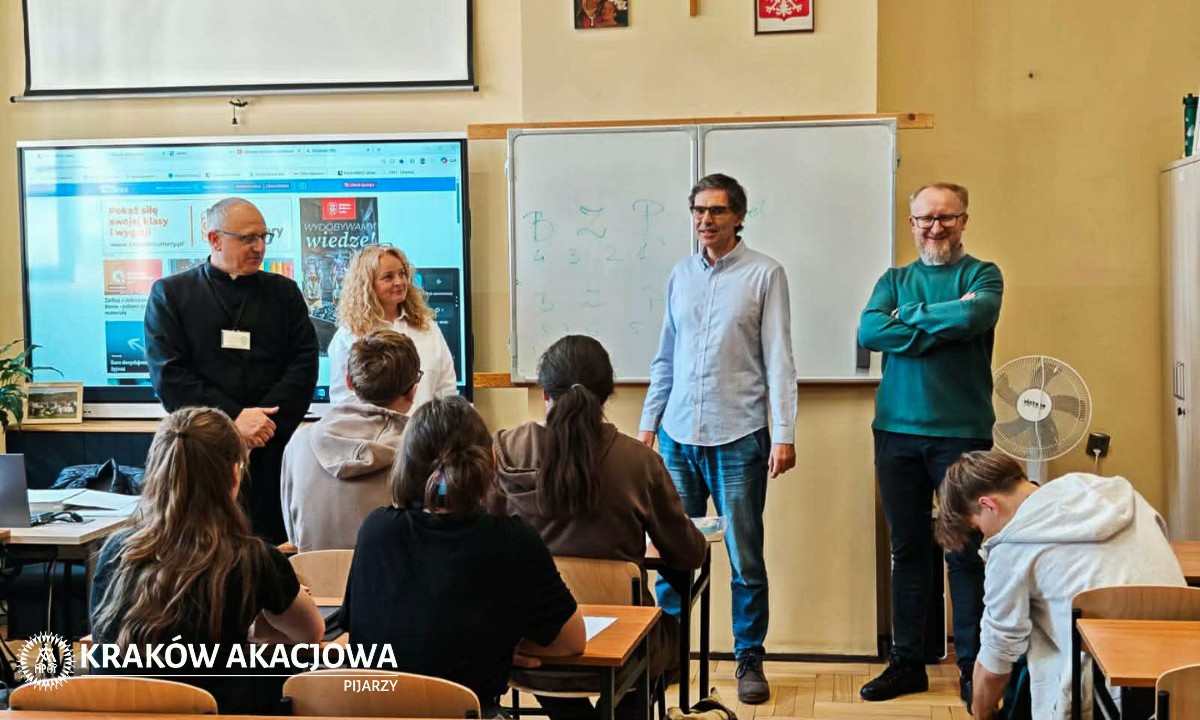
The Kraków-Akacjowa community is responsible for two schools: the primary school and the upper-secondary school, known in the country as a liceum. In the meeting with the leadership team, the three vice-headmistresses highlighted the good results in the external examinations and shared the projects which, in the case of the liceum, are also carried out in the facilities of other educational institutions, including university-level ones. There was also a brief meeting at the Oświatowa Foundation.
From the Hebdów community, the Piarists run the parish and the retreat house in the same locality and, in the neighbouring village of Sierosławice, another parish. The house serves groups that organise their retreats there and is known for its excellent cuisine.
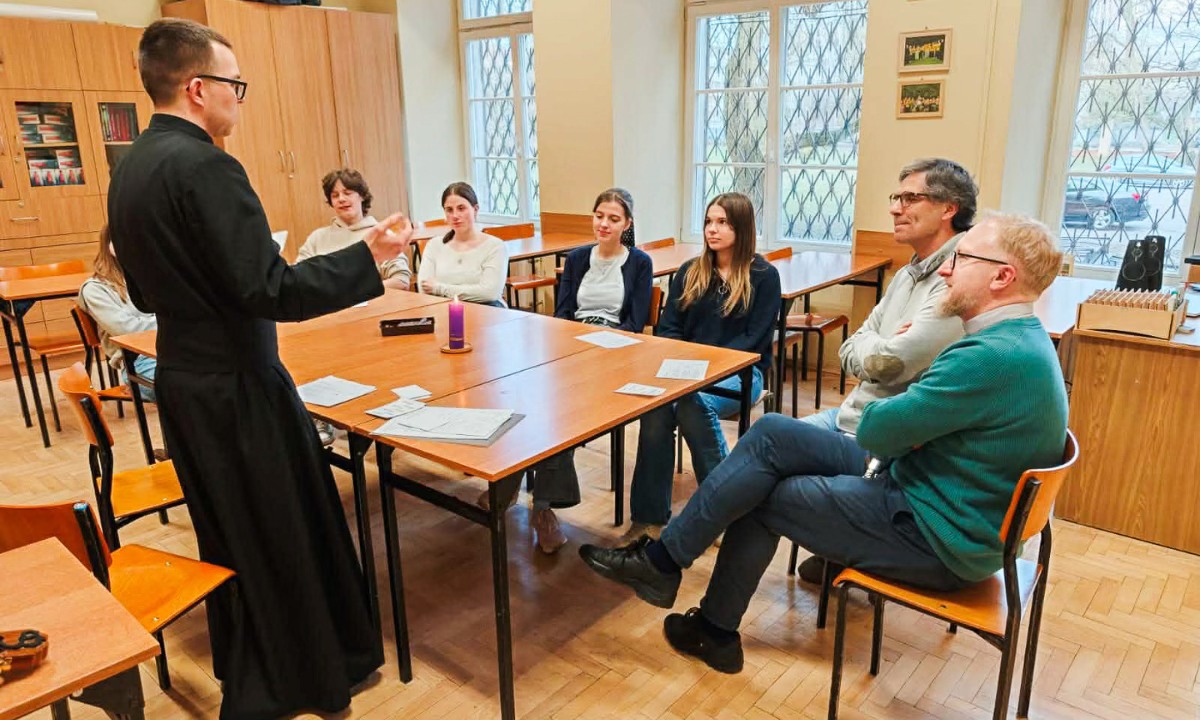
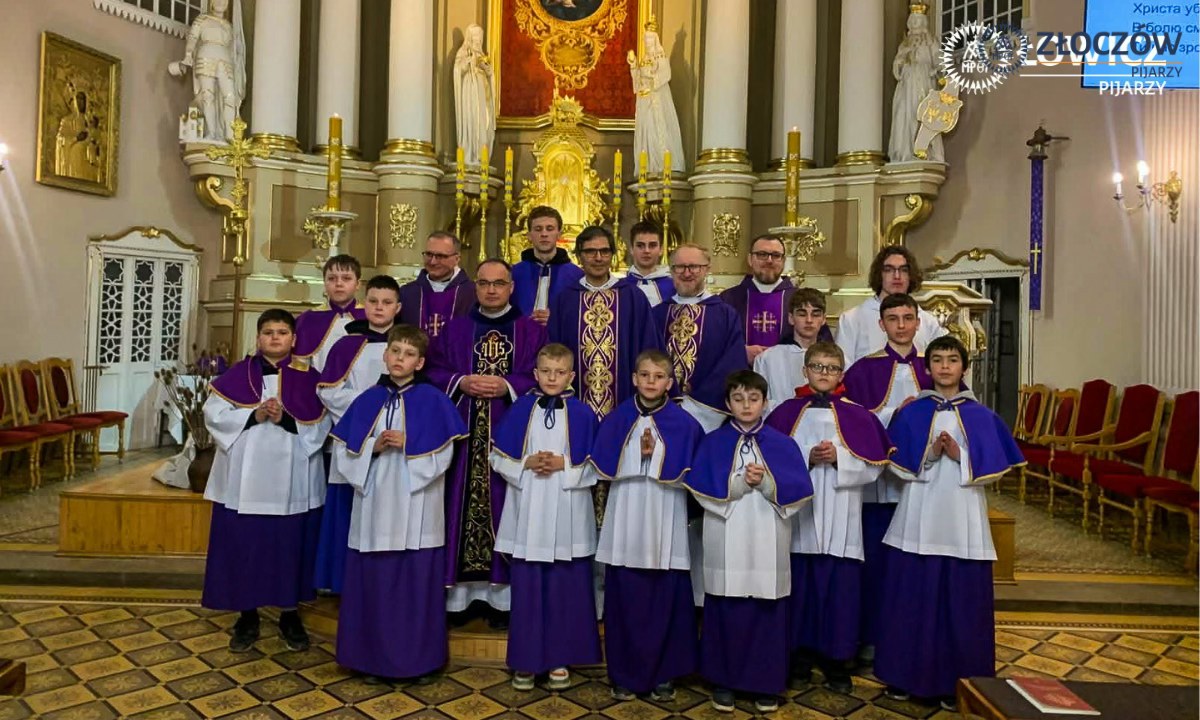
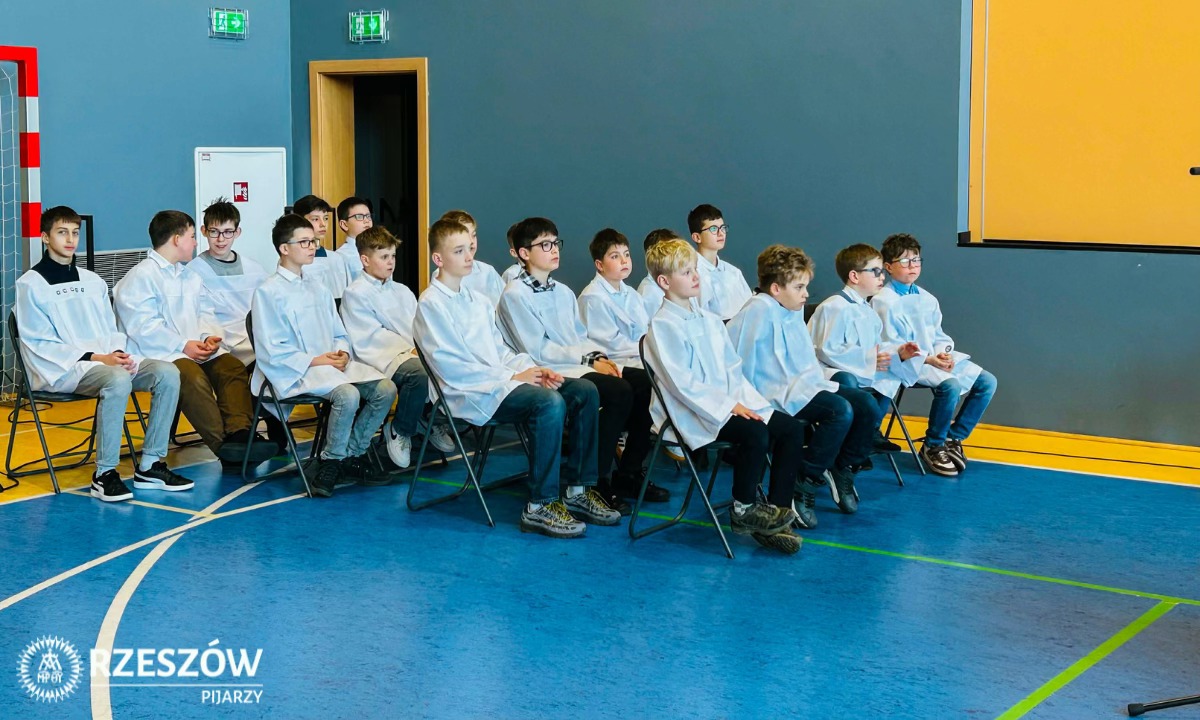
A hybrid meeting was held with the members of the provincial youth ministry team, including the person responsible for vocational ministry, three religious and one layman. The Province’s pastoral potential is linked to the calendar of events, the altar servers’ groups, the preparation process for First Communion and Confirmation, as well as the formation groups of the Calasanz Movement and other formation groups.
During the visit to Katowice, the Father General emphasised that our mission is dedicated in a special way to the poorest. This Calasanctian ideal can become reality by responding to the various forms of poverty and by going out towards the peripheries, which are not necessarily located outside the great urban areas. We want to educate all our pupils in a Samaritan sensitivity so that, as professionals in their respective fields, they may contribute to making the world better by helping those who need support.
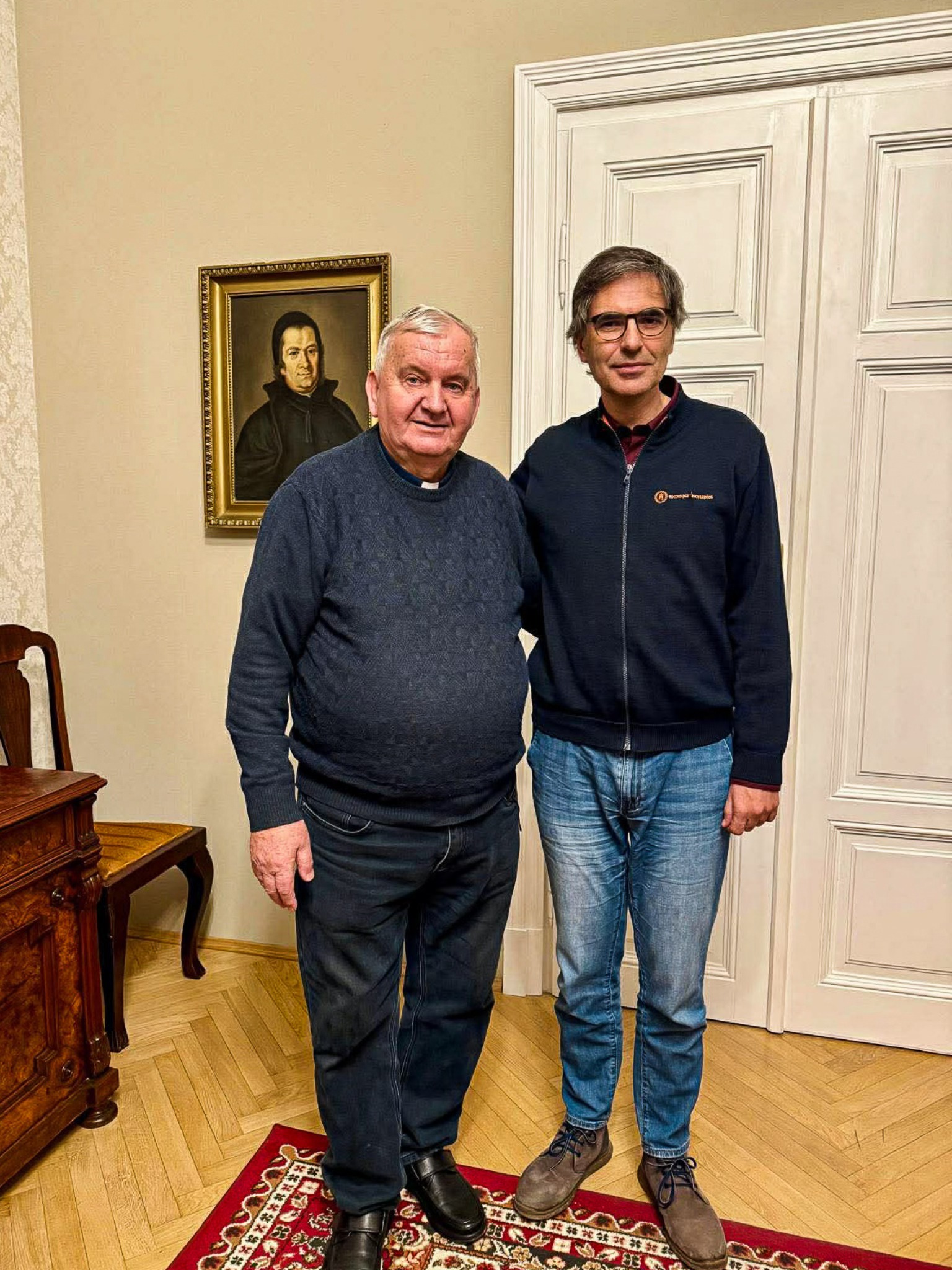
The Father General visited Br Wiesław Stańczyk, who, because of his health condition, lives in the residence of the Camillians in Hutki. The visit was carefully prepared and lived with deep emotion.
The parish of the Kraków-Wieczysta community has a large altar servers’ group called LSO Wieczysta, the Calasanz Cultural Centre, the parish sports club Porta, and formation groups for married couples and families, as well as for children and young people. From the parish, as in the other presences, the religious and a group of lay catechists teach religion in the public schools. The headquarters of the eSPe publishing house is located in the community premises, and the Piarist Sisters use two floors of the building for their primary school.
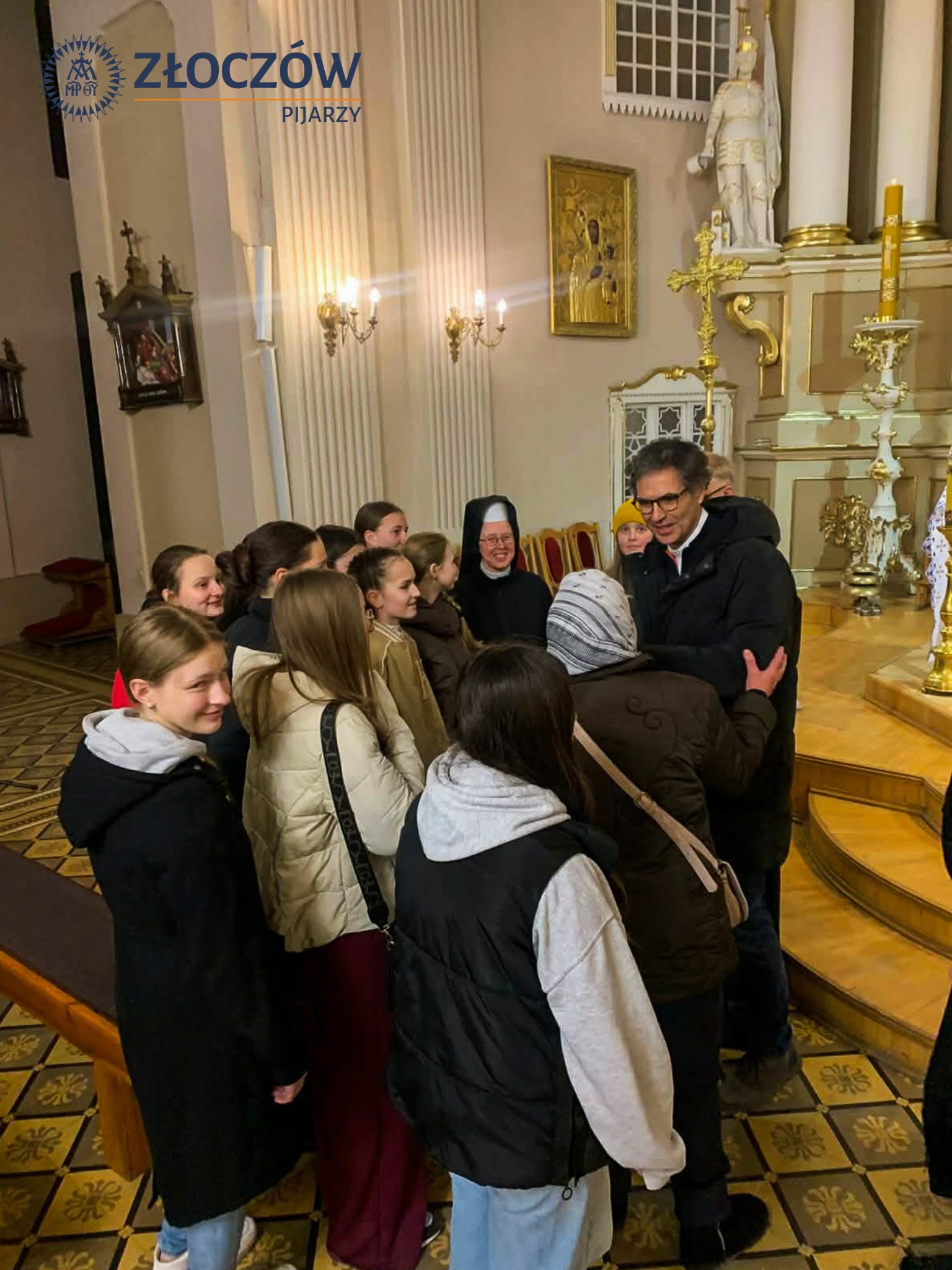
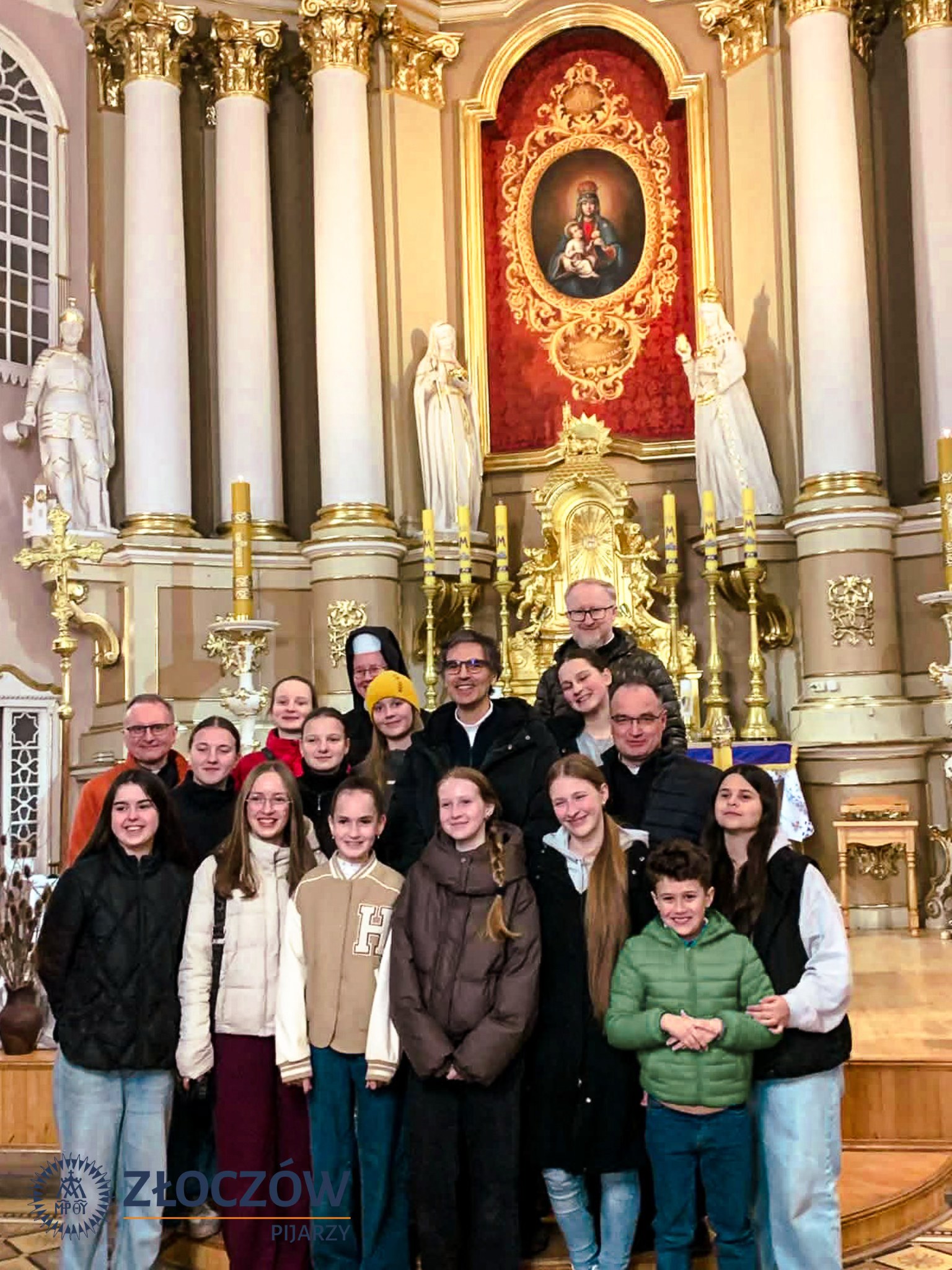
The visit to Ukraine began with a courtesy visit to the Ordinary of the Archdiocese of Lviv, Msgr Mieczysław Mokrzycki. From the moment one crosses the border, it becomes clear that the war is destroying infrastructure, daily life and family life, affecting the psychological state of the population and having repercussions, through migration, on the demographic situation. The community of Zólochiv maintains a certain stability, despite the tension caused by the frequent alarms. The Piarists carry out the parish sacramental ministry, attended also by faithful of the Greek-Catholic Church. During the visit, the Father General blessed the land where a cultural centre with a nursery school will be built in the village of Voroniaky, on the outskirts of Zólochiv, from which a large number of parishioners come.
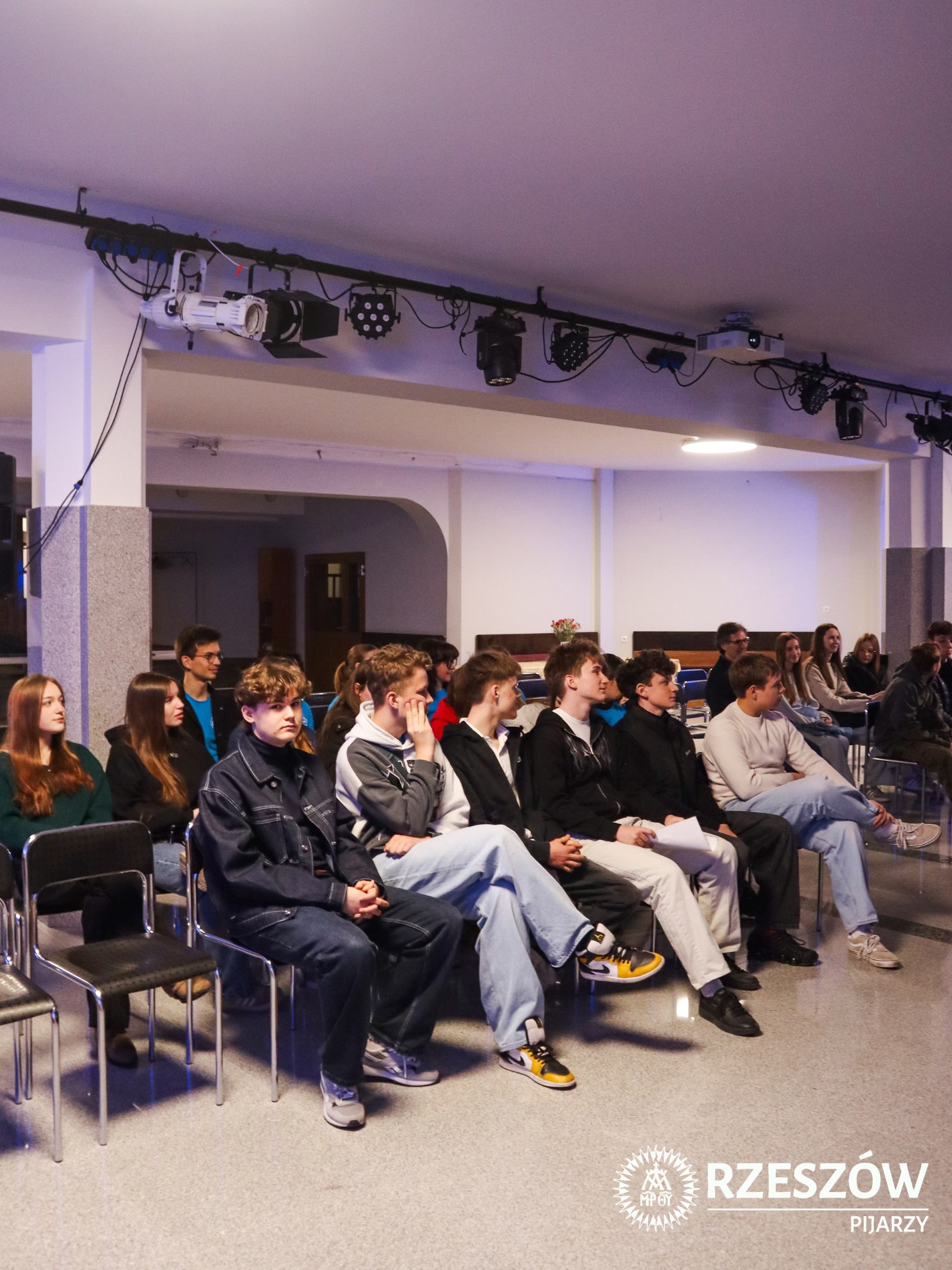
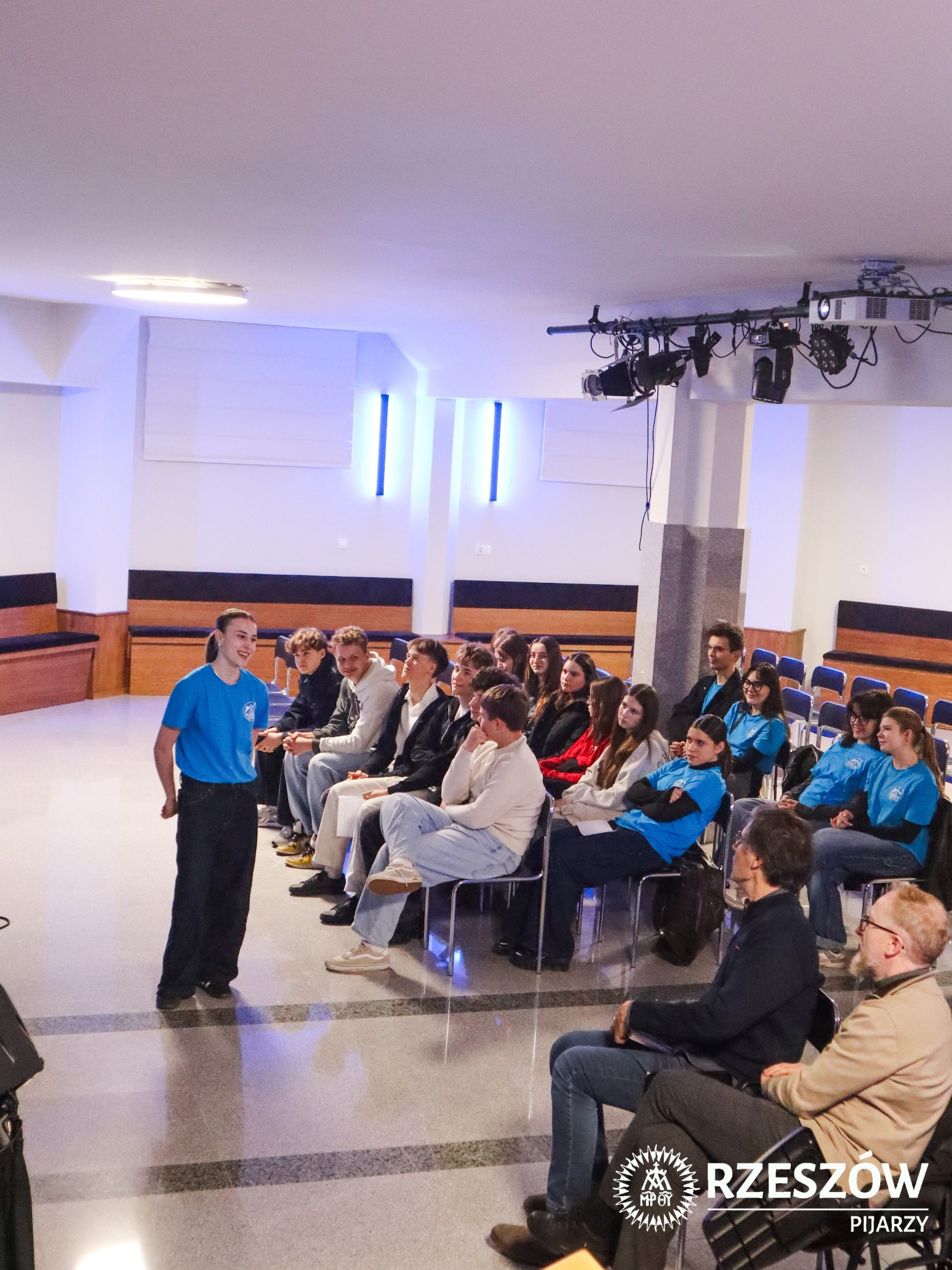
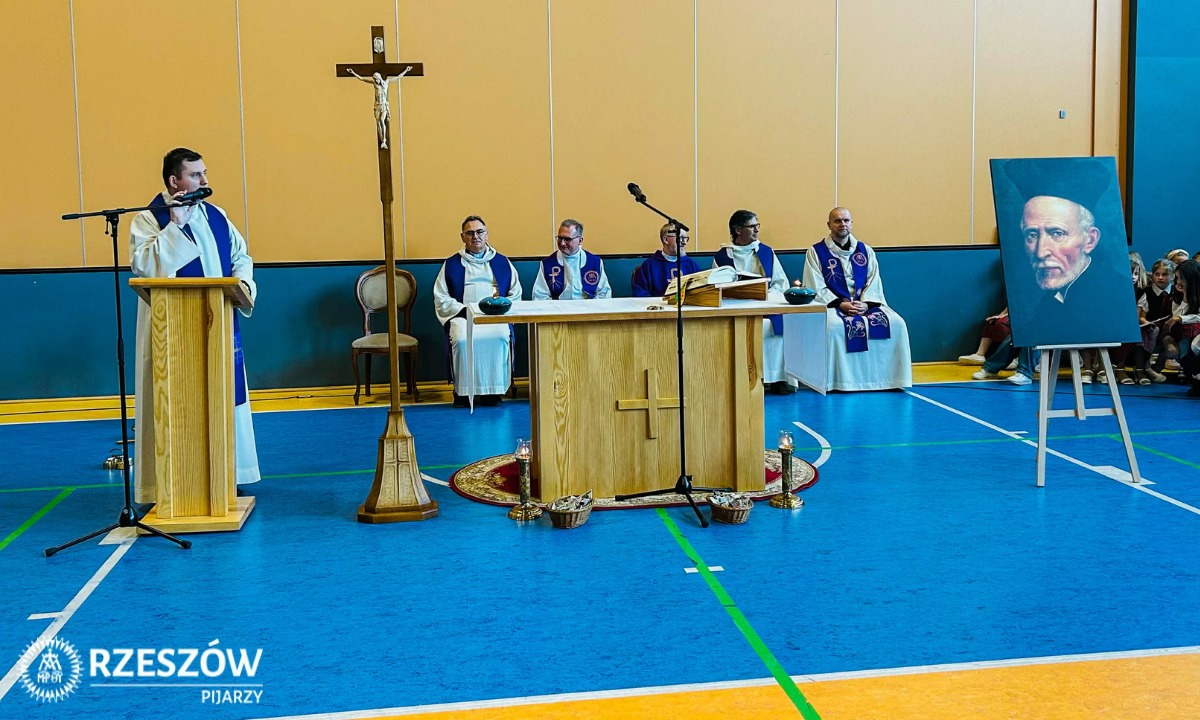
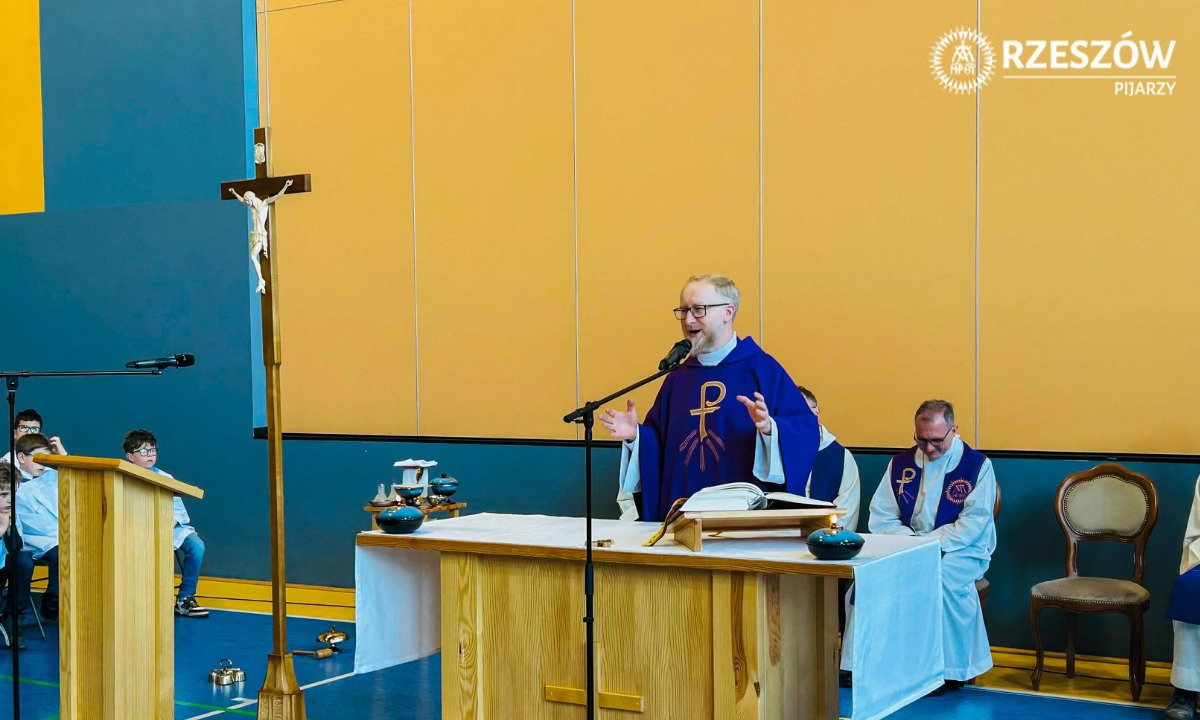
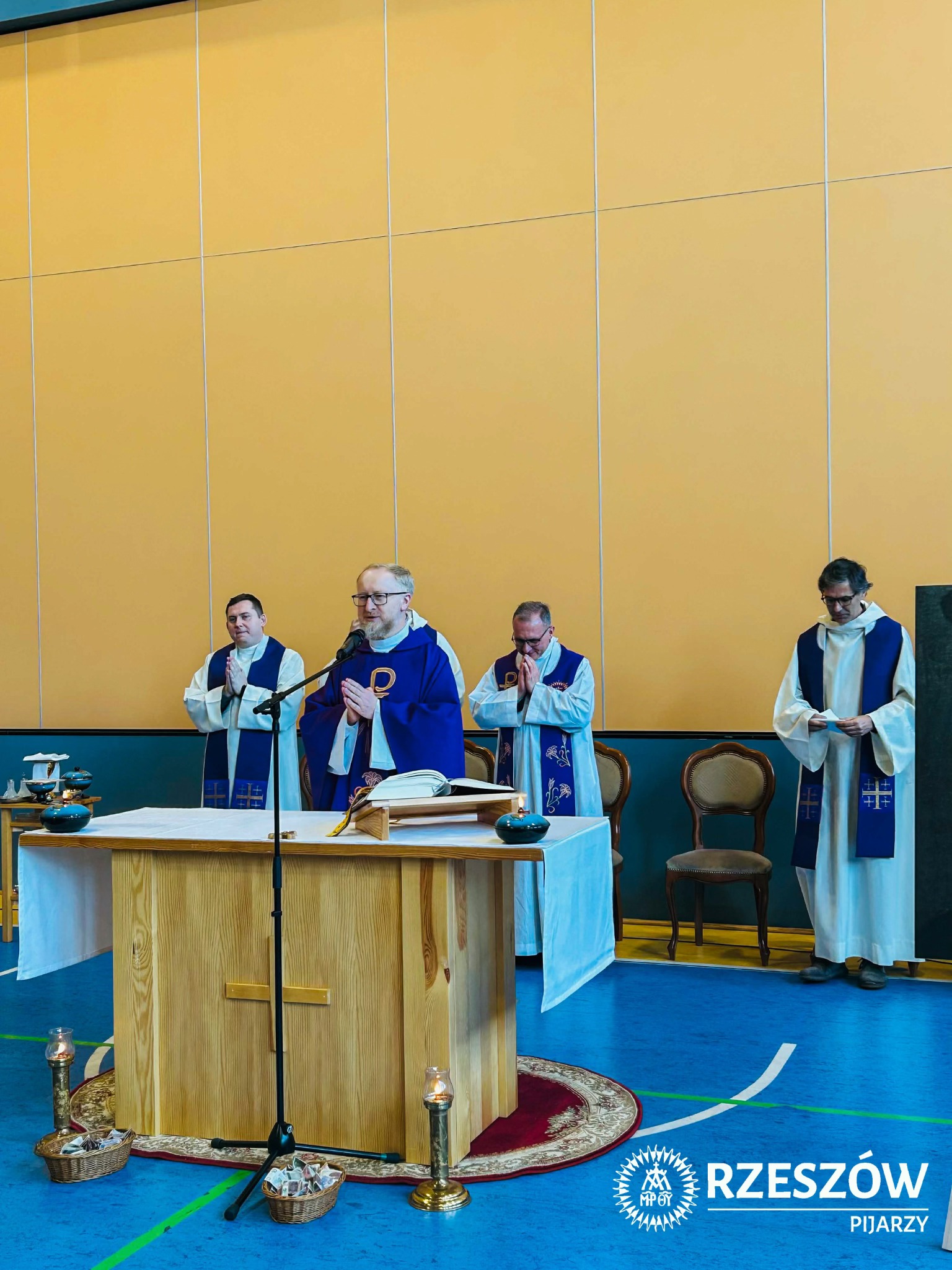
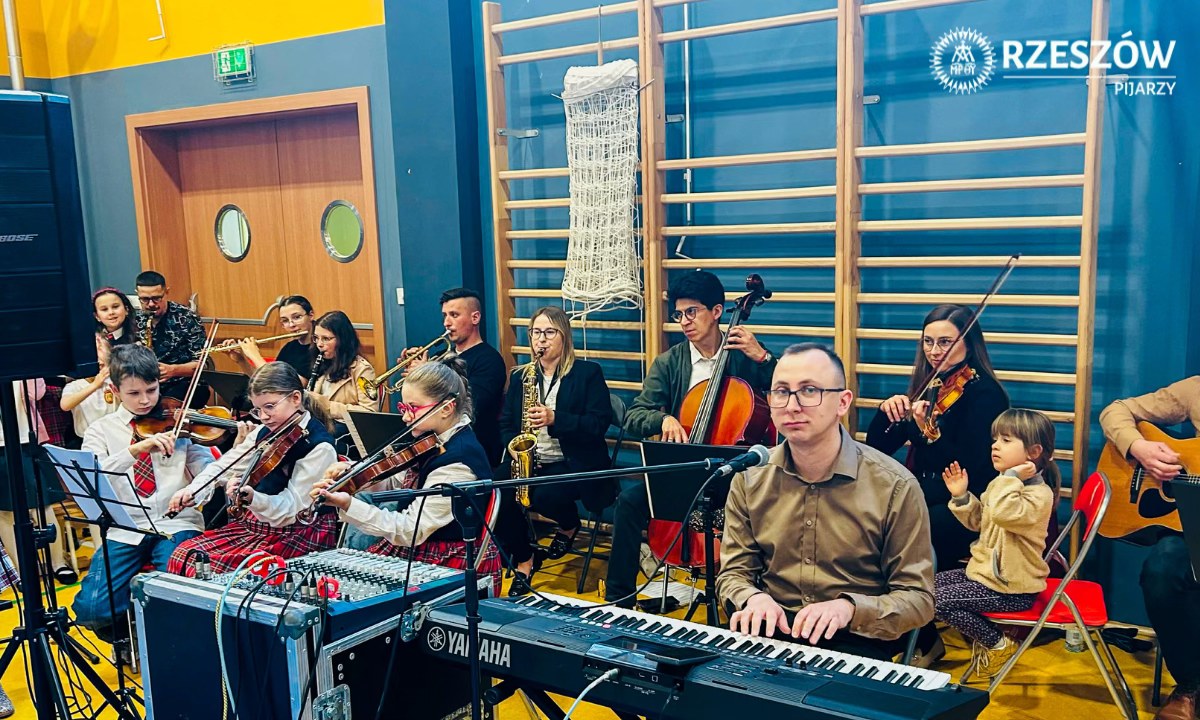
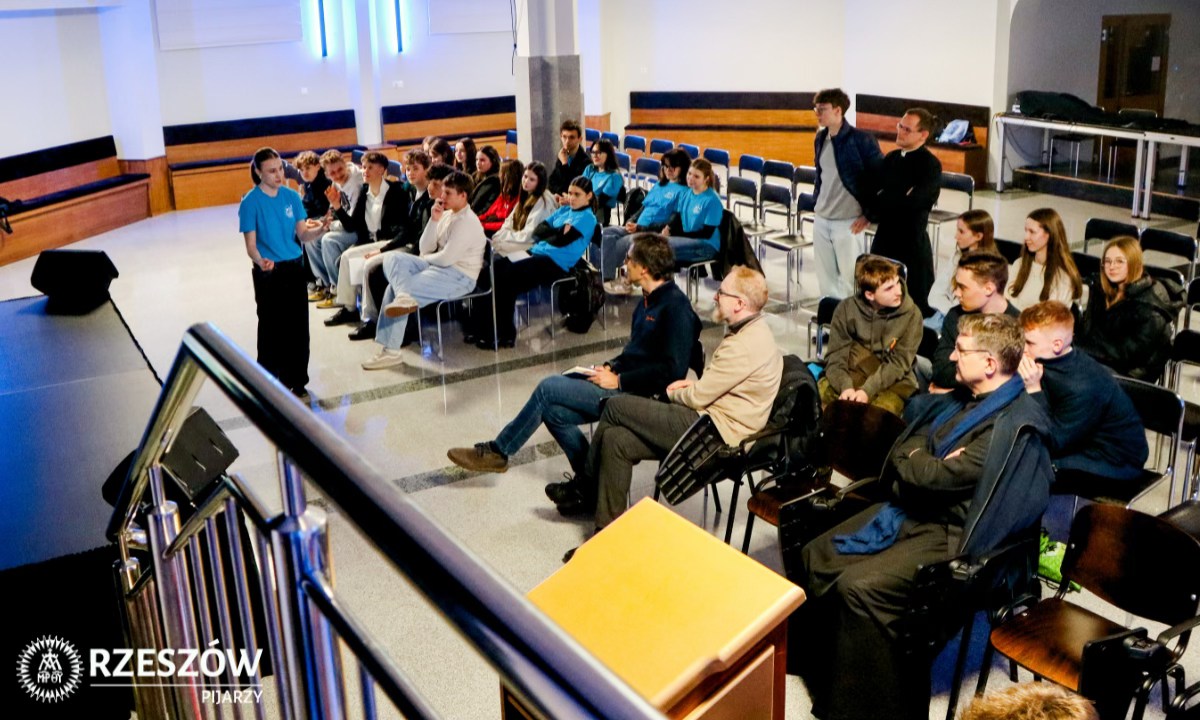
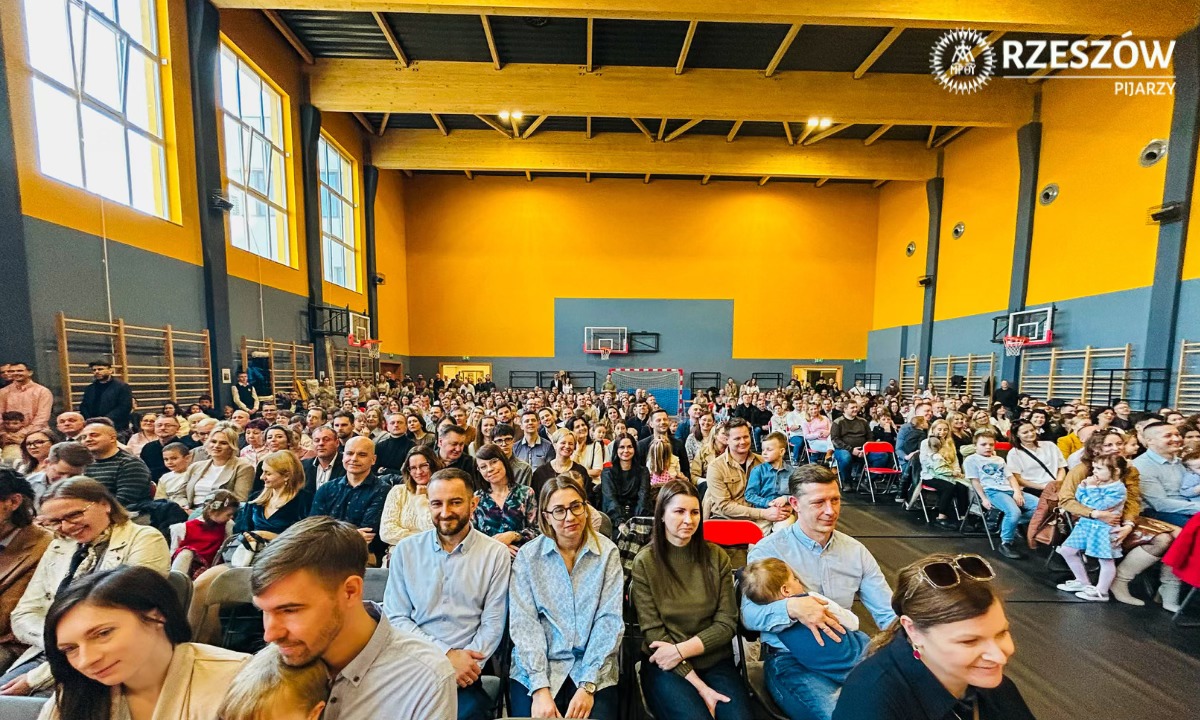
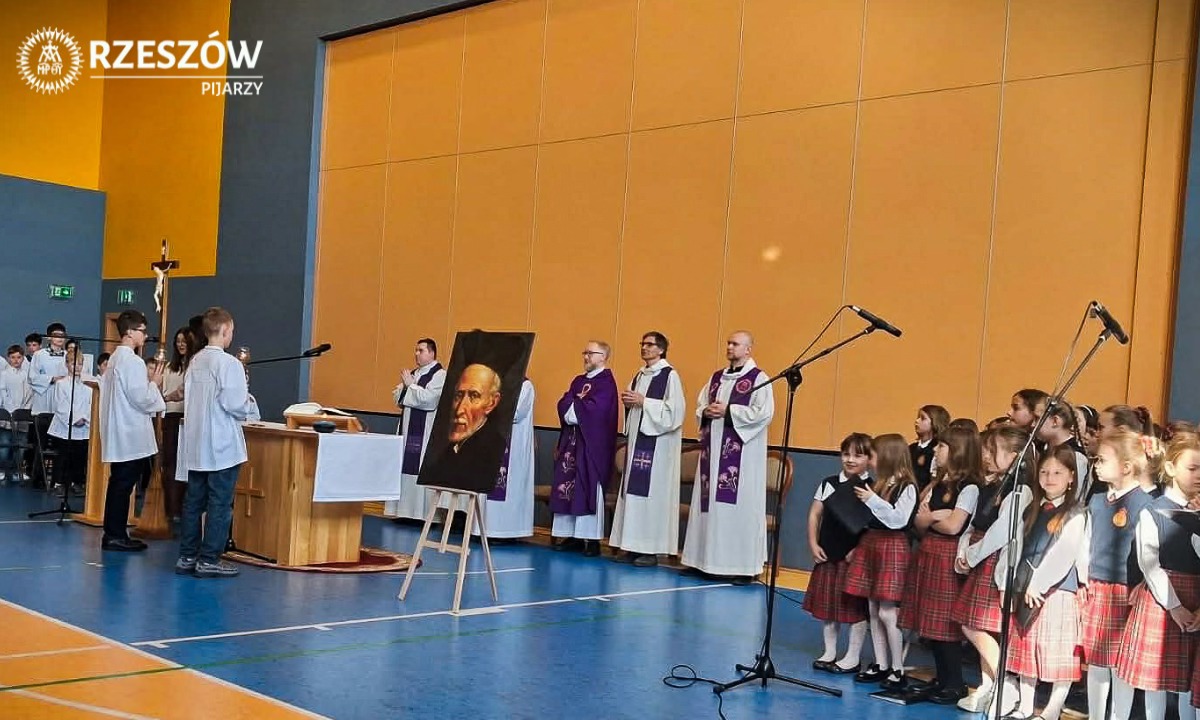
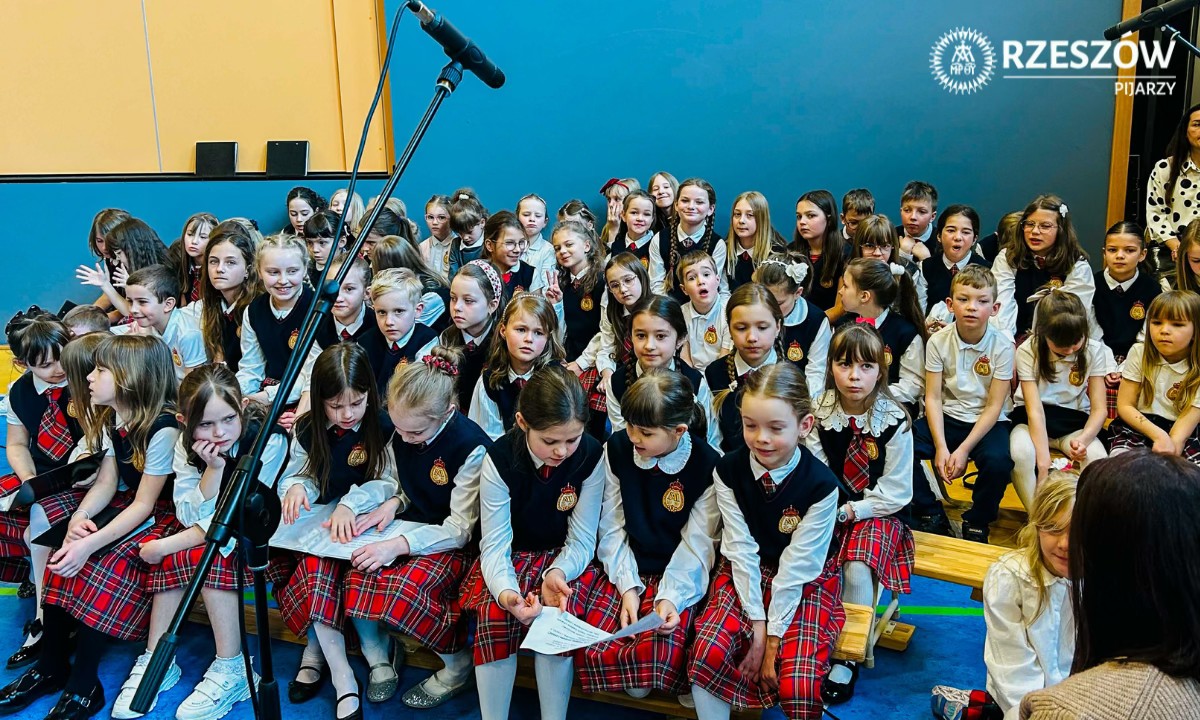
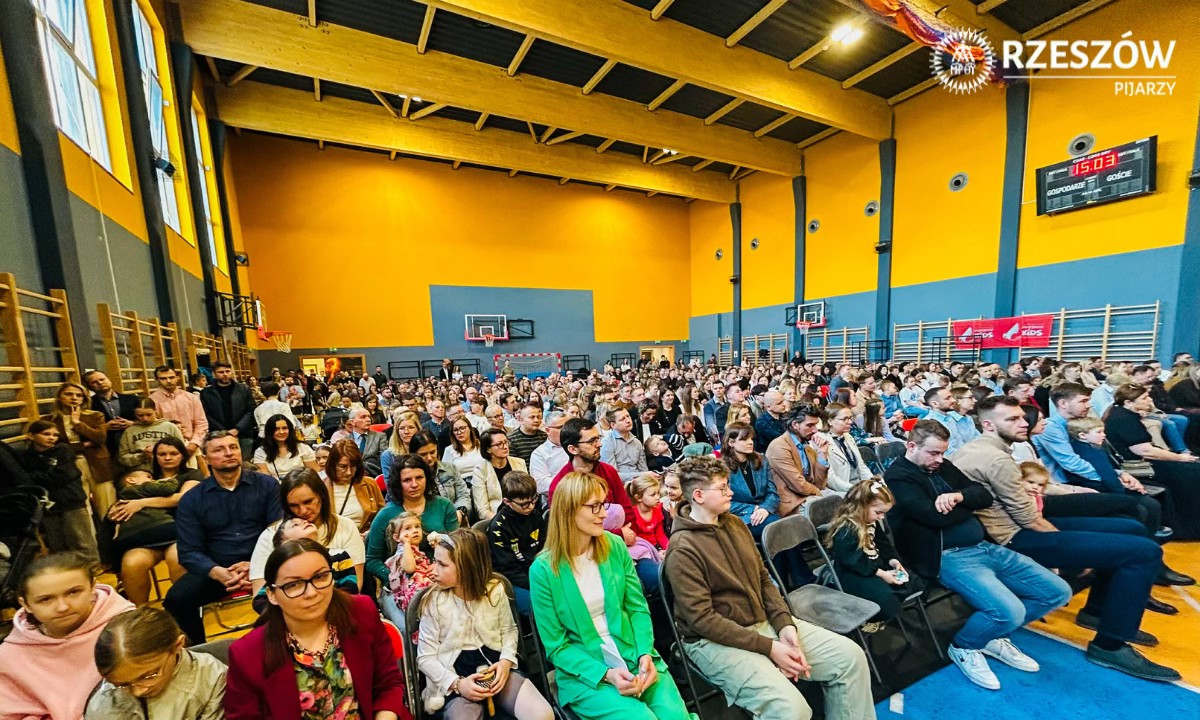
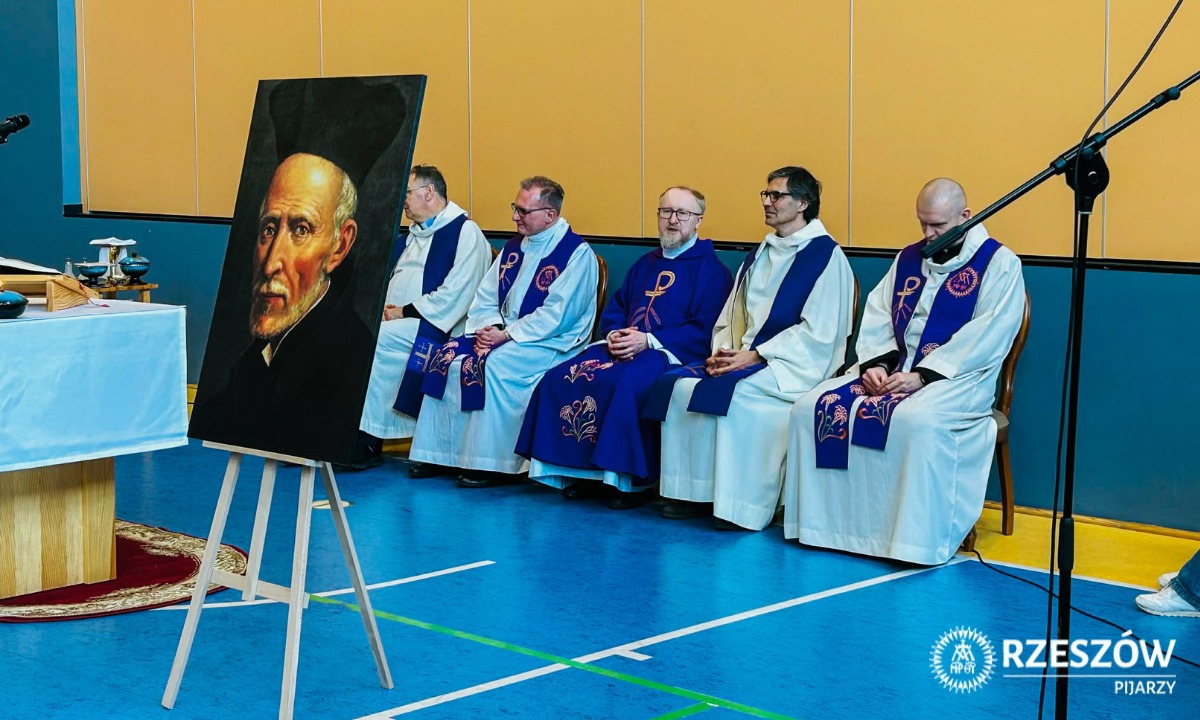
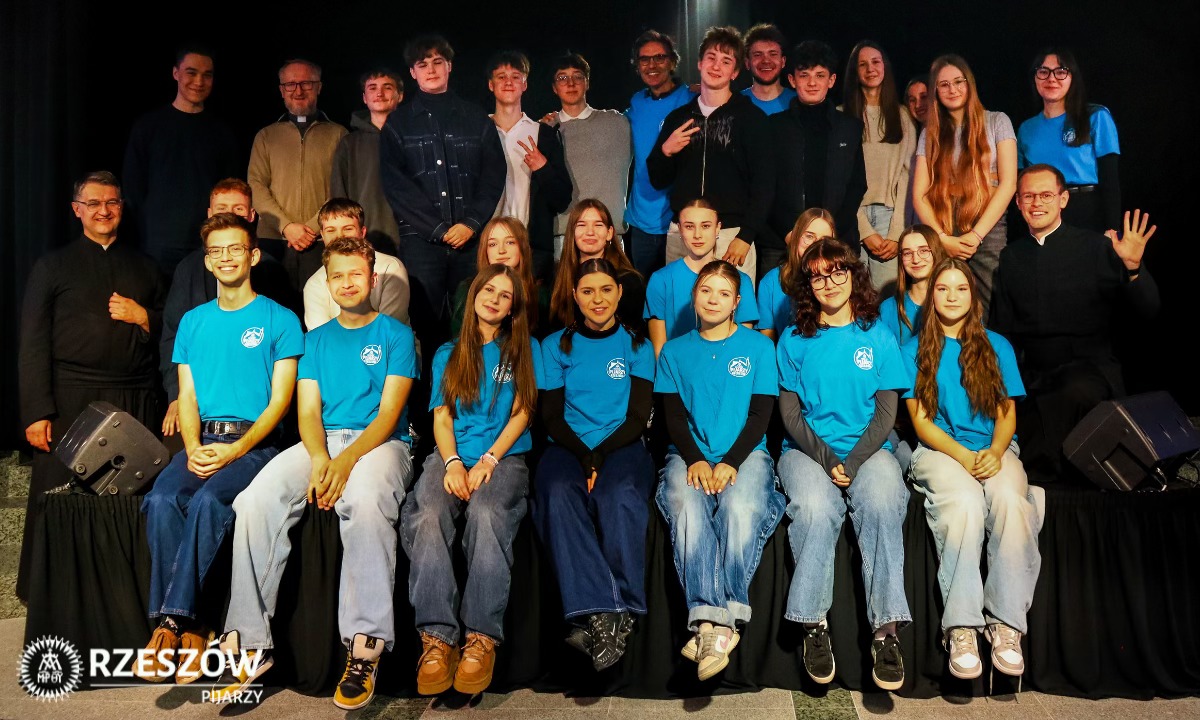
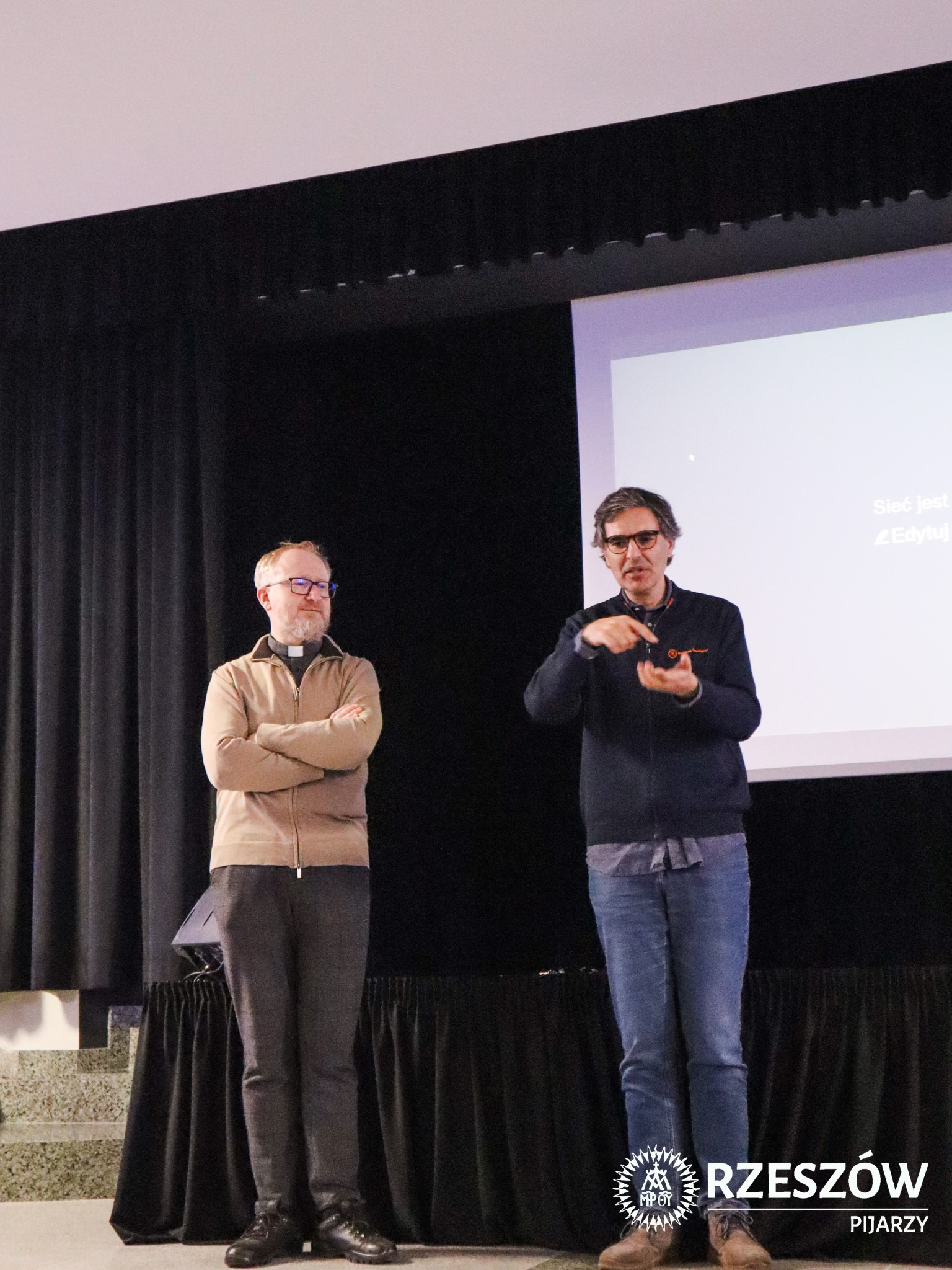
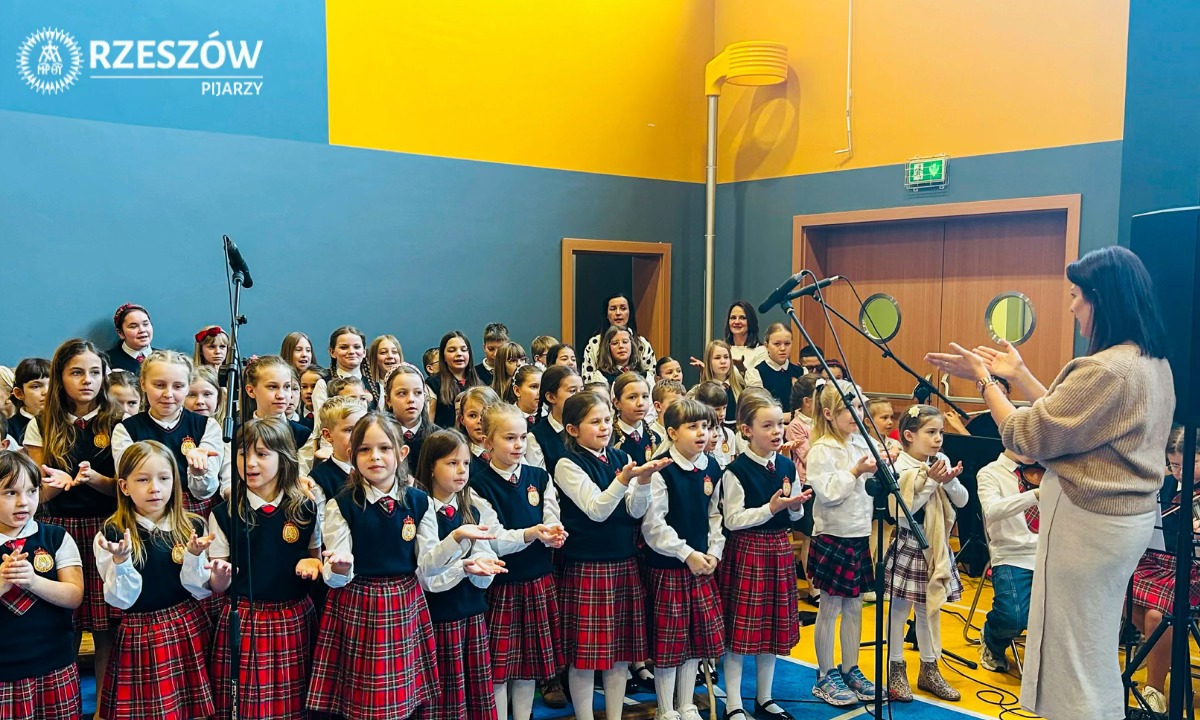
The principal work in Rzeszów is the parish, together with the non-formal education initiatives. One of the joys of its pastoral ministry is having a group of young people. Another part of the community runs the school. We took part in the monthly Sunday Mass for the families of the pupils, very well prepared, with the altar servers’ group and a very large choir accompanied by instruments.
From 16 to 18 March, the Father General and the Assistant took part in Barcelona in an in-person meeting of those responsible for youth ministry in the three Demarcations of Spain. For that reason, only on Tuesday did a telematic meeting take place with the discernment group on the future of the schools of the Province of Poland. The group includes solemnly professed Piarists and juniores, members of the leadership teams and of the teaching staff, as well as parents and former pupils.
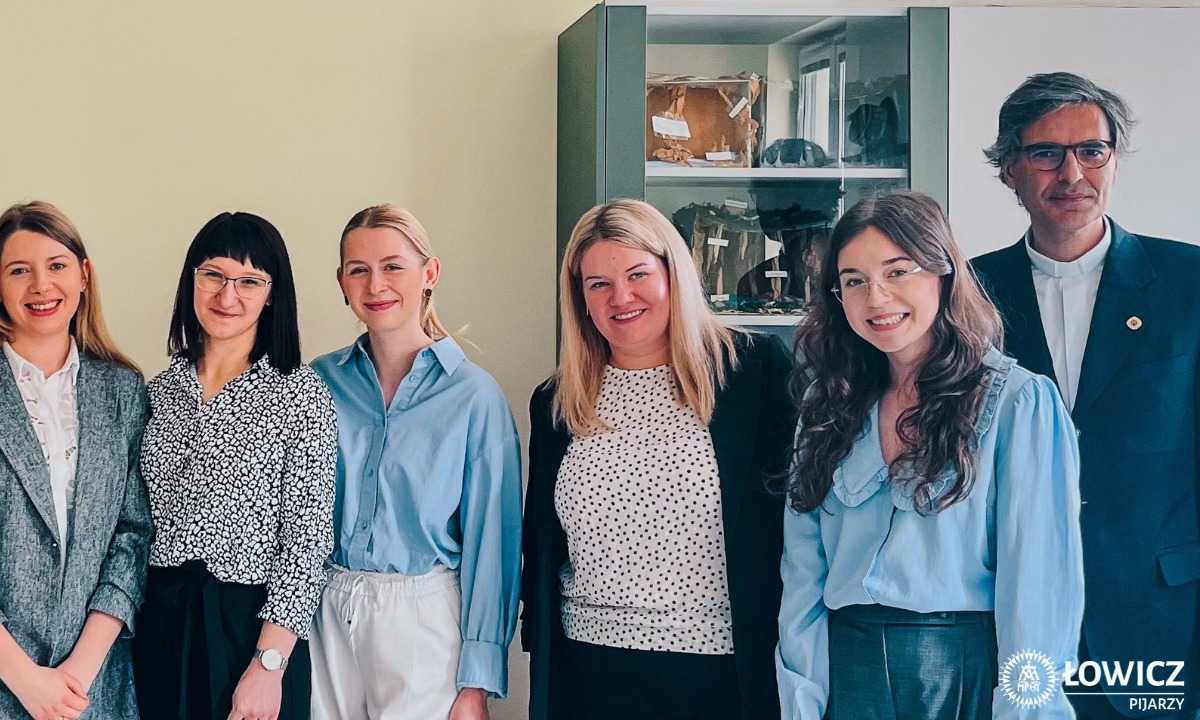
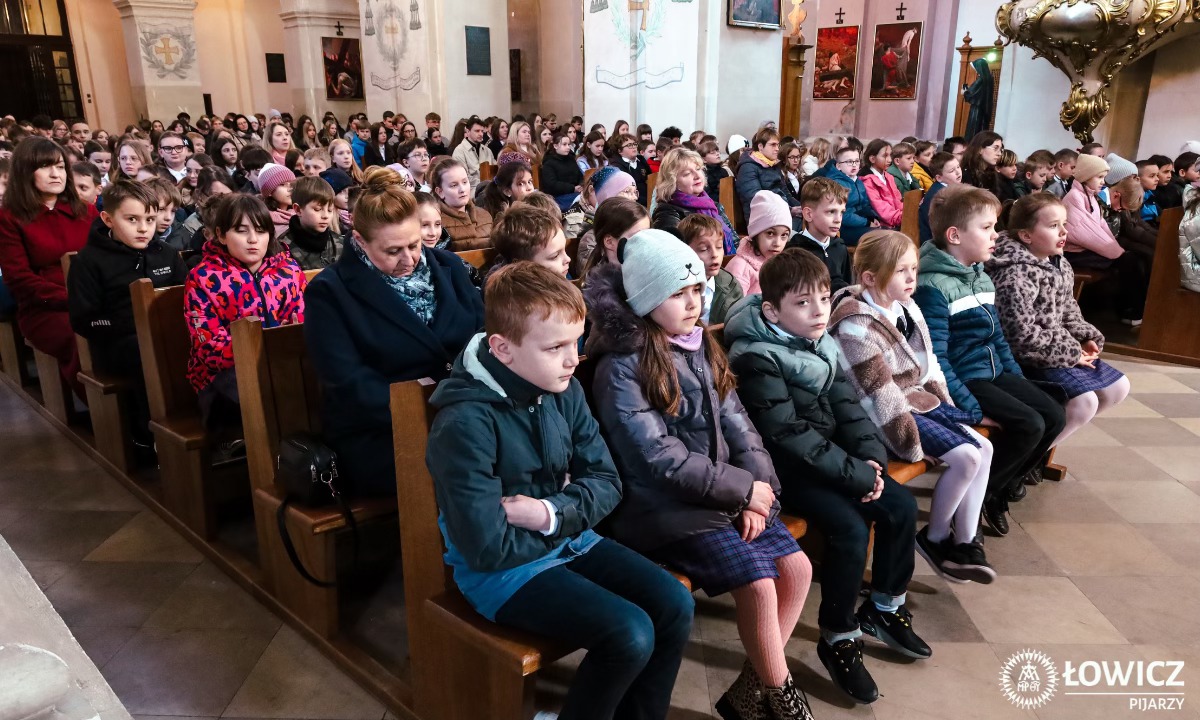
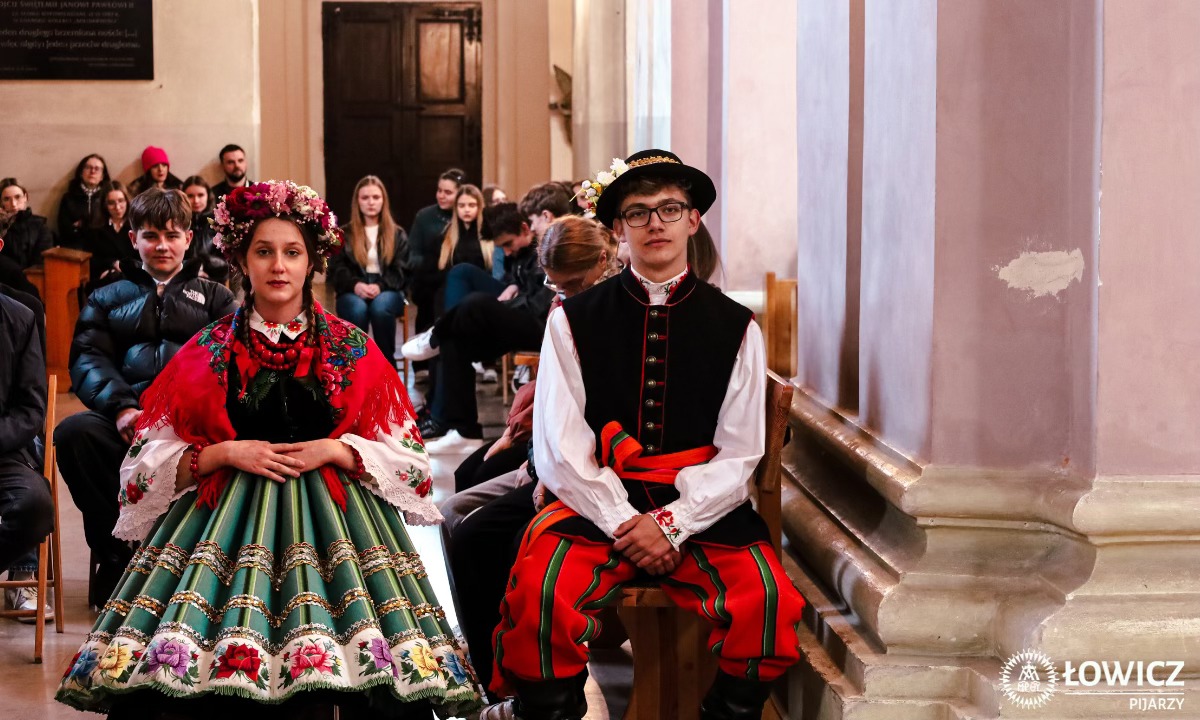
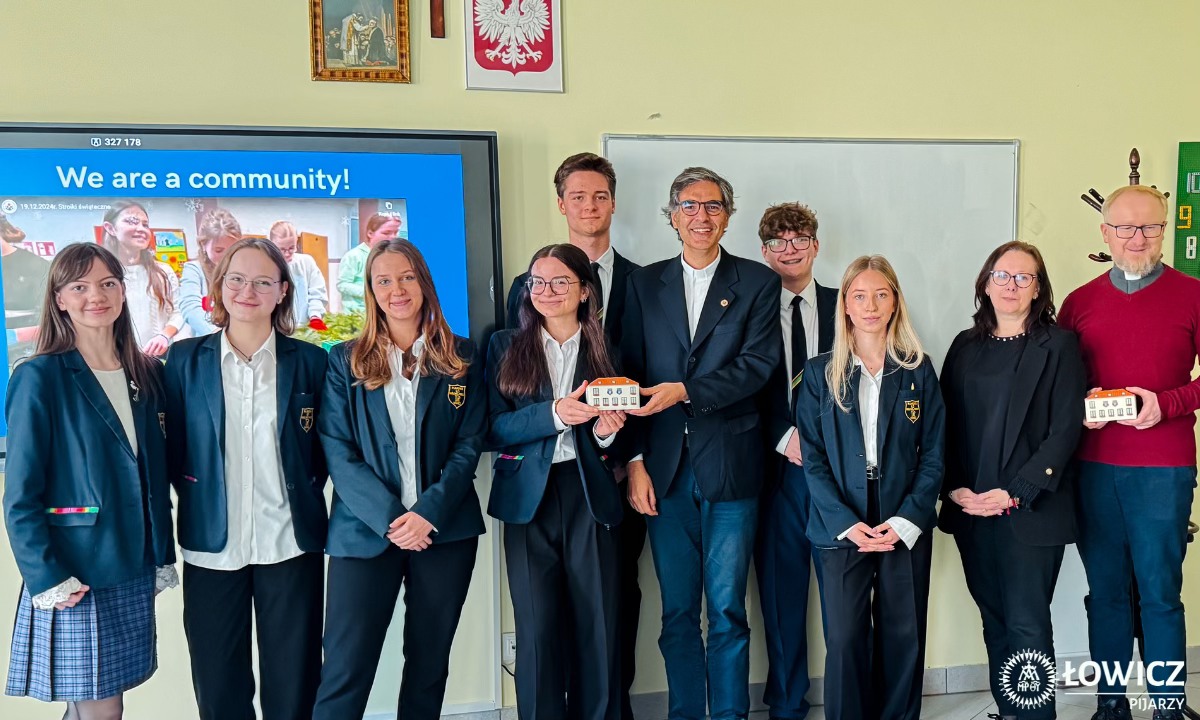
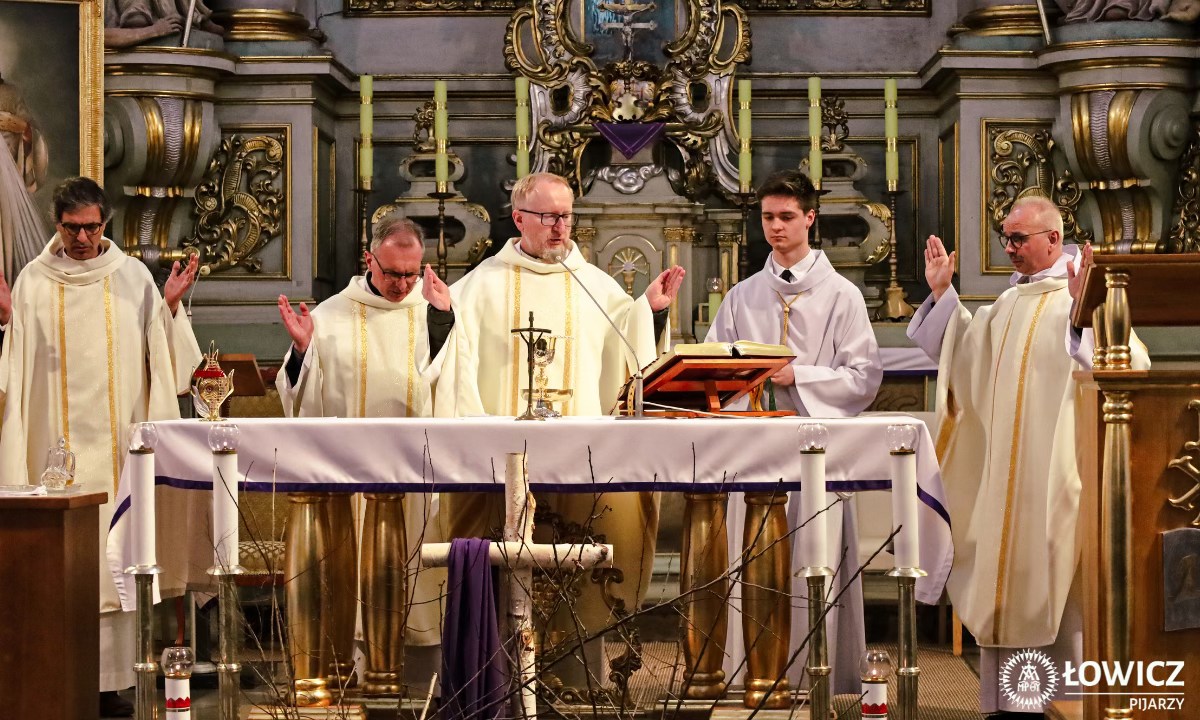
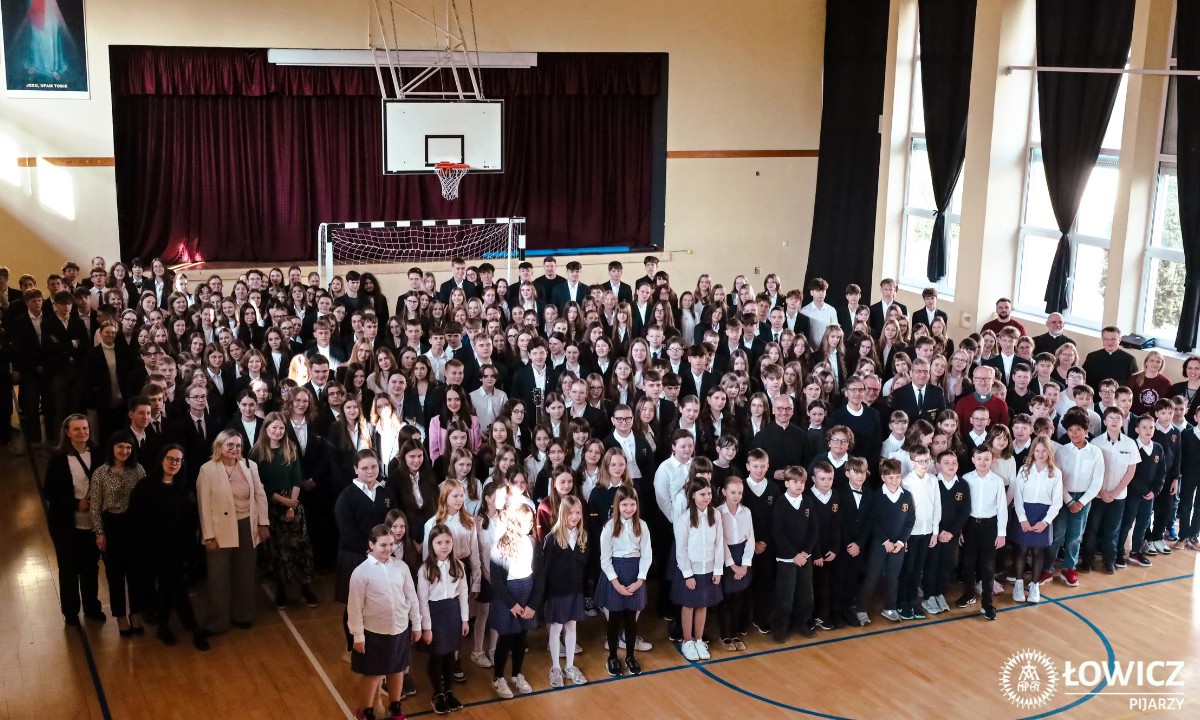
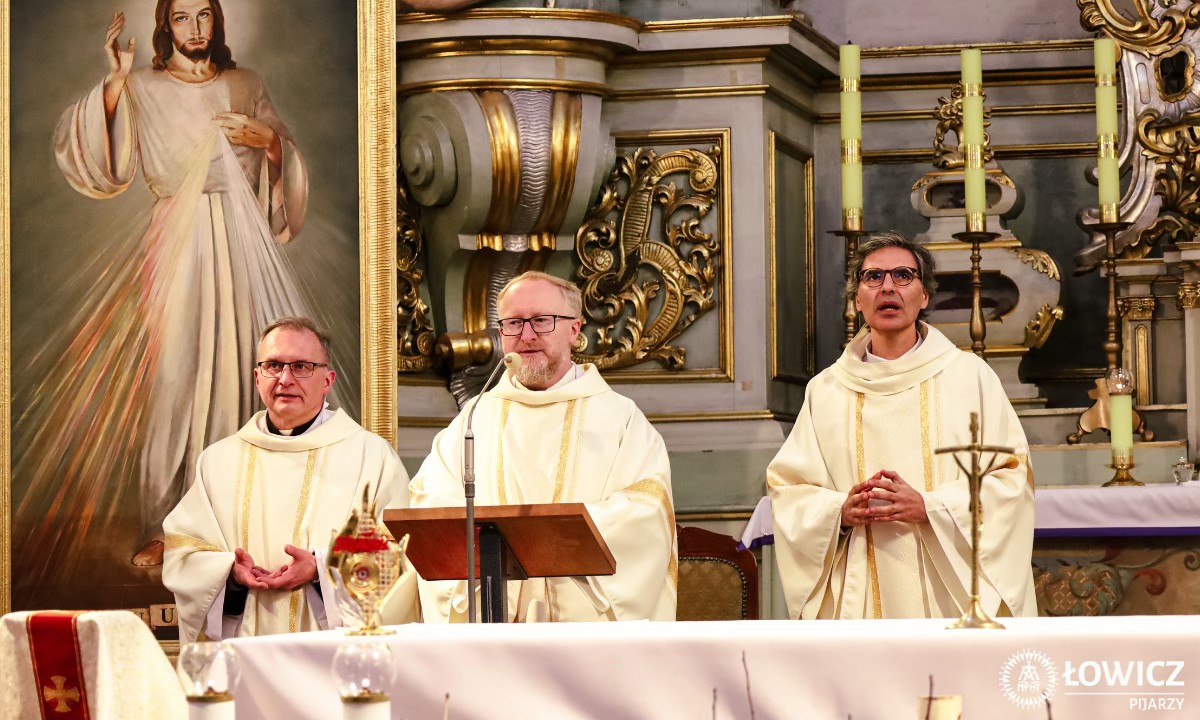
The school of Łowicz maintains its daily rhythm of prayer: there is an adoration with and for the teaching staff before the beginning of the school day; there is one moment of prayer for the children and another for the young people at the beginning of classes. There were meetings with representatives of the parents’ council and the pupils’ council, but perhaps the most moving was the meeting with a group of about seven current teachers who are former pupils. The Father General made a courtesy visit to the Ordinary of the Diocese of Łowicz, Msgr Wojciech Osial, President of the Commission for Catholic Education of the Polish Bishops’ Conference.
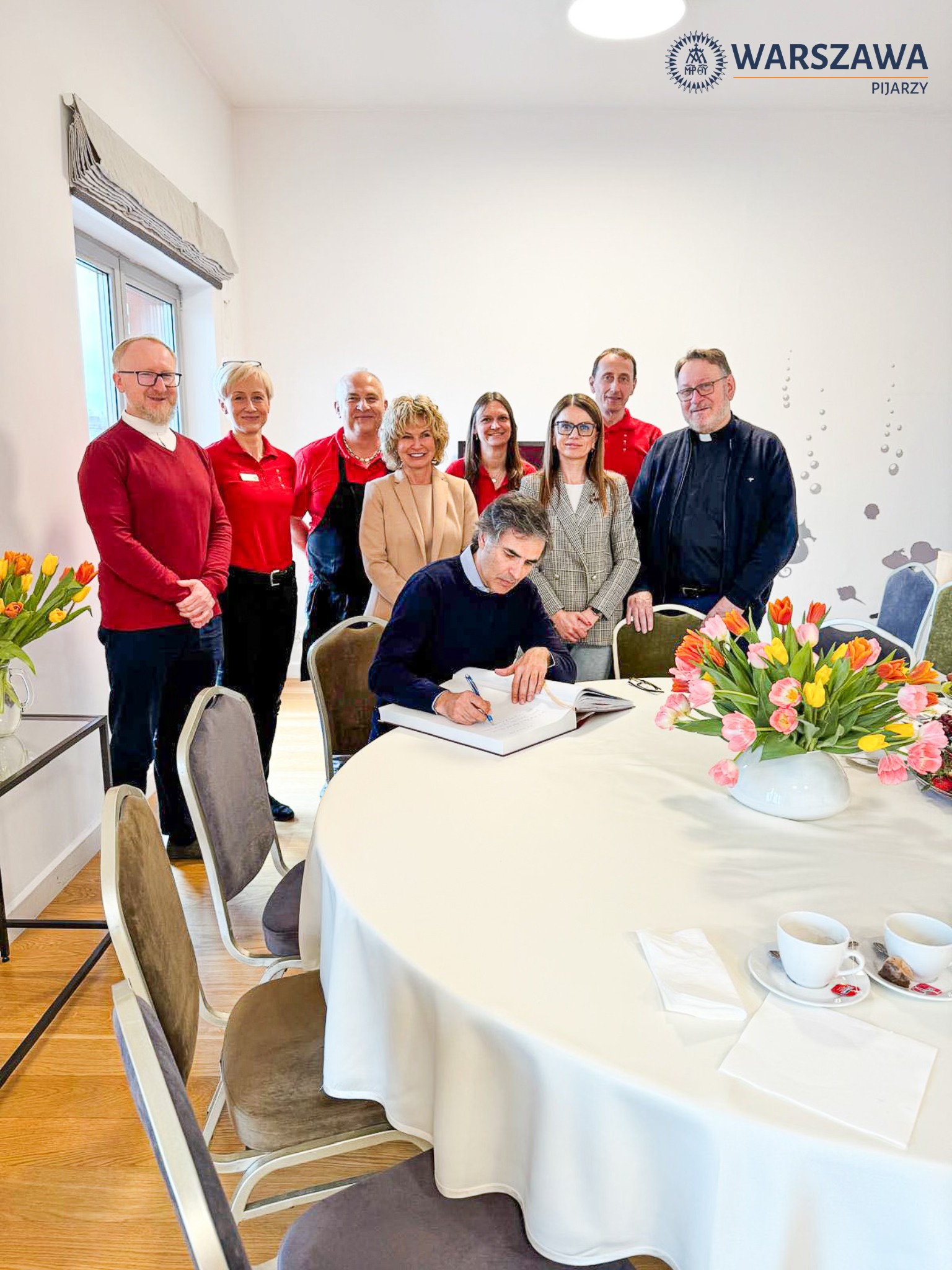
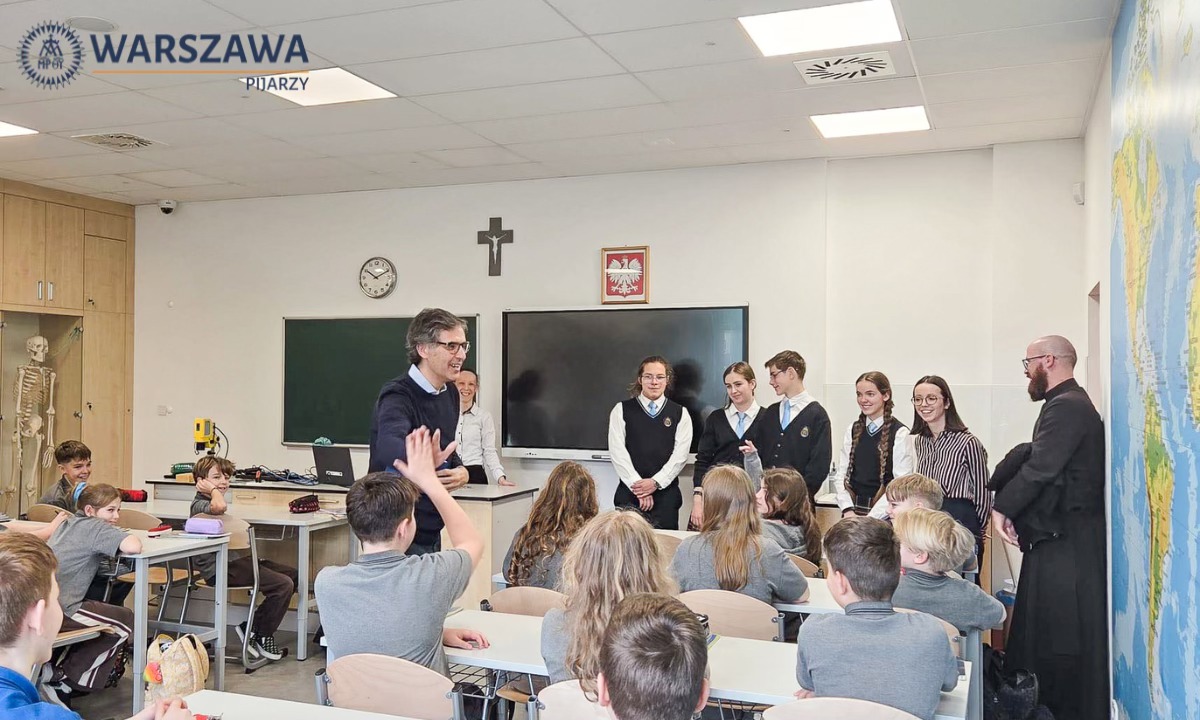
Warszawa has a wide variety of works: the primary school is located in the facilities of the community house and in the new school building, which is still in the third phase of construction; the kindergarten is in another locality, some 500 metres from the main school; the church is at the same time parish and shrine, under the title of the Mother of God, Educator of Youth.
The shrine was founded on the site of the apparitions of the Virgin during the Second World War and has a very beautiful chapel in the garden. In addition, there are the Parafiada association and the foundation.
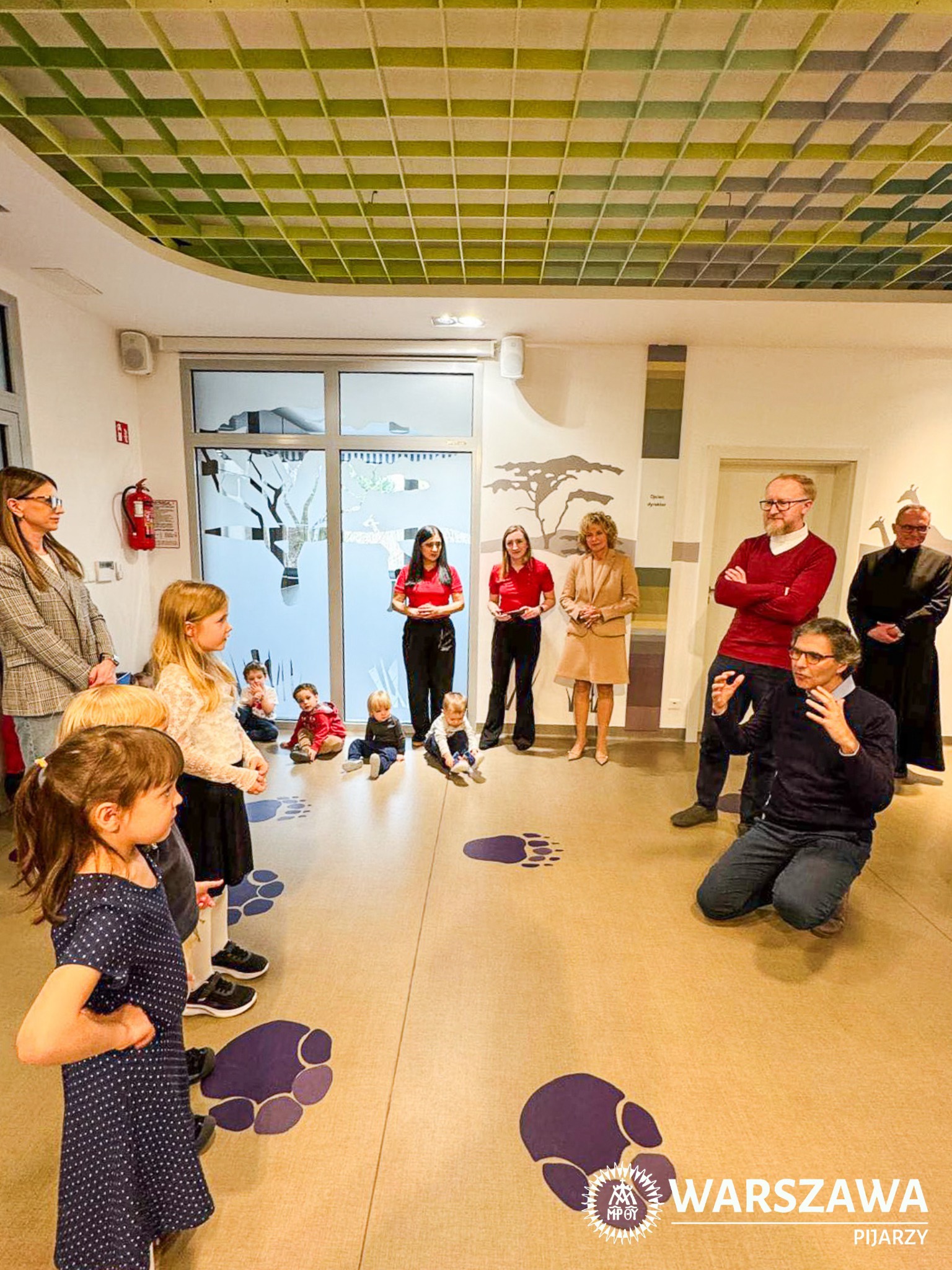
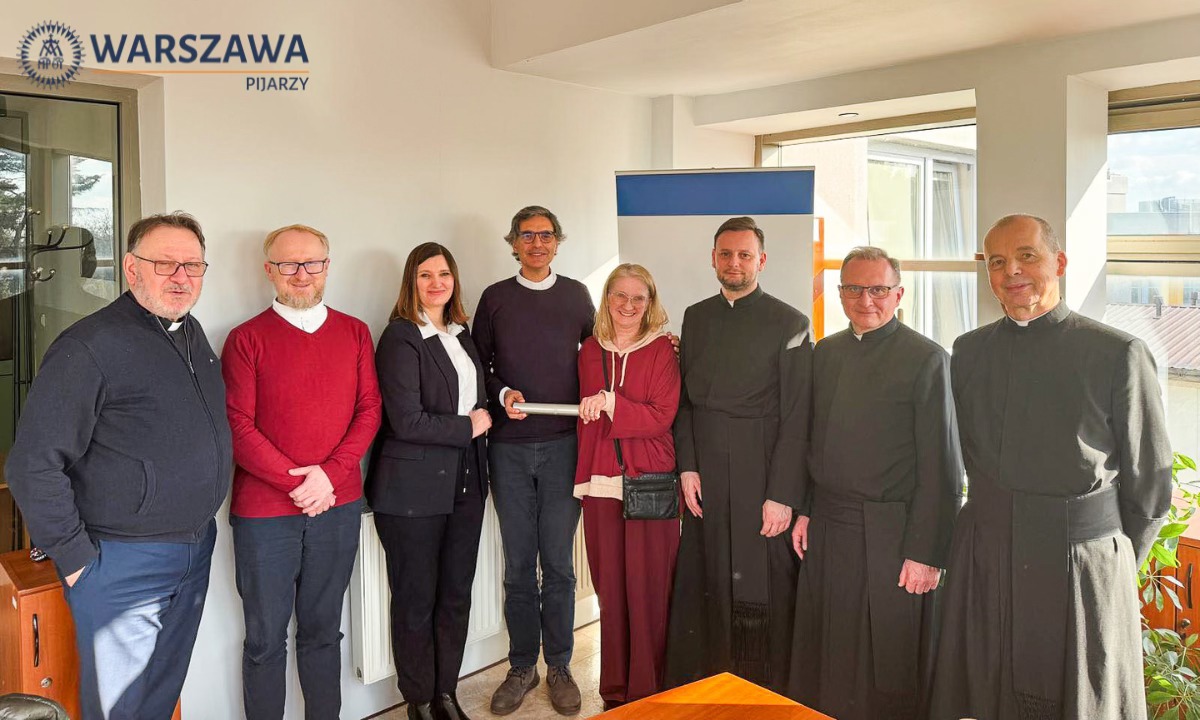
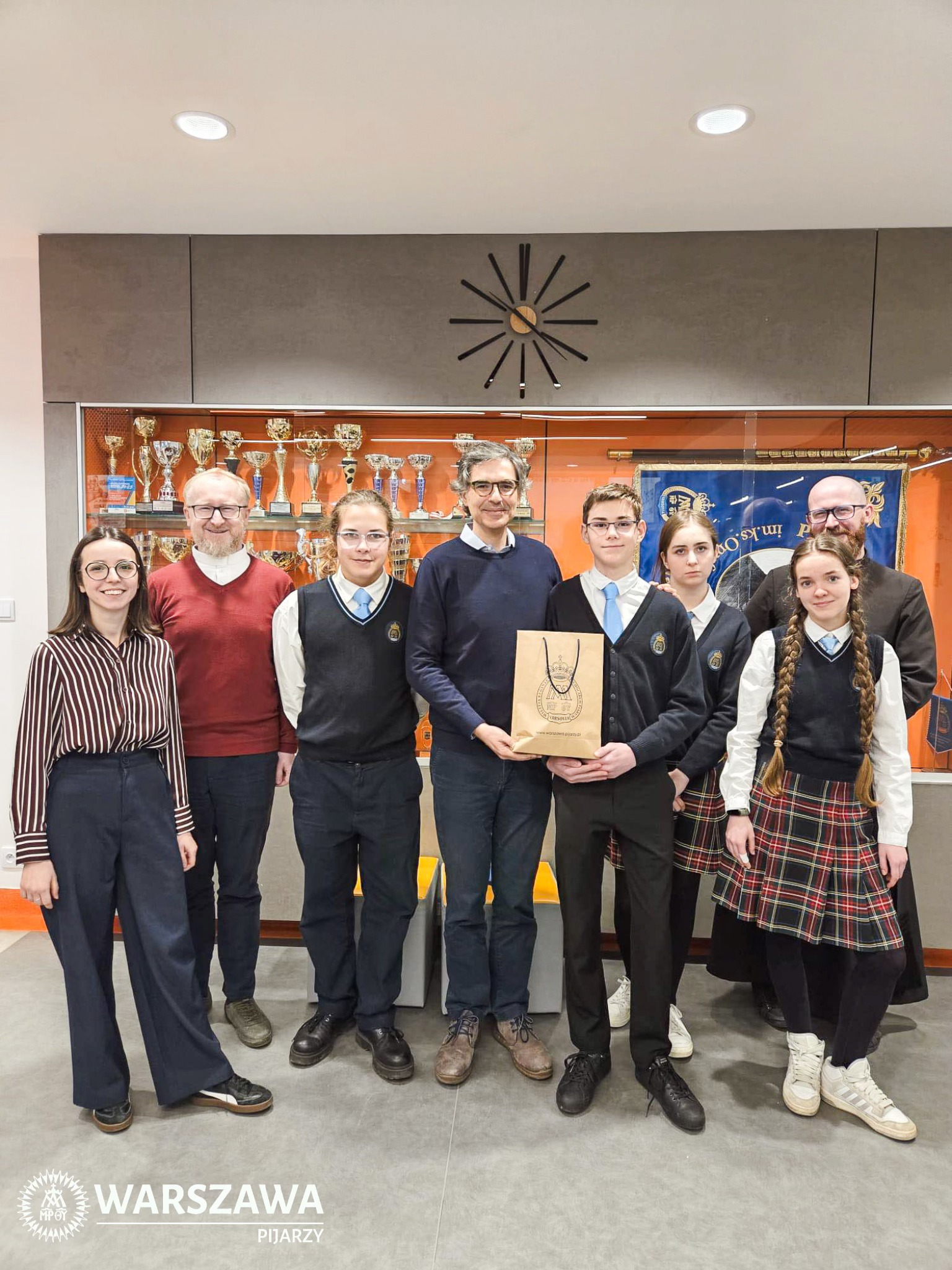
After the guided visit led by the pupils themselves in Warsaw, there was another very pleasant visit to the kindergarten, that is, the pre-school, with a meeting both with the children and with a representation of the staff from different sectors: teachers, administration, kitchen, cleaning and the leadership team. During the meeting at the headquarters of Parafiada, the members of the association presented the Father General with a relay baton, that is, a symbol of the educational programme on the historical memory of Katyn. The Father General preached the homily during the Mass celebrated within the programme of the pilgrimage of the pupils in the final year of primary school to the shrine. Nearly 400 pupils from the whole Province took part in it.
While maintaining his link with the Province, Fr Eugeniusz Śpiołek carries forward two works: one in the centre of the city of Łódź and another in Suchcice, a very peaceful village in the Mazovian Voivodeship. His works, conceived as a form of social support, have from the outset had a characteristic nuance connected with Marian devotion linked to the apparitions of Medjugorje and with Eucharistic devotion centred on the perpetual adoration of the Blessed Sacrament.
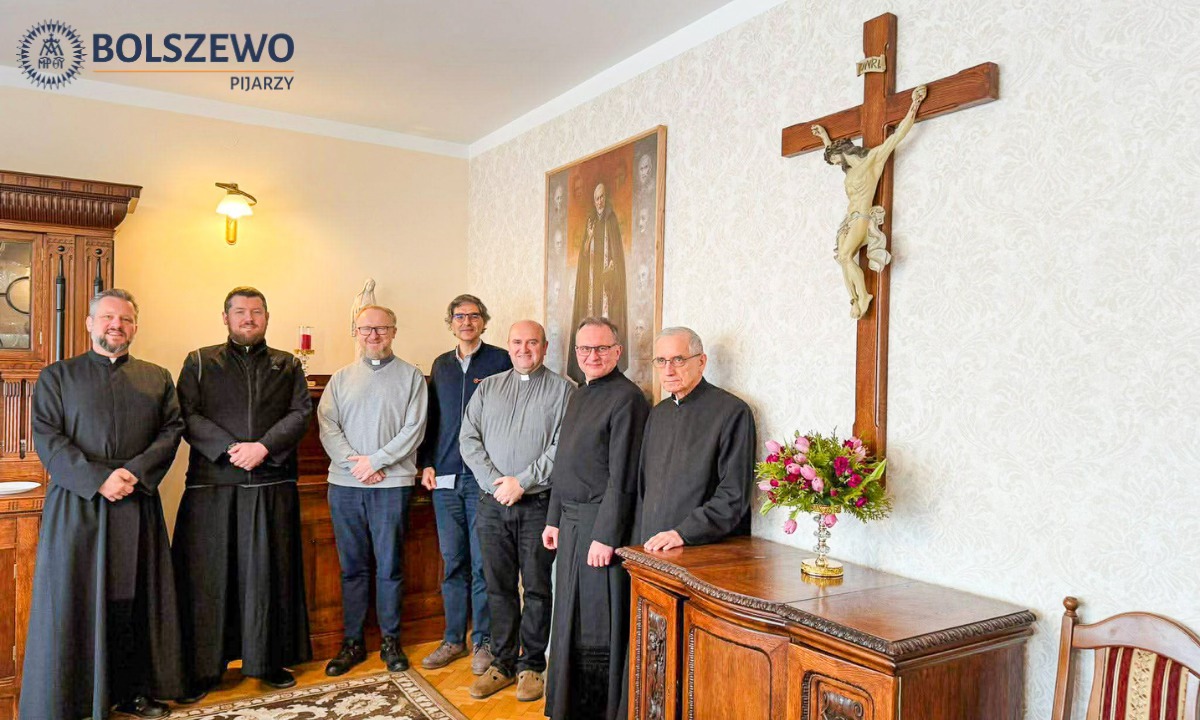
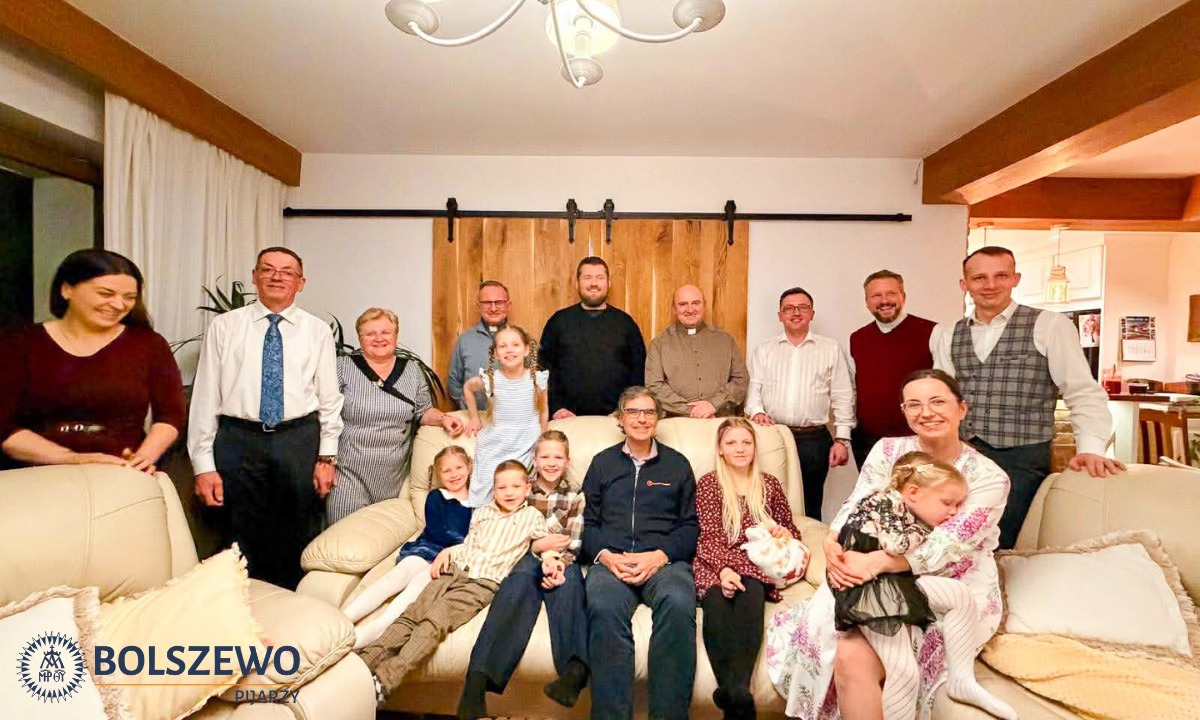
Bolszewo forms part of the region of Kashubia (Kaszëbë), with its own cultural identity and whose language is the only regional language officially recognised in Poland. The parish has a large number of children preparing for First Communion and adolescents preparing for Confirmation. Within its territory is the house of the Piarist Sisters, whom we also visited in order to greet them. The most meaningful, exceptional and unforgettable moment was the supper with the Lezner family. It was a very clear sign that for years the Piarists have been developing a pastoral ministry very close to families.
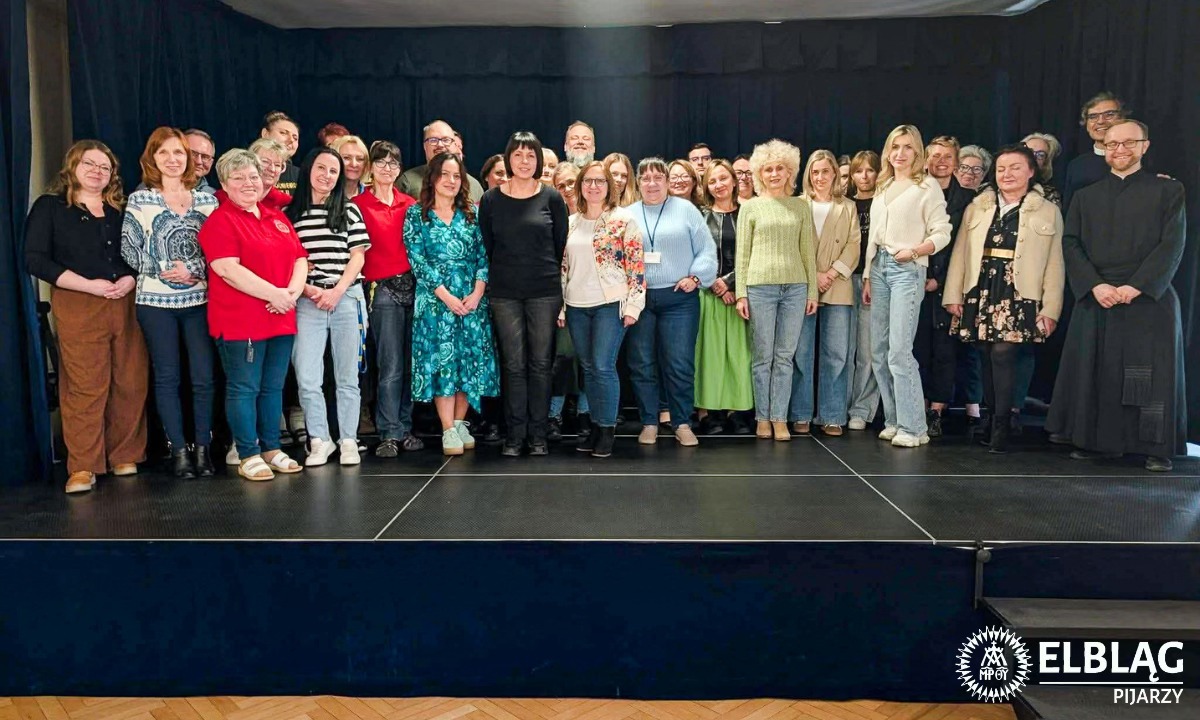
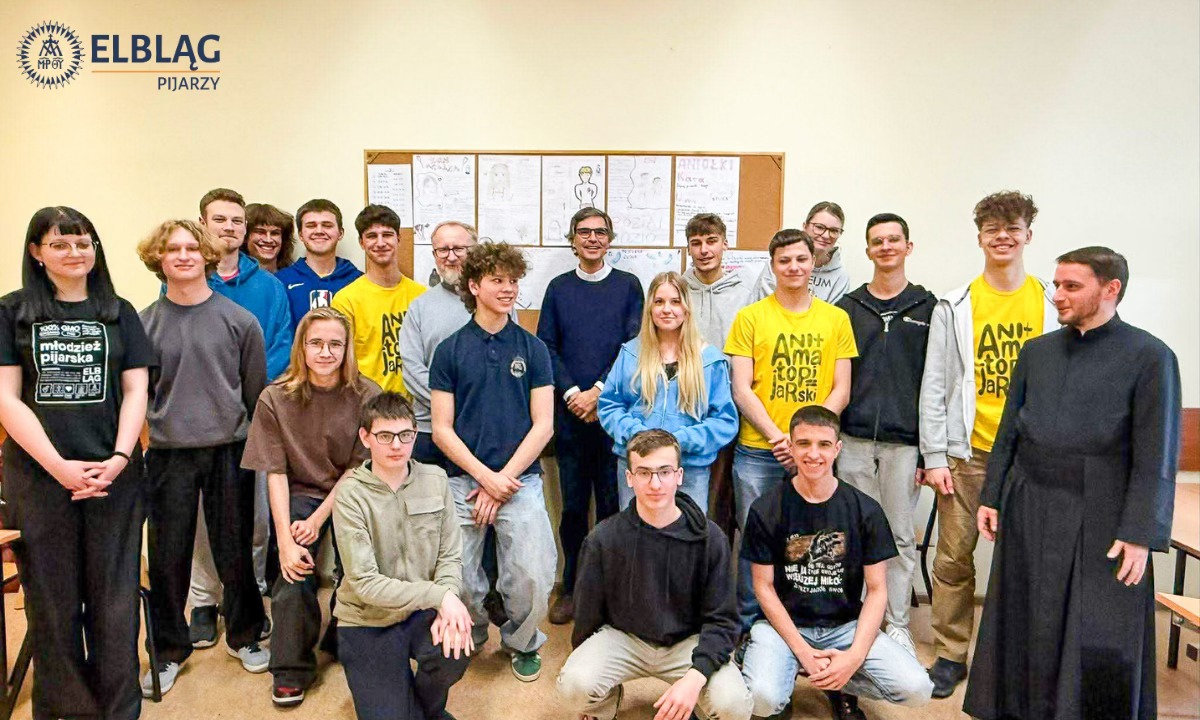
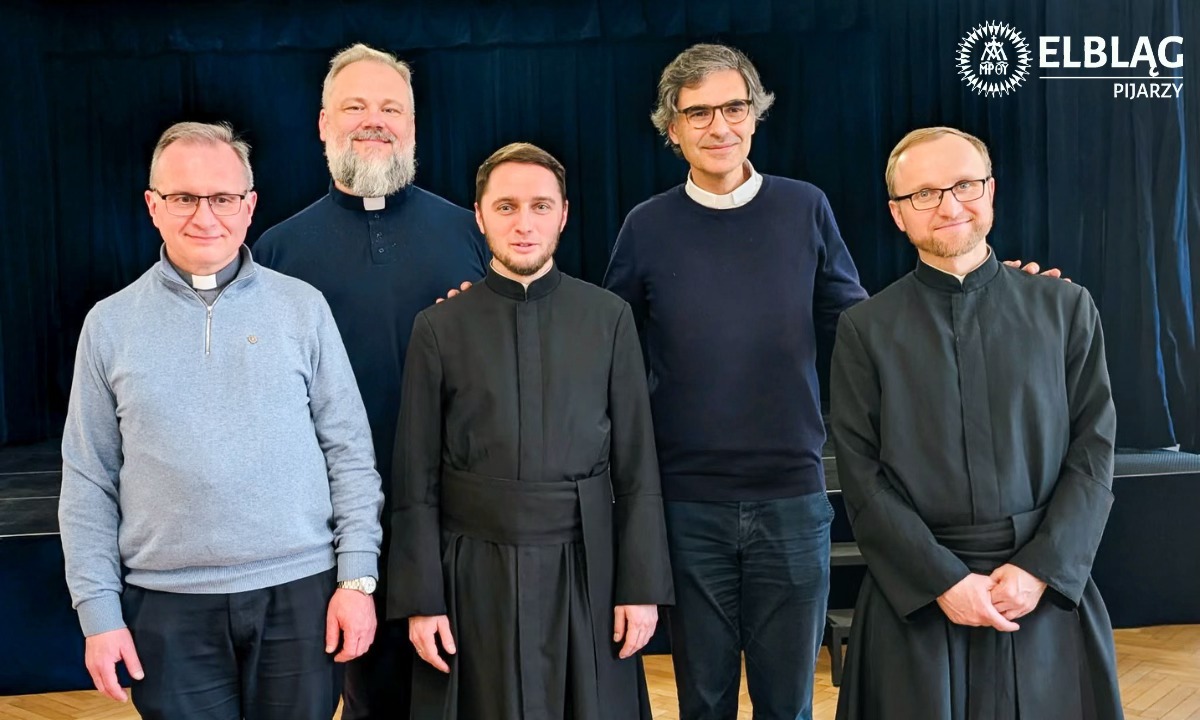
The Father General gave a talk to the teaching staff in Elbląg. Some teachers have only just begun working at this school. A number of primary and secondary classes were visited. The groups are not large, but the atmosphere seems excellent. There was a meeting with the leaders and, in general, with the group of young people involved in the school’s activities.
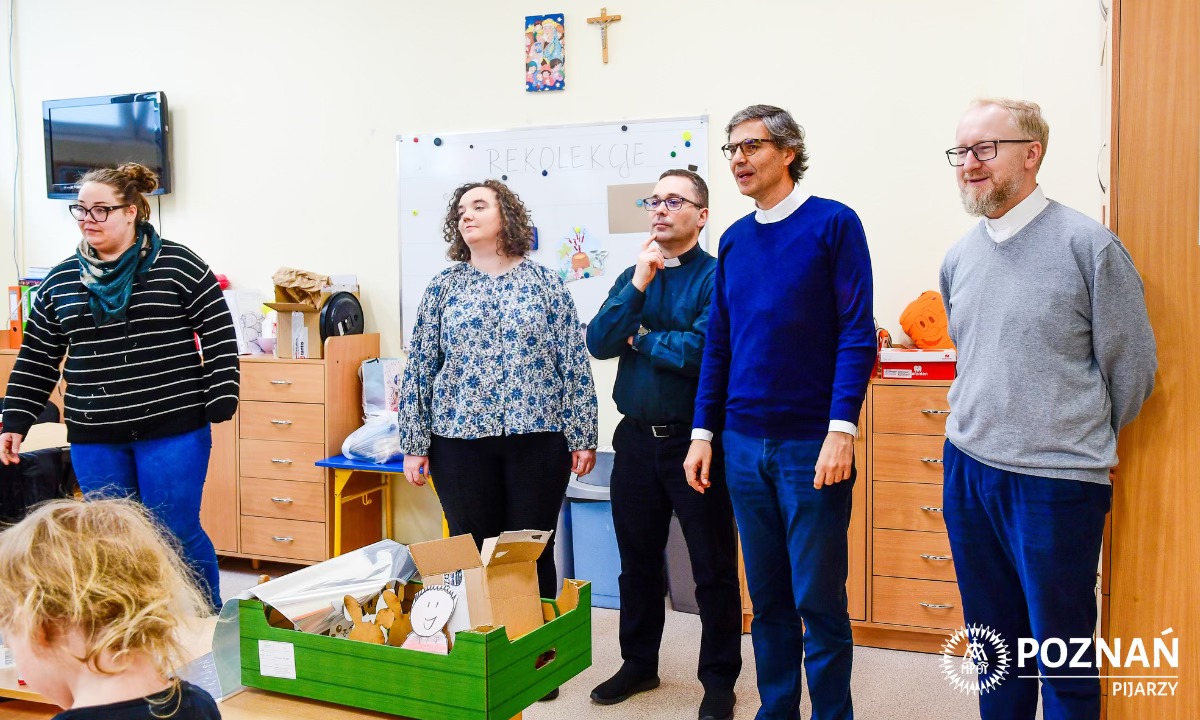
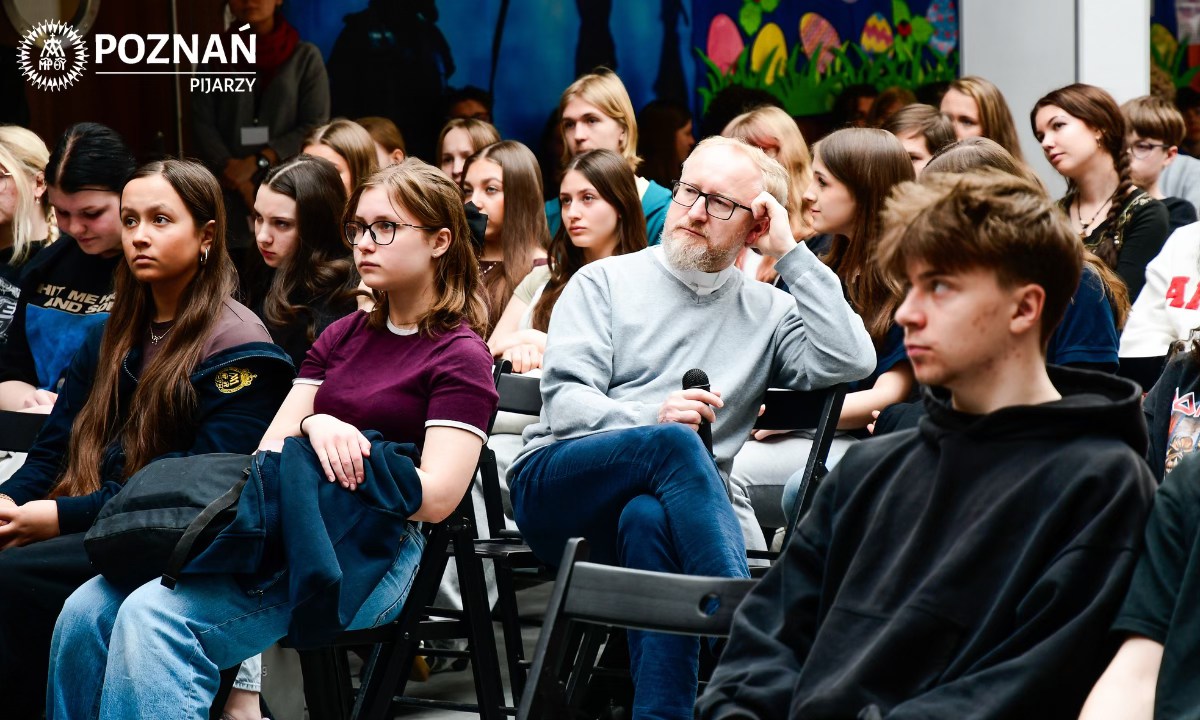
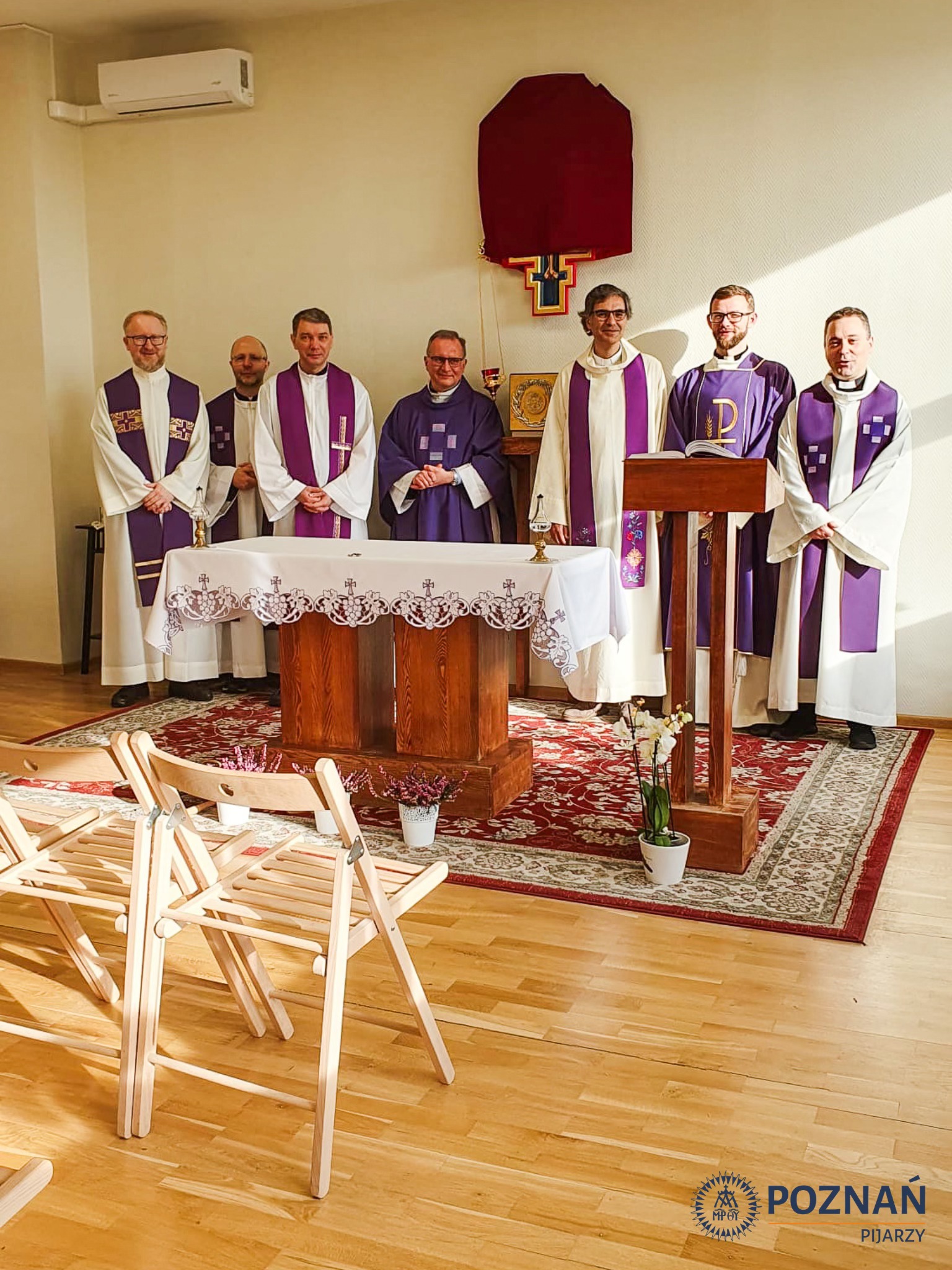
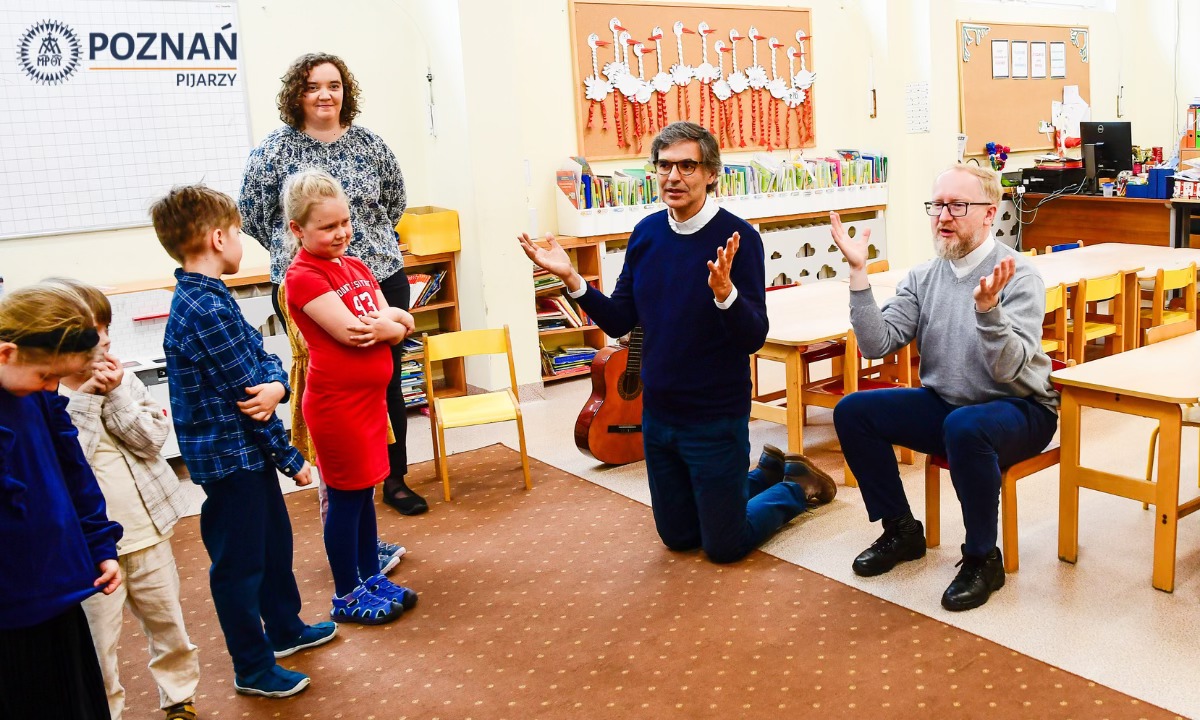
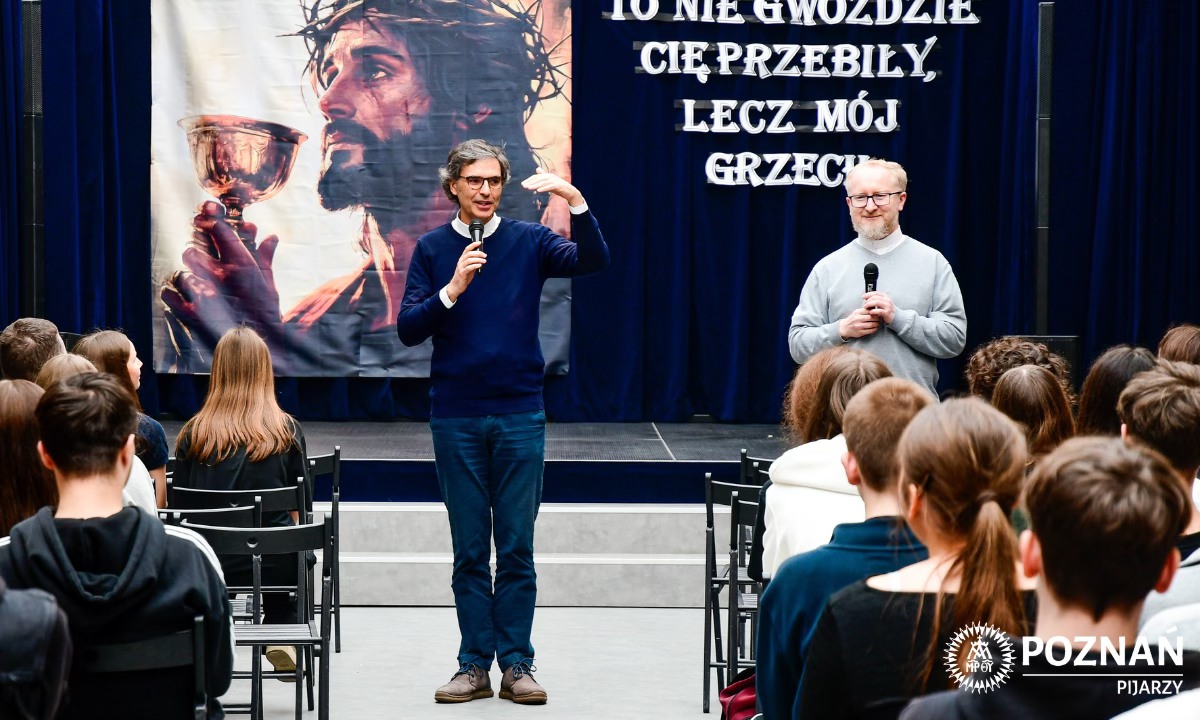
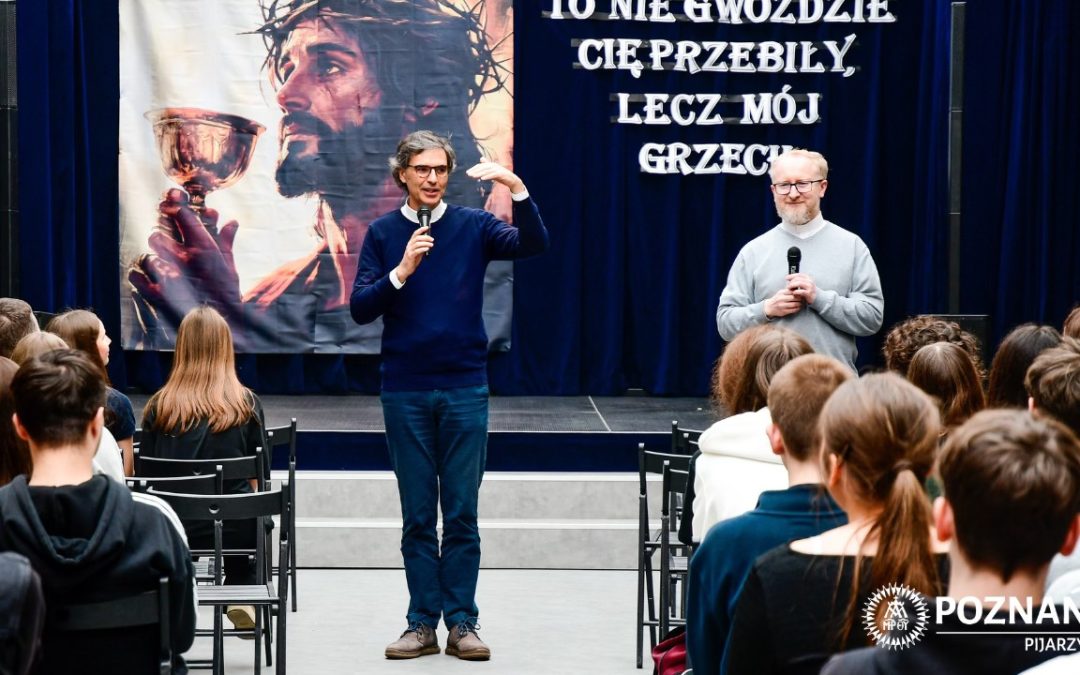
Poznań is one of the largest schools in the Province. It has two levels — primary and secondary — which are separate, although located in the same building. We took part in the morning Mass, which forms part of the school’s ordinary timetable. There was a meeting with the leadership team, made up, besides the Headmaster, of two Vice-Headmistresses. We visited a number of classes, both secondary and primary, with the youngest pupils very excited and a little shy. There were also two common gatherings in the school’s inner courtyard: one talk for the primary children and another for the secondary adolescents.
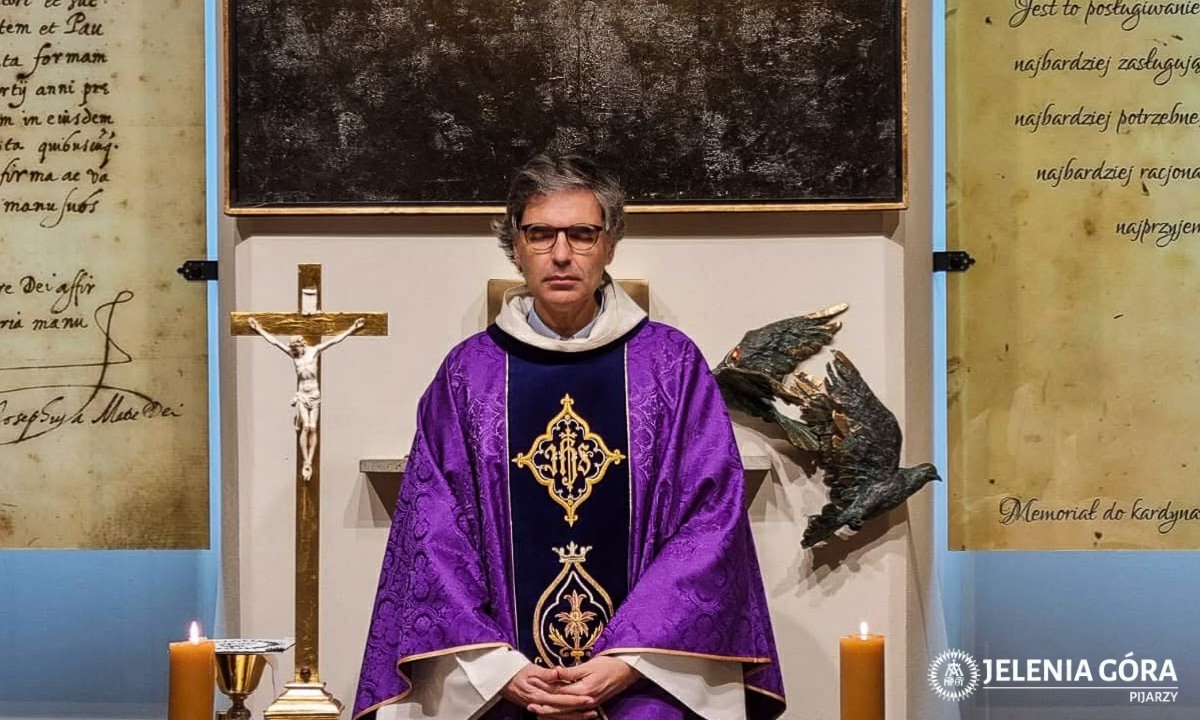
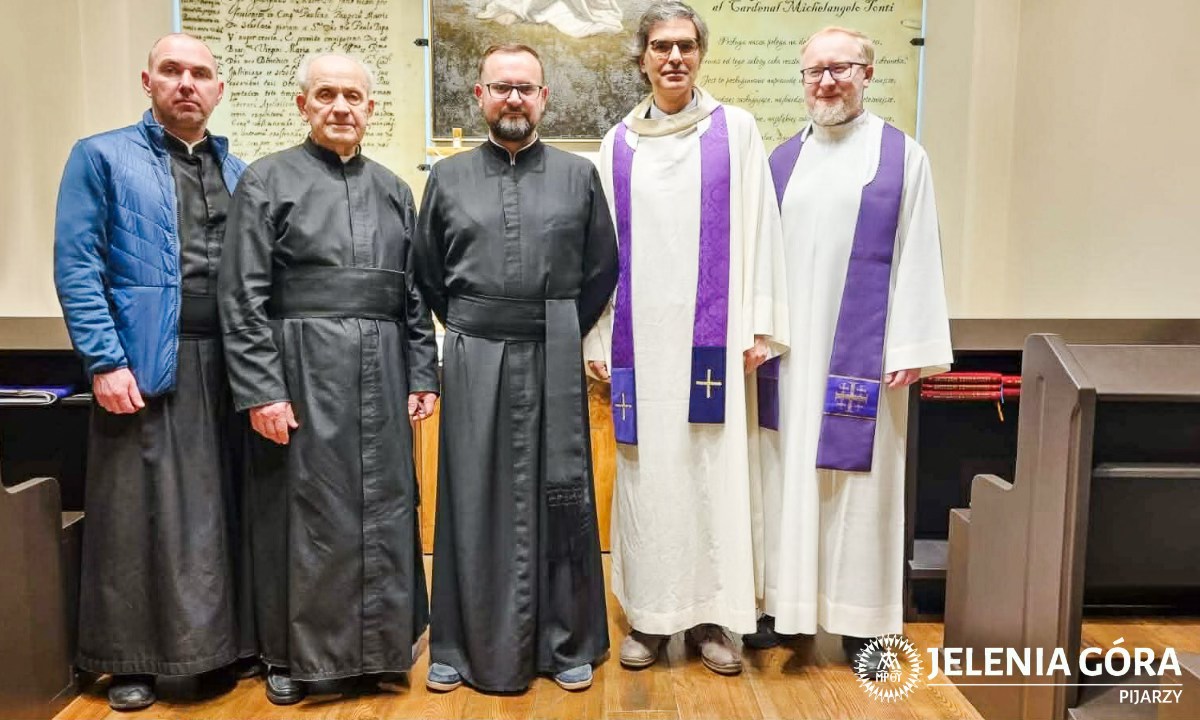
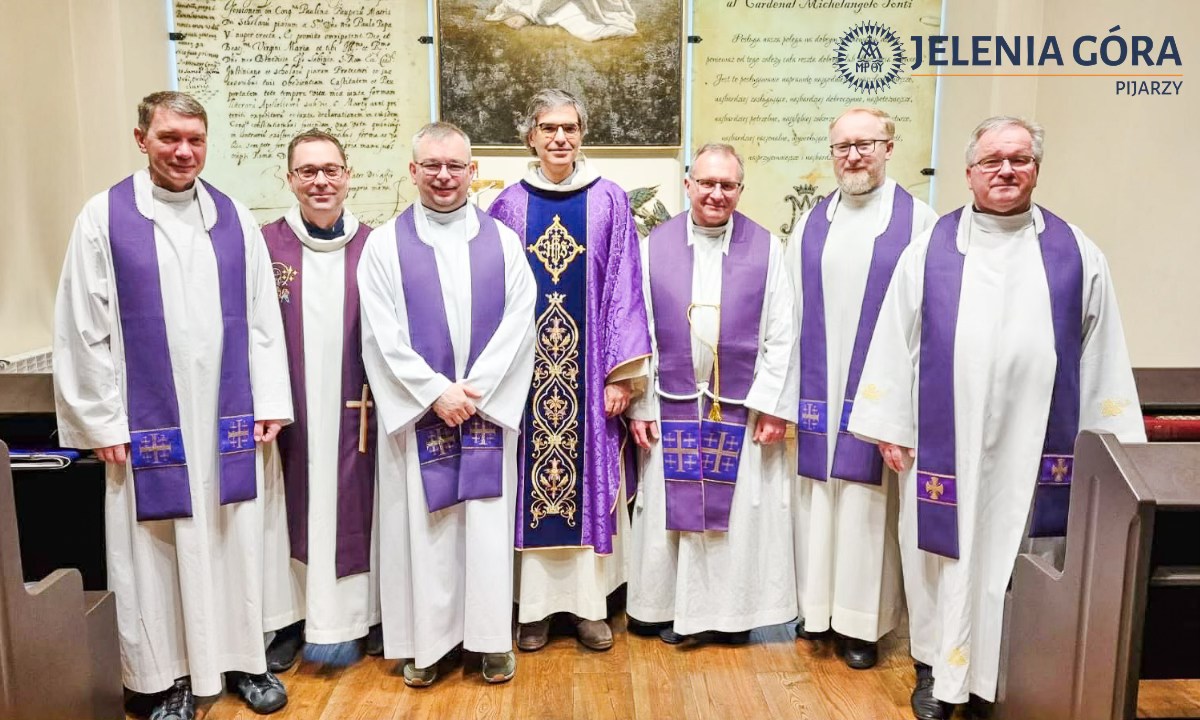
Jelenia Góra-Cieplice is a town located in a tourist and spa area. The parish develops a pastoral ministry focused especially on adult formation groups. There is an extra-curricular support space within the Calasanz Cultural Centre, and it also has a psychotherapy office.
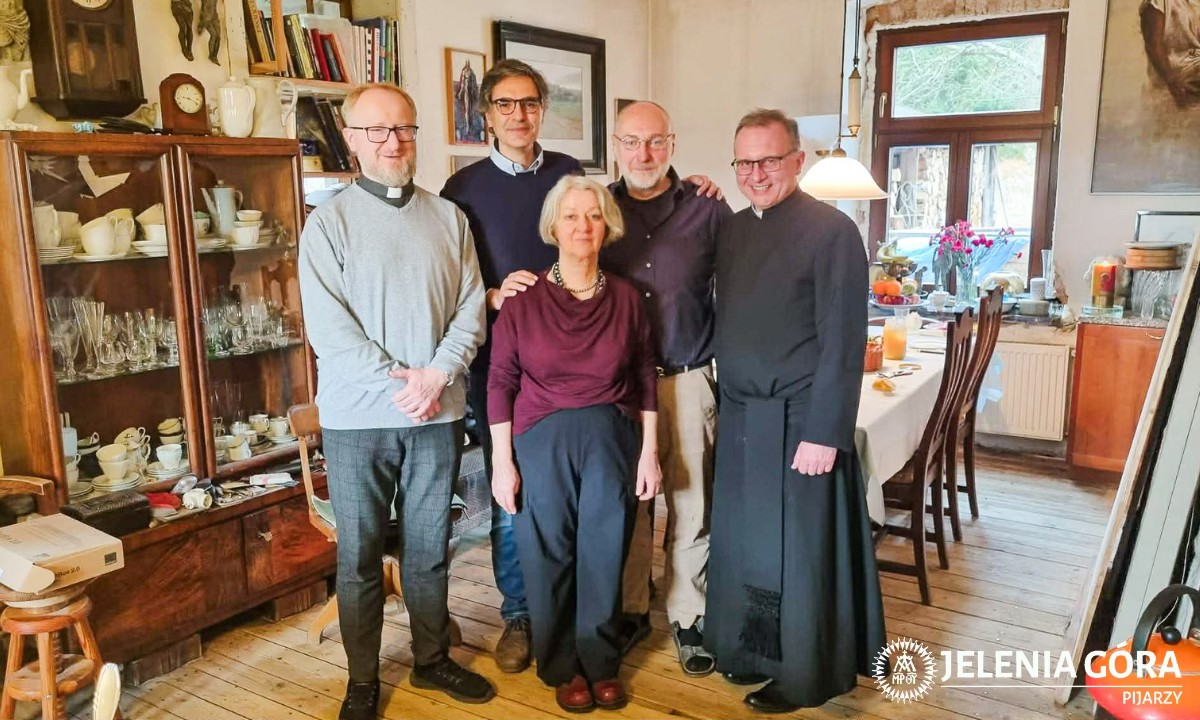
The Jelenia Góra-Cieplice community is closely linked to Andrzej Boj Wójtowicz, who has painted a series of works as a profound artistic interpretation of the historical events of the charism and the spiritual life of Saint Joseph Calasanz. During the visit to his home, after a plentiful and delicious breakfast, the Father General blessed the new facilities of his studio.
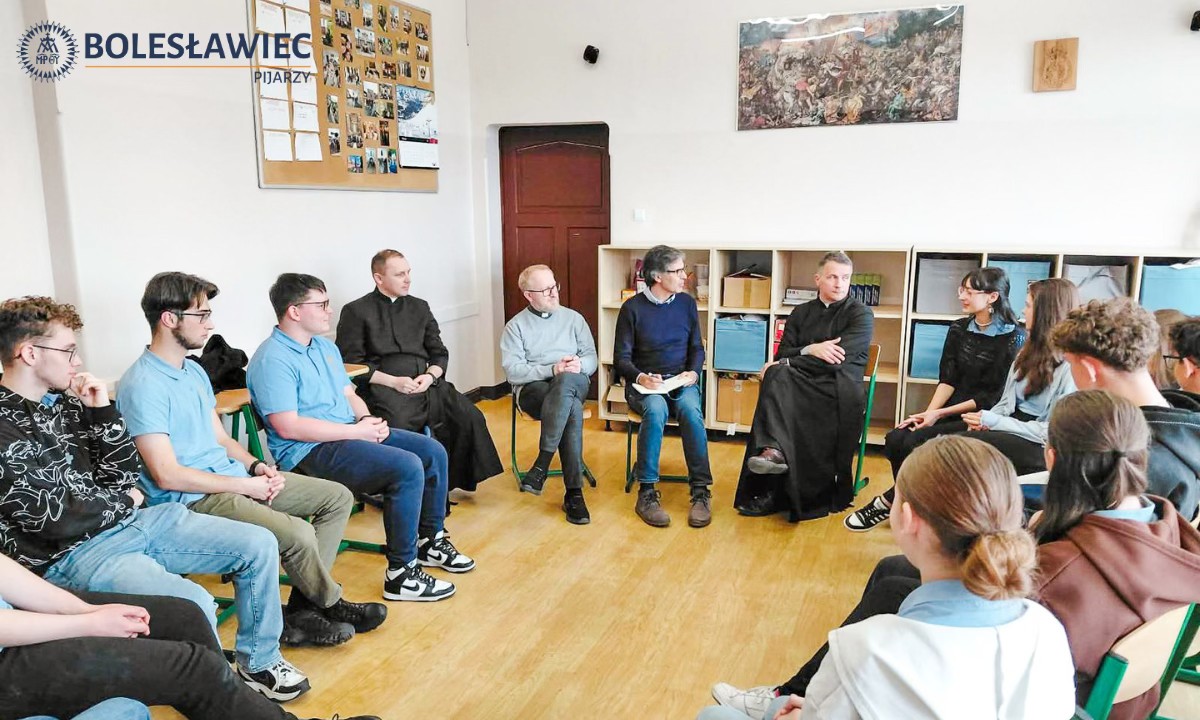
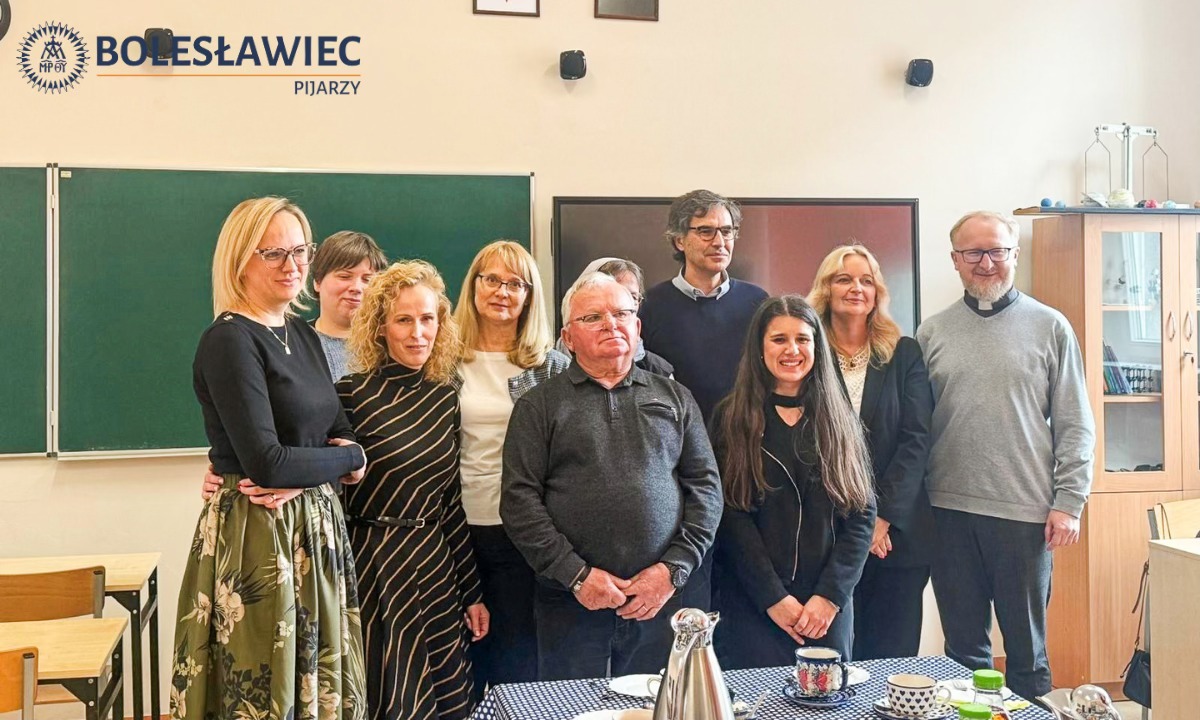
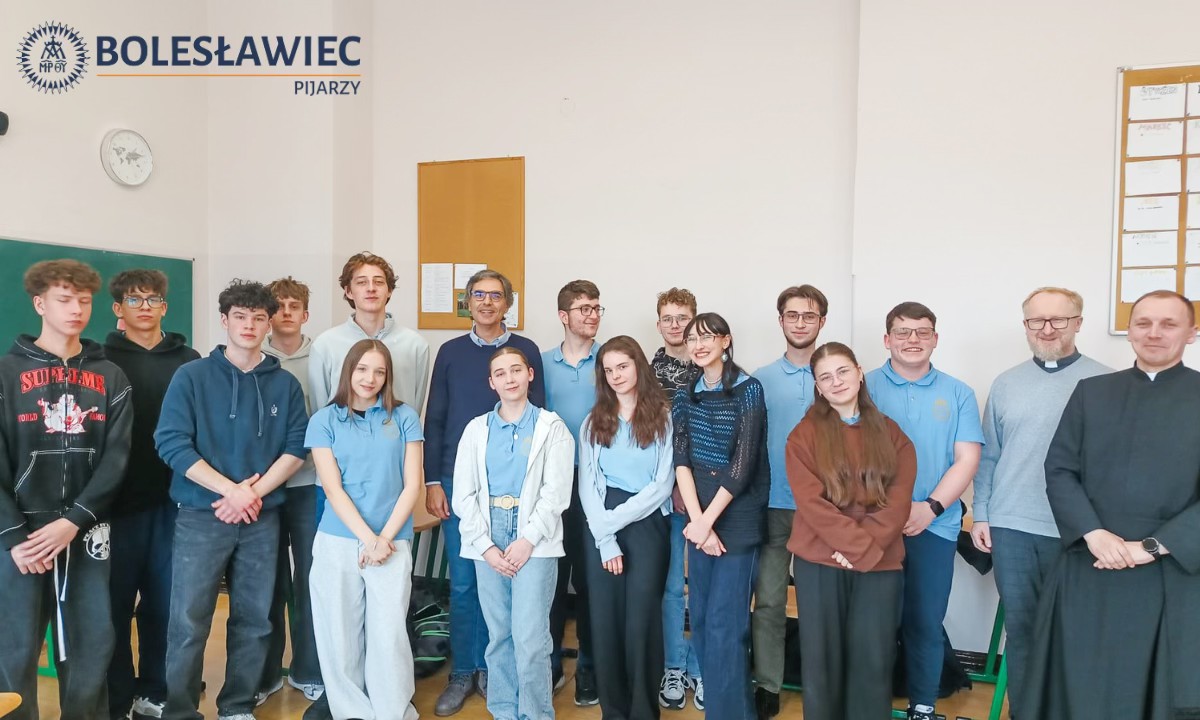
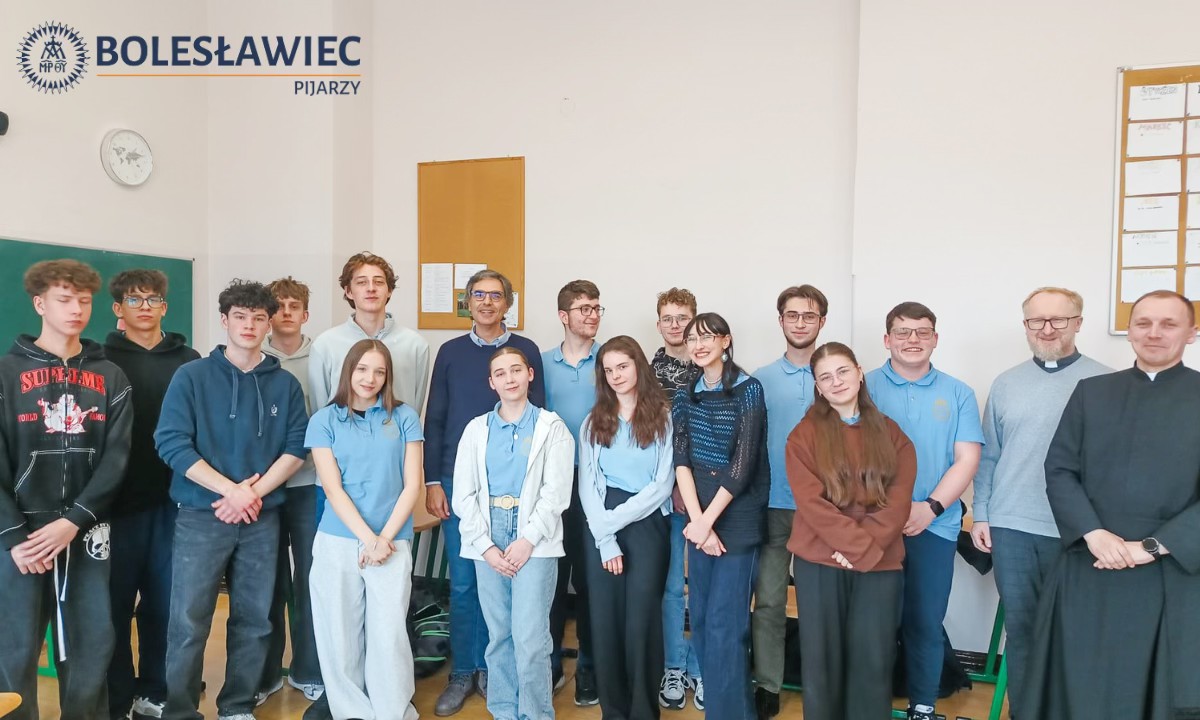
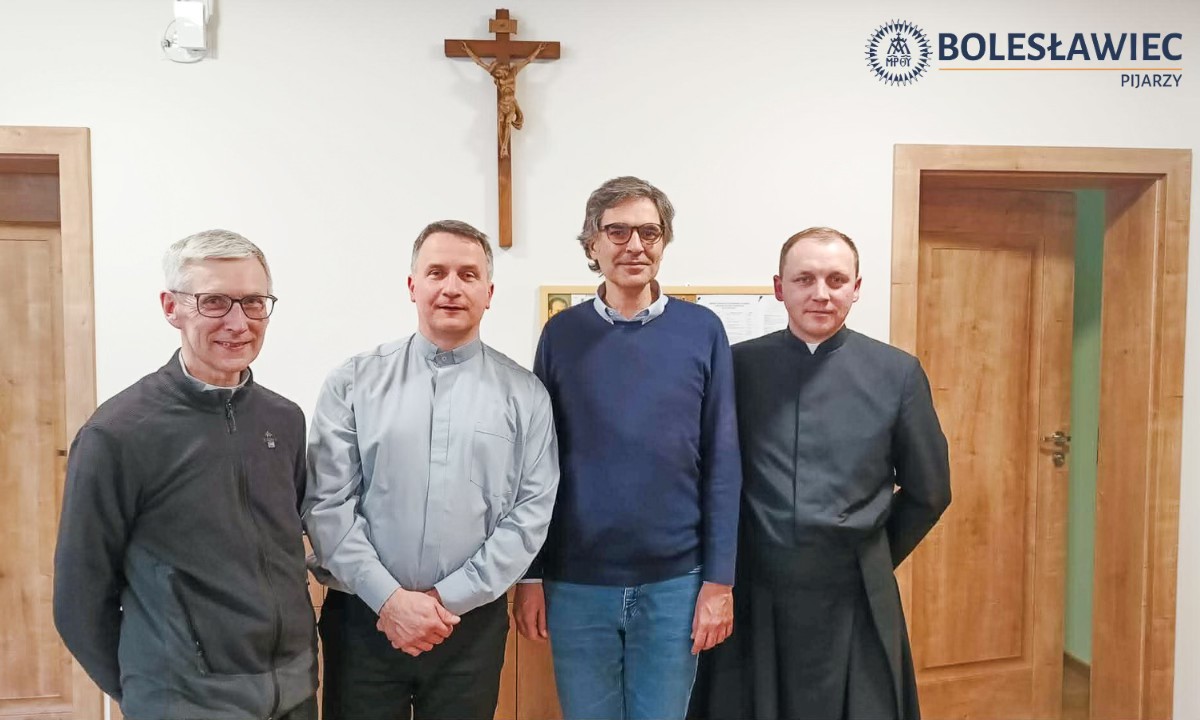
The Bolesławiec community lives in a newly built house next to a children’s home run by a community of religious sisters. Some of its residents are our pupils. The school is the principal work; it consists of a primary school and a small secondary school. Thanks to good collaboration with parents, some years ago an association was founded in order to offer psychological and spiritual support to married couples, families and children. There were two meetings: one with the leadership team and representatives of the teaching staff, the parents and other school workers; and another with the leaders and representatives of the pupils. A number of classrooms were also visited.
In Jelenia Góra-Cieplice, there was a meeting with the people currently involved, as well as with those who have been involved in recent years, in the safeguarding system for minors. Present, besides the Father General, the Provincial and the General Assistant, were the persons responsible for safeguarding: the former and the current delegate, the former and the current support person for victims, and the person who listens to perpetrators.
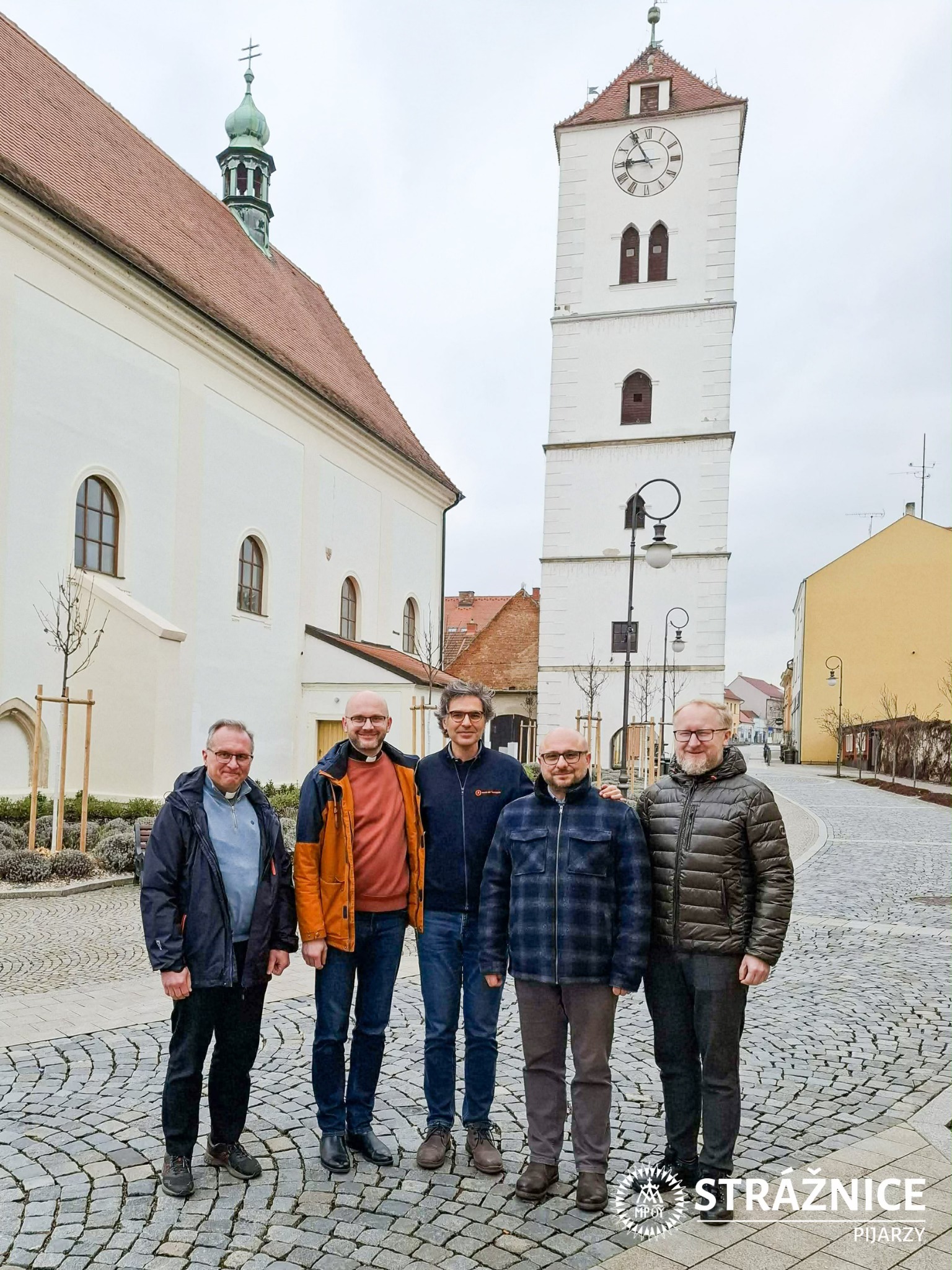
The visitation ended in the Czech Republic, at the only presence in Strážnice. The community is responsible for parish pastoral ministry: in total it serves three parishes and five churches, thus responding to the needs of the Archdiocese of Olomouc. In order to present their work, they prepared a very beautiful and extensive photographic presentation, centred on activities with children and young people.
The closing session with the Provincial Congregation took place in Jelenia Góra-Cieplice, in person, with the five members of the Congregation. The Father General said that, if he had to sum up this visitation in two words, they would be: gratitude and hope.
Jacek Wolan, SchP