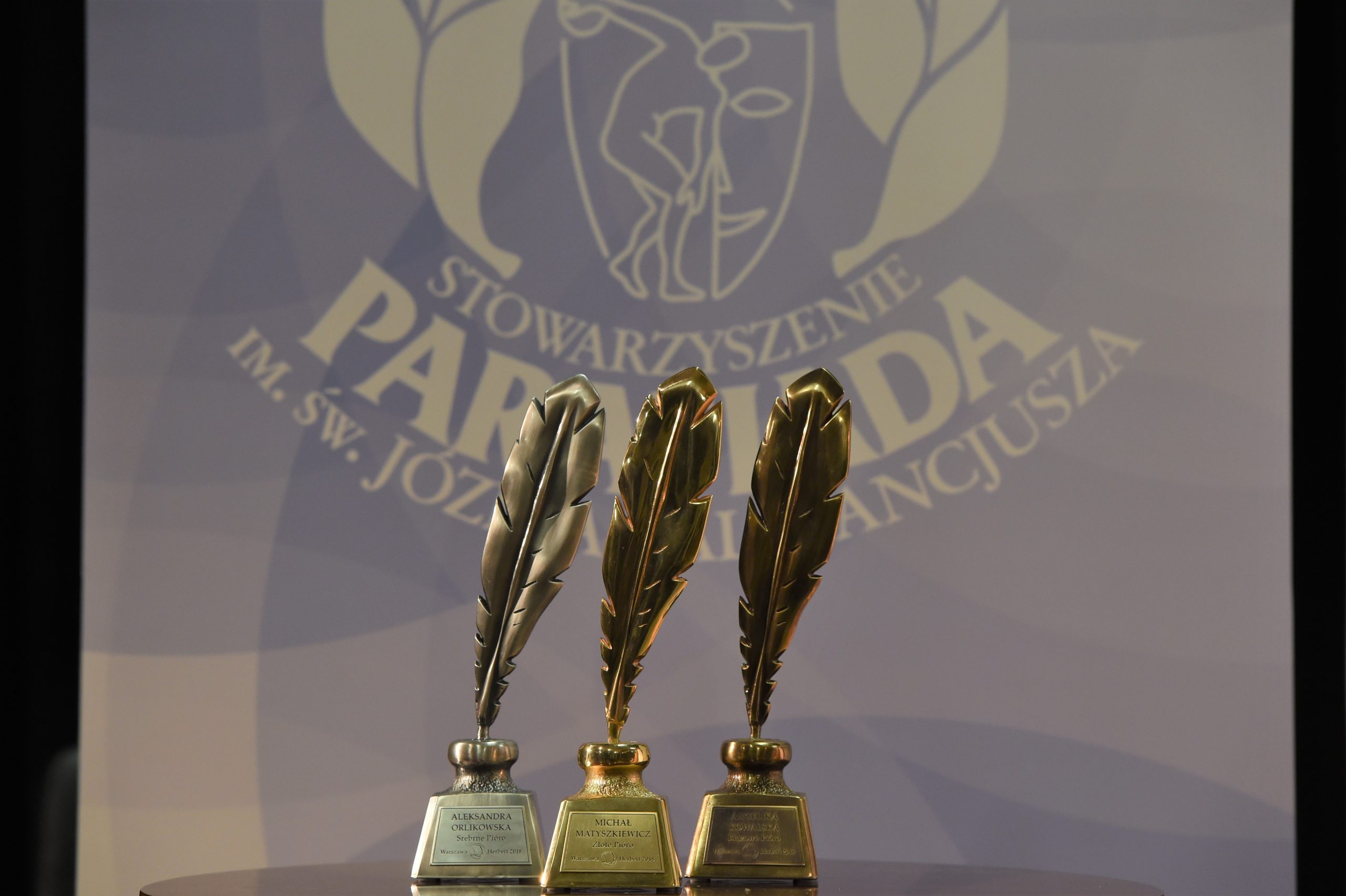
“Flexible Feather” (“Giętkie Pióro” in Polish): This is the prize for which young people compete in the competition organised by the St. Joseph Calasanz Paraphaean Association. This competition is organised at national level for young people aged 13-19.
The name of the prize has its roots in national literature, namely in a work by Juliusz Słowacki, one of the most famous and important poets, playwrights and philosophers of Polish Romanticism. In his poem entitled “Beniowski”, the author wrote: “It’s about my flexible tongue that says what my head thinks”. The aim of the competition goes even further, i.e. with a “flexible pen” each of the young writers tries to write down what he or she is thinking in his or her head. The competition encourages creative conceptual thinking, stimulates the literary imagination and develops writing skills.
Each annual edition has its own protagonist. The first edition took place in 2016 to celebrate the centenary of the death of Henryk Sienkiewicz, writer, novelist and publicist, winner of the Nobel Prize for Literature. The second edition was inspired by the work of Joseph Conrad Korzeniowski, an English-language writer and publicist of Polish origin, one of the greatest novelists in English literature. The following year, the competition was linked to the works of Zbigniew Herbert, a Polish poet, essayist and playwright. His books have been translated into 38 languages. The 2019 edition was inspired by the literary works of Stanisław Wyspiański.
This versatile Polish artist is known not only as a poet and playwright, but also as a painter, illustrator, designer, carpenter and architect. To mark the 100th anniversary of the birth of Karol Wojtyła, better known as John Paul II, a competition was organised to celebrate the works of this poet, playwright, philosopher and theologian.
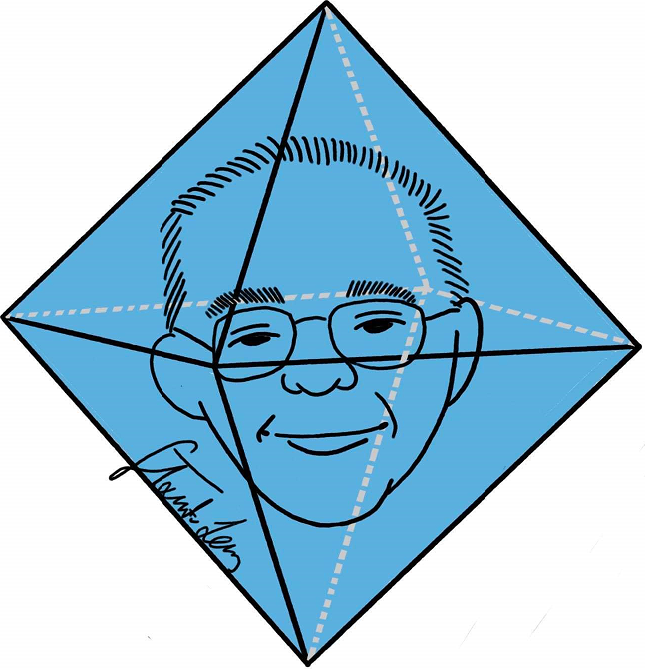
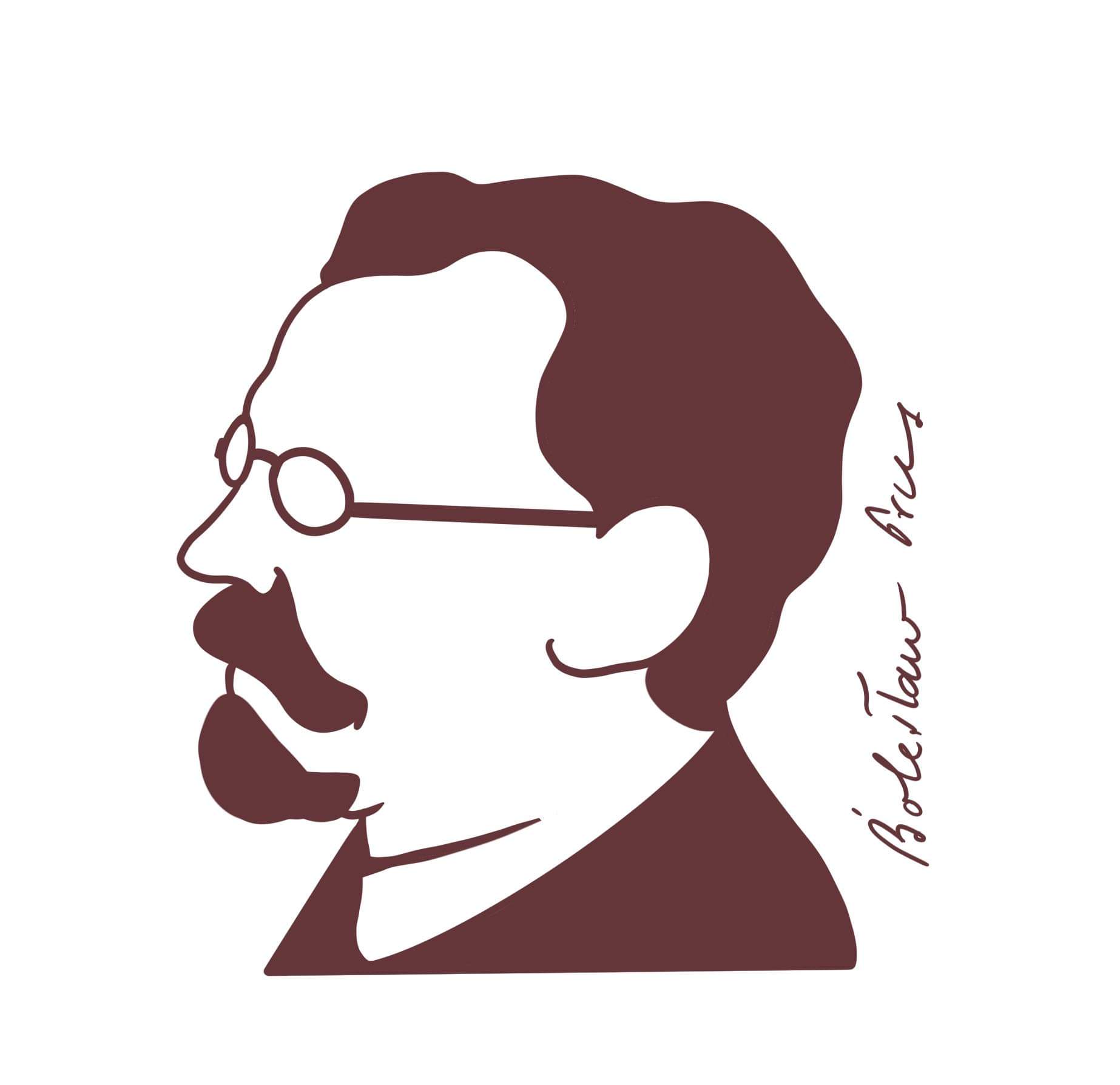
The 2021 edition was dedicated to Staniław Lem on his 100th birthday. His books have been translated into 40 languages and he is known as the most popular non-English-speaking representative of the science fiction genre, philosopher and futurist. The literary protagonist of the following year was Bolesław Prus, journalist and writer, one of the leading representatives of Polish positivism. In the current year, 2023, the competition was dedicated to the works of Adam Mickiewicz, one of the greatest representatives of Polish Romanticism and more than a poet for the Polish nation, i.e. as an author of poems and dramas, who is considered the national bard.
The competition has its own dynamics and always consists of three stages. In the first stage, the young authors have to write an essay on a chosen topic inspired by the work of the protagonist of the year. The genre relates to the character of the year in question and is either an essay, chronicle or novel. The twenty texts with the highest number of points move on to the second phase. In this phase, the participants have to write another essay. Their literary genre also varies depending on the year and ranges from a short story to a novel to a fable or a detective story.
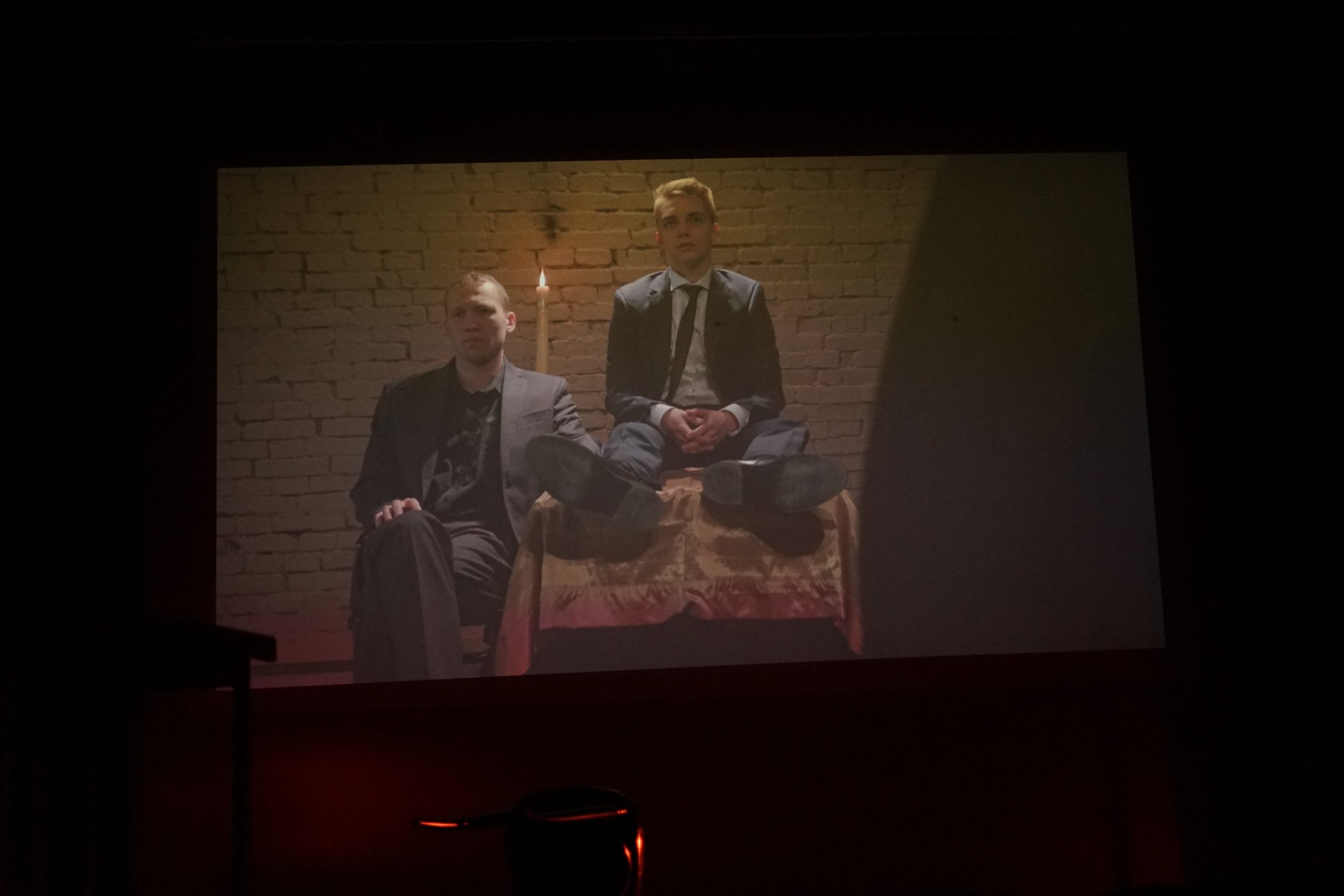
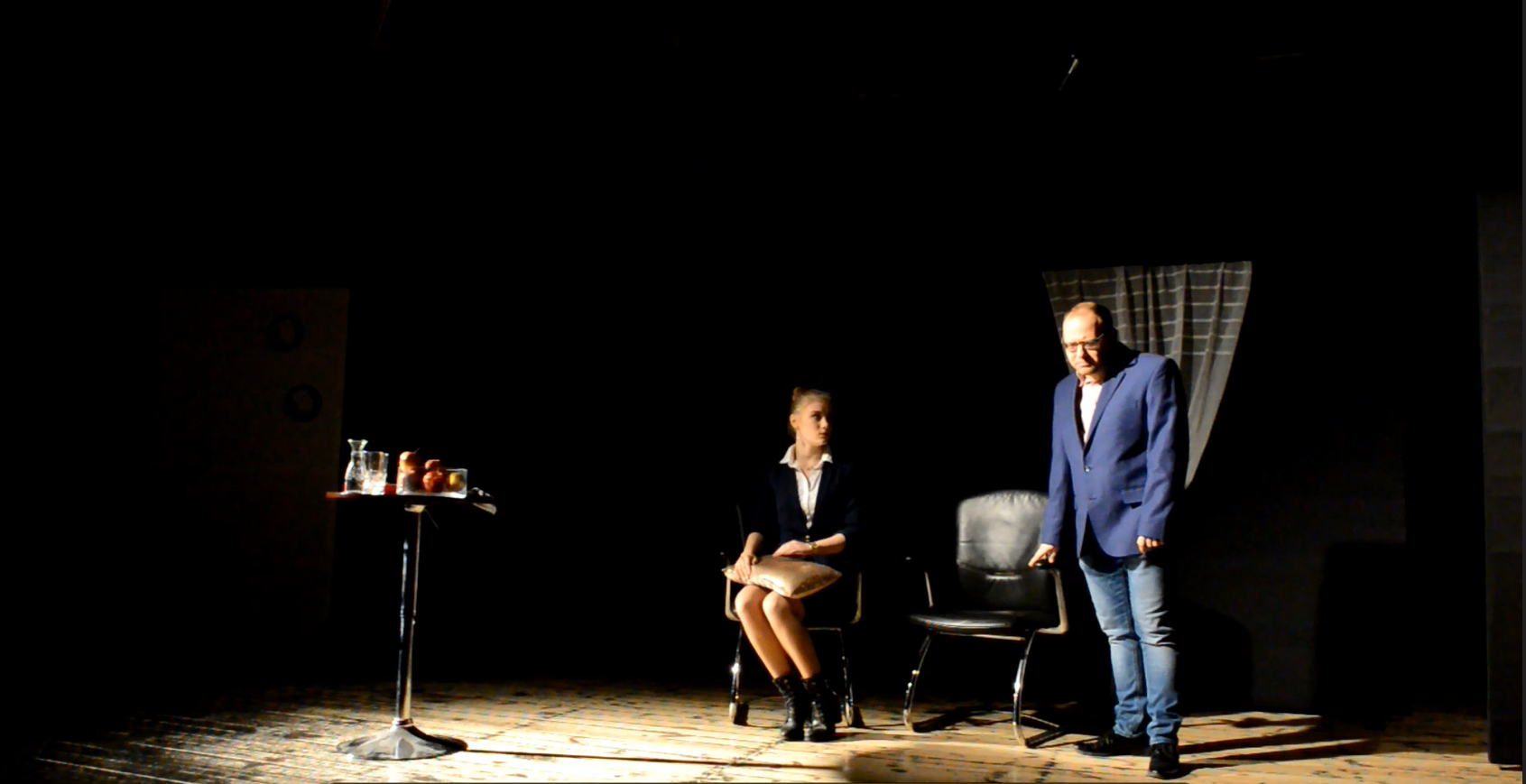
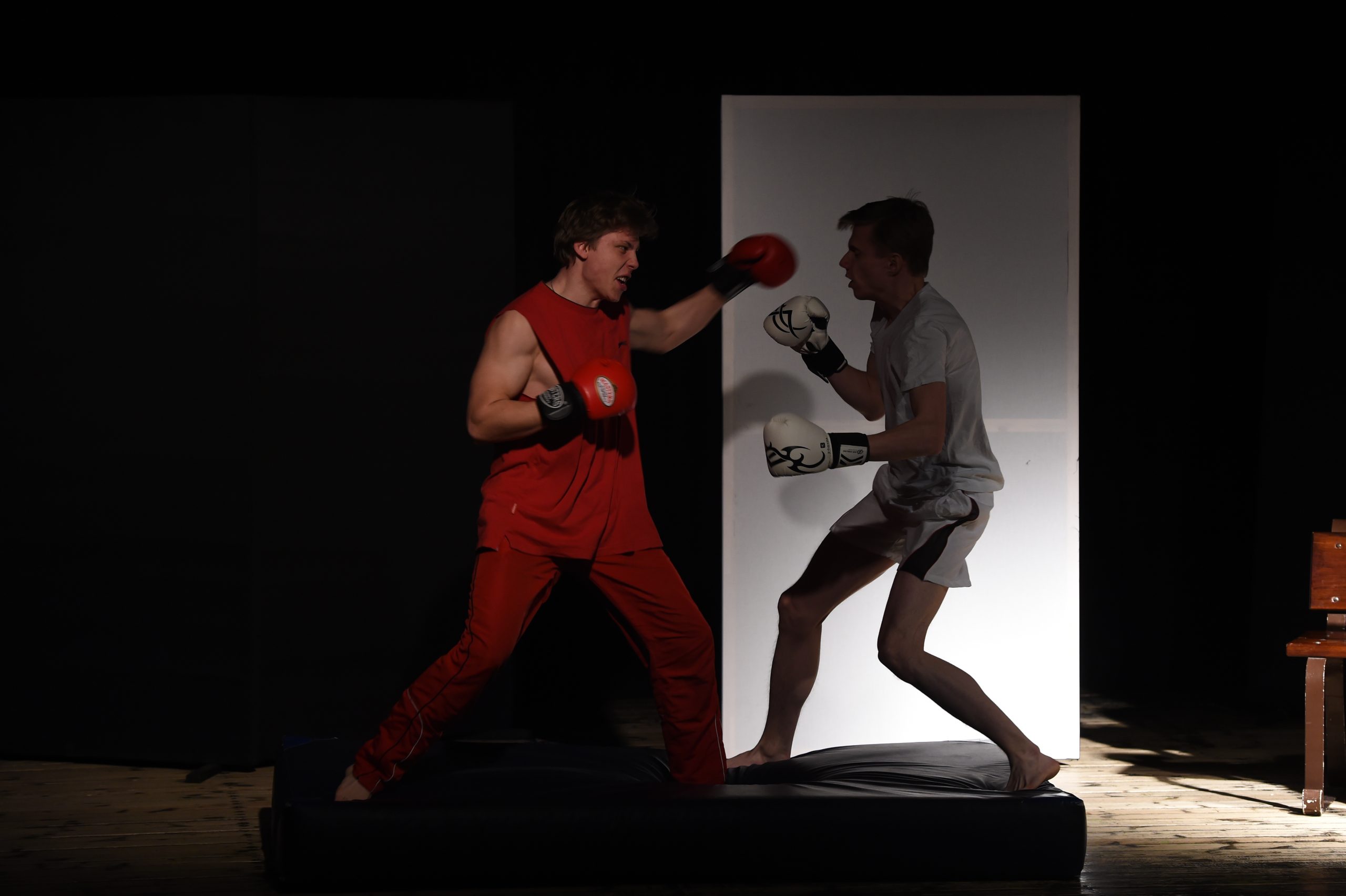
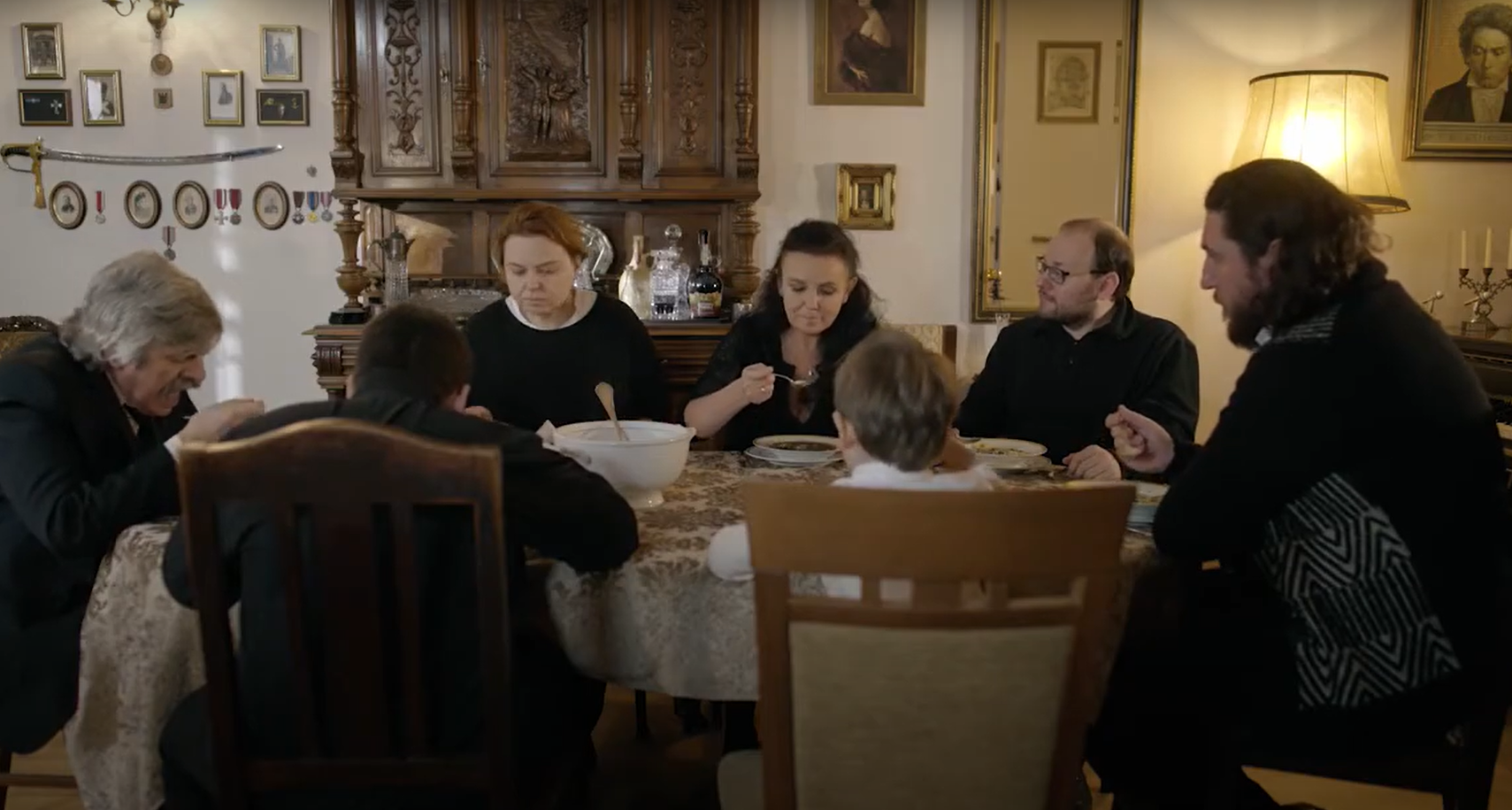
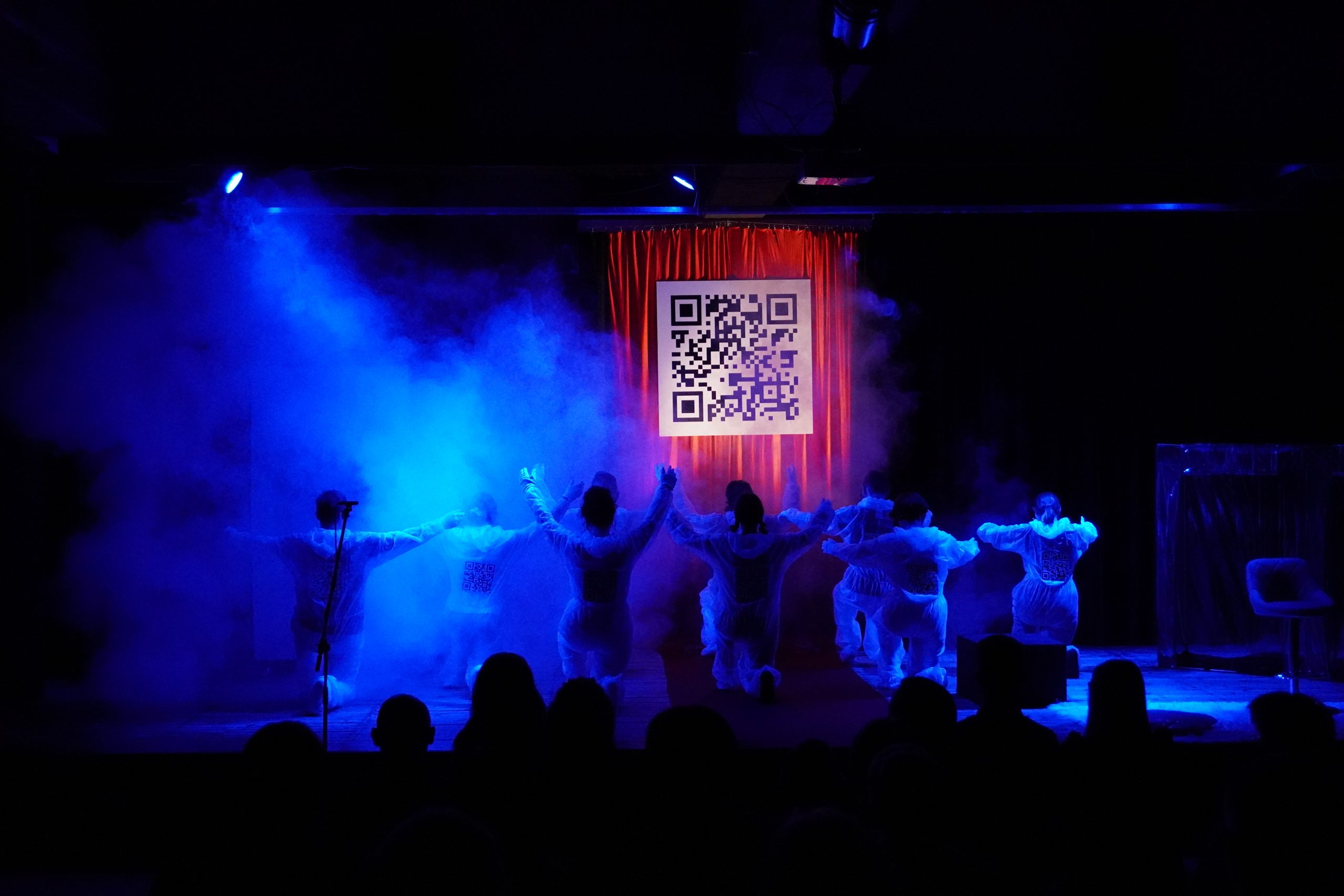
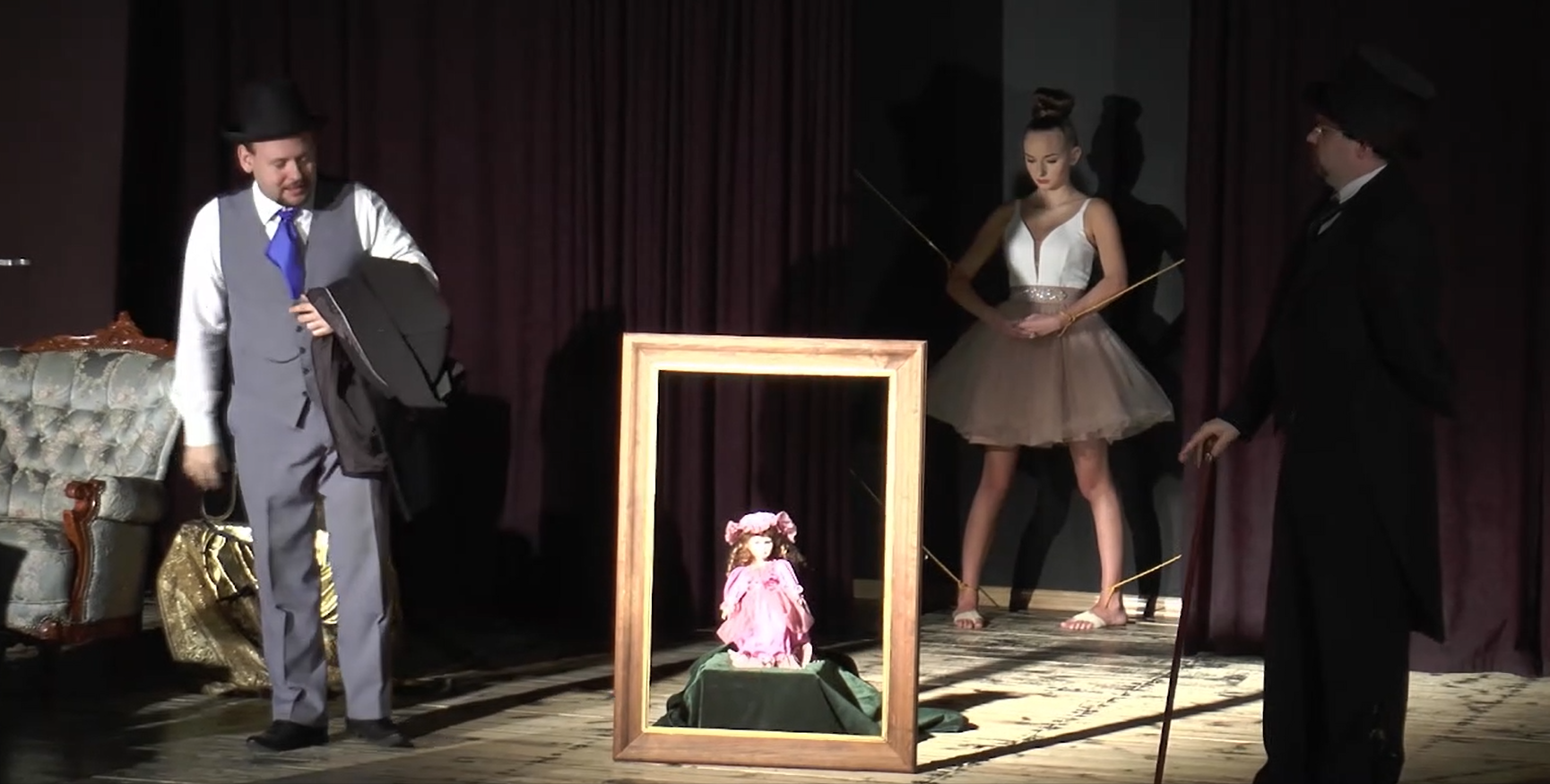
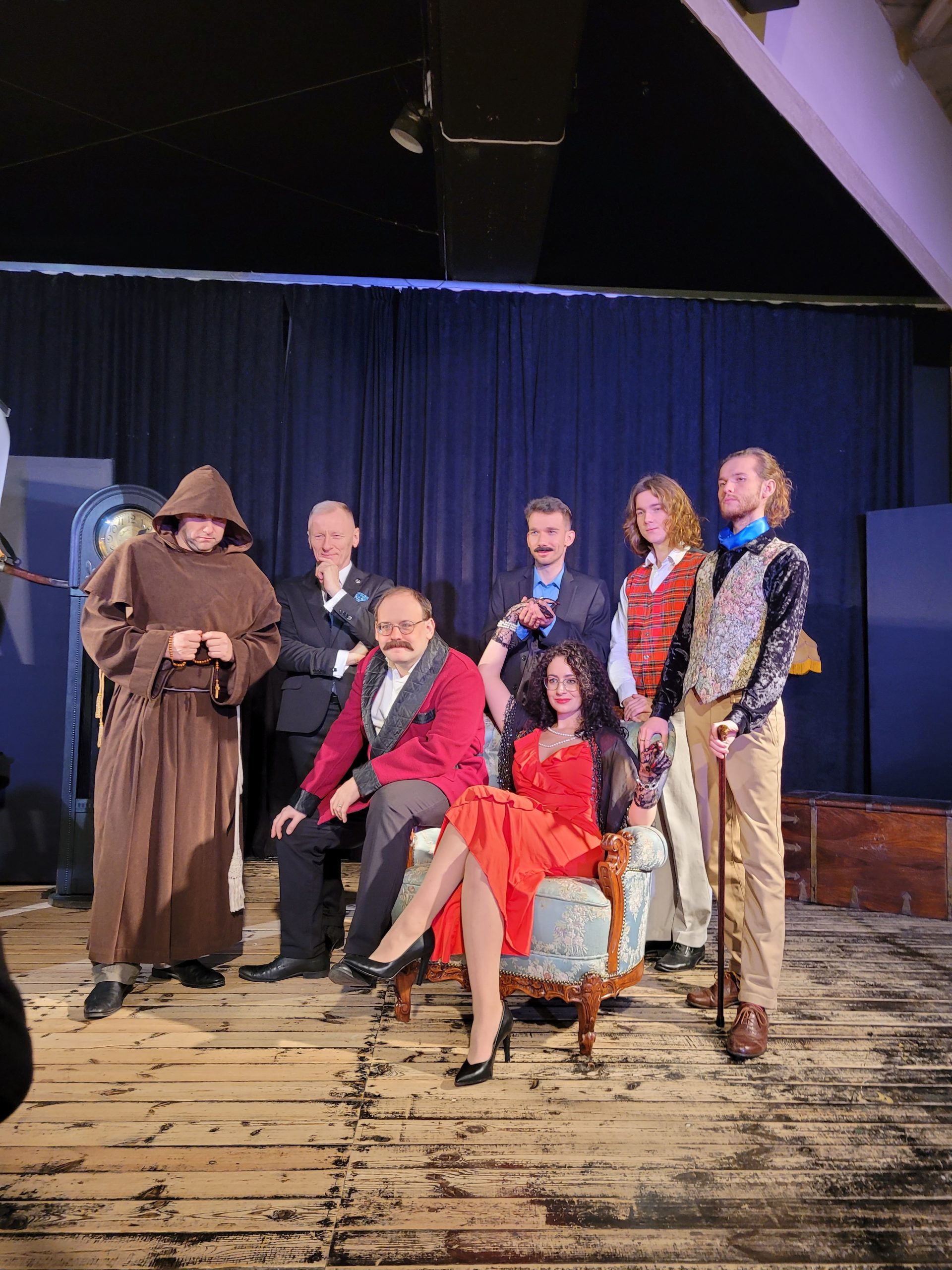
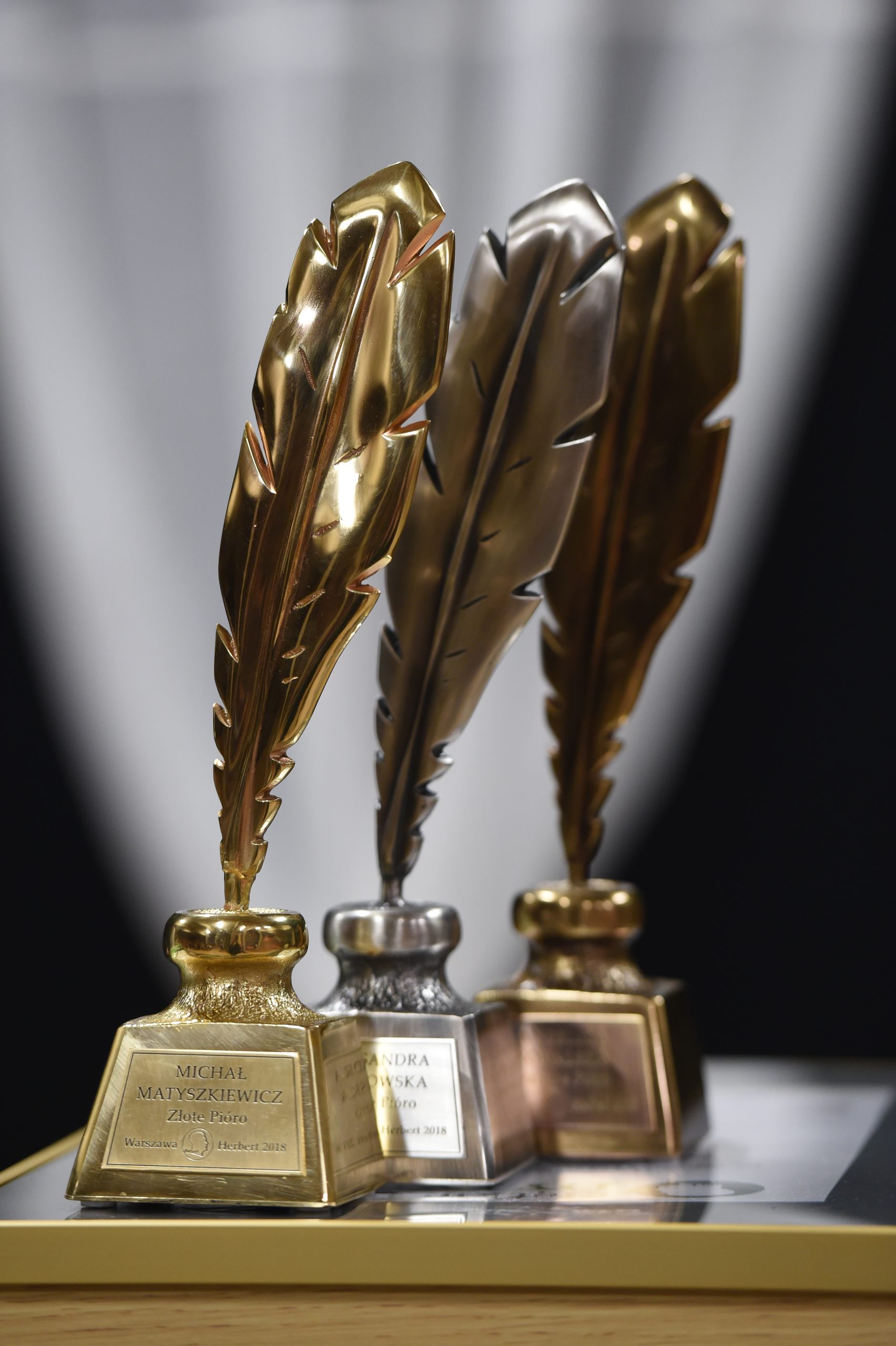
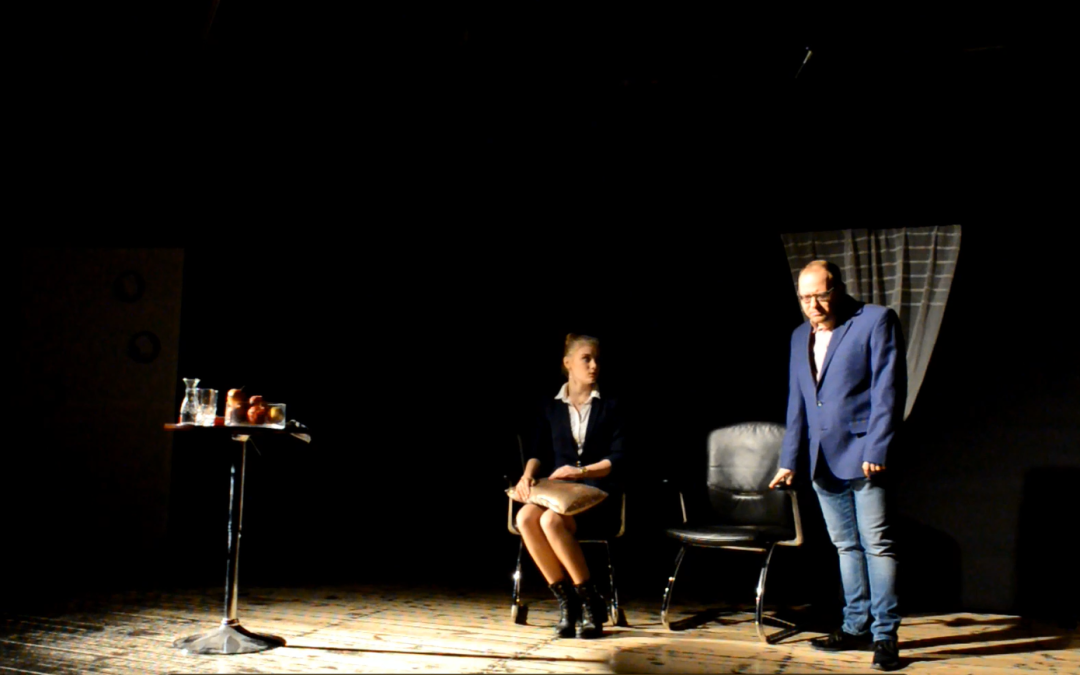
Of these twenty essays, only the ten best writers make it to the final stage. In this phase, the young people prepare a script for a theatre performance. The best authors are awarded a bronze, silver or gold feather, a nod to the name of the competition “Flexible Feather”. Each year, the play that wins the golden feather award is performed at the Piarist School Theatre in Warsaw. The plays are staged by youth theatres supported by more professional actors.
Hundreds of young writers from schools across the country have already taken part in the competition. Here you can find a list of the annual winners with the location of the school and the titles of their works.
2016, Wiktor Typa, Warszawa, “Deszcz” (Rain)
2017, Natalia Łukasiewicz, Bełchatów, “Ostatnim tchem” (With the last sigh)
2018, Michał Matyszkowicz, Dąbrowa Górnicza, “Kubek Powstańca” (The Cup of the Insurgents)
2019, Aleksandra Orlikowska, Opole, “Wesele 2.0. Wariacje na temat” (Wedding 2.0. Variations on a theme)
2020, Sebastian Wujcik, Józefów, “Zegarek” (Clock)
2021, Agata Pikoń, Katowice, “Czip” (Chip)
2022, Julia Krawczuk-Goluch, Pruszcz Gdański, “W teatrze życia” (In the theatre of life)
2023, Lena Salata, Warszawa, “”an Tadeusz 2023. Spalarnia śmieci?!” (Pan Tadeusz 2023. Waste incineration?!).
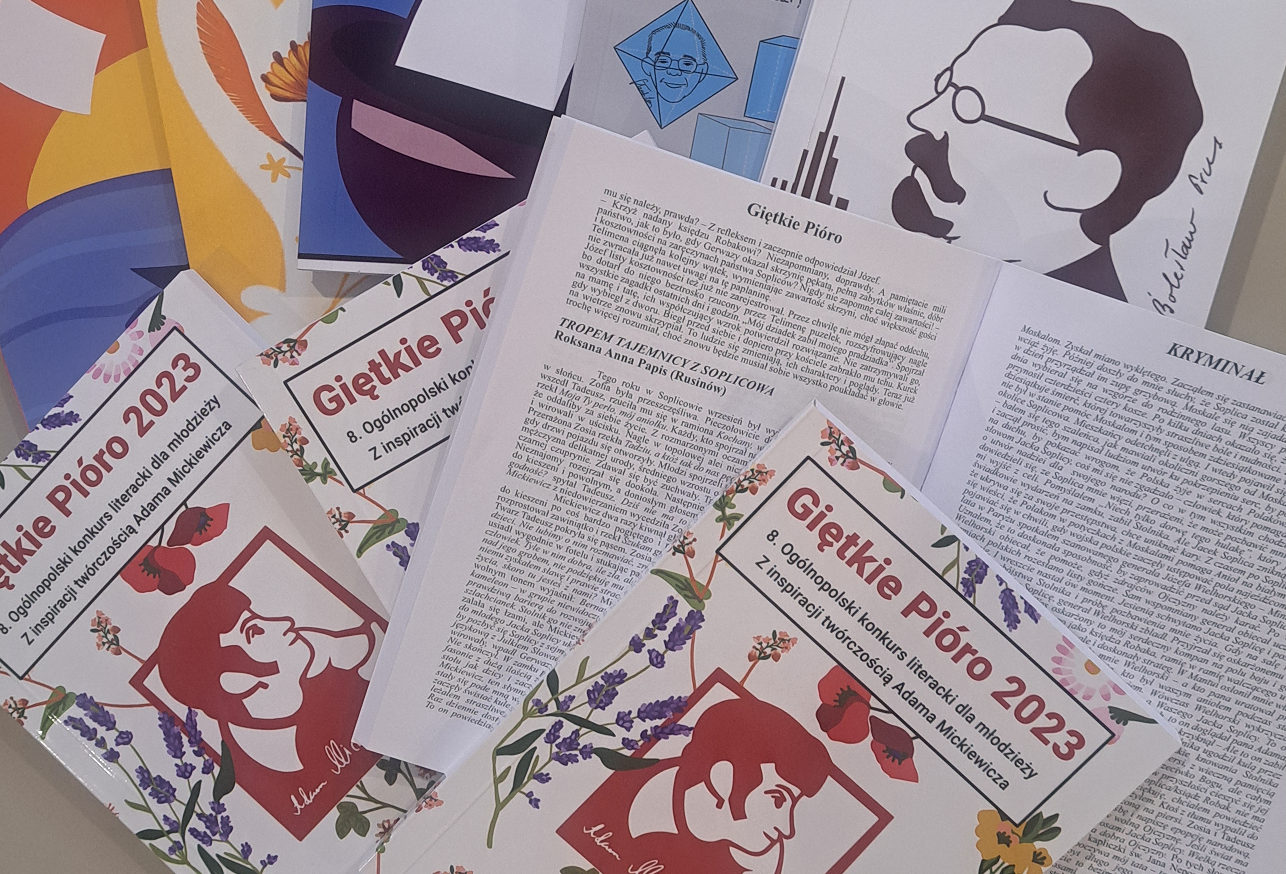
On the photos you can see the logos of individual years, i.e. each edition with its own character. There are also photos from the exhibitions of the last eight years.
o. Jacek Wolan SchP