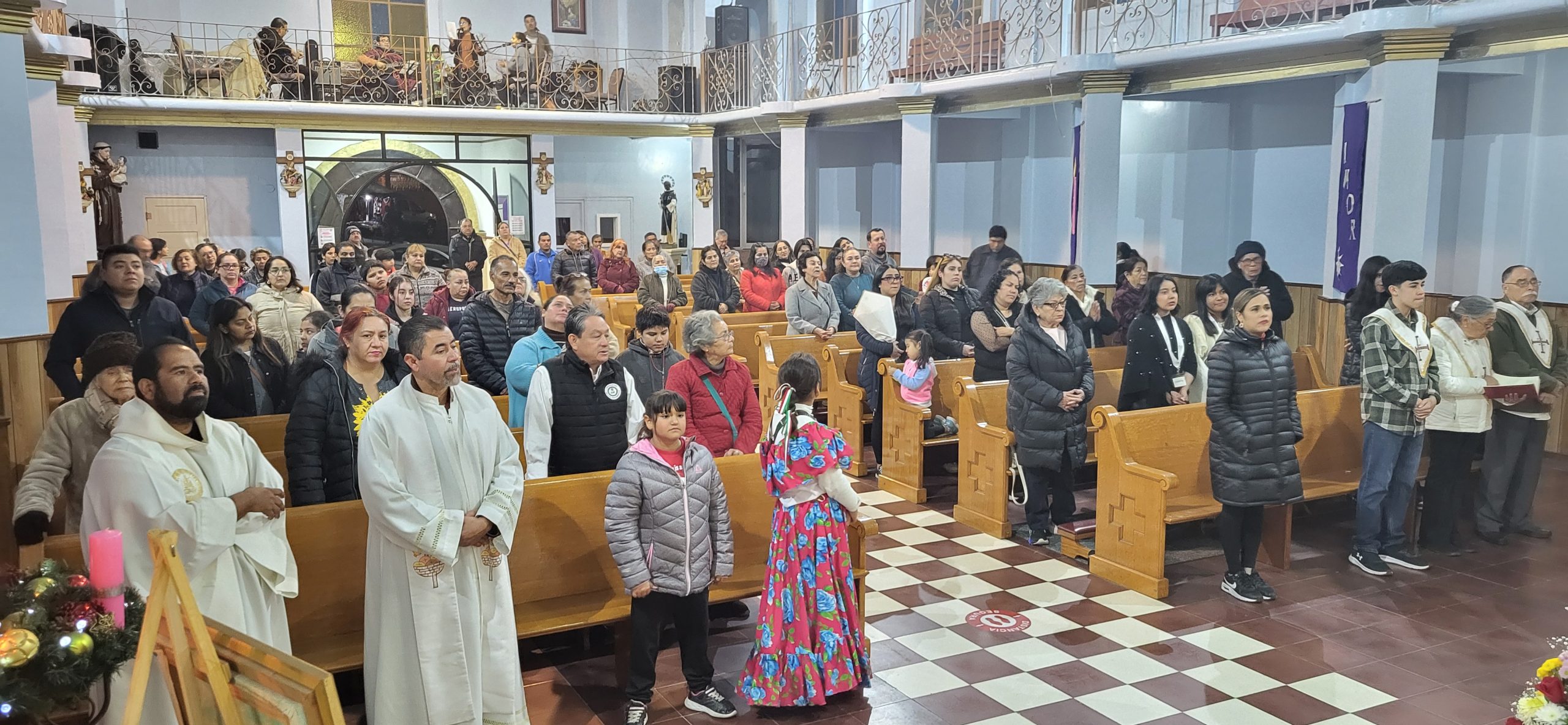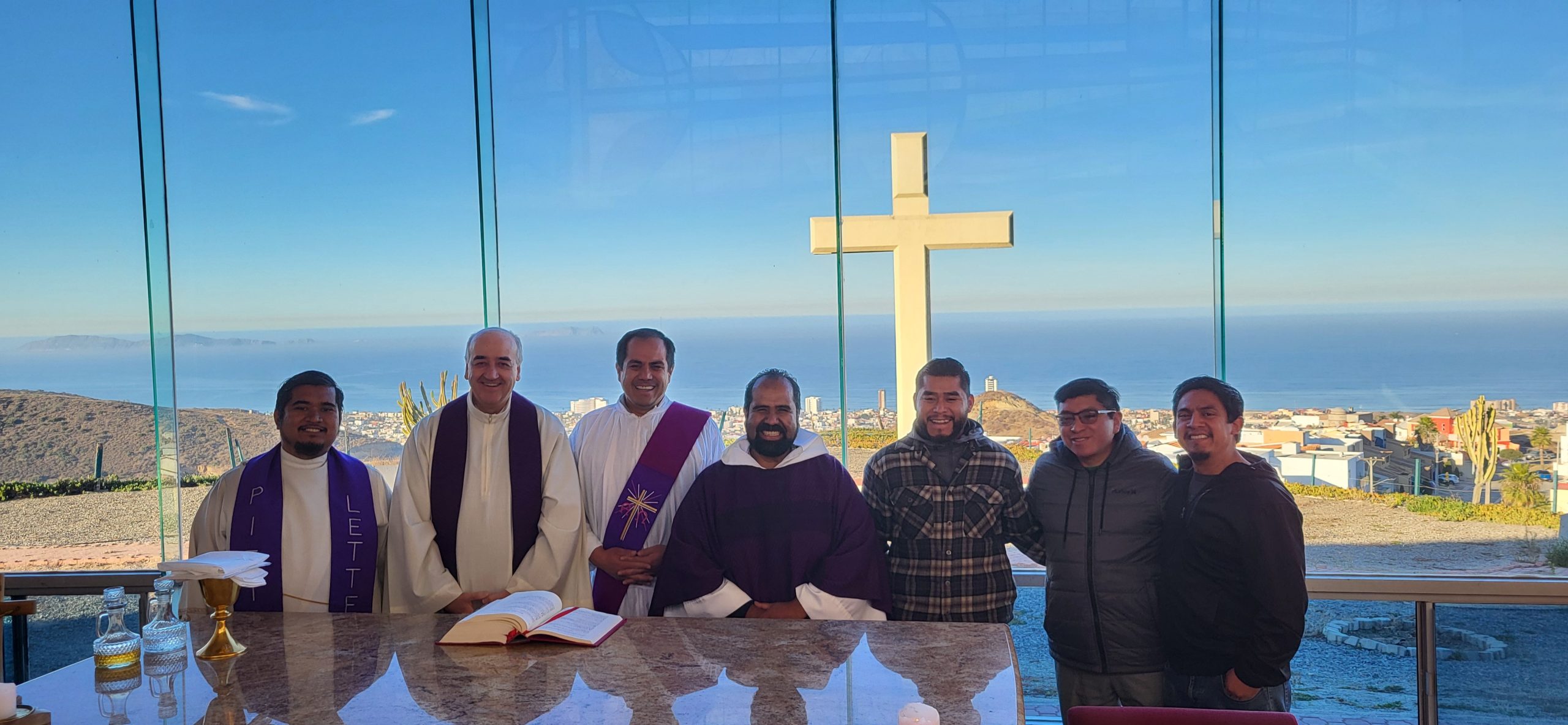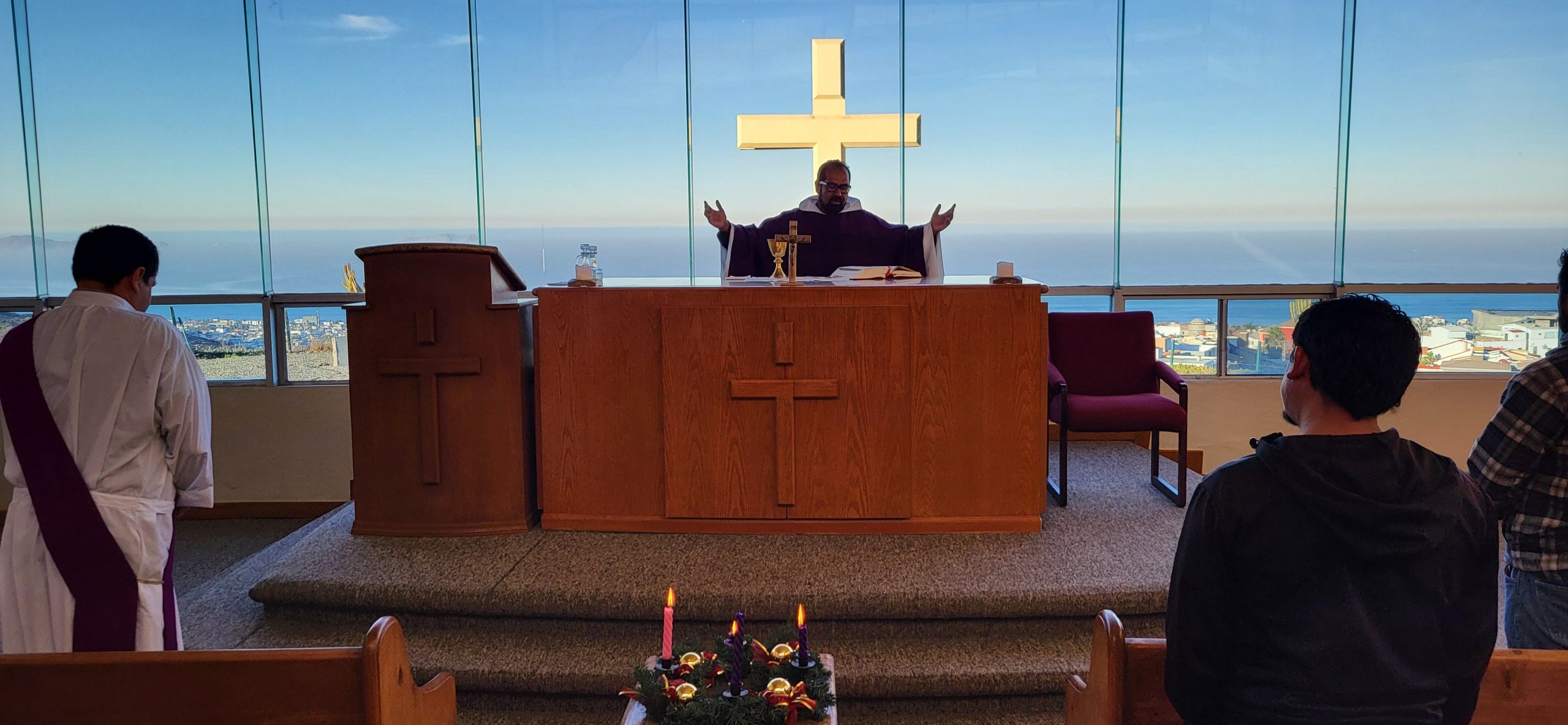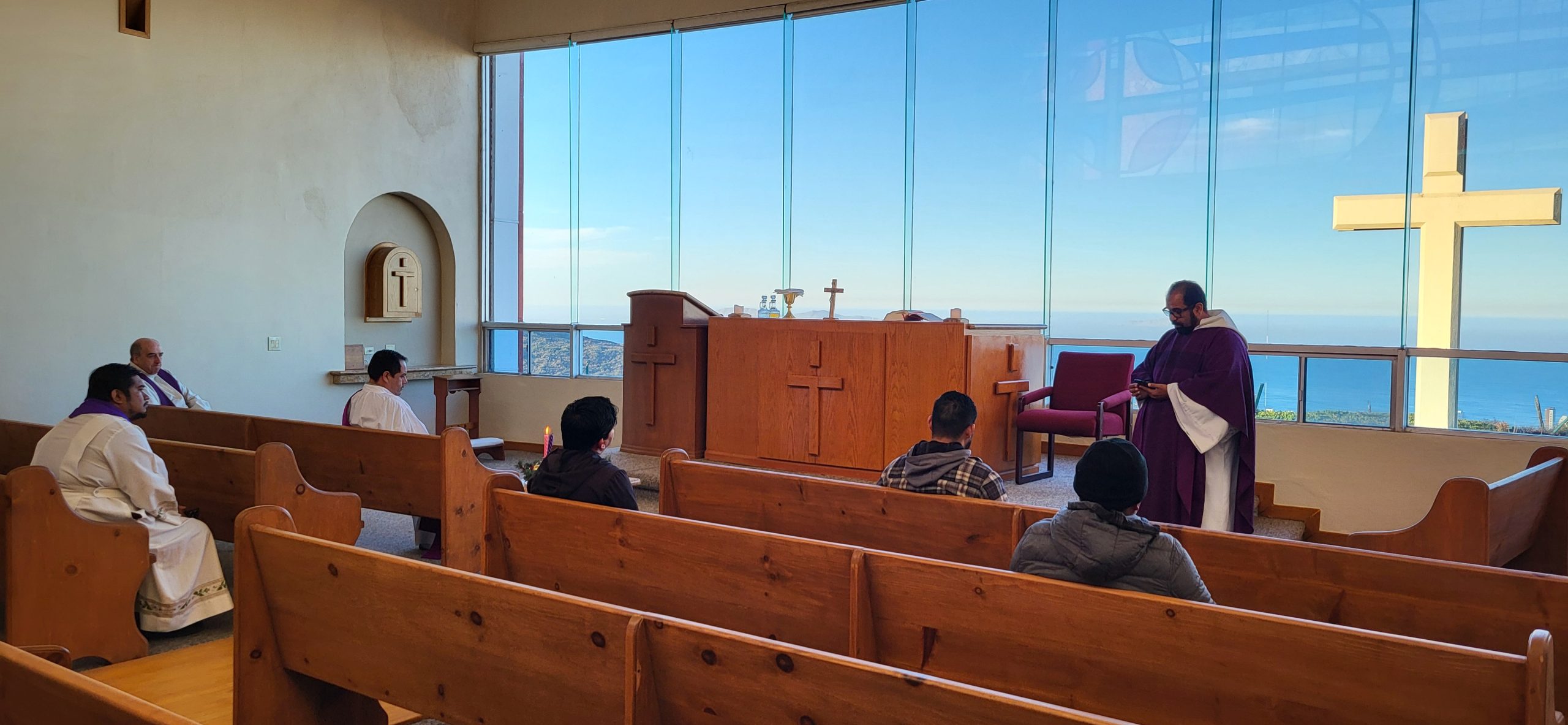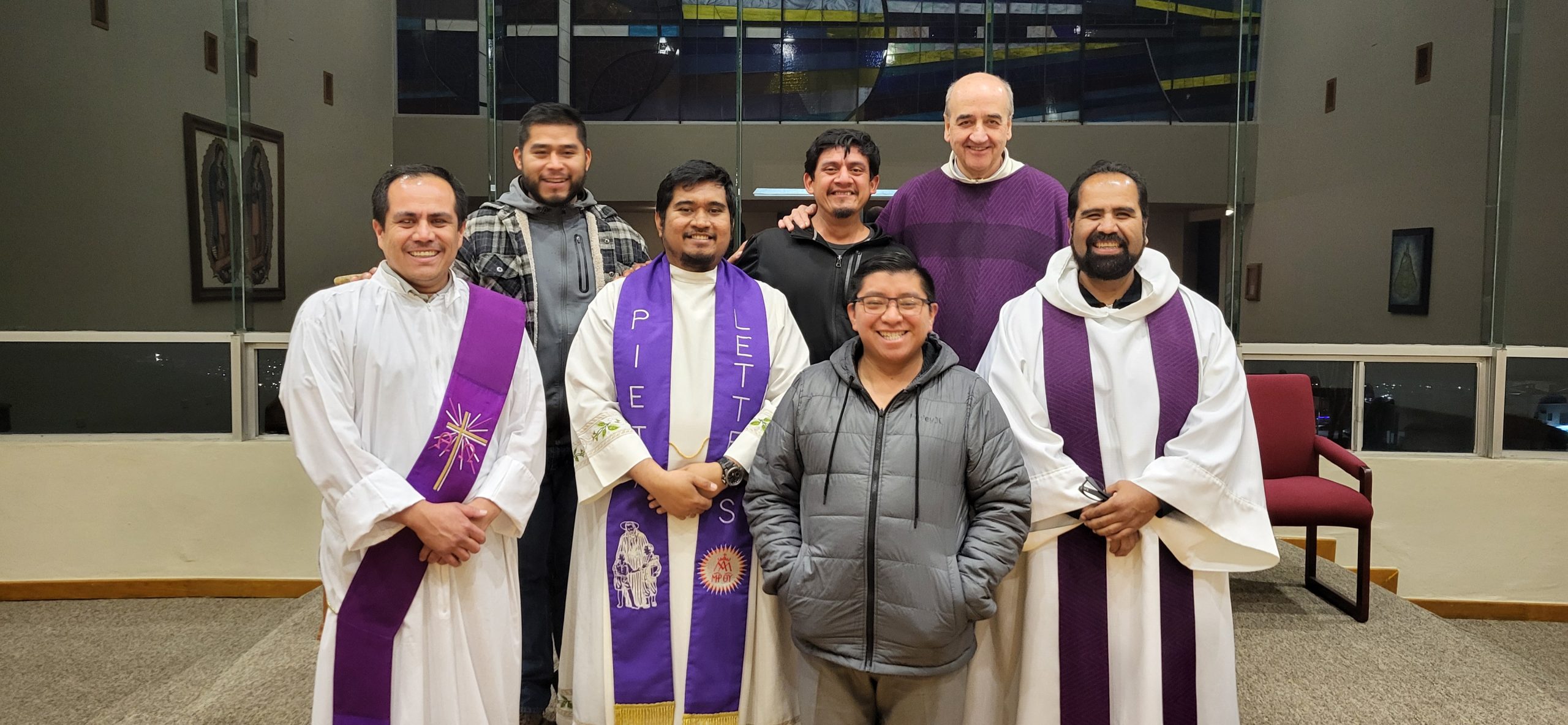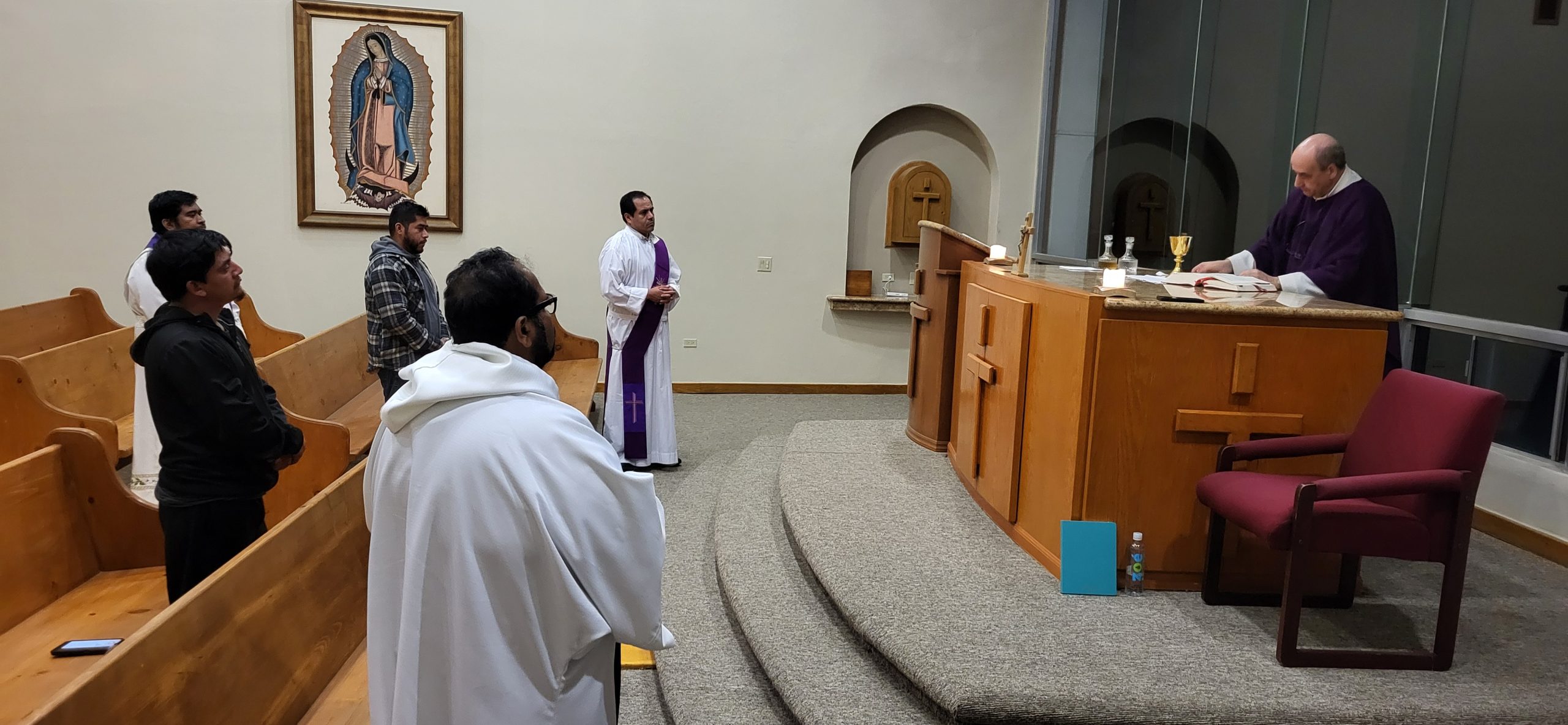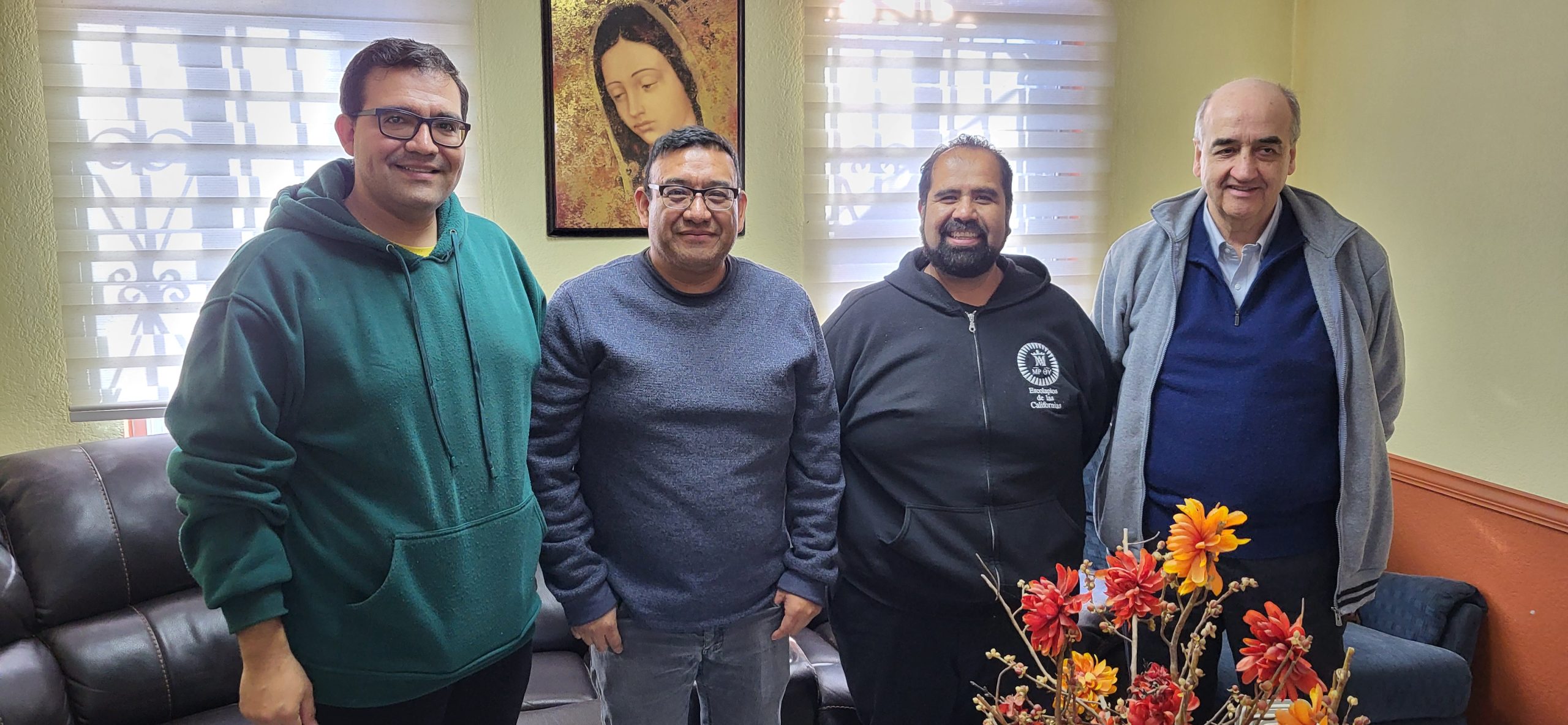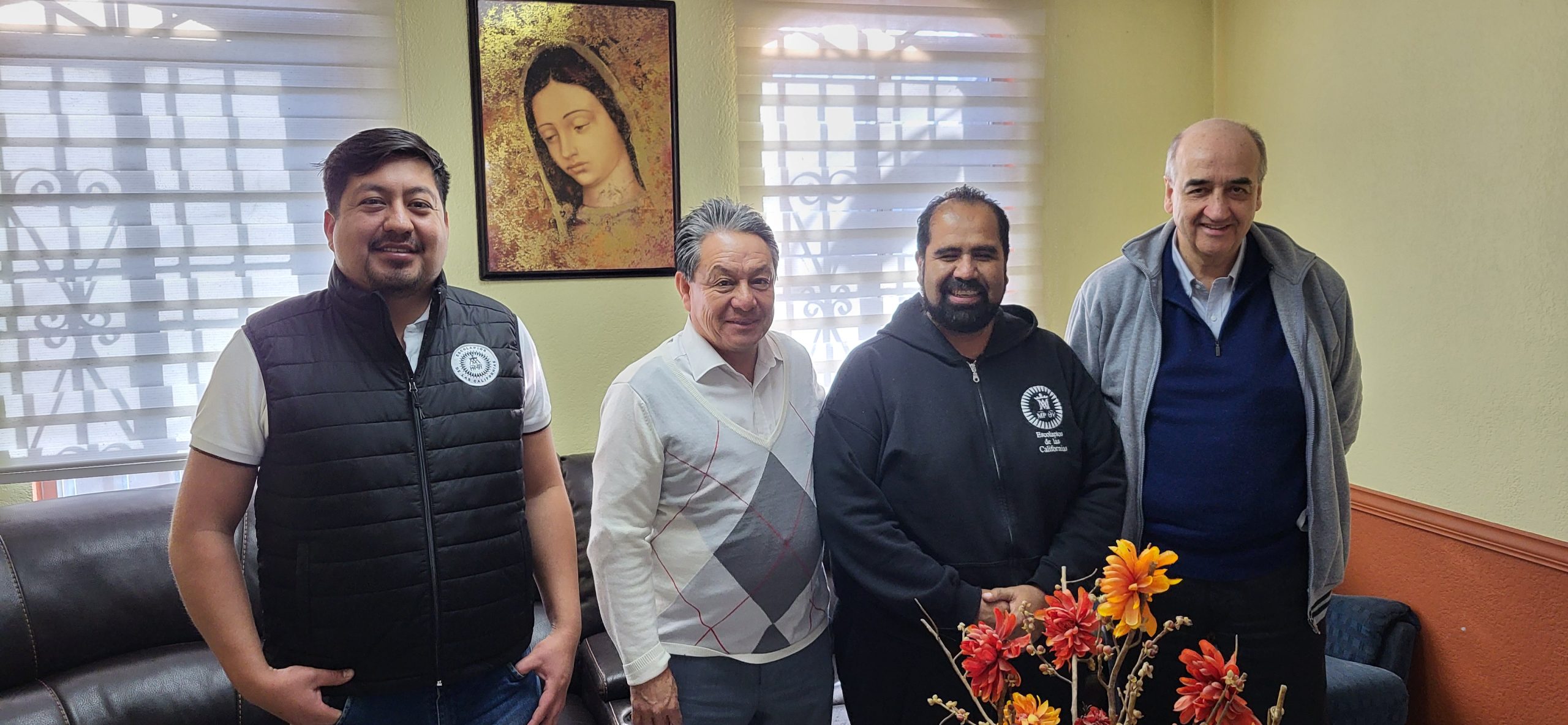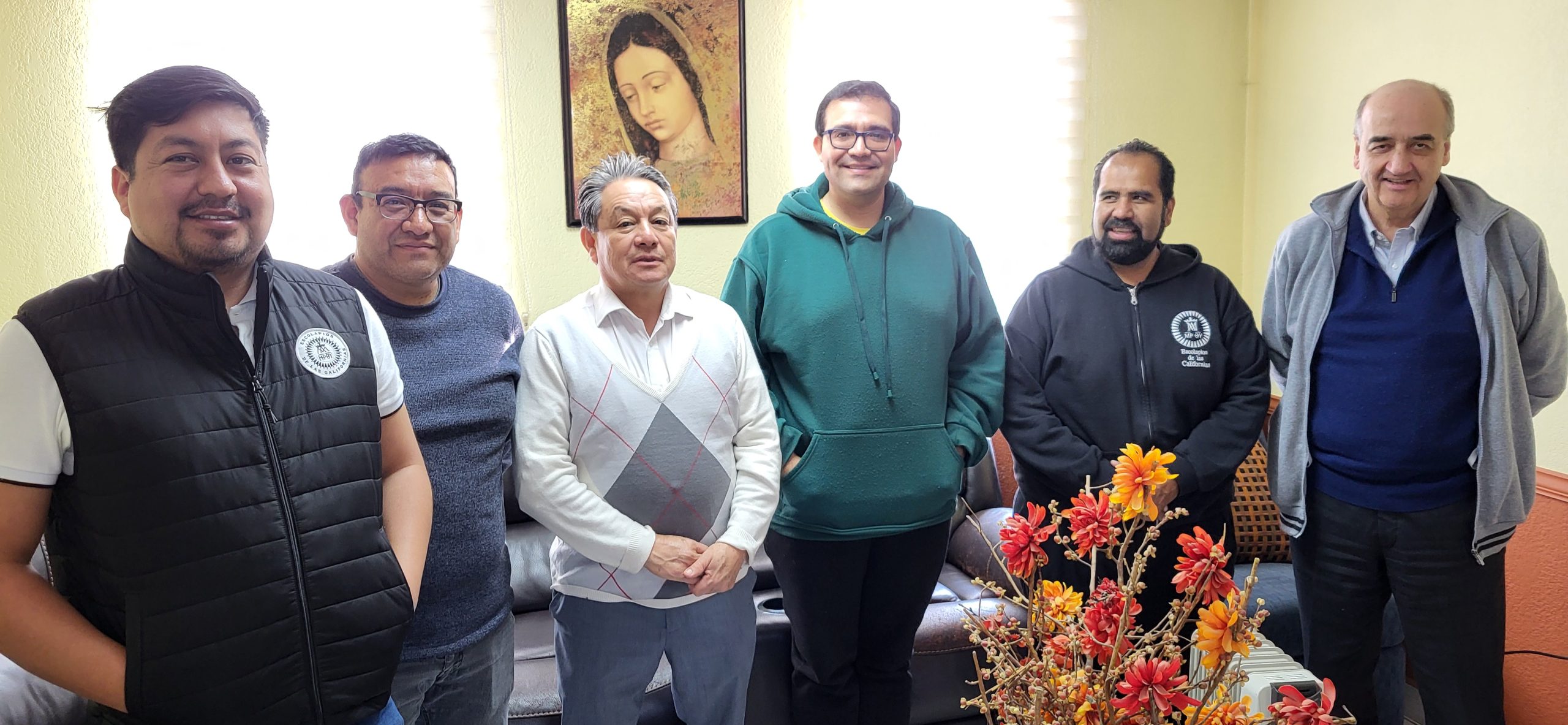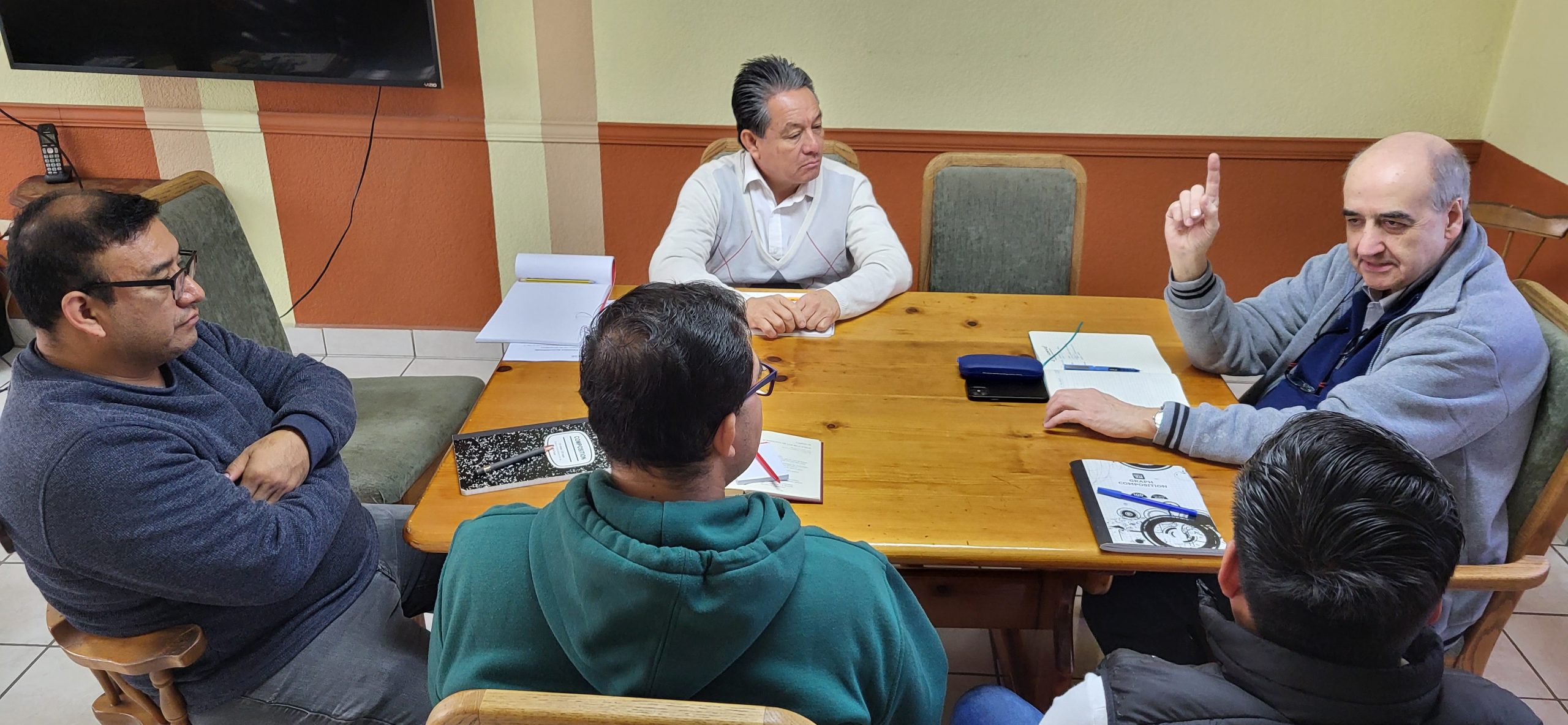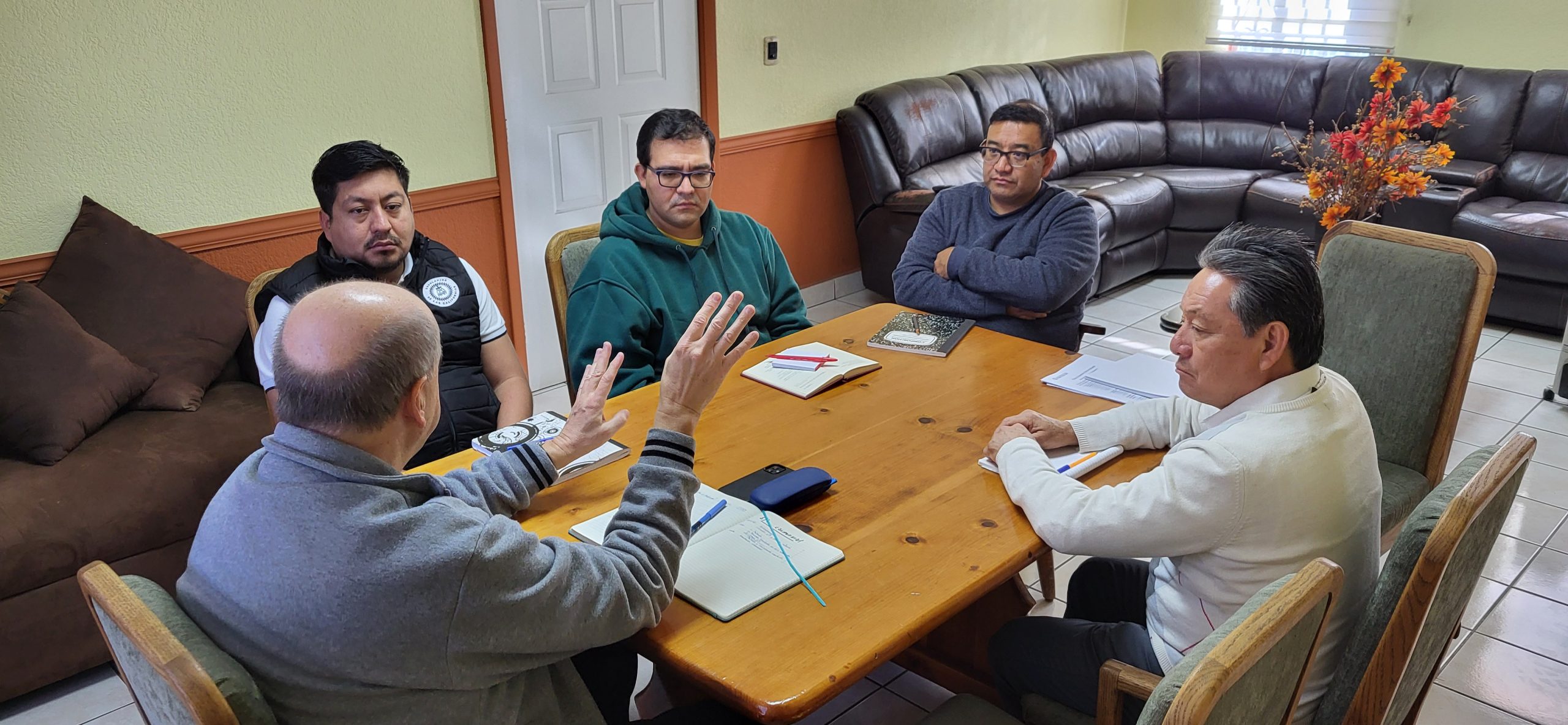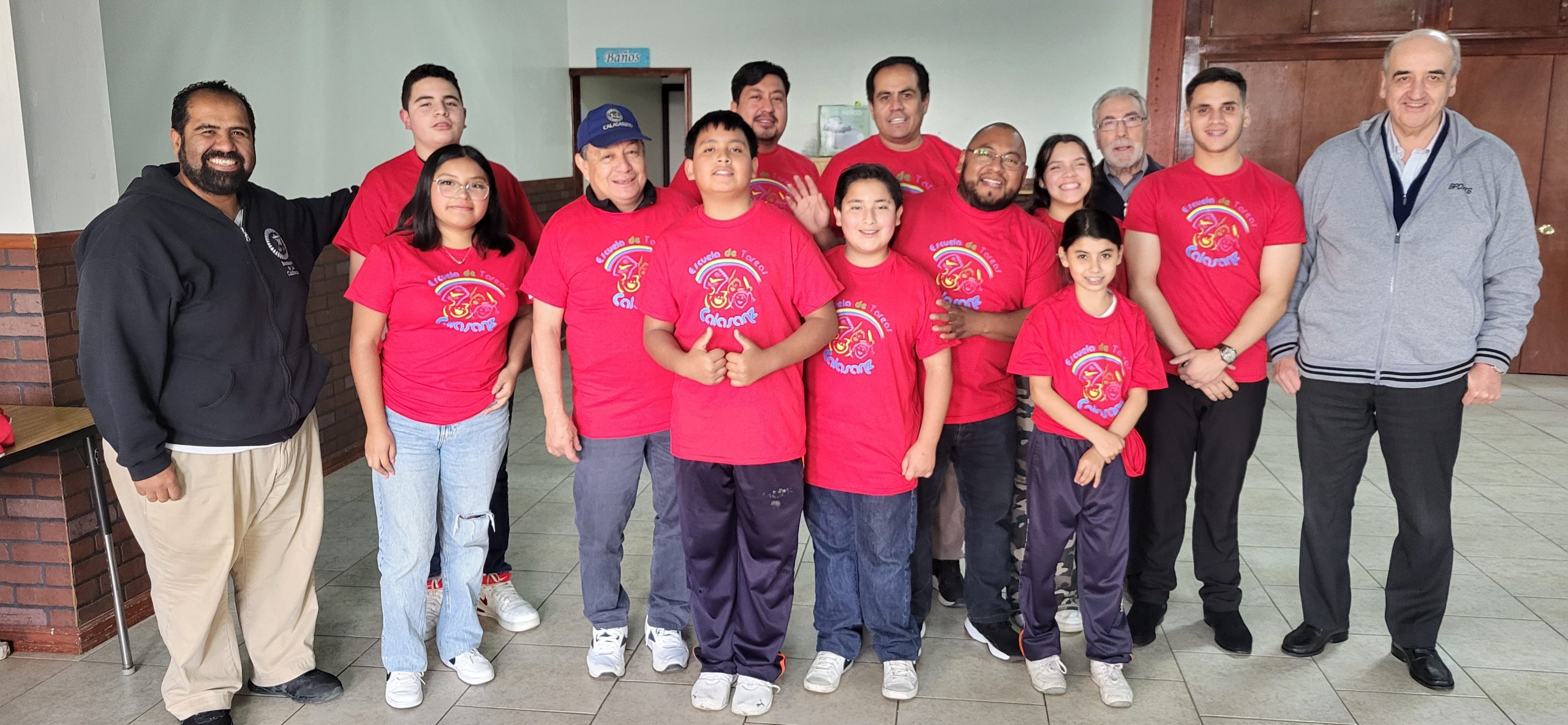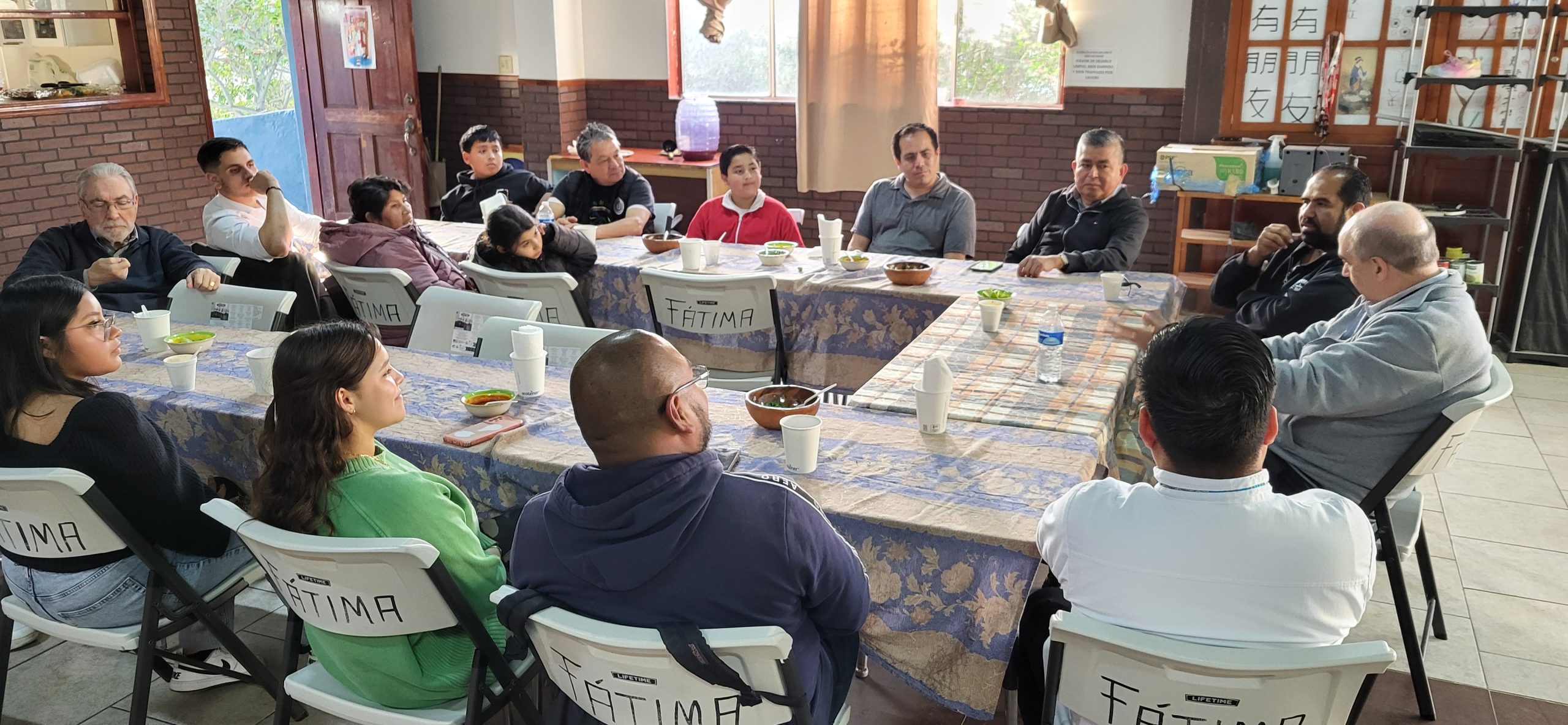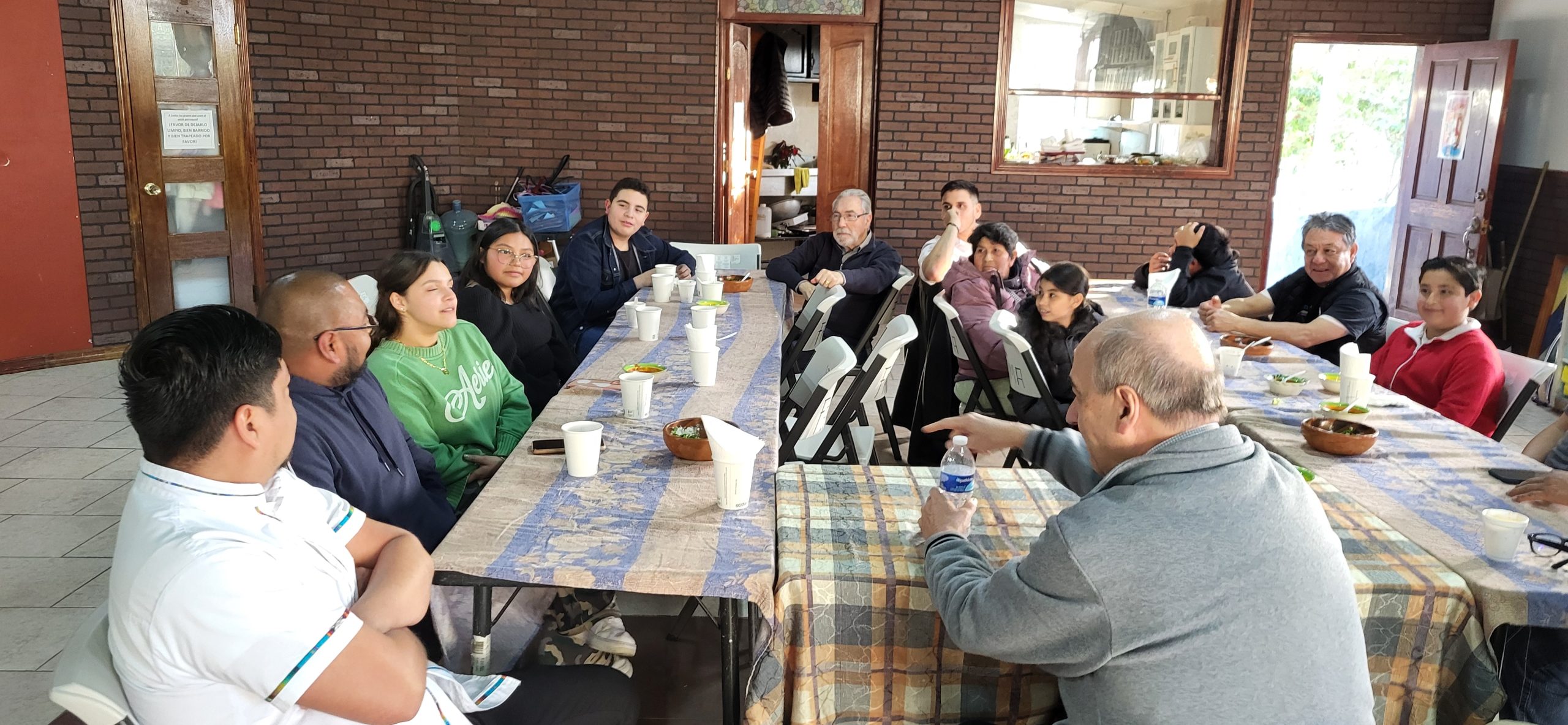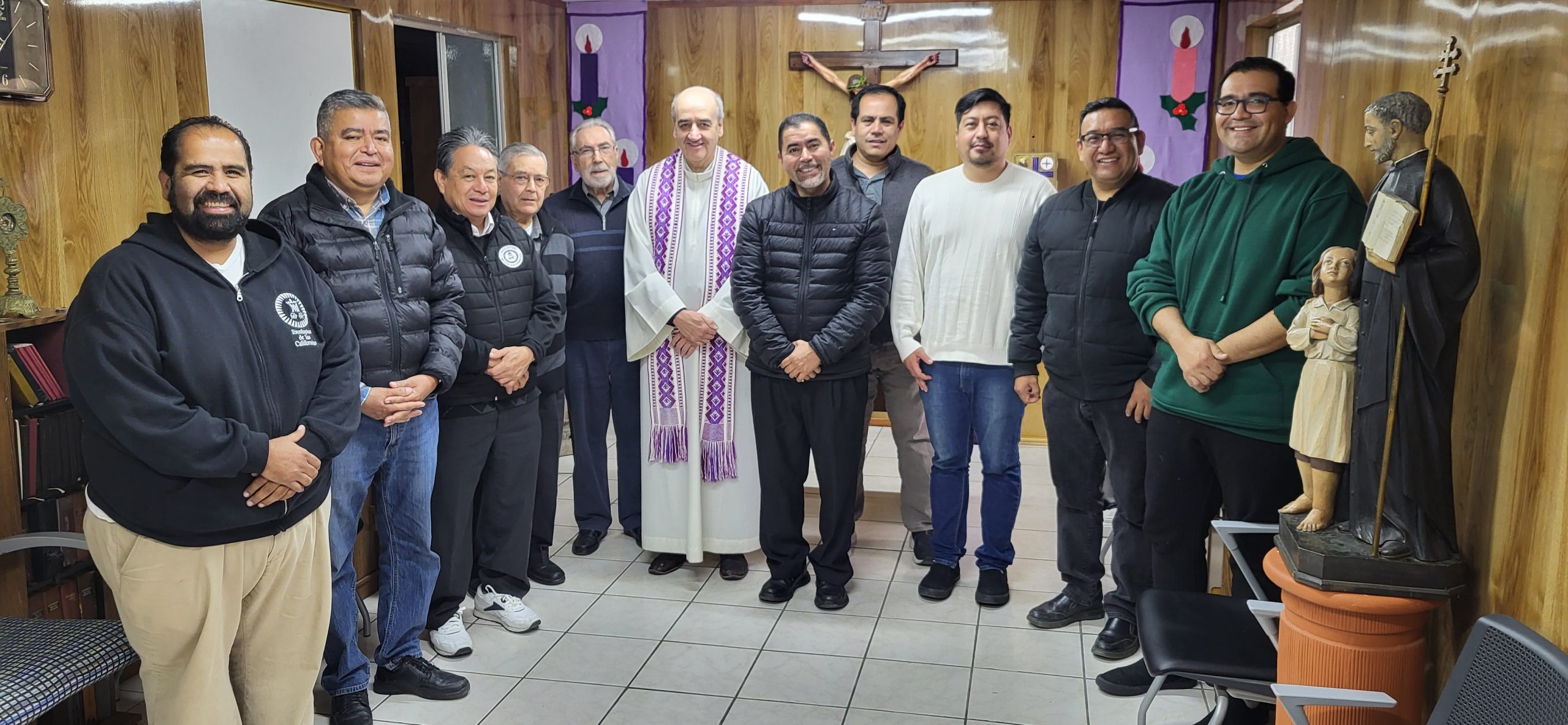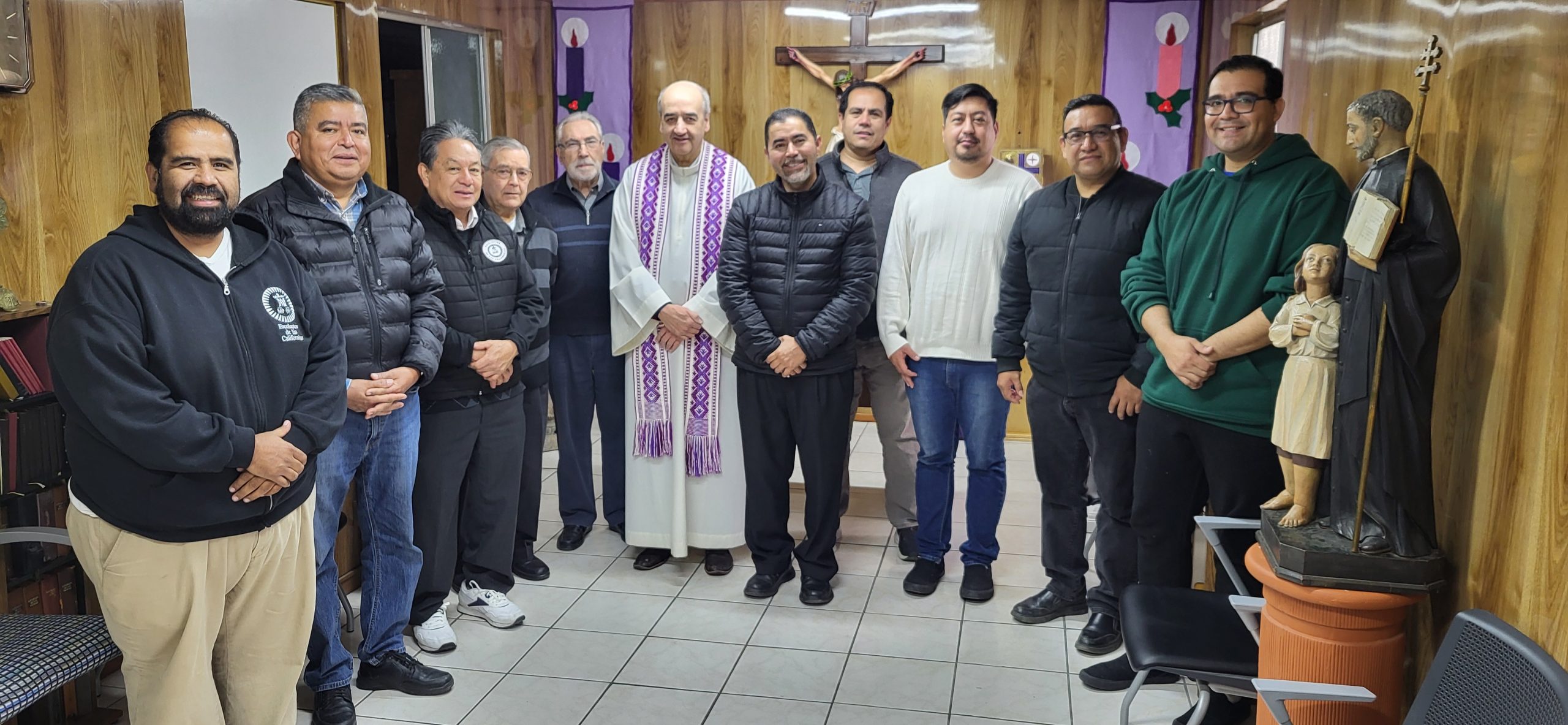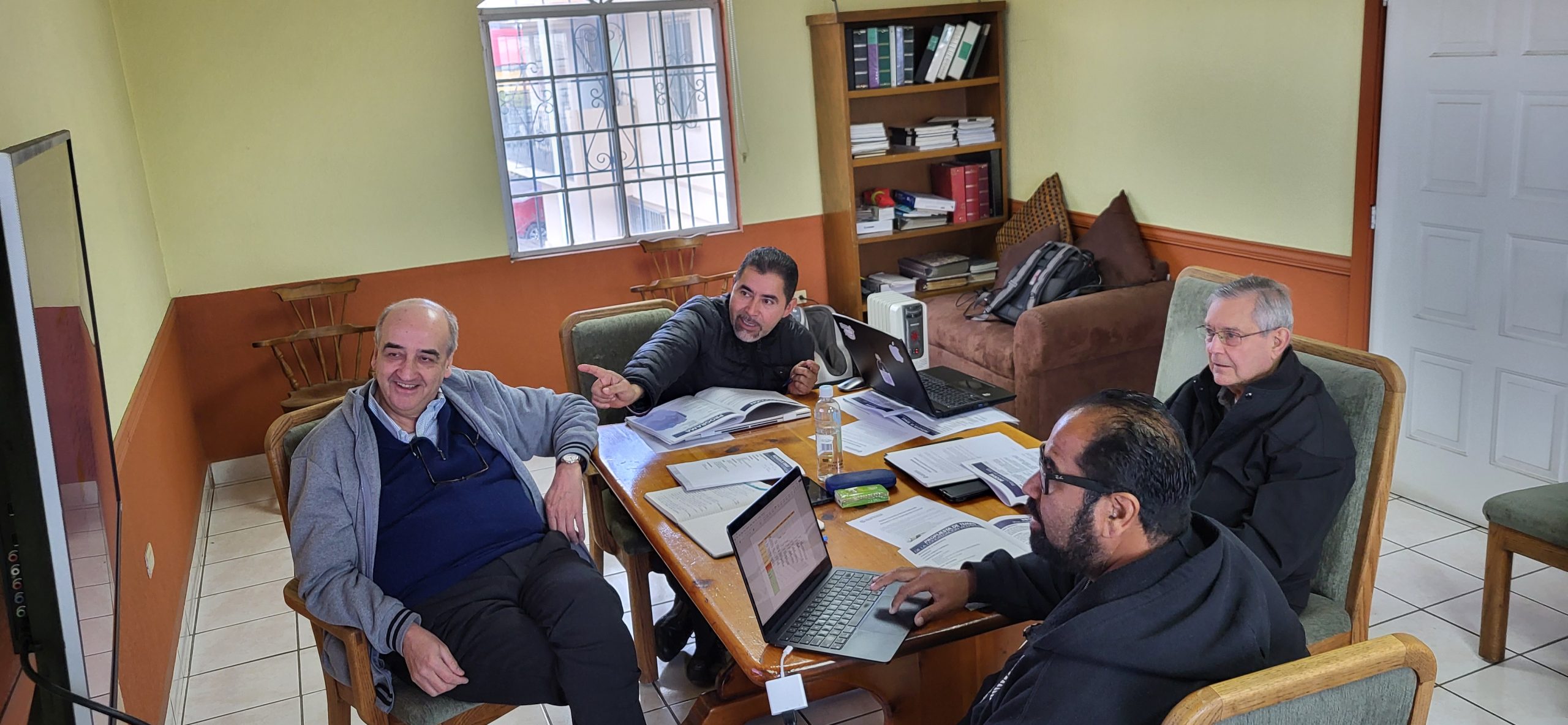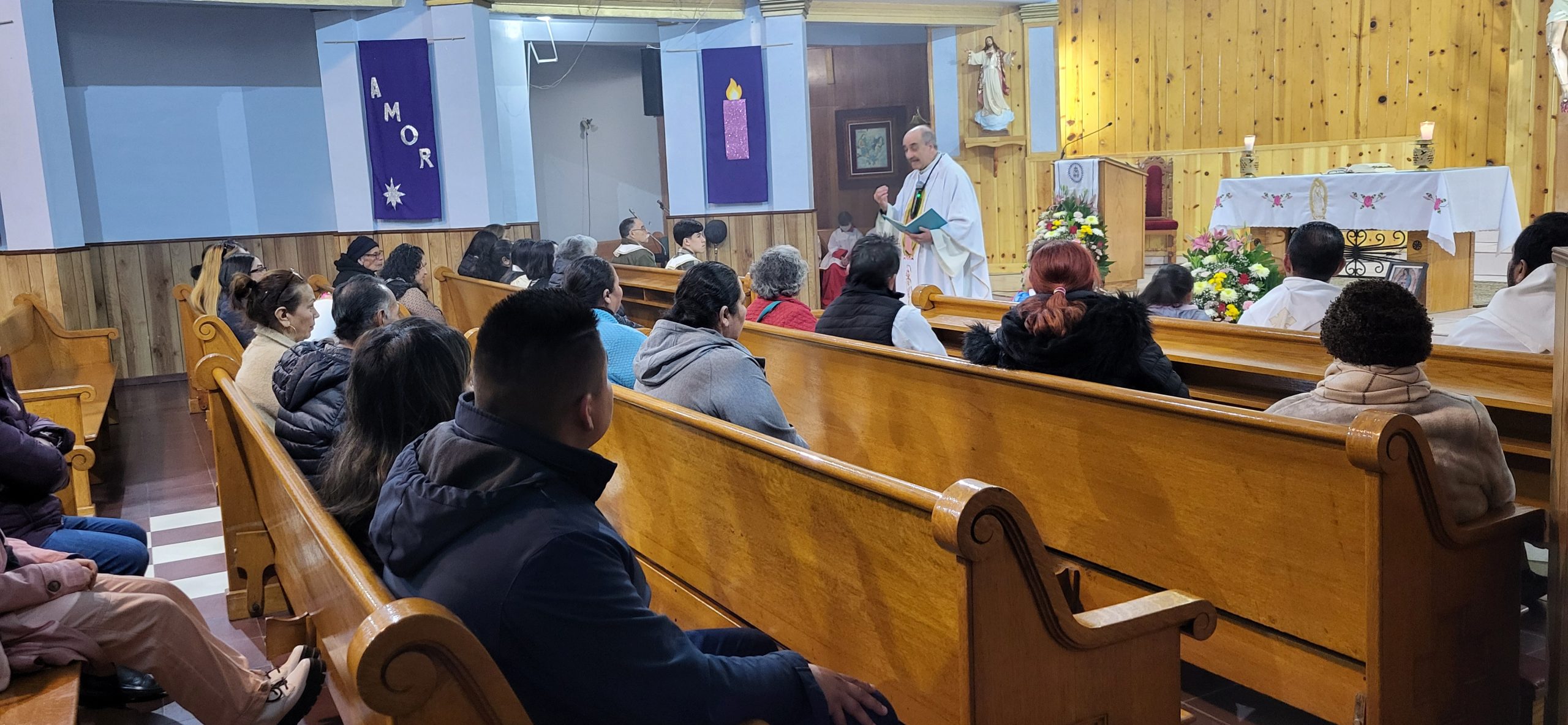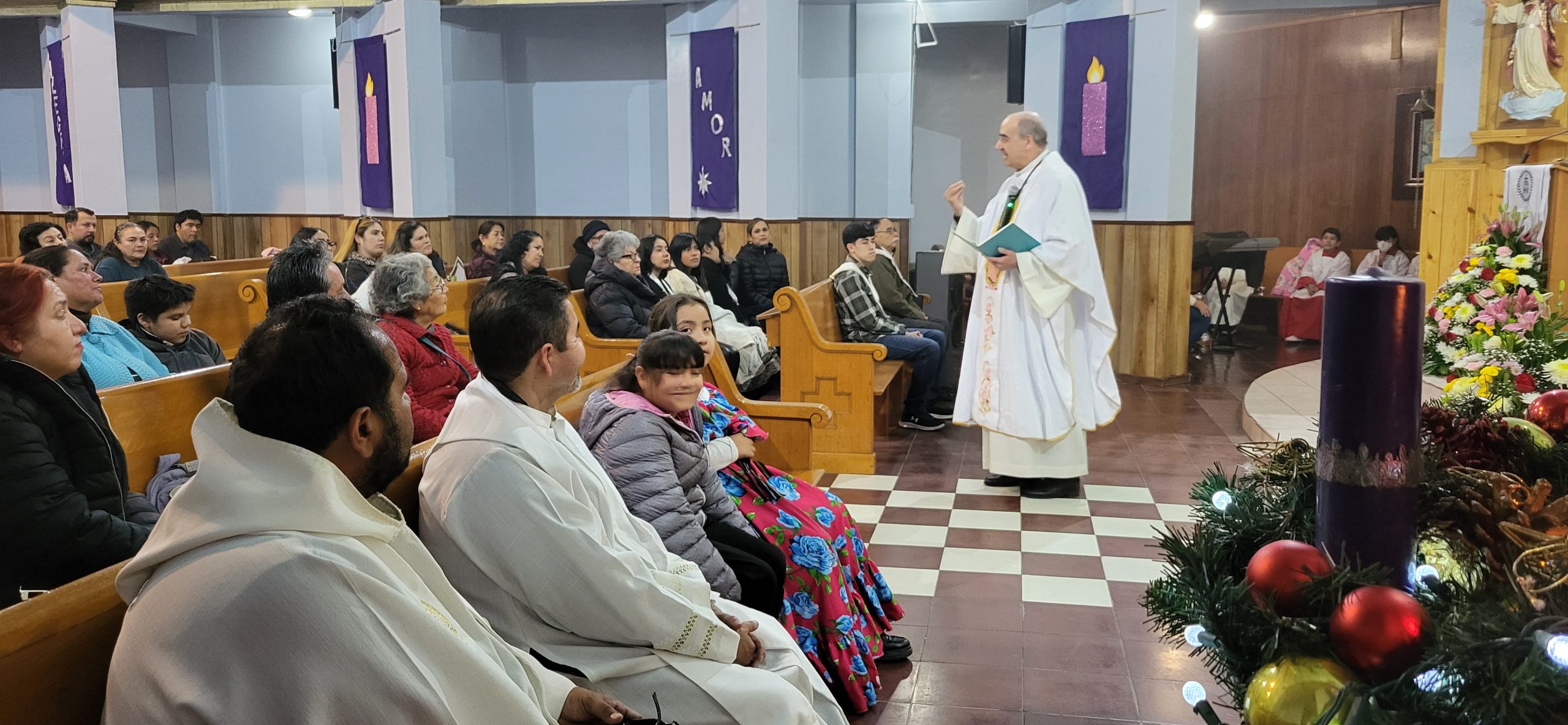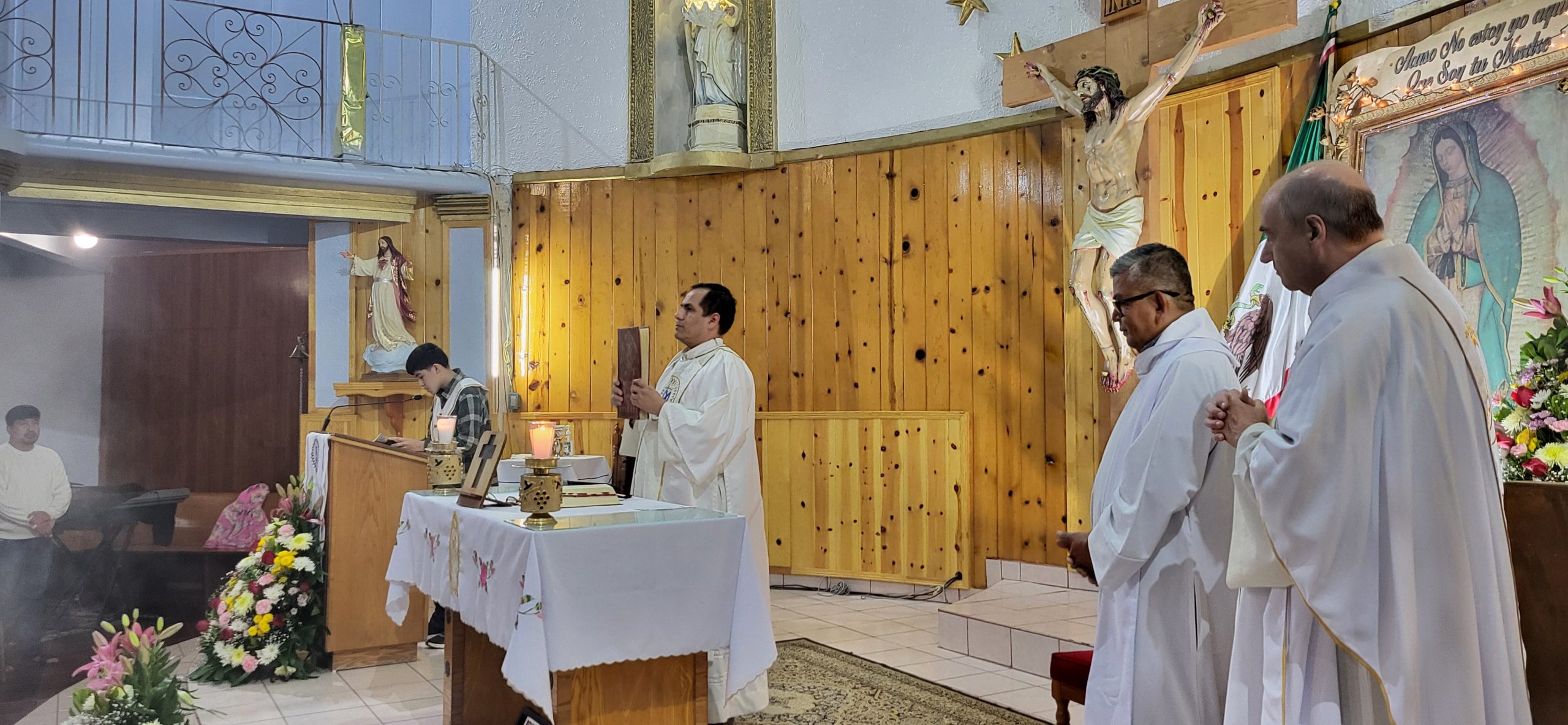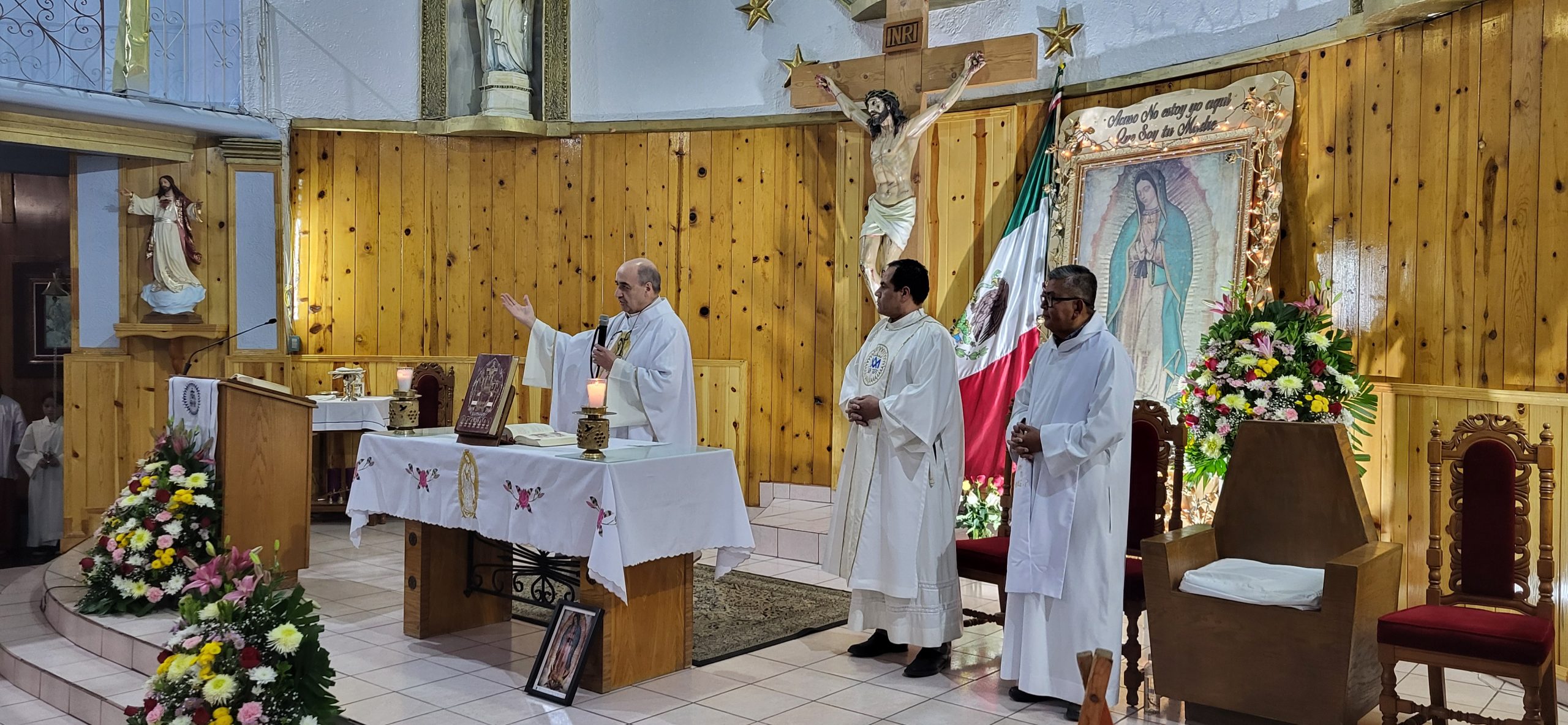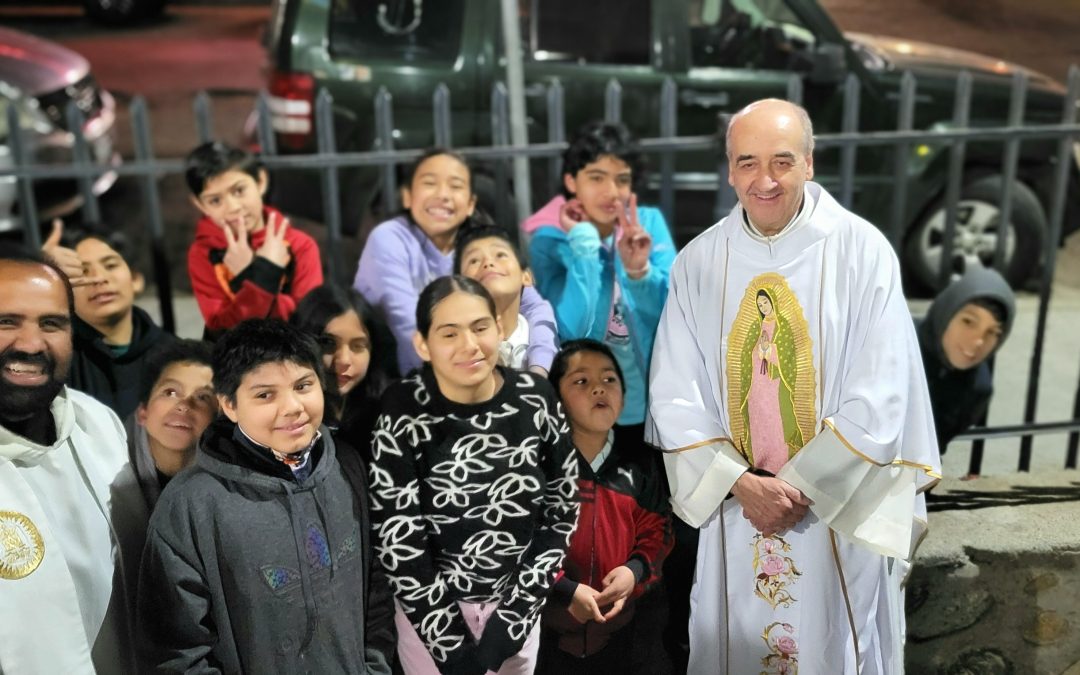
The visit began with the accompaniment of the Vice-Provincial Congregation, where Father Daniel Velázquez, Fr. J. Margalef, and Fr. Fernando García, presented the projects that the Congregation is leading in the Piarist presence in the Californias. In addition, Fr Pedro Aguado listened to the confreres in formation, young adults and formators and encouraged them to continue the tireless service of forming missionaries for the Pious Schools and the Church.
From 12 to 17 December, the Vice-Province of California received Father General Pedro Aguado, who visited the pre-novices: Carlos Chávez and Alejandro Nájera. The juniors: Javier Gómez and Armando González. He also met with each of the instructors: Father Pedro Lucía, Father Pere Biel and Father José Manuel Serrano.
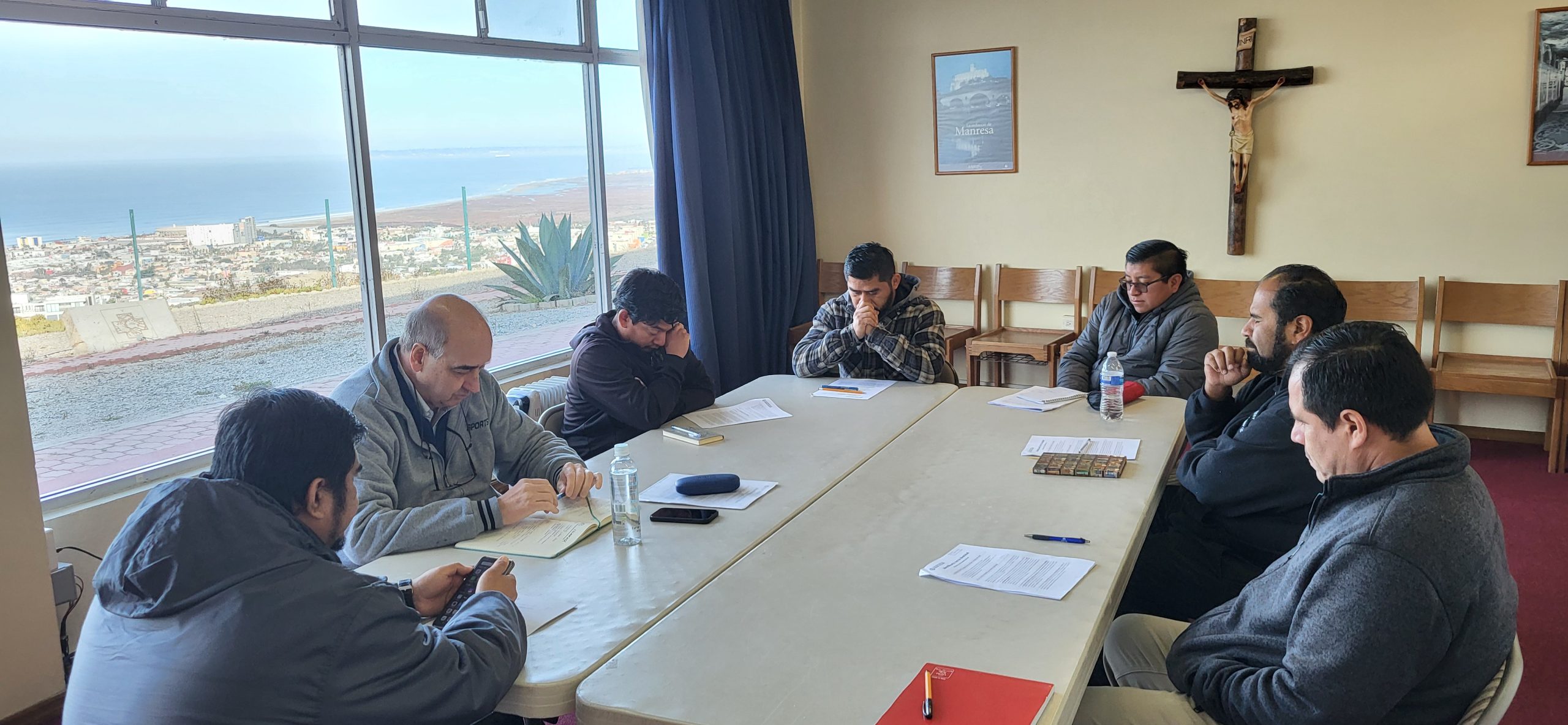
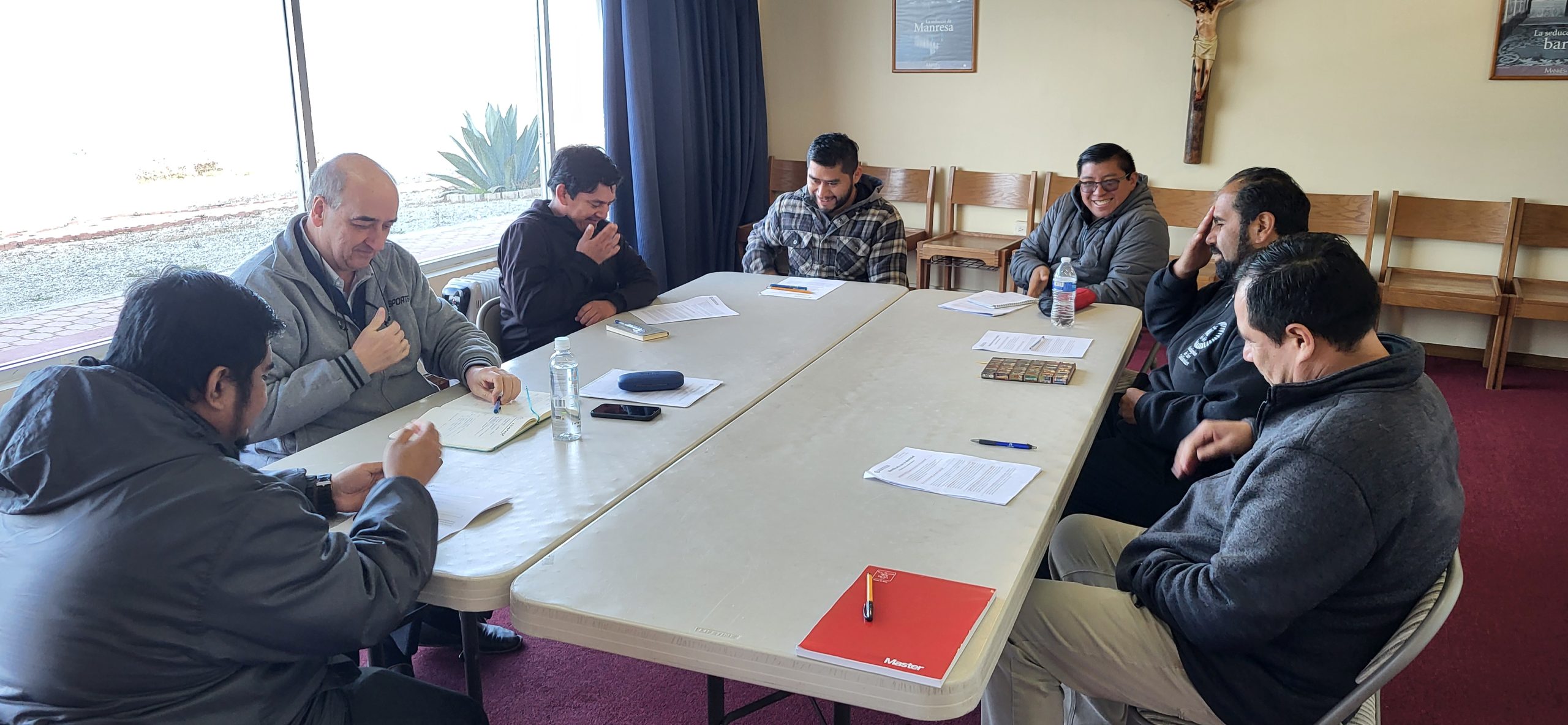
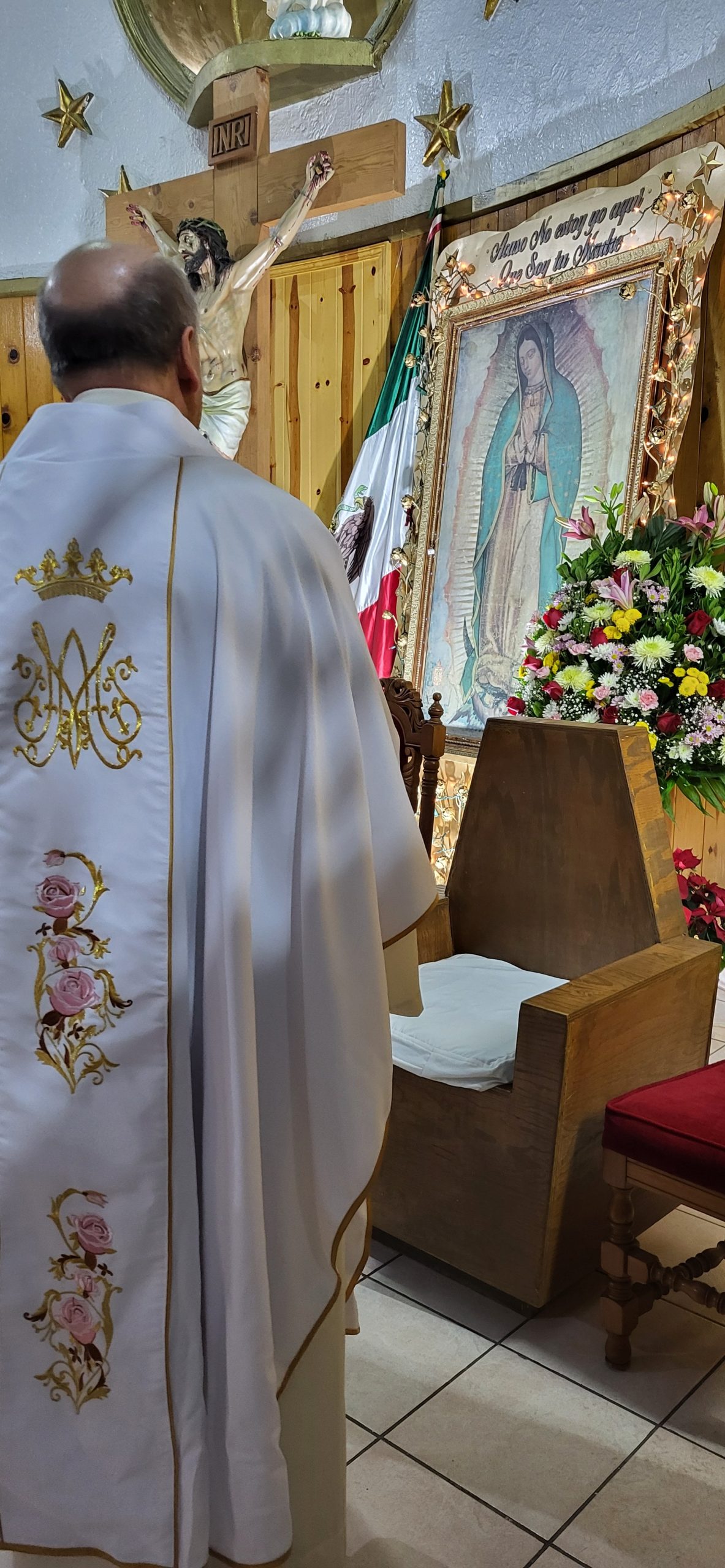
At the Jesuit Fathers’ retreat house in Tijuana, ‘Casa Manresa’, a retreat for Young Adults Piarists was held. The participants were: Fr Felix Oliviades, Fr Miguel Angel Montejo, Fr Miguel Angel Montejo, Fr Deacon José Manuel Serrano, Fr. Daniel Velázquez, and Fr Pedro Aguado with the help of Fr Julio Alberto Álvarez, Assistant General for America.
The first canonical visiting of this sexennium (which culminates with this demarcation) was aimed at developing the will of the 48th General Chapter in the dynamics of cultural change in the Order through the accompaniment of persons, especially those in the first years of religious life, as well as the direction of the demarcation congregations:
“The vocational process is a processual and progressive response of the young person who, centred on Jesus Christ, lives and integrates the mission of the Pious Schools in order to continue building the Pious Schools we need under an irreplaceable ministry.
Initial formation should be a conscious, dialogical, determined and organised commitment of the Pious Schools at their different levels: local, Demarcational, Circumscriptional and Order levels, for the benefit of the young people being formed in all our contexts.
The dynamics we emphasise in initial formation are: Work in community, synodality, networking, critics’ analysis, project, construction of the Pious Schools, mission, dialogue, empathy, accompaniment, discernment, fraternity and participation, with a vision of integral ecology.”