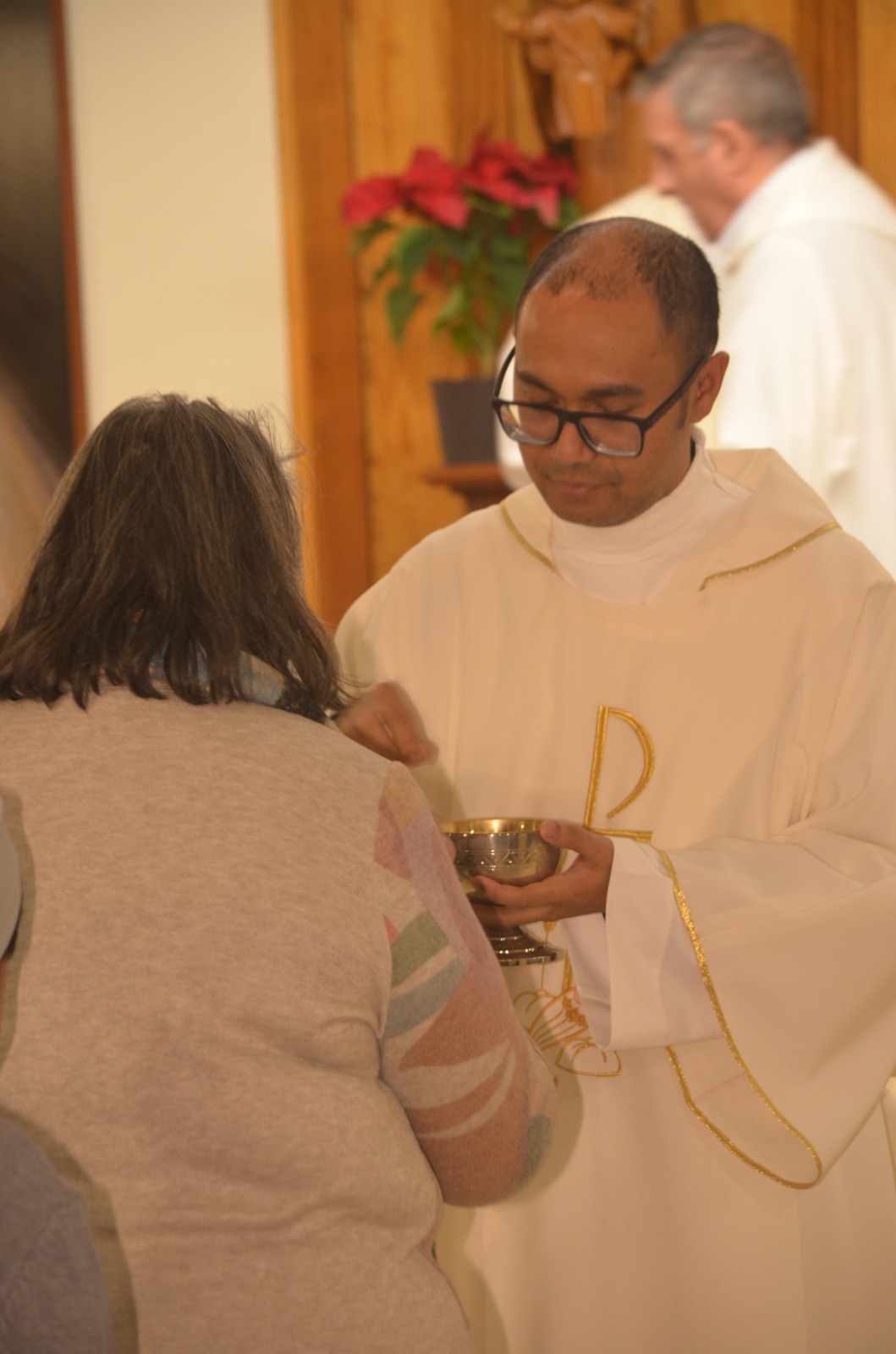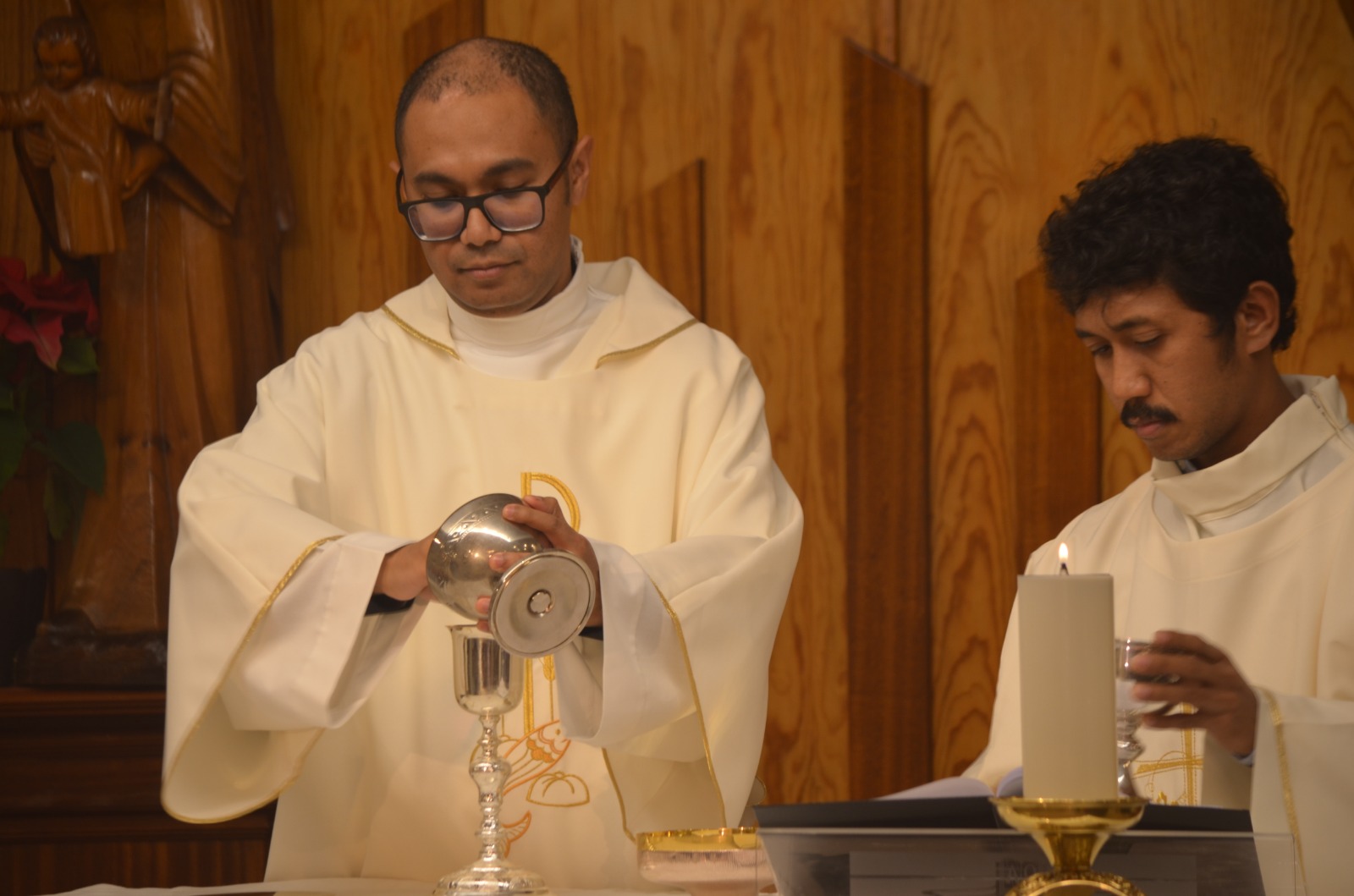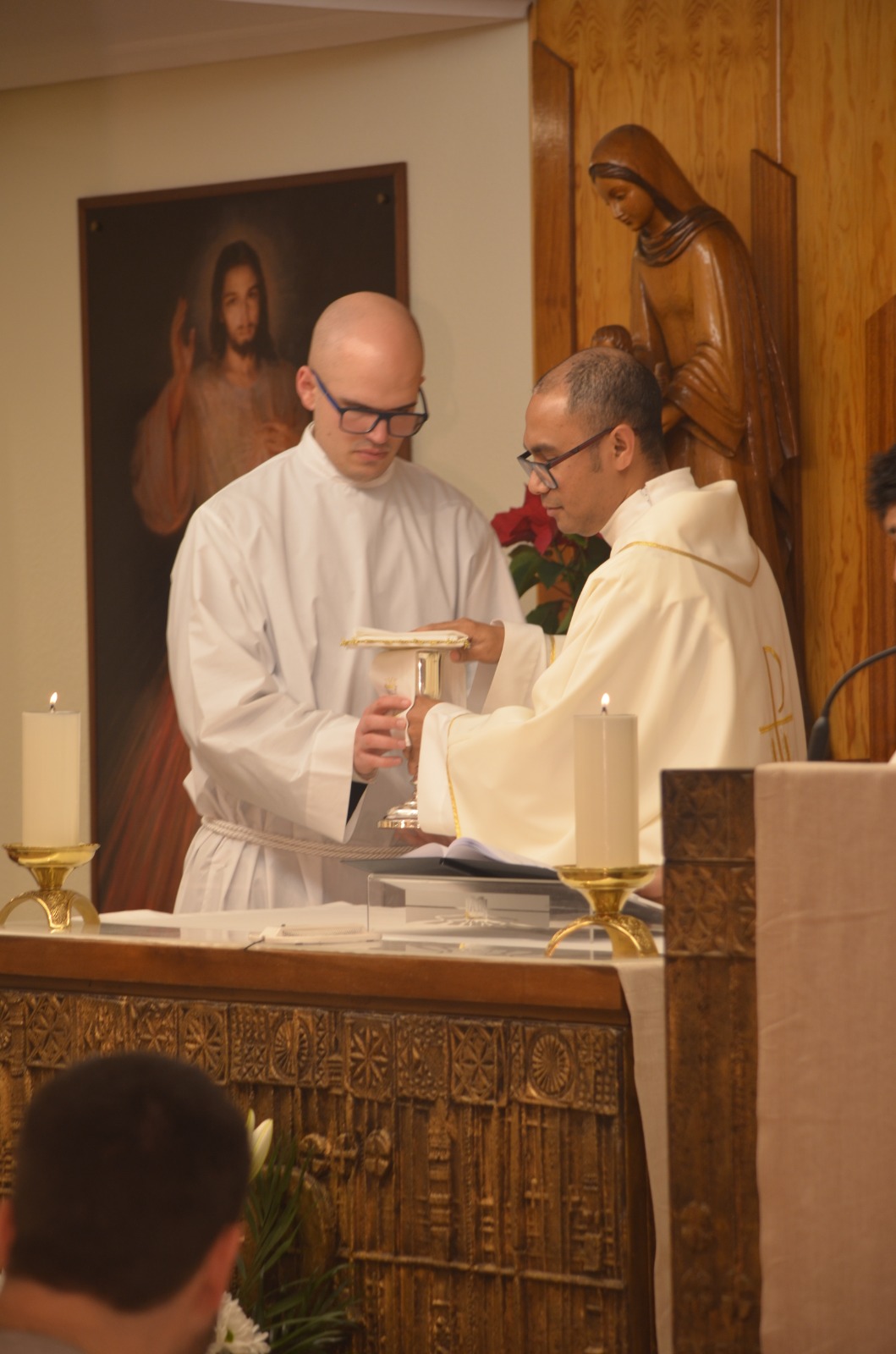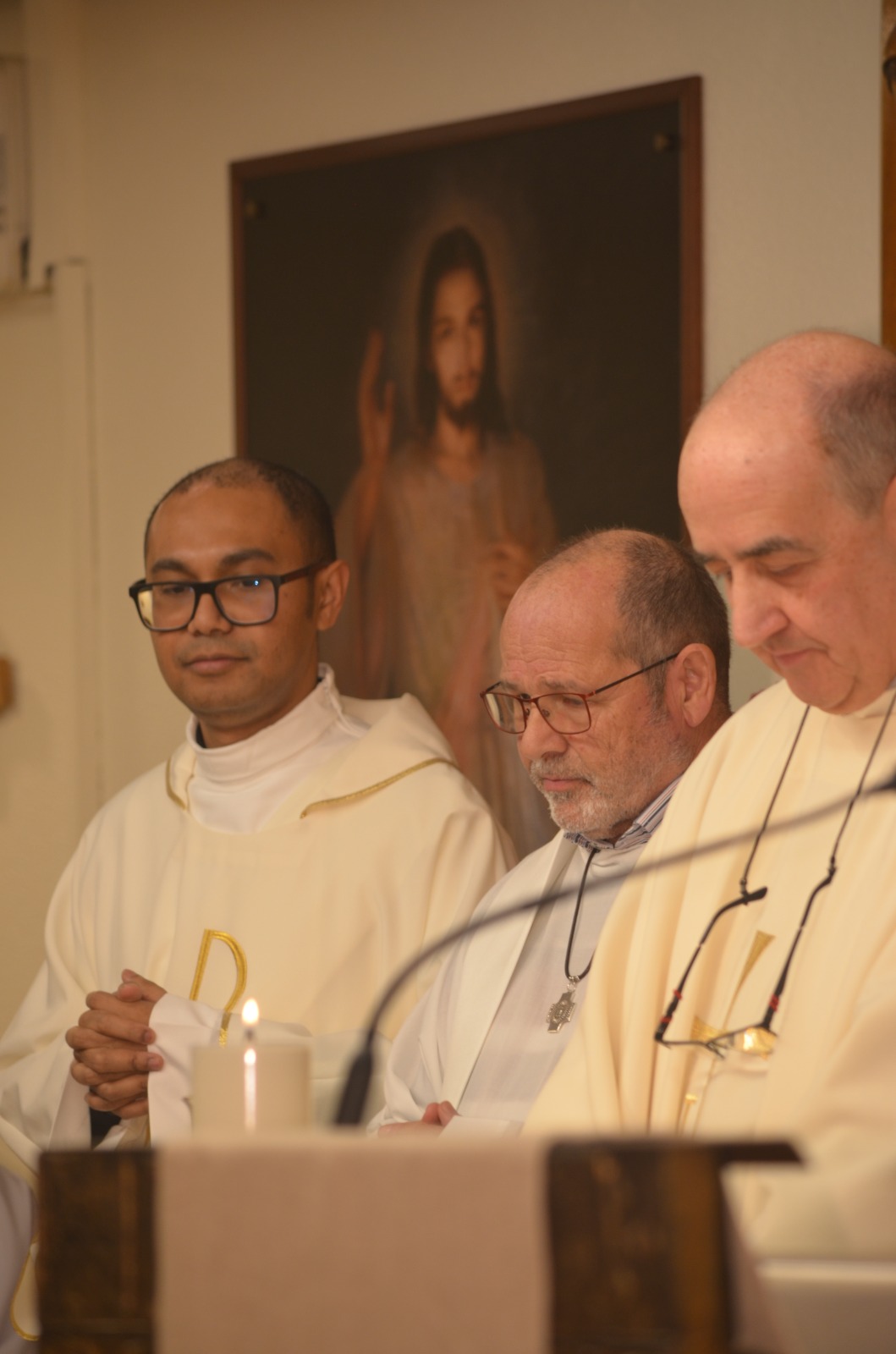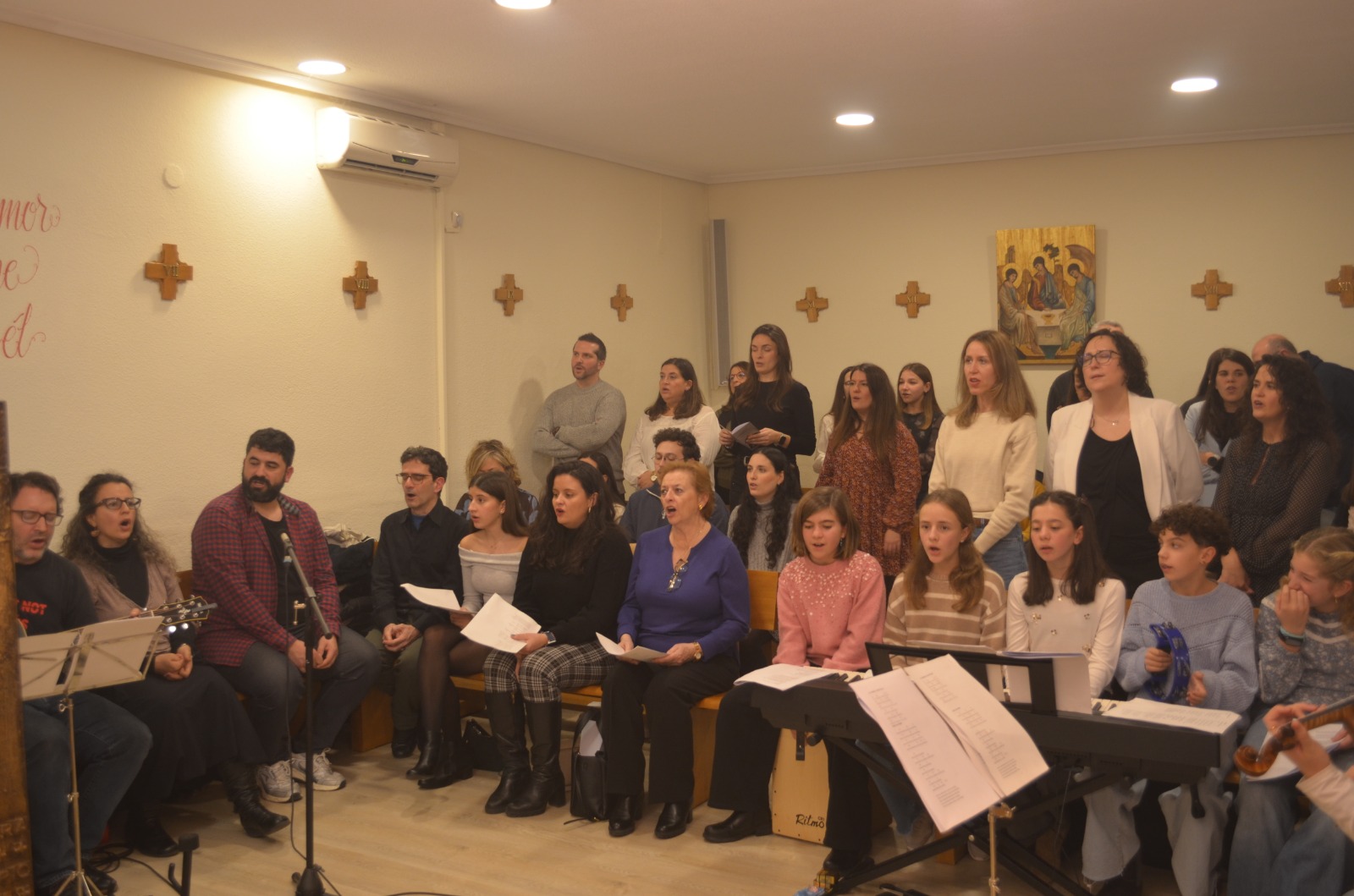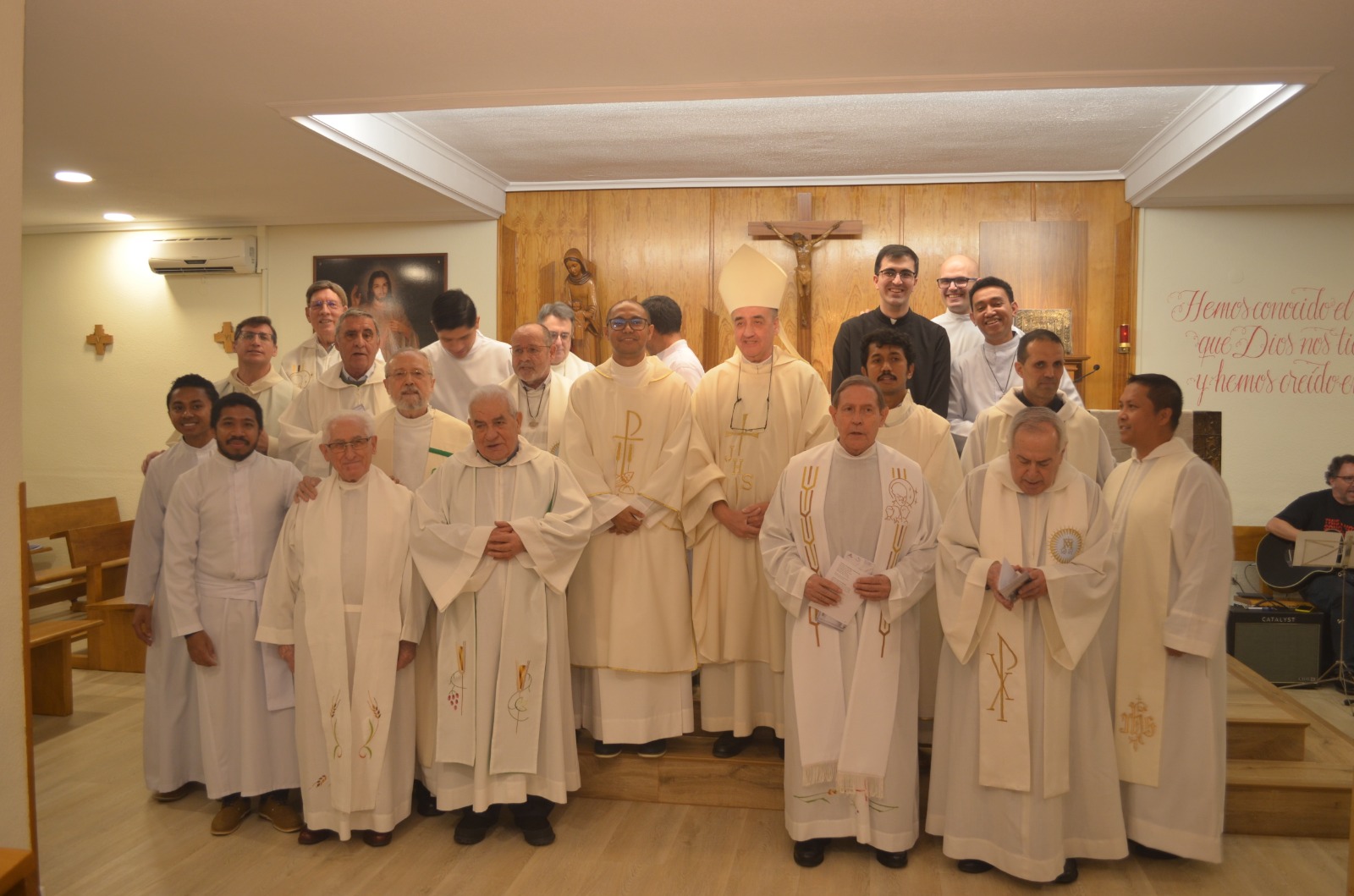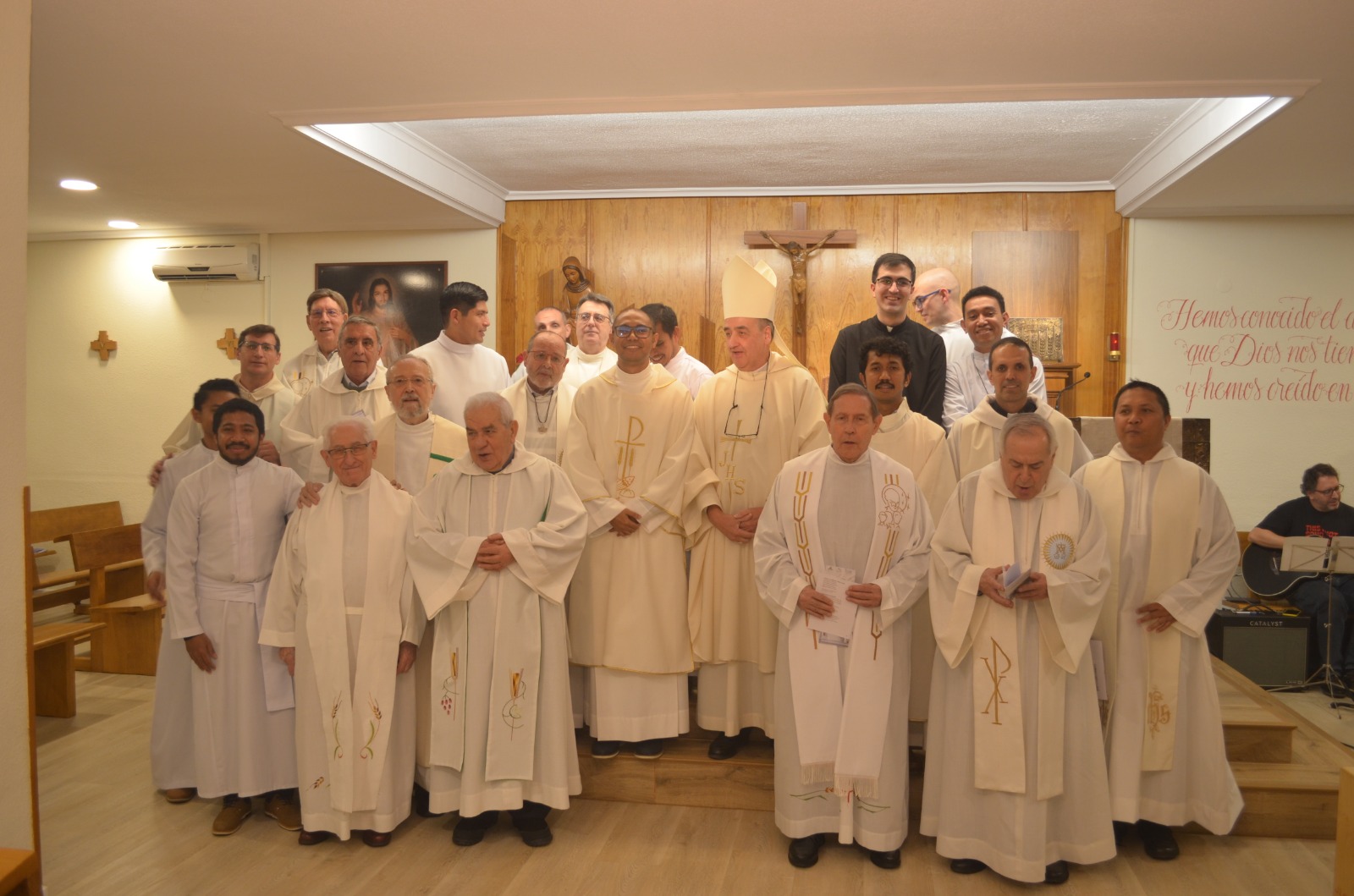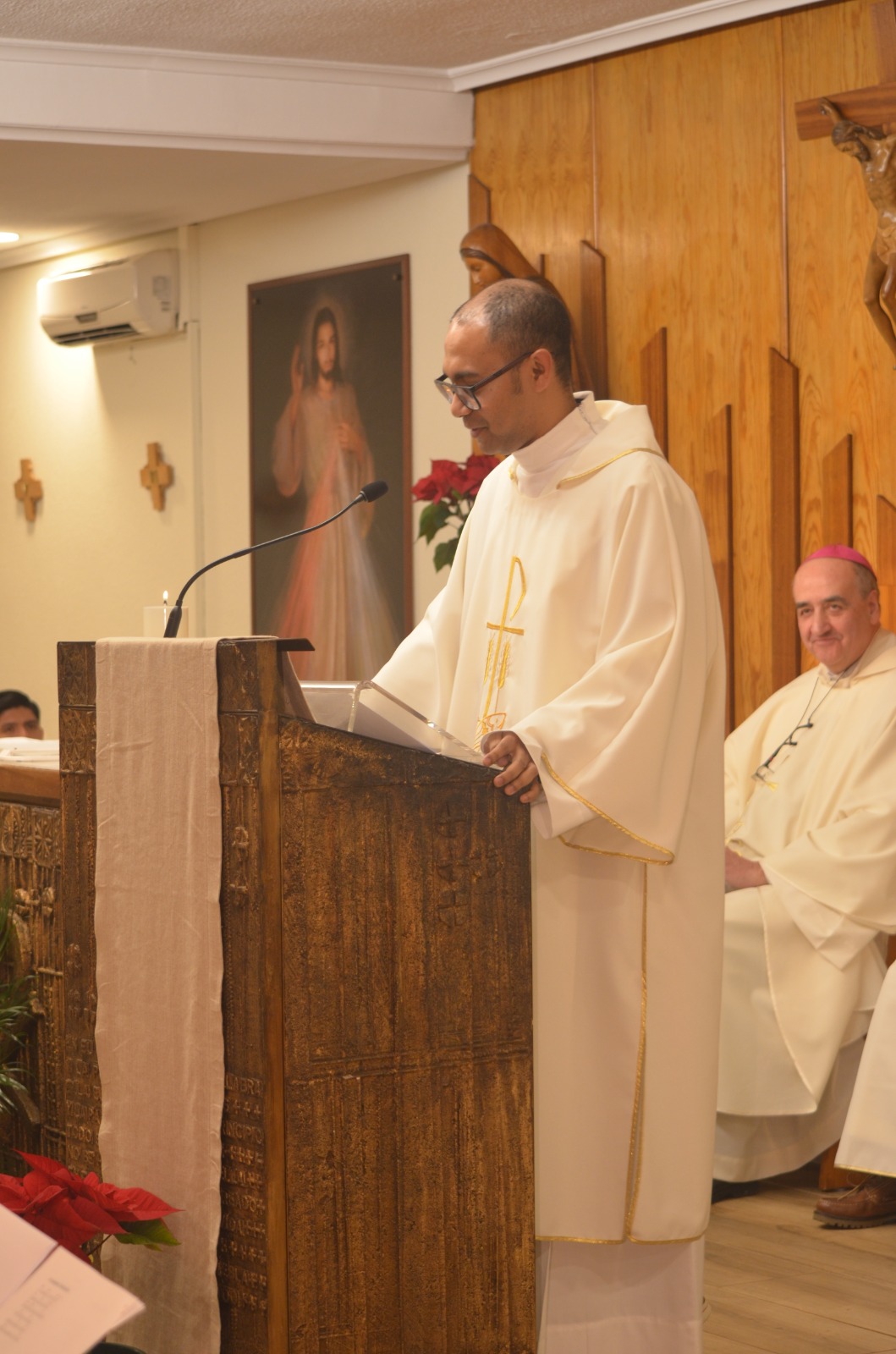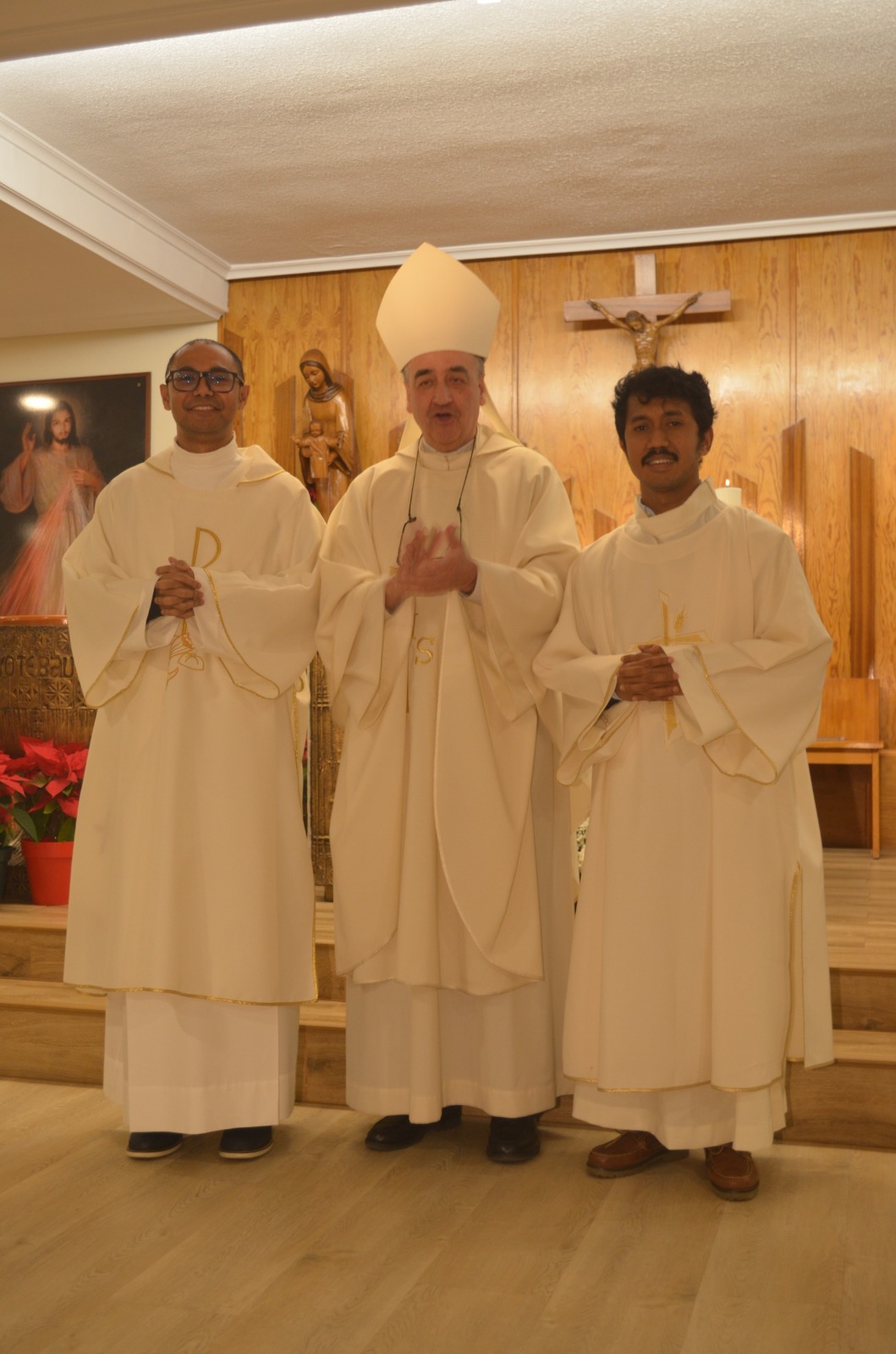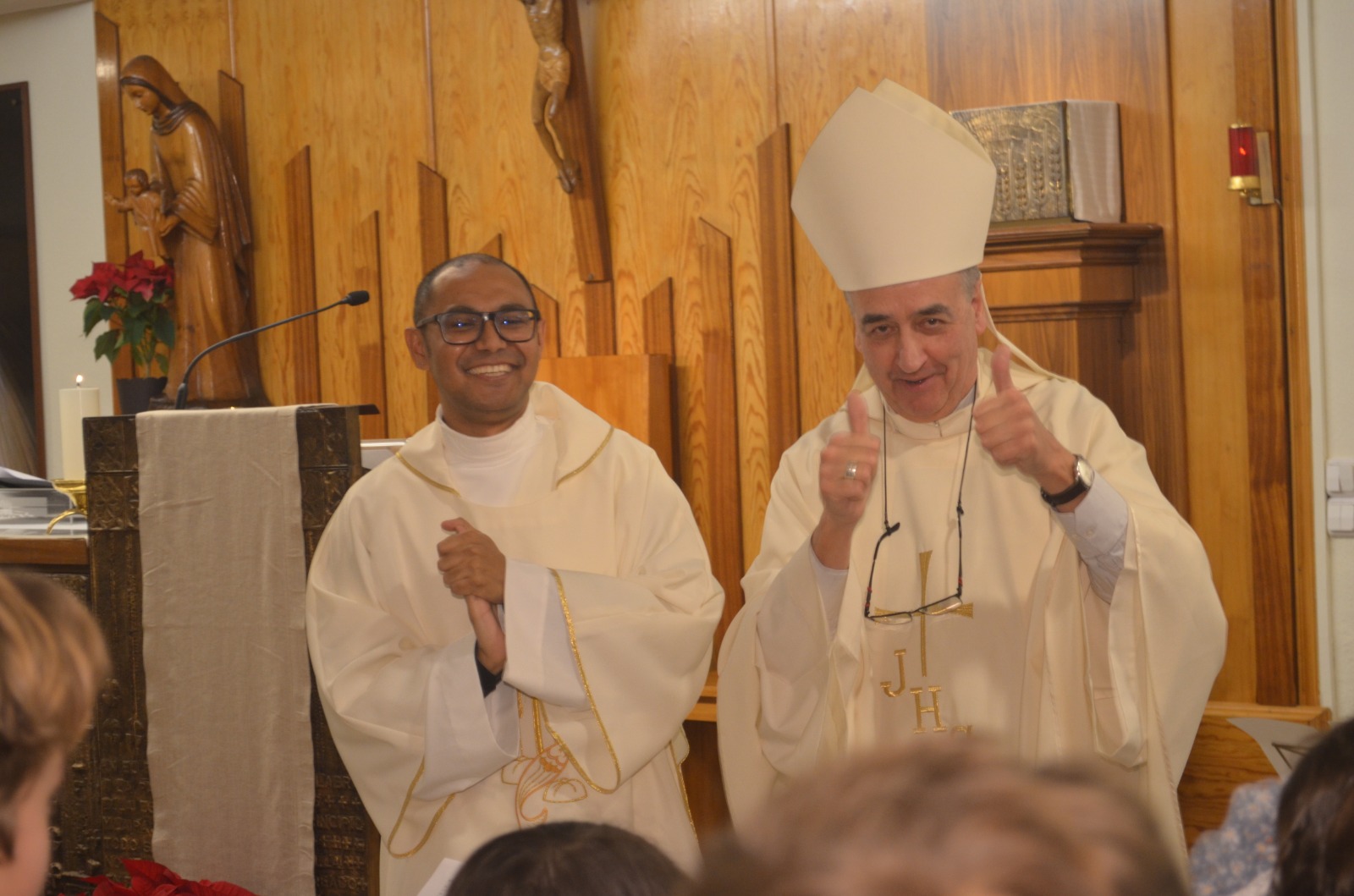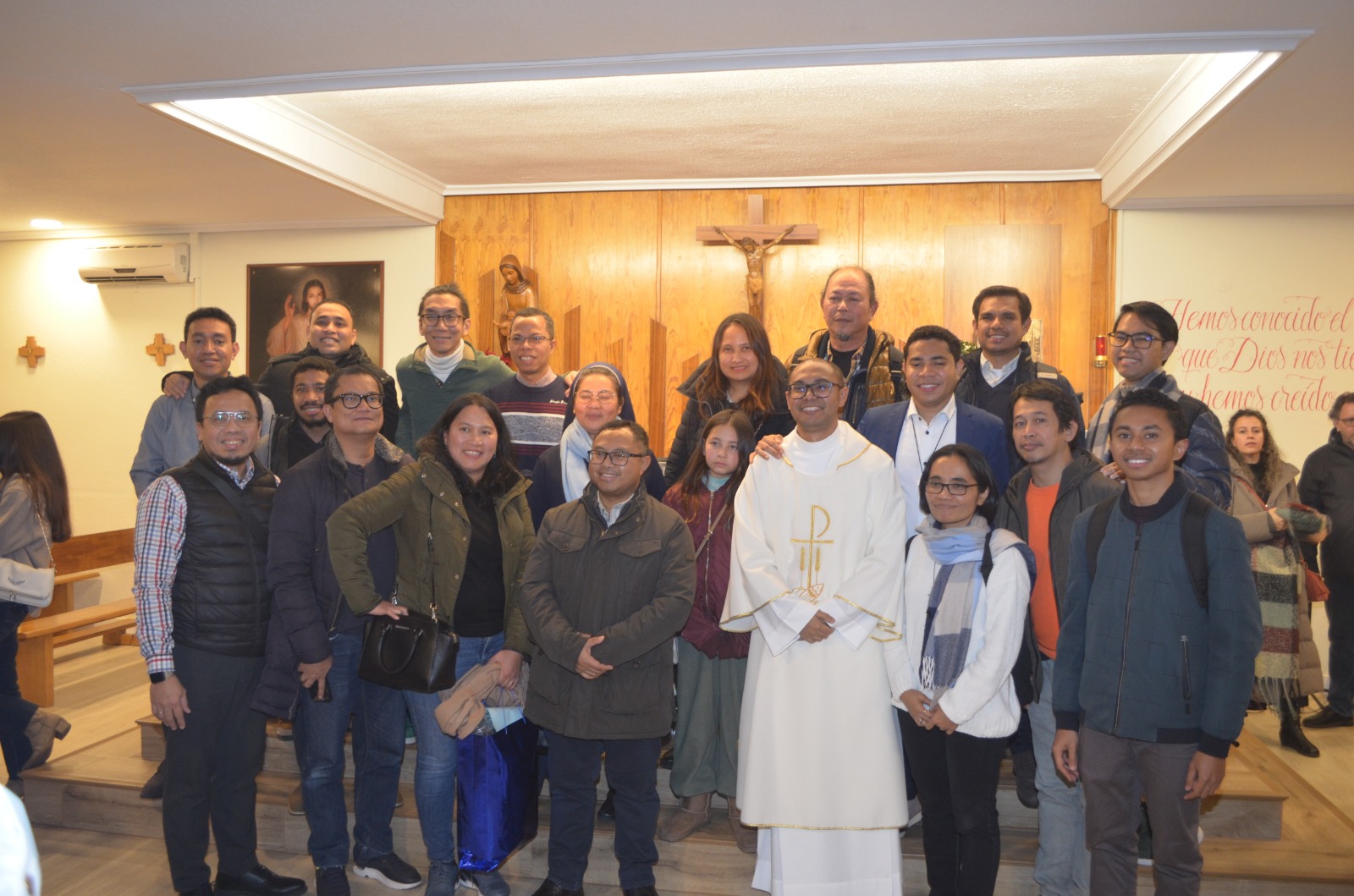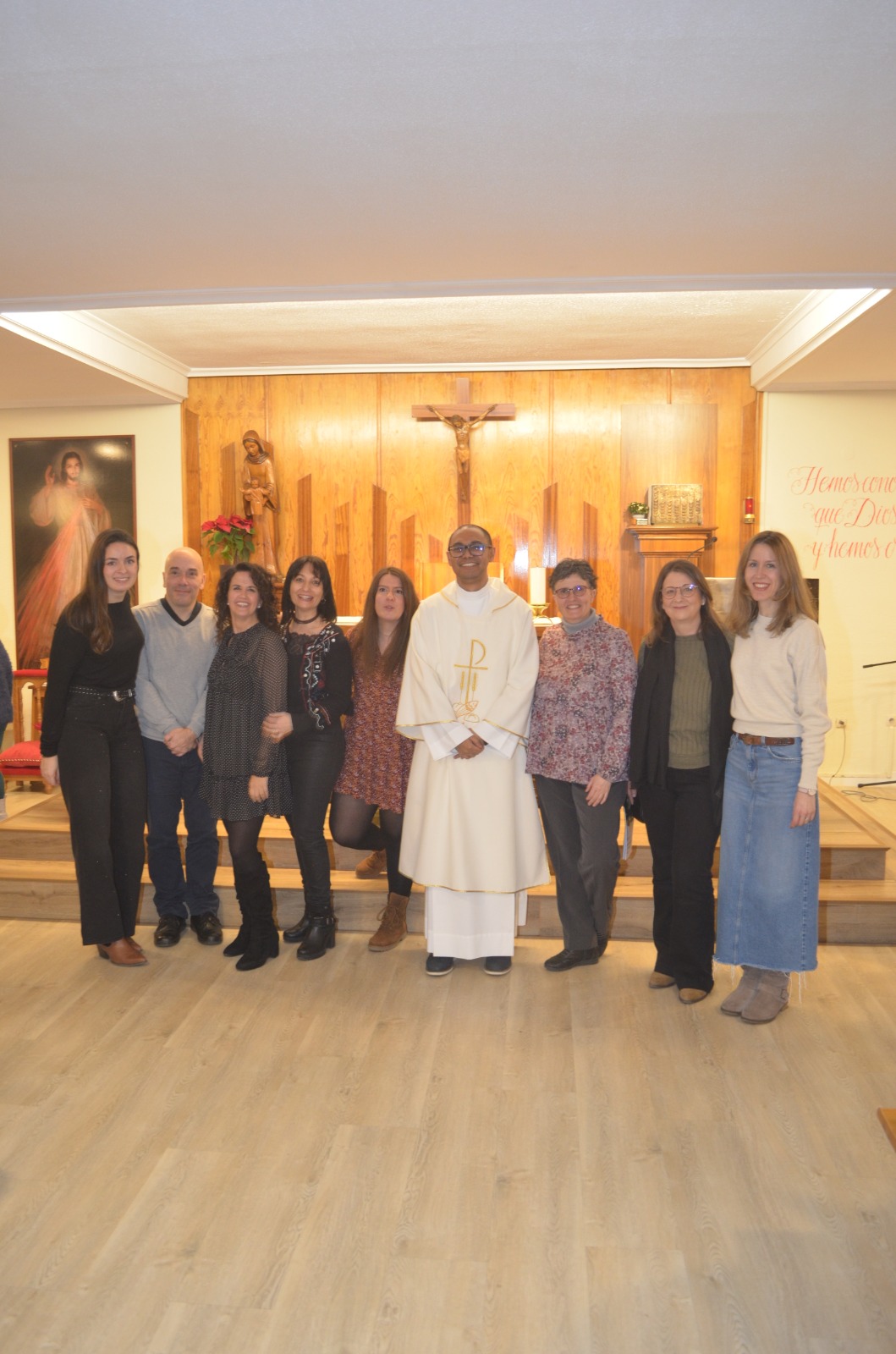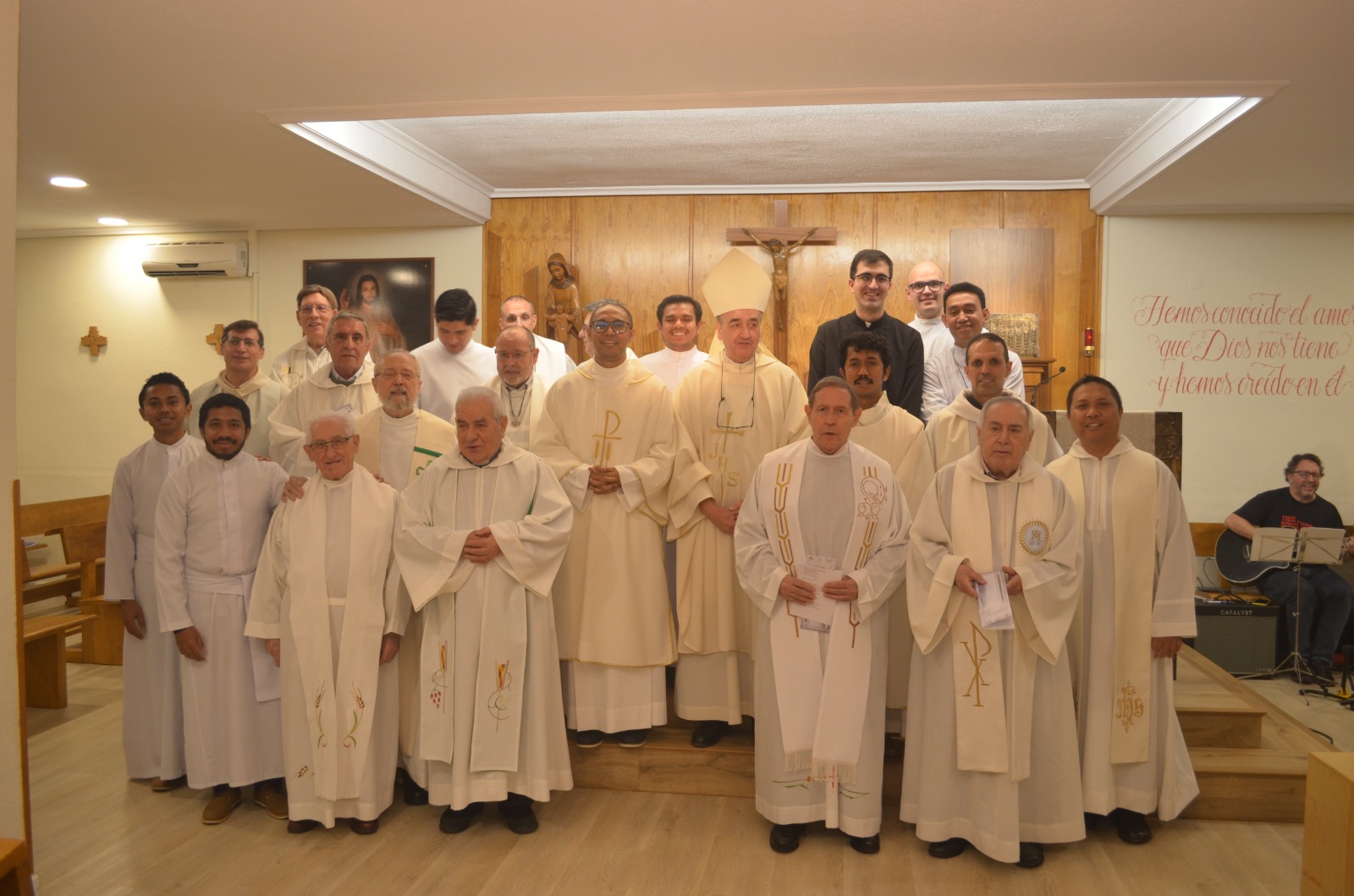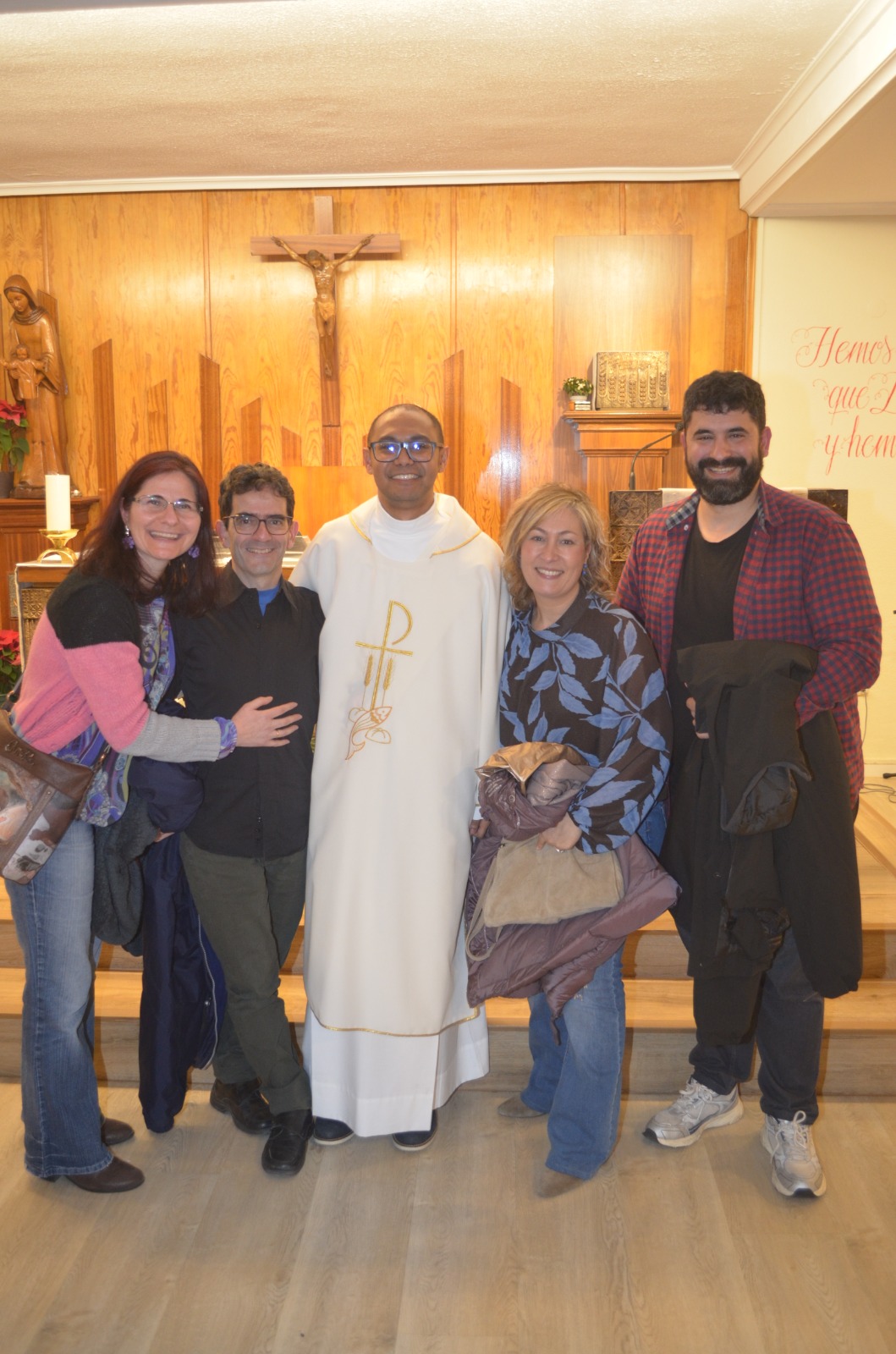
Those words I said — “Yes, I do, with God’s help” — still echo in my heart. I spoke them when the Bishop of Huesca and Jaca, the Most Rev. Pedro Aguado Cuesta, Sch. P., asked me during the rite for receiving diaconal ordination. Receiving the diaconate is not reaching a goal, but opening a new door towards a self-gift that began twelve years ago. Looking back, I can only feel a deep sense of gratitude. These twelve years of Piarist vocation have been, in essence, a school of love, in which God has been shaping the clay of my life with infinite patience.
Twelve years on the journey
Twelve years can seem a long time — or the blink of an eye. For me, they have been the time needed to understand that vocation is not a personal project, but a response to a divine initiative. From that first “come and see”, my path in the Pious Schools has unfolded through various mediations of God.
My first thought of gratitude is to the Lord, the protagonist of this story. Yet God does not show me the way alone; he does so through my Piarist brothers and my formators. In every community where I have lived, at every stage of formation, I have met men who, with their lights and shadows, have taught me what it means to live “in community for mission”. To them I owe firmness in faith and the understanding that no one is saved or made holy alone.
And yet my vocation cannot be explained only in cloisters or in books of theology. It is explained in encounters with “simple people”. I have found God in the children and young people who have passed through my life in these years: in their honest questions, in their laughter and in their needs. They — the little ones, the simple ones — have been my true teachers of humility. In them I have seen the face of Christ who suffers and who waits, the Christ whom Calasanz taught us to love above all things.
The Treasure and the Heart (Matthew 6:21)
There is a passage that has taken on a new meaning at this stage of my life: “Where your treasure is, there your heart will be also” (Mt 6:21). For a long time, one can seek one’s “treasure” in recognition, personal security or professional success. But religious life has its own pedagogy, which little by little strips away what is secondary.
I have discovered my treasure in the Pious Schools. It is not a material treasure, but the treasure of the Calasanctian charism: the joy of serving the community and the urgency of caring for children in need. My heart has found its place of rest and of struggle in serving disadvantaged children and in proclaiming the Gospel through education. When you understand that your treasure is the Kingdom of God made visible in “Piety and Letters”, your heart is set free. It no longer beats for itself, but keeps time with the needs of the world and of the Church. The diaconate is the official confirmation that my heart no longer belongs to me; it belongs to God and, through him, to the littlest ones.
The meaning of the Diaconate
For the Catholic Church, the diaconate is far more than a step on the way to priesthood. It is not a rung on a ladder. It is a ministry that remains within the identity of the one who receives it. The word diakonia means service, and that is the heart of this ministry. The deacon is called to be the visible sign of a Church that does not live for herself, but bows down — as Jesus did at the Last Supper — to wash the feet of her brothers and sisters.
The deacon serves in three fundamental dimensions: Liturgy, the Word and Charity. This ministry is a call to the “periphery”, to be present where pain and need are most evident. In the diaconate, the Church reminds us that all authority within her is service, and that the most authentic authority is exercised with an apron on.
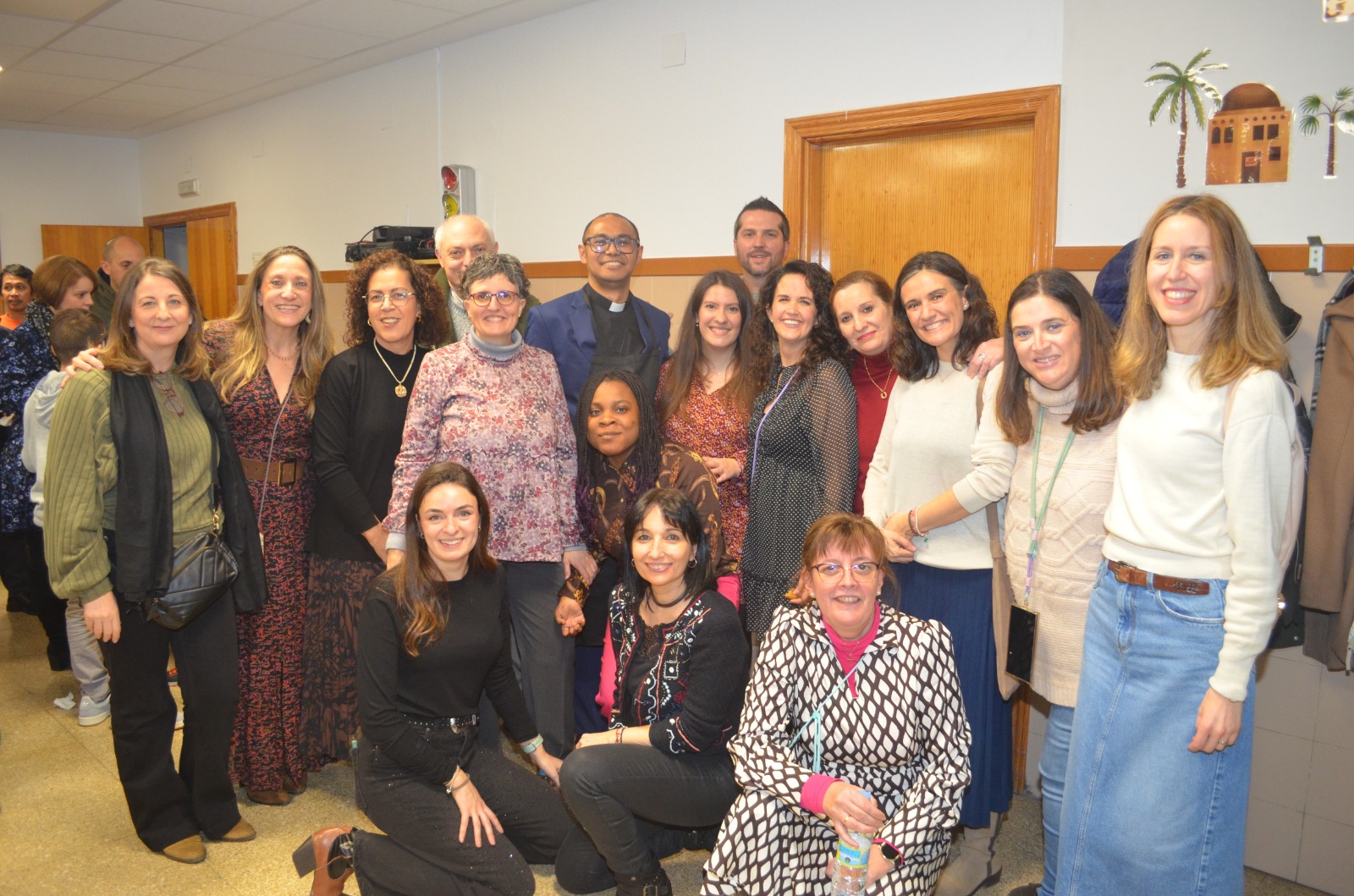
And how is this ecclesial meaning expressed in my identity as a Piarist religious? For us Piarists, the service of charity has a concrete name: “Christian Education”. My diaconate is lived today, in a very special way, in the classrooms of our Piarist school in Alcalá de Henares. At present, I serve as a teacher in this house. My treasure is here: between chalk and books; in the chapel when I celebrate with the pupils; in catechesis; among my colleagues; and, above all, among the children and young people of Alcalá. Because my treasure is here, I can say with complete freedom that my heart is there.
By Robertus Meak, Sch. P.