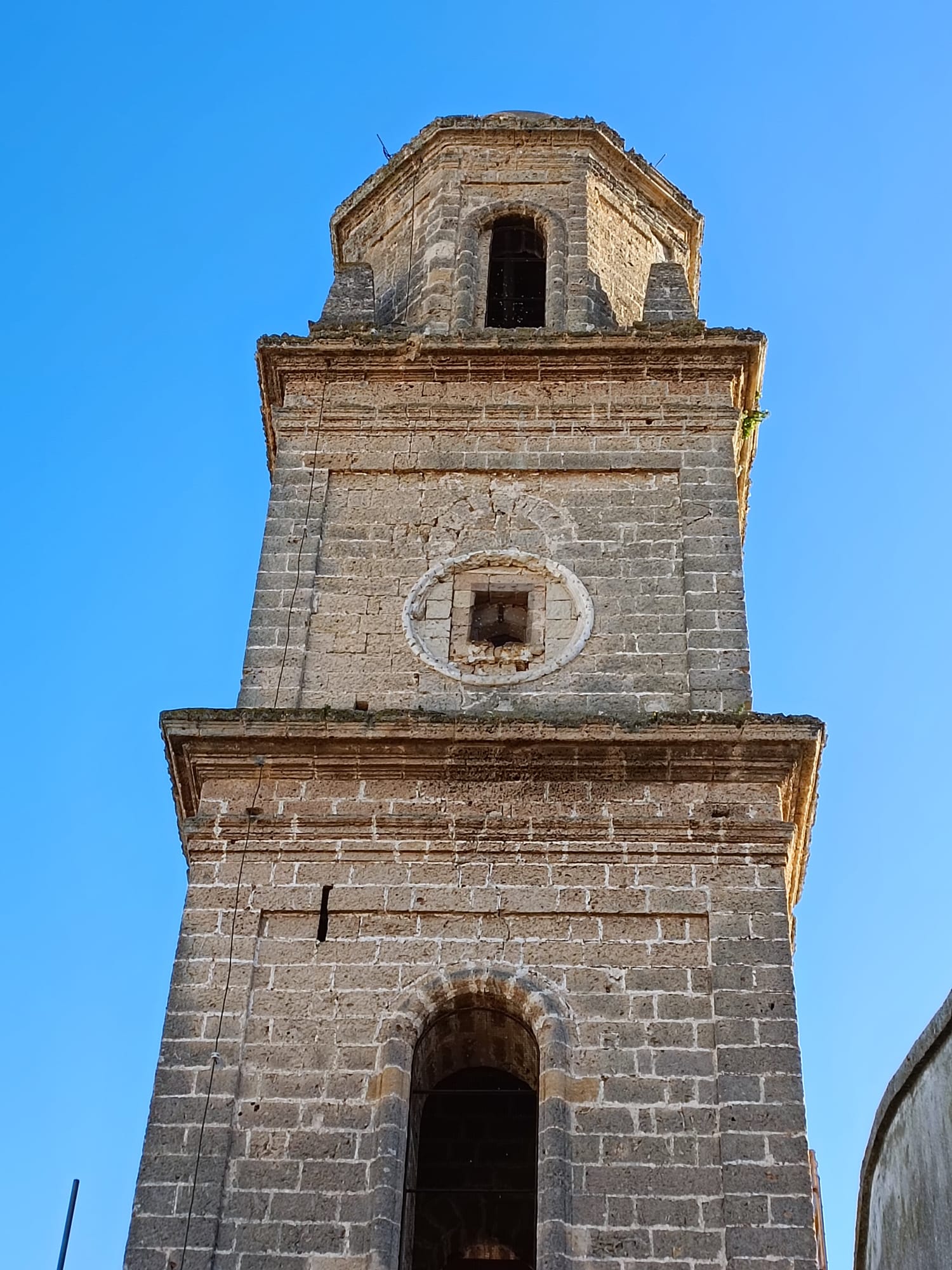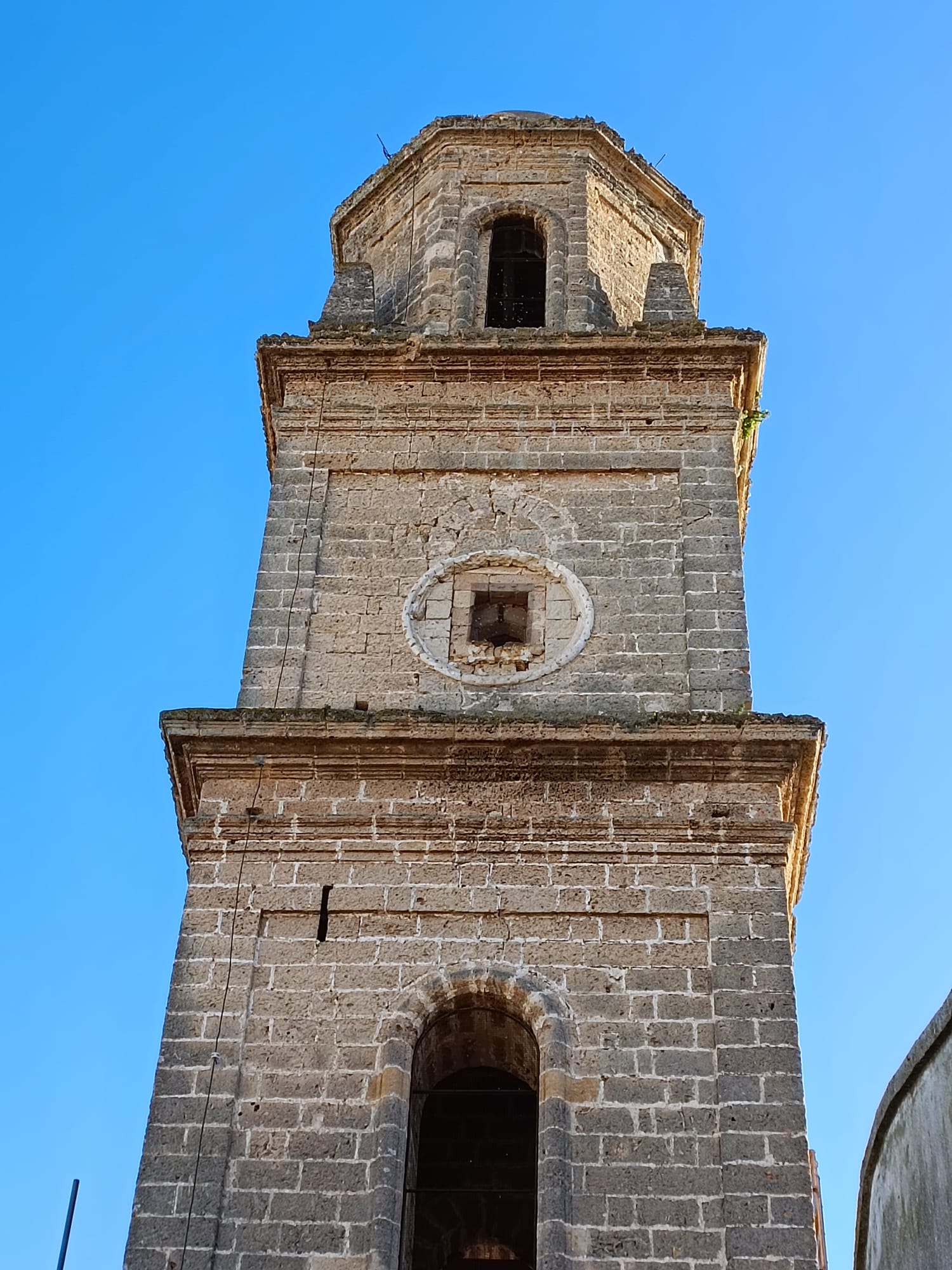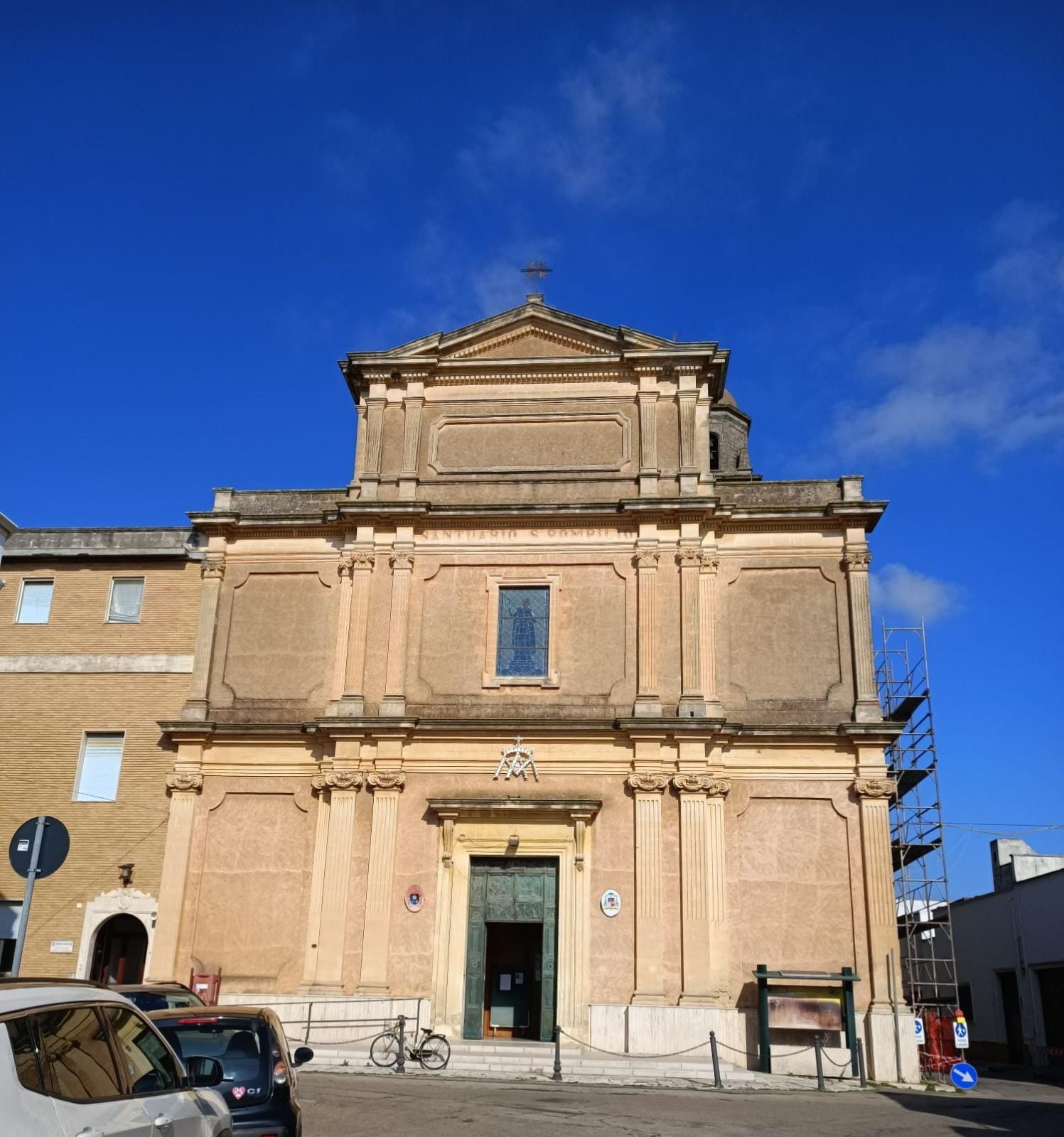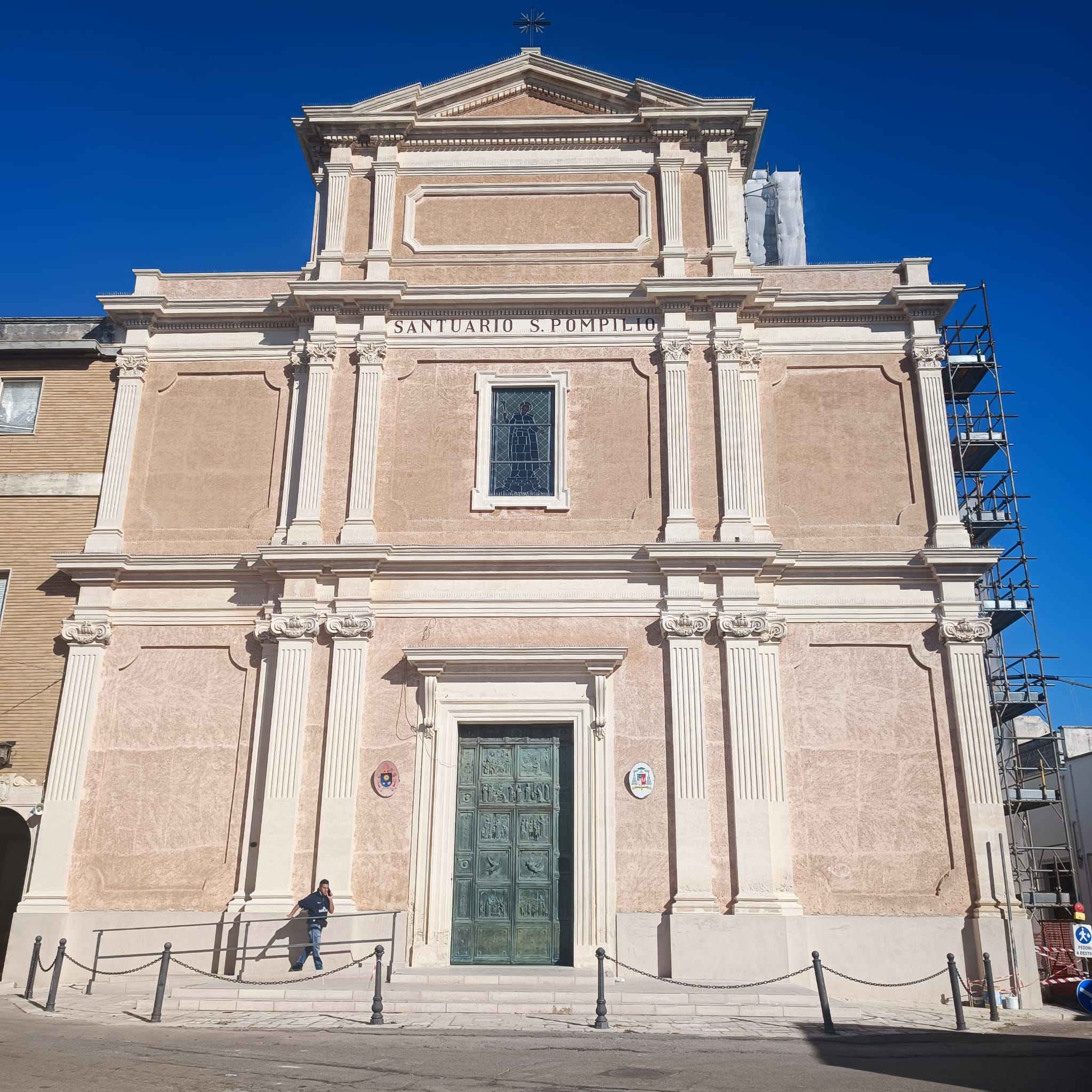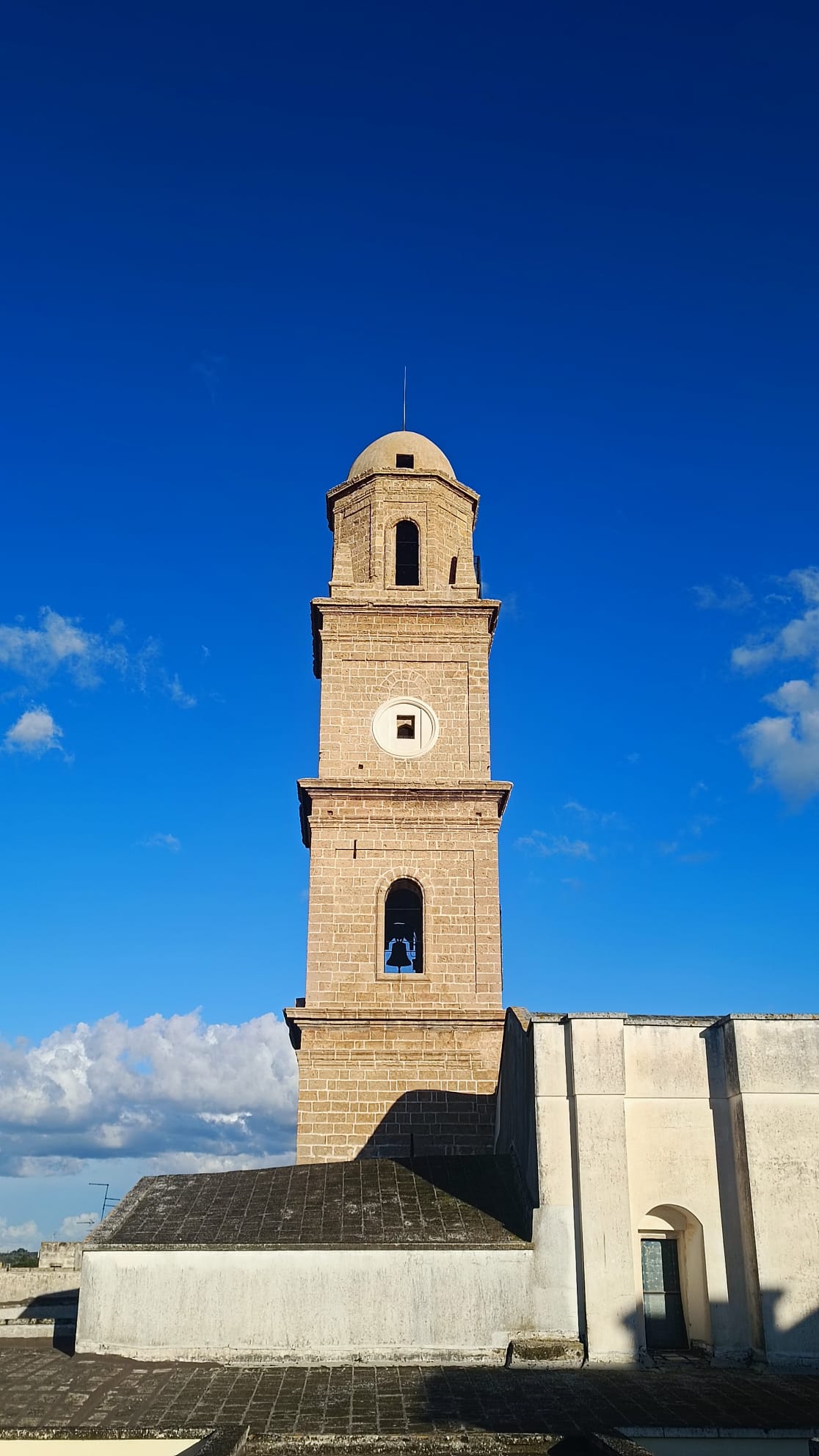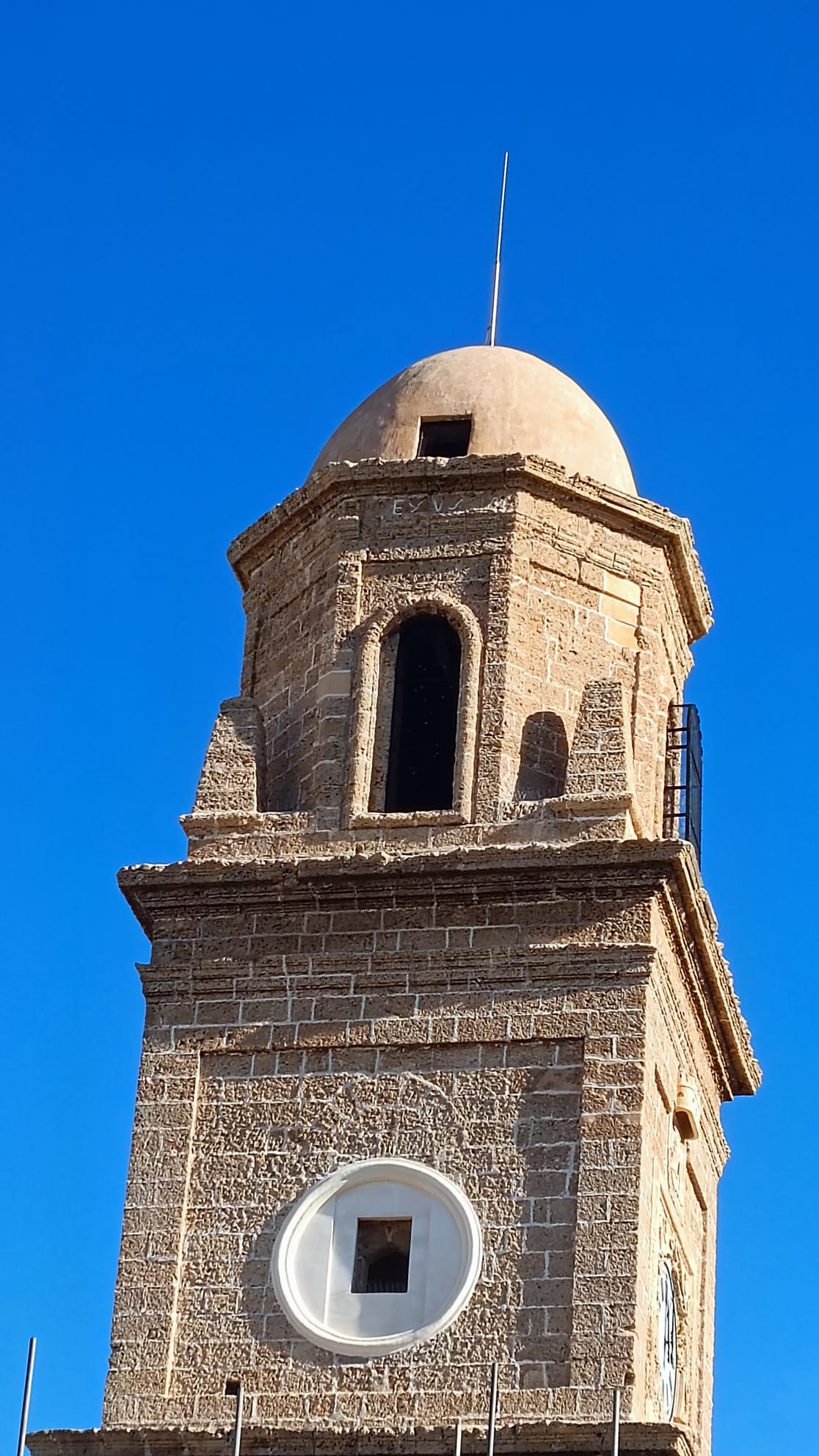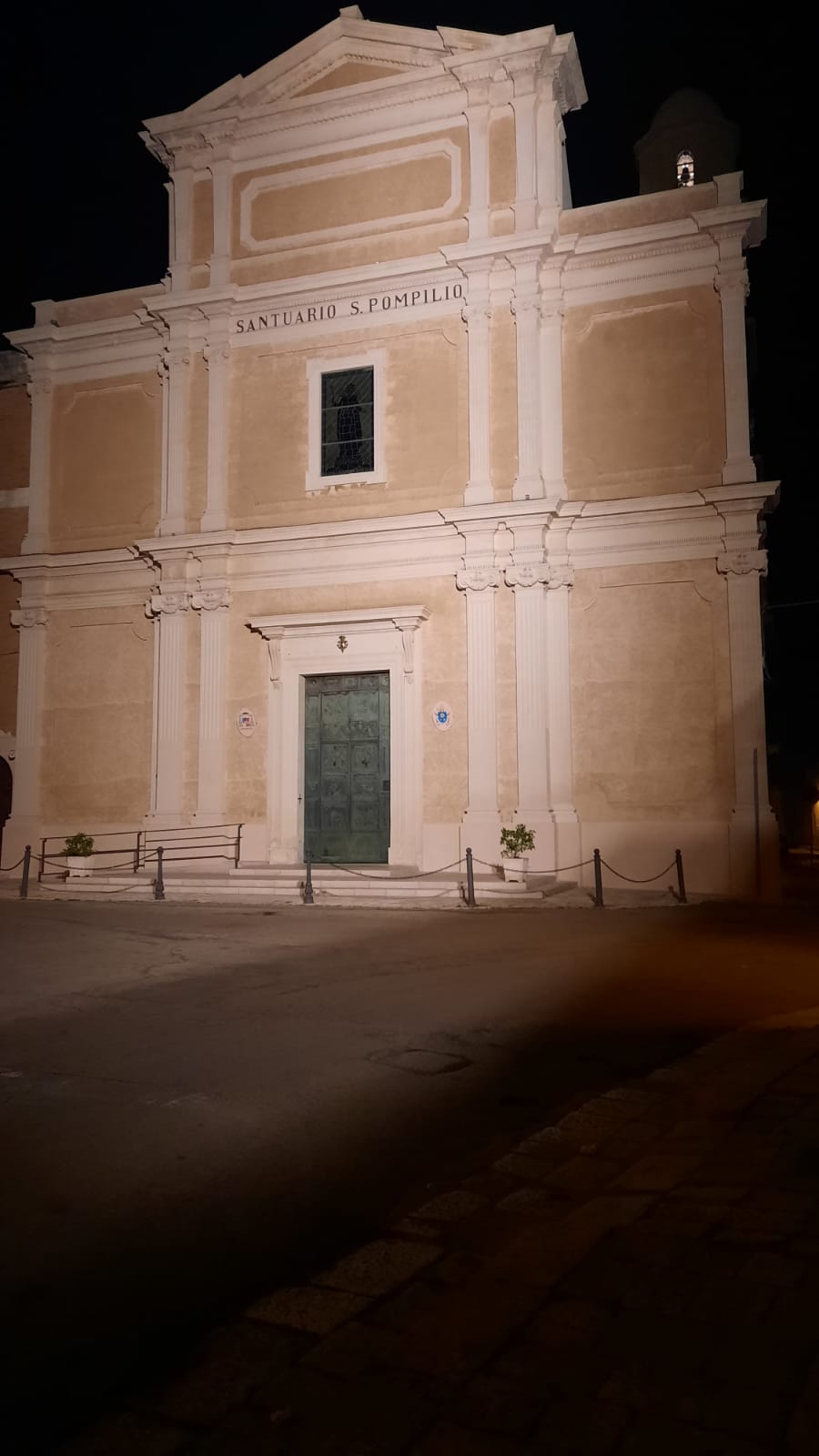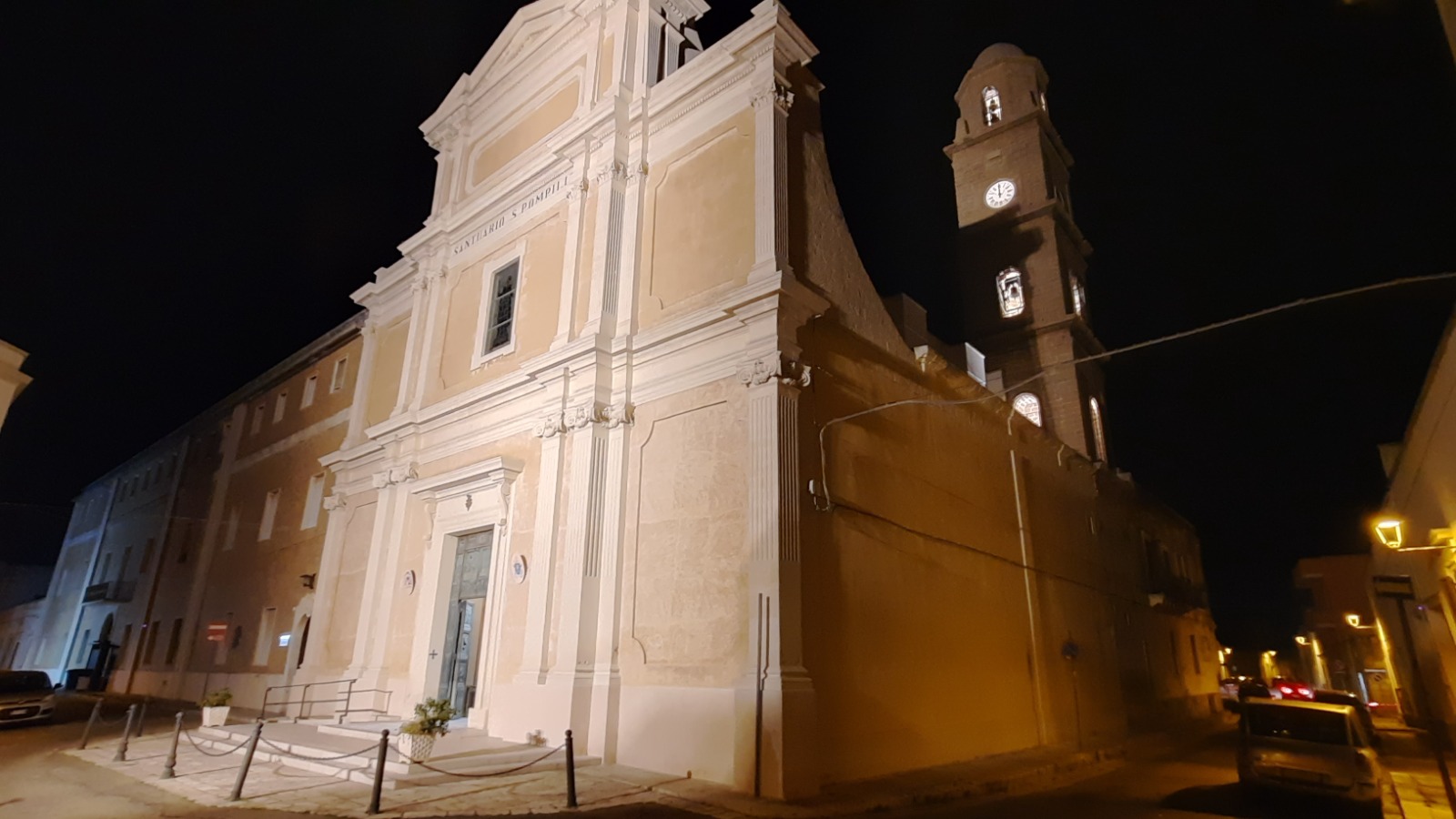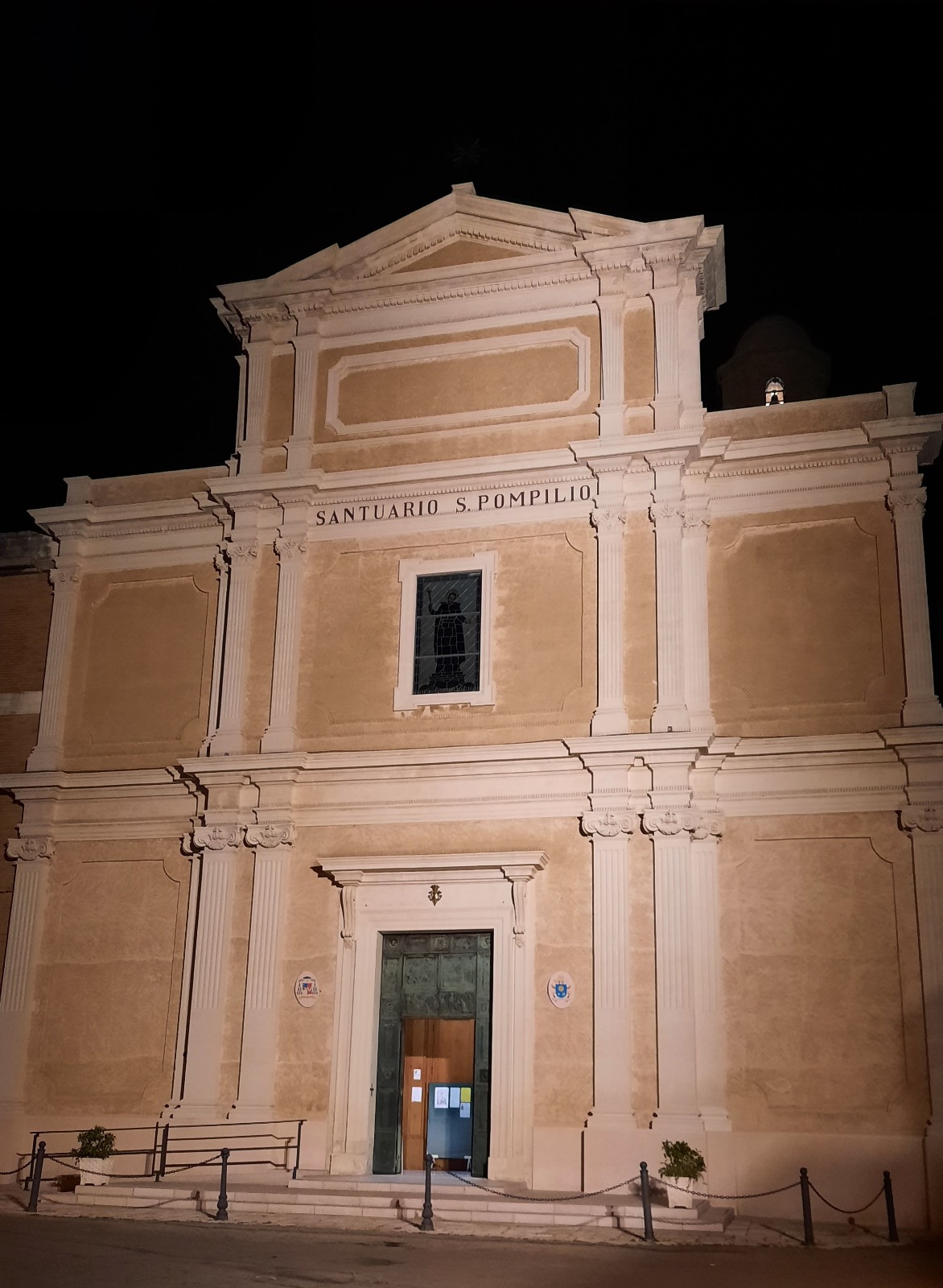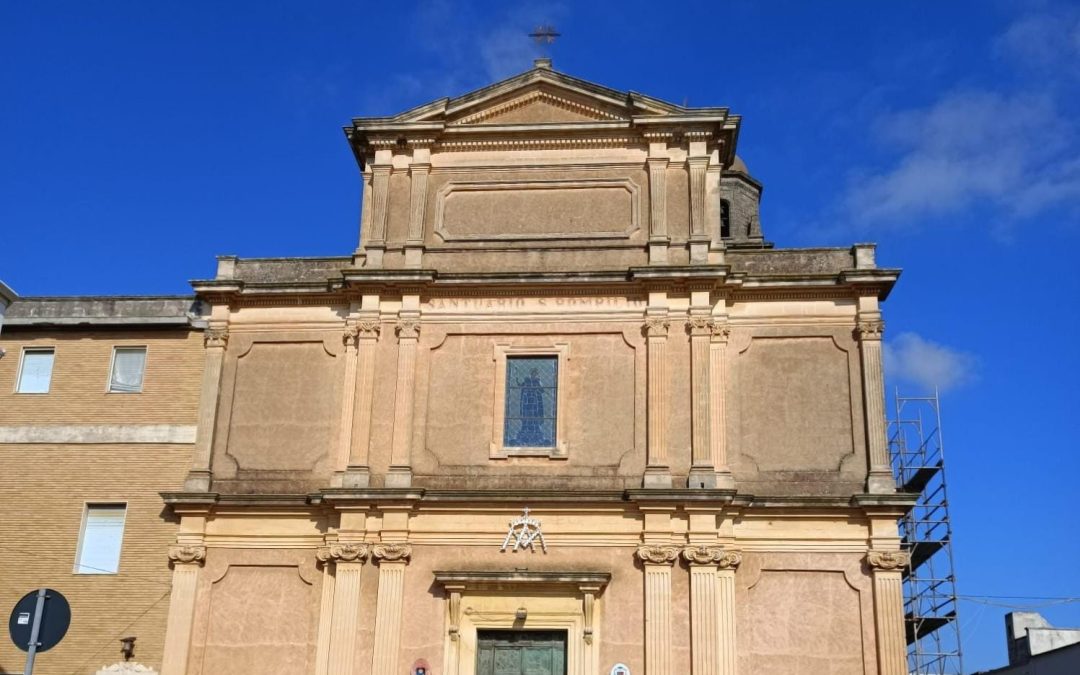
The Sanctuary of San Pompilio Maria Pirrotti was the subject of restoration and renovation work on the façade materials, carried out with funding from the Italian State, the “Bonus Facciate” (Law No. 160 of 27/12/2019). The Works, completed in December 2022, involved the main façade of the Church, the side façade on Via P. Filippo Ciotta and the bell tower.
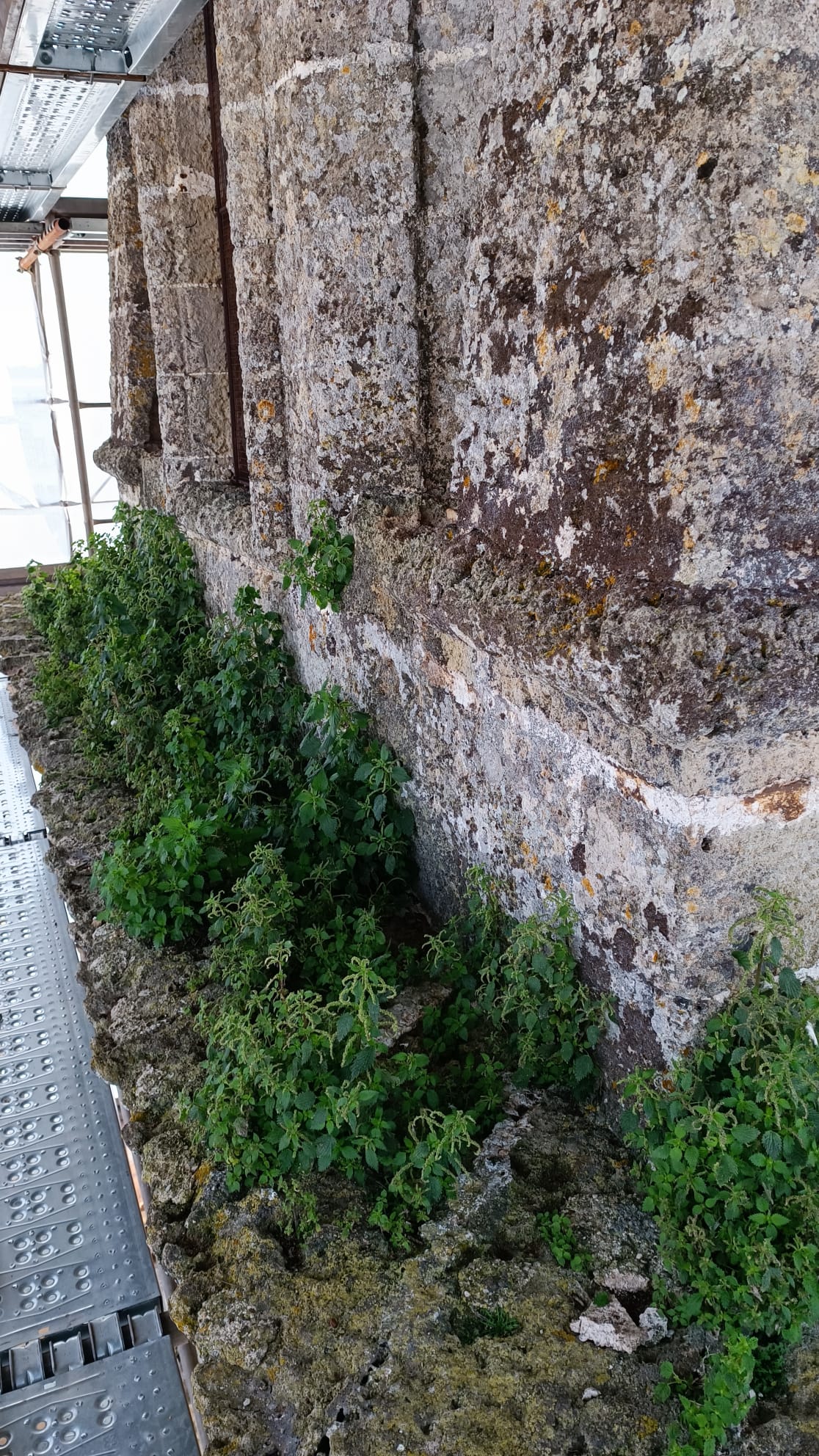
The need to intervene in the religious building arose from the need for conservative restoration. The architectural elements showed a generalised state of erosion due to prolonged exposure to the elements and the absence of maintenance work. In particular, in 2019, the main façade of the Church was affected by falling debris, and a few years earlier, the dome of the bell tower had been seriously damaged by lightning striking its top. The bell tower itself was in mediocre static condition due to static consolidation work some 40 years ago, which did not benefit the structure in any way. It triggered further damage to the wall face due to the oxidation of the irons used.
After analysing the problems and deterioration of the building, the work site began with cleaning all the wall surfaces, employing appropriate hydro-washing and using specific products to eliminate the natural patina associated with humidity and atmospheric pollution. This was followed by the restoration of all the stone surfaces, with particular attention to the detached parts of the Lecce stone friezes of the Church, and the four façades of the Bell Tower, whose cornices, separating the five orders, showed significant deterioration.
The marble wainscoting on the main façade and the concrete wainscoting on Via Ciotta, which severely limited the breathability of the wall support, were then removed, and they were rebuilt with natural hydraulic lime-based mortars and a washed earthenware finish.
While it was decided to safeguard the cocciopesto plaster of the main façade, which was in a good state of conservation, the plaster on Via Ciotta, which had deteriorated in several places, was removed and replastered. This operation brought to light the cornices of the old 17th-century door and the upper window, thus confirming the presence of the Church’s secondary entrance door, as shown in the plan drawn up in 1635 by Fr. Pietro Maldis di S. Giuseppe.
The other material restoration operations included consolidation of the decohered material, removal of plastering and unsuitable elements, grouting of micro cracks and joints, reintegration of small portions of stone, bleaching of the Lecce stone and surface protection of the stone material with lime water, all in agreement with the competent Superintendency.
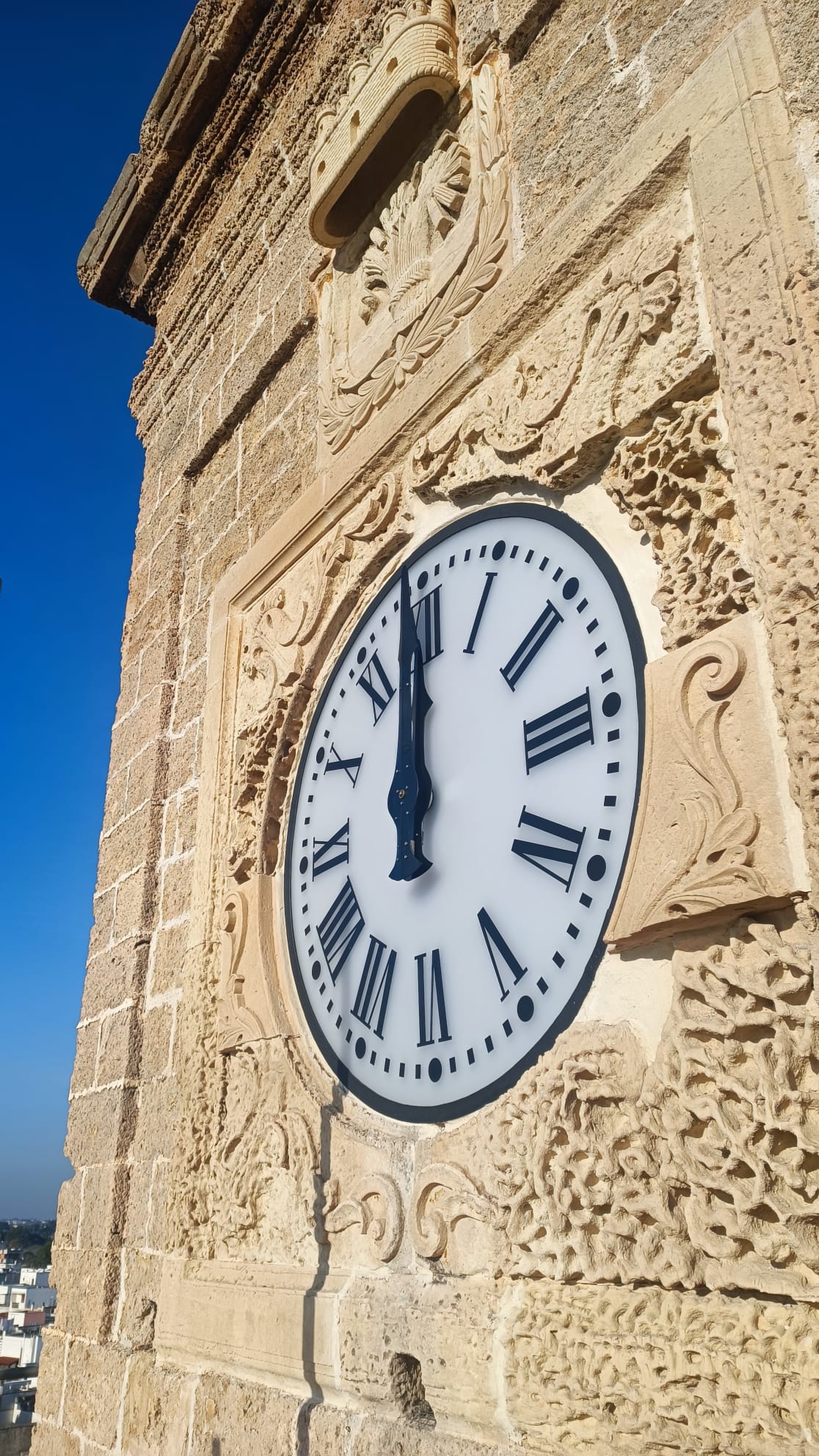
The clocks, positioned since the end of the nineteenth century on the fourth order of the bell tower, were also the subject of the restoration project: the frames of the west and east clocks were rebuilt with fine-grained lime mortar, faithfully following the original shape.
The south clock’s glass face, fractured in several parts, was removed and secured to ensure public safety. The wall clock, dating back to 1912, made by the company ‘Premiata Fabba Orologi Fontana Cesare’ of Milan, had not been functioning for many years. The glass plate and the antique wrought-iron clock mechanism, which was also dismantled, are currently in a room at the Calasanzio Institute, awaiting restoration.
The glass plate was replaced with a satin-finished cast acrylic plate on which the original hands were inserted.
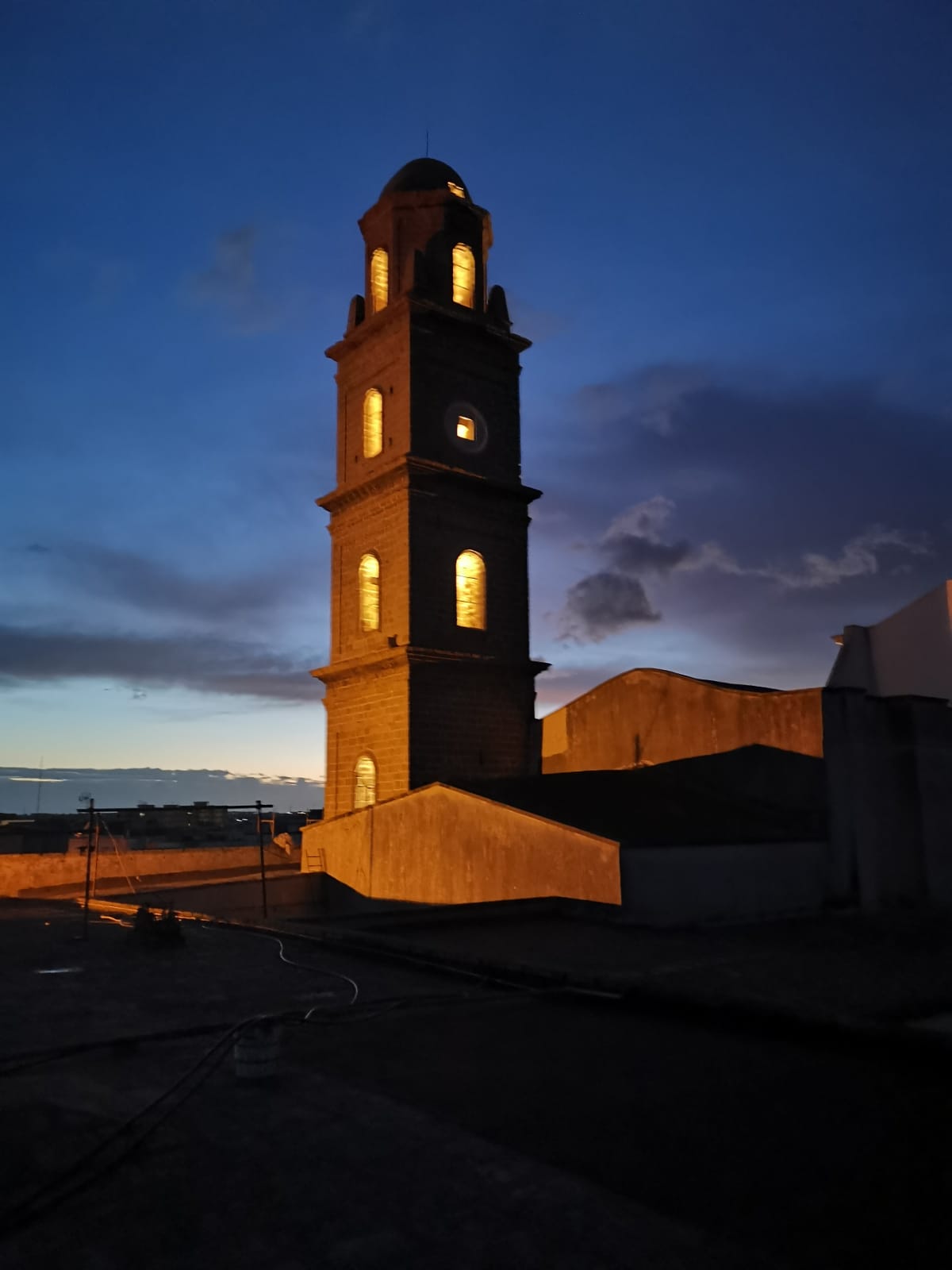
Finally, the project involved restoring the lighting system, thanks to which it is possible to fully enjoy the newly restored Church’s beauty.
Arch. Rita Perrone – Design and Works Management