Day 1: Friday, 5 July
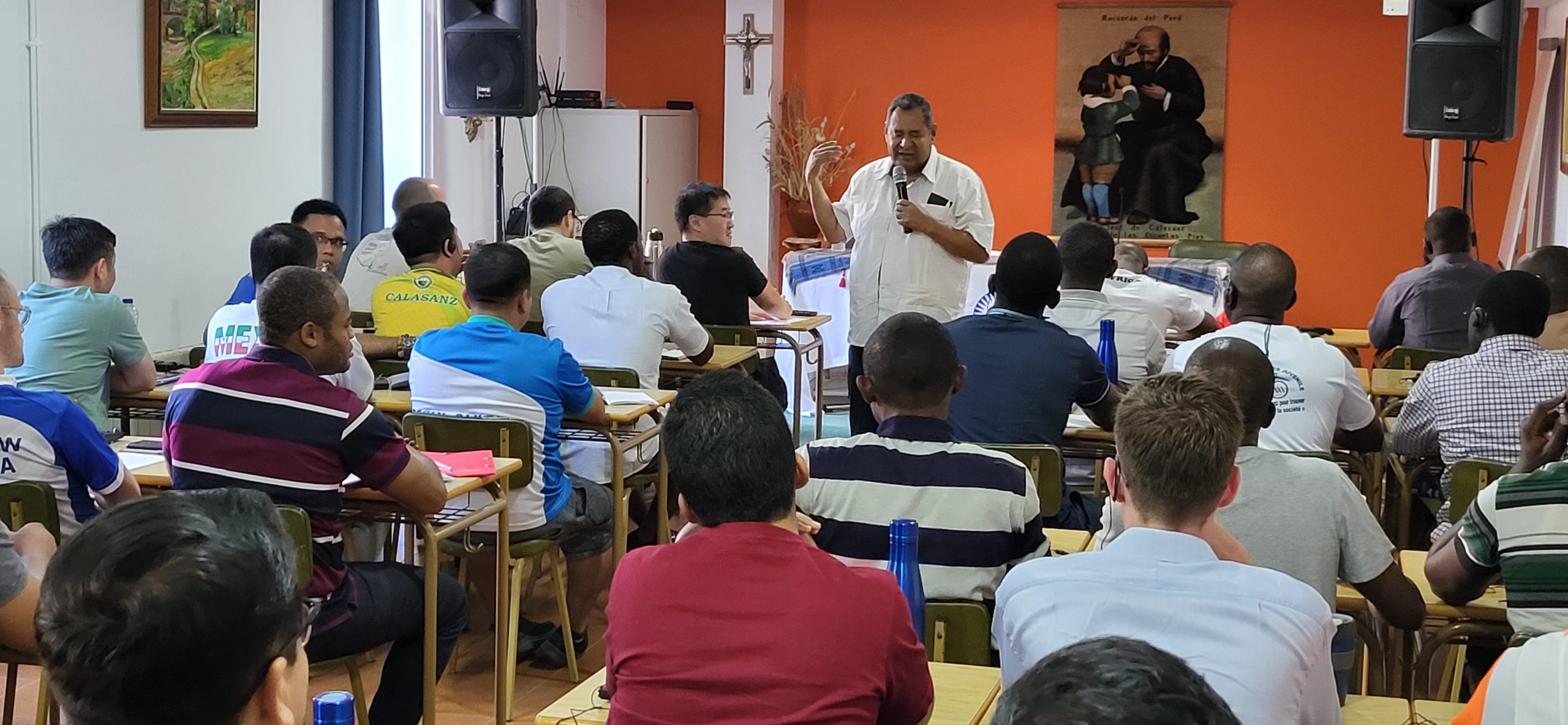
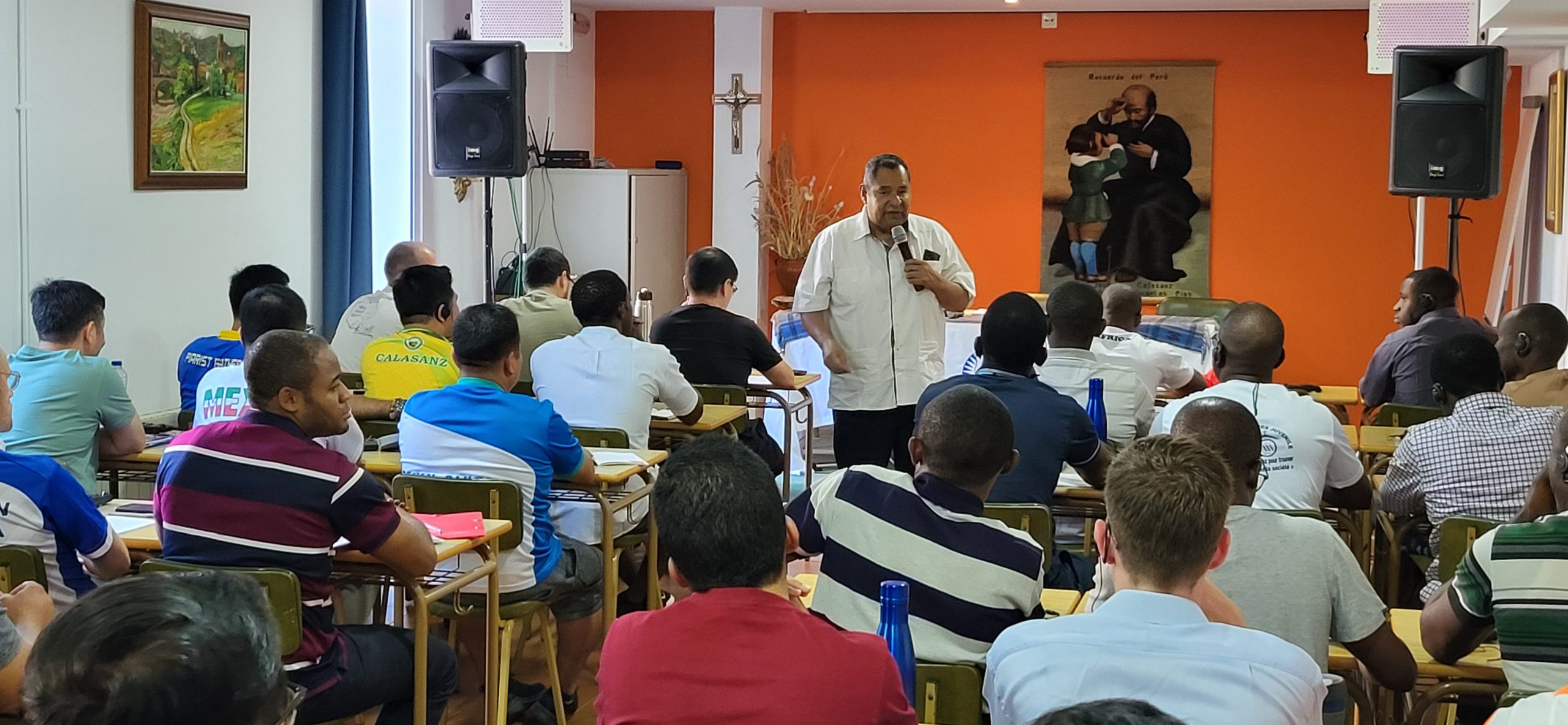
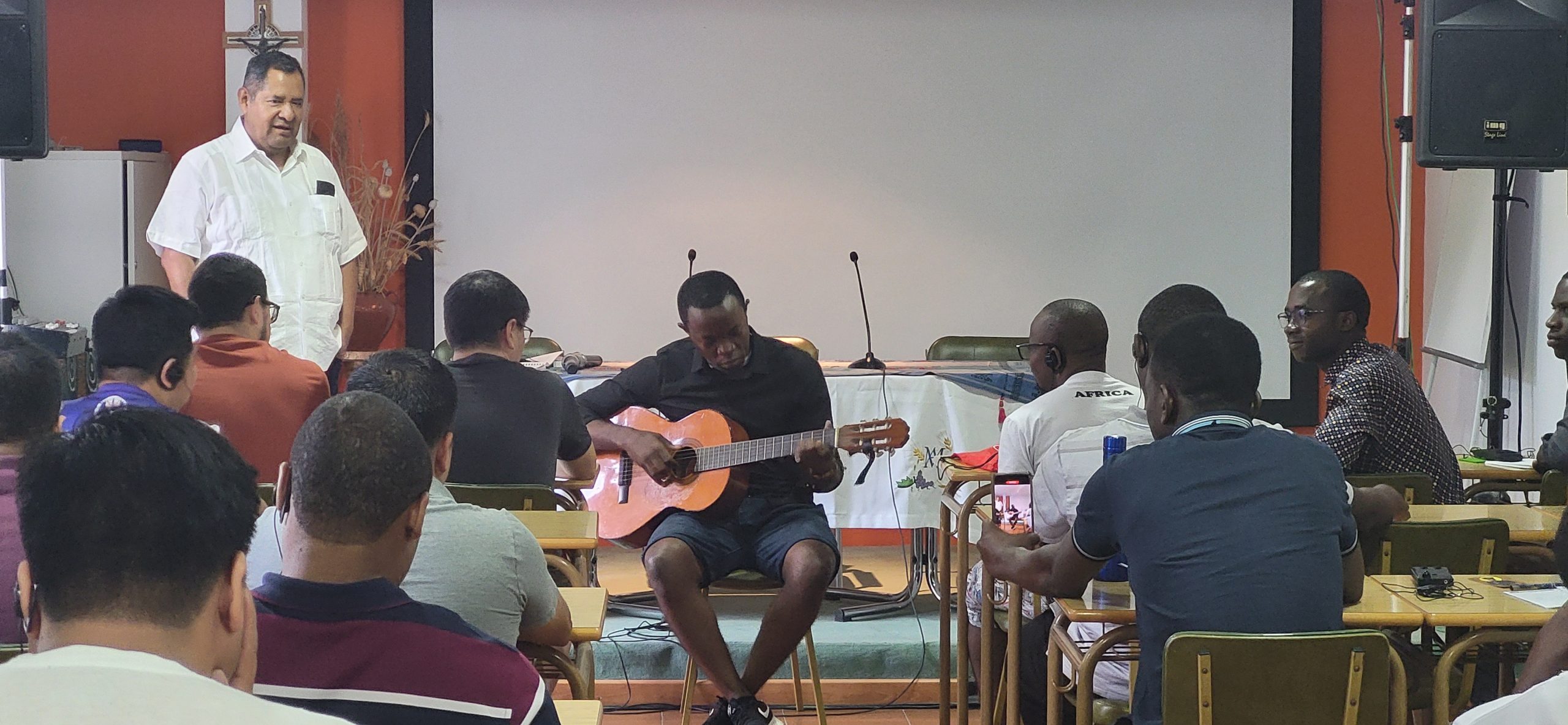
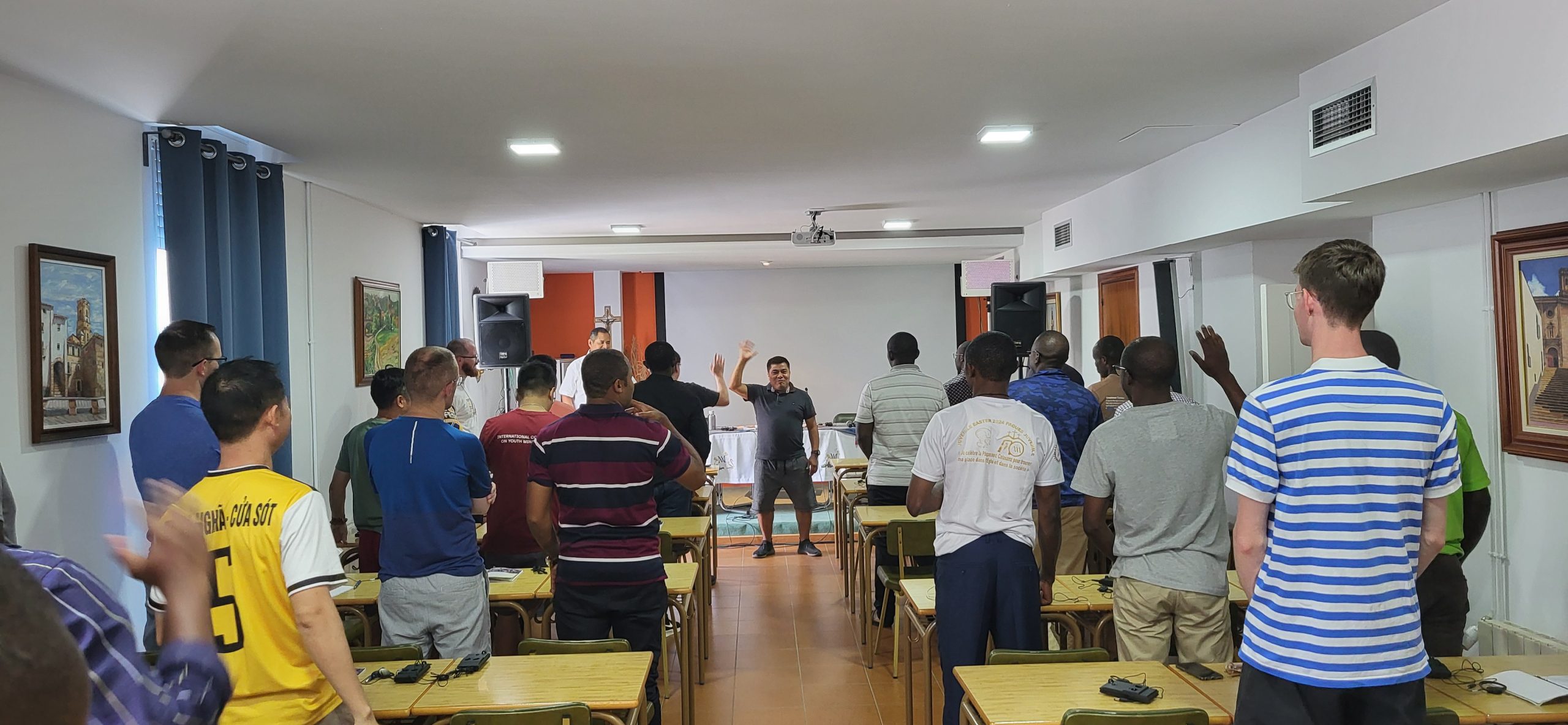
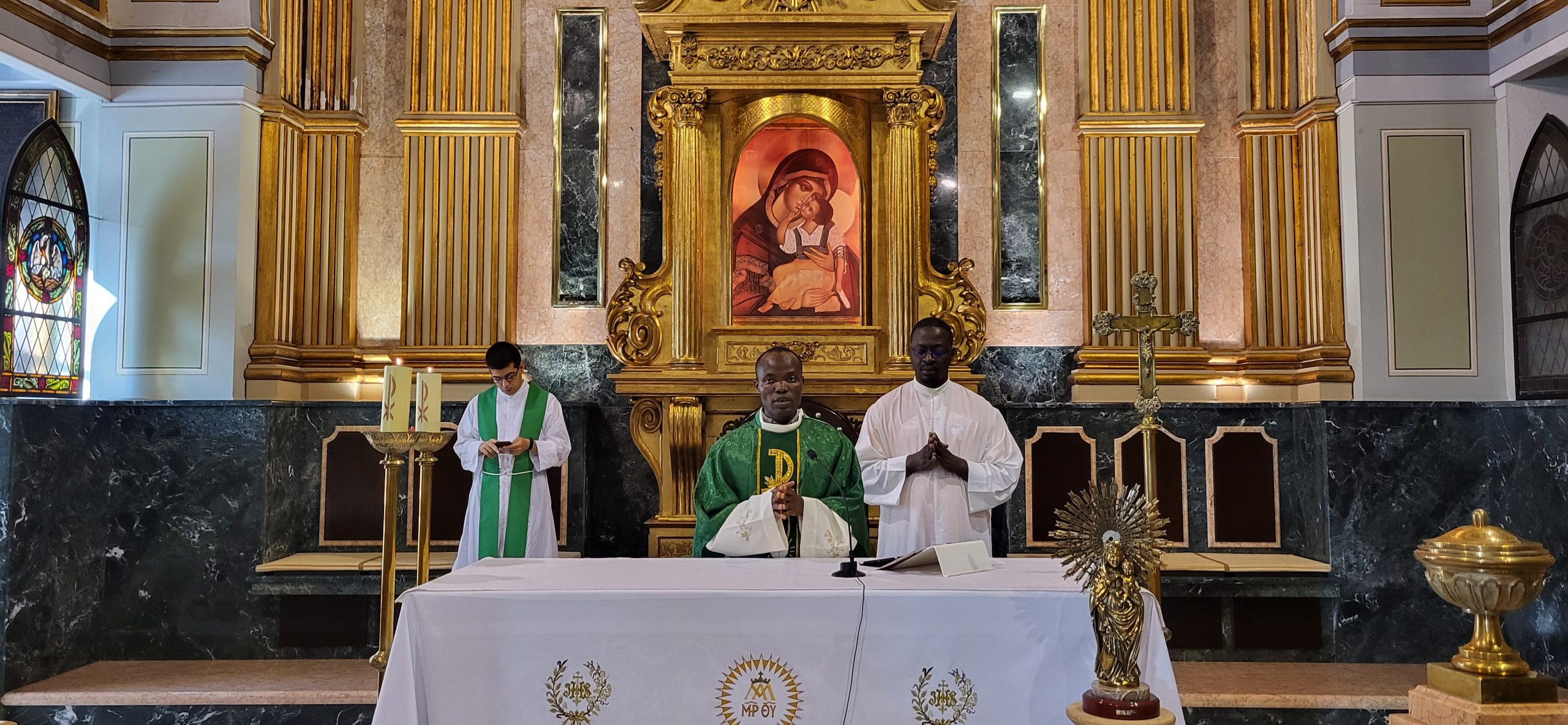
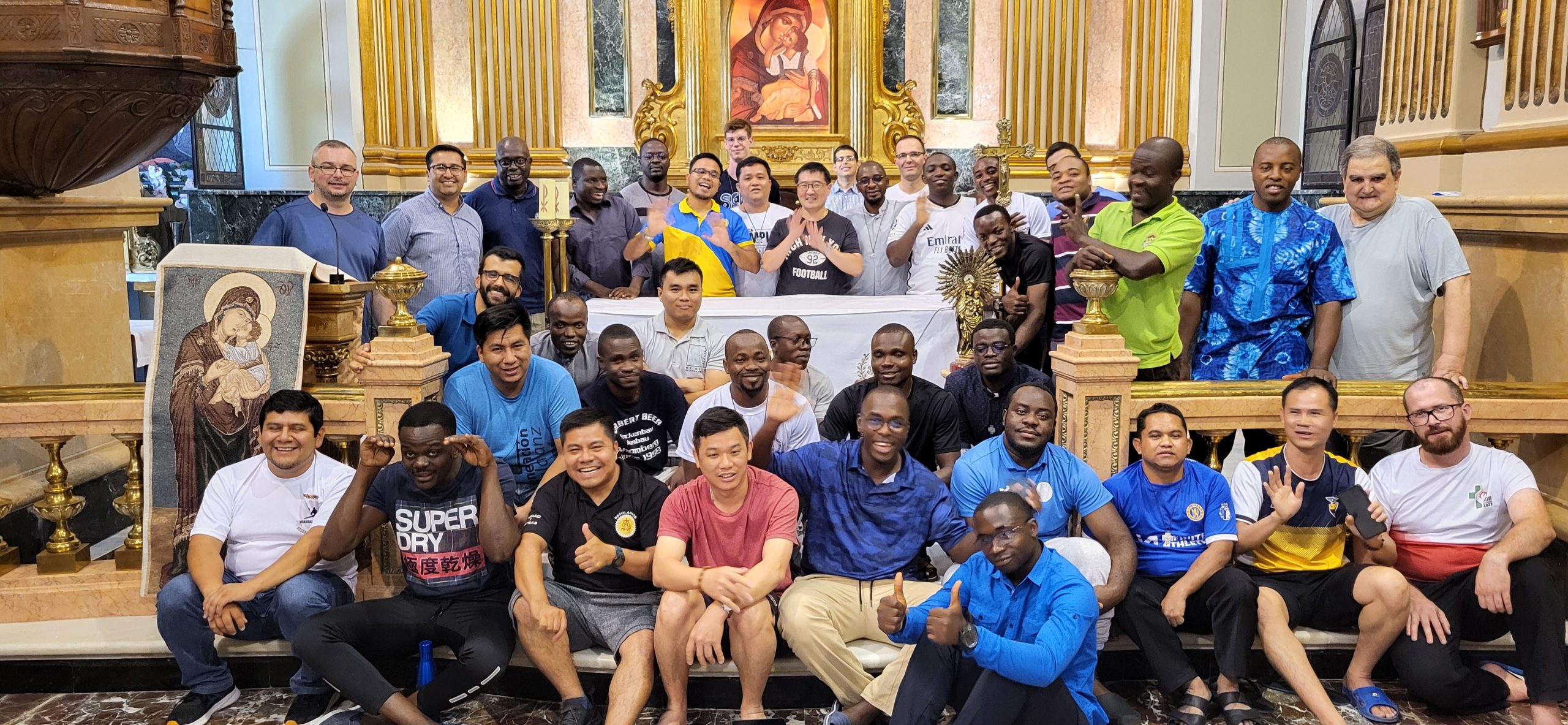
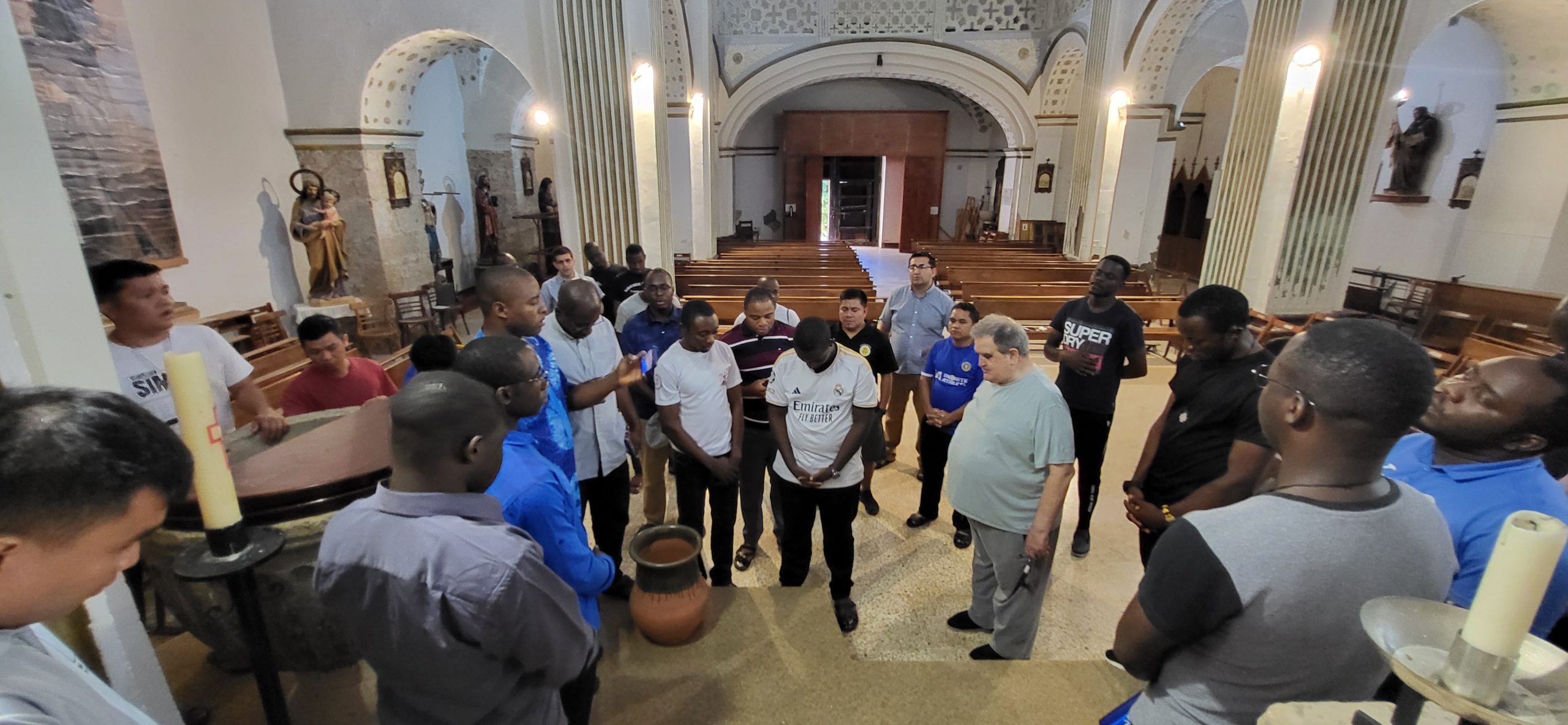
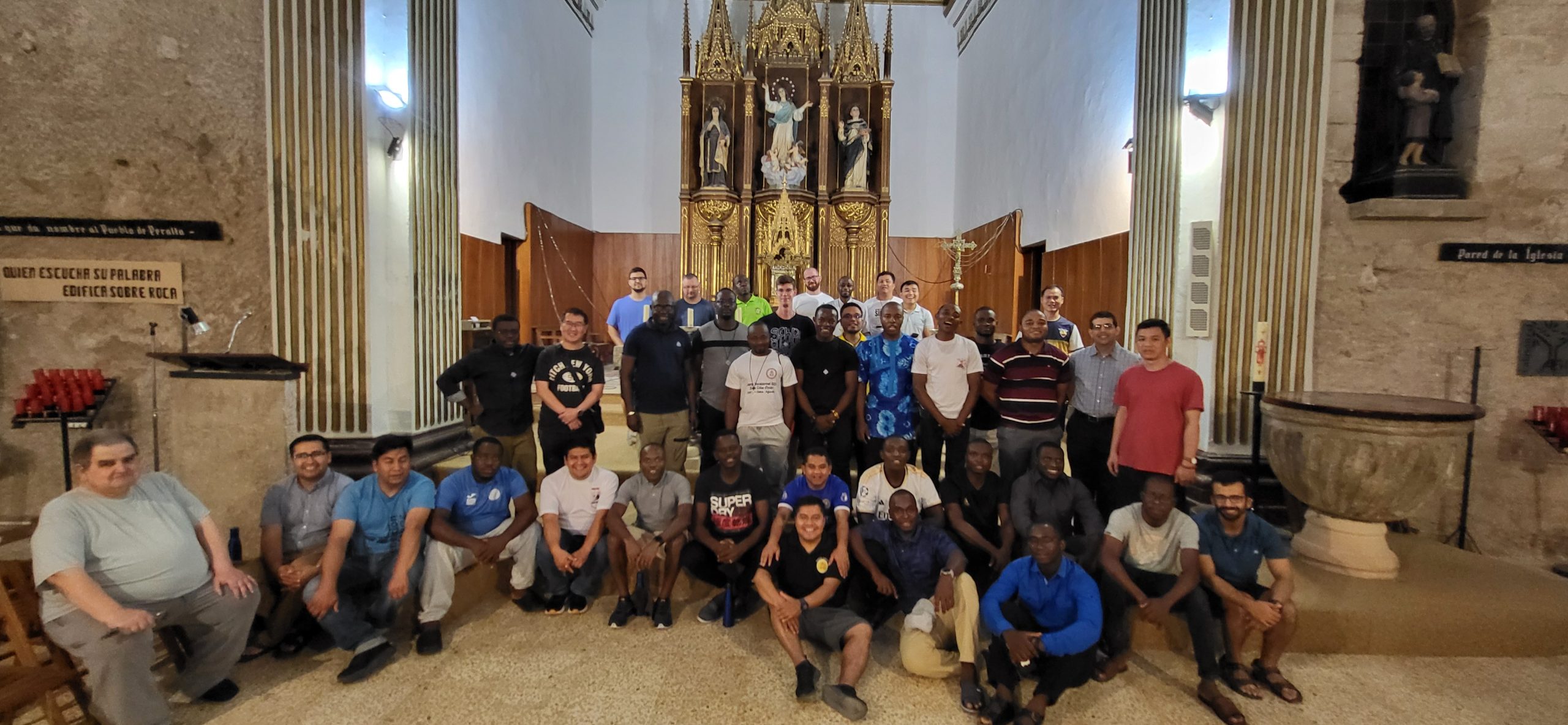
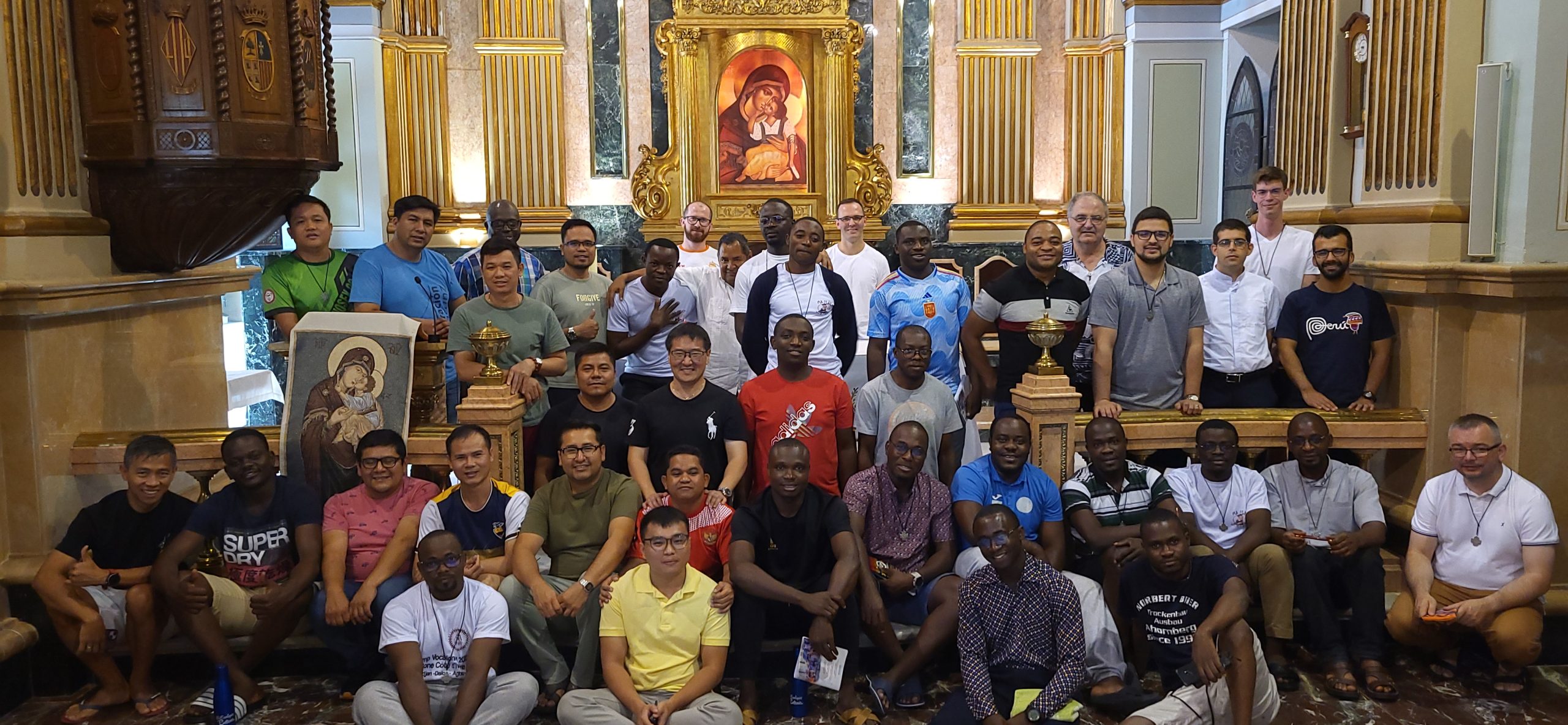
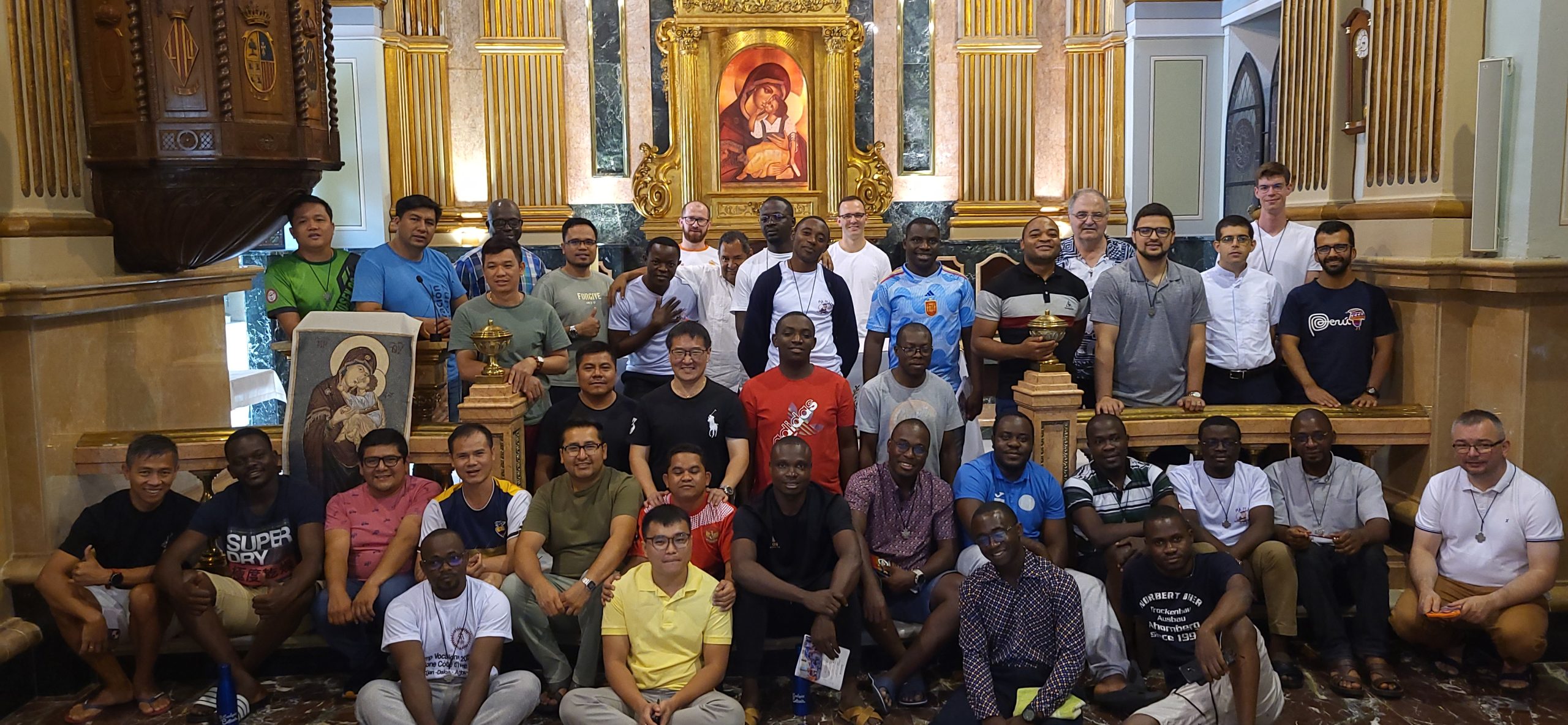
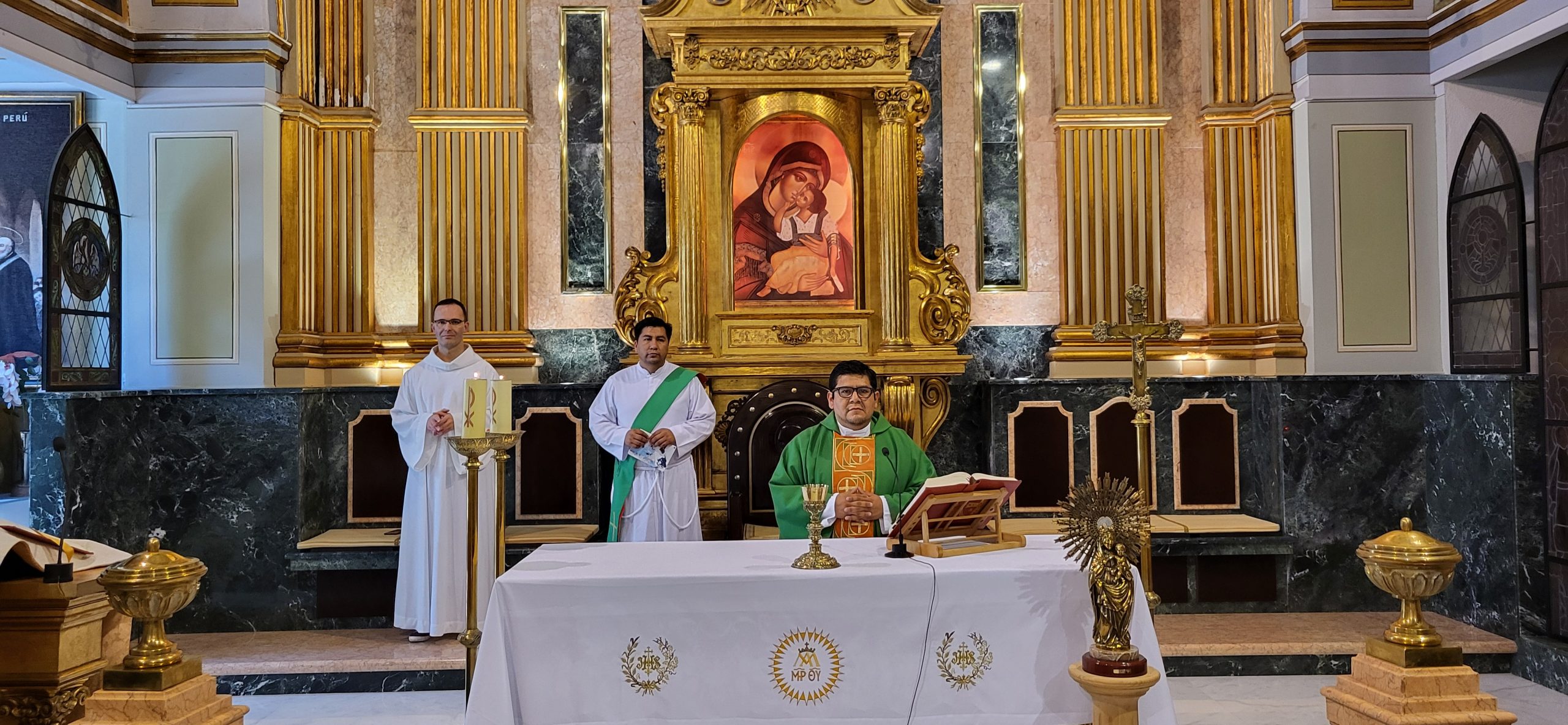
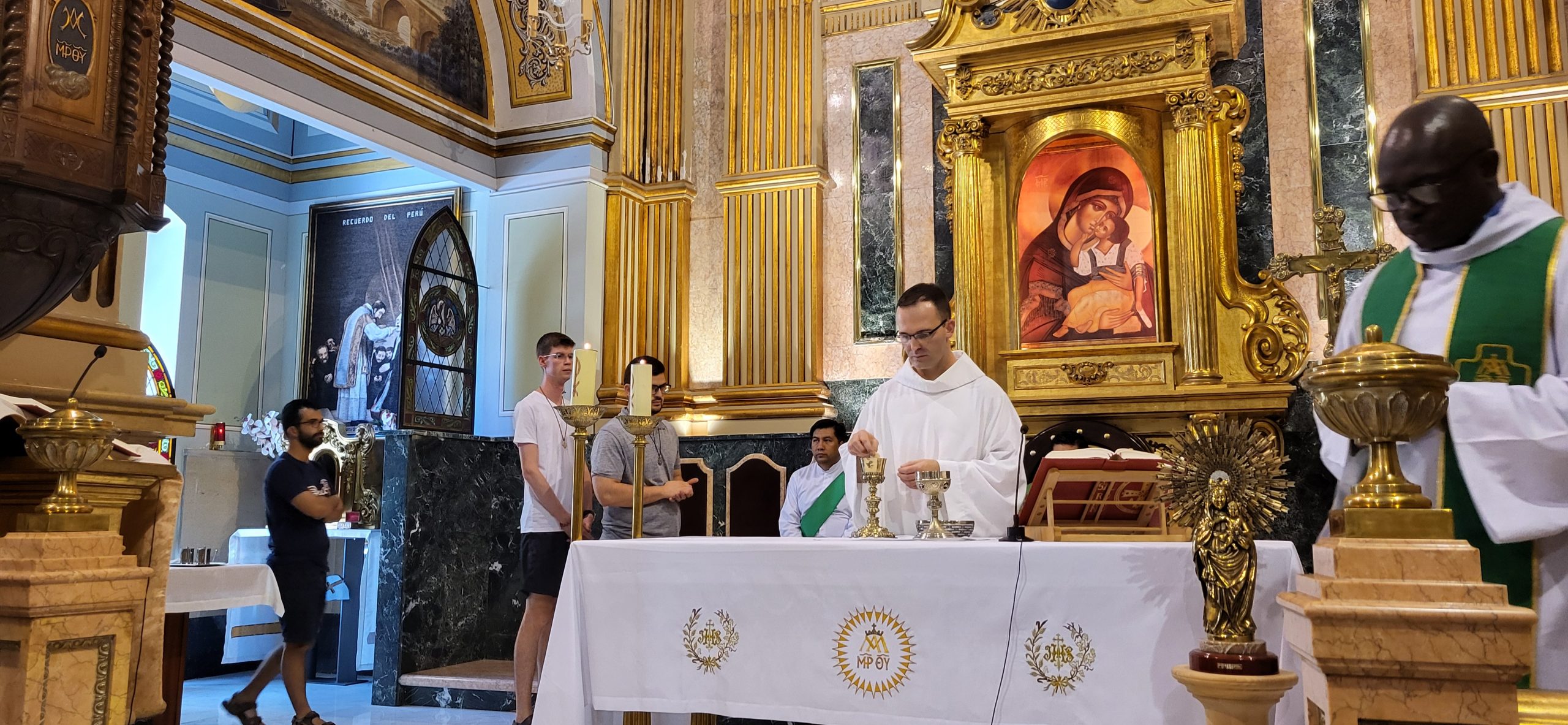
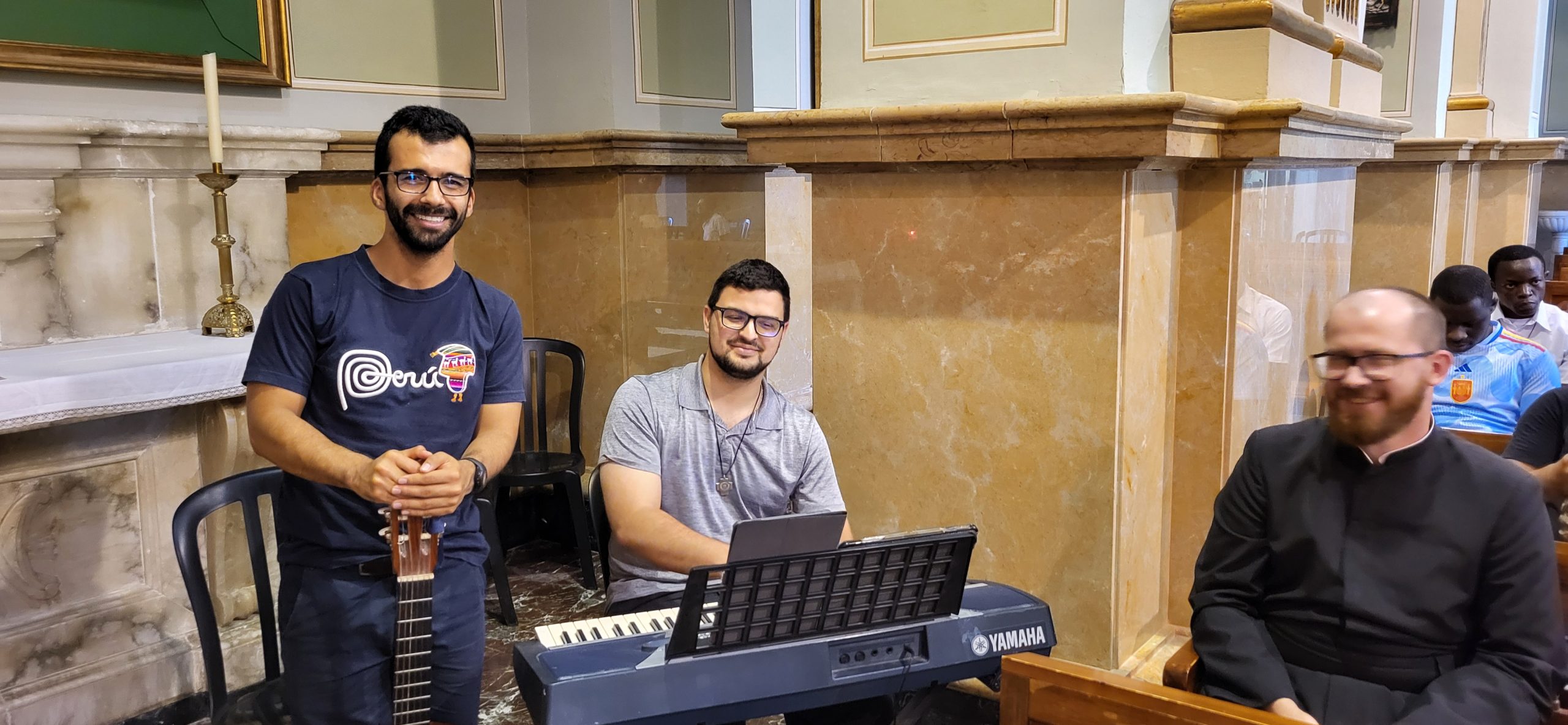
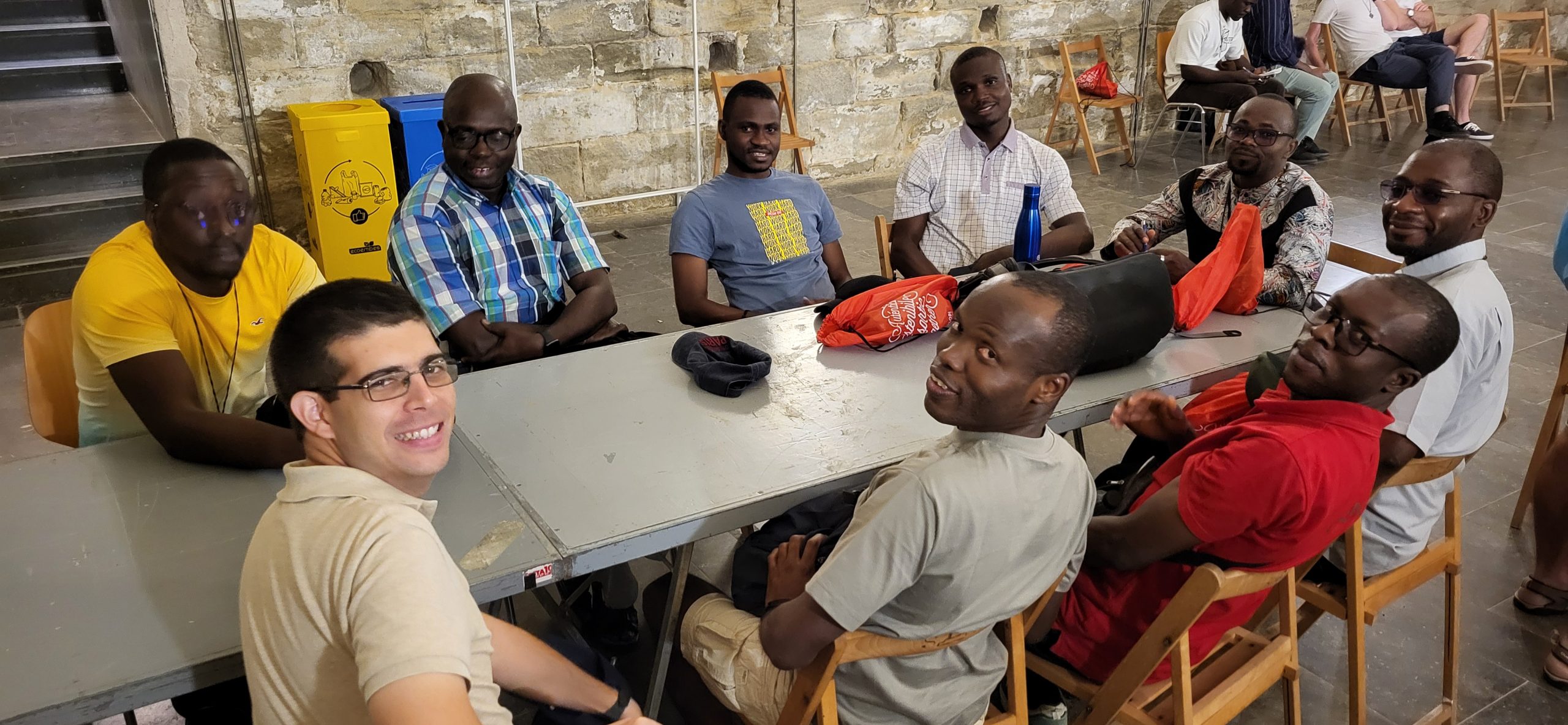
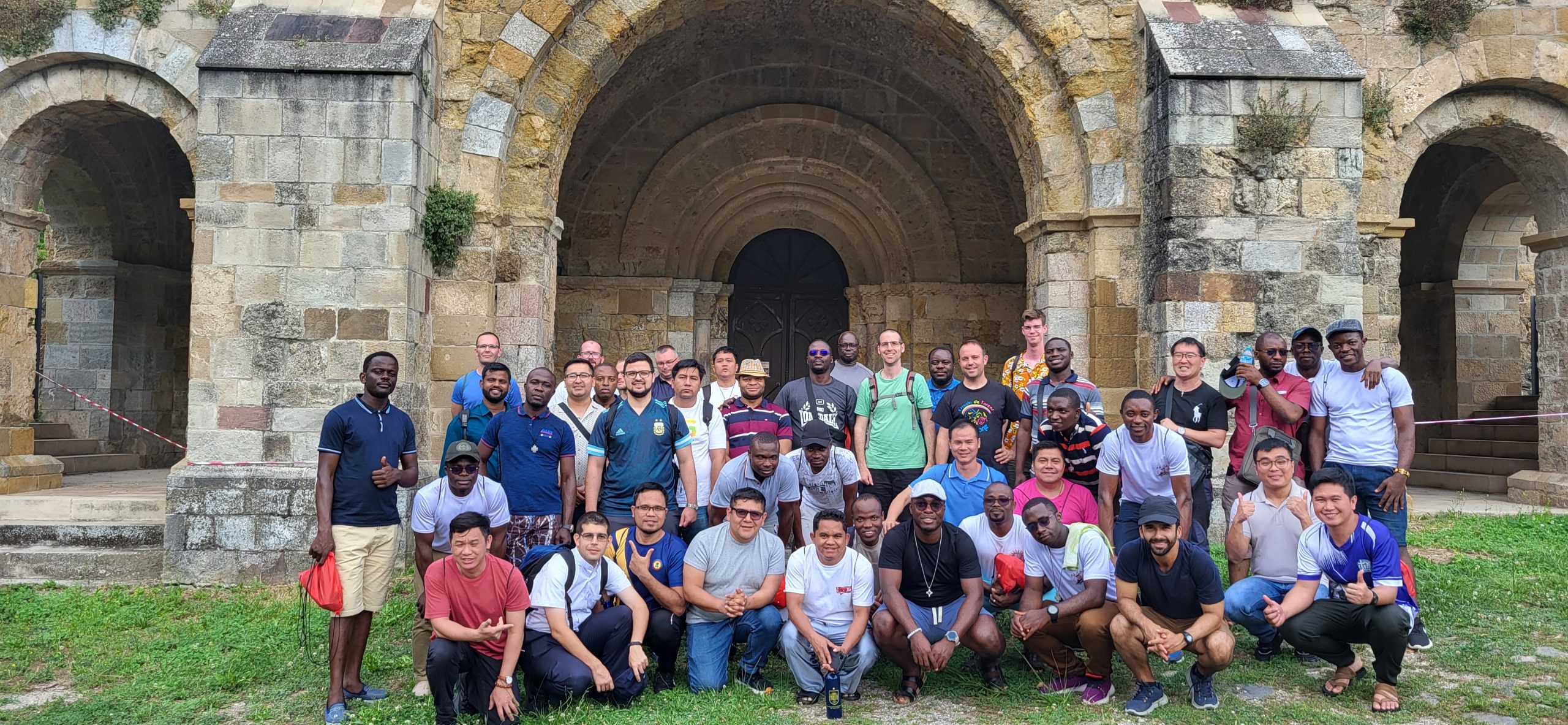
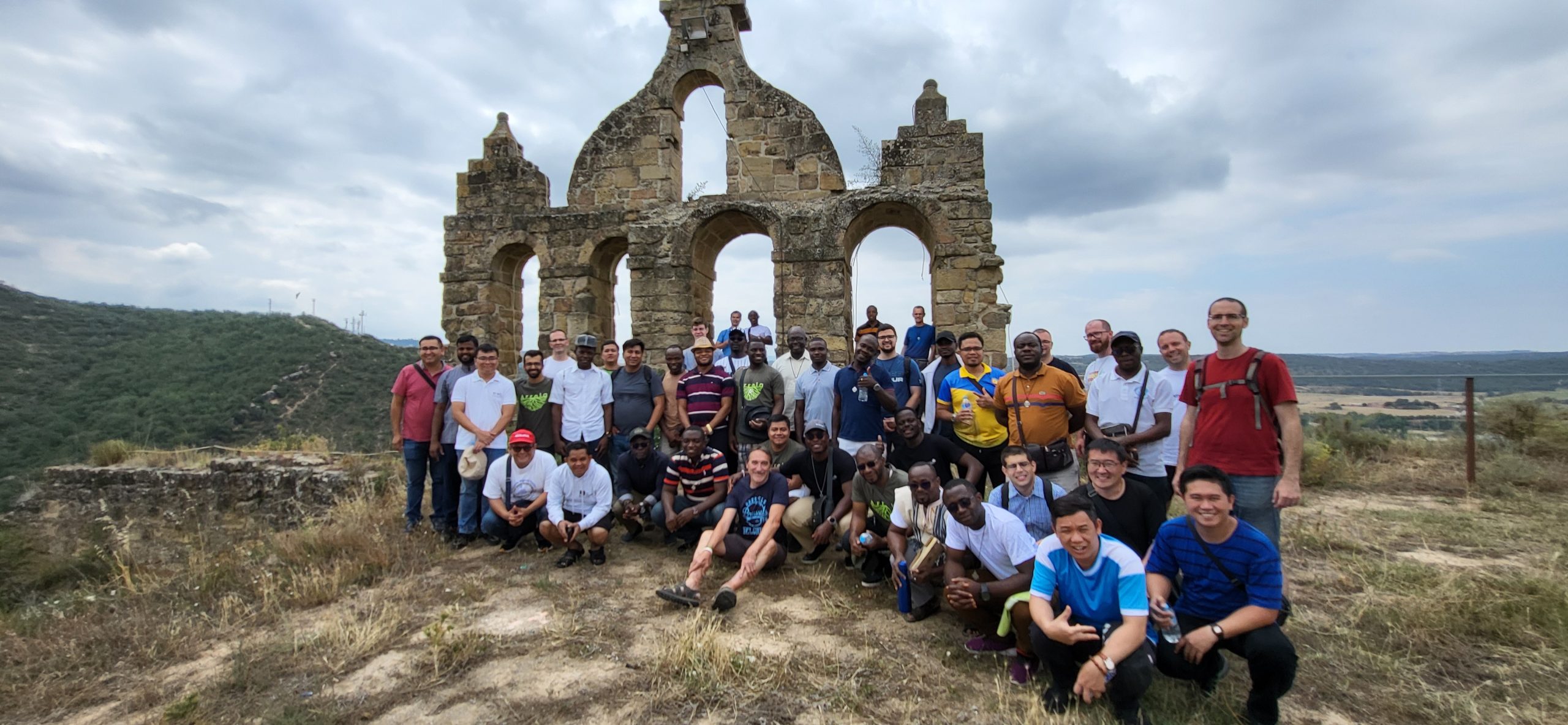
Since 1 July, the friars participating in the Calasanz Route 2024 arrived at the Calasanz Residence of Gaztambide in Madrid. 41 Piarists were called together from 14 demarcation areas of the Order: Nazareth (1), West Africa (6), Central Africa (12), Argentina (1), Slovakia (1), Asia-Pacific (7), Italy (1), Poland (2), Bethany (1), Mexico (2), United States and Puerto Rico (2), India (3), California (1), Hungary (1). The itinerary officially began on Friday 5 July with a Eucharistic celebration presided over by Father Ivan Ruiz, Provincial of the Province of Bethany. He welcomed the participants and invited them to trust in God’s mercy, which supports the Piarist vocation. Julio Alberto Álvarez, Assistant General for the Americas and member of the coordination team of the Route, welcomed the participants and introduced the other members of the coordination team: Fr Christian Ehemba from West Africa and Fr Grzegorz Misiura from Poland, the coordinators of the Route. After the mass, the participants had dinner together and prepared for the next day.
The Calasanz Route was divided into three parts: In the first part, we visited Getafe to learn more about the life of Saint Faustino Míguez, and we travelled to Peralta de la Sal to learn more about the first years of Calasanz’s life. In the second stage, the group visited the places where Calasanz studied and the regions of Catalonia where he worked as a priest before going to Rome. And the third stage was in Rome, the birthplace of the Pious Schools and the place where Calasanz spent his last days.
Day 2: Saturday 6 July
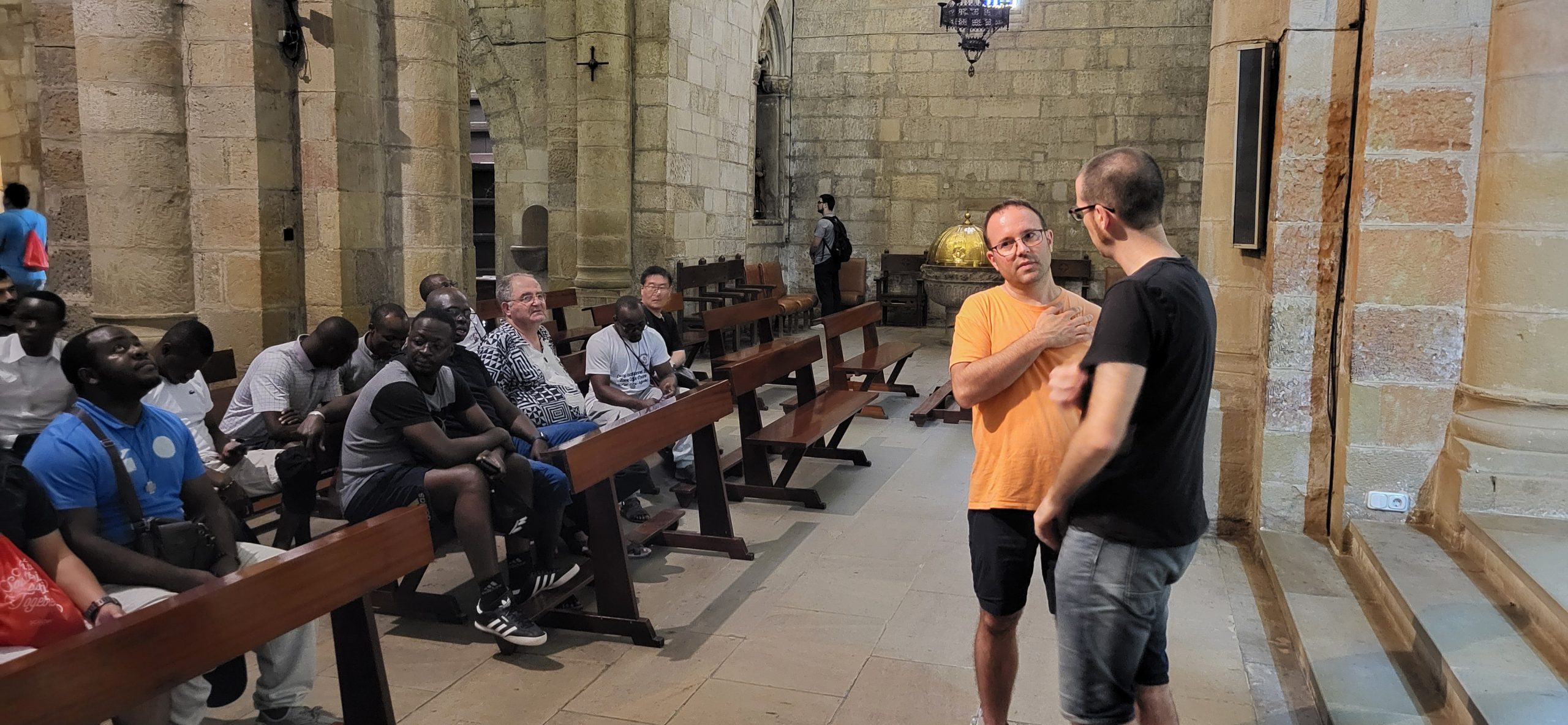
On Saturday 6 July, after breakfast, the group travelled to Getafe to visit the Calasanz places there. There they were welcomed by the Calasanctian Sisters, the Daughters of the Divine Shepherdess, founded by St Faustino Míguez. The first part of the day was spent talking to Mother Sacramento Calderón about the life and work of St Faustino. Then there was a guided tour of the Father San Faustino Museum, which belongs to the Calasanctian Sisters, and of the Piarist school in Getafe, which also contains different objects relating to the life of the saint. The day in Getafe ended with a Eucharistic celebration in front of the remains of Fr Faustino and lunch.
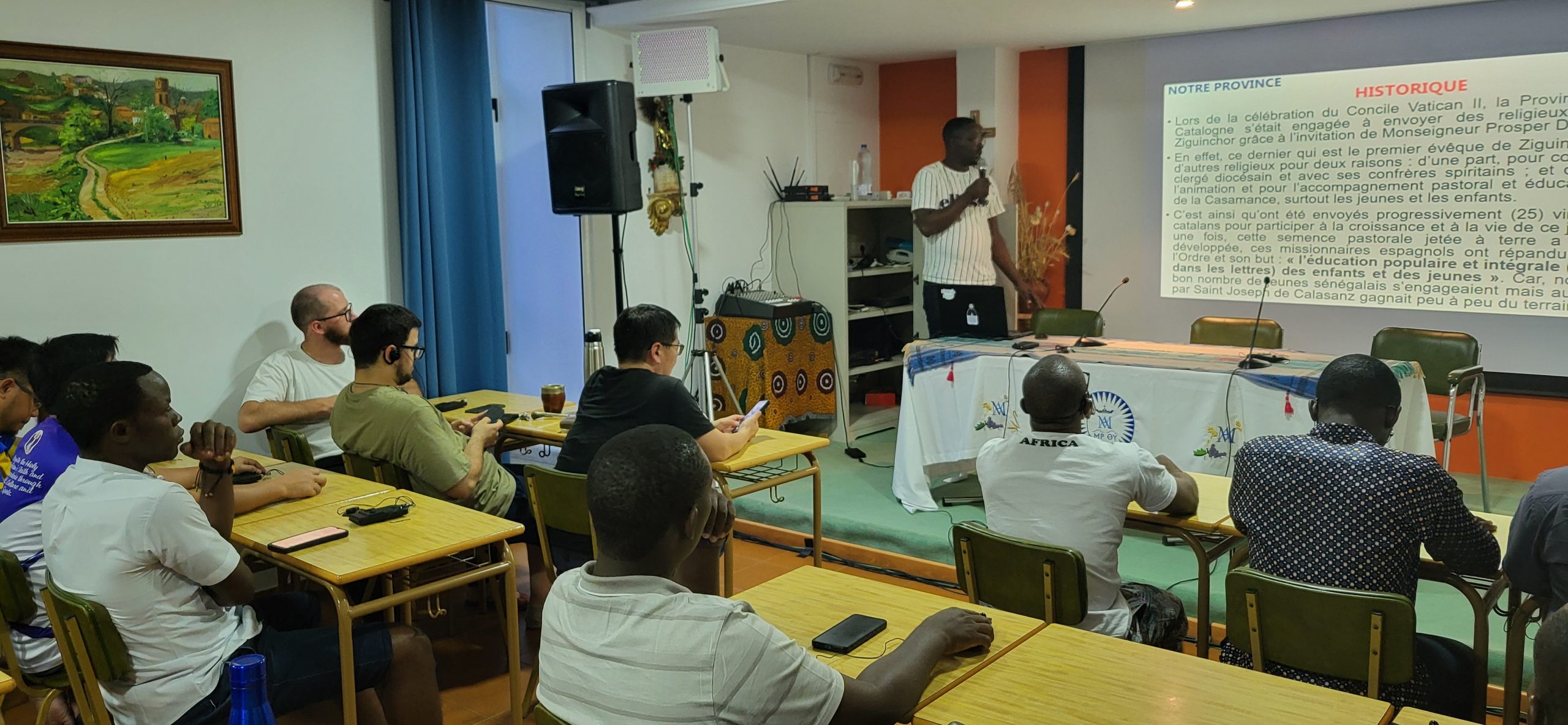
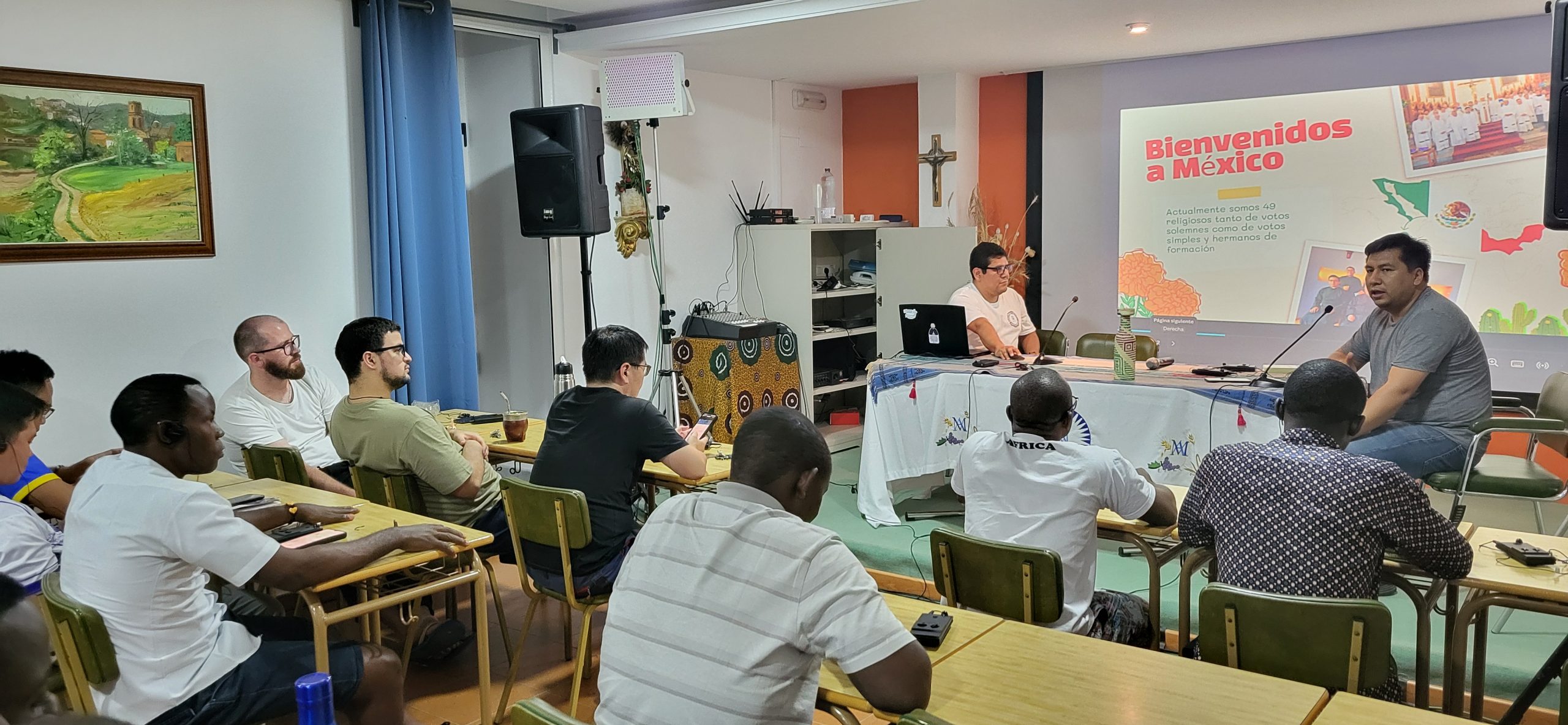
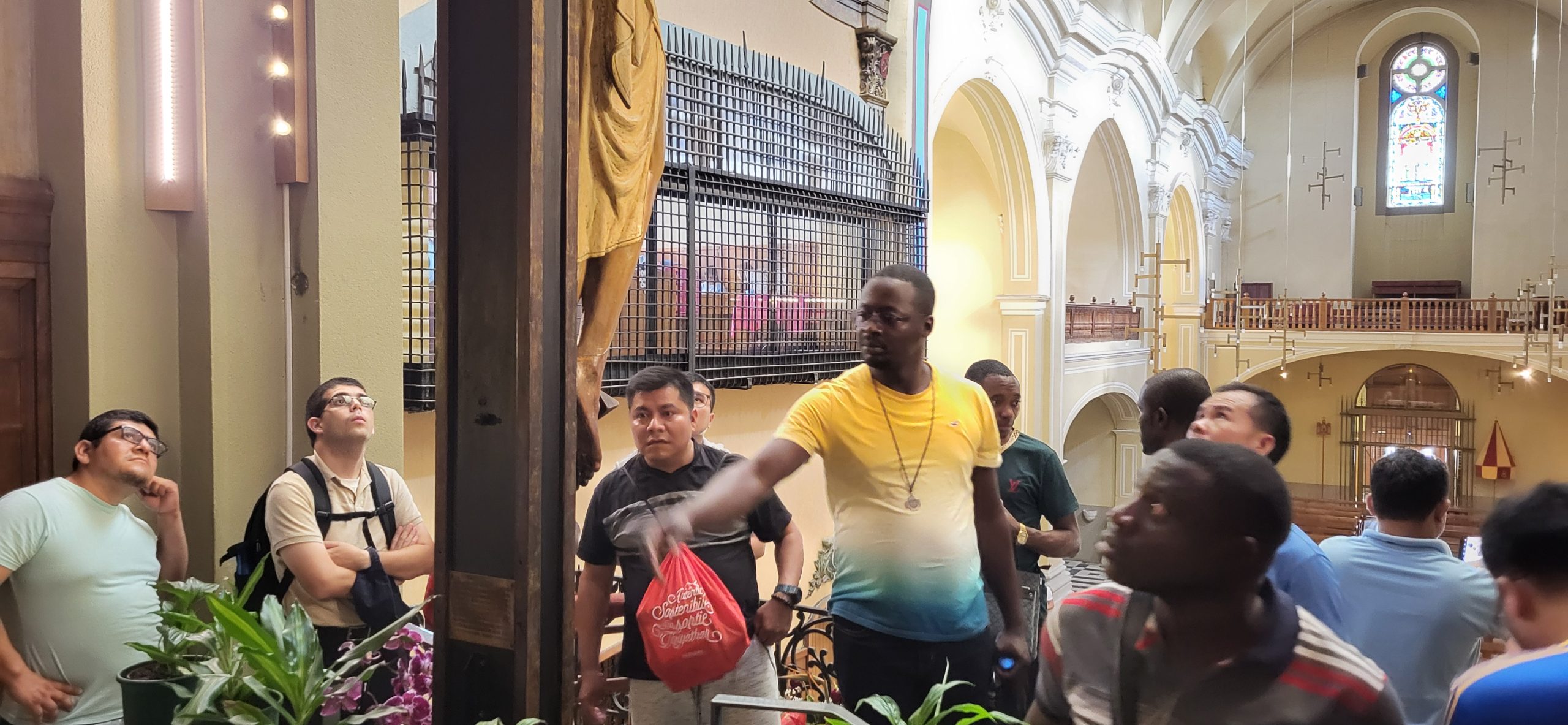
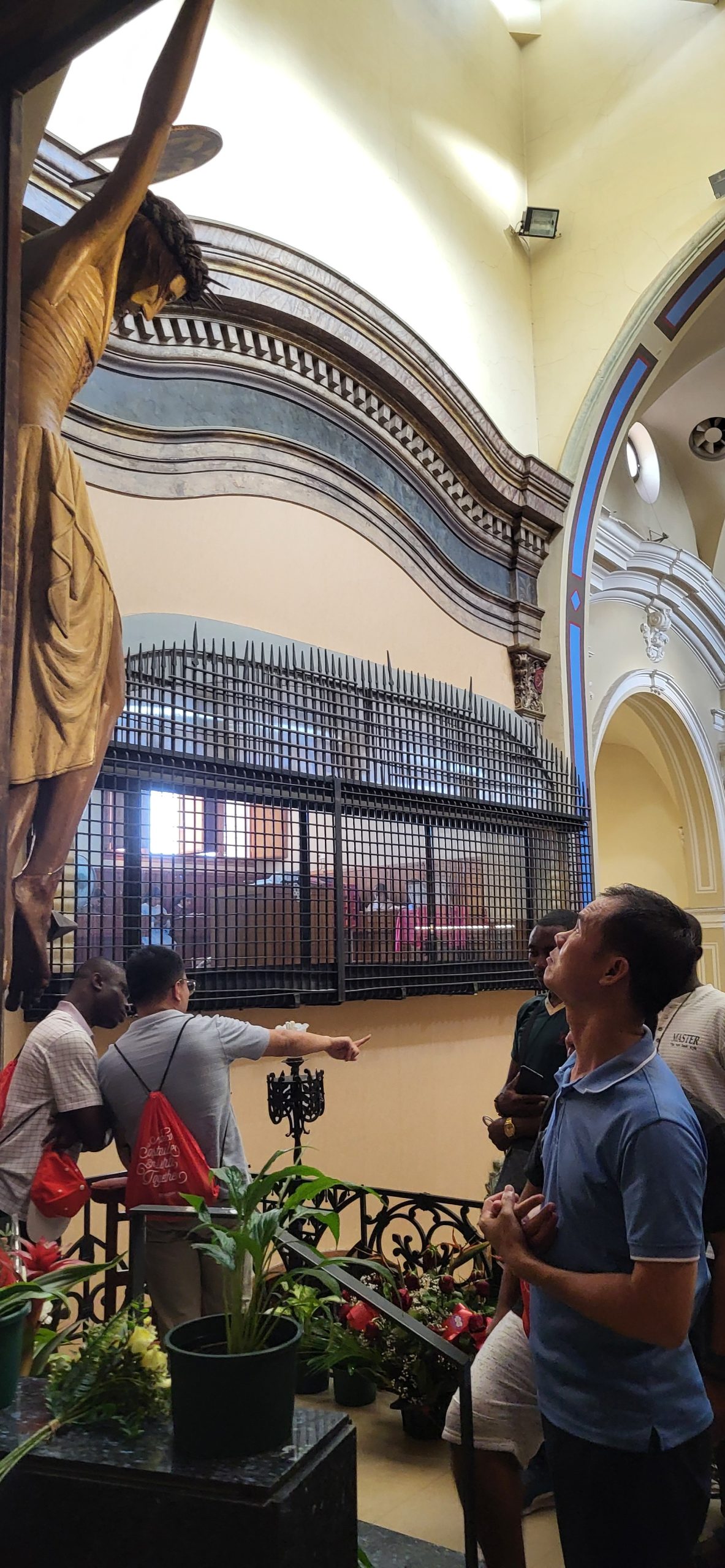
After returning to Madrid, there was a tour of some of the city’s representative sites and the Gaztambide Museum, as well as an explanation of Goya’s painting “The Last Supper of St Joseph of Calasanz”, which is located in one of the chapels of the house. In the evening, there were presentations from the Provinces of Central Africa, Asia-Pacific and the United States and Puerto Rico, in which the participants presented some important realities of the provinces.
Day 3: Sunday 7 July
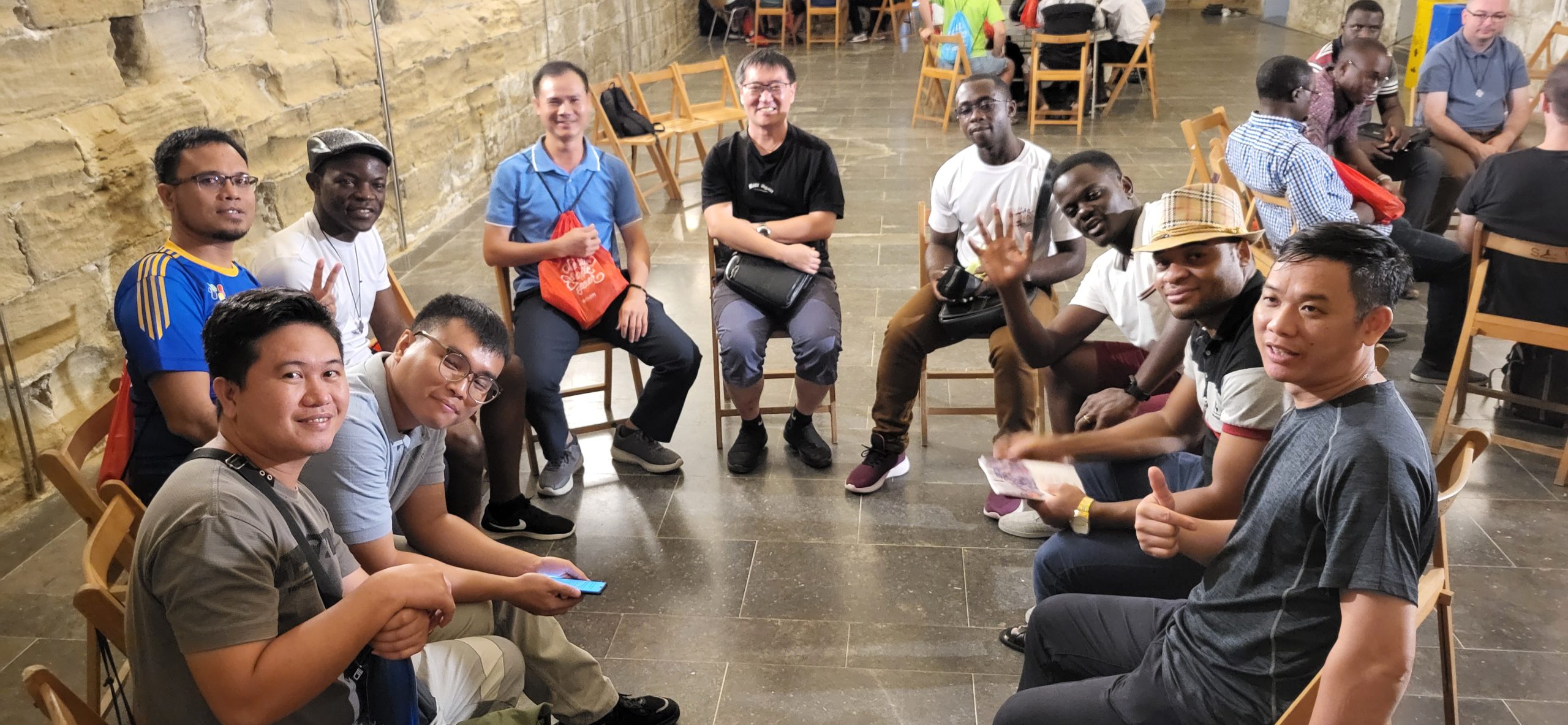
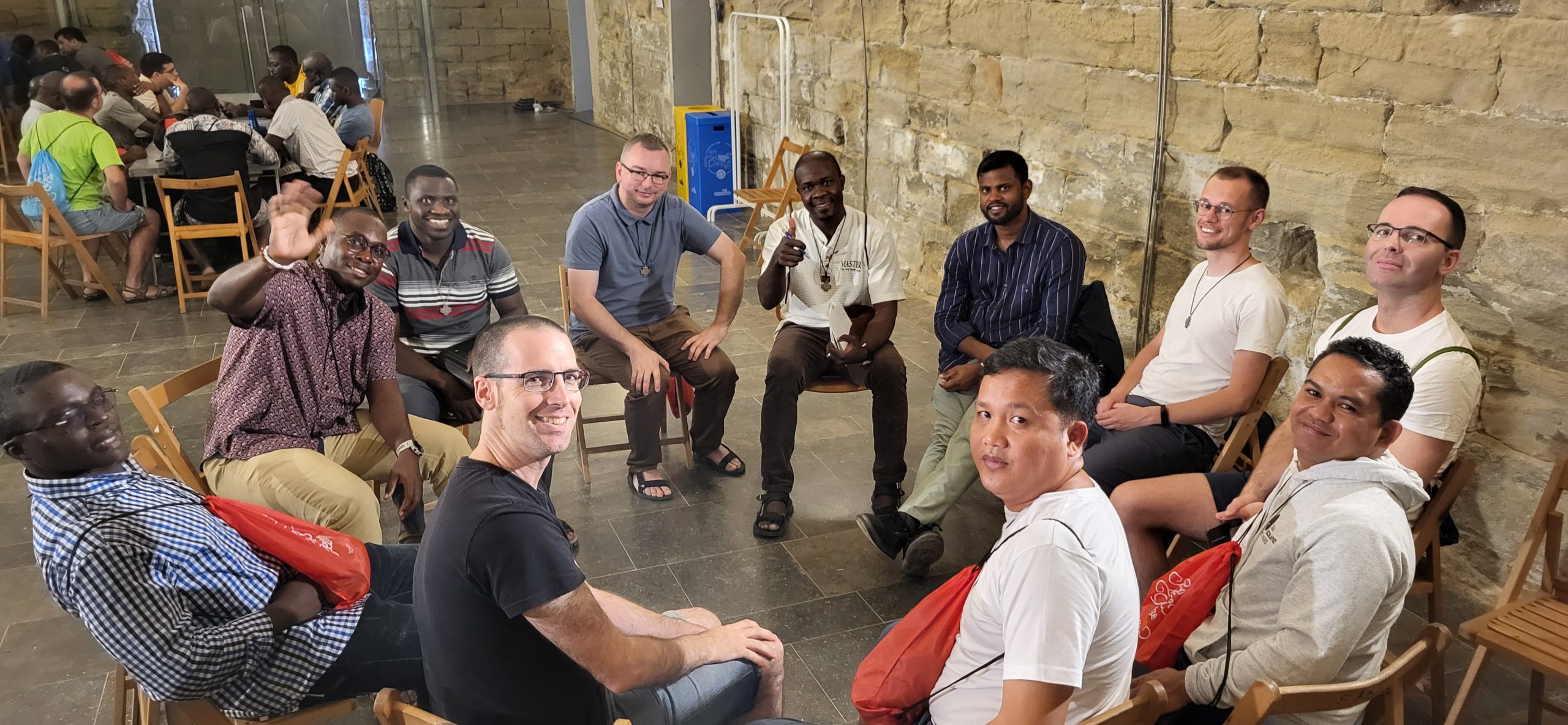
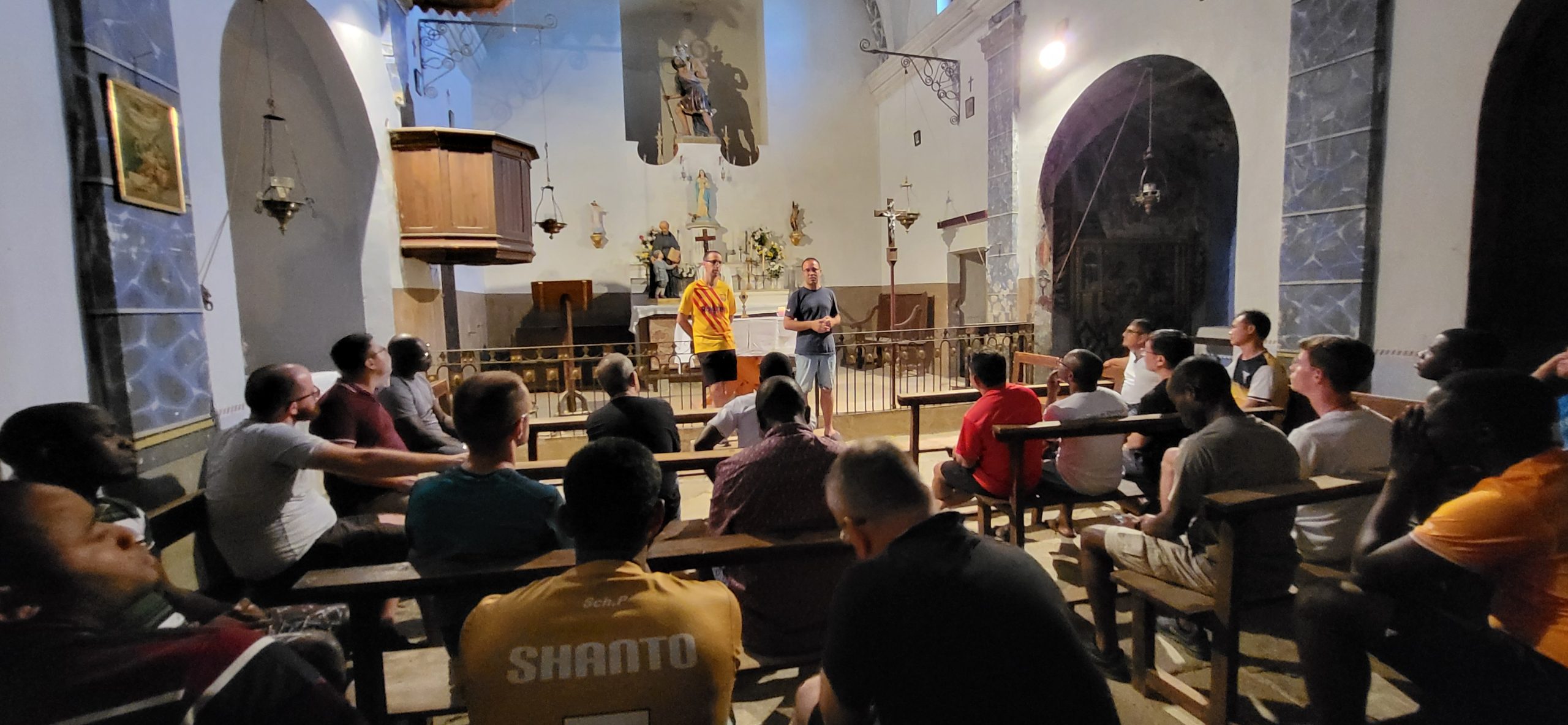
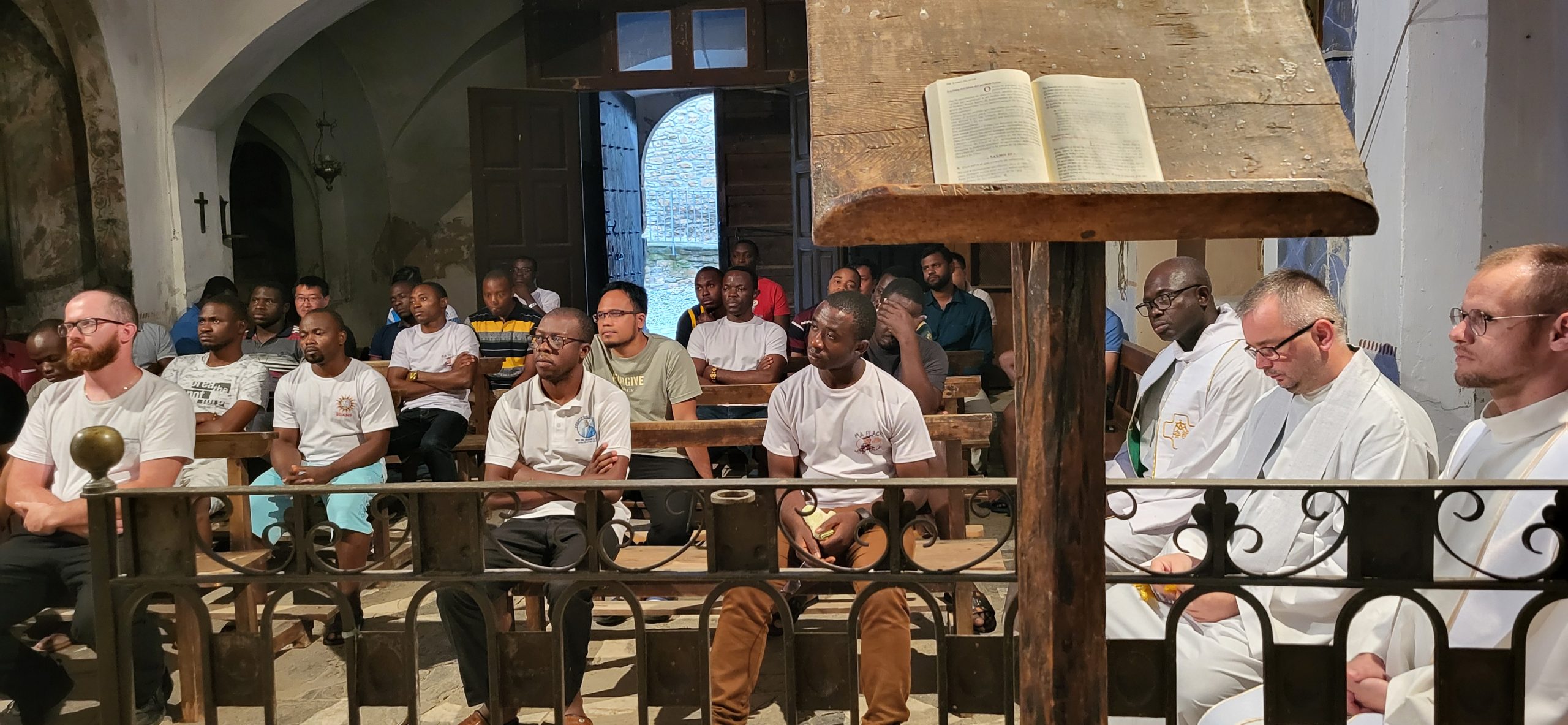
In the morning, after thanking the Province of Bethany for their hospitality over the past few days, the participants of the Route set off for Peralta de la Sal, where a spiritual retreat was organised to examine their own vocation. At the San José de Calasanz Sanctuary in Peralta, they were welcomed by Mr Javier Sánchez, the lay administrator of the place. After the group had settled in, the letter that Father Pedro Aguado had written to the participants of the Way was read out, in which he encouraged them to live this Route intensely as a pilgrimage that would help them to strengthen their vocation. Afterwards, the general instructions for the stay on site were given and a first dynamic took place so that the participants could get to know each other better. After the Eucharist and dinner, the participants from the provinces of Poland, India and Argentina gave their presentations.
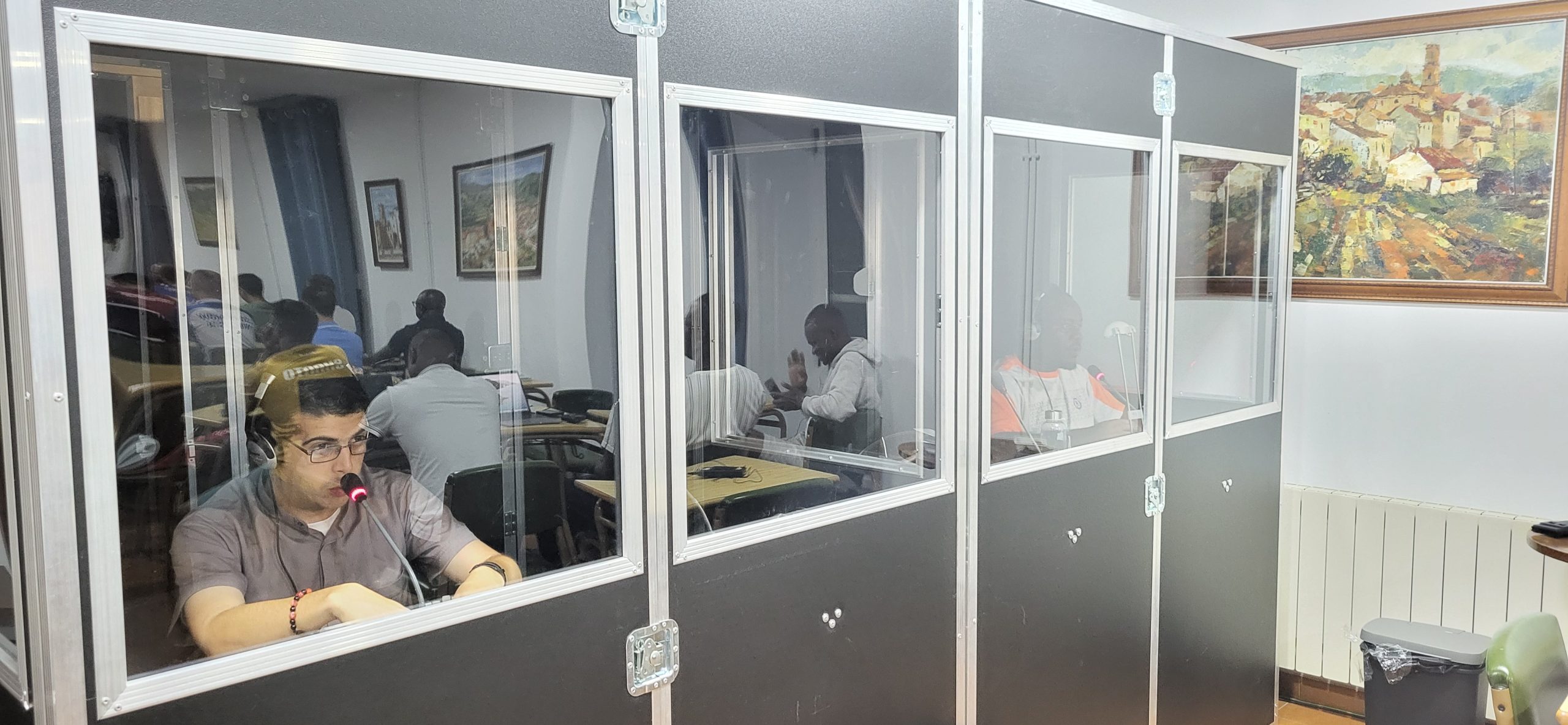
During their stay in Peralta, the group was accompanied by the Piarist Fathers Emmanuel Suárez, who led the spiritual retreat, and José Burgués, who helped with the French translation. Also present as an English translator was Professor Bunsoi, a native of Laos from one of the Piarist schools in Spain, who works in one of the Piarist schools in Catalonia.
Day 4: Monday, 8 July
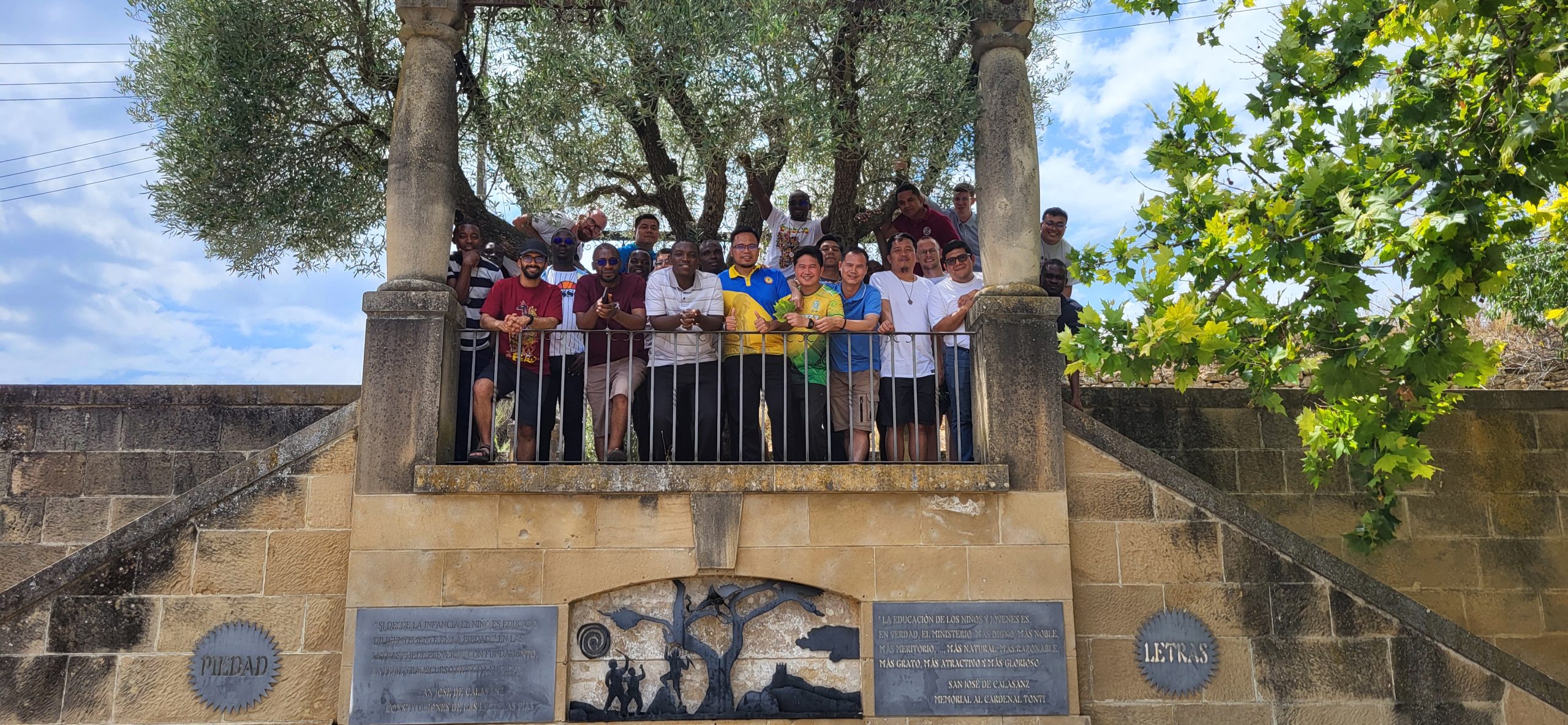
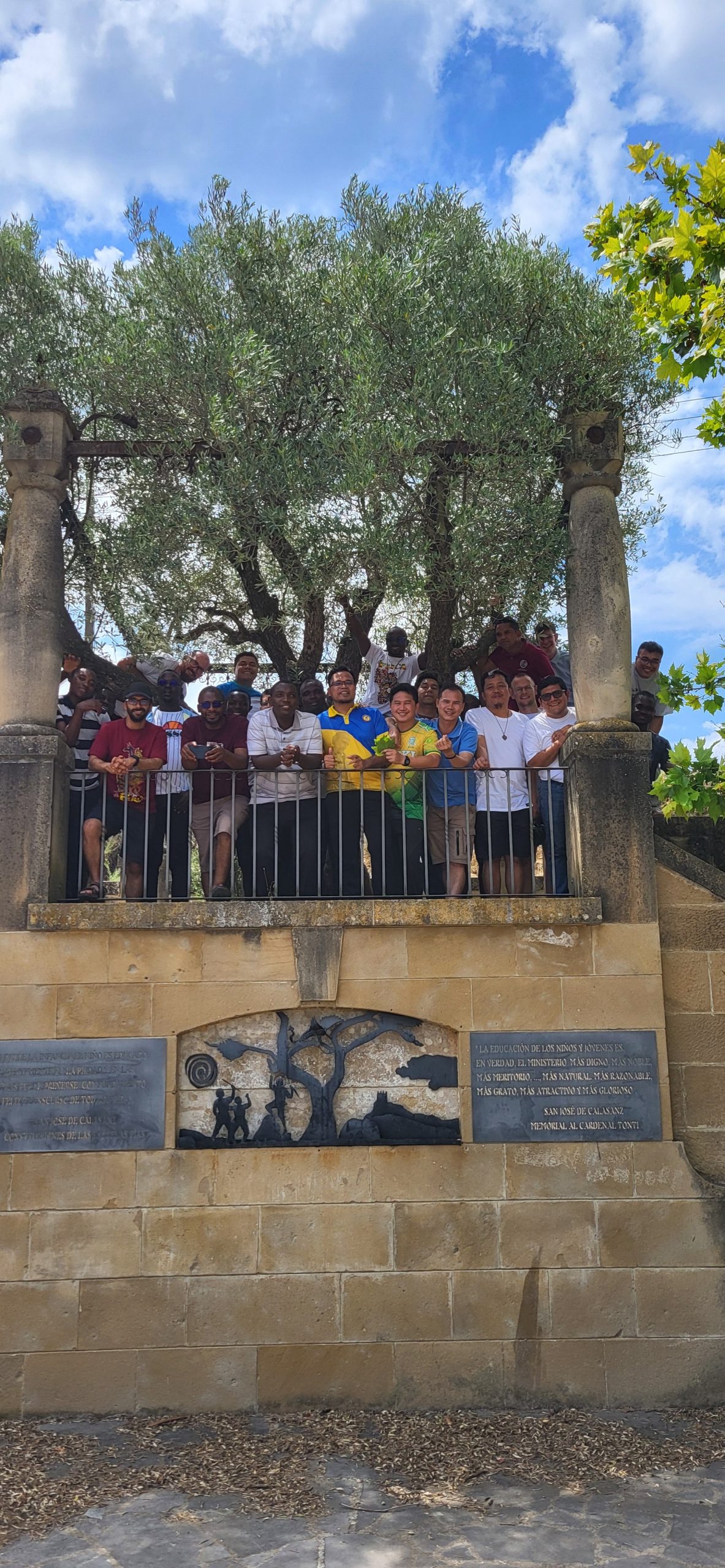
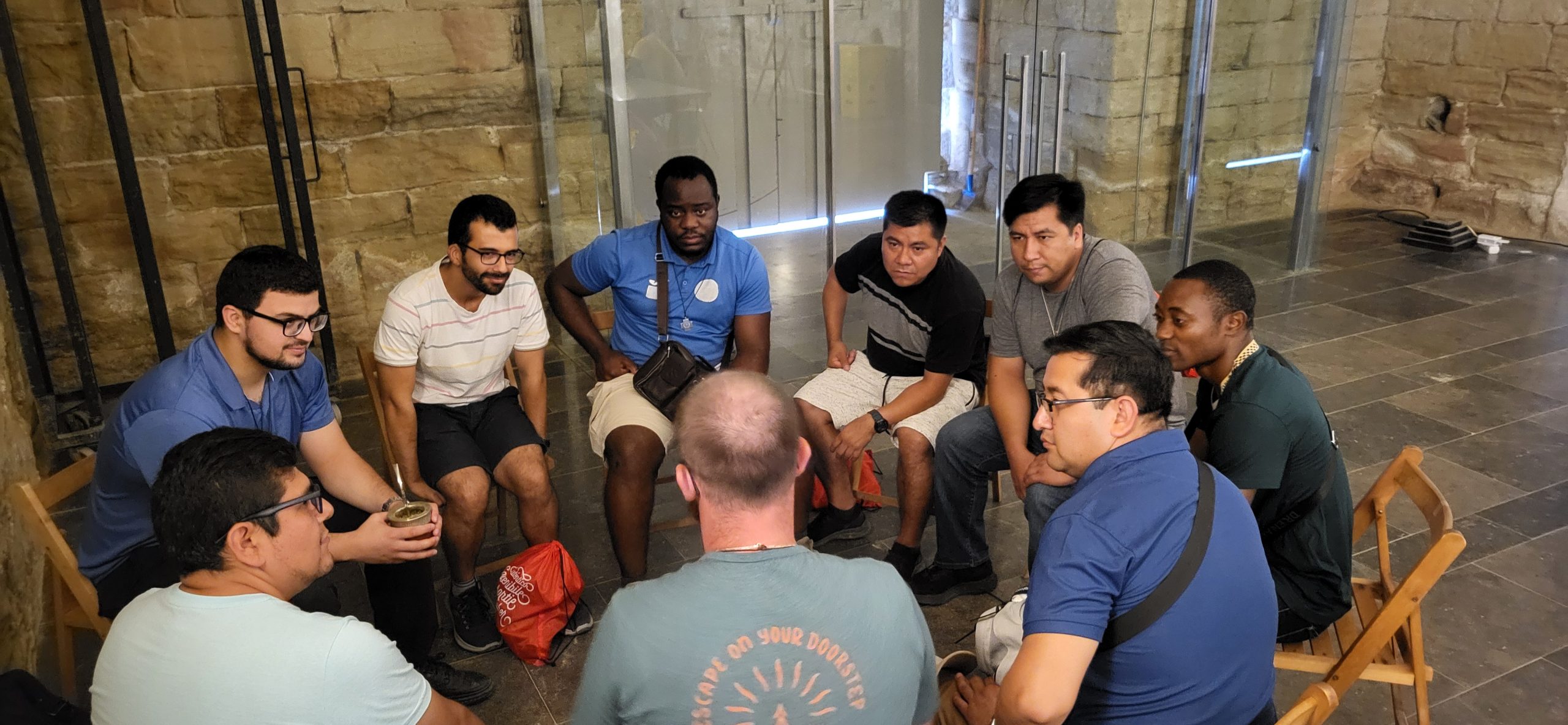
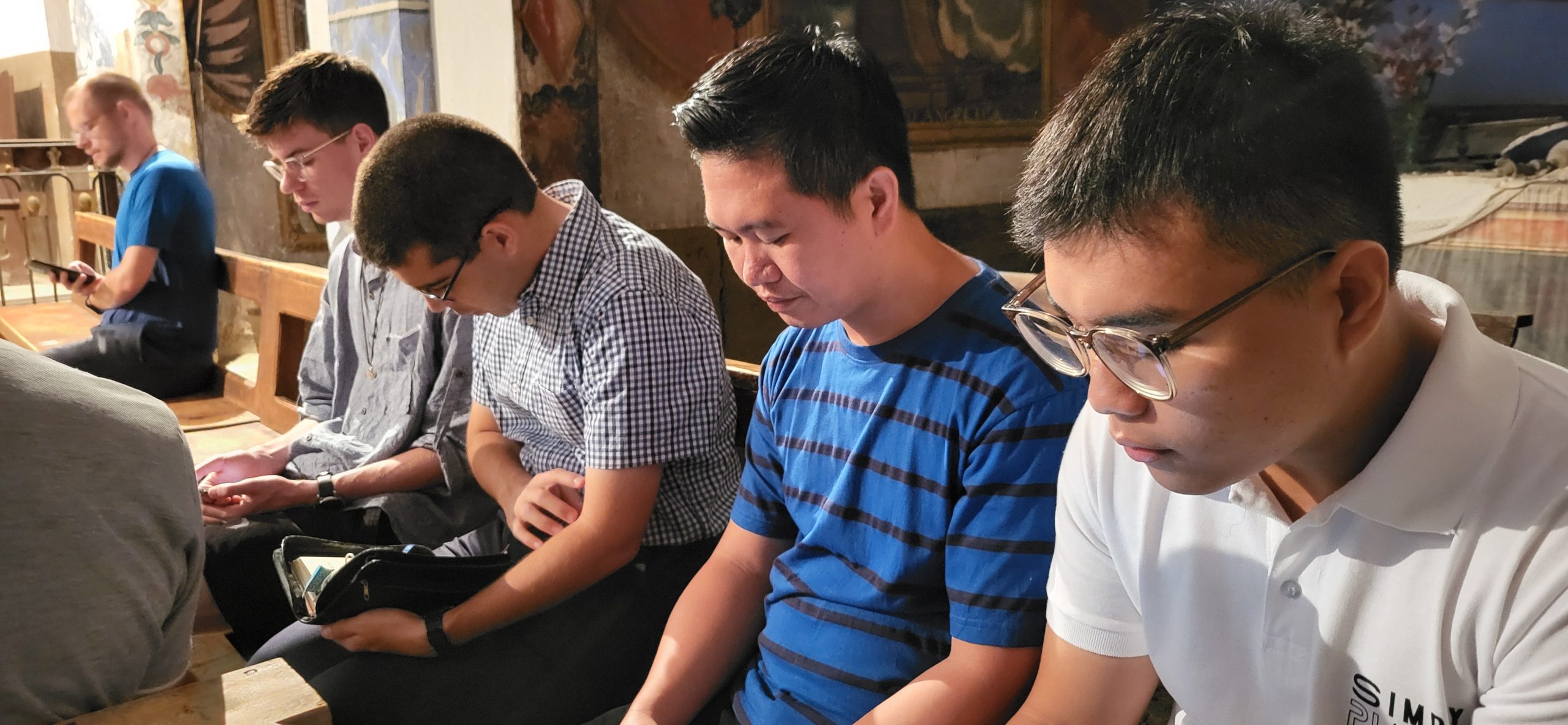
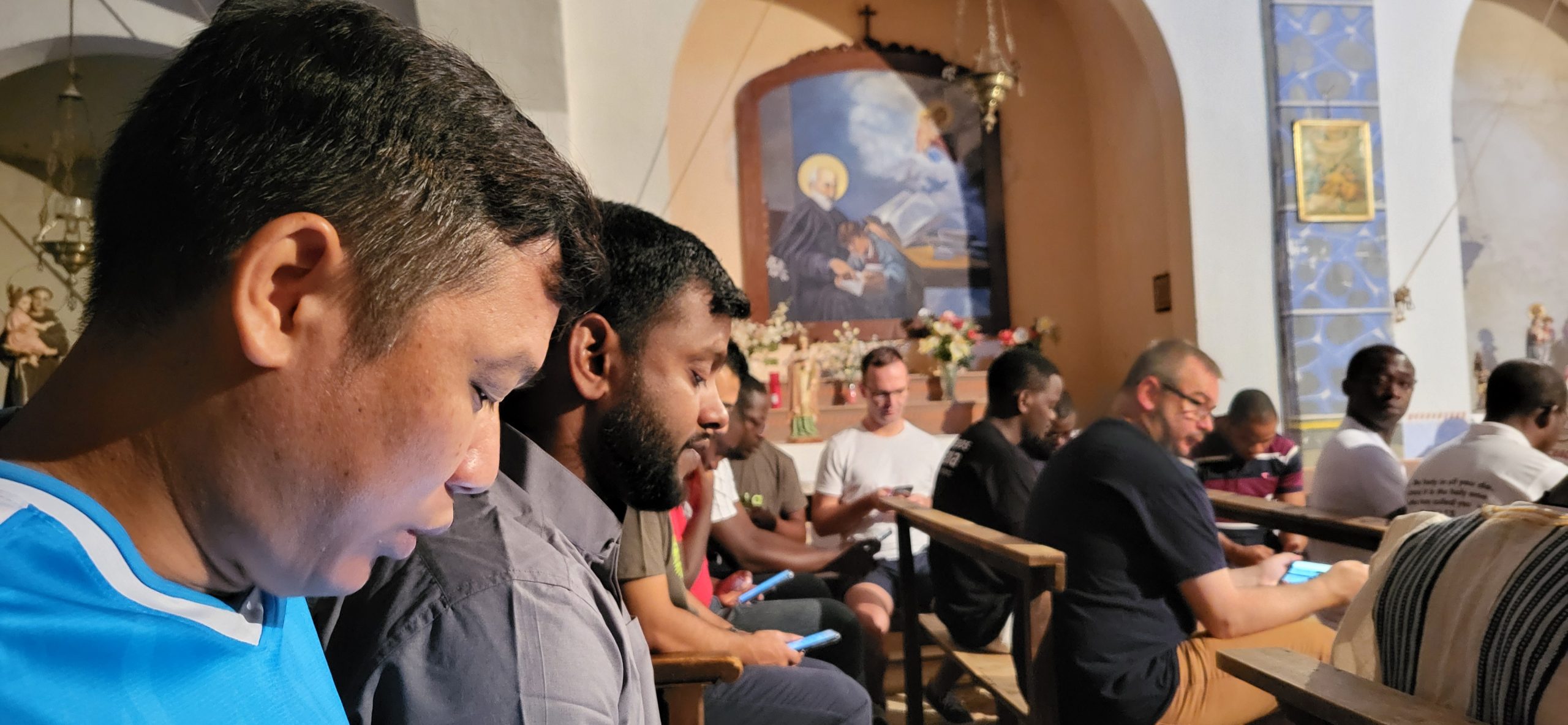
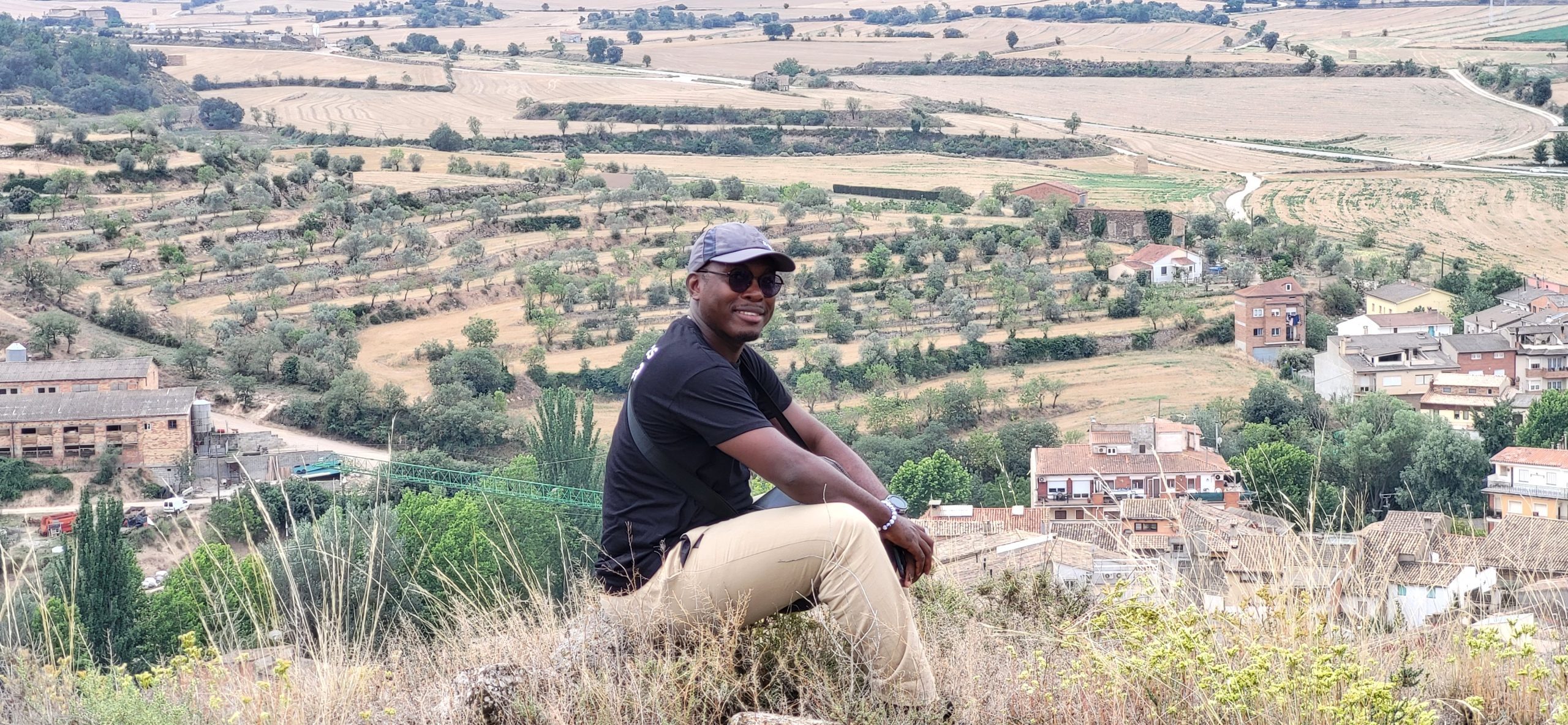
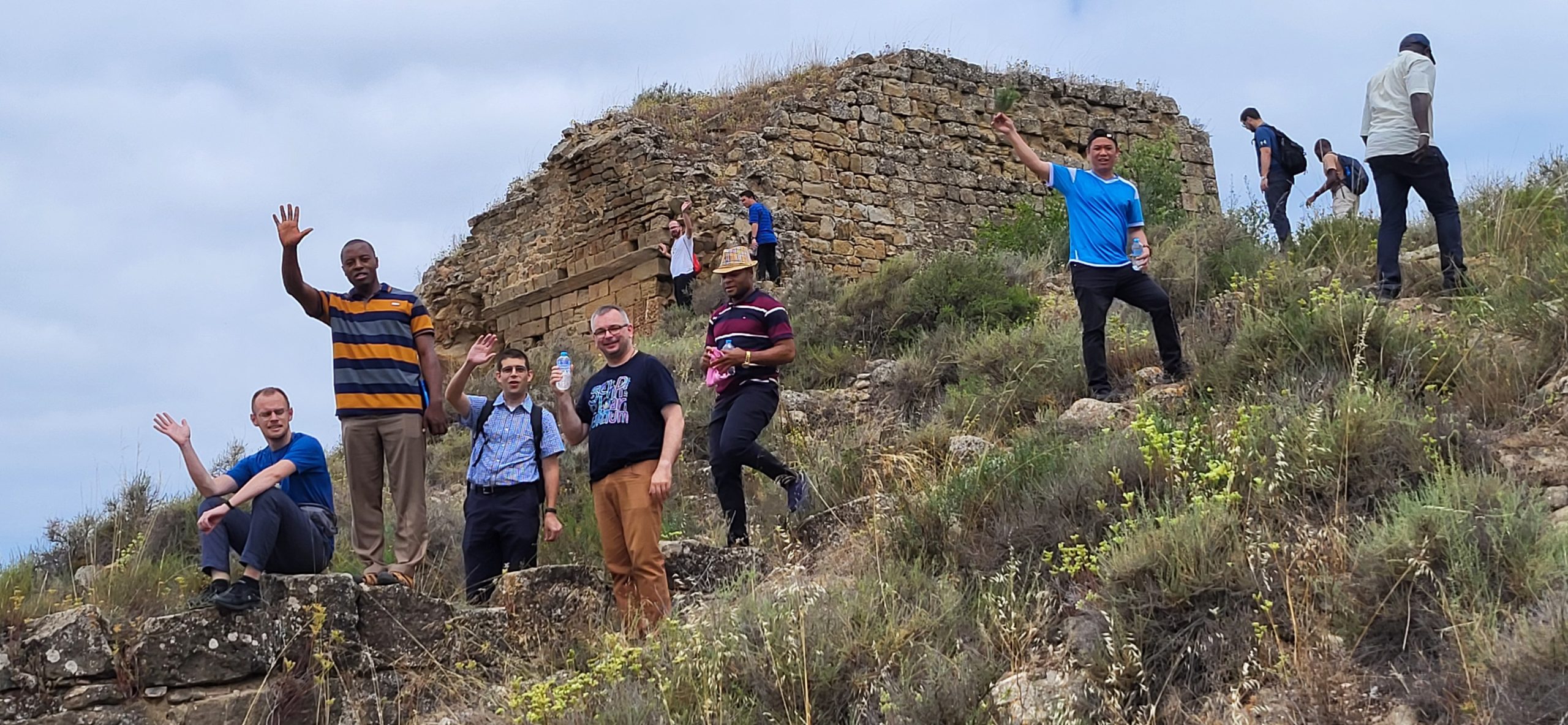
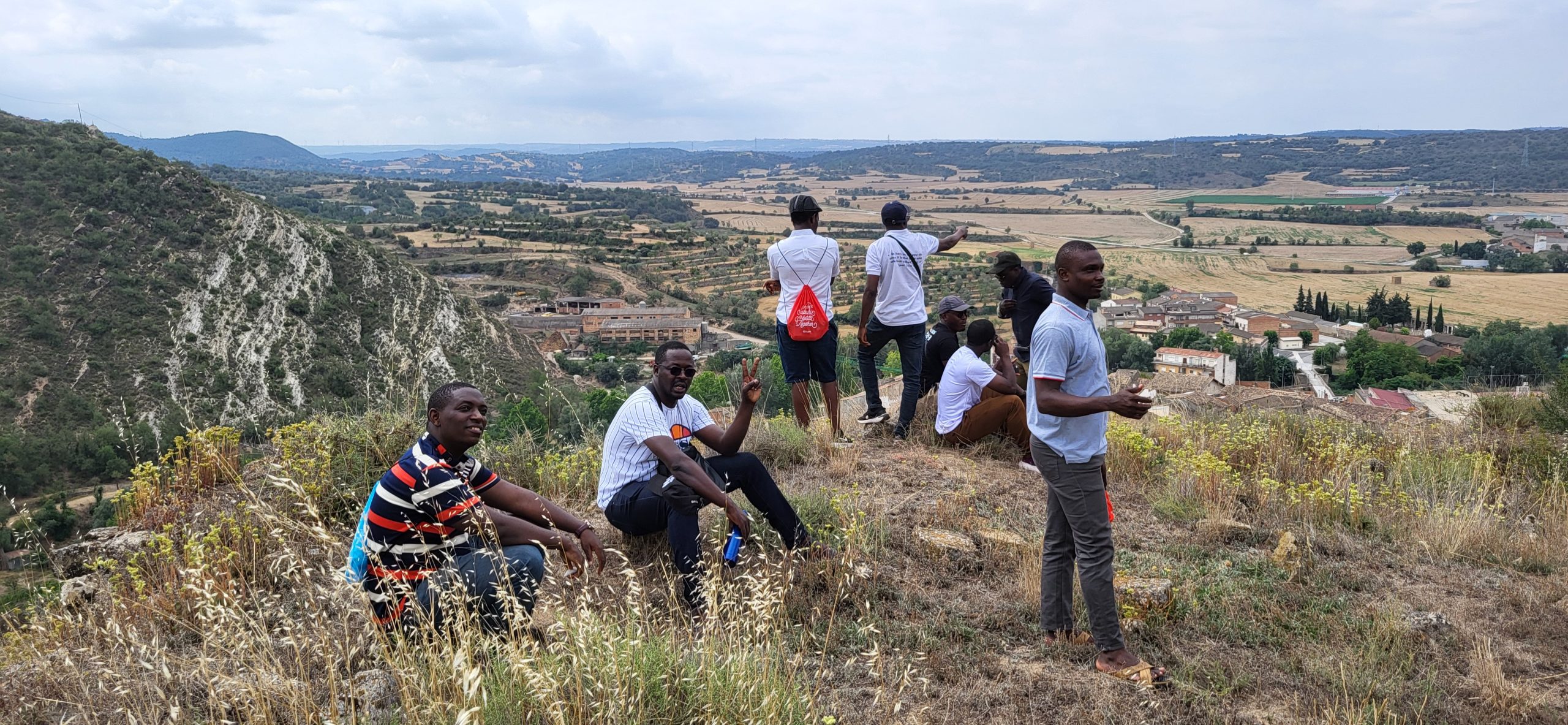
During the retreat, the service was led by regional groups. On the first day of the retreat, the liturgy was organised by the participants from America and Europe. After morning prayer and breakfast, the retreat began under the direction of Fr Emmanuel. In the morning, Father Emmanuel invited the participants of the Route to meditate on the question “Who is Jesus for me?” based on the texts Lk 16, 19-31 and Mt 25, 3-46. After a moment of personal reflection, the pilgrims had the opportunity to share their thoughts in plenary. The morning’s work ended with the Eucharist and lunch. After lunch, some participants visited the olive tree where, according to tradition, St Joseph Calasanz climbed as a child to defeat the devil.
The afternoon meditation centred on the text from Mark 10:46-52, the healing of blind Bartimaeus. Father Emmanuel invited the participants to reflect on their own darkness in order to discover the healing presence of Jesus in it. After the personal moment and the sharing in the group, vespers was celebrated and dinner was eaten together. In the evening, the participants from the Provinces of West Africa, Slovakia and Mexico presented the realities of their regions and a fraternal exchange took place.
Day 5: Tuesday, 9 July
The liturgical service of the day was led by the participants from Asia. In the morning, the retreat centred on following Jesus. The reflection questions centred on the experience of vocation and the current calls to live it. In the afternoon, Fr Emmanuel invited the participants to meditate on the experience of the Piarist mission. He emphasised how important it is to live this mission in community and to be open to the new challenges that the Order poses in this regard. In the evening, the participants from Hungary and Italy gave their presentations.
Day 6: Wednesday, 10 July
Today’s liturgy was led by the brothers from Africa. The schedule was changed to receive the explanation of the Shrine, so the day began with the celebration of the Eucharist at 7am. After breakfast, we spent the morning on the theme of consecrated poverty. Juan Antonio Frías, rector of the parish of Peralta, gave the participants a first explanation of the Shrine, in which he told, among other things, how the Piarists arrived in 1697 to occupy the place where José Calasanz was born, as well as some aspects of the ornaments of the temple and the life of the Saint.
In the afternoon, reflection and sharing centred on the life of the vow of chastity. After vespers and dinner, the participants from the Vice-Province of California and from the Provinces of Bethany, Indonesia and Nazareth presented their districts.
Day 7: Thursday, 11 July
After Lauds and breakfast, there was a talk by Fr Emmanuel on obedience and time for personal reflection and sharing within the group. At midday we celebrated the Eucharist and in the afternoon there was a reflection on community life. Then followed the second part of the explanation of the Shrine, and we visited the parish of Peralta, guided by Fr Frías.
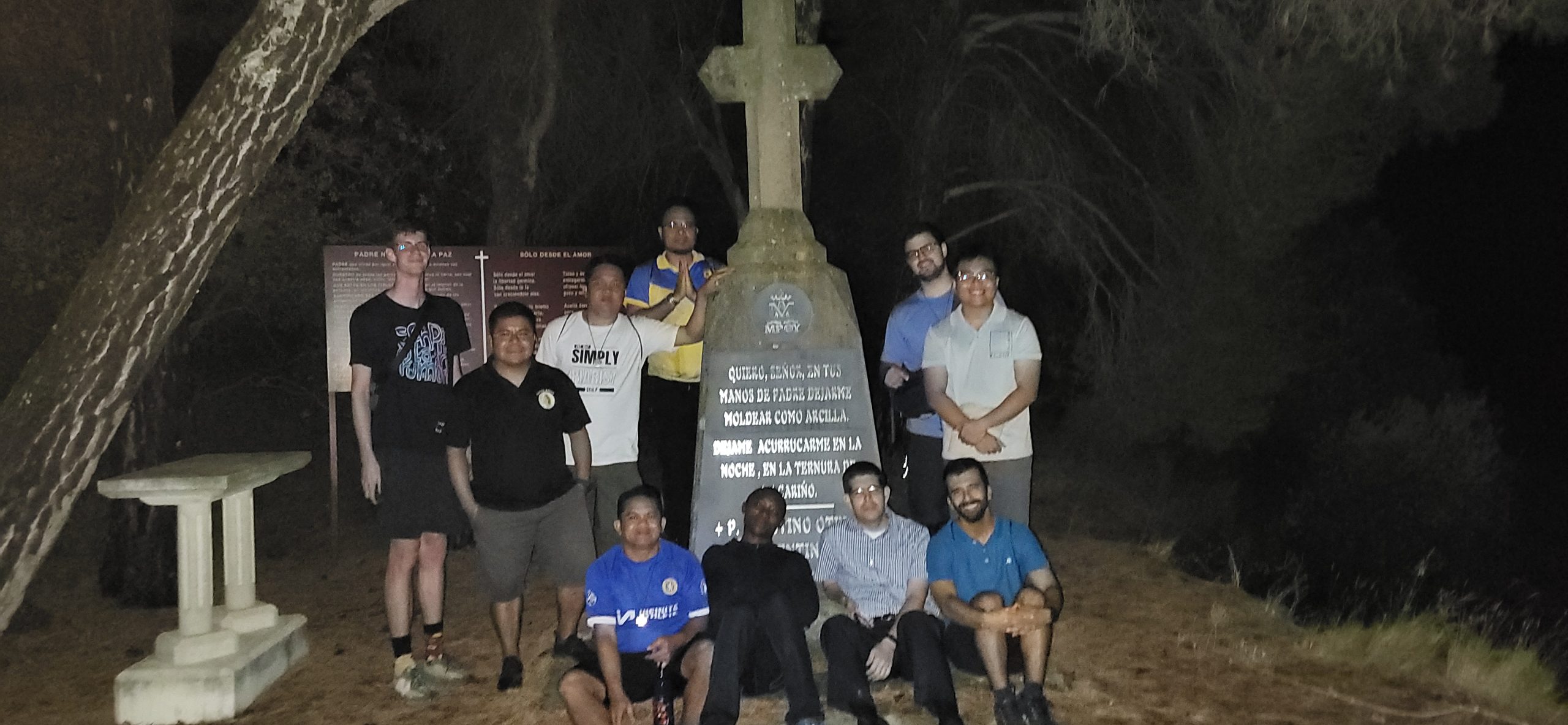
In the evening, after dinner, 10 participants of the Route, accompanied by Fr Julio Álvarez, visited the site of the martyrdom of the Piarists.
Day 8: Friday, 12 July
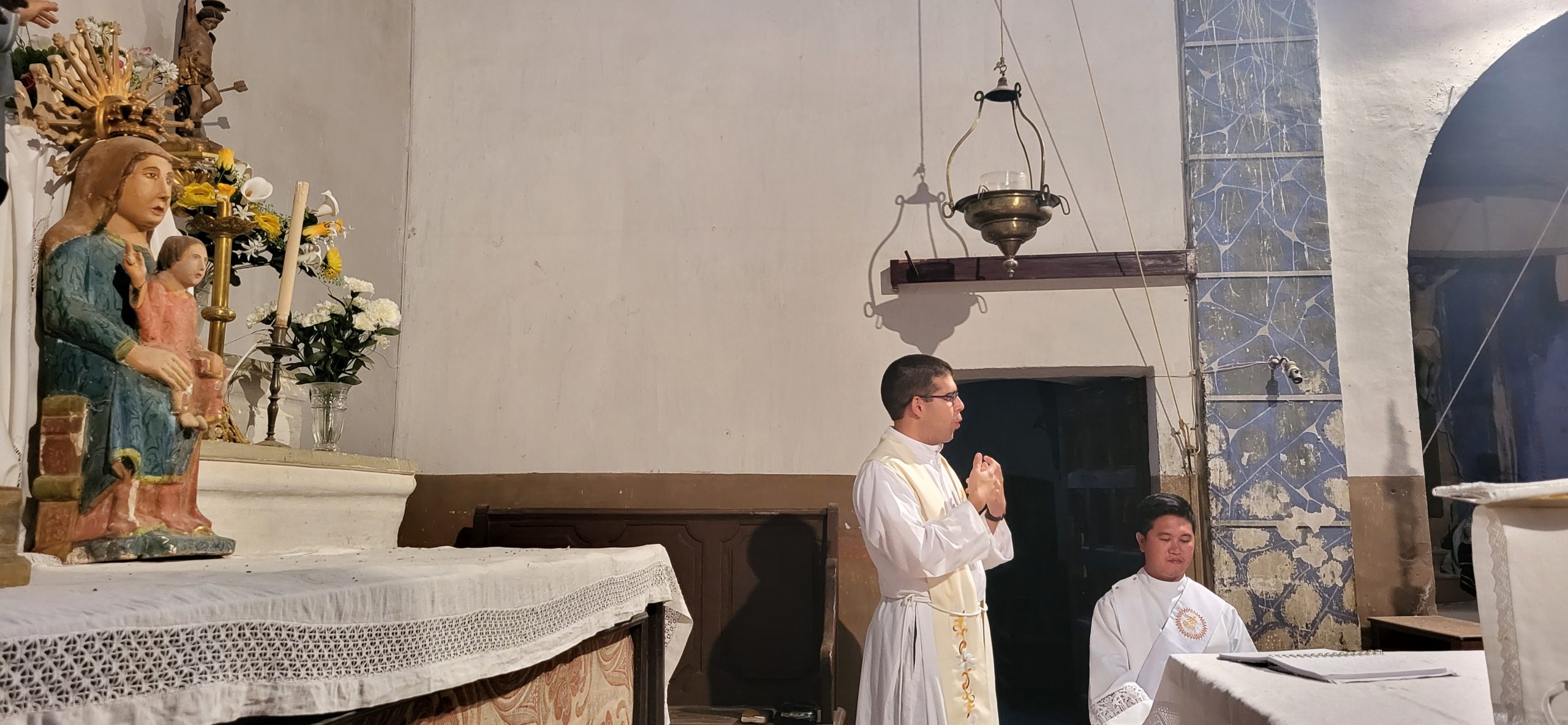
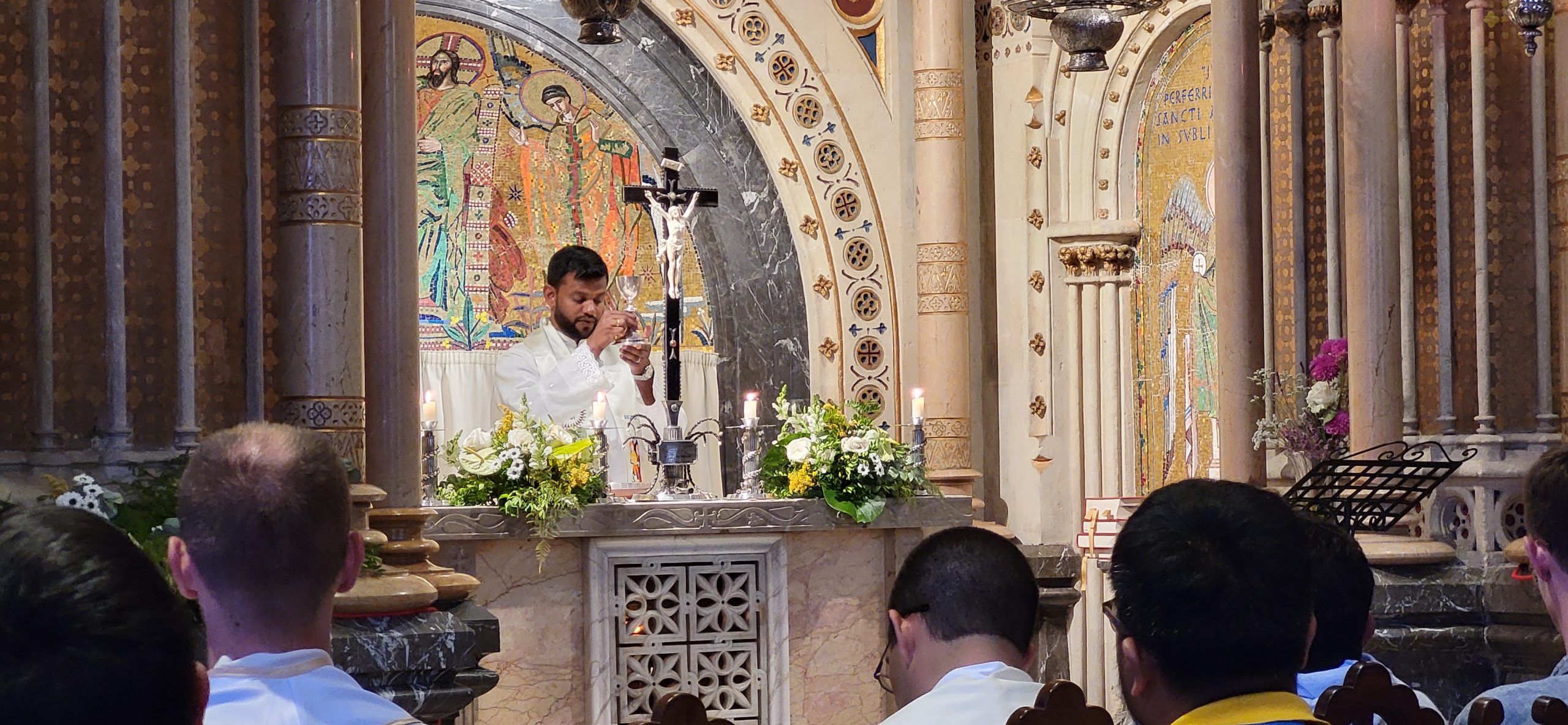
Today we finished the spiritual exercises to verify our Piarist vocation. Emmanuel, whom we thanked with the gift of a notebook with notes from the participants of the Route. At midday we celebrated the Eucharist presided by Fr Nabor Reyes from Mexico on his birthday. The chalice that St Joseph Calasanz gave to the parish of Peralta in 1593, on which is written: “Pro ferro argentum et aurm”, was used for the celebration.
In the afternoon we began the second part of the Route, visiting the Catalan and Aragonese places of Calasanz’s life. This second part was led by Dr Eduard Puigventos, Catalan, historian of the Province of Catalonia, and the Piarist deacon Aniol Noguera, great researcher of the Spanish life of Calasanz, also Provincial assistant of Catalonia, who works in the school of Igualada.
We began this second part with a visit to Barbastro, where Calasanz, who was already an ordained priest, stayed in 1584 as a relative of Bishop Felipe de Urríes. There we visited the Cathedral of Barbastro and the local Piarist school. This university is also known for the fact that several Piarist martyrs were missionised here.
After this tour, we travelled to Monzón, where Calasanz arrived in 1585 after the death of Bishop Urríes. There we visited the Cathedral, where the Cortes were held, at which Calasanz was present. During these two visits we also had the company of Father Burgés.
After the day’s hike, we returned to Peralta. After dinner, the guides Puigventos and Noguera explained the itinerary of the second part. We also had the presence of Father Jordi Vilà, the Provincial of Catalonia, who presented the general aspects of his demarcation.
Day 9: Saturday, 13 July
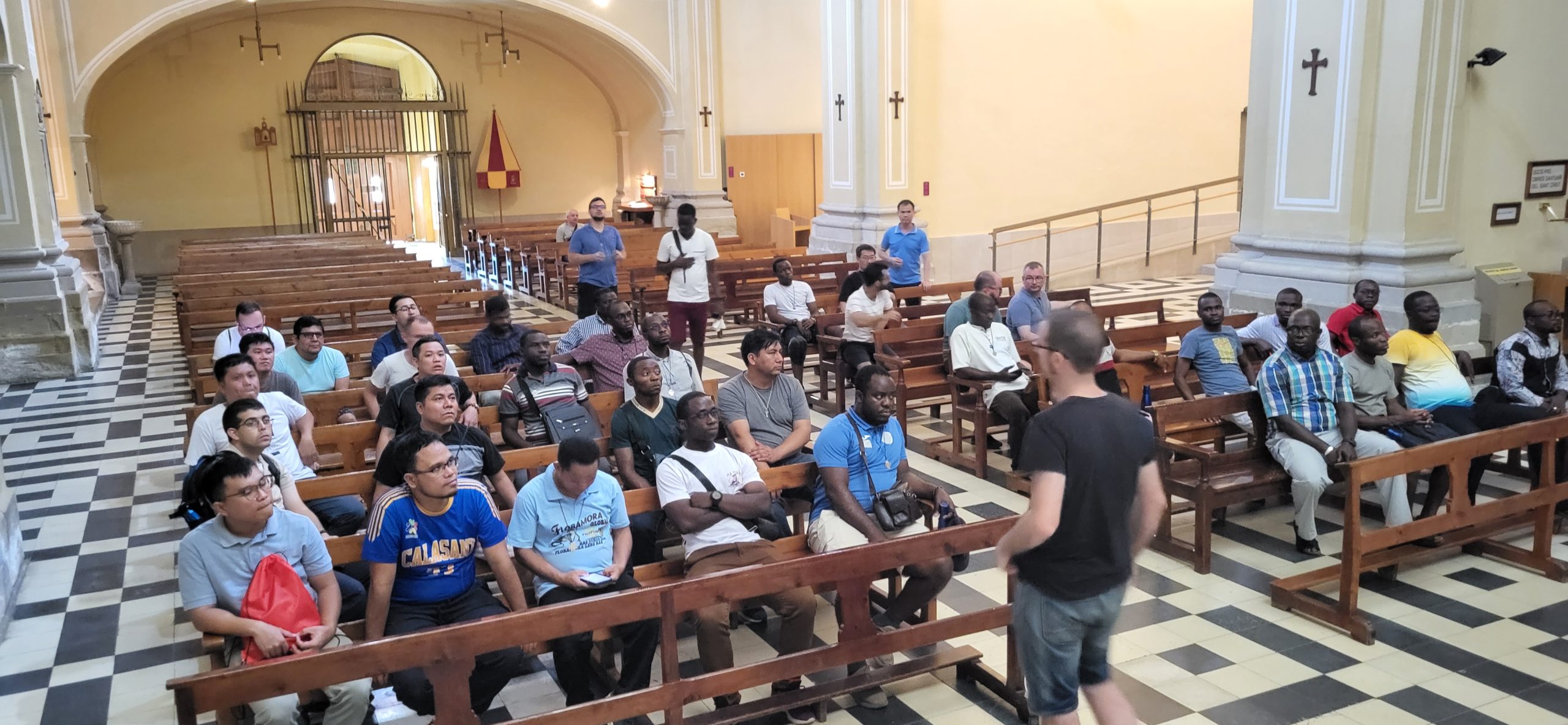
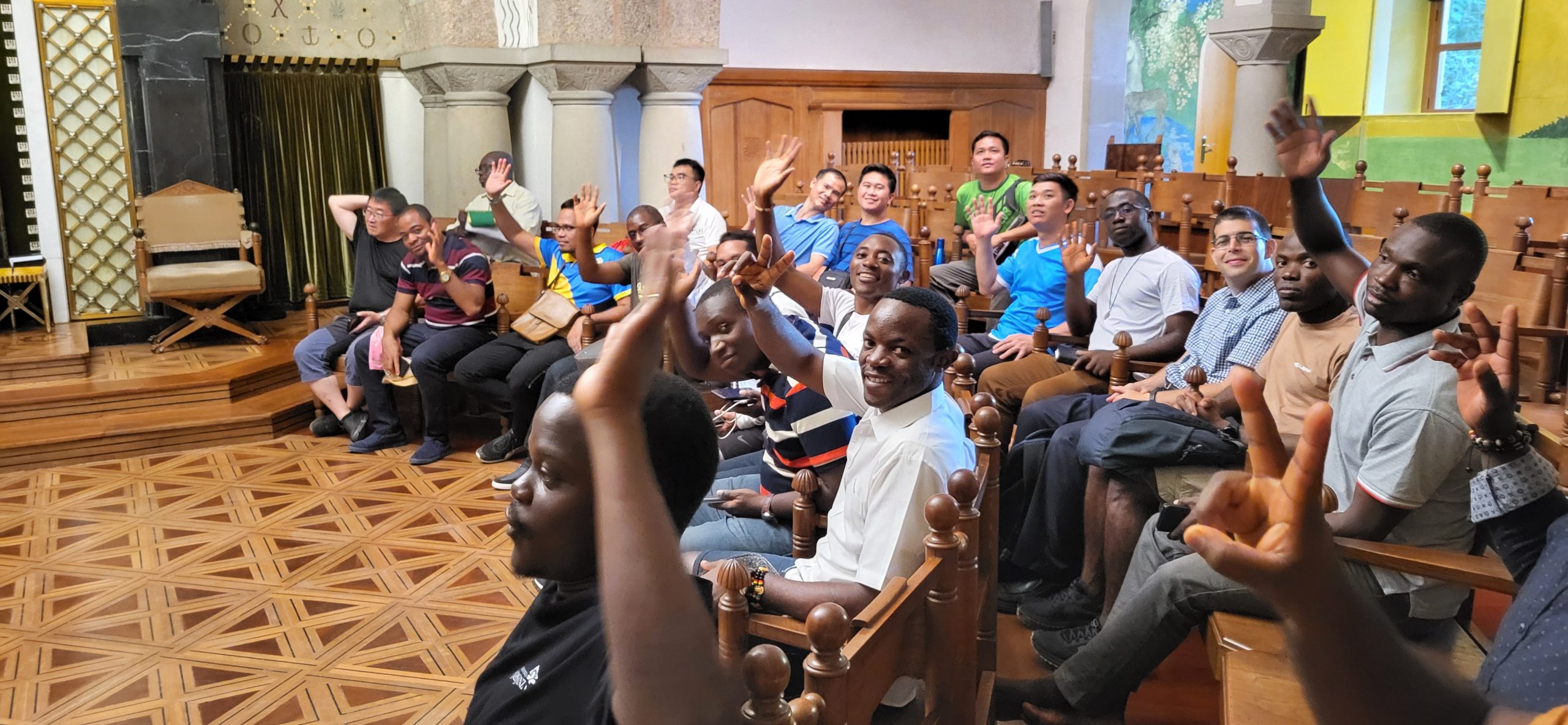
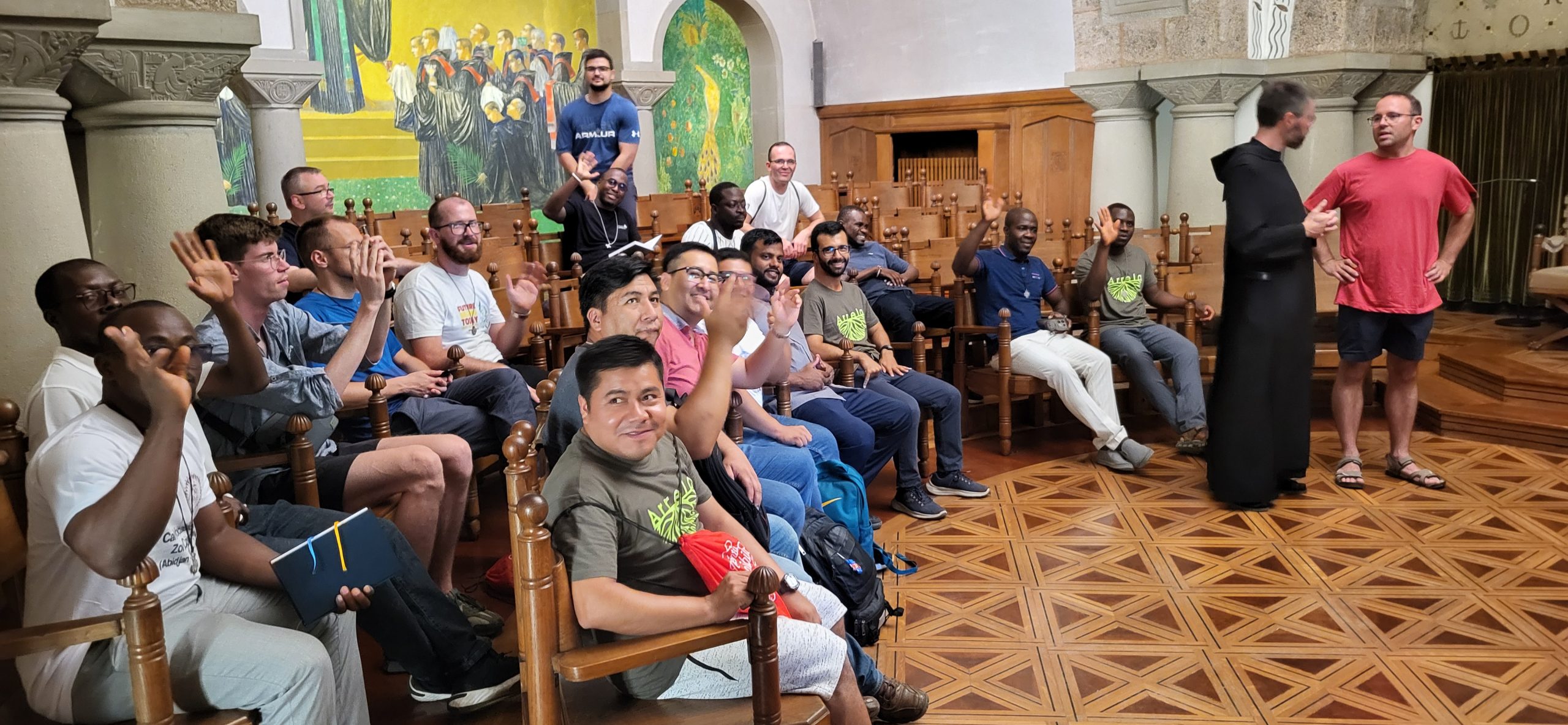
After Laudes and breakfast, we set off for Lleida, remembering the time of Calasanz’s studies, who came to the city in 1571 to study the humanities. We visited the old Cathedral of Lleida, where we discussed in small groups about our formation as Piarists and what this period in the life of St Joseph Calasanz means to us in a spiritual sense.
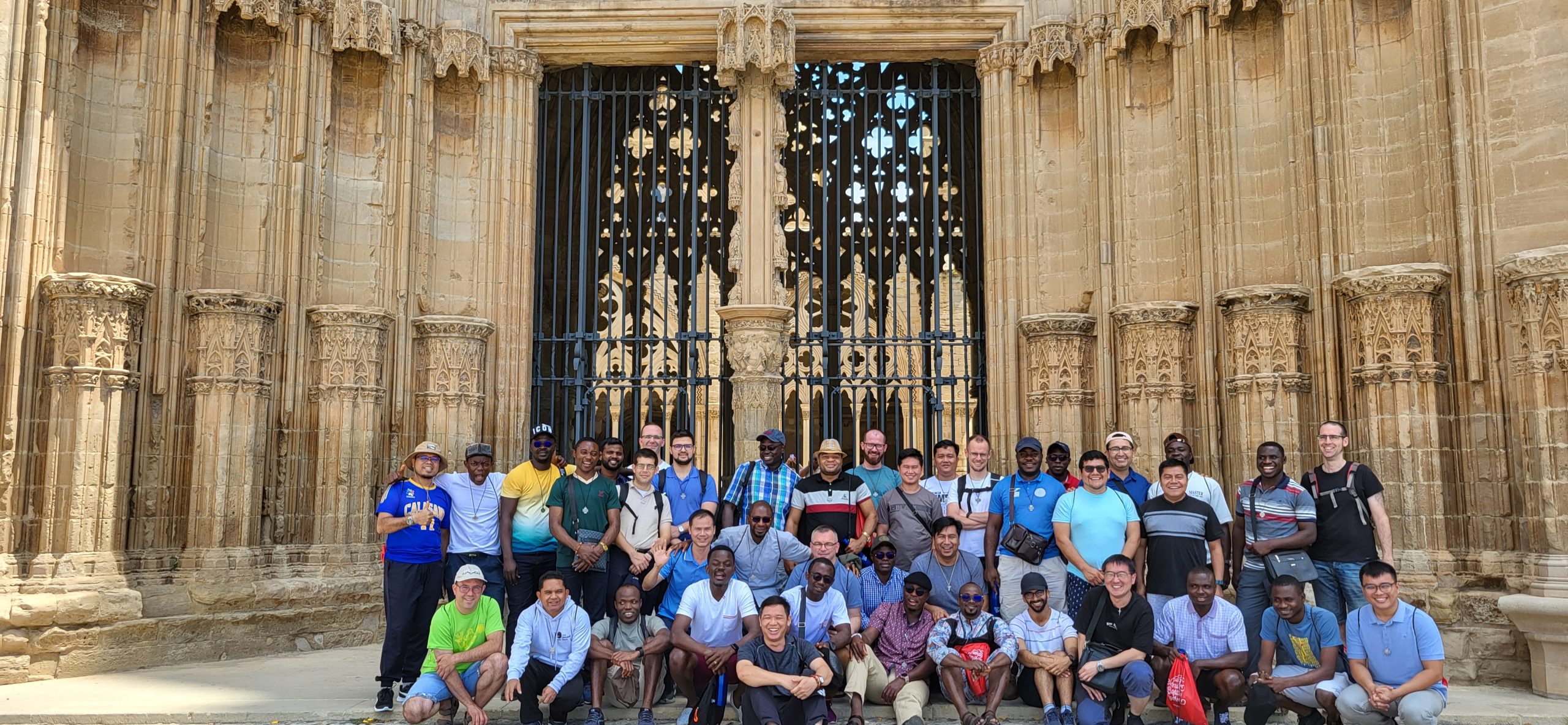
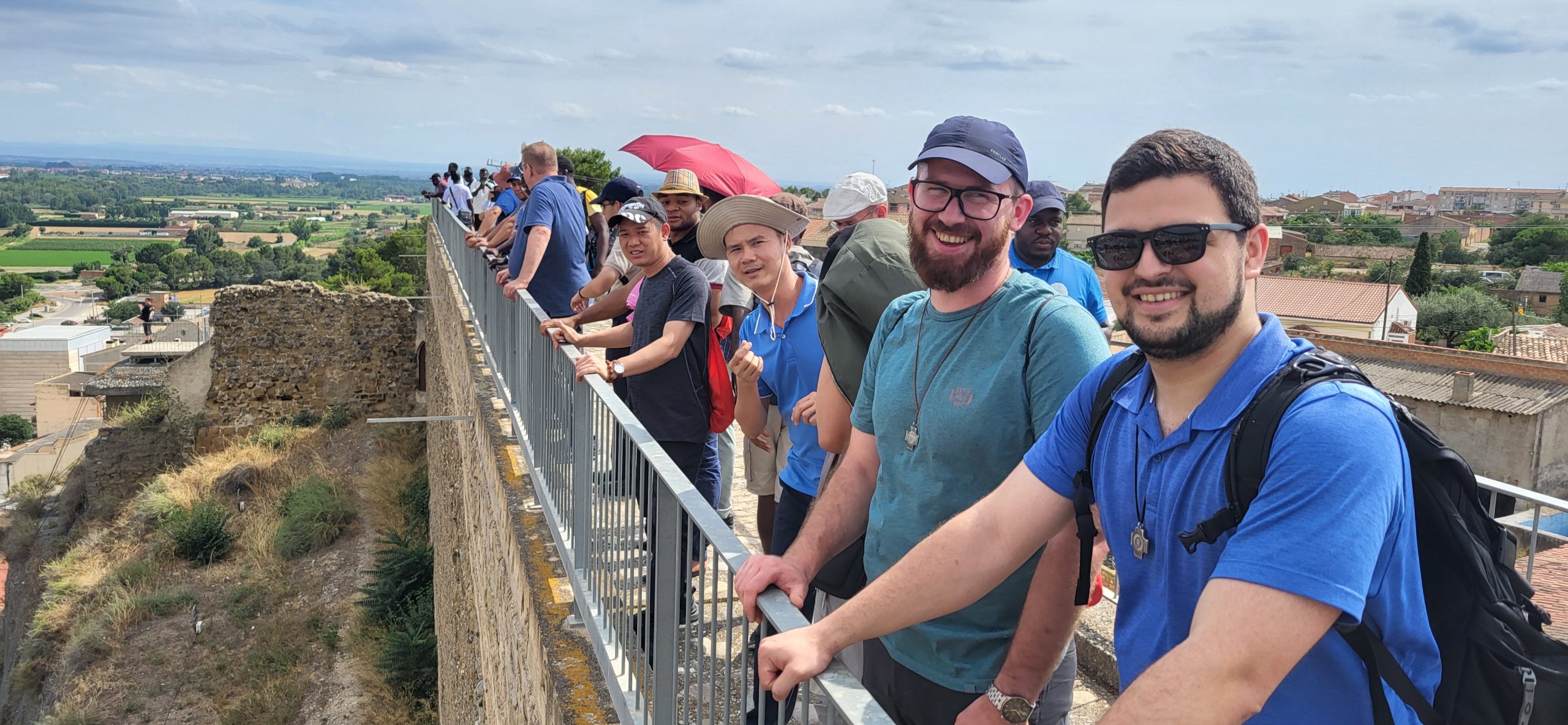
After the visit to Lleida, we travelled to Balaguer, where we had lunch at the local Piarist school. Eduard Pini, director of the school and former provincial of Catalonia, accompanied us that day. After lunch, we visited the city walls and then the church of Santa Maria, where Calasanz made a pastoral visit as a priest in 1587. There we celebrated the Eucharist, presided over by Father Jordi Vilà.
We end our journey to Balaguer with a visit to the Church of Santo Cristo, also known as the Church of the Virgin of Almatá, where Calasanz was tonsured in 1575. At the end of the day, we return to Peralta for dinner.
Day 10: Sunday, 14 July
Today we leave Peralta in the direction of Tremp. Before leaving, we thanked Mr Javier Sánchez (administrator of the Sanctuary) and Father José Burgés for their services during these days with a notebook of thanks for each of them.
When we arrived in Tremp, we went to the town hall to have our guides explain the route of Calasanz through the town. We also visited the former hospital for the poor, which Calasanz had also visited, and the place where the saint’s house and offices were located when he lived there.
At lunchtime, we celebrated the Eucharist in the Basilica of Valldeflors with the people and the local priest.
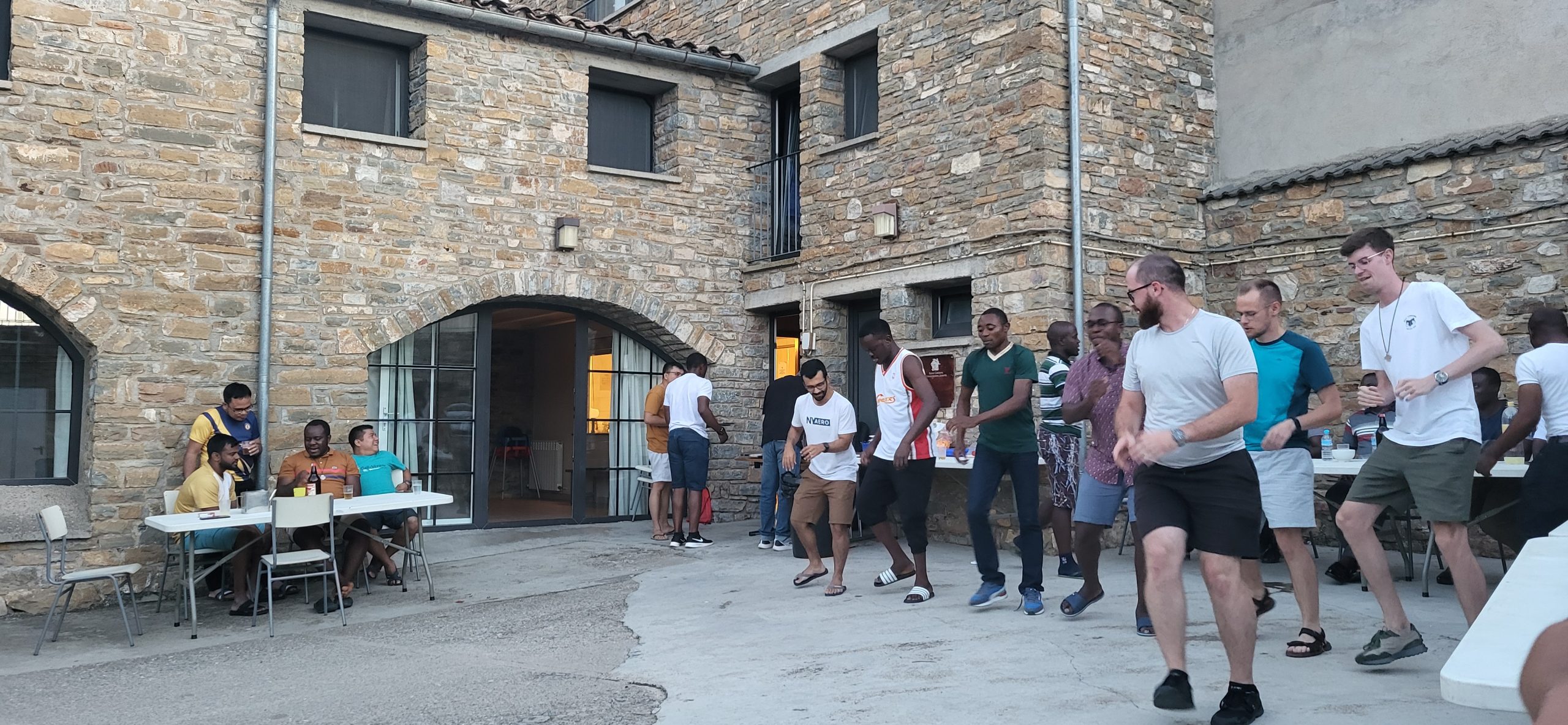
After mass, we continued our tour of the town. We had lunch in Pobla de Segur and then travelled to the old rectory of Claverol, where Calasanz was rector between 1589 and 1590 and where we stayed for two days. This afternoon some brothers visited Pont de Claverol while some brothers from Africa prepared dinner.
Day 11: Monday, 15 July
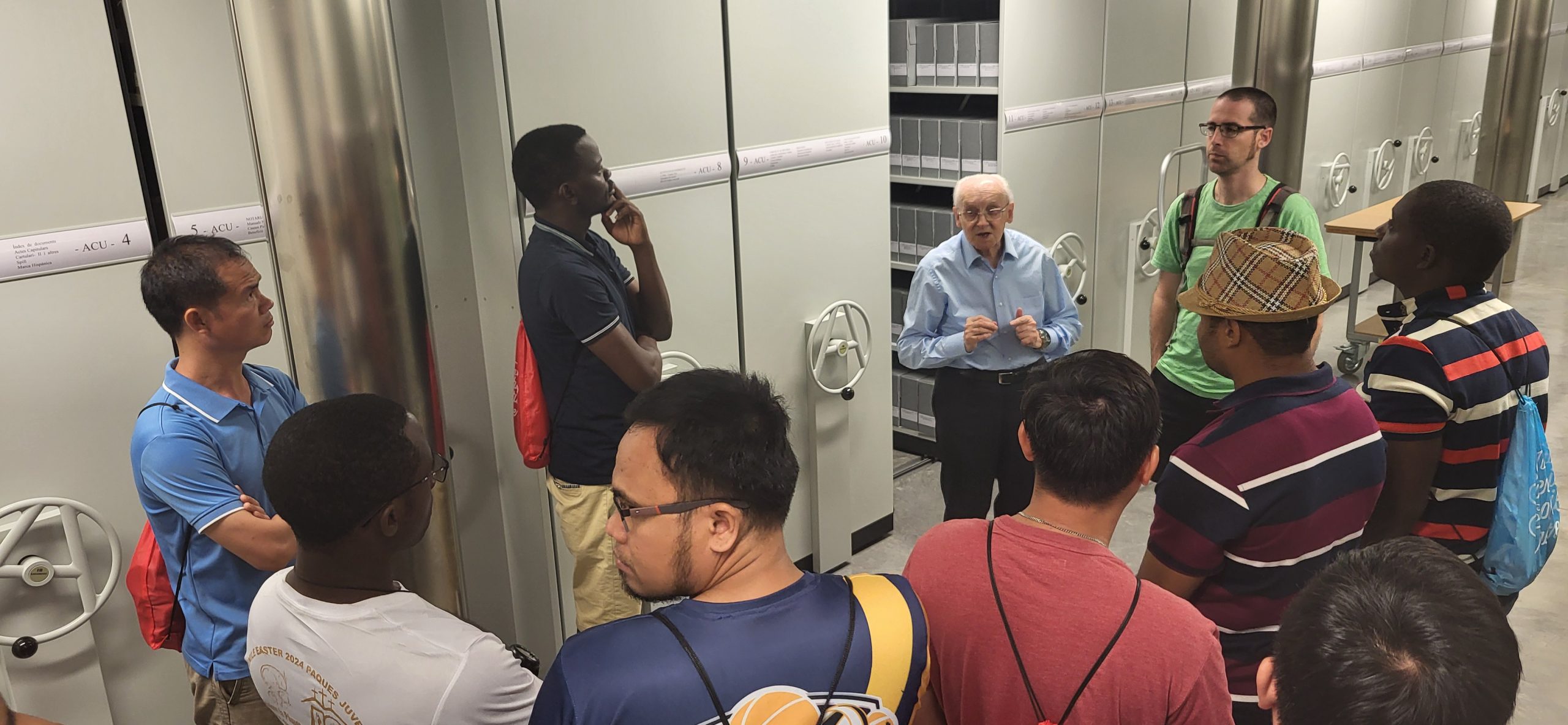
After breakfast, we set off for La Seo de Urgell. There we visited the diocesan and church archives, where we were accompanied by Mosen Benigne, the archivist of the diocese, and Josep, also an archivist and former student of Fr Pedro Aguado.
We learnt about some of the documents that Calasanz had written during his time as secretary of the local Cabildo.
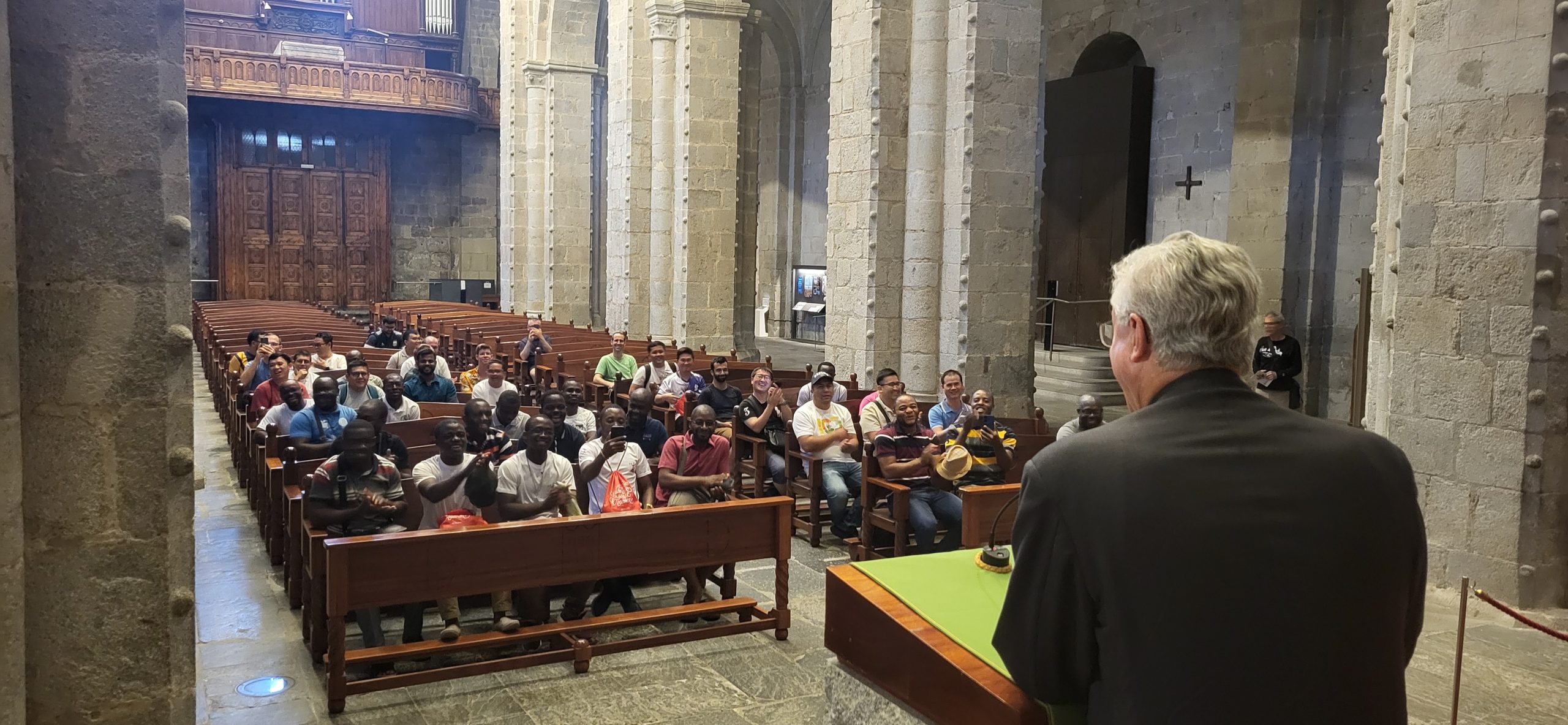
We then visited the Cathedral of Urgell, which is dedicated to St Mary of Urgell. During the visit, we were welcomed by the Bishop of Urgell, Mons. Vives, and the rector of the Cathedral.
We then passed the house where Calasanz lived when he was the bishop’s secretary and the house of the merchant Antonio.
After lunch, we travelled to Gerri de la Sal, where Calasanz also lived. There we visited the remains of the local monastery, which dates back to the 9th century. Calasanz was at the monastery to attend the funeral of the local Bishop. After the visit to Gerri de la Sal, we returned to Claverol. We celebrated mass with vespers and then had dinner prepared by our Mexican brothers.
Day 12: Monday, 16 July
In the morning we said goodbye to Claverol and drove to Sanaüja, where Calasanz was consecrated by Hugo Ambrosio de Moncada on 17 December 1583. Calasanz also worked there several times as secretary to the bishop, and before he went to Rome, he also passed through Sanaüja.
After visiting the remains of the bishop’s palace where Calasanz was consecrated, we visited the local parish church.
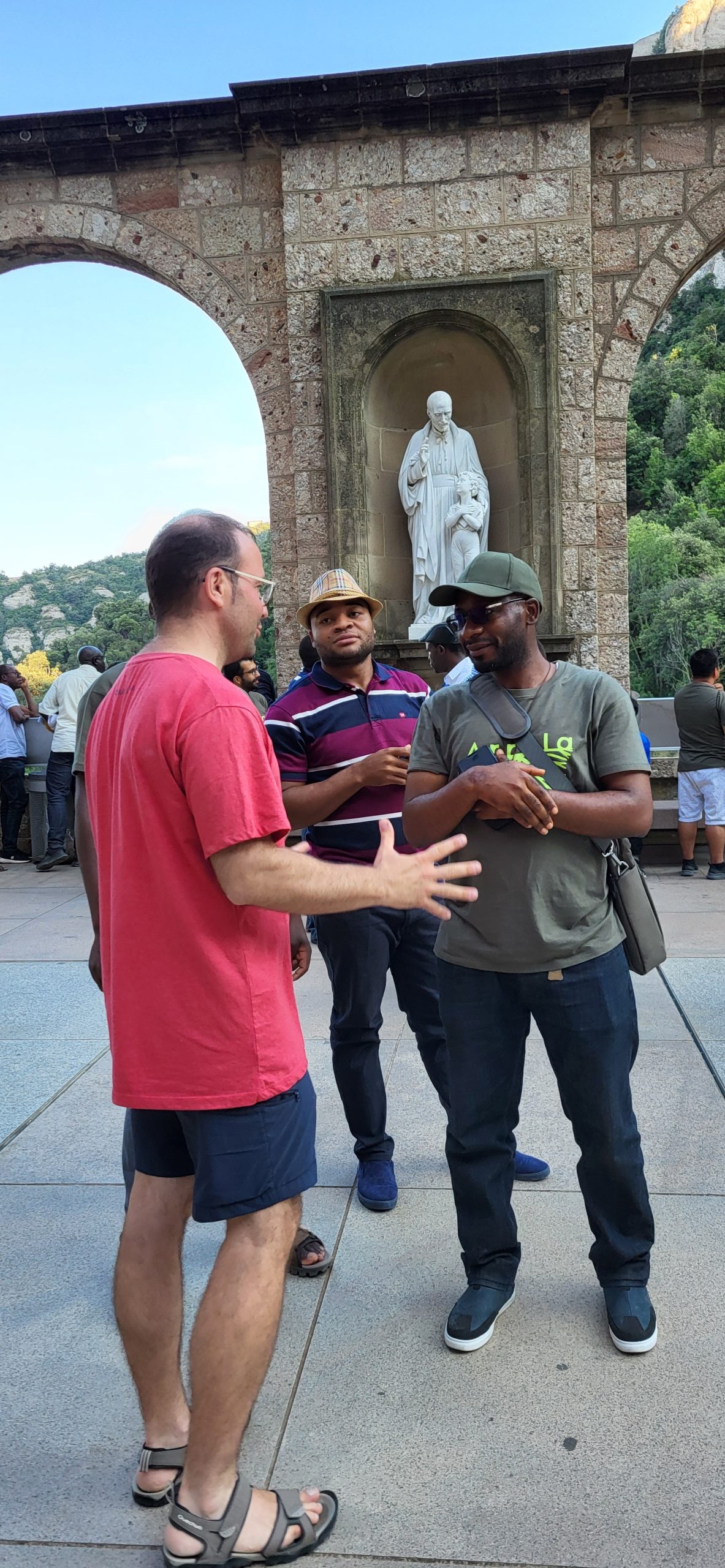
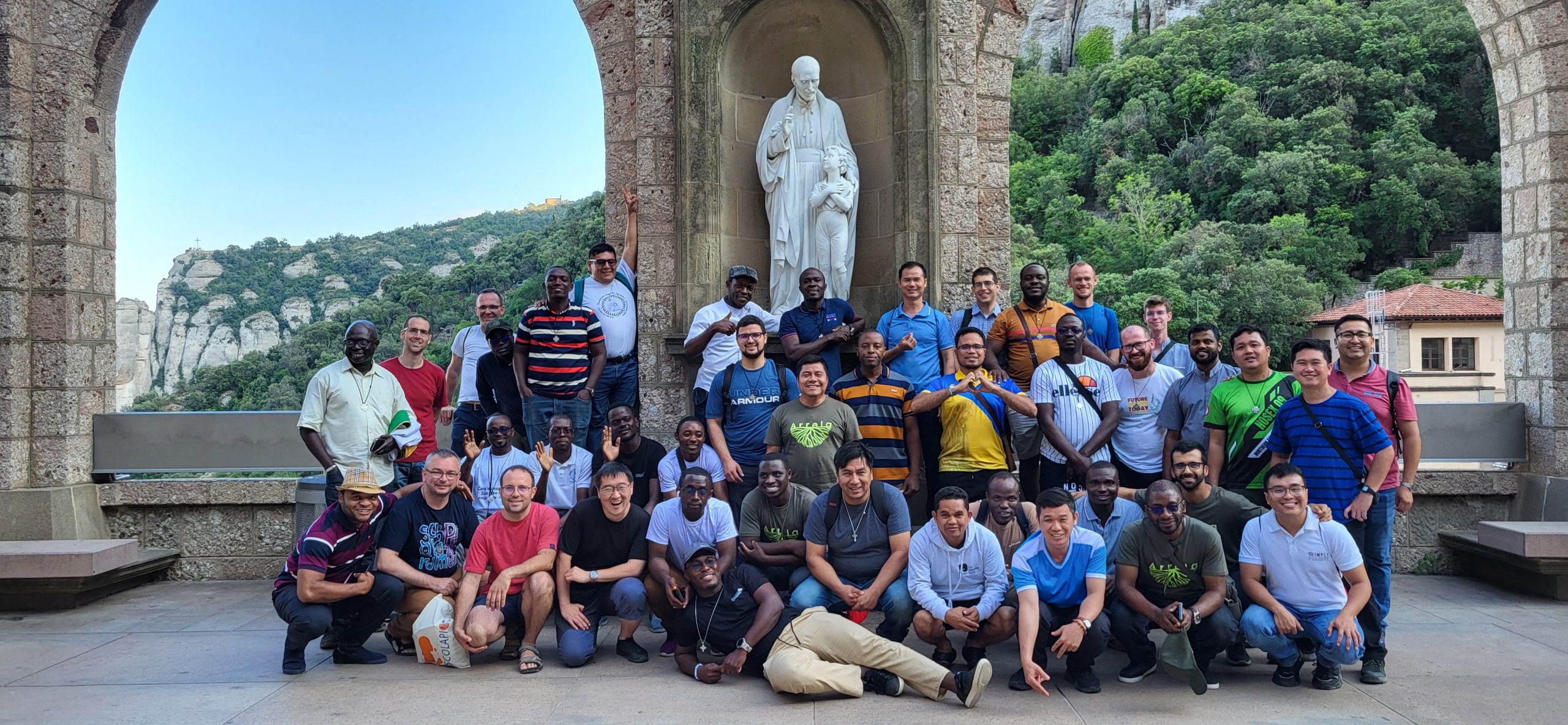
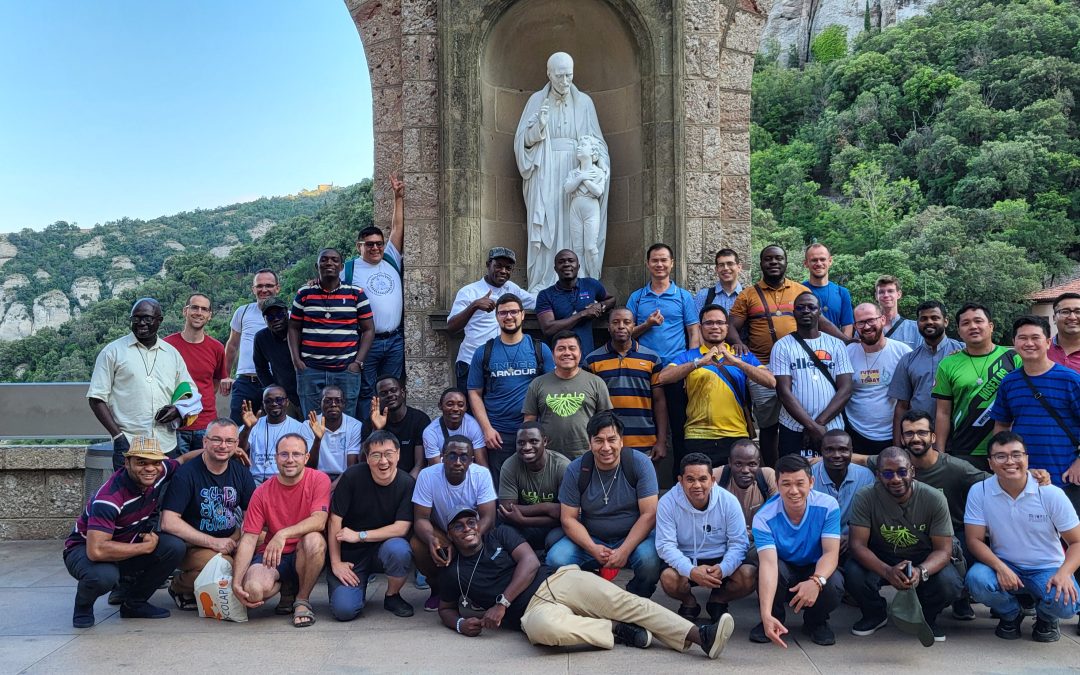
After a break, we made our way to the monastery of Monserrat. On arrival, we said goodbye to Norberto, the driver – a native Argentinian – who took us to the places we had visited since leaving Peralta.
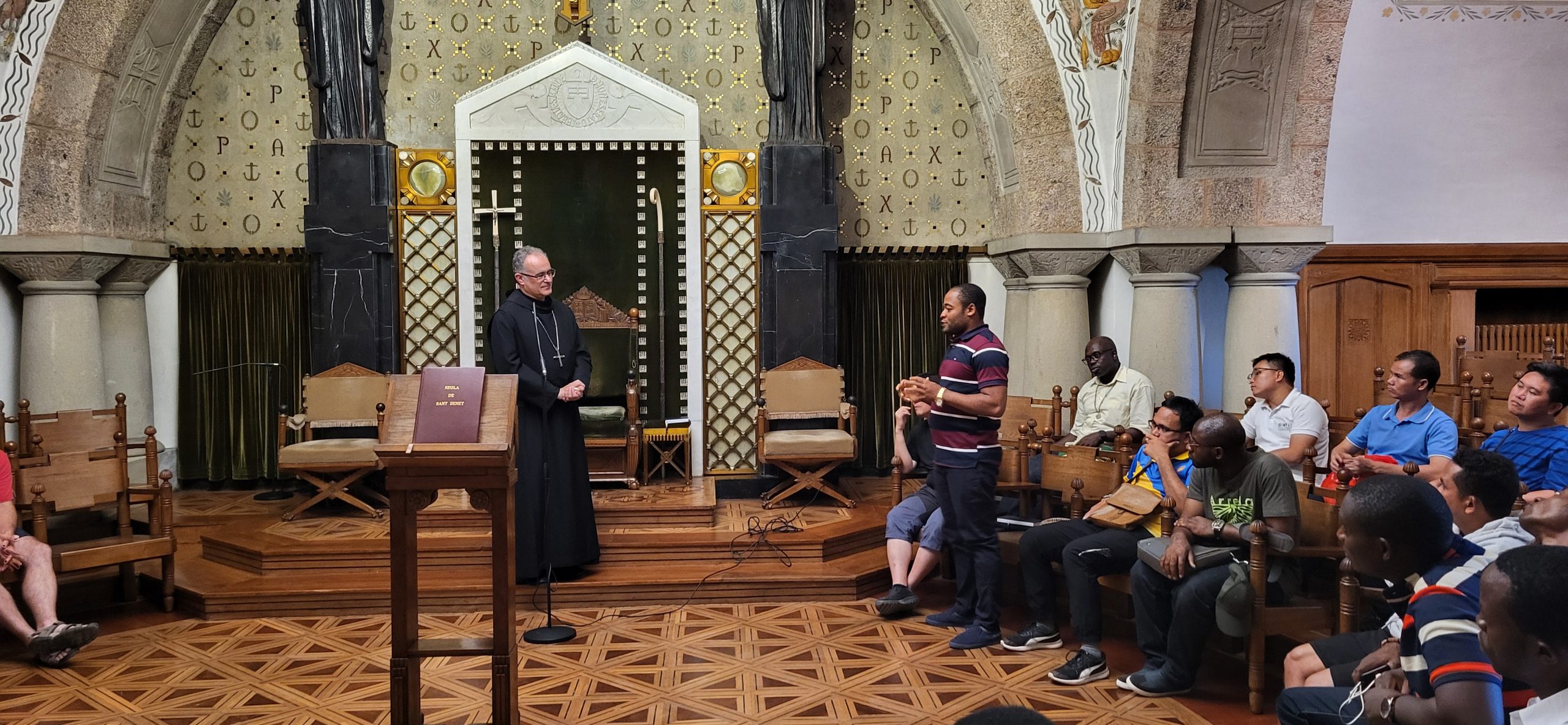
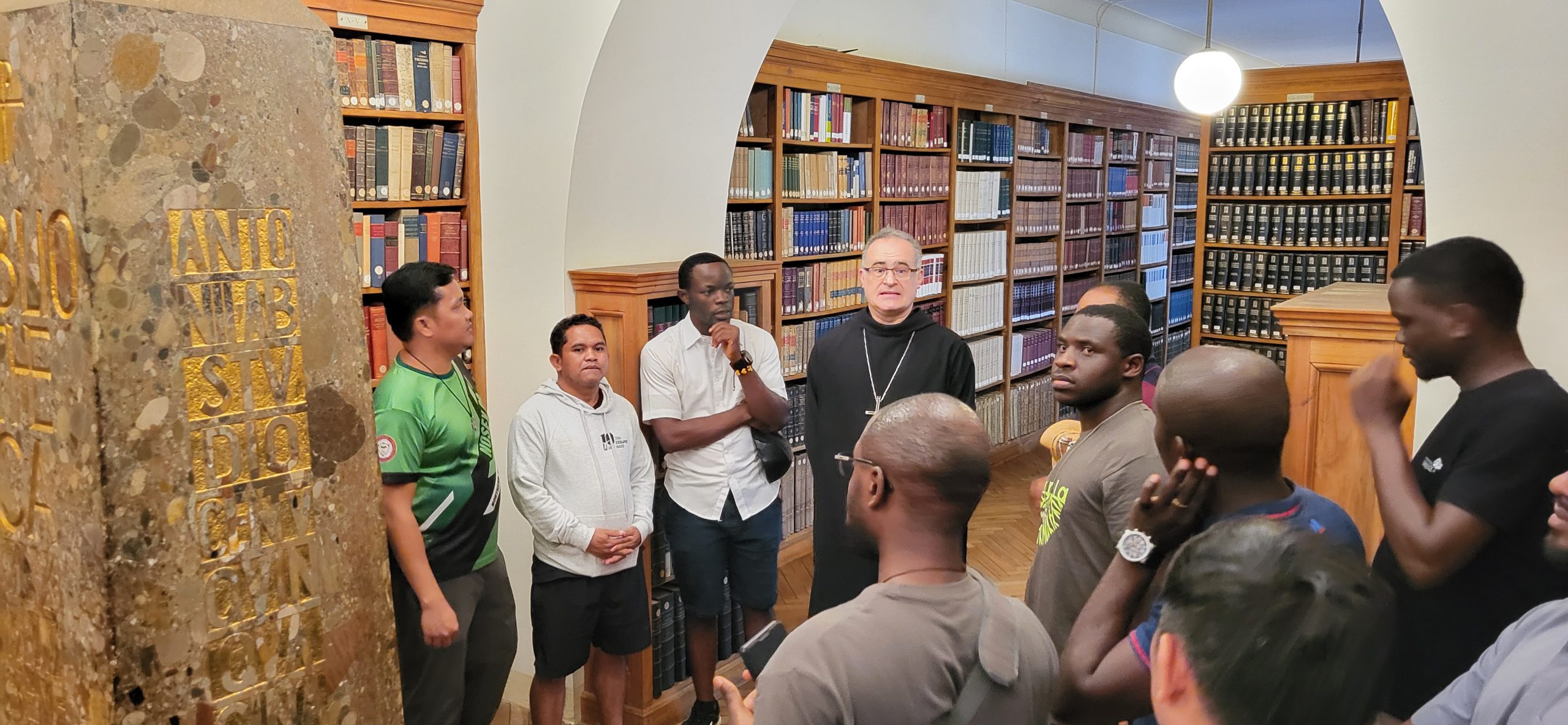
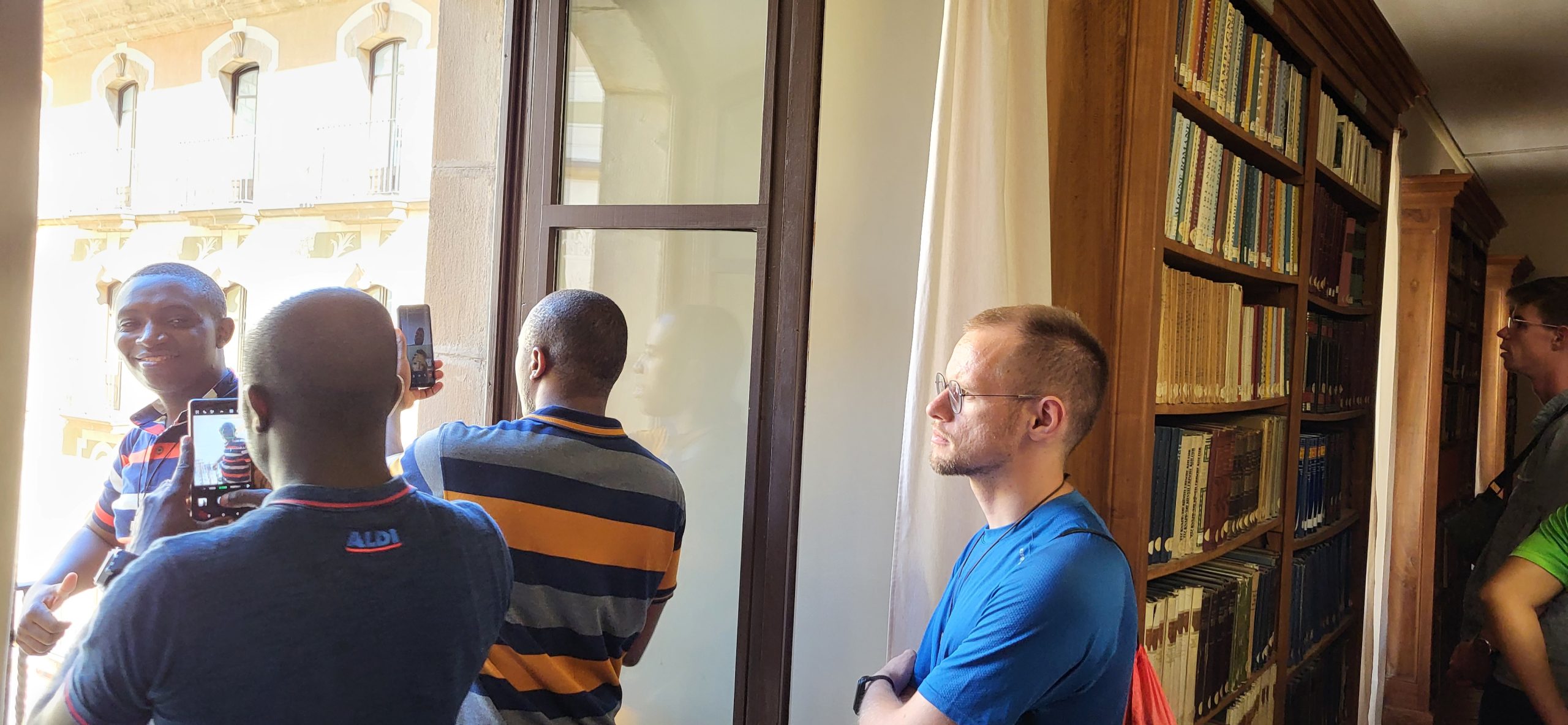
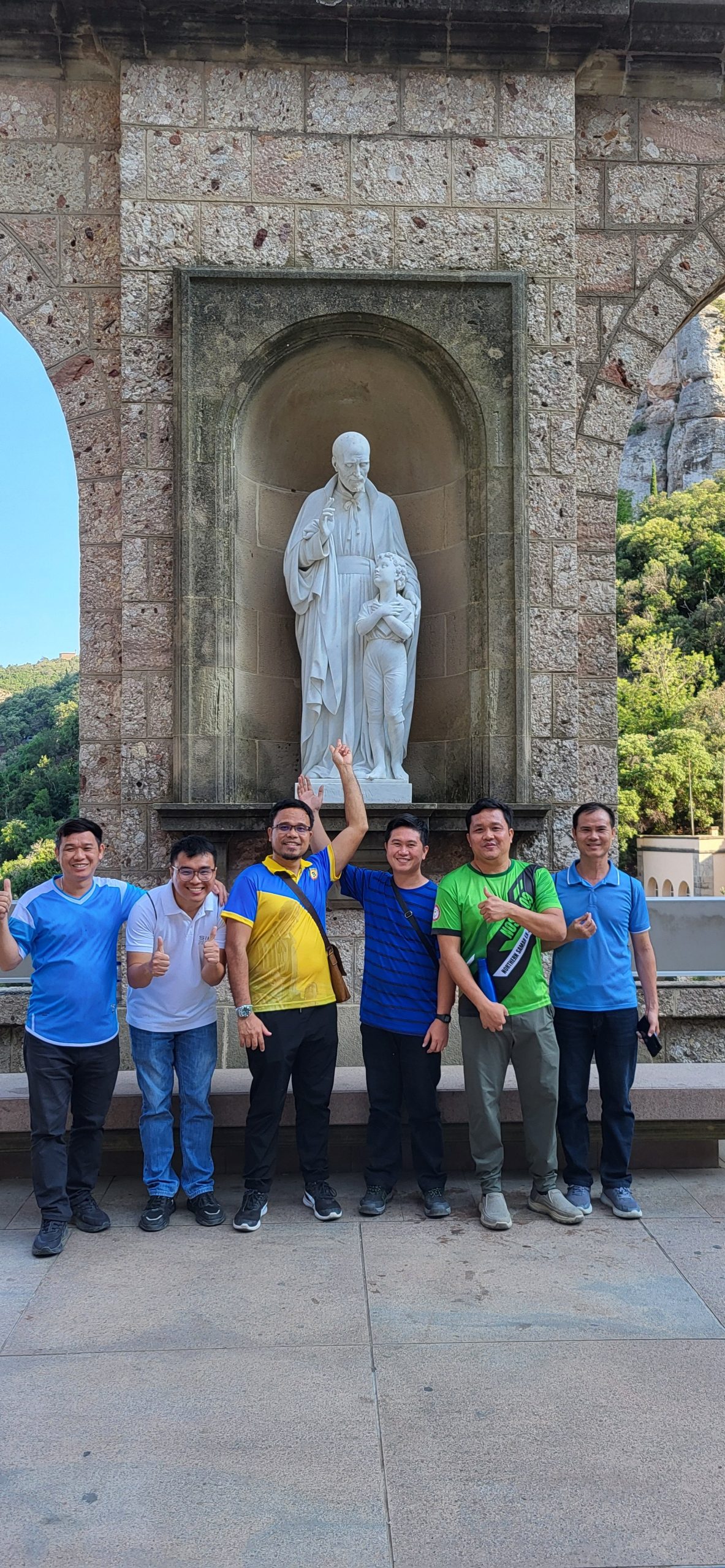
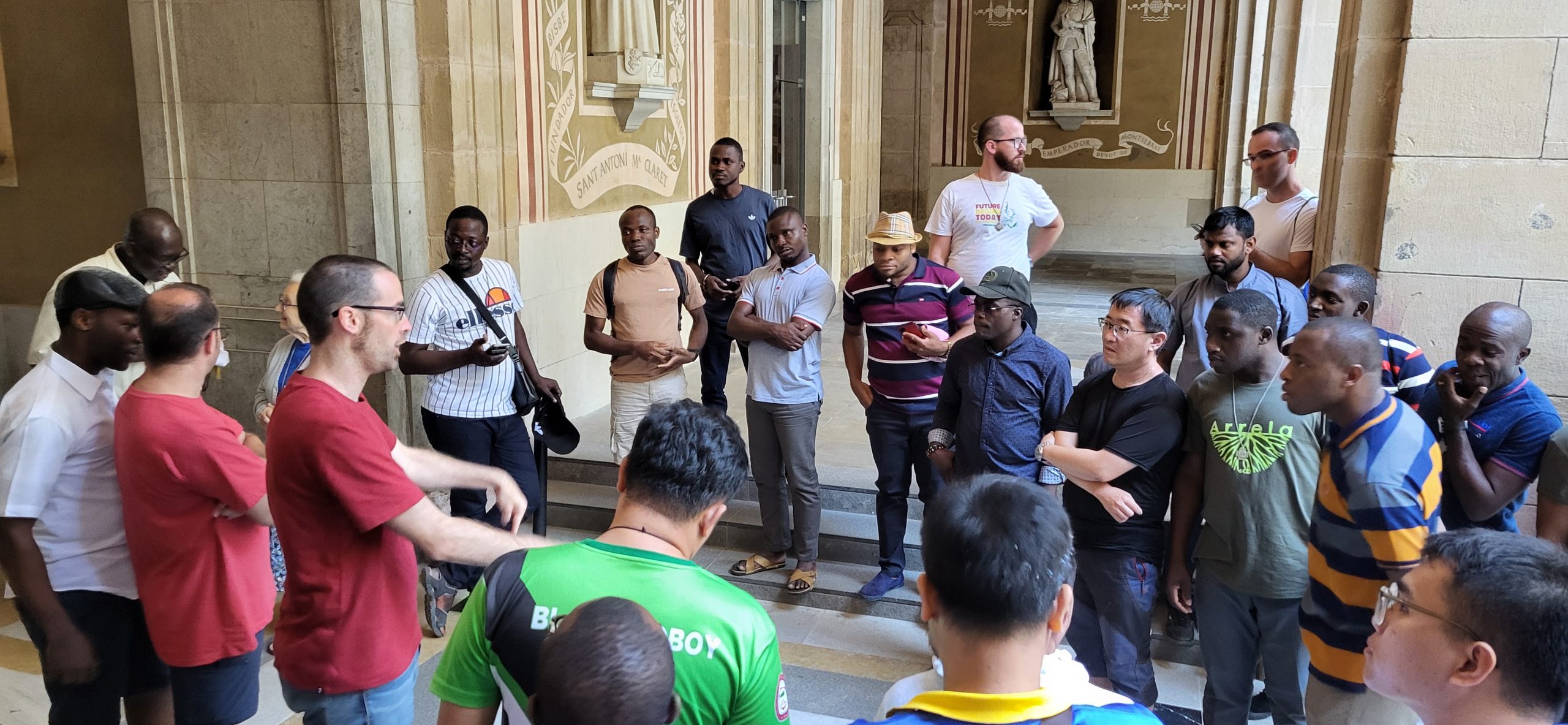
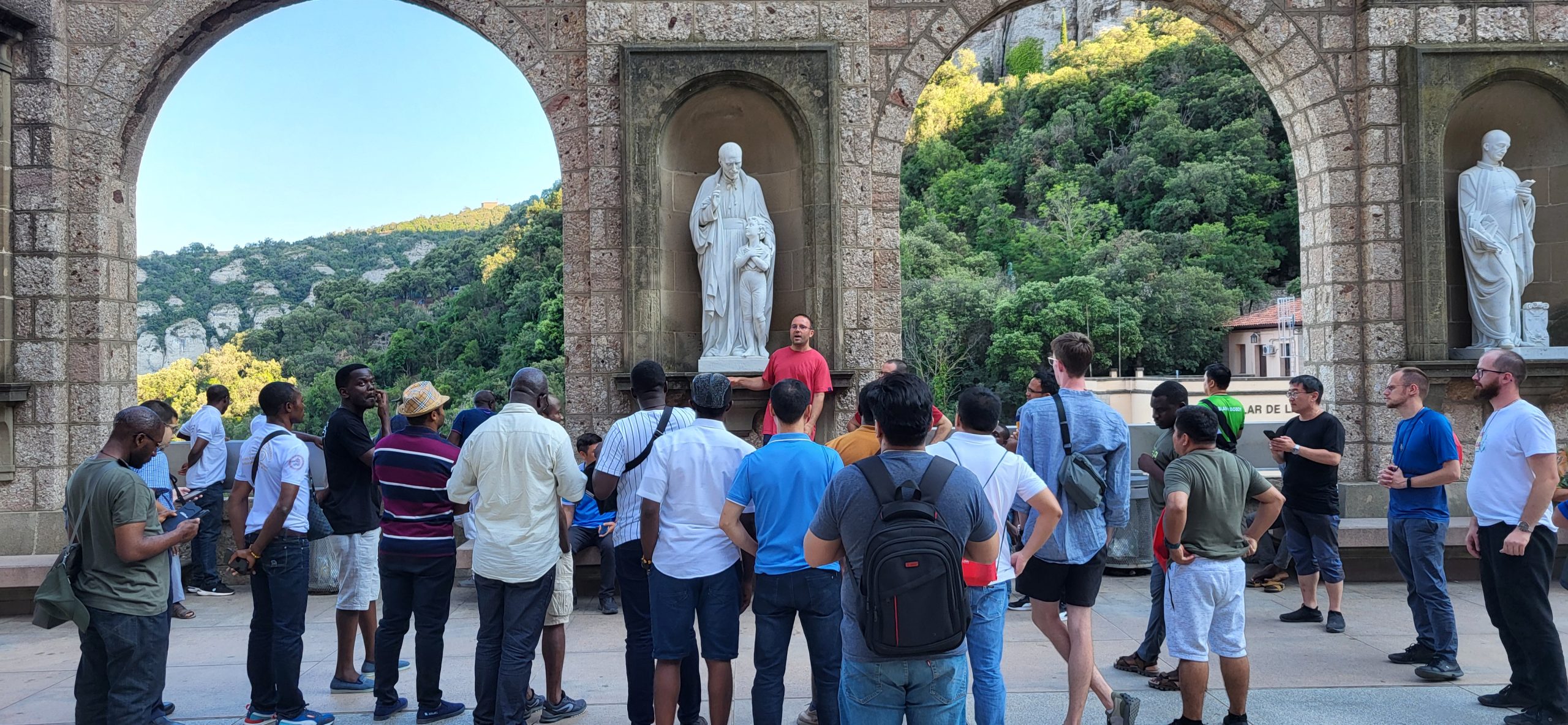
After lunch, we celebrated the Eucharist in one of the chapels of the basilica. Afterwards, the abbot and vice-prior Jordi welcomed us to the monastery and accompanied us on a guided tour of the monastery. We prayed vespers in the basilica.
After dinner, some of the participants climbed the Cerro de la Cruz accompanied by Eduard and Aniol.
Day 13: Wednesday, 17 July
We prayed Lauds in the Basilica of the Sanctuary and visited the altar of the Moreneta. After breakfast, we set off for Barcelona. There we visited the Holy Family Basilica and then had lunch at Casa San Antón, the Provincial house of Catalonia. We also met Father Joan Florenssa, the archivist of the province. After thanking our tour guides Diac. Aniol Noguera and Eduard Puigventós for their generosity during these days and Fr Jordi Vila, who was present on the spot, we made our way to the airport to travel to Rome.
When we arrived in the city of Rome, we split into three groups depending on where we were staying: one group went to San Pantaleo, another to Montemario and another to Nazareno Community.
David Villada López, Sch. P.
Province of Nazareth