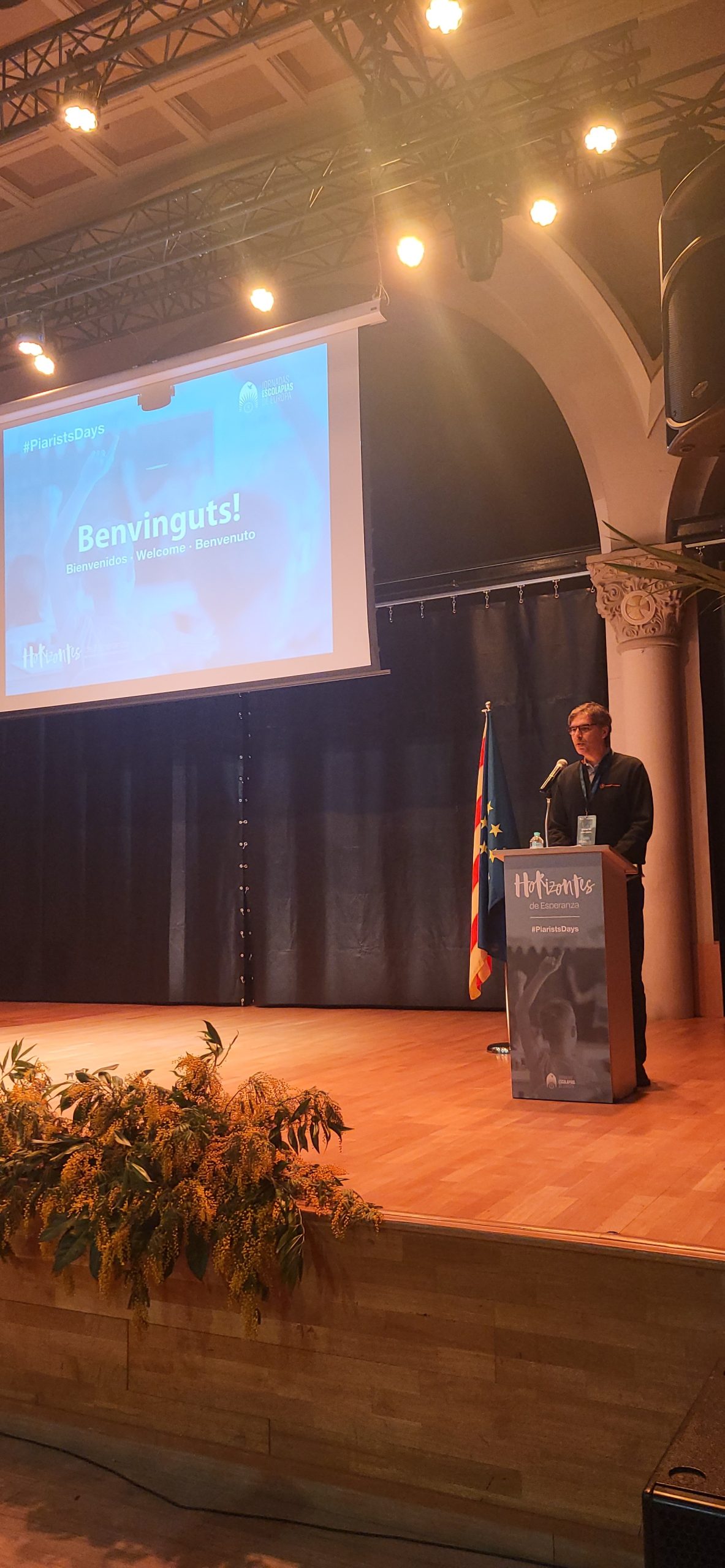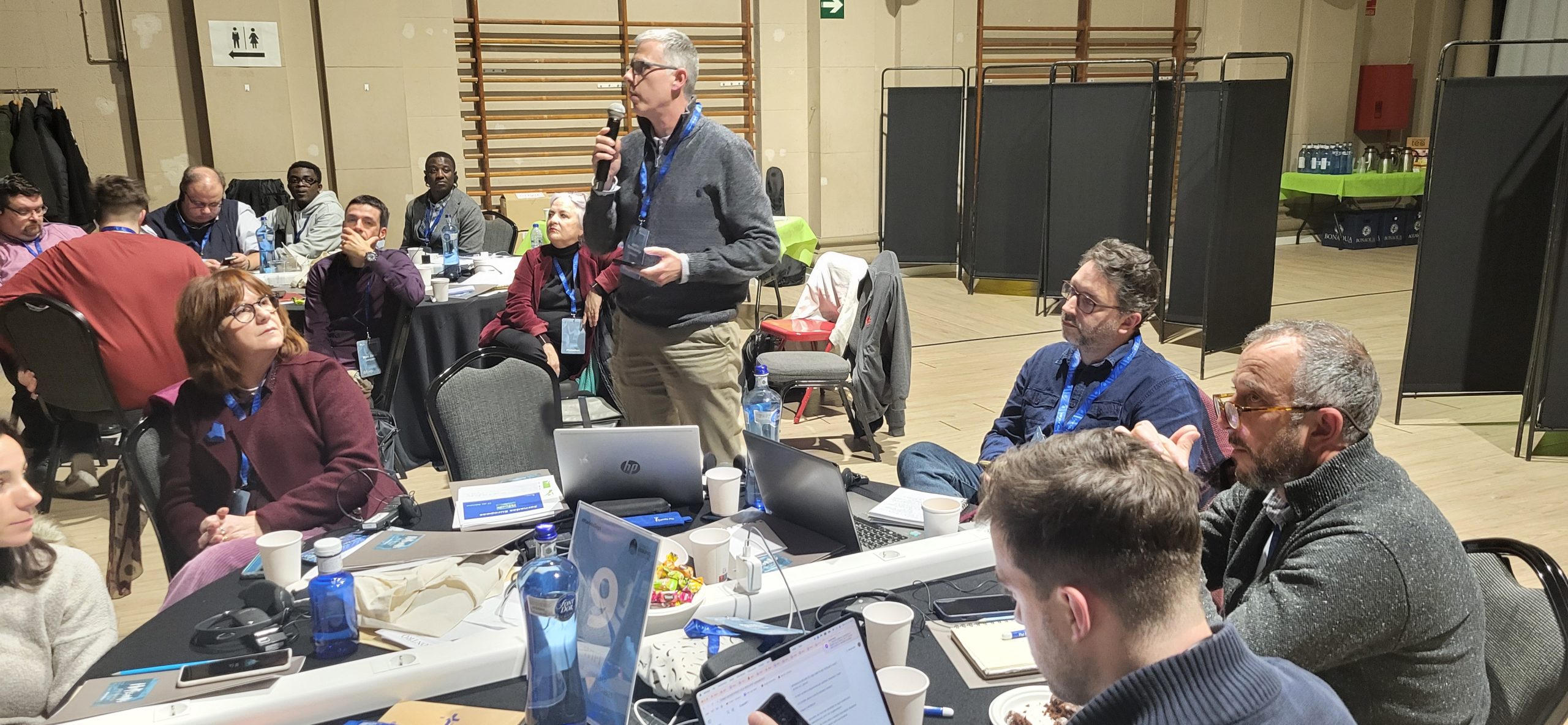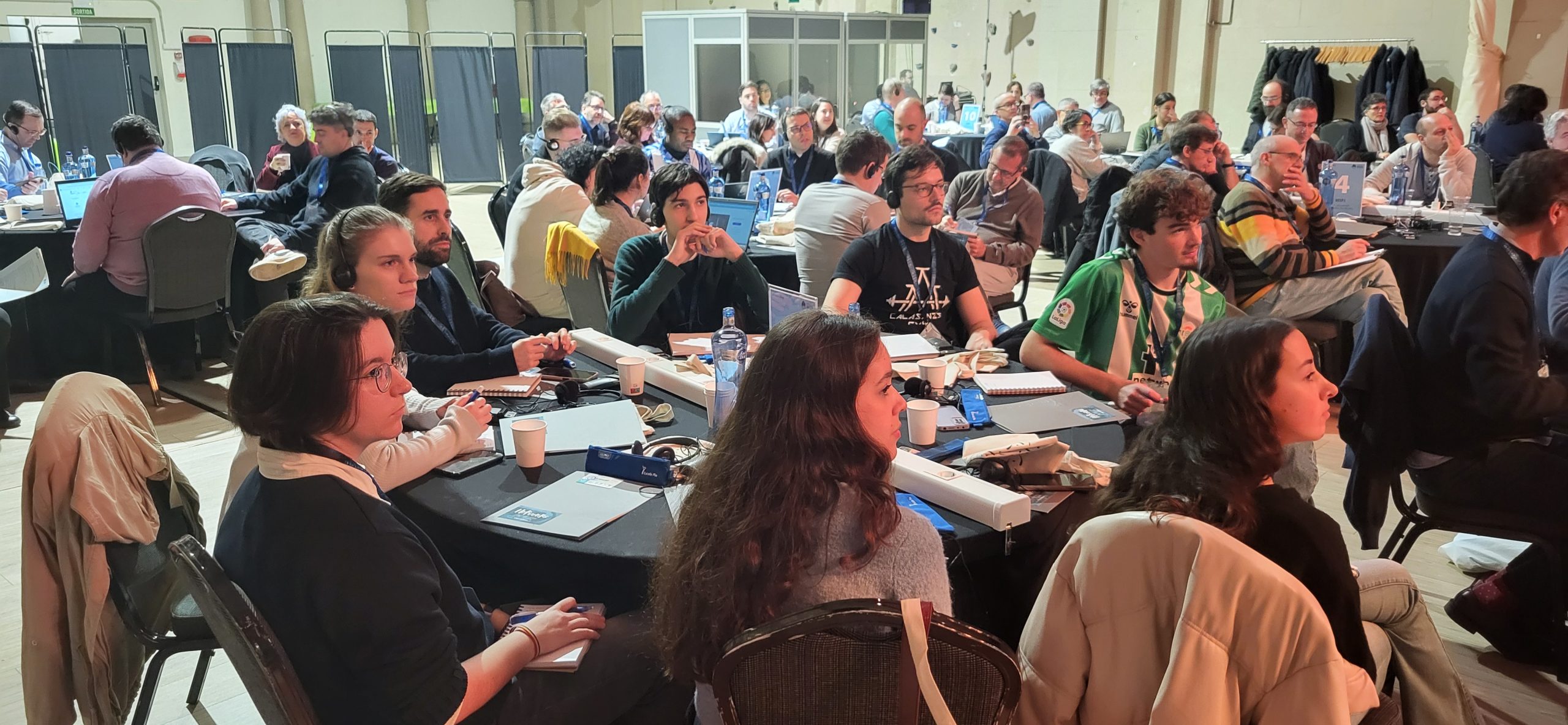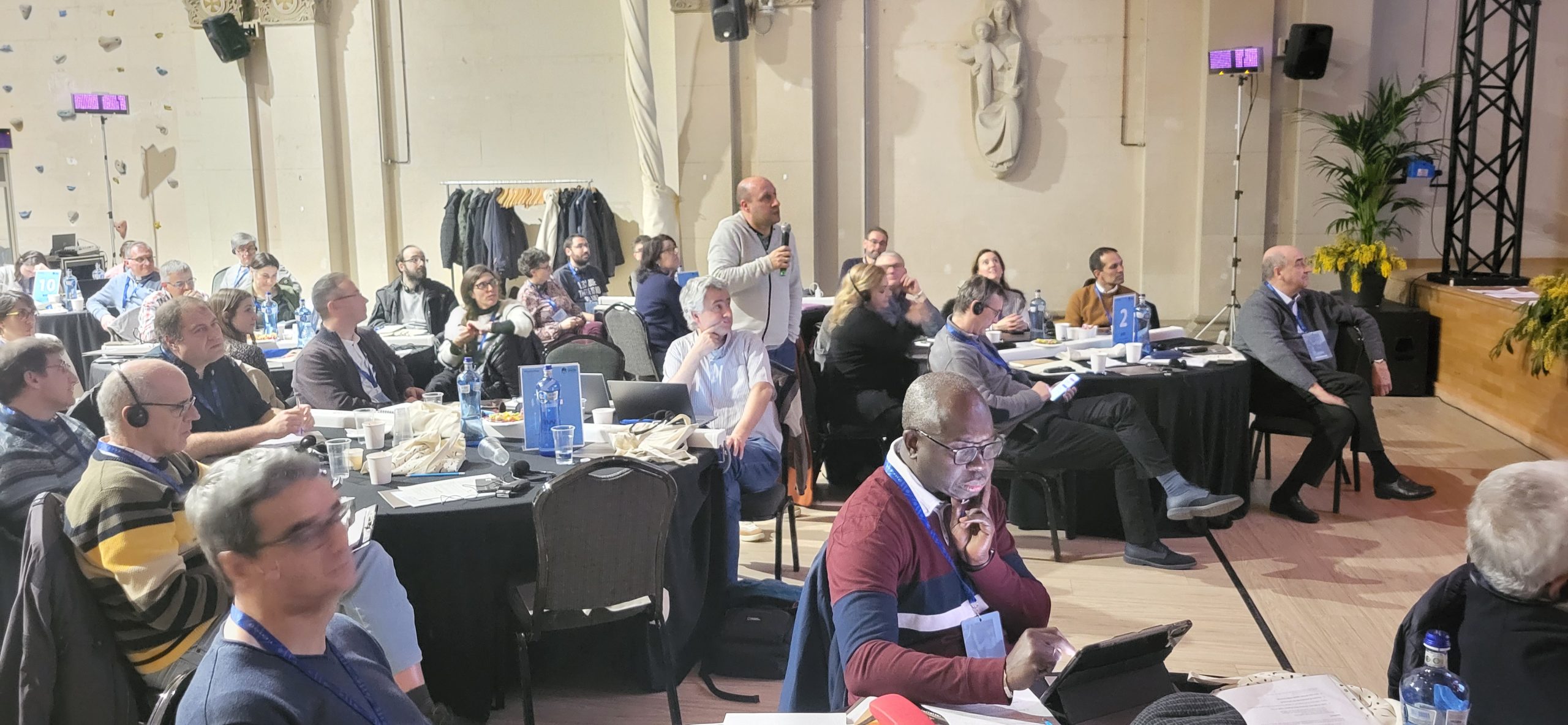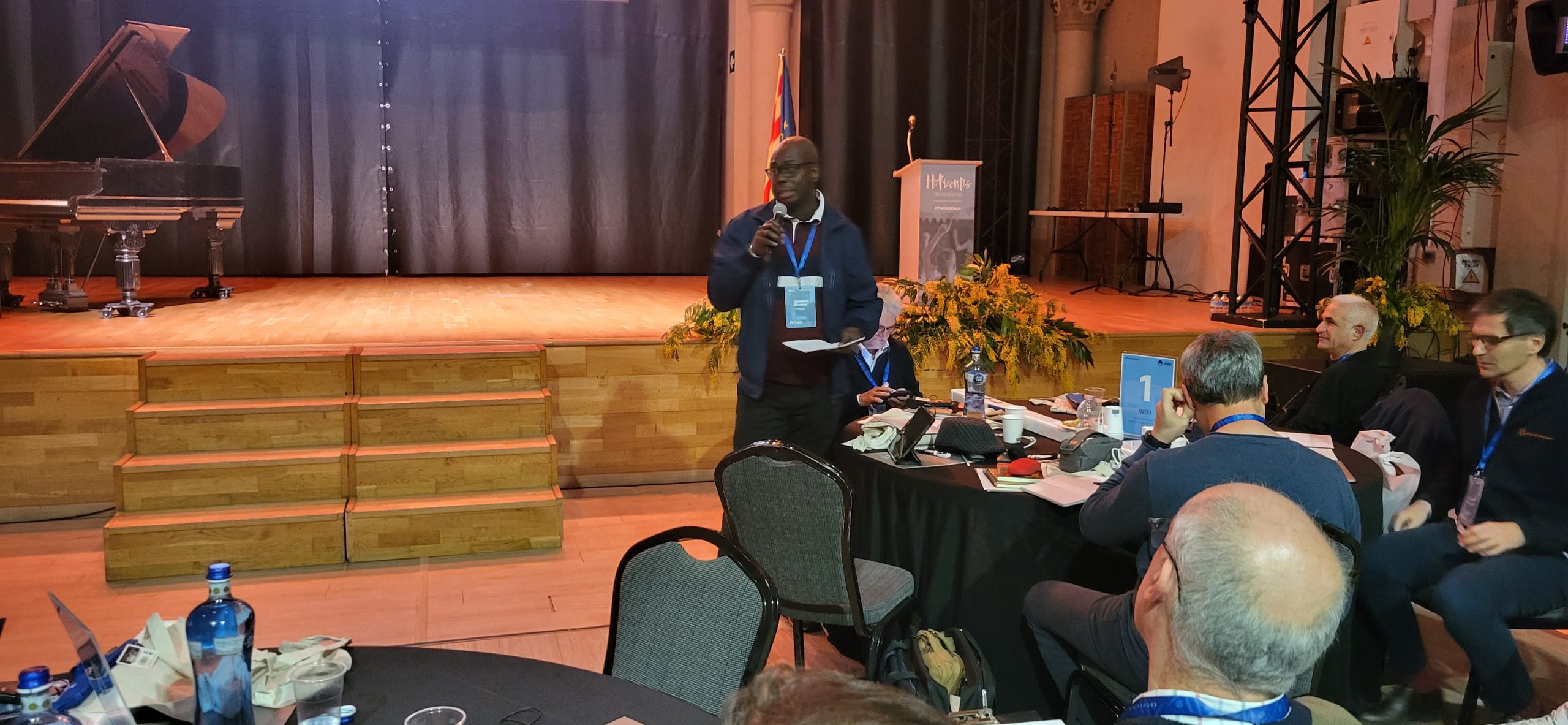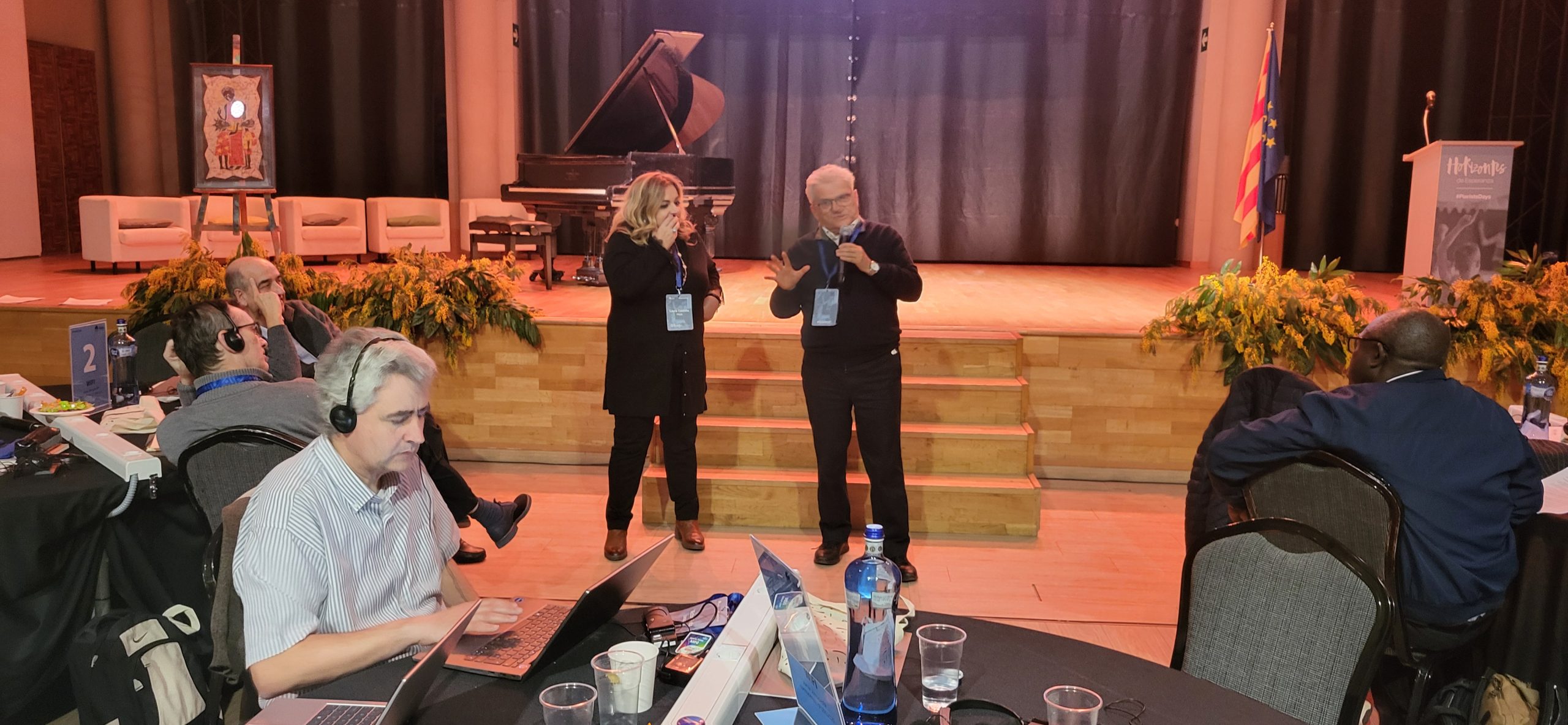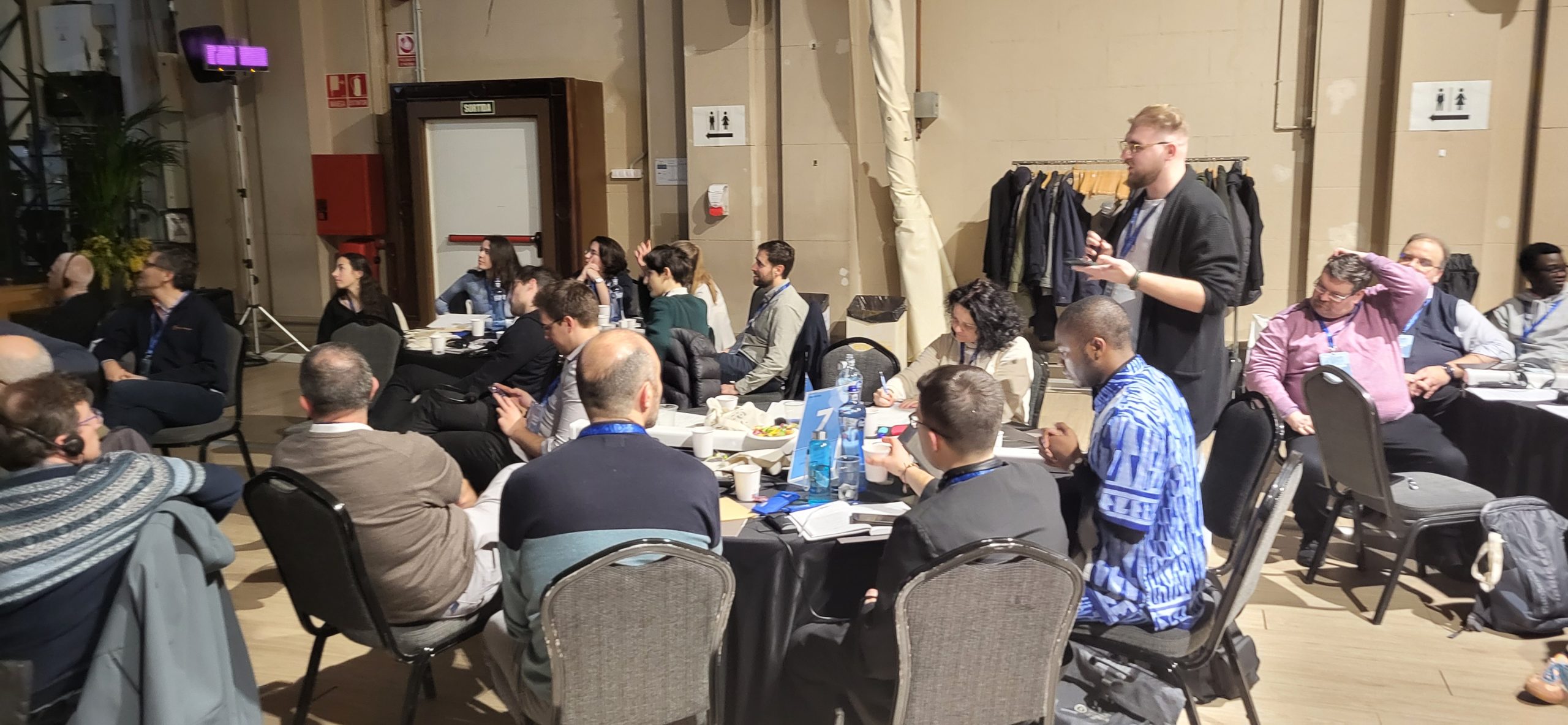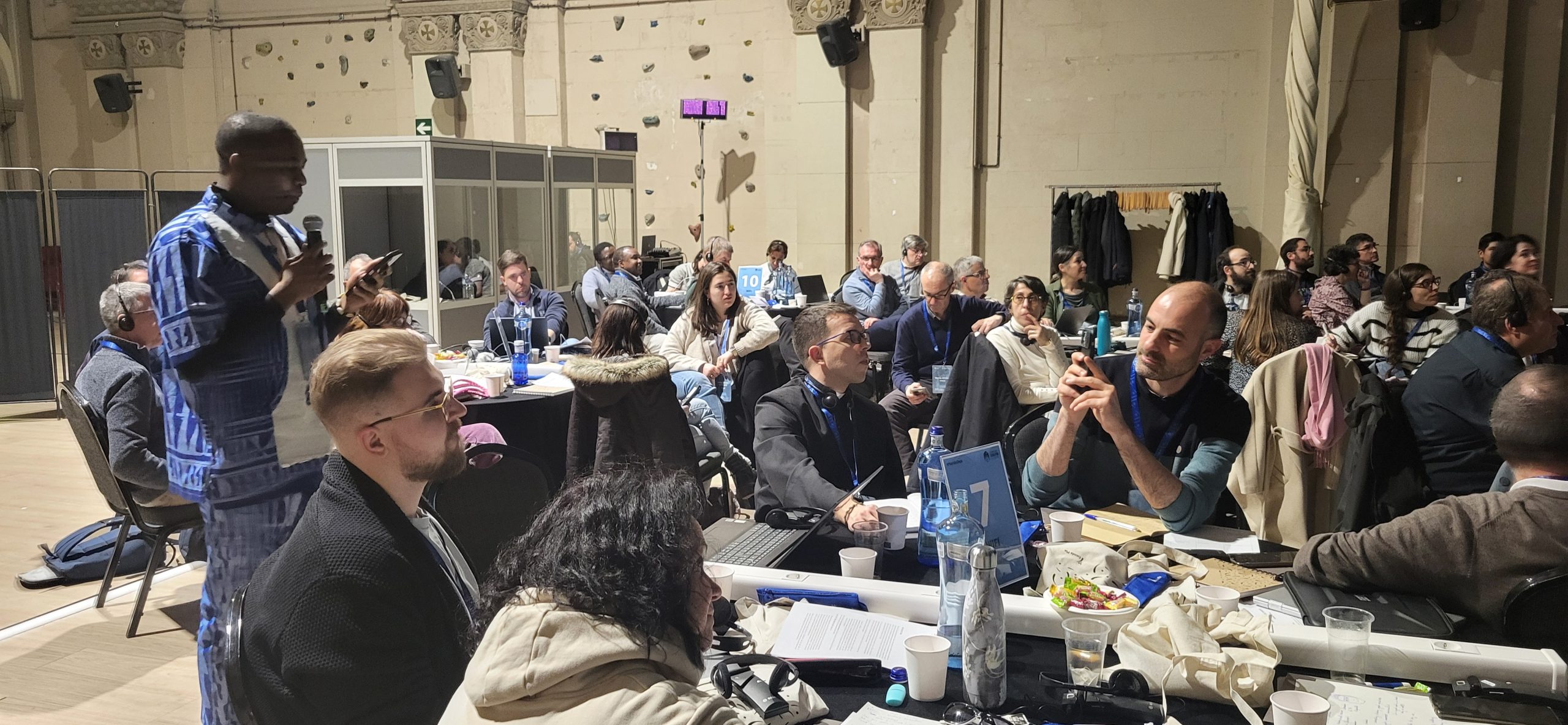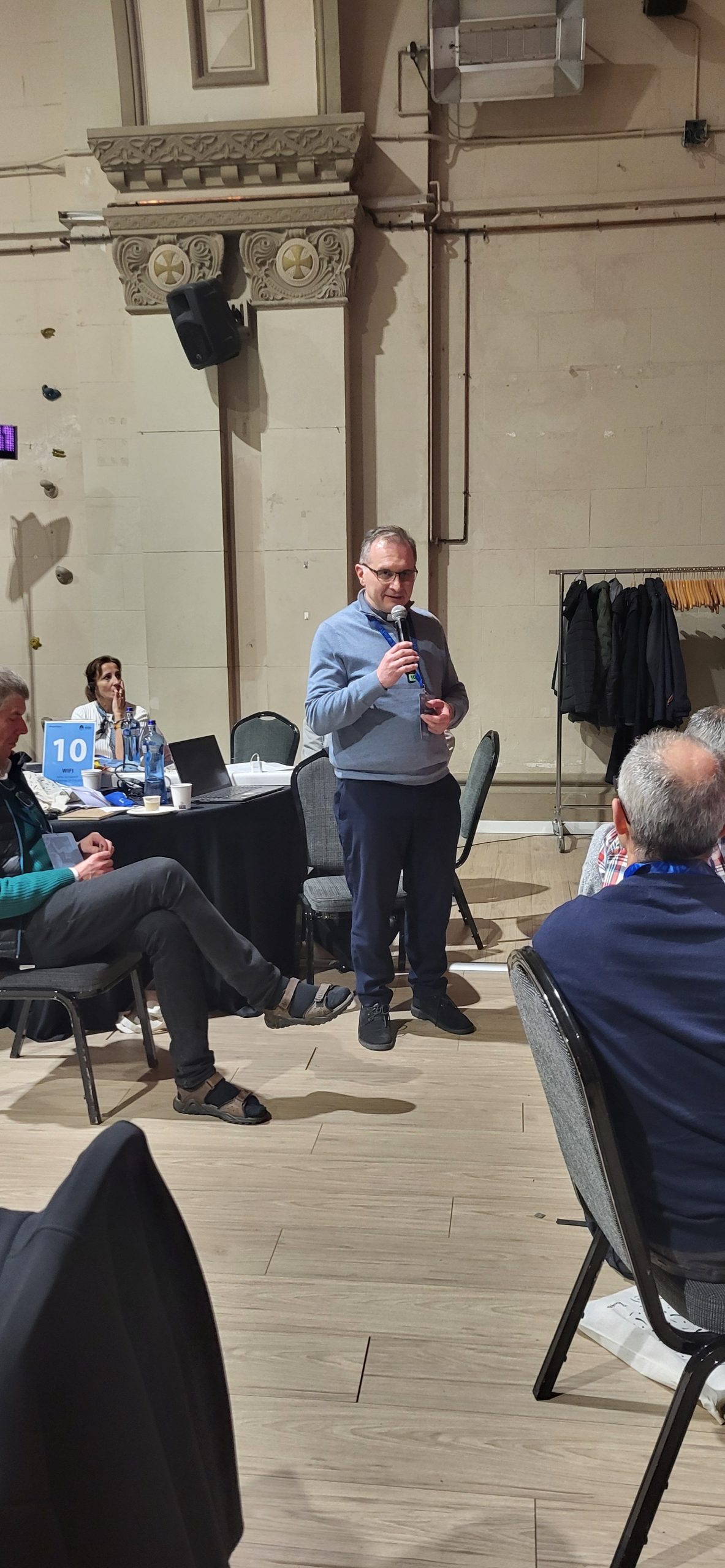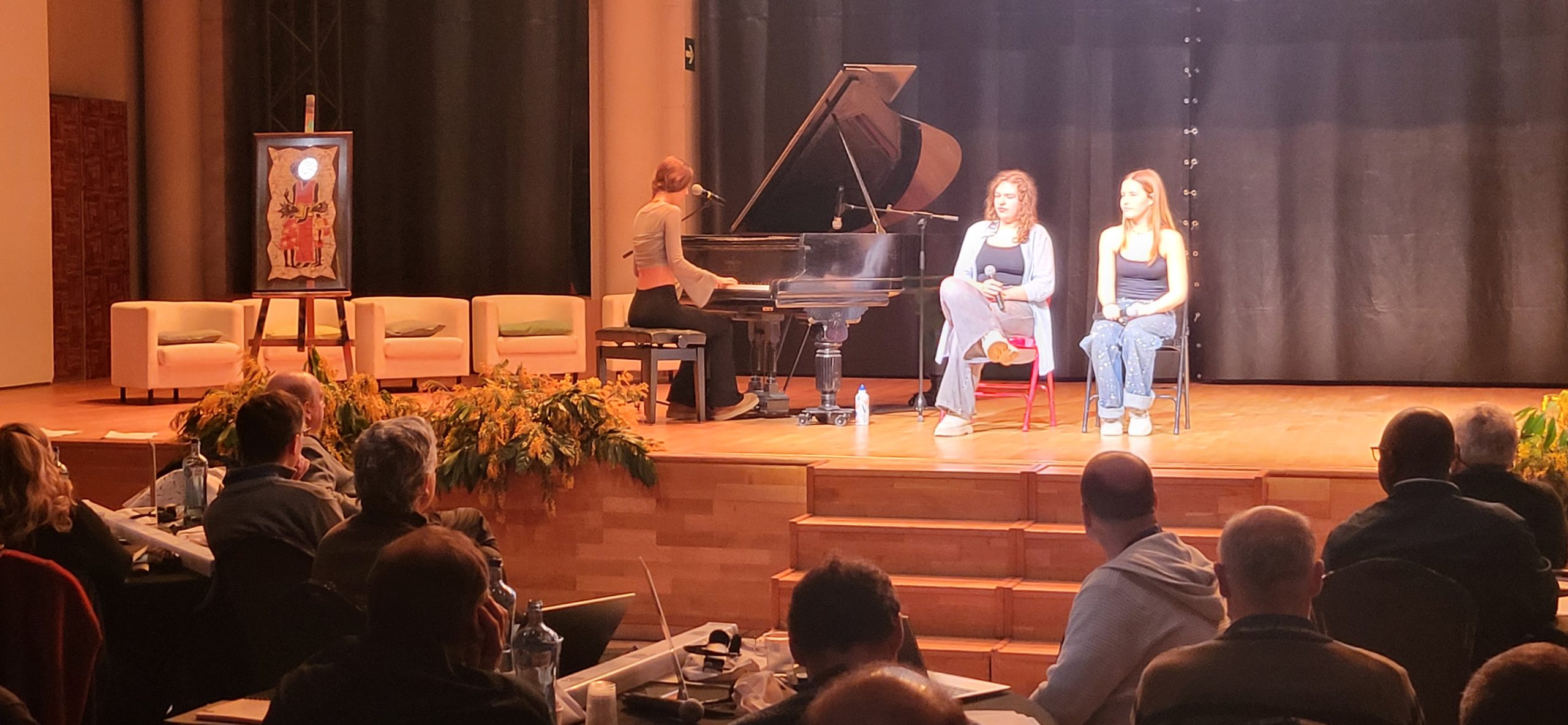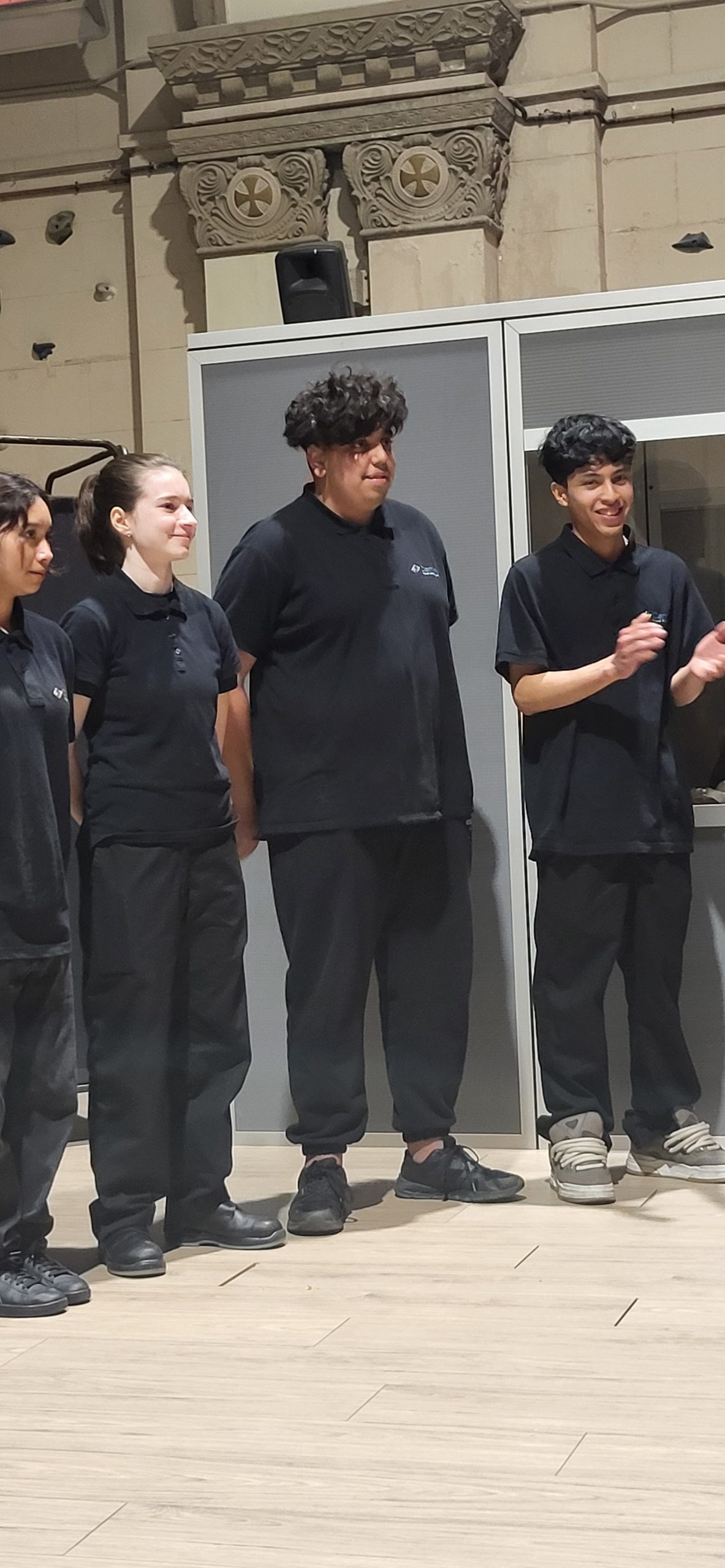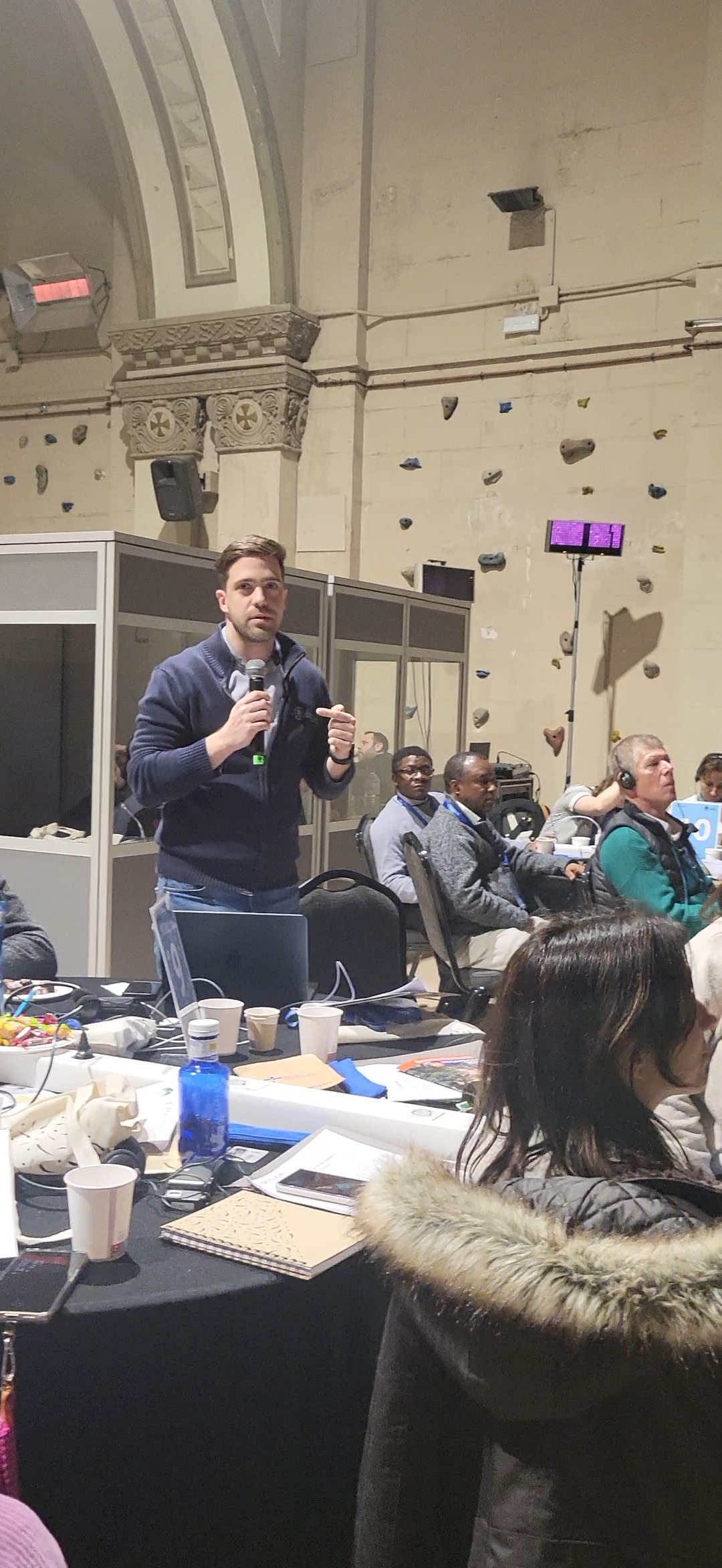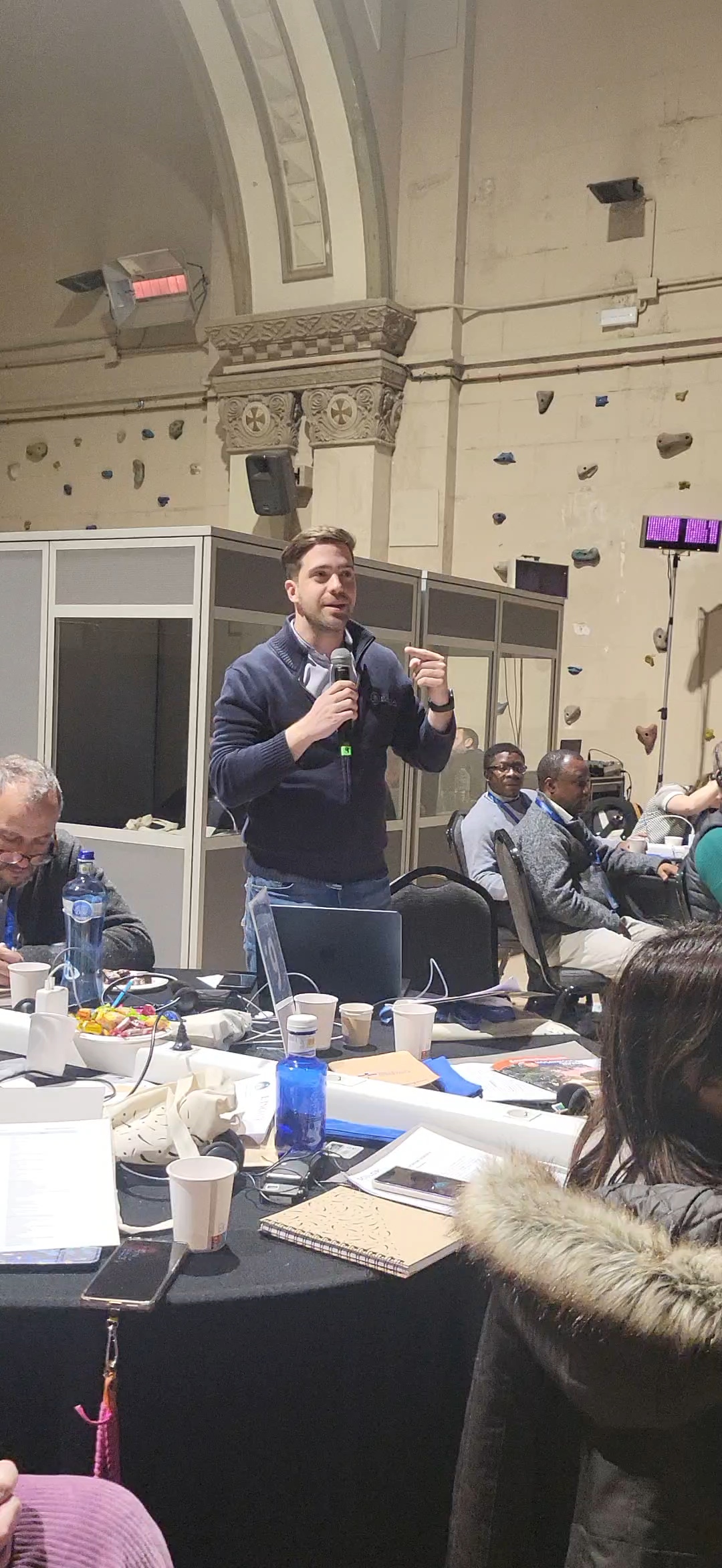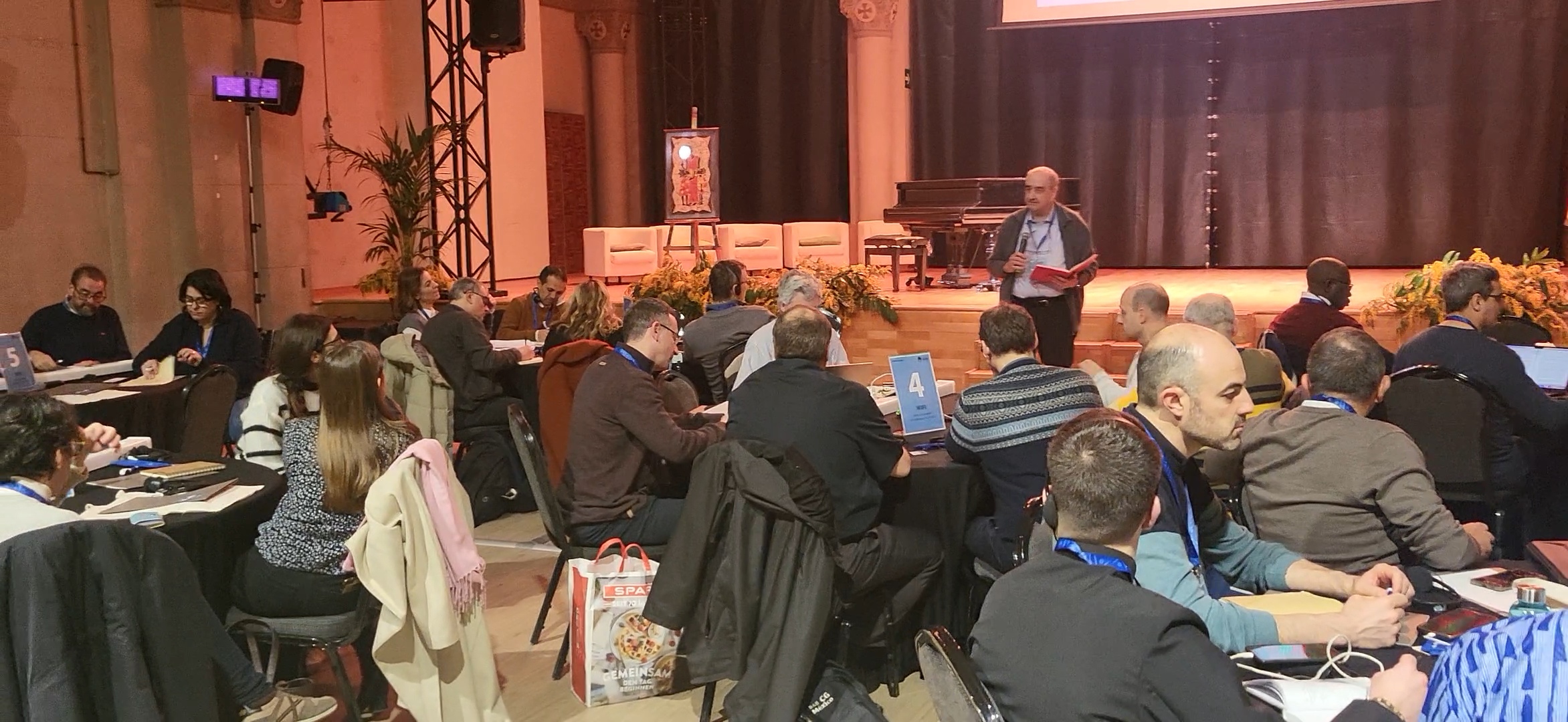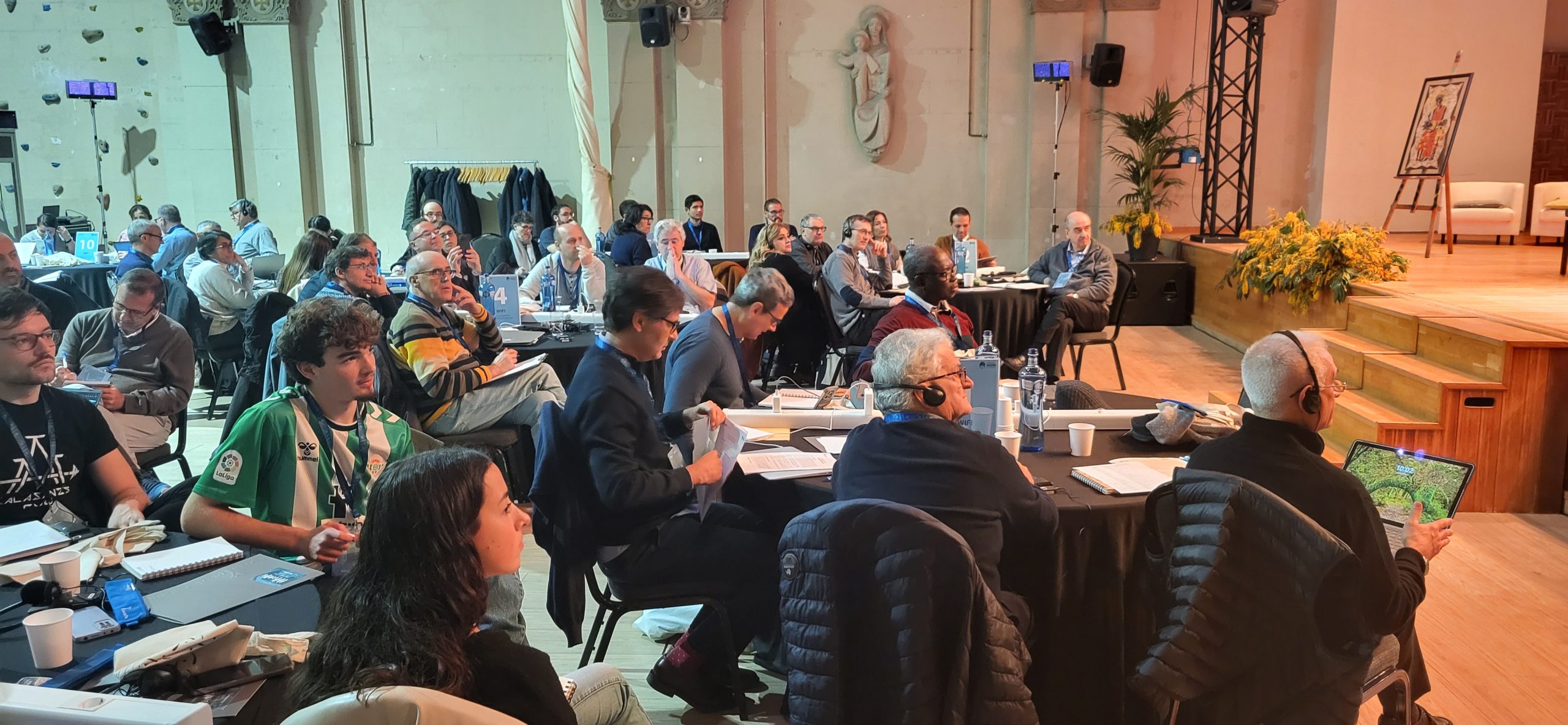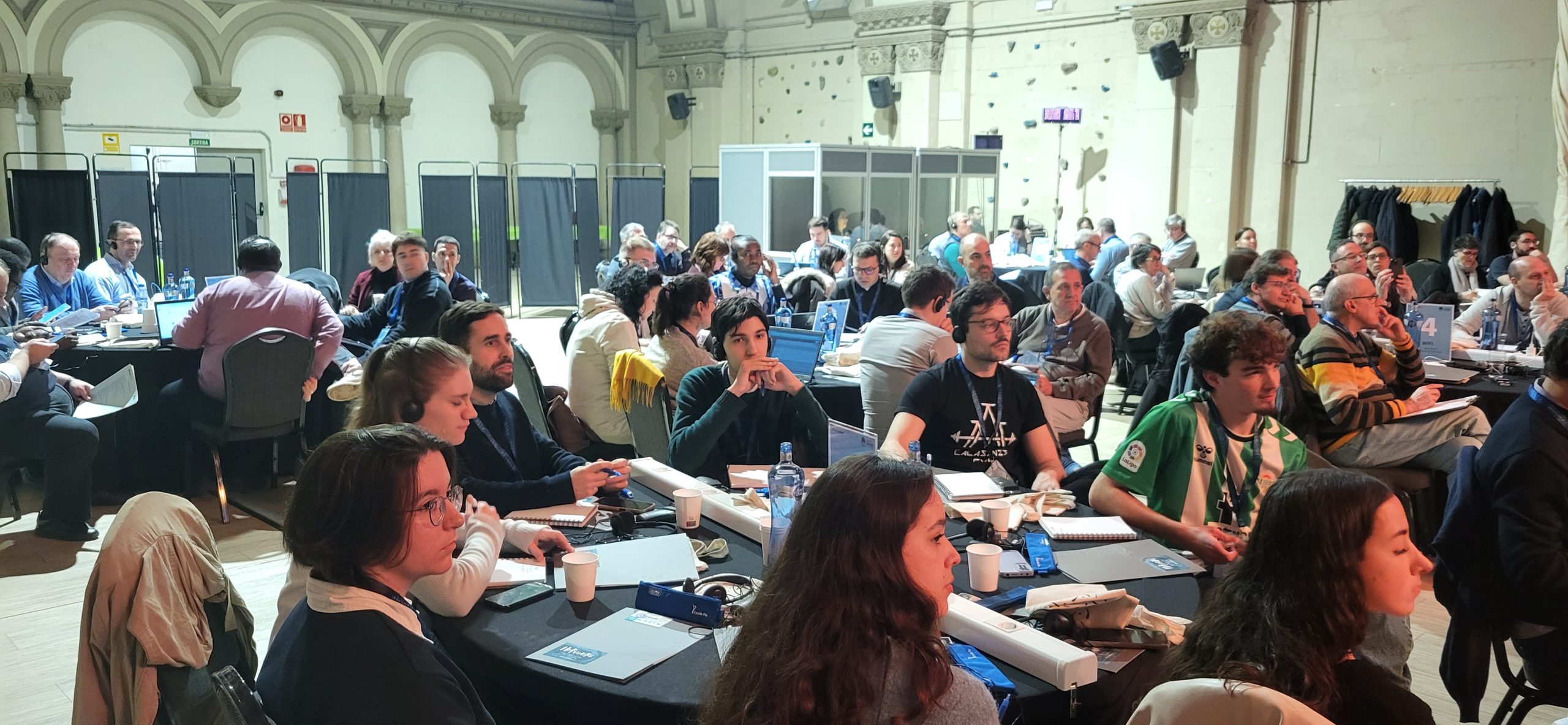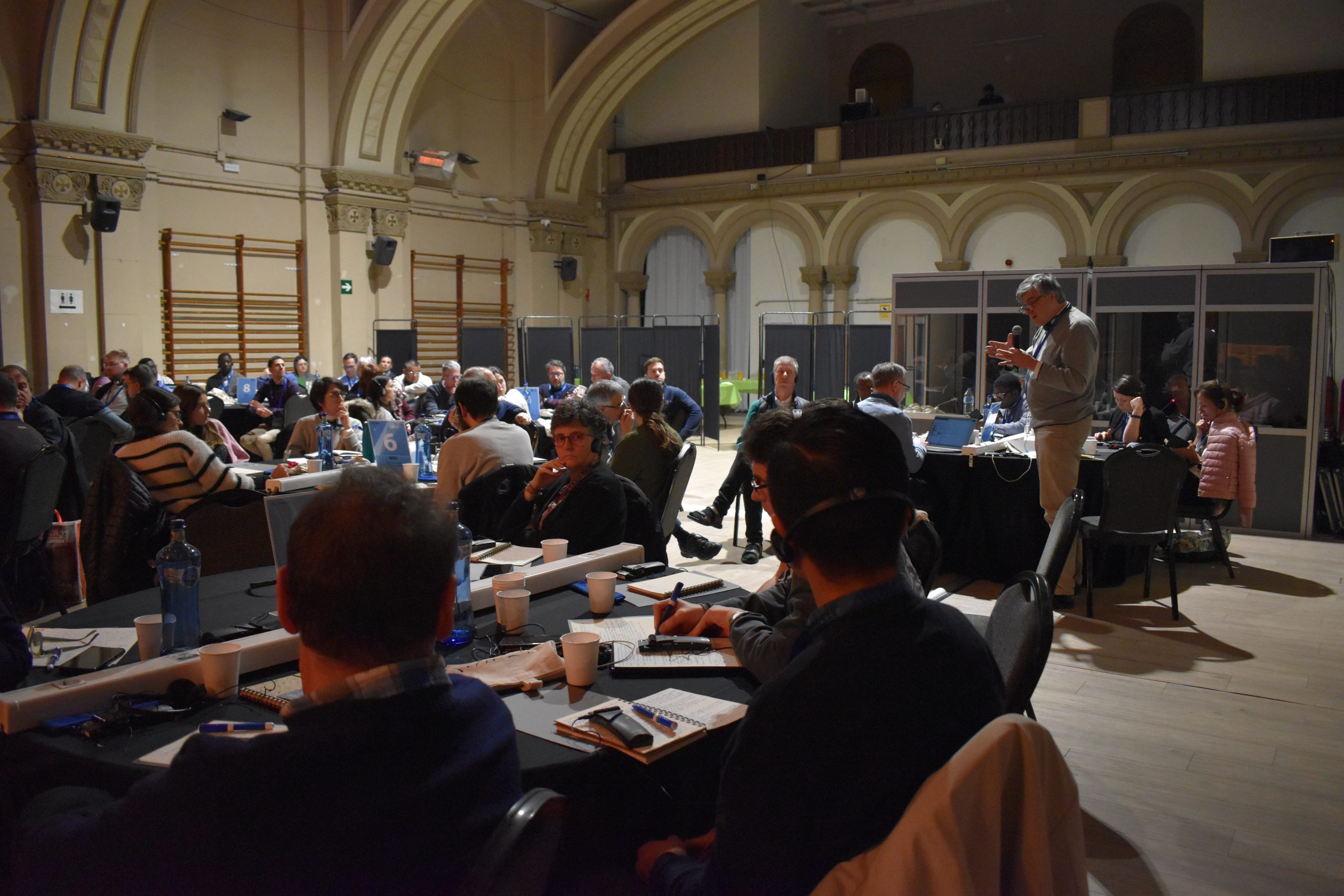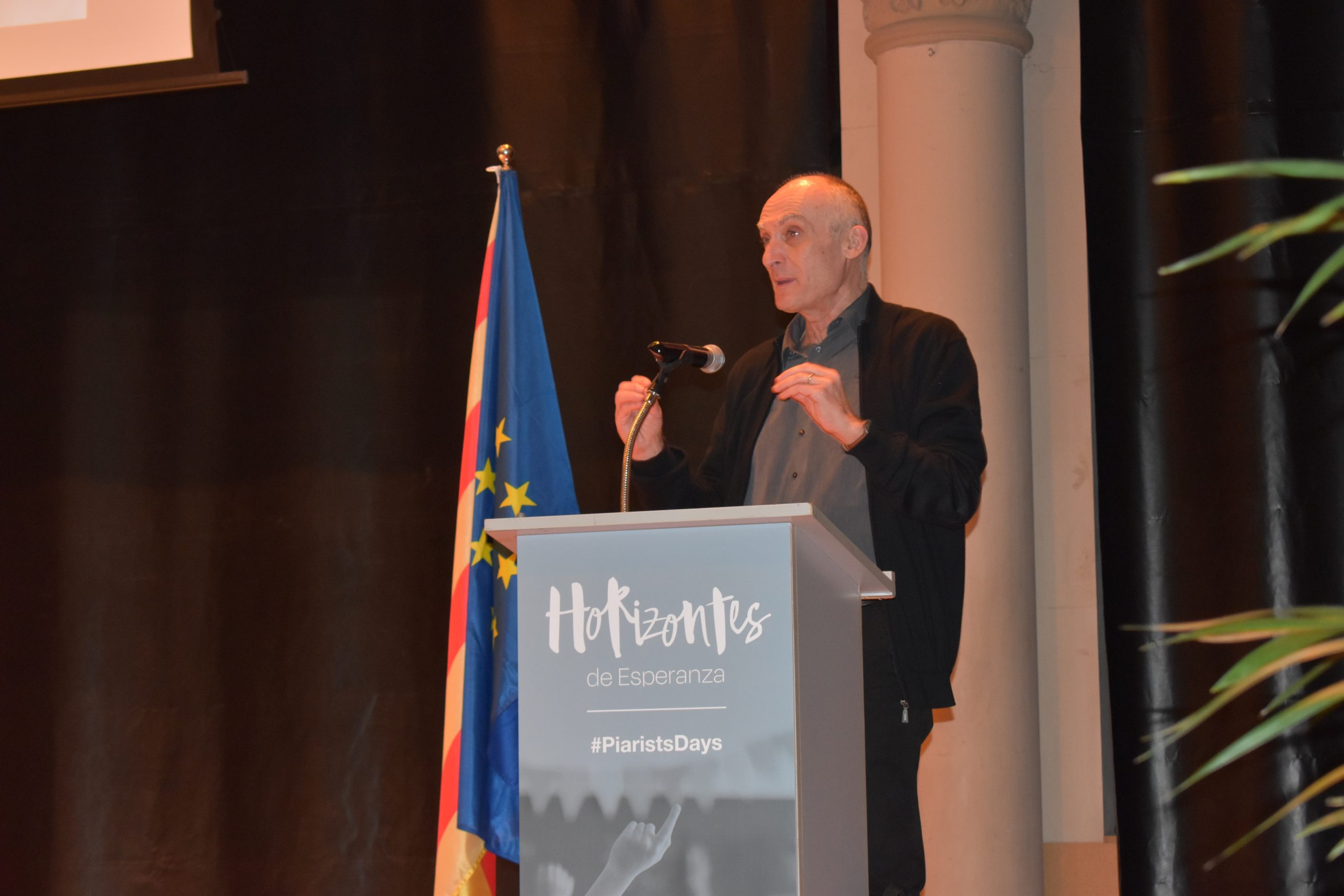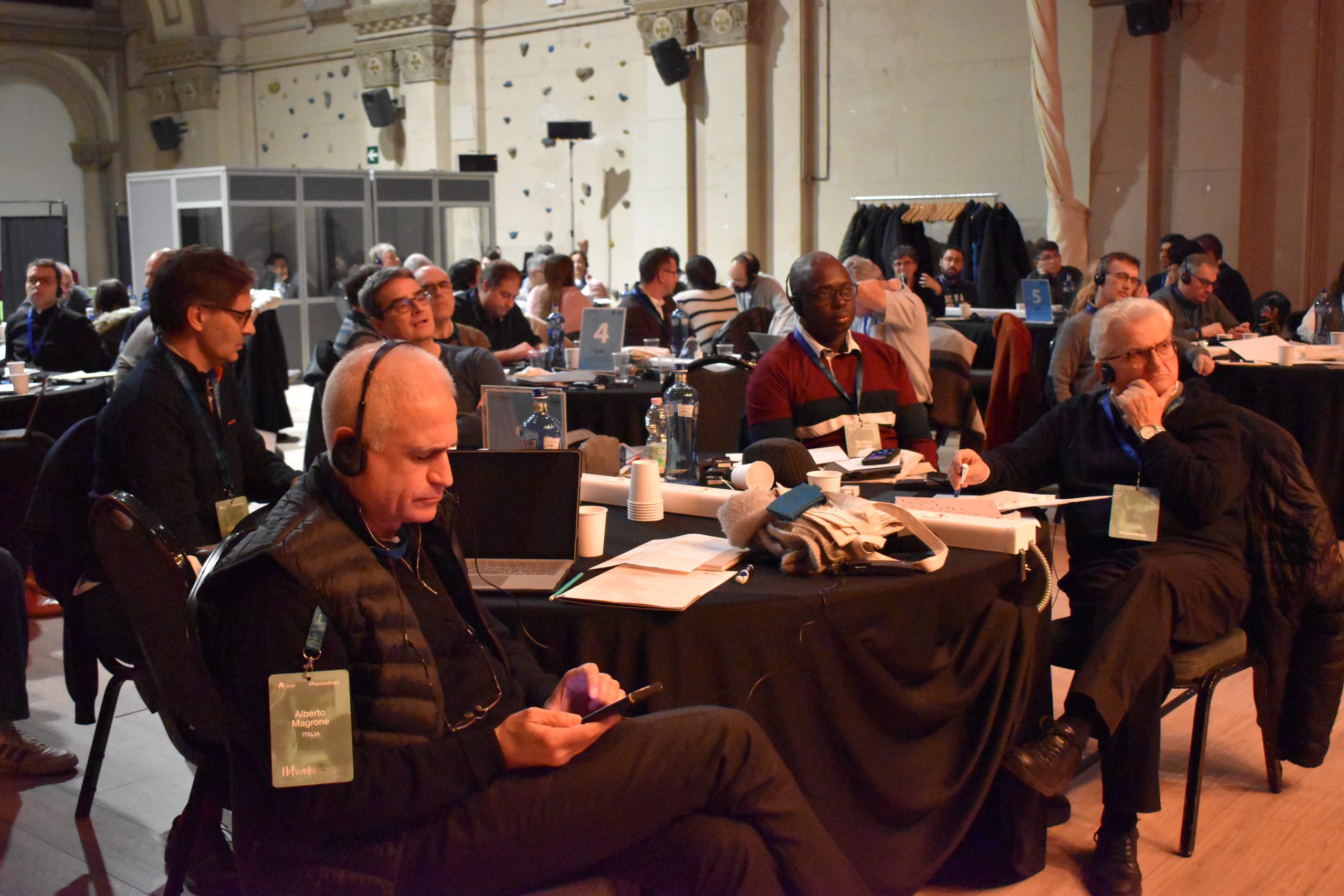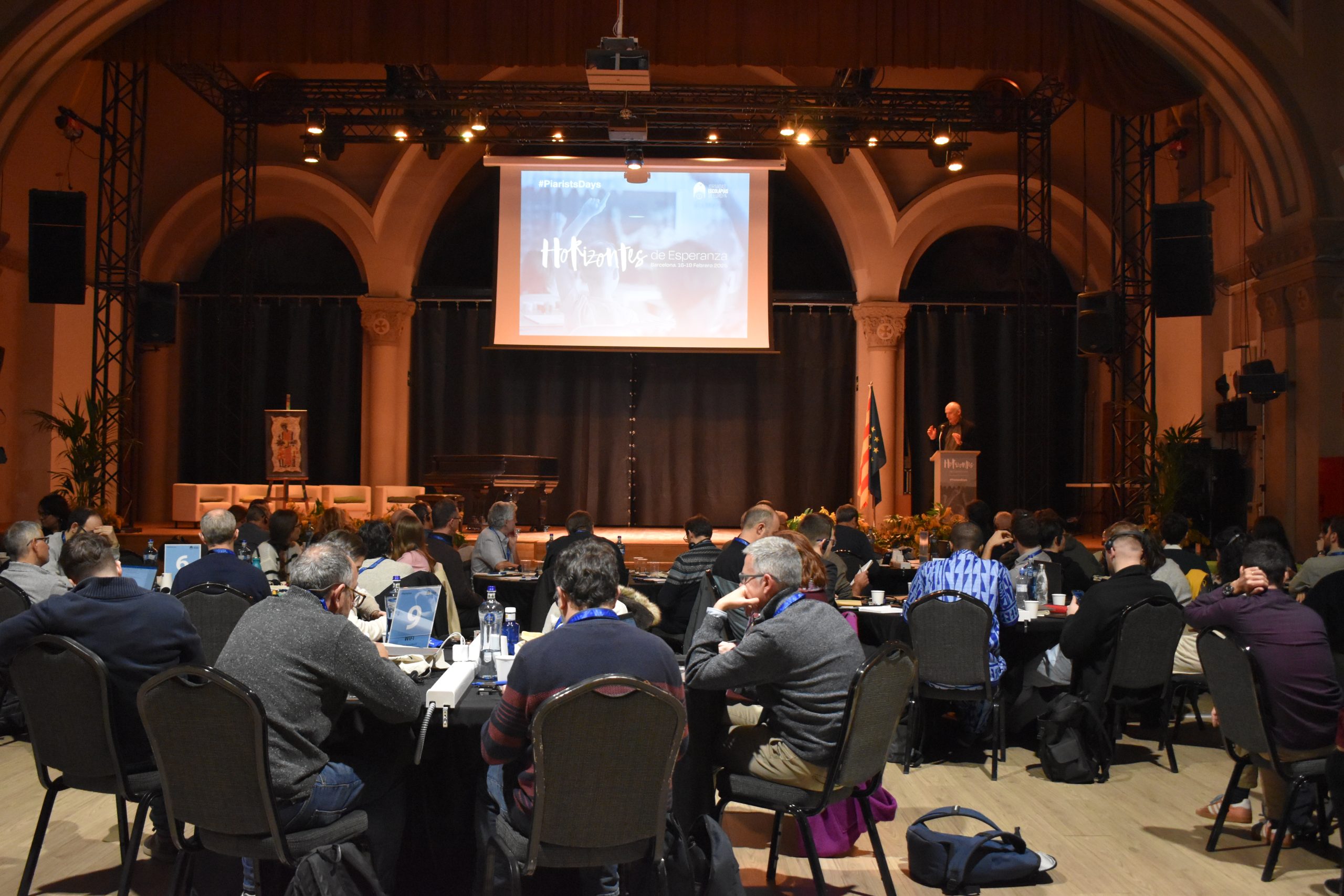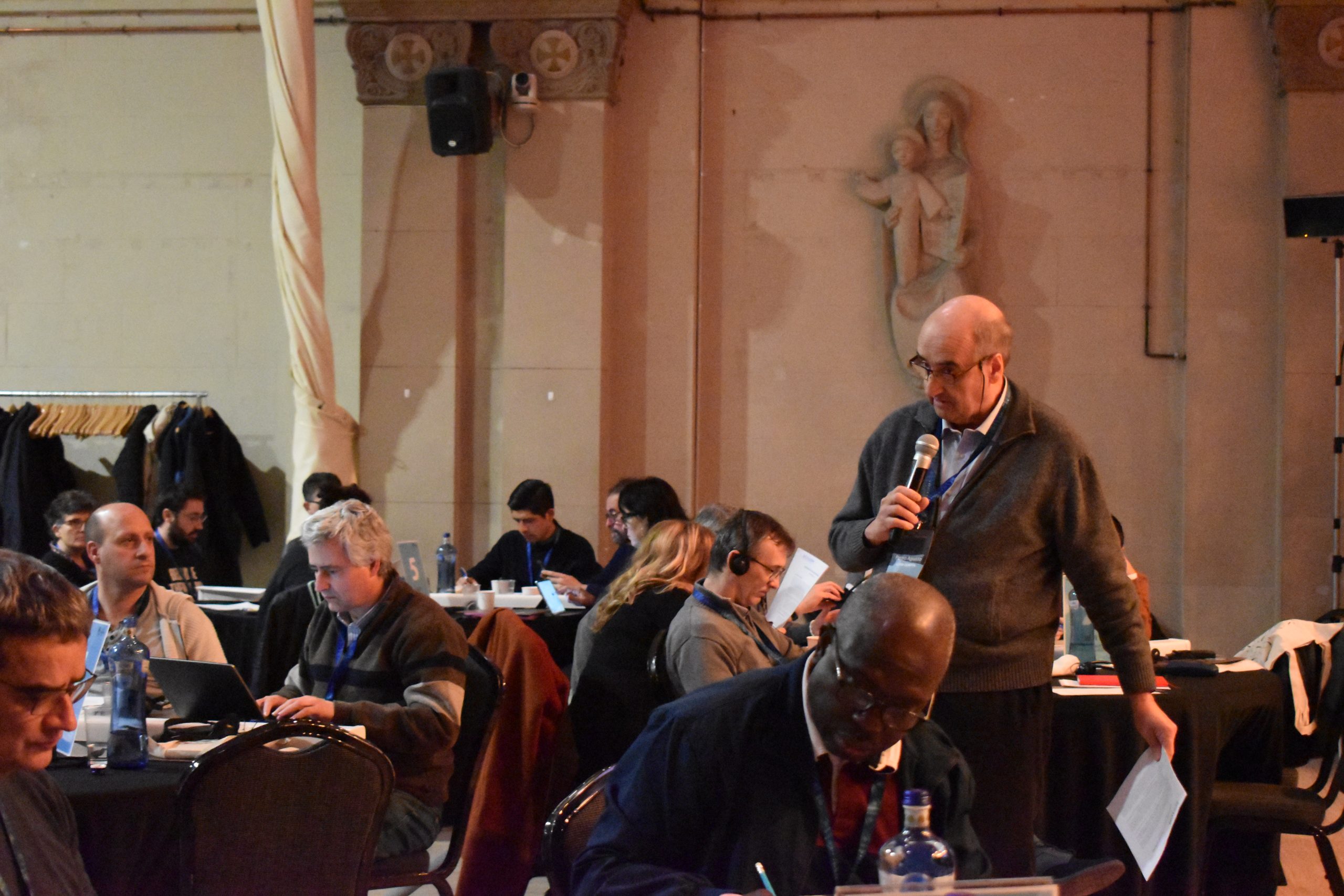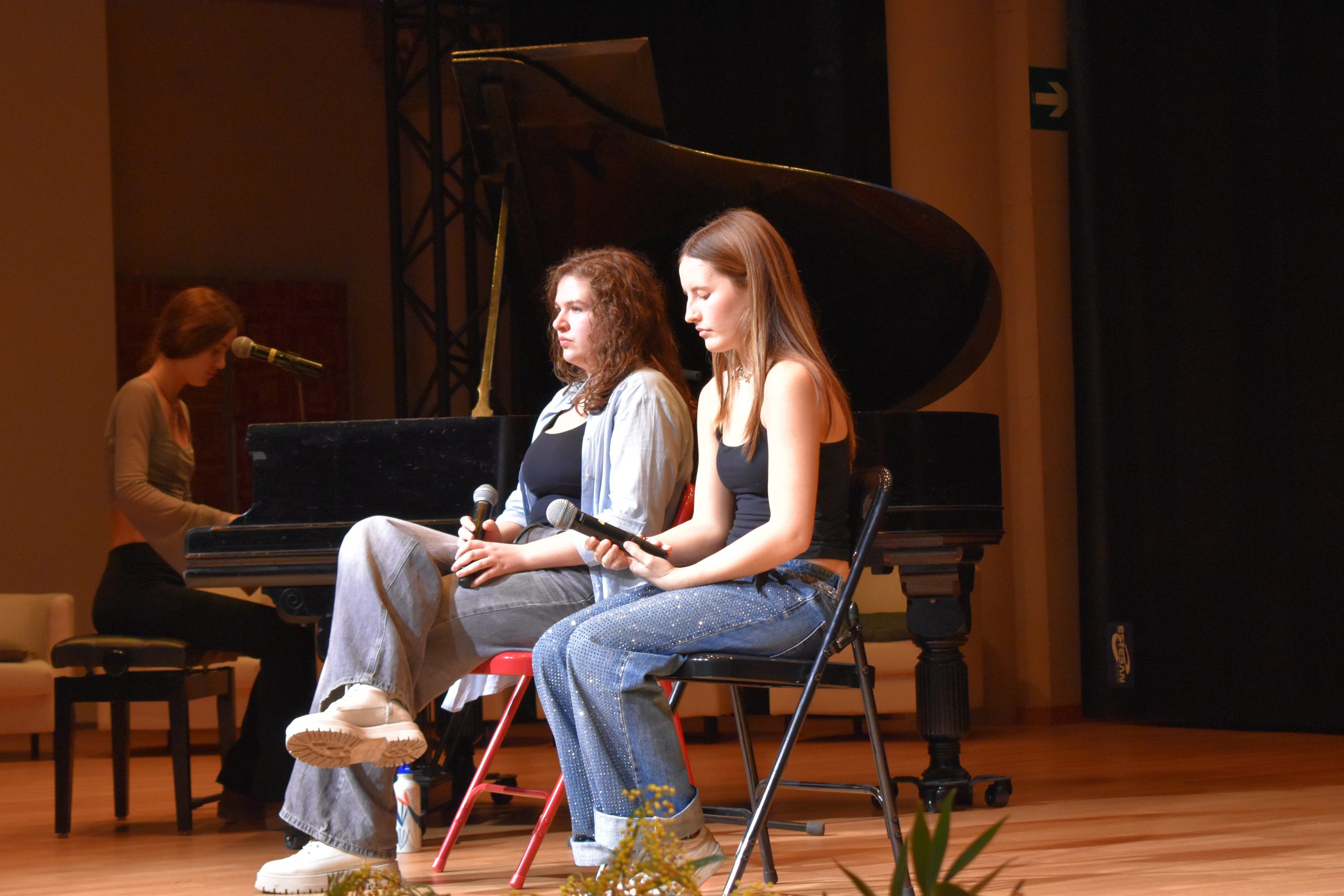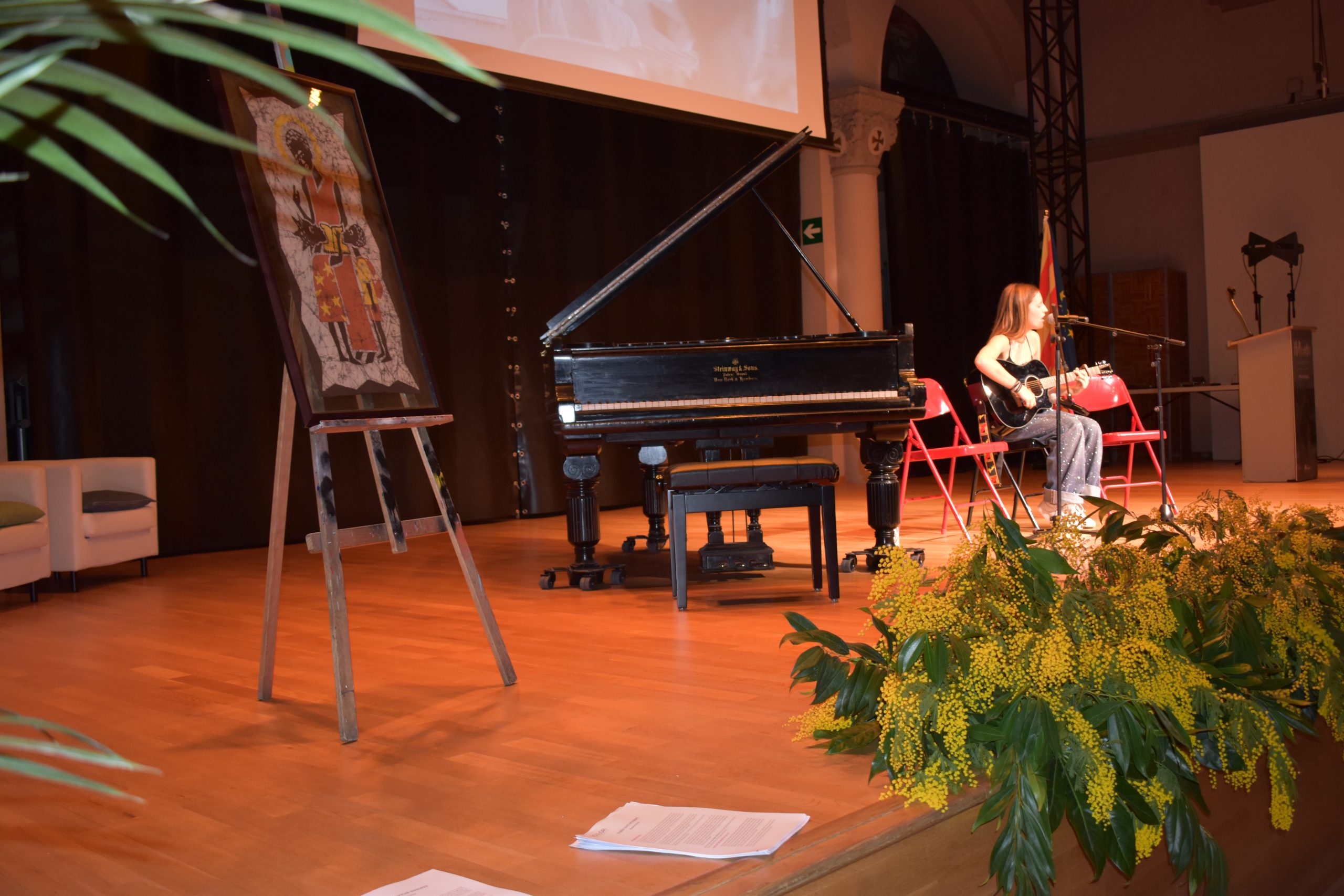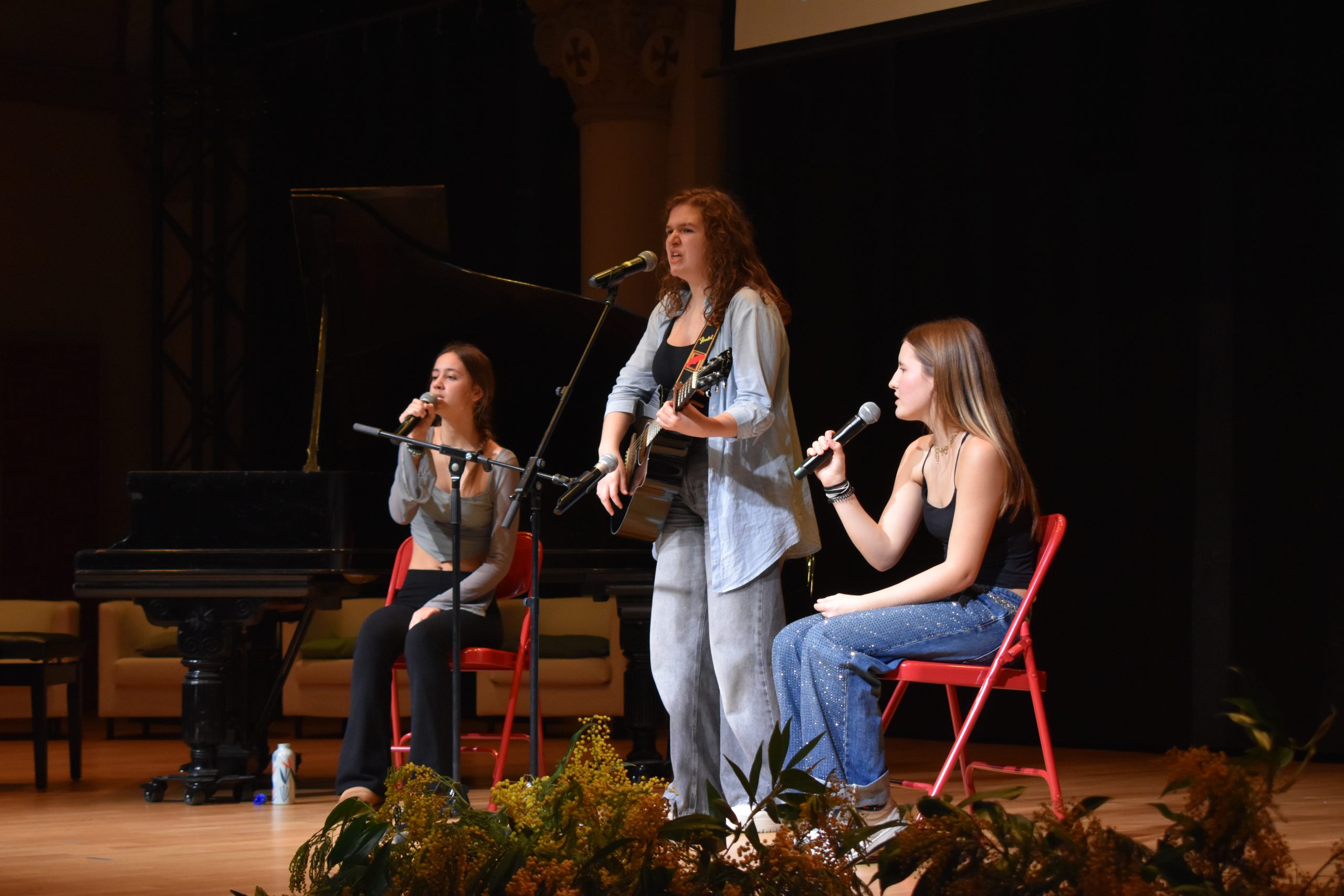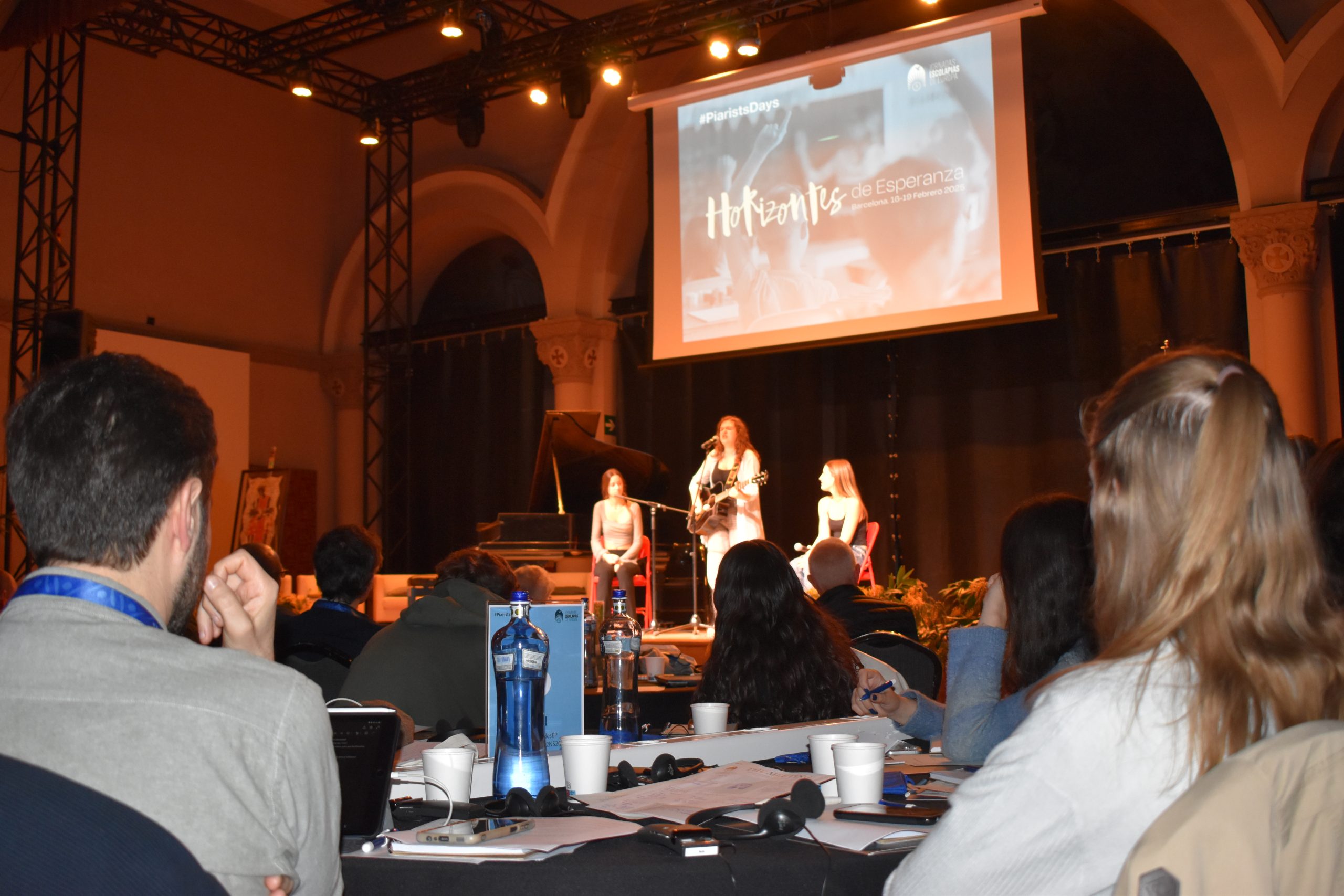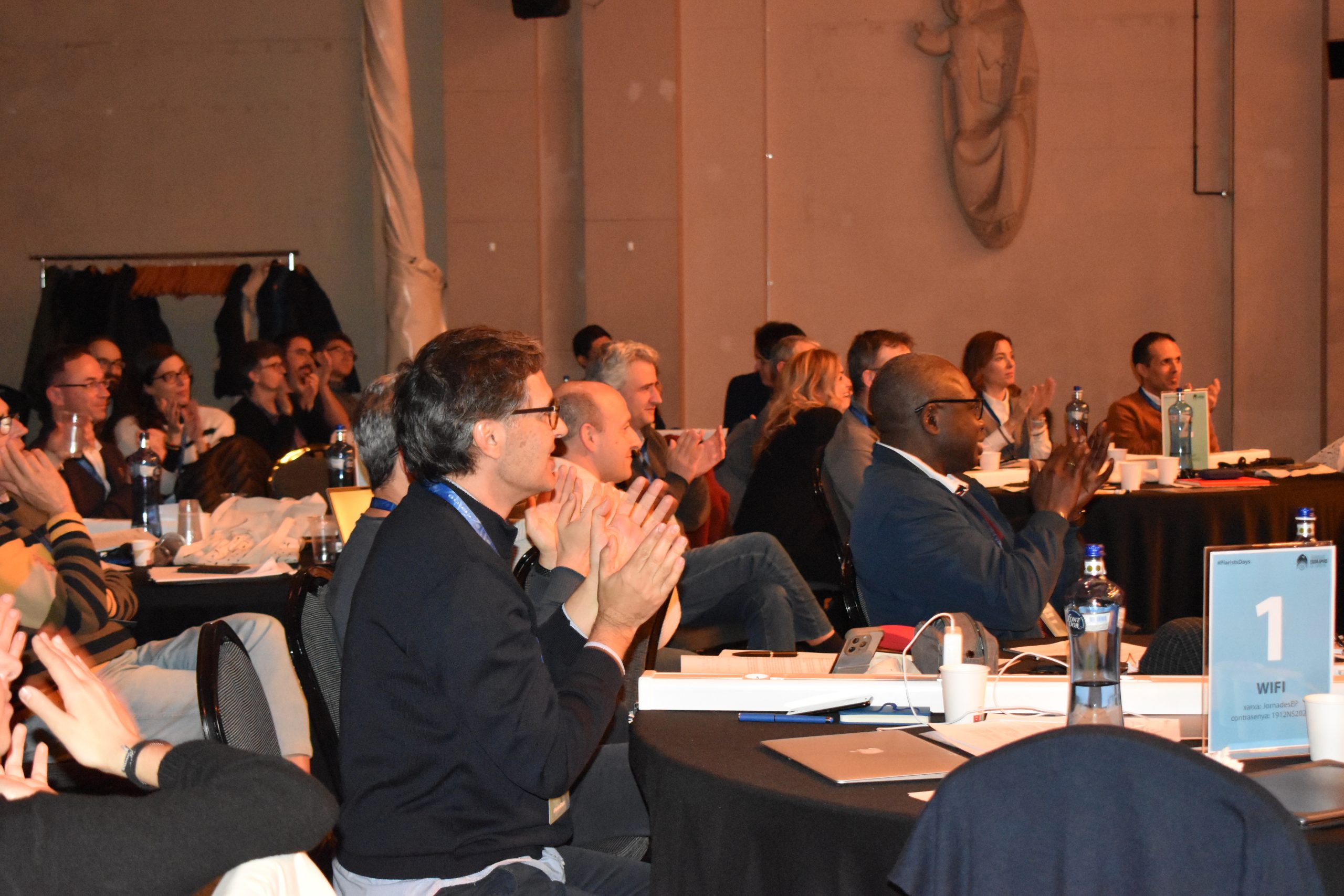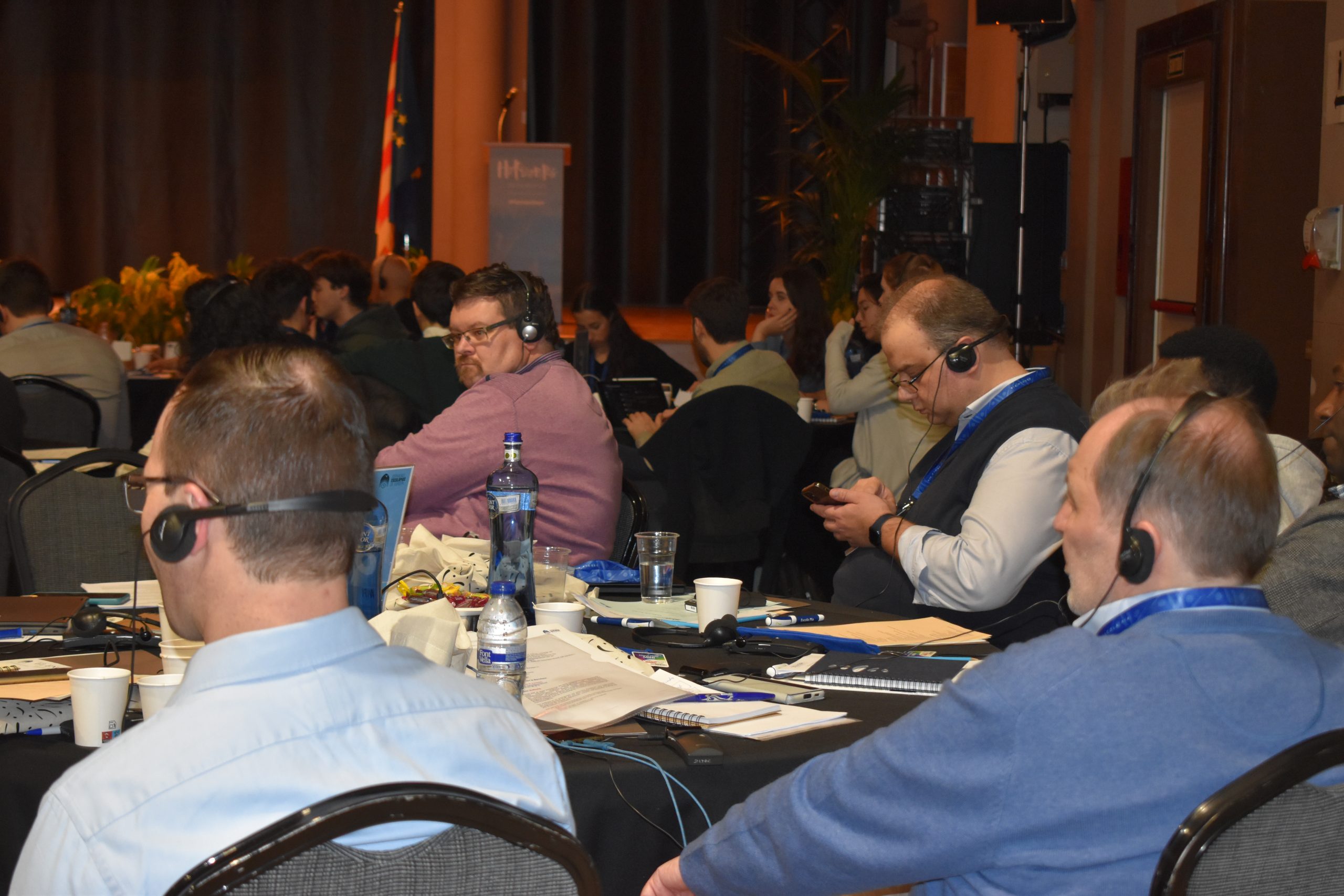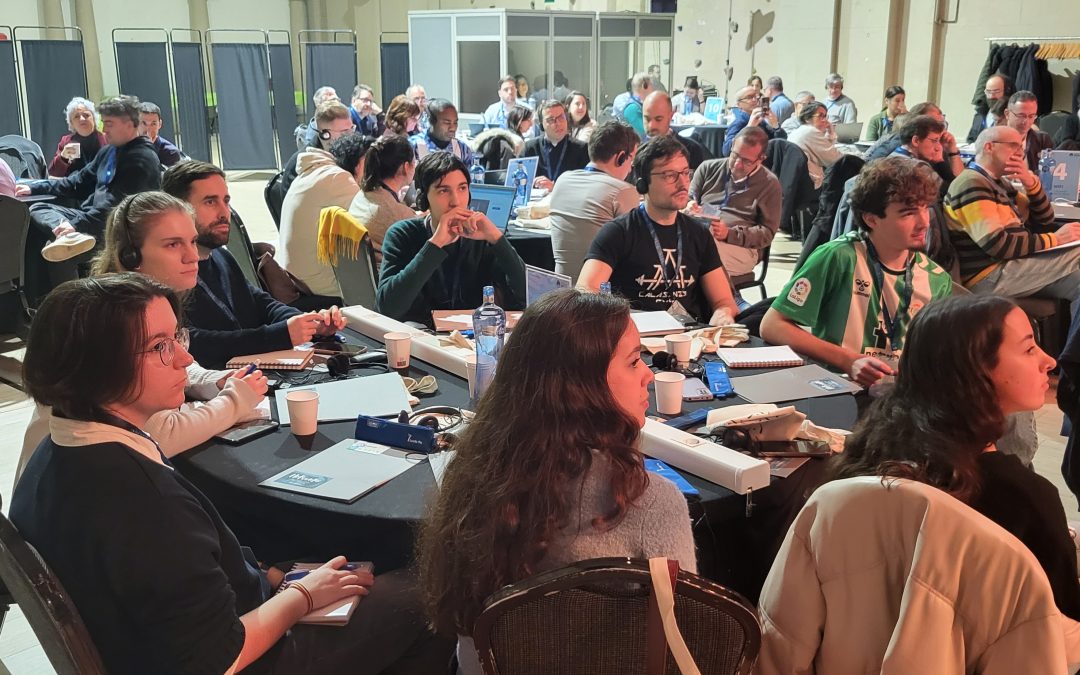
The Conference began on Monday morning, February 17th and will end on Wednesday, February 19th. The meetings will be held at the Escola Pia Nostra Senyora.
The aim of these conferences is not to create a work program, but a climate of mutual care and collaboration. That it will broaden the perspective and offer a framework, some references, for the Pious Schools in Europe. That it may be an epokhé, a moment of pause and an exercise of attention, in order to bring out the most pertinent questions, to deal with fundamental issues, to talk and share, detached from everyday concerns. May it invite us to a clear, deep, sustained, shared and prayerful reflection.
We are not looking for a structured plan or a set of definitive solutions, but for something much deeper and more essential: fruit as the natural result of living together, of communion, which germinates when people meet, listen, dialogue, discern and pray, and blossoms when they do so in an articulate and sustained way.
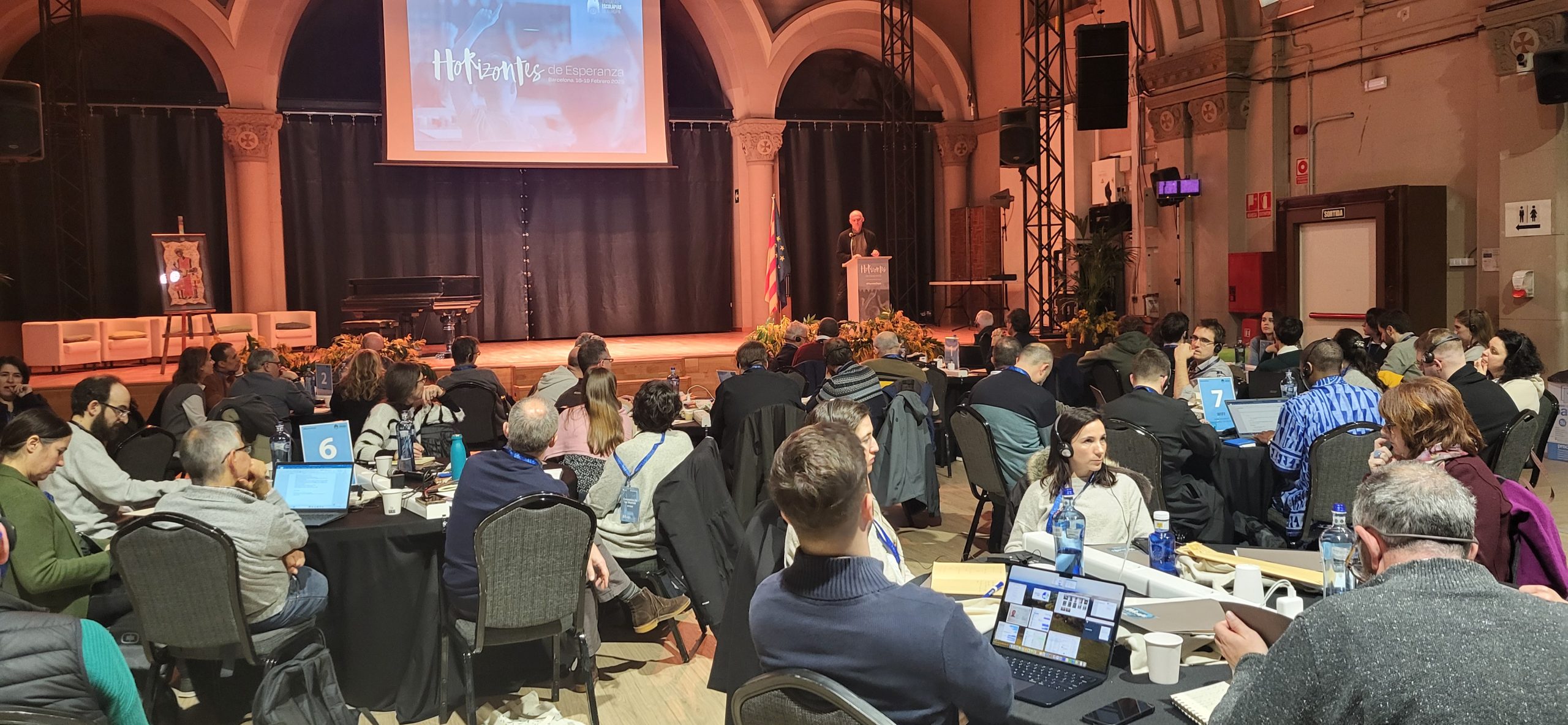
On the first day, the reflections began with a presentation by Josep Maria Esquirol i Calaf, philosopher, essayist and professor of philosophy at the University of Barcelona. He is the director of the research group Aporía, which focuses on contemporary philosophy and, more specifically, on the relationship between philosophy and psychiatry. Josep María has developed his own philosophical proposal, which he has characterized as a “philosophy of proximity” and which is related to hope.
The presentation was followed by a dialog with the Catalan philosopher. This was followed by a presentation of the participants in round tables.
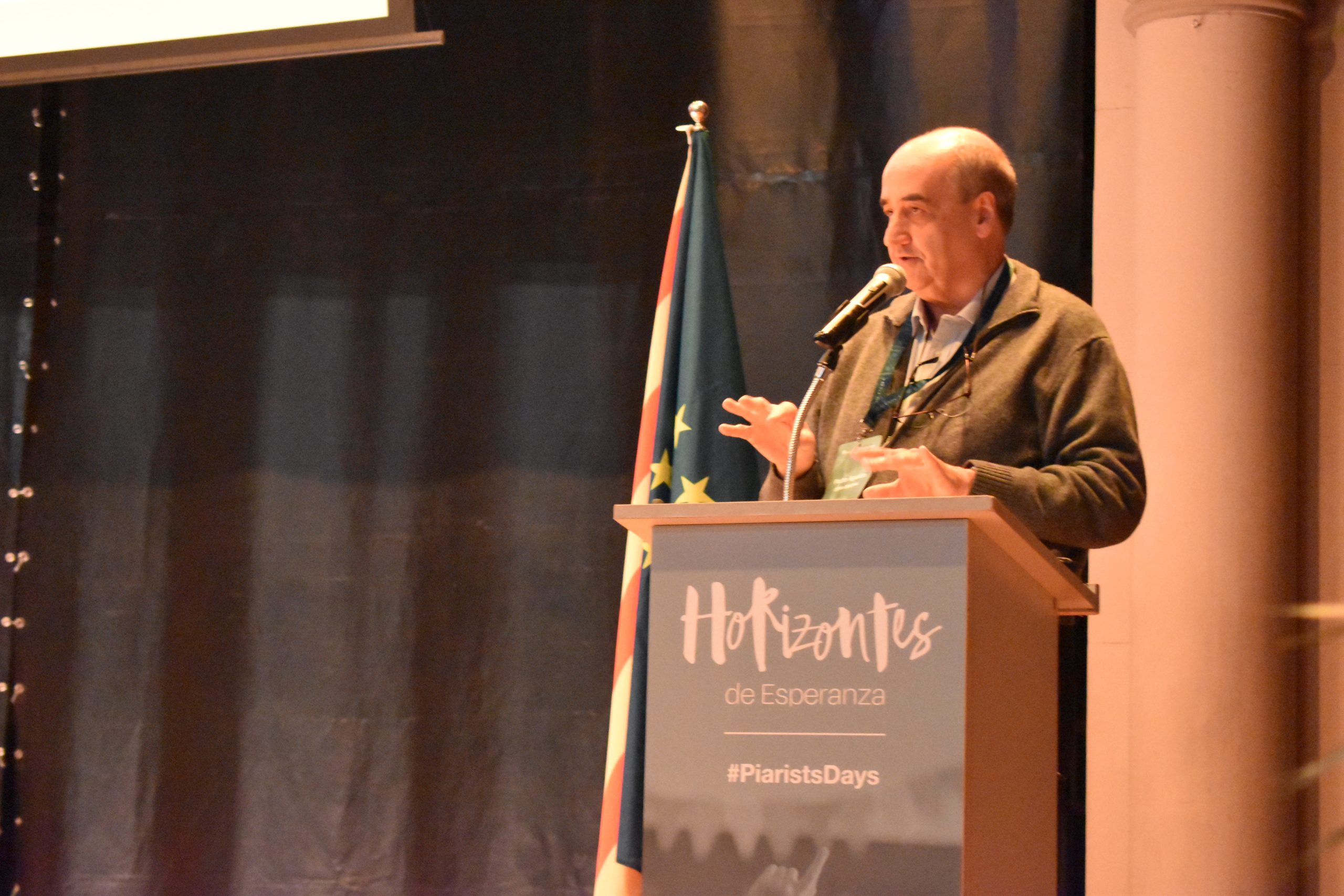
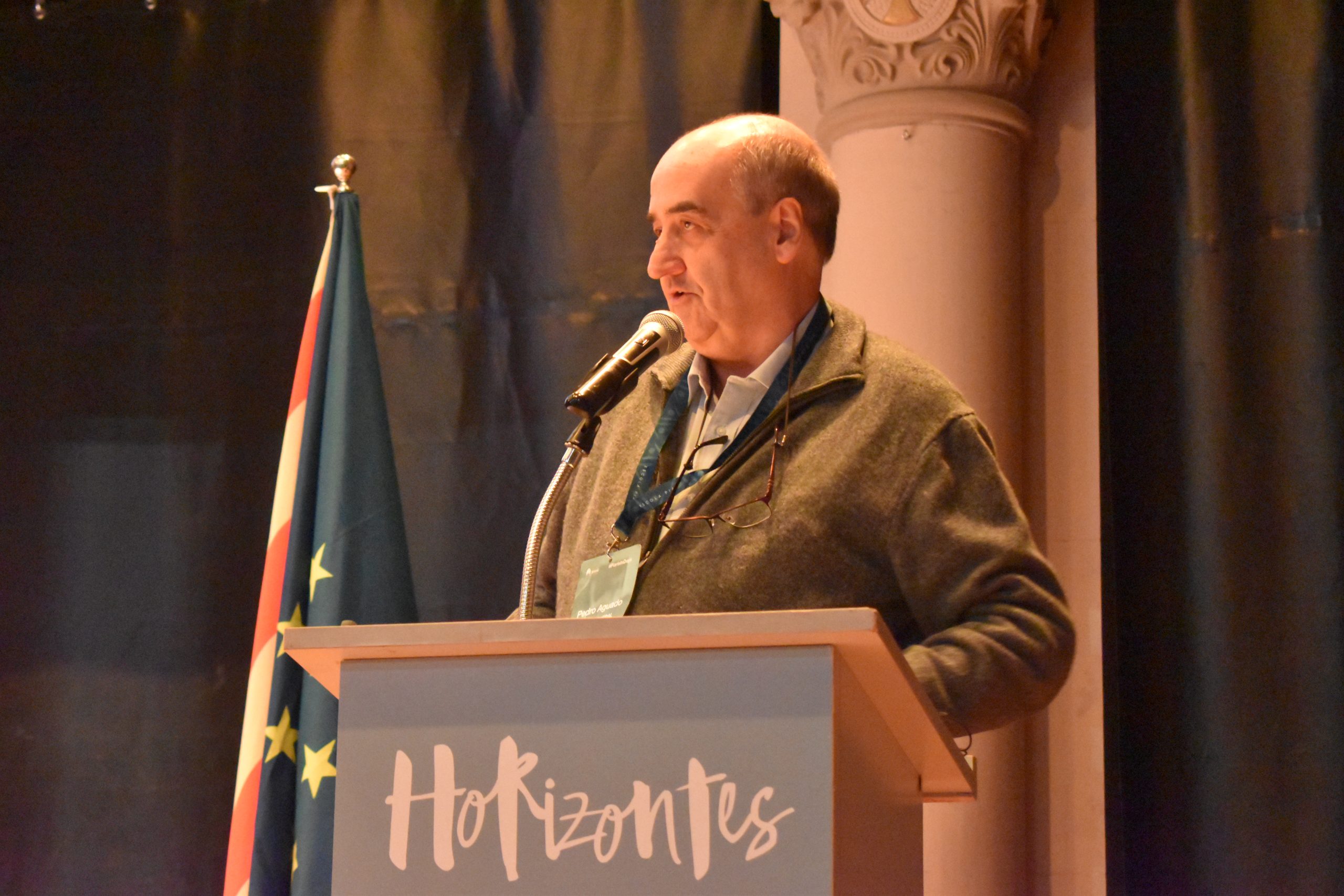
Pedro Aguado, Father General of the Order, presented a series of reflections on the European circumscription in the global context of the Order of Friars Minor.
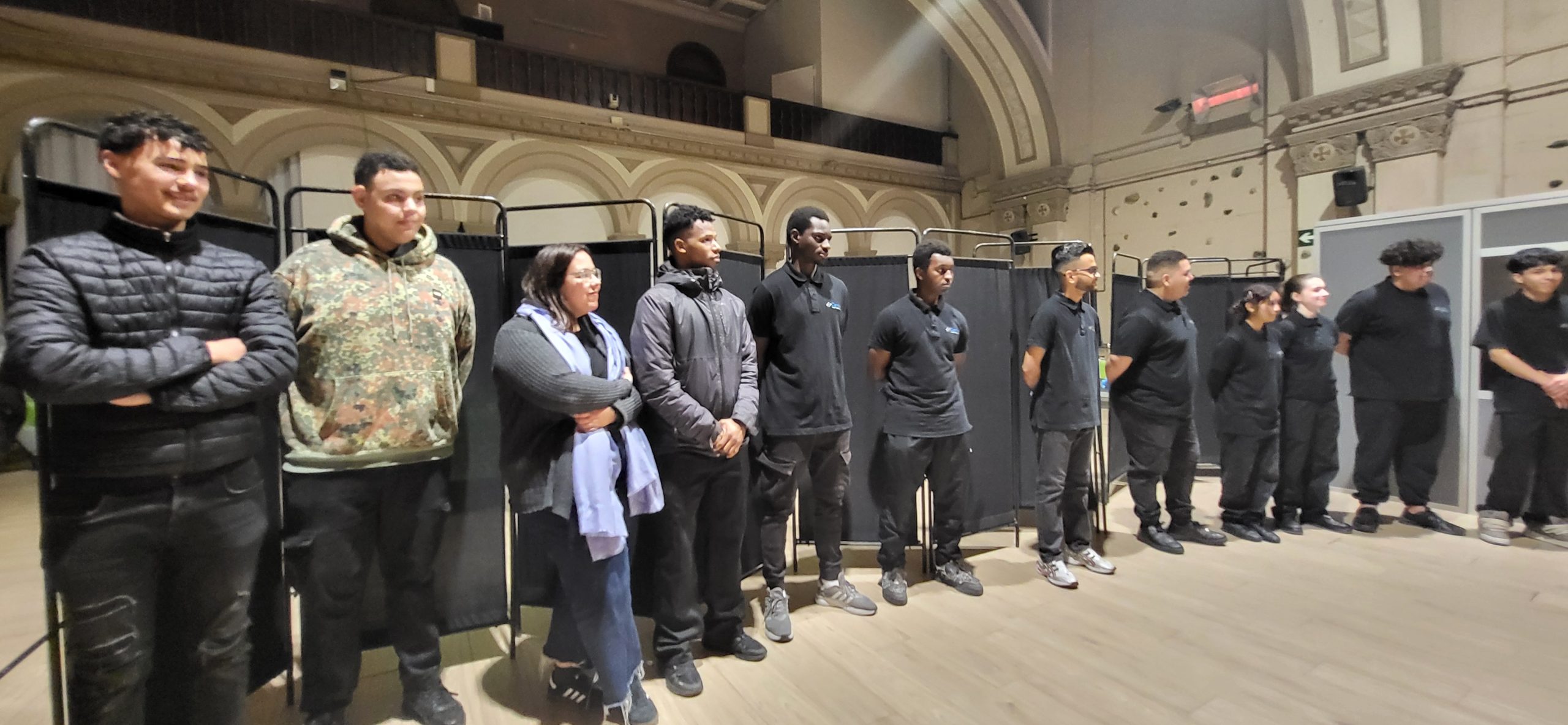
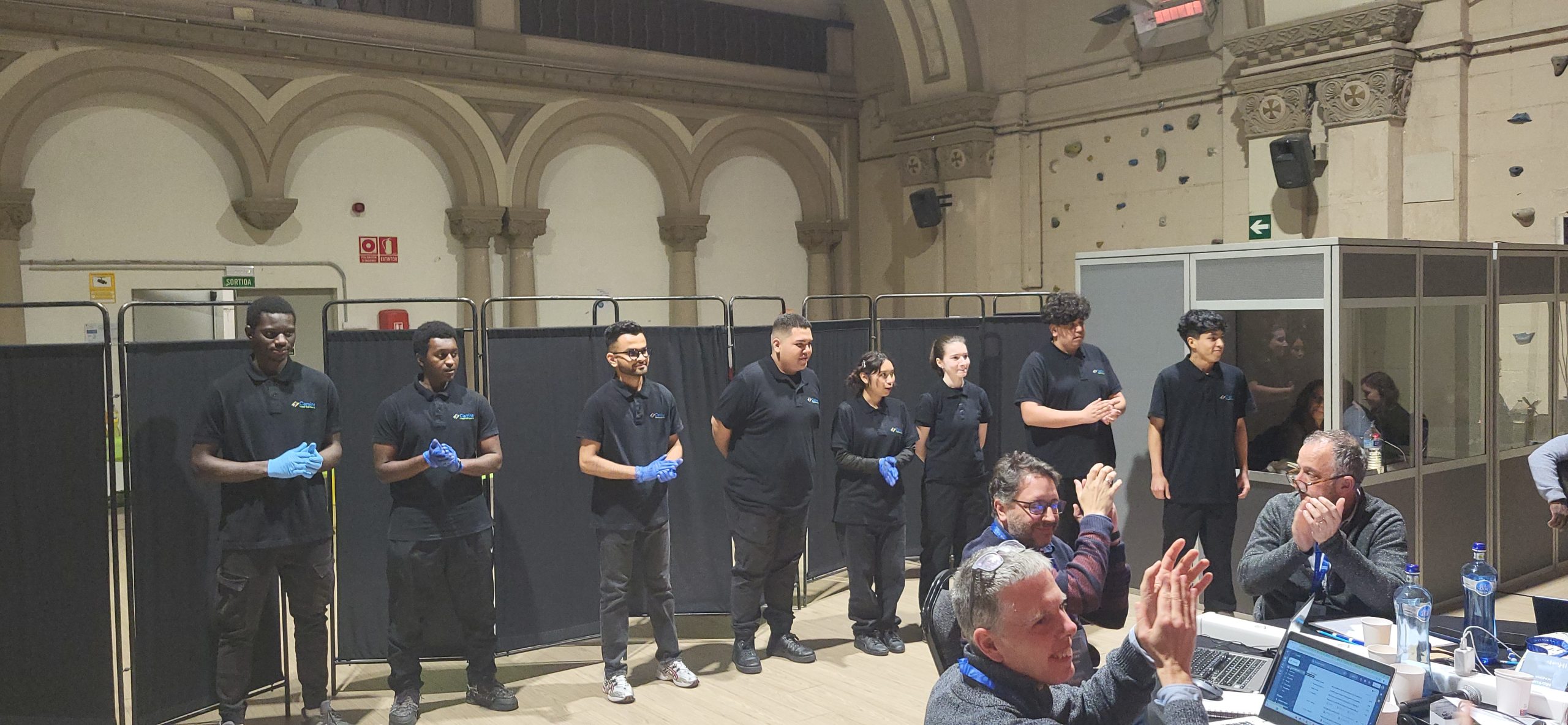
After these reflections on the present and the future, each of the 9 circumscriptions presented a good practice in a maximum of 8 minutes. These good practices included projects, experiences, events, provincial strategies, or other relevant initiatives that were framed within the theme we were dealing with: the meaning, relevance, and raison d’être of the Schools in our presence.
With good judgment, the demarcations showed their interest in the care of children and young people, with the dynamics of a systematic, integral and interdisciplinary accompaniment. This allows for a better culture of change and transformation of society.
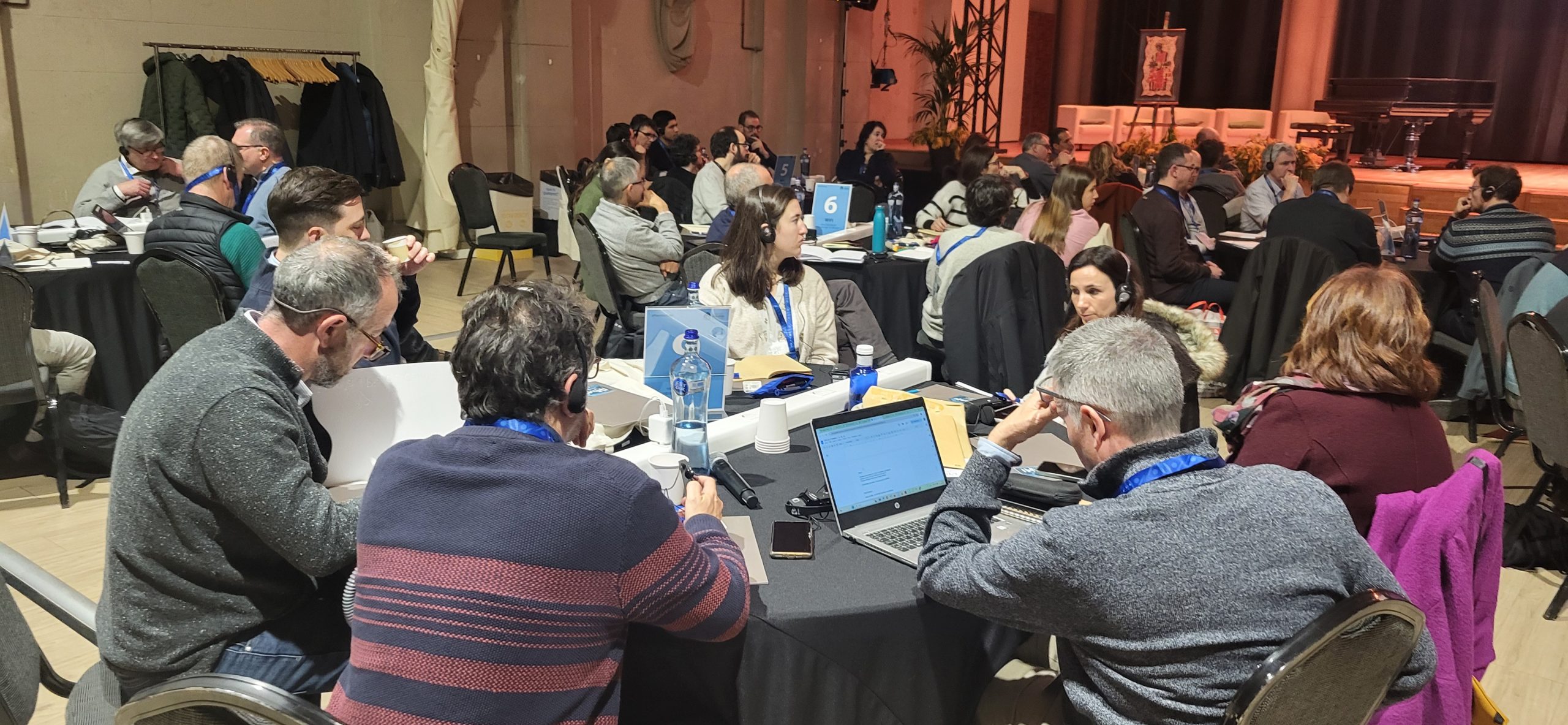
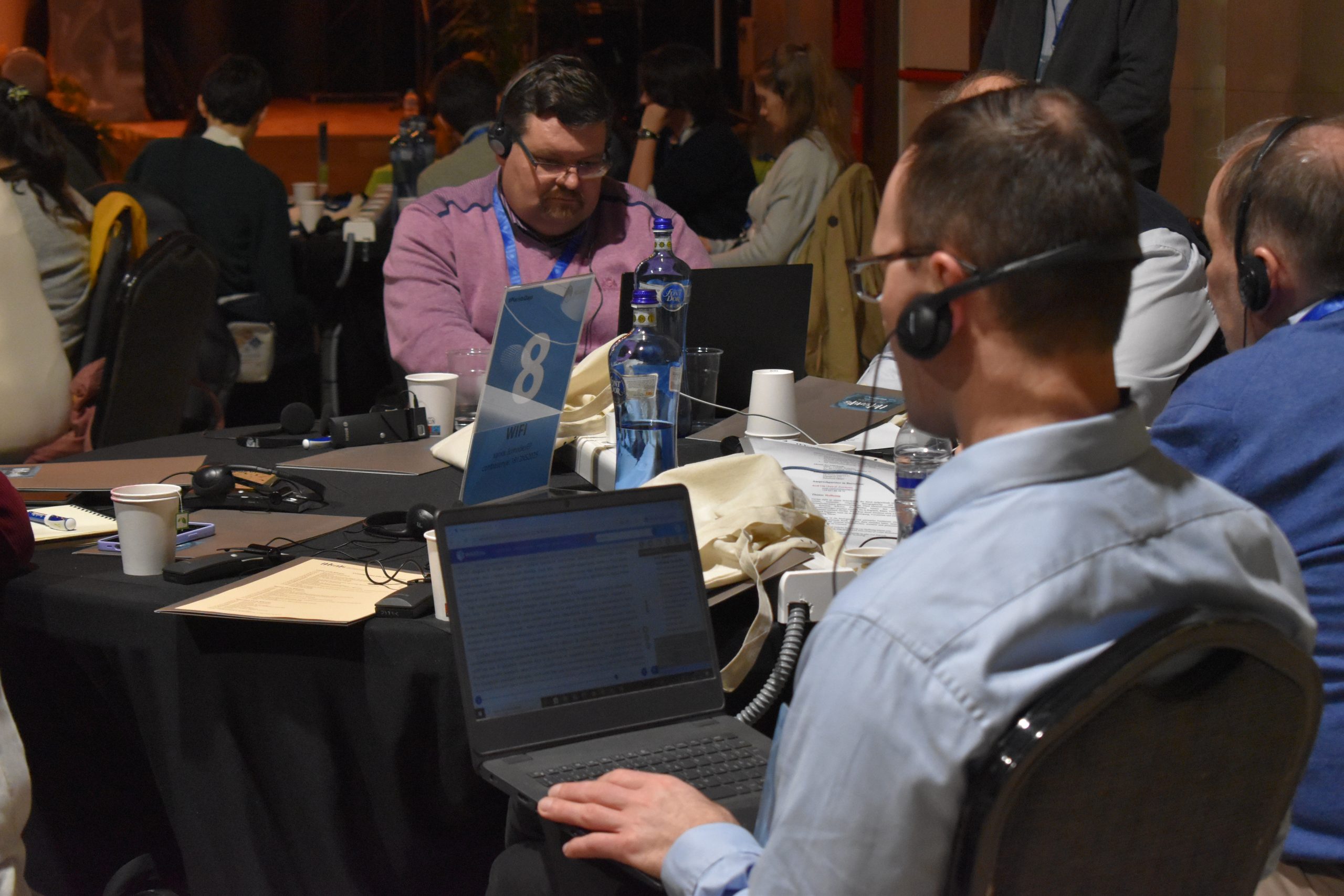
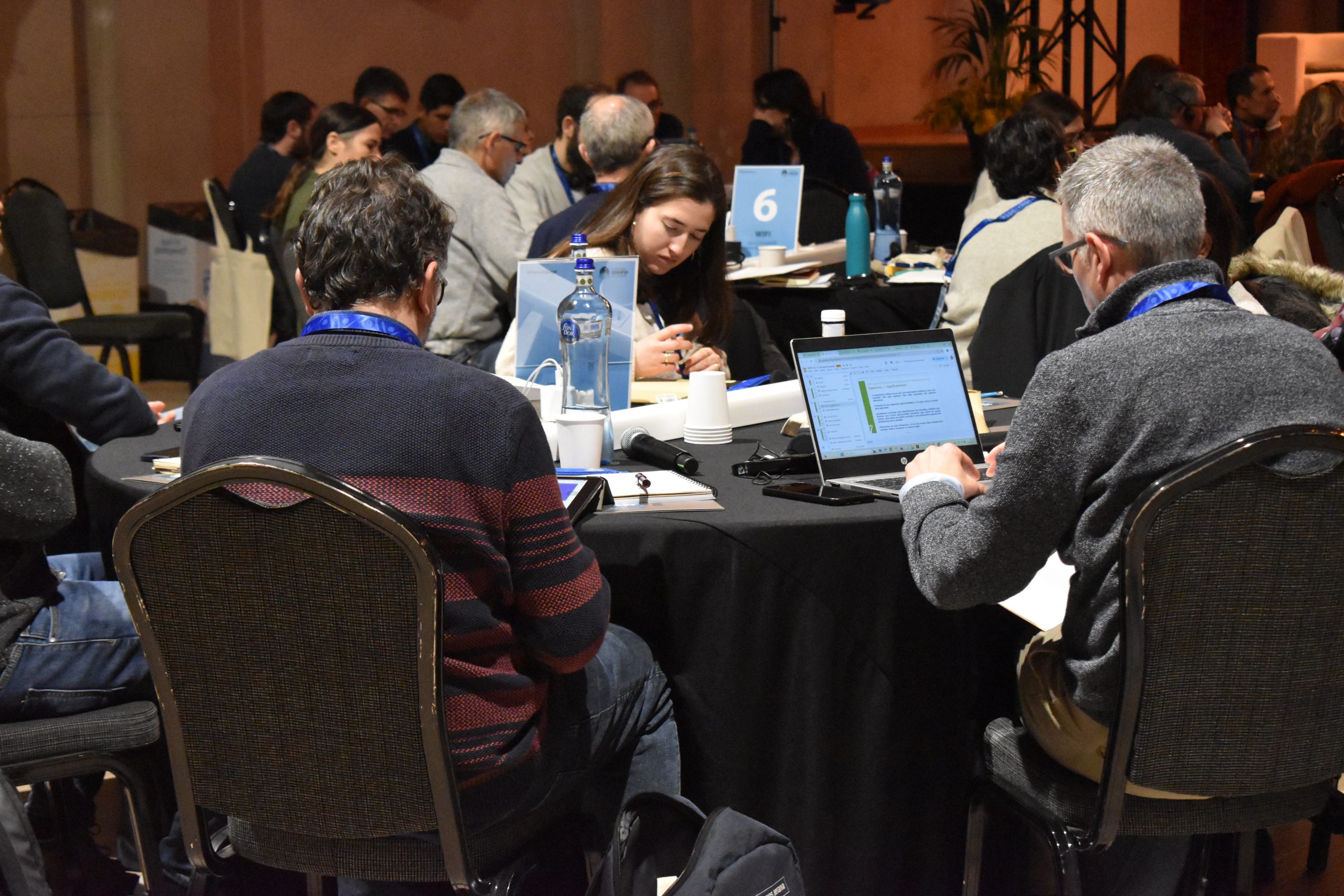
Finally, there was a dialog at the tables inspired by the following questions
- When are religious schools relevant in Europe (in the double sense of relevance and as a source of meaning)?
- To what extent are religious schools seen as an educational, social and spiritual reference point in their respective environments?
- What are the peripheries, in the plural, the classical and the new?
- What current experiences of our communities and/or schools are a source of meaning?
- Are we generating social change?
- How can we improve our Piarist charism so that it resonates more deeply with today’s youth?
- What is the role of religious schools in promoting diversity and inclusion?
- How can religious schools strengthen their ties with families and the community?
- What is the role of spirituality in the education of religious schools?
There was a beautiful sharing of dialogues at the tables, with an emphasis on care for people and the challenge of a cultural change in the processes of interpersonal relationships in the Piarist demarcations and presences.