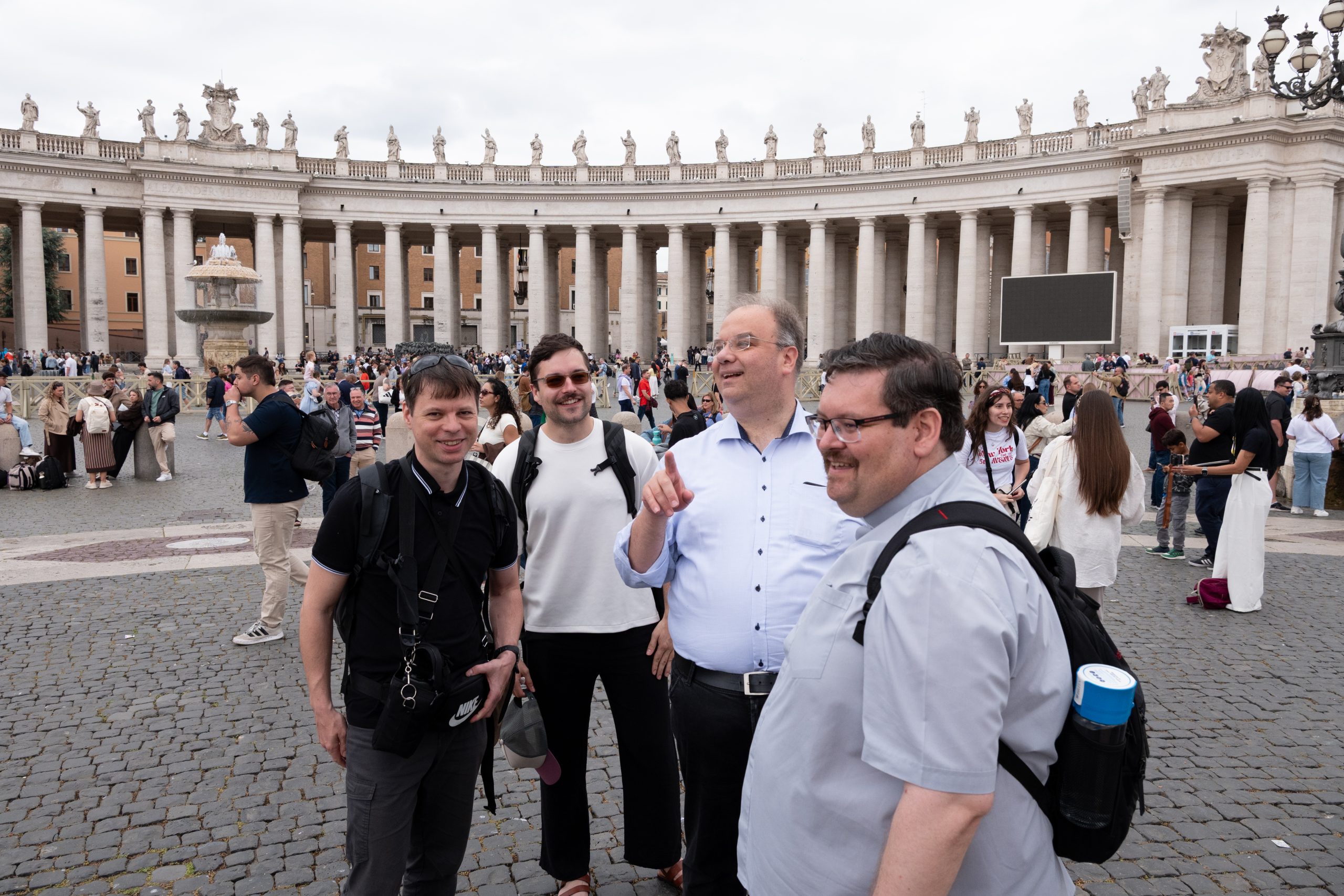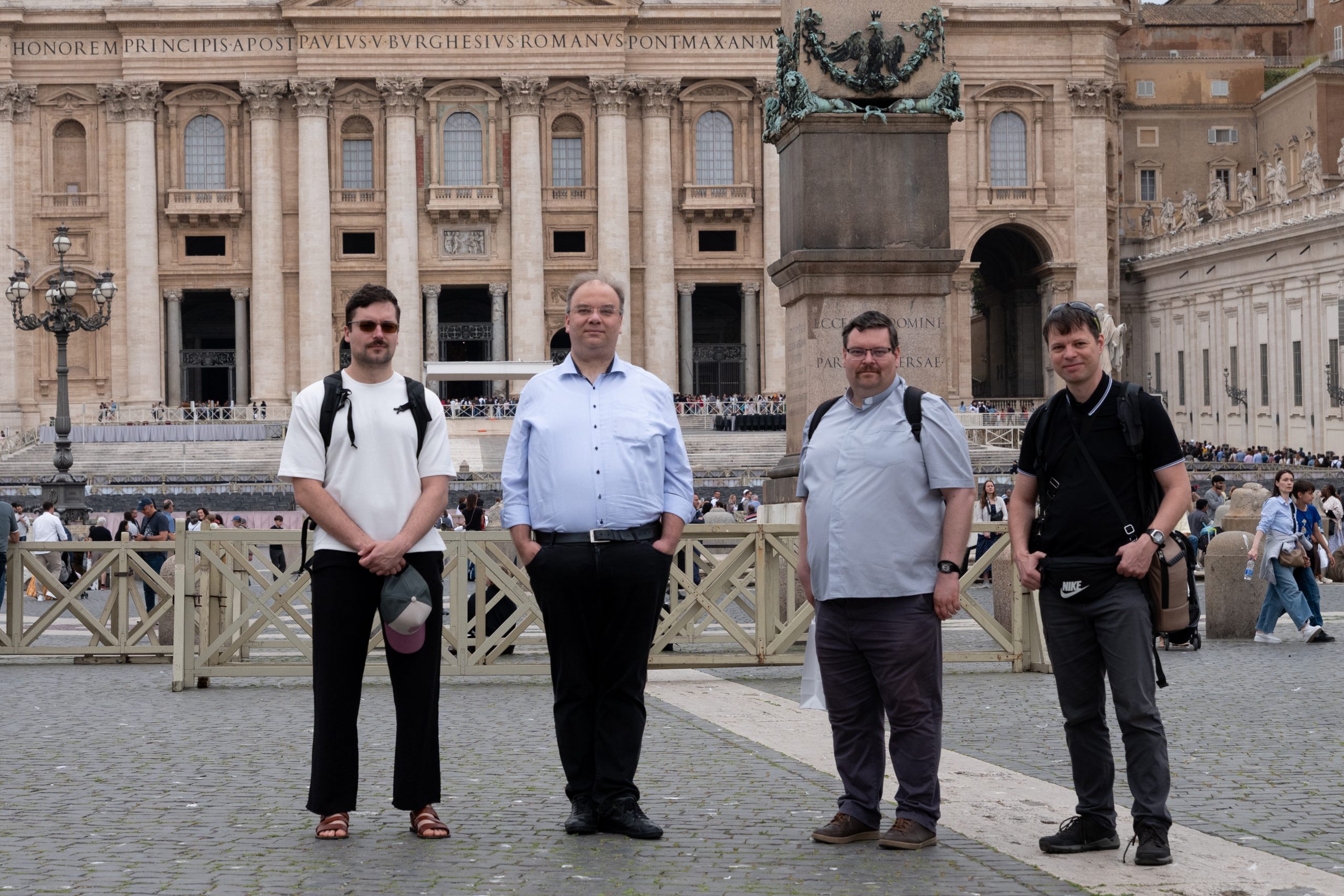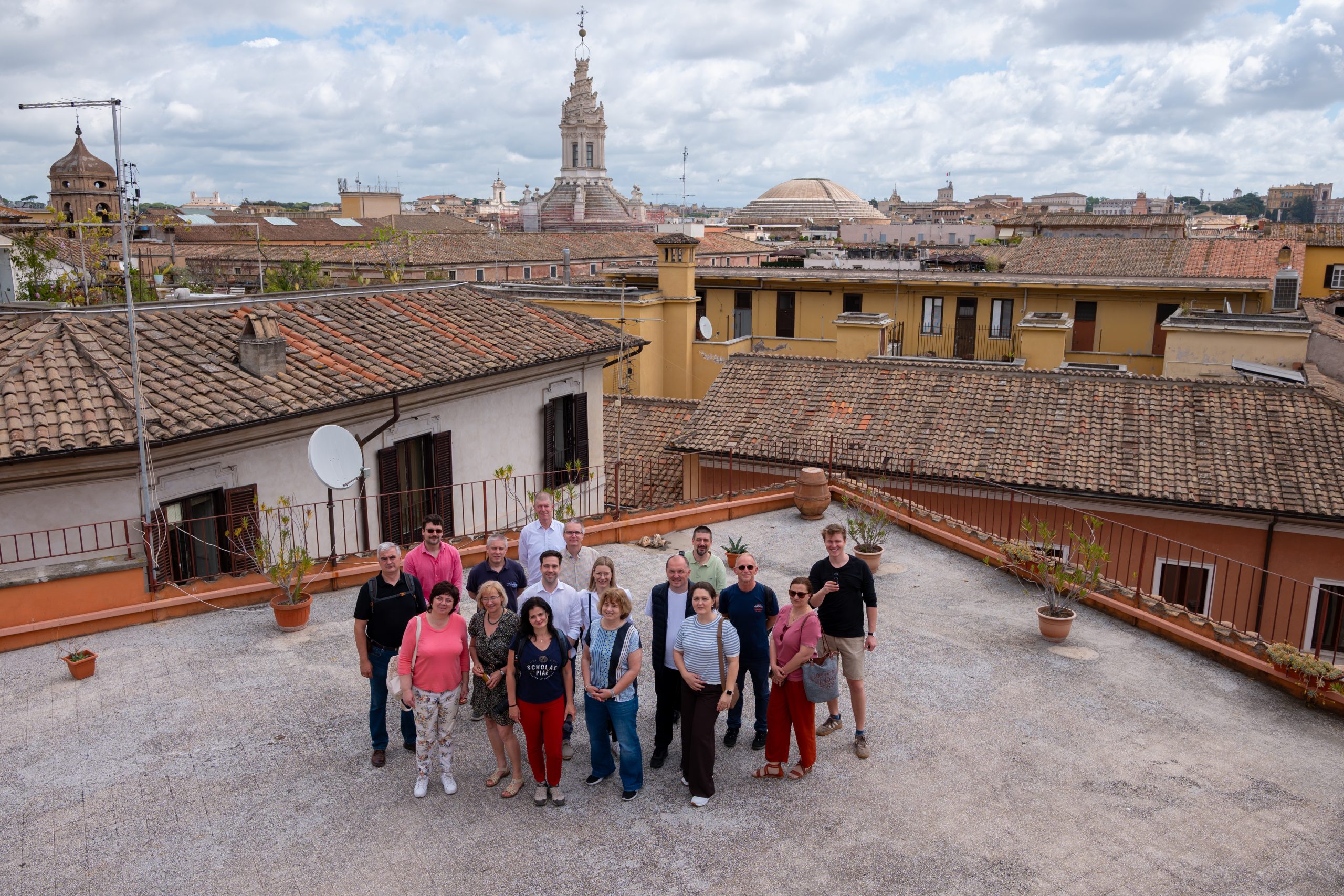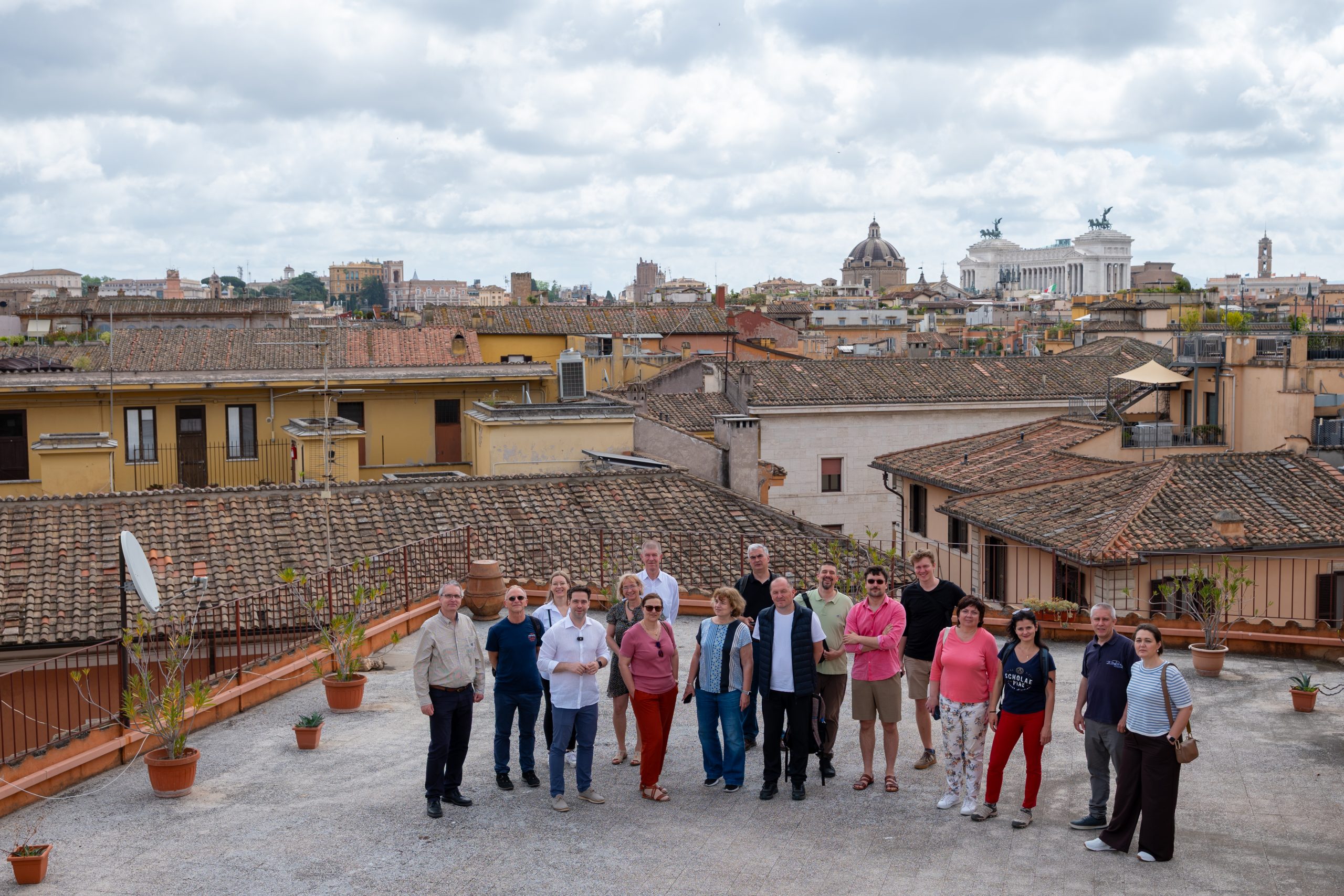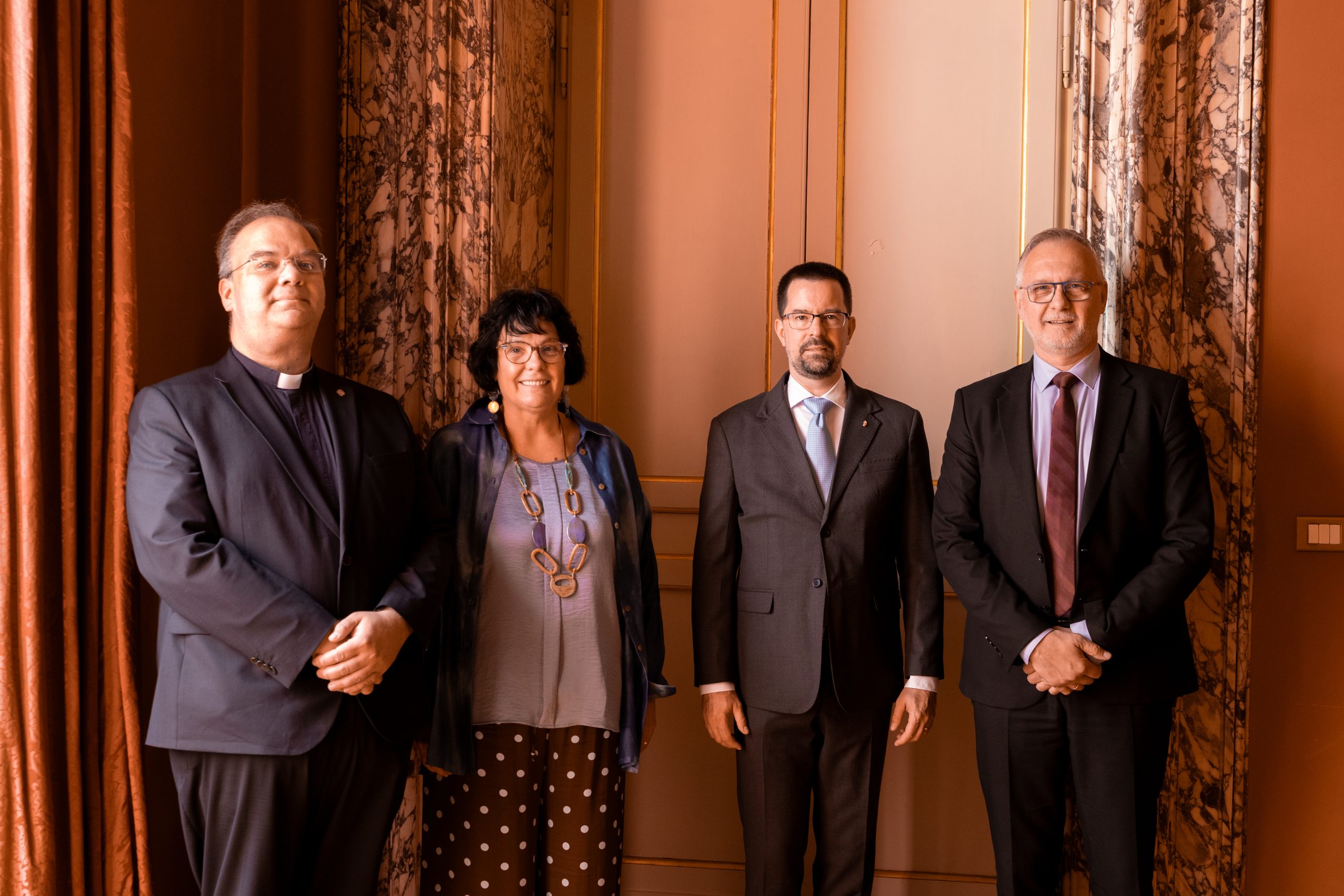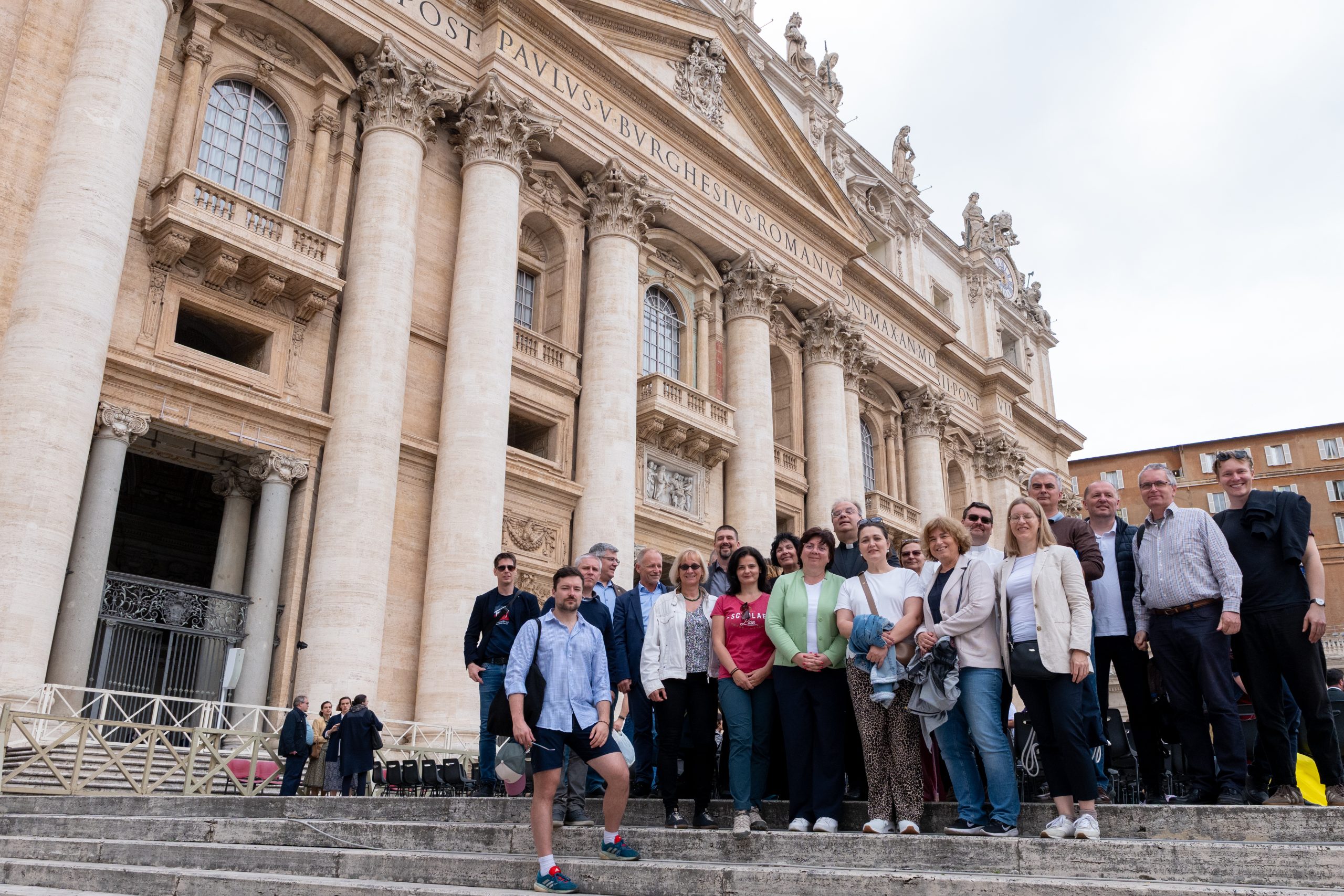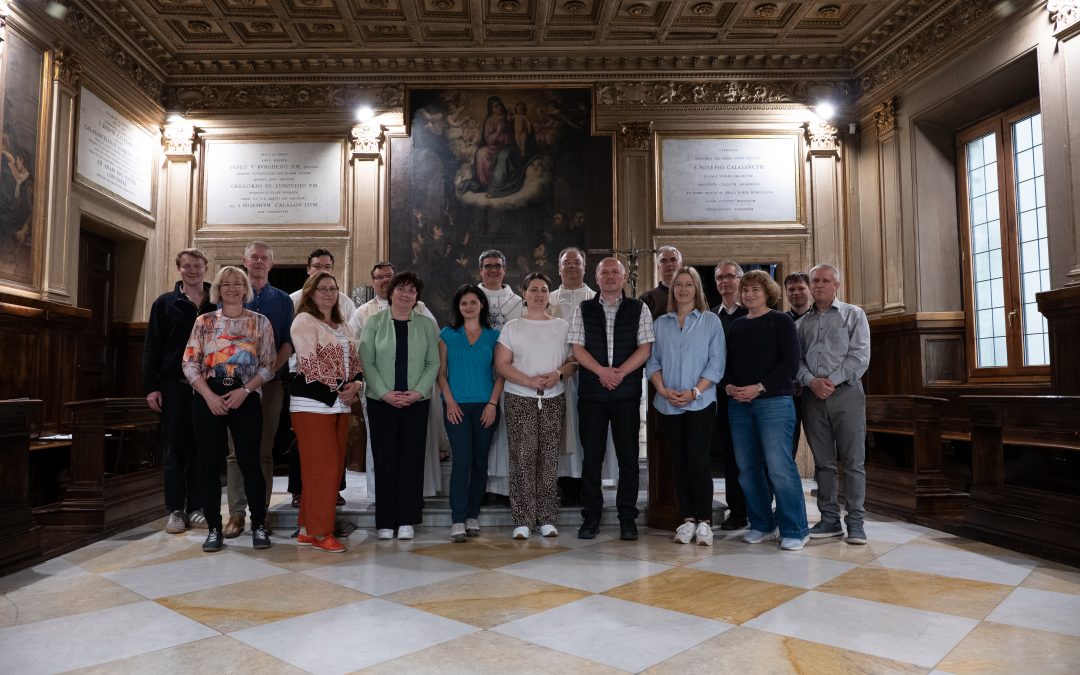
A delegation from the Hungarian Province of the Piarist Order travelled to Rome, led by Father Provincial Viktor Zsódi, and made up of heads of Piarist institutions and collaborators from the Provincial centre. The journey had a twofold purpose: on the one hand, to take part in the study day organised by the Hungarian Conference of Male Religious Superiors and the Hungarian Forum for Religious Education; on the other, to undertake a common pilgrimage that would offer an opportunity to deepen their relationship with the Church and with the Piarist family.
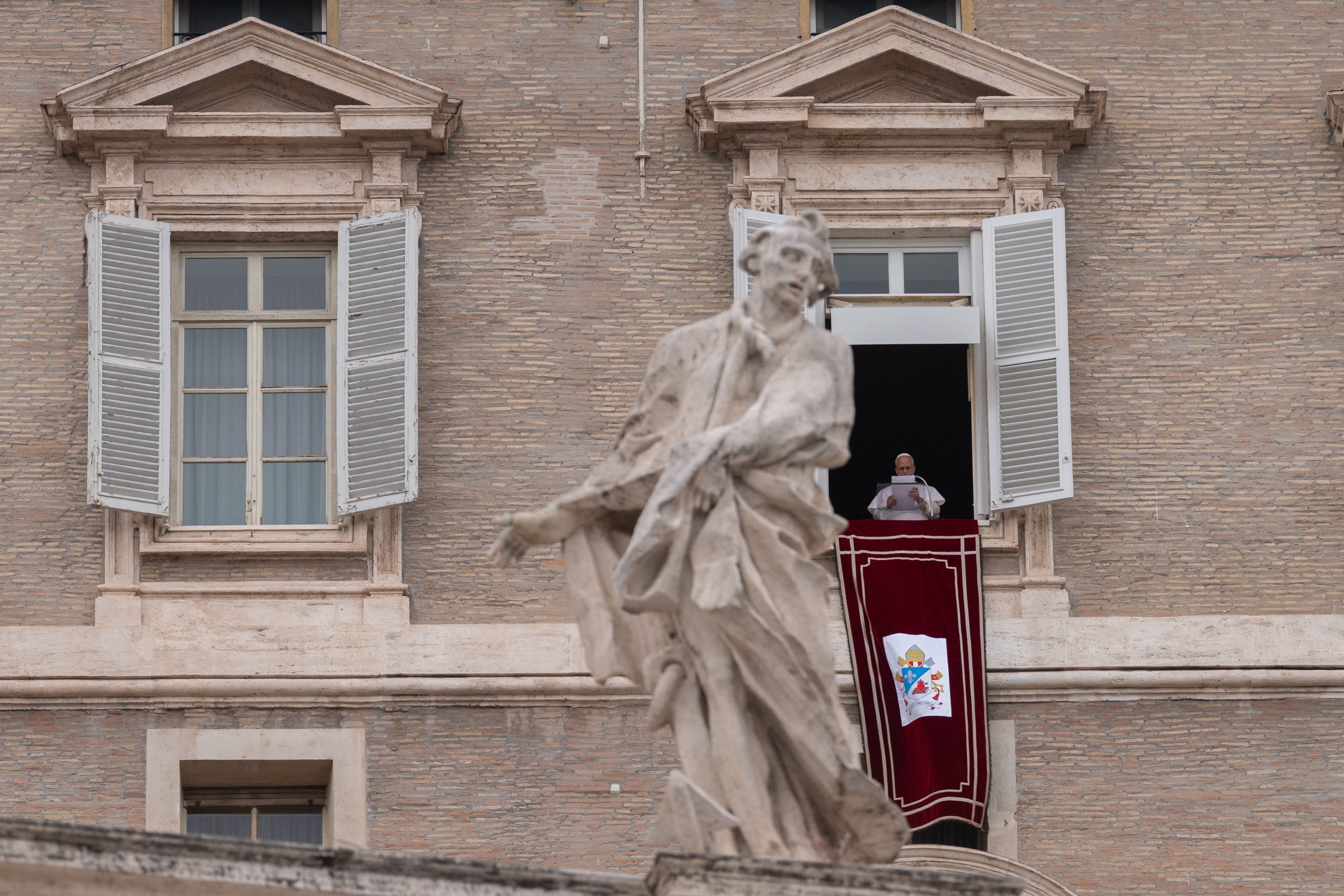
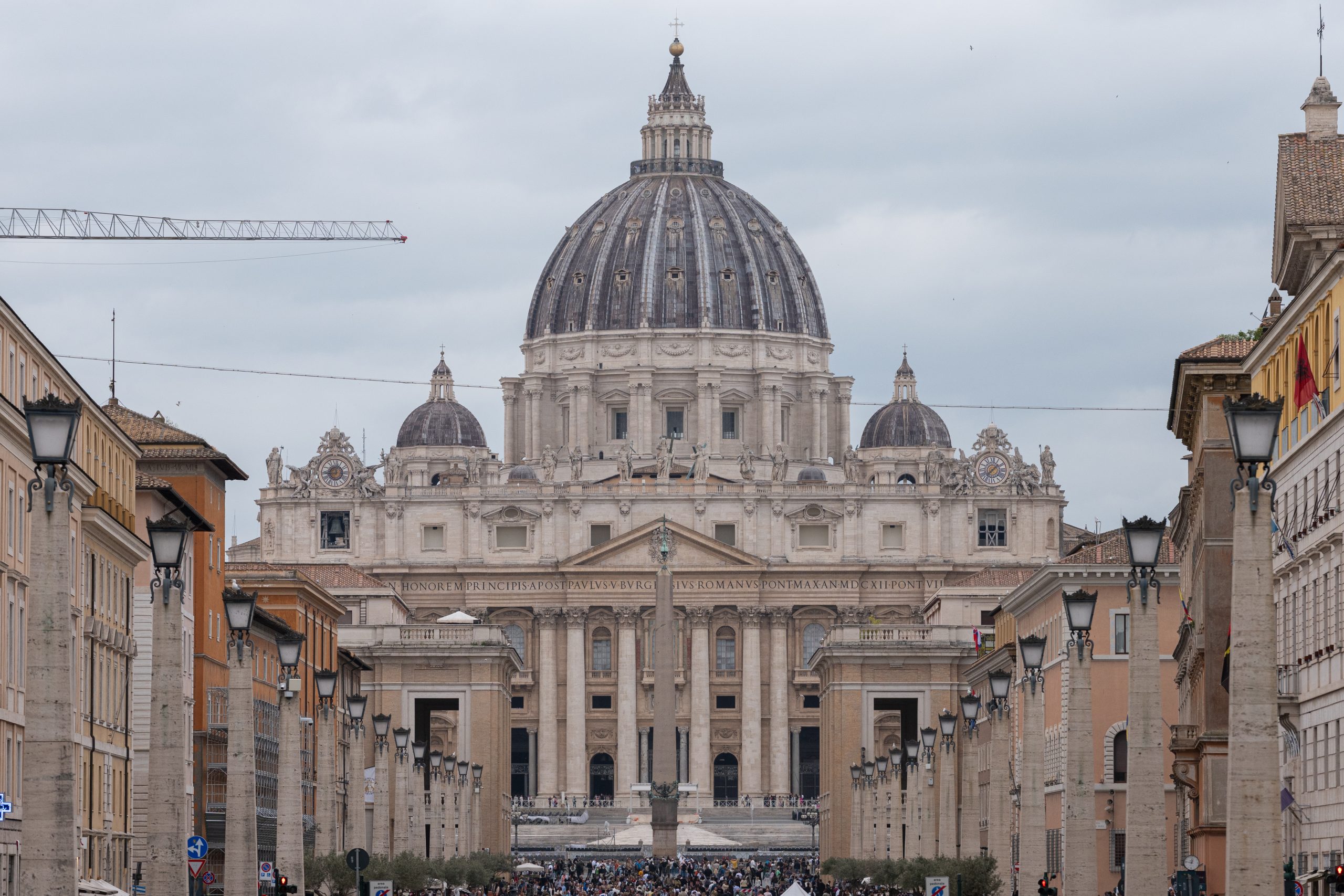
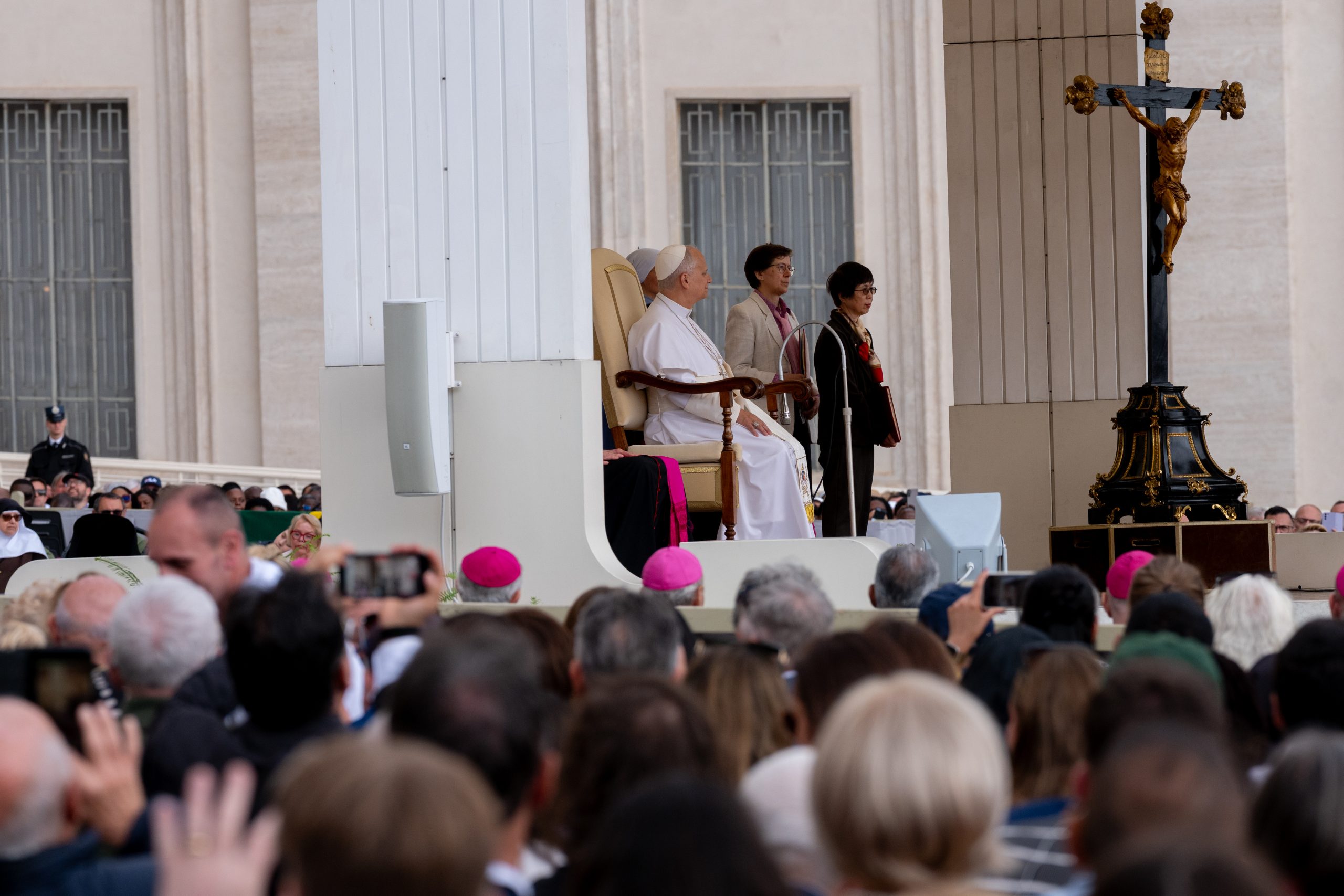
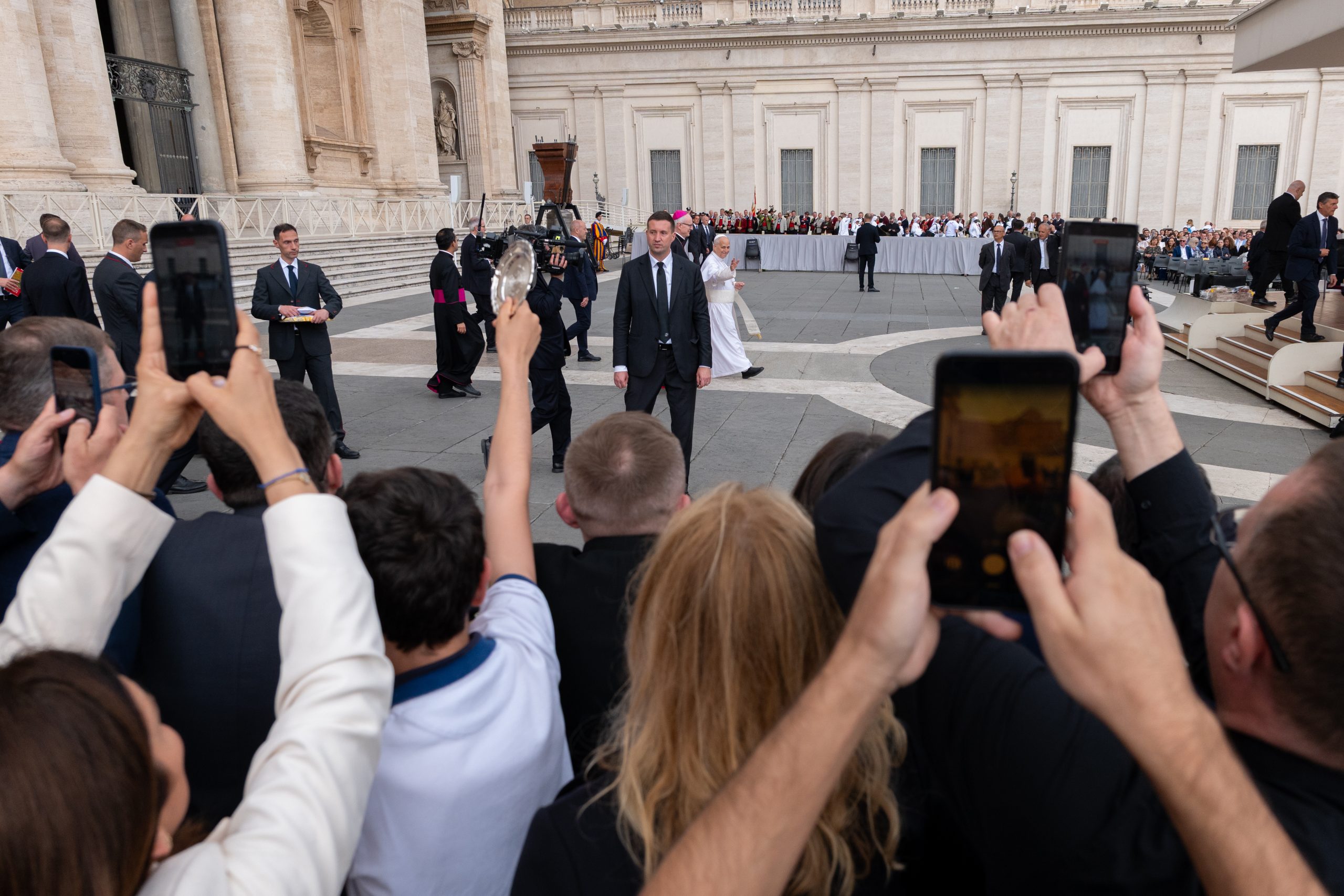
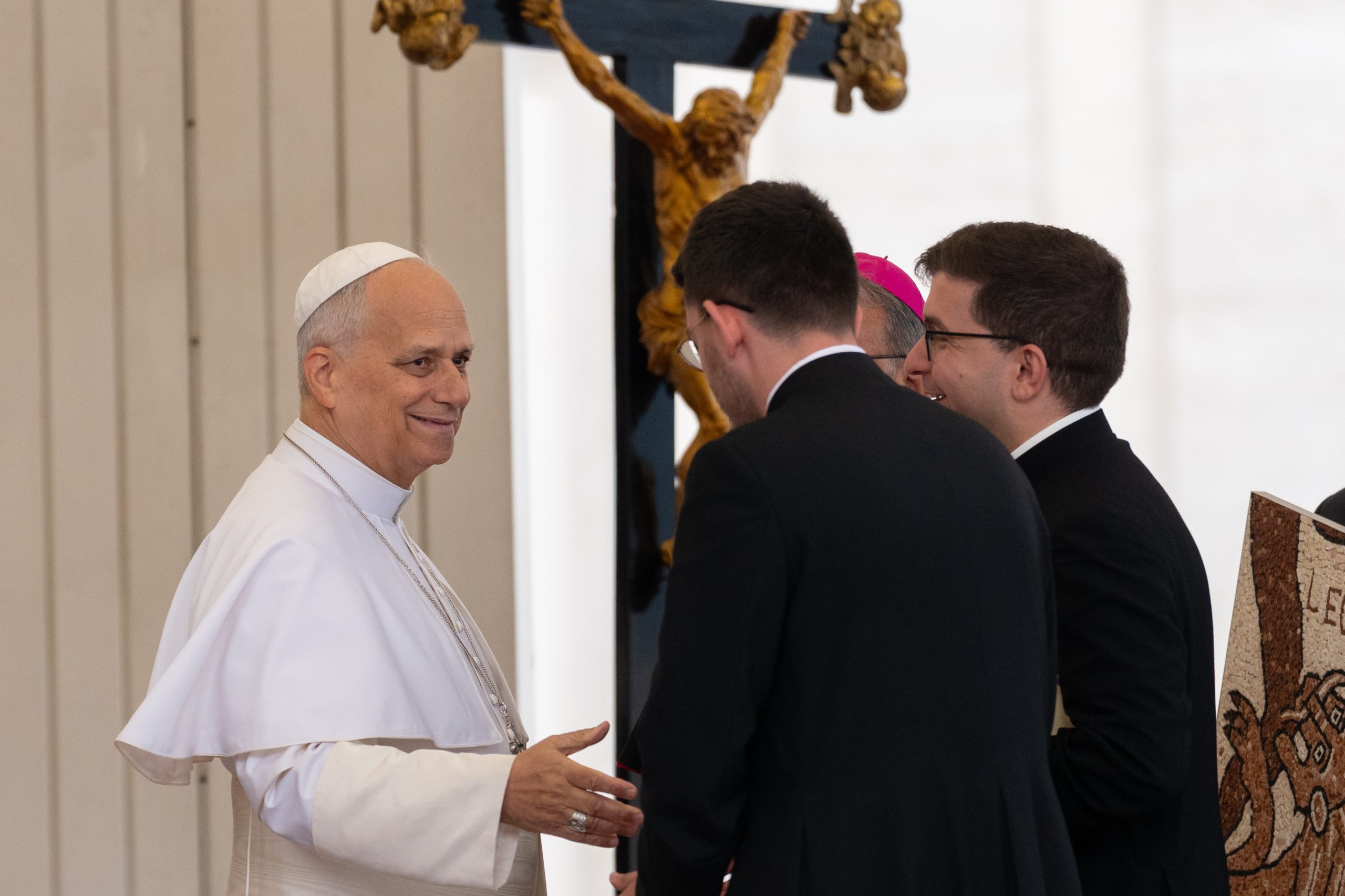
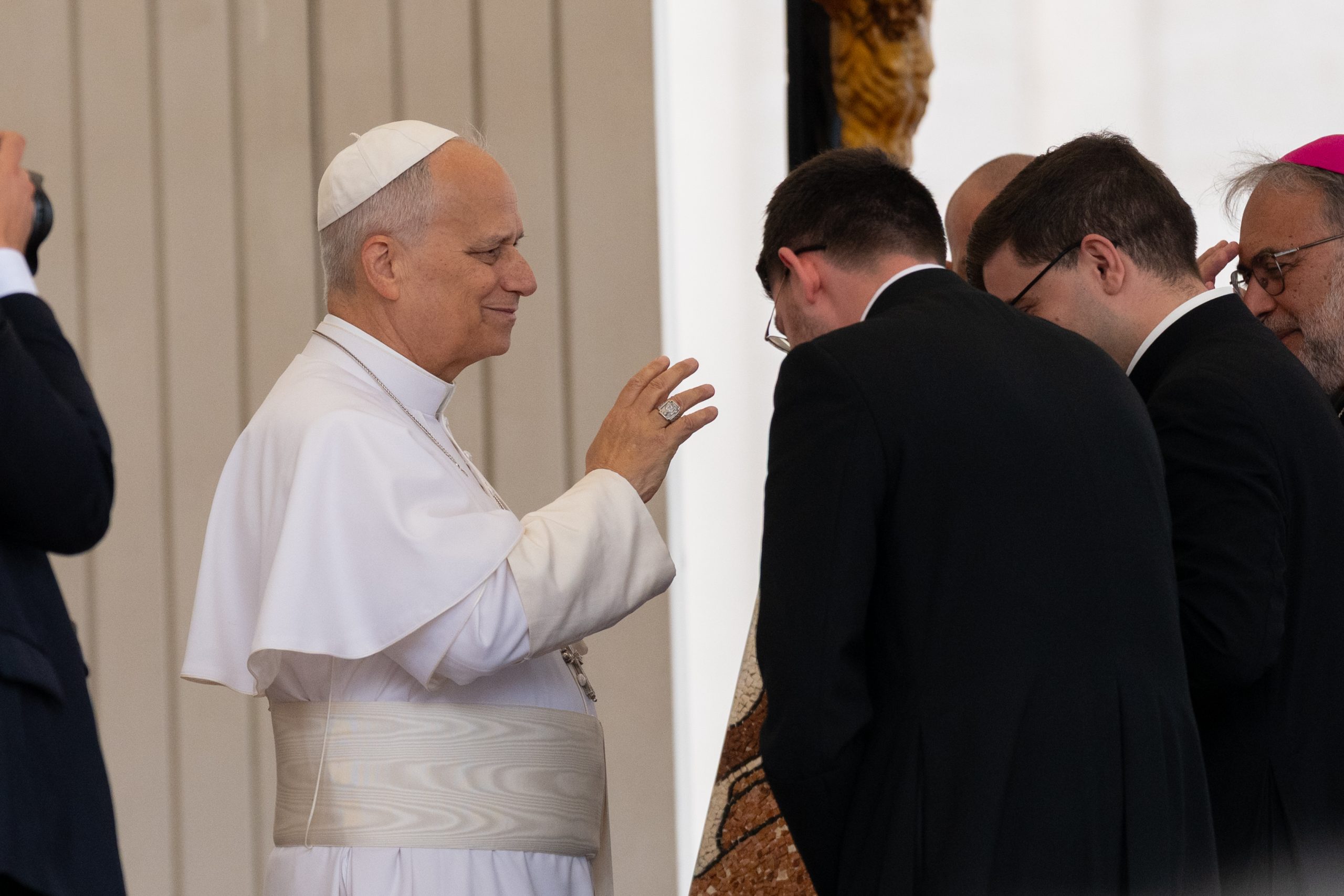
On Sunday at midday, the delegation was able to pray the Regina Caeli together with Pope Leo XIV in Saint Peter’s Square. The Holy Father greeted the pilgrims gathered there from the window of his study in the Vatican Apostolic Palace and underlined in his address:
“Always and everywhere we can bear witness to God, who is love: this word does not mean an idea of the human mind, but the reality of divine life, through which everything was created from nothing and redeemed from death.”
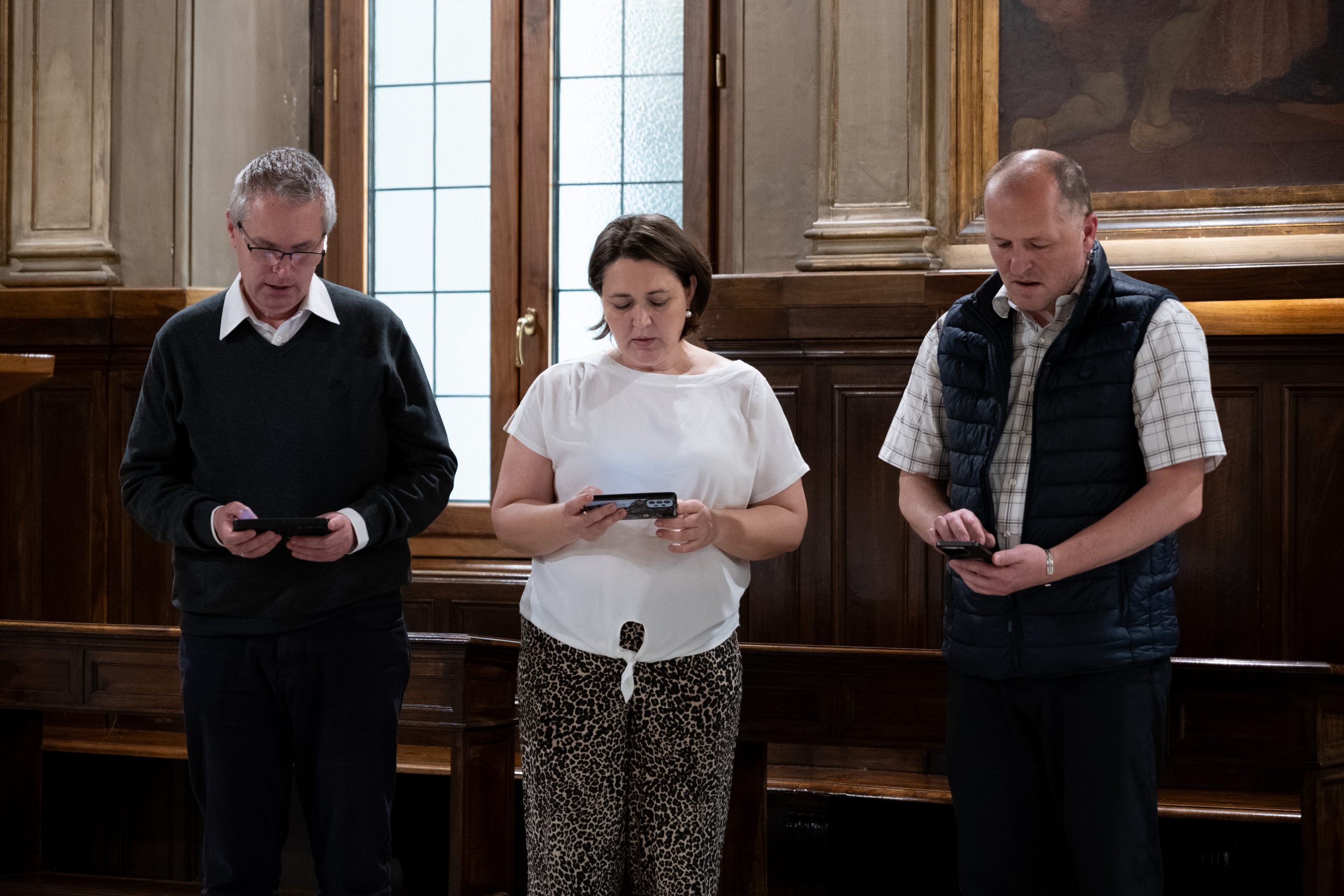
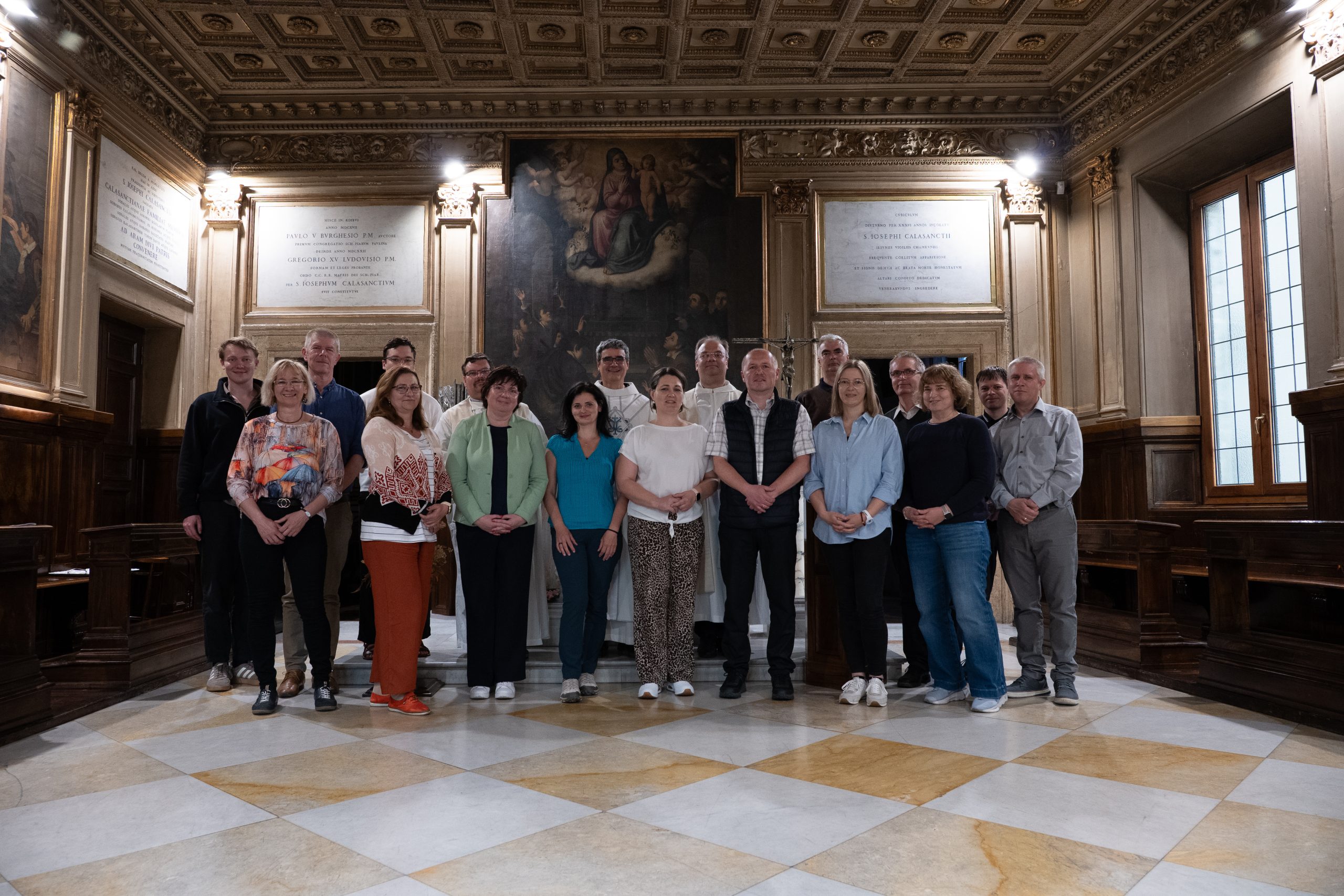
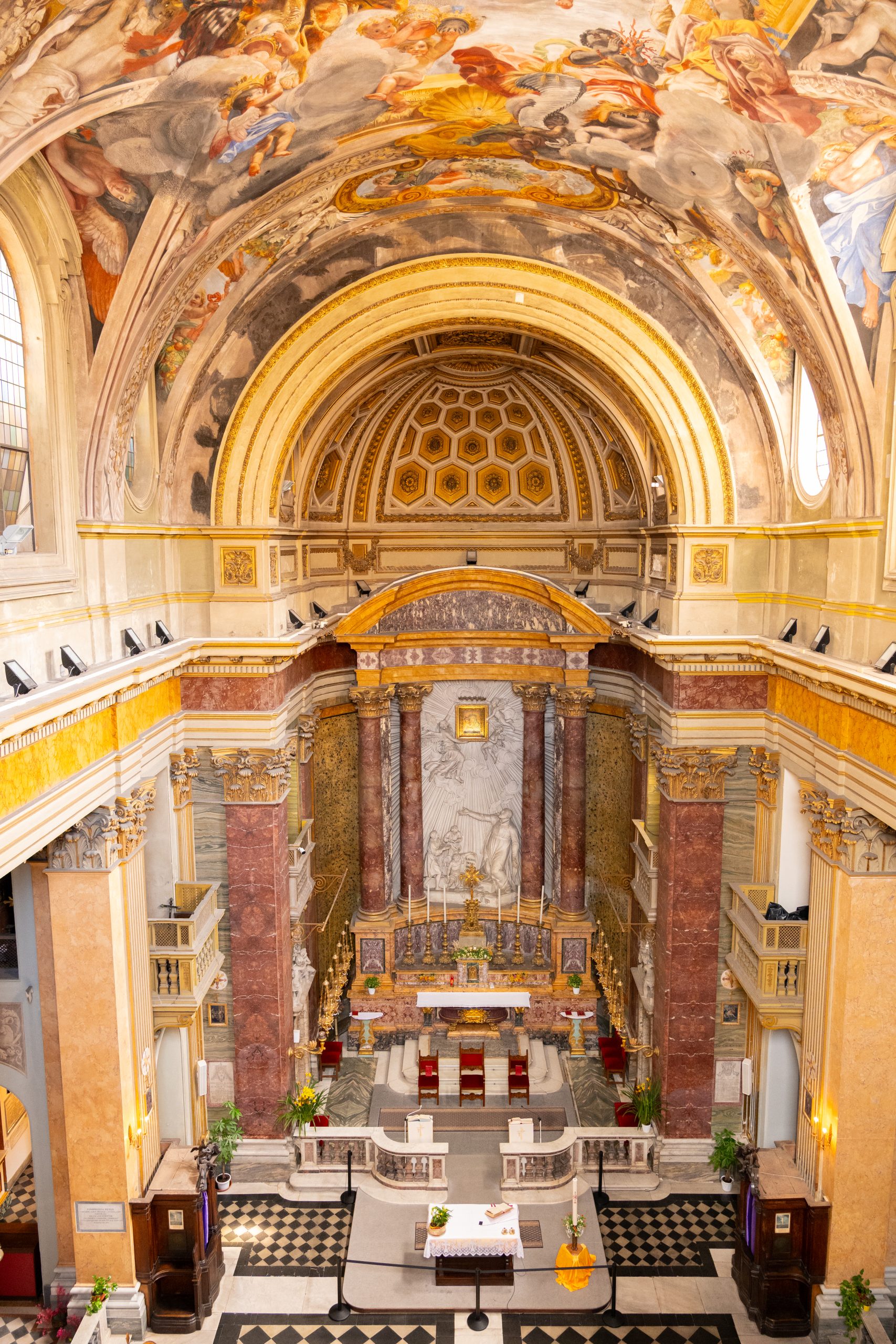
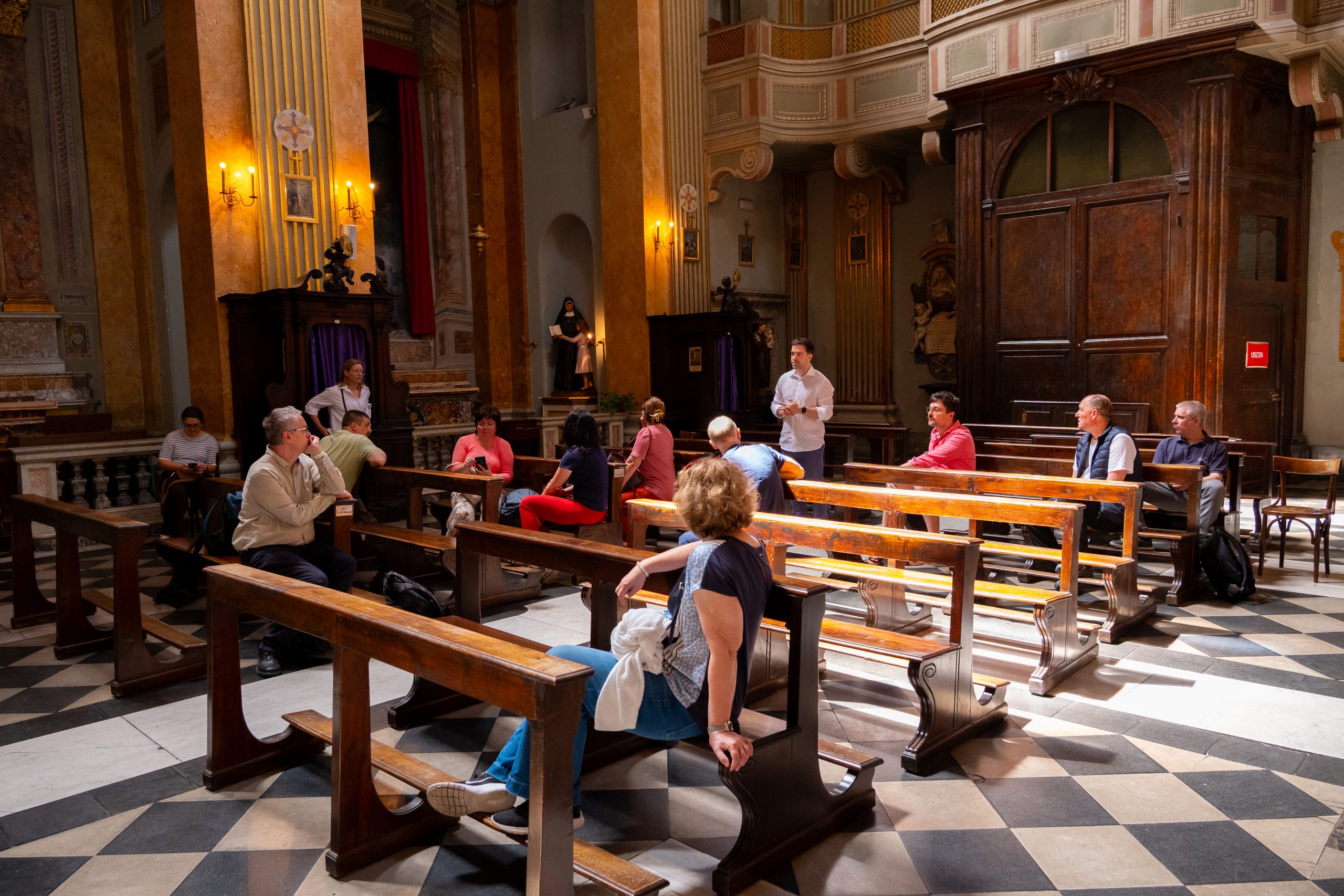
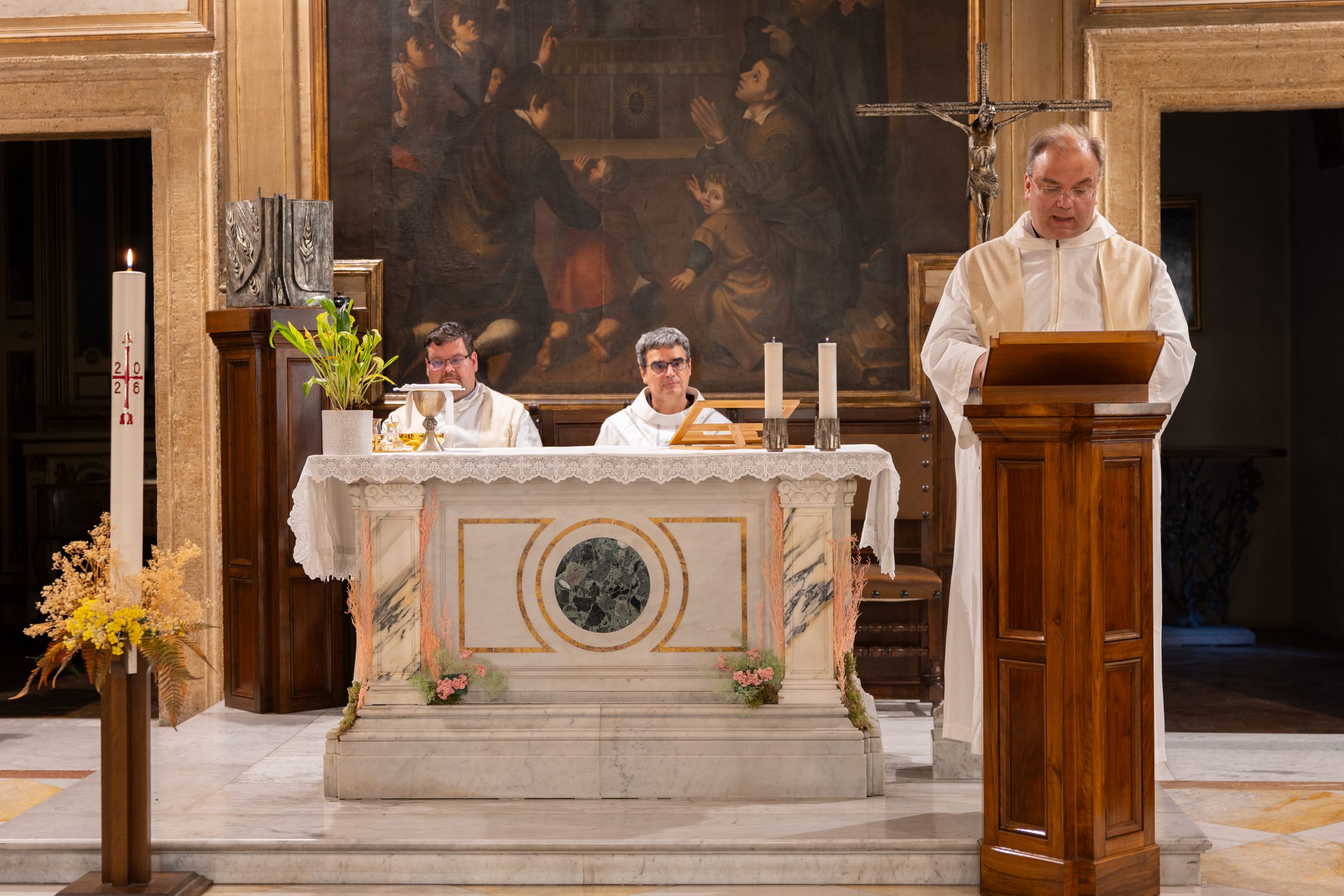
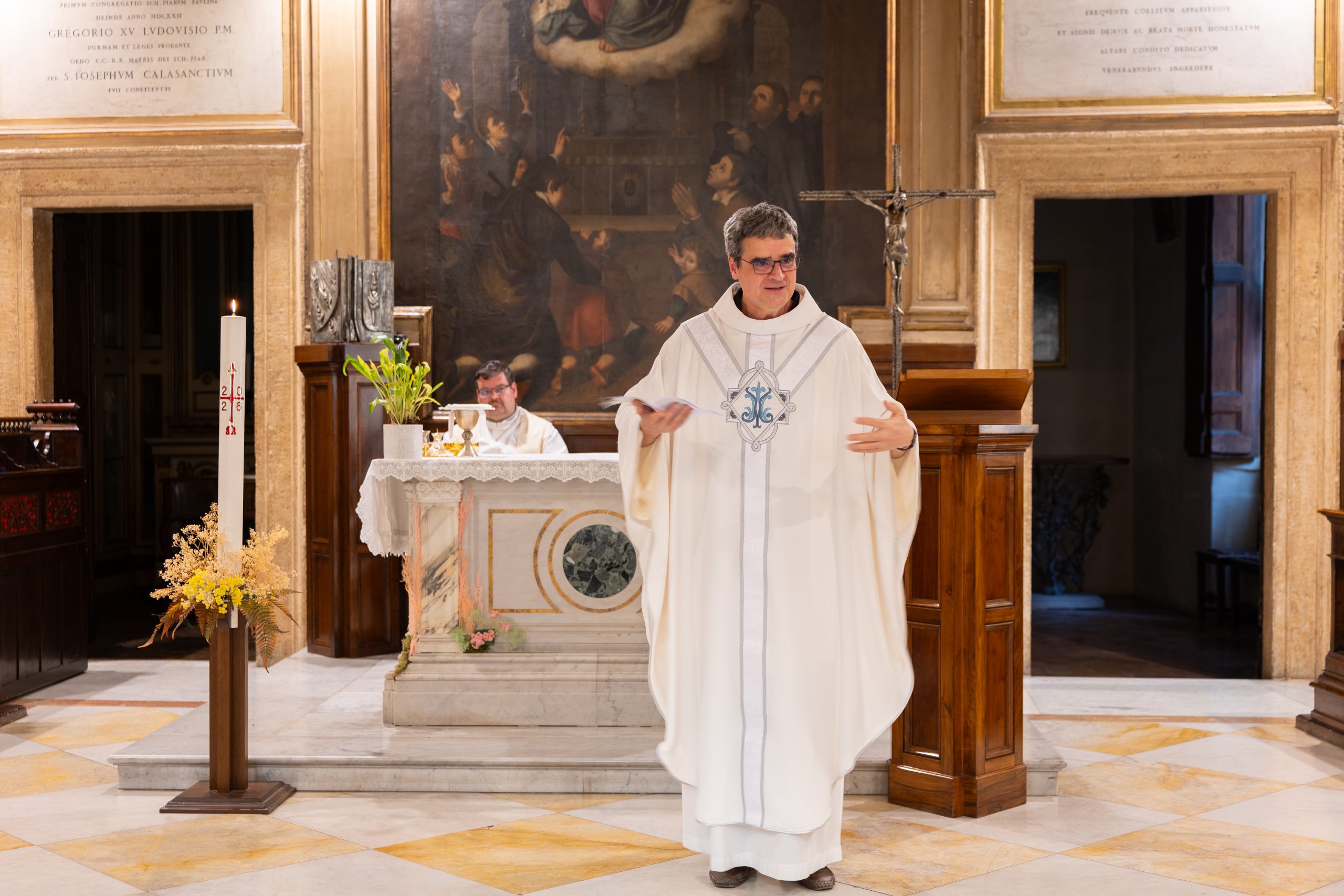
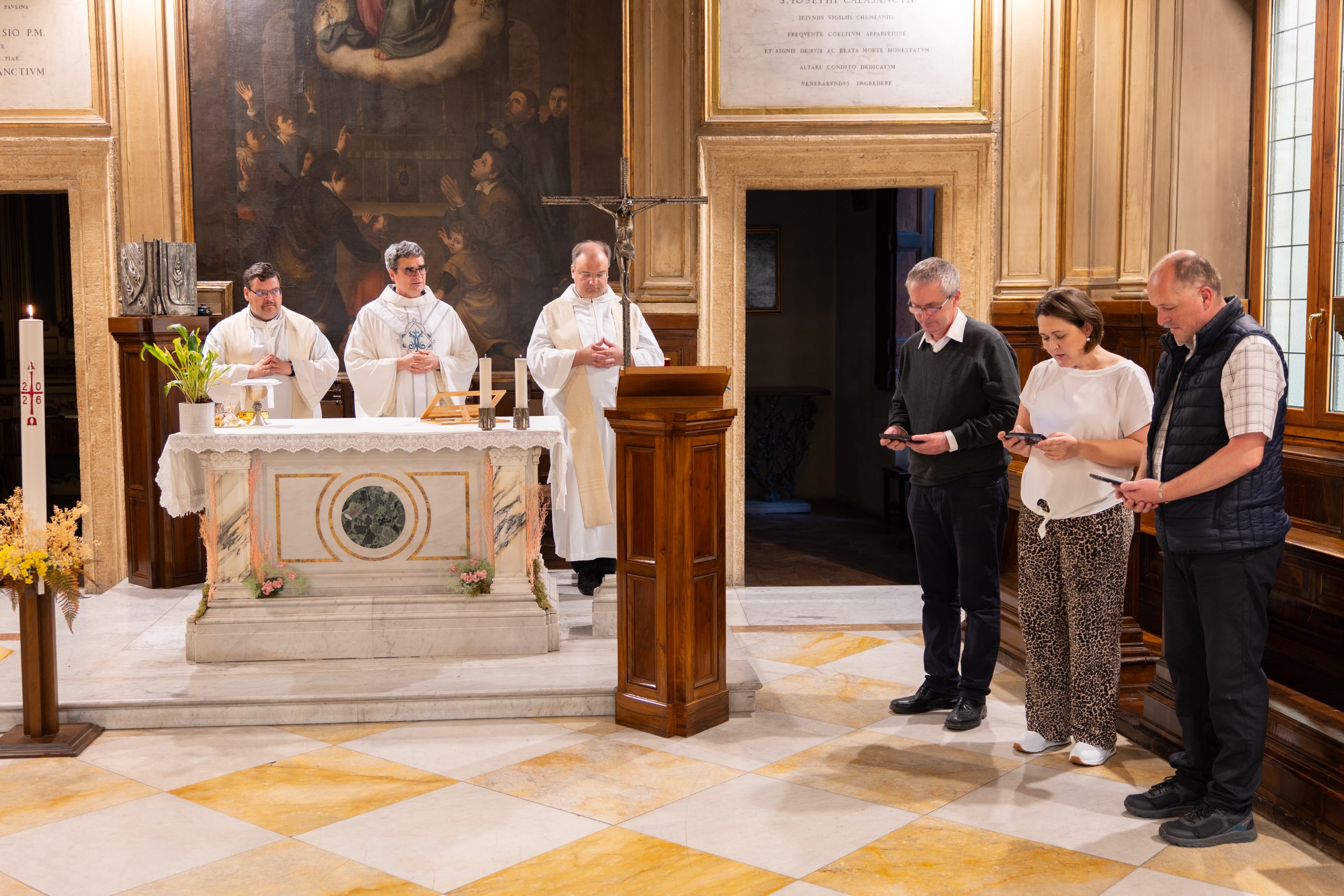
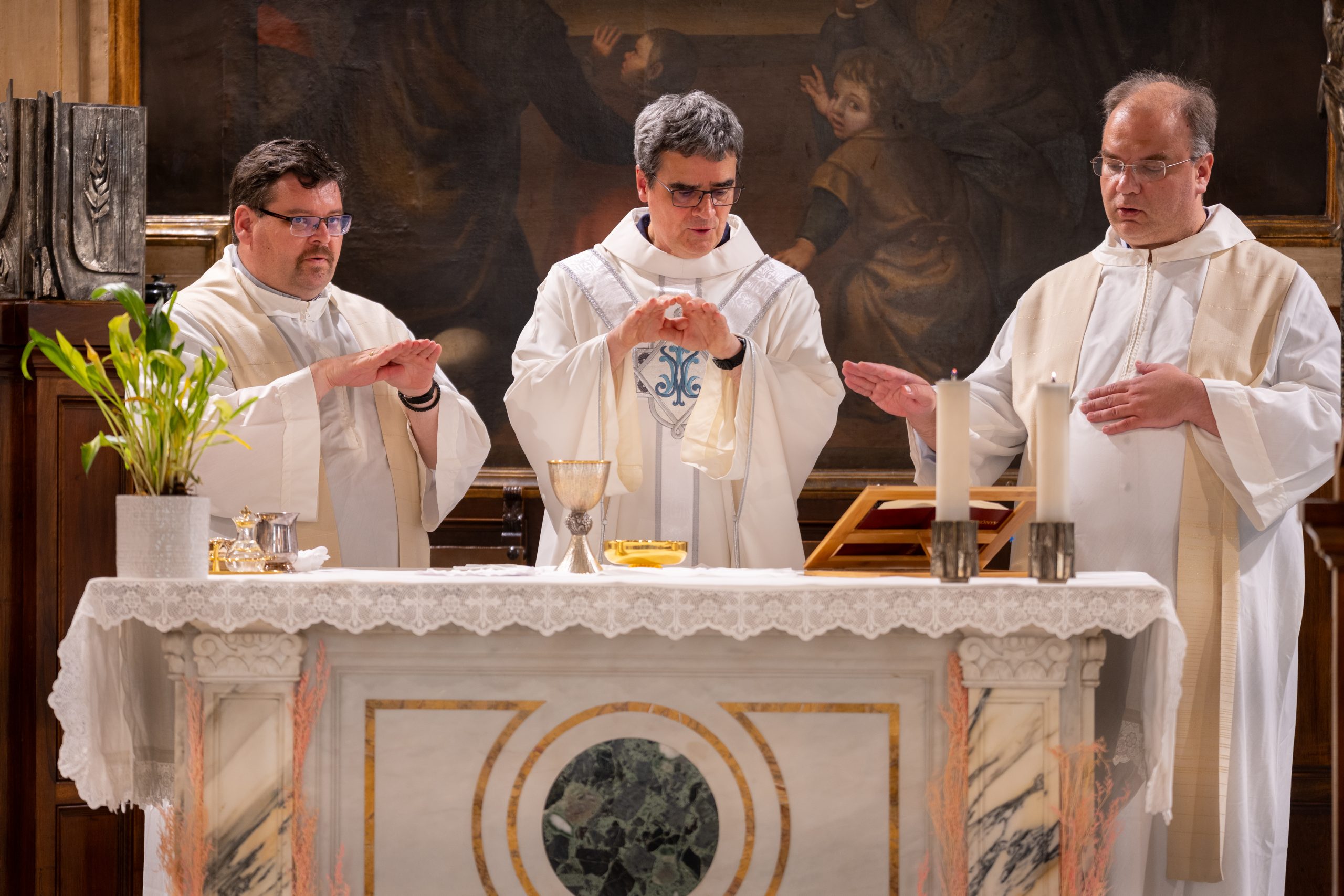
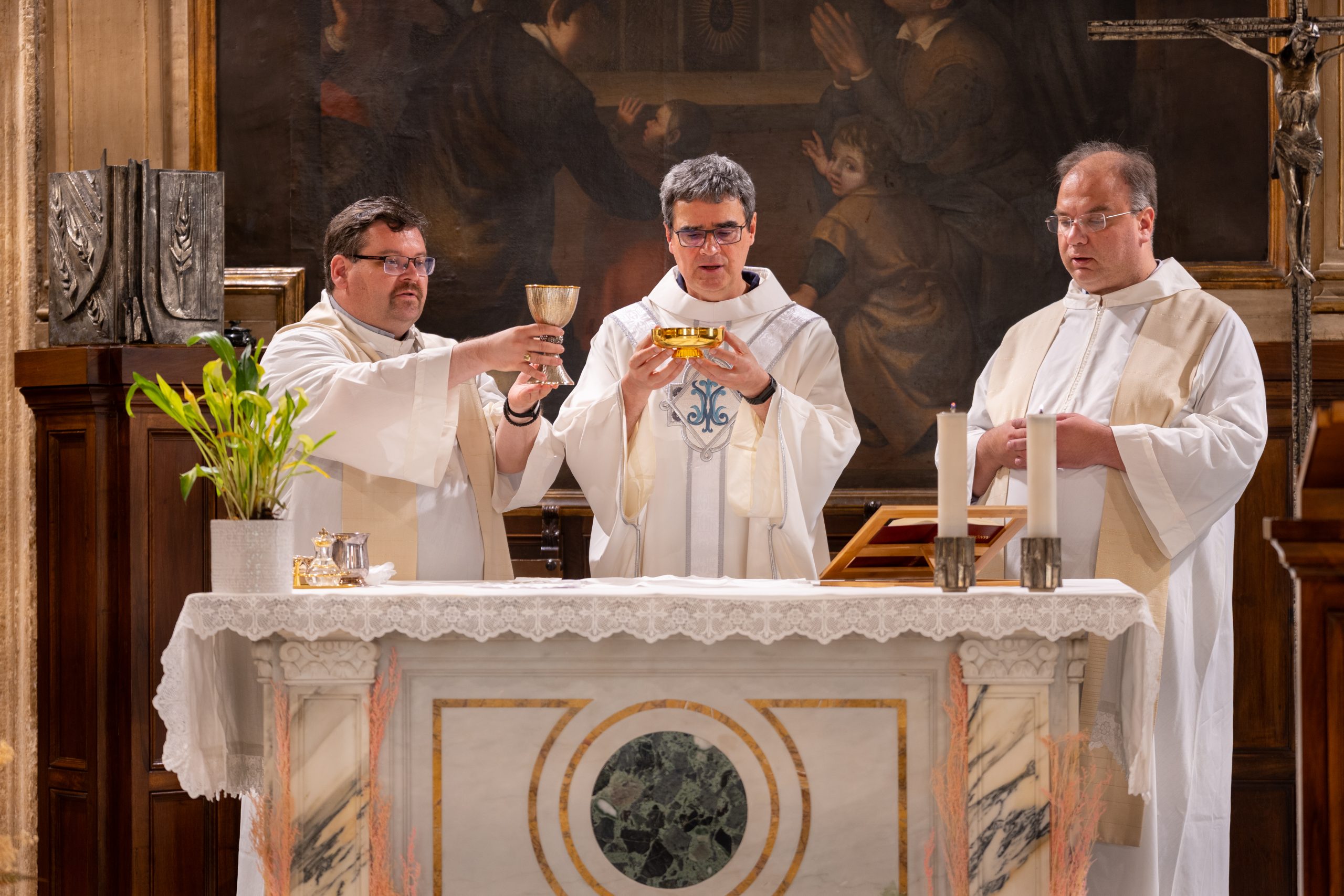
In the afternoon, the group took part in the Holy Mass celebrated in the mother house of the Piarist Order, the house of San Pantaleo in Rome.
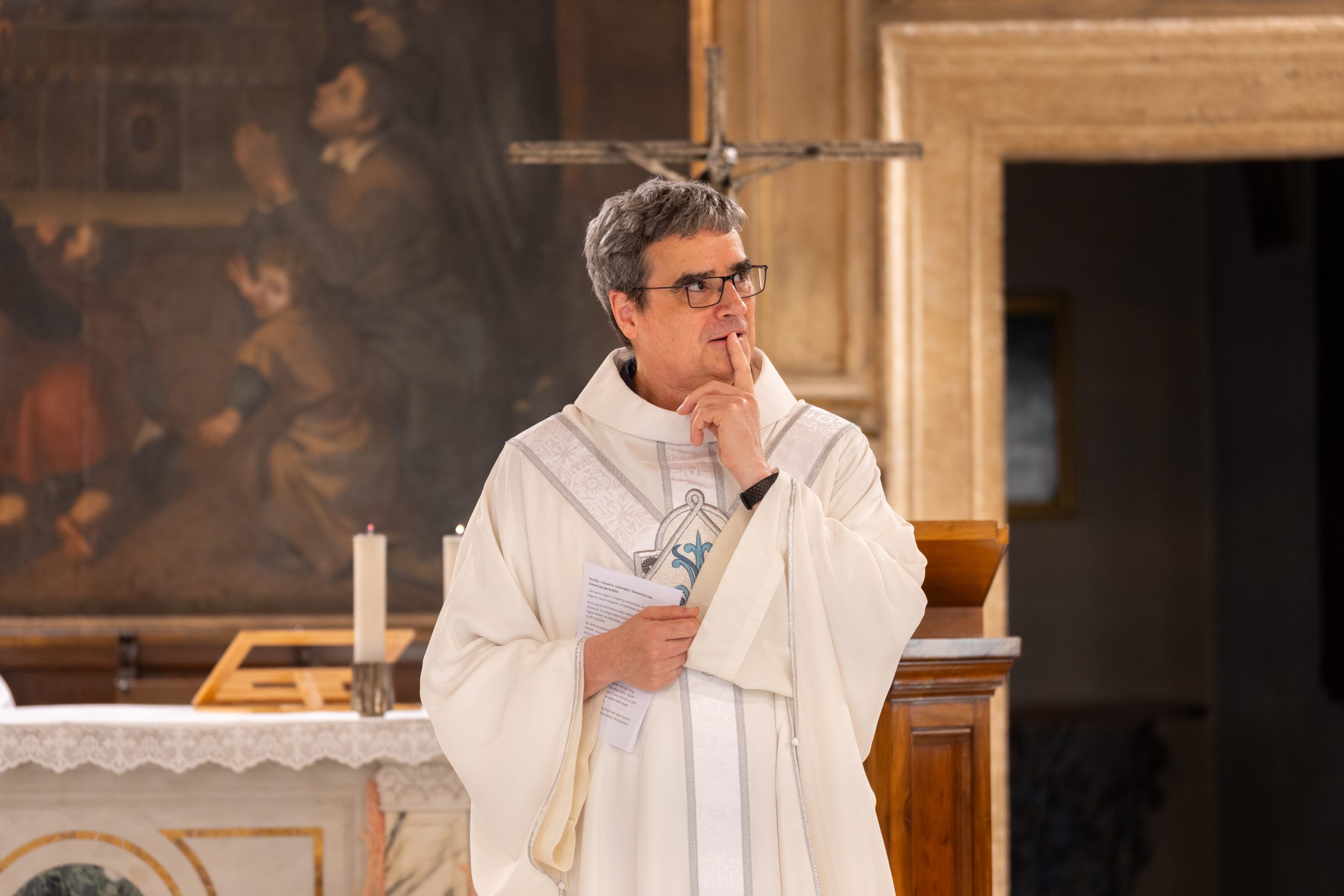
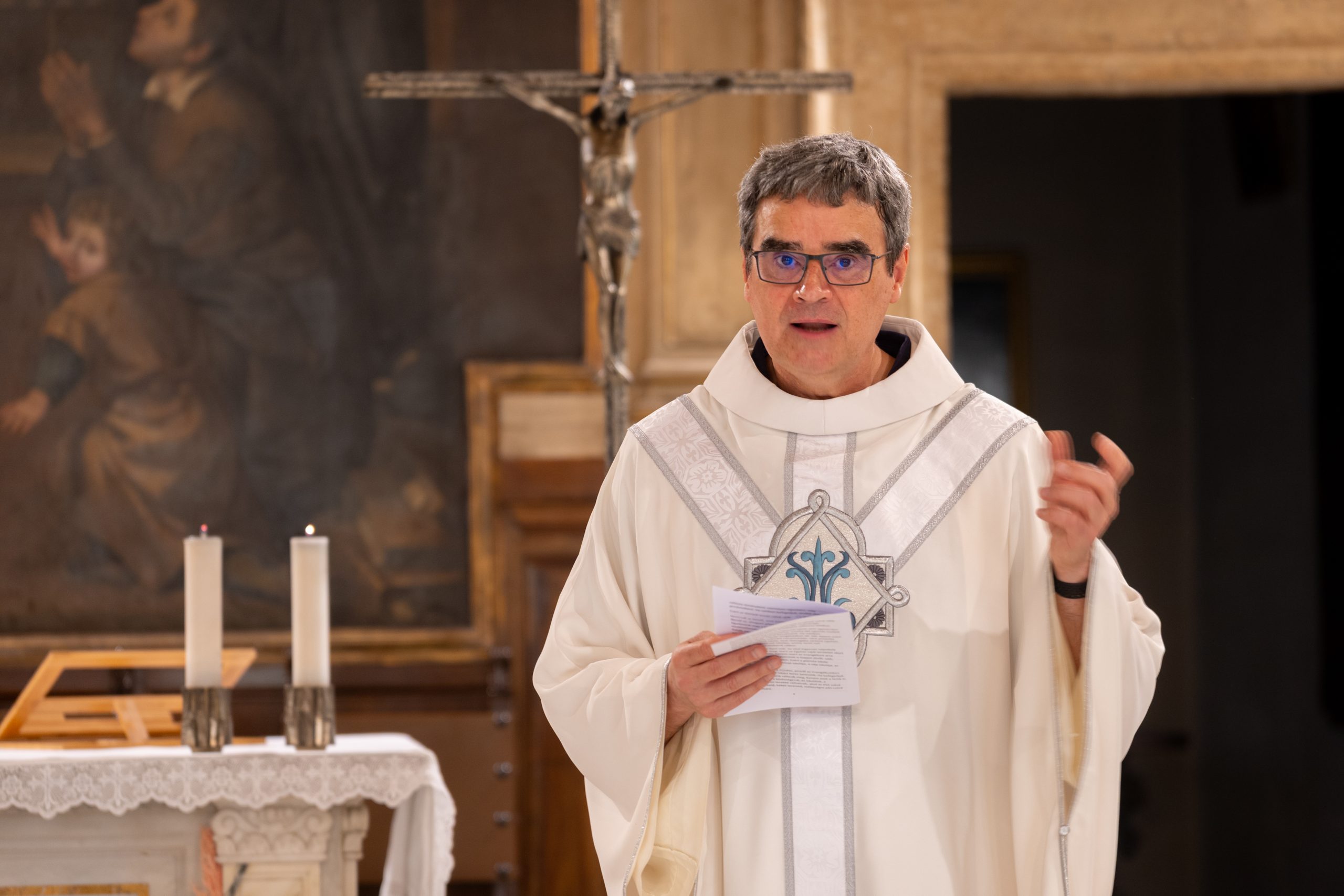
The principal celebrant was the Piarist Father József Urbán, currently General Assistant responsible for the Asian affairs of the Order. Fr József warmly welcomed the Hungarian delegation in this building, so significant for the history of the Order, and in his homily he connected the message of the Gospel with the mission of the Piarist community.
He stressed that the Piarist motto Pietas et litterae does not express only the unity between faith and knowledge, but also the fact that the love and presence of God become a transforming force in human speech, culture and education. To be a Piarist therefore means that faith, love and culture together serve the development and dignity of the person.
“To be a Piarist means allowing the word of Jesus to dwell in us in such a way that our life, our teaching and our educational presence also become word. A word in which a child, a young person, someone entrusted to us, can intuit: you are not an orphan. You have a Father, you have a future, there is dignity in you, you have a place in life; the love of God is seeking you too.”
Within the framework of the Mass, the members of the Piarist Fraternity who were present renewed their commitments.
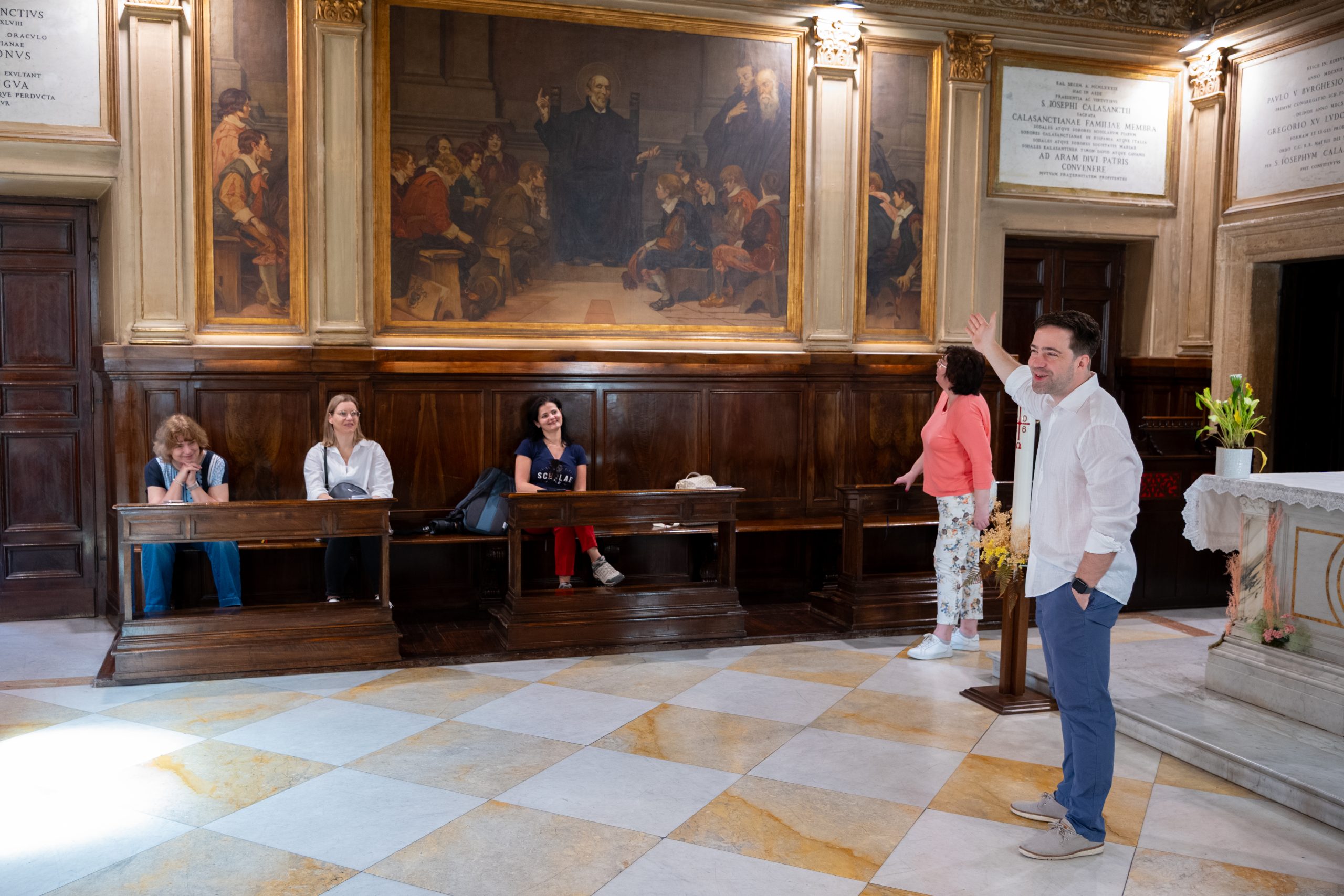
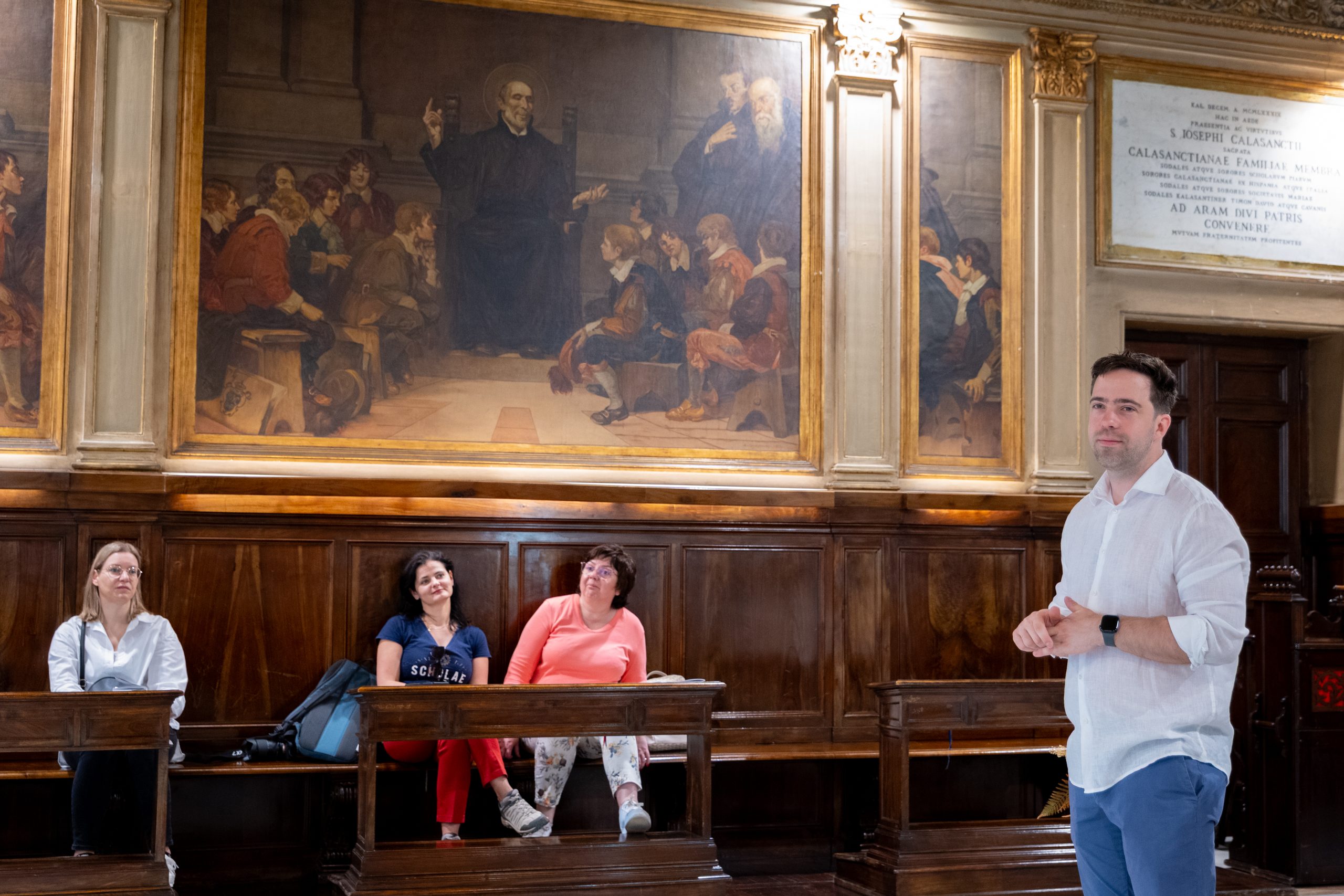
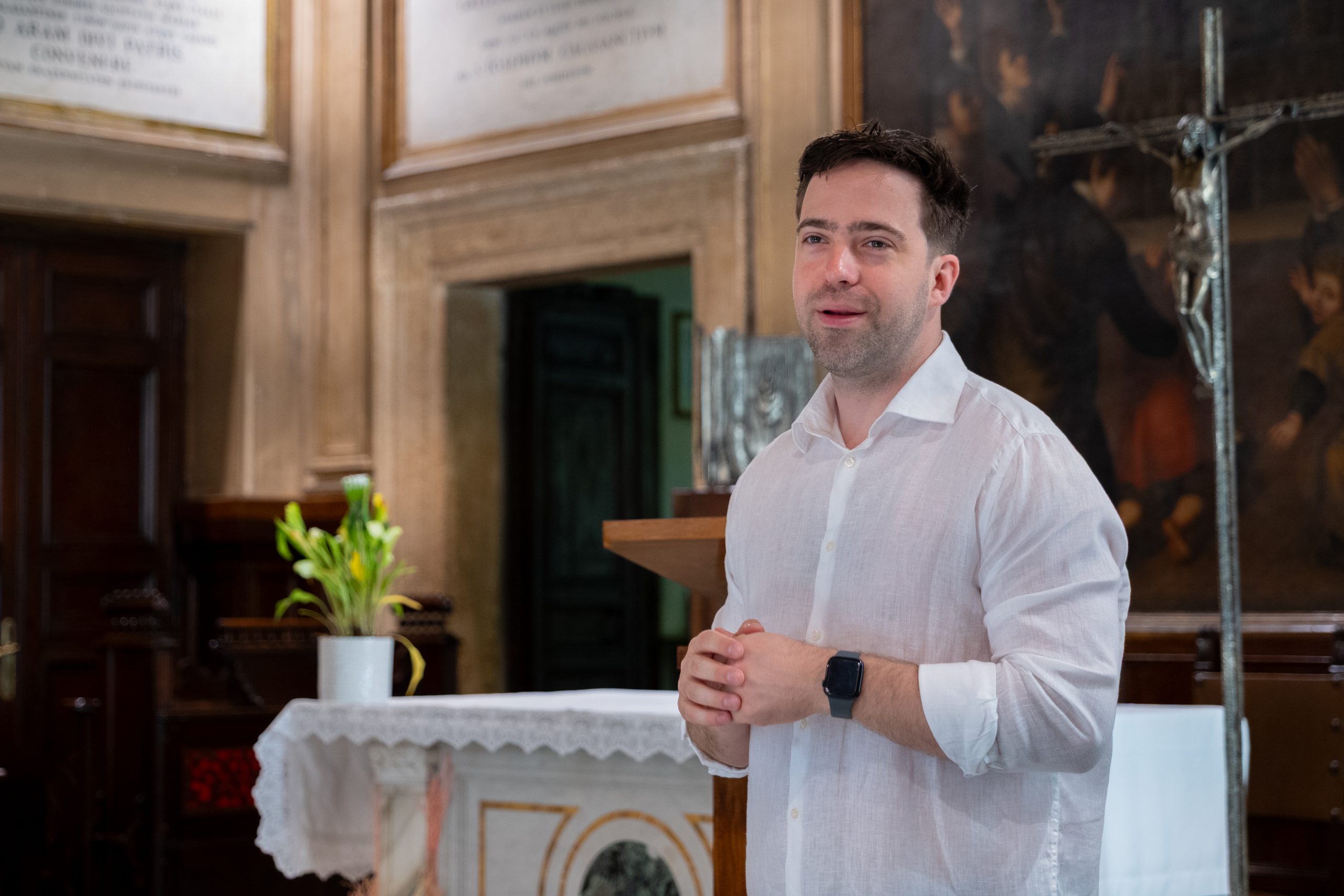
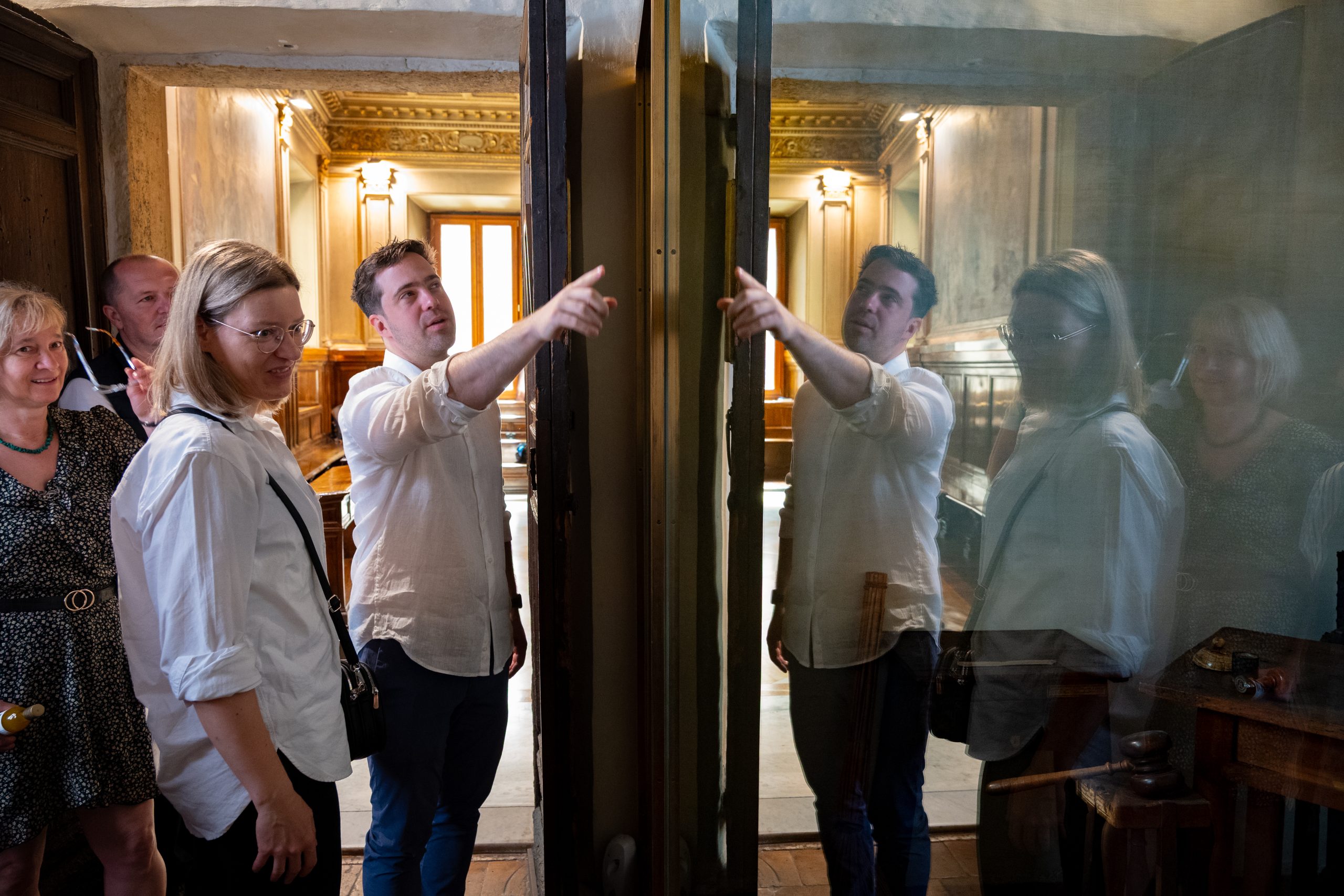
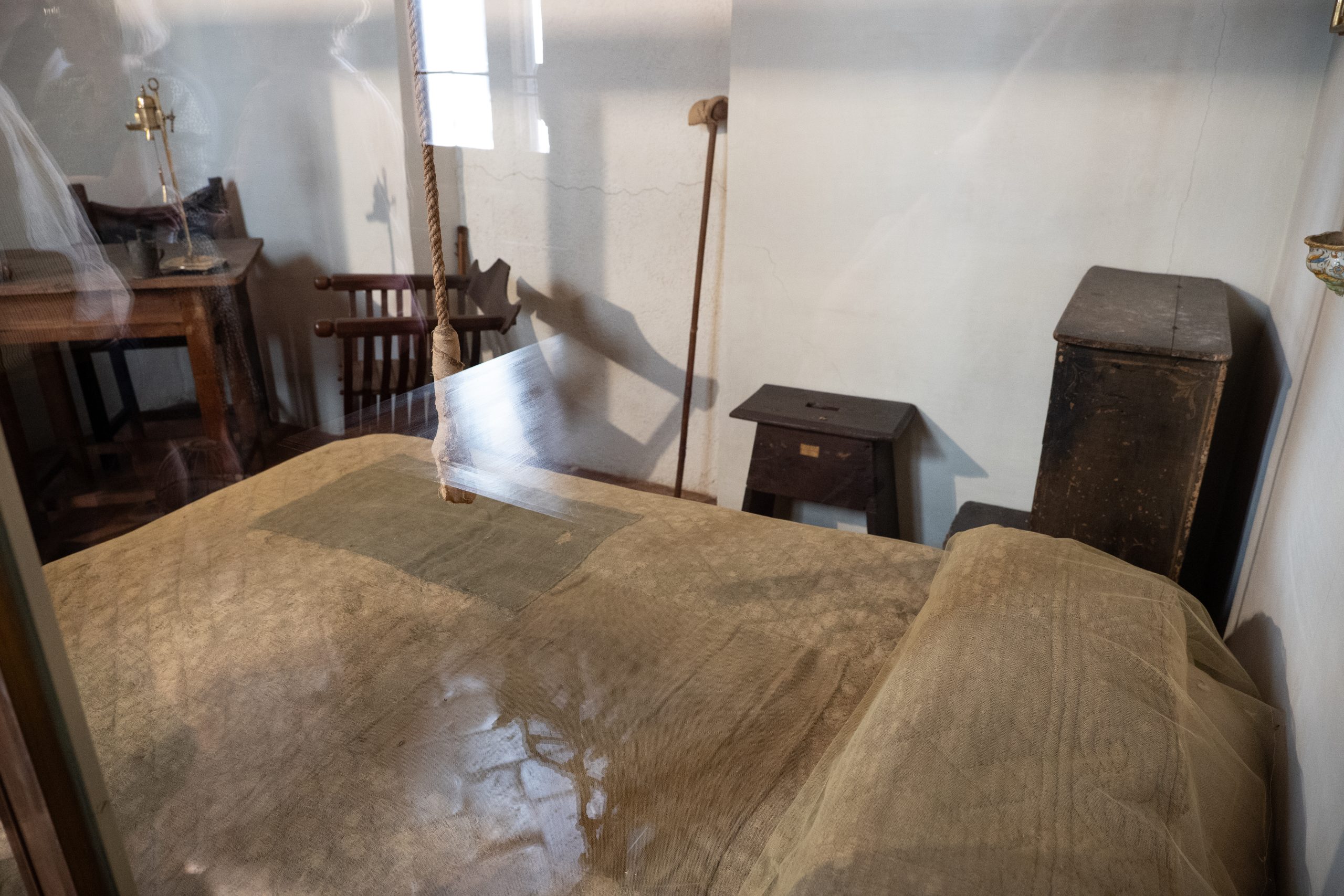
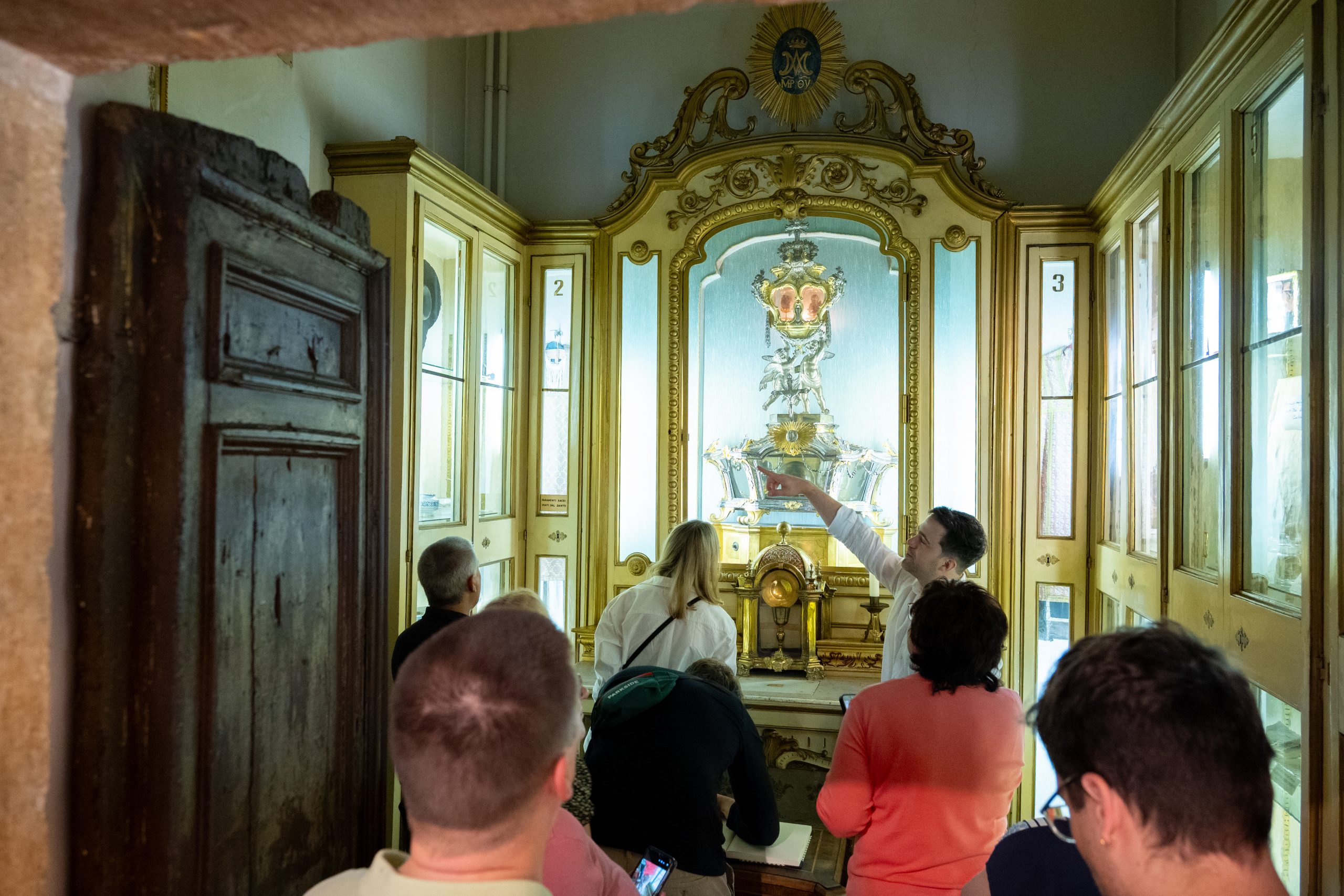
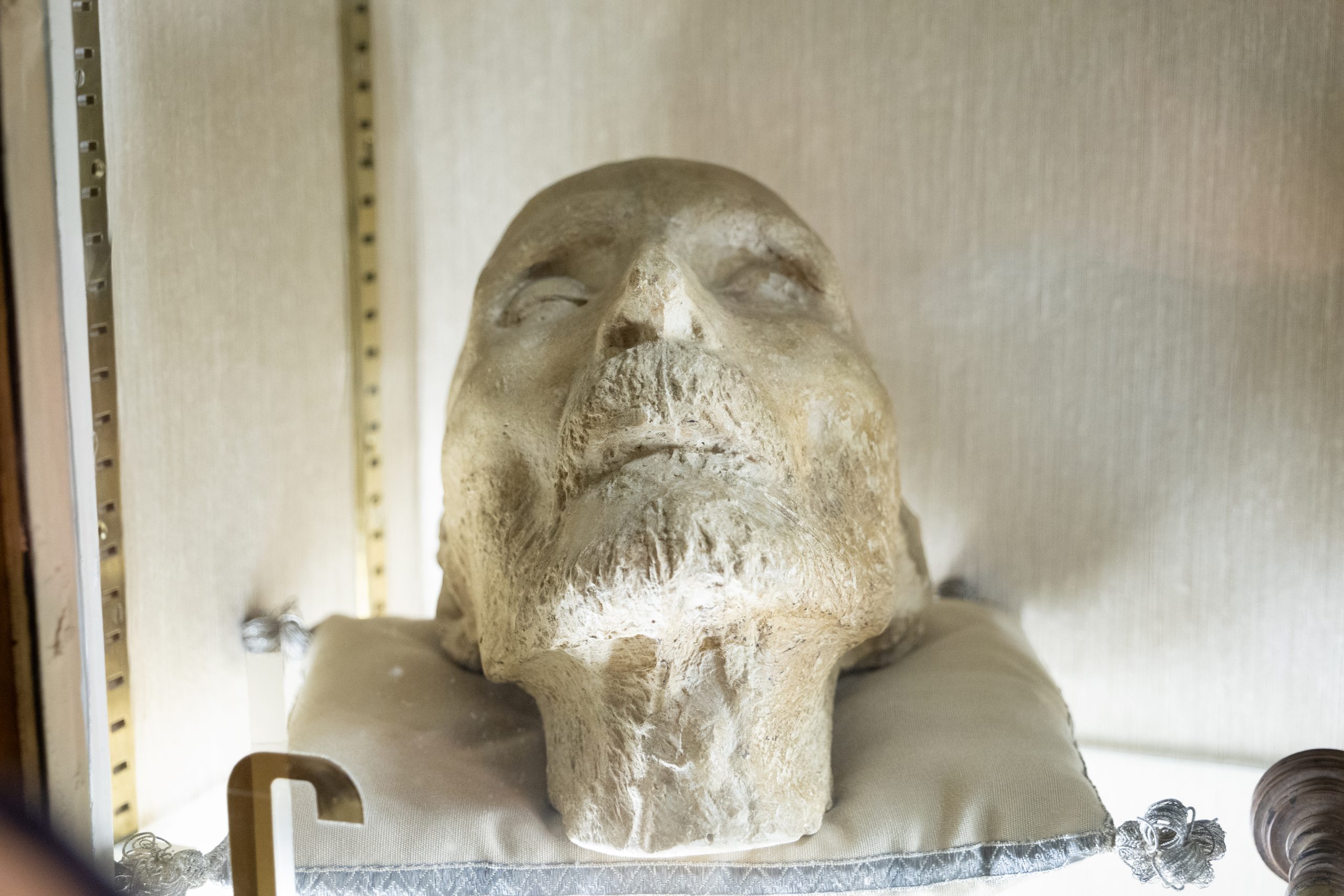
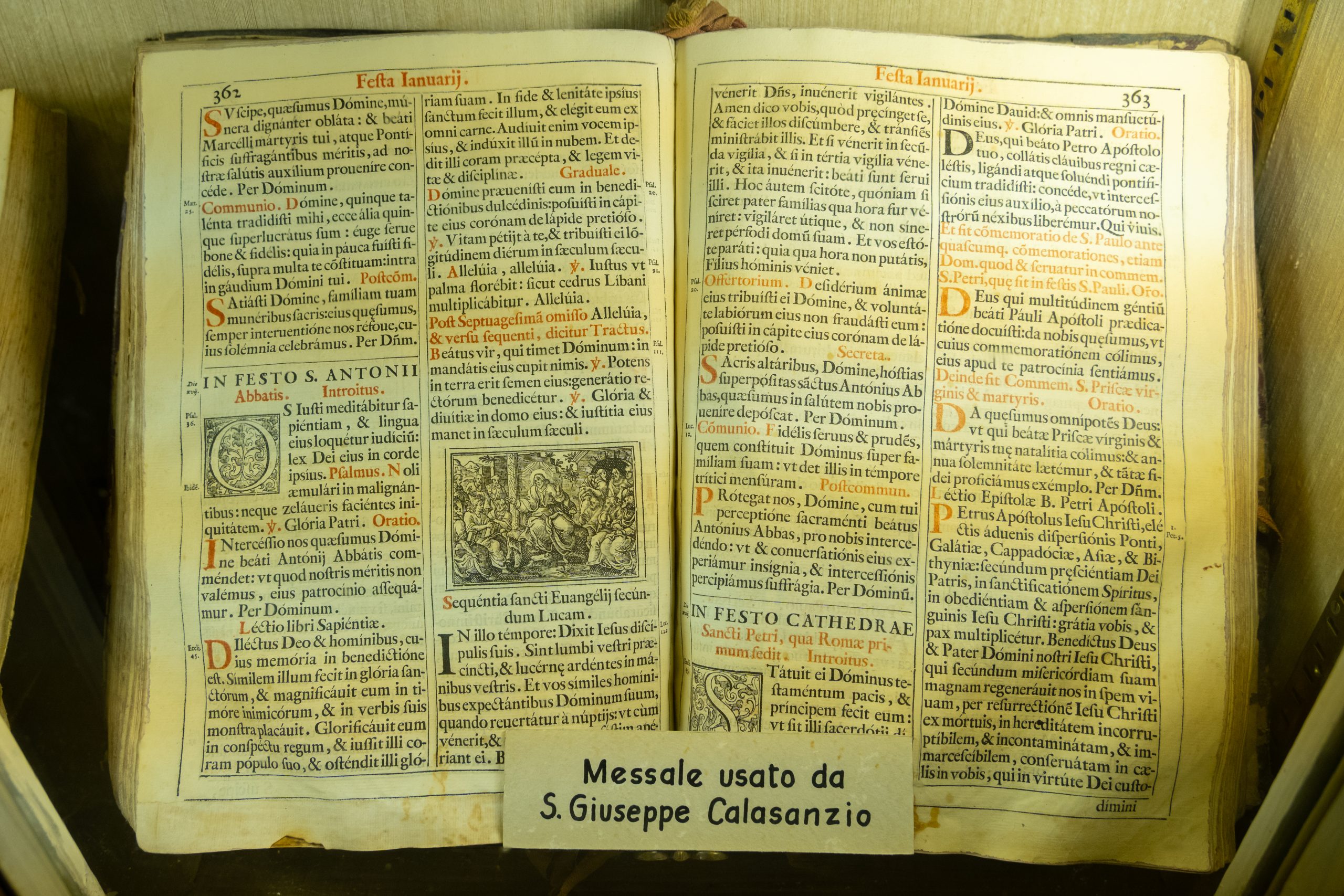
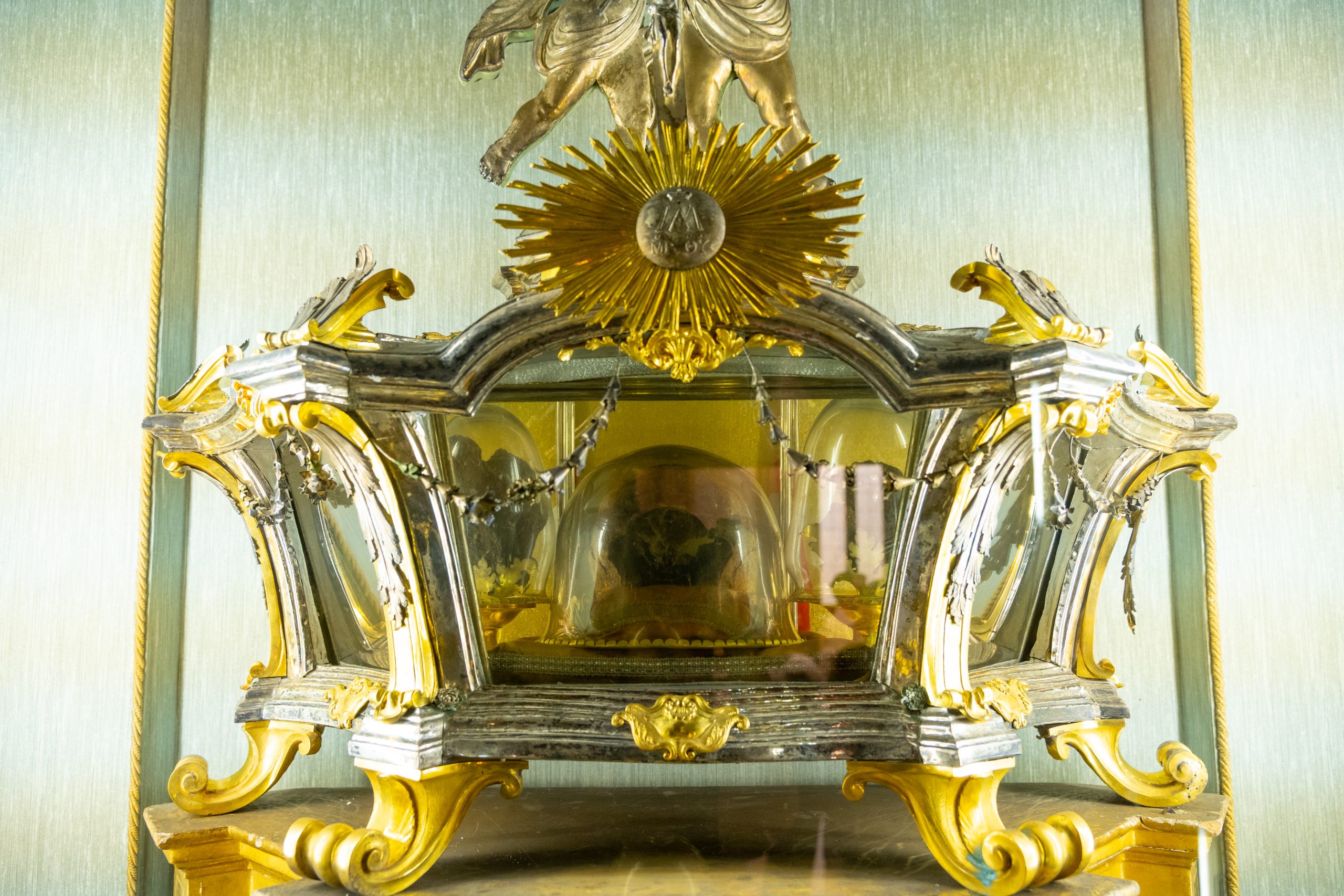
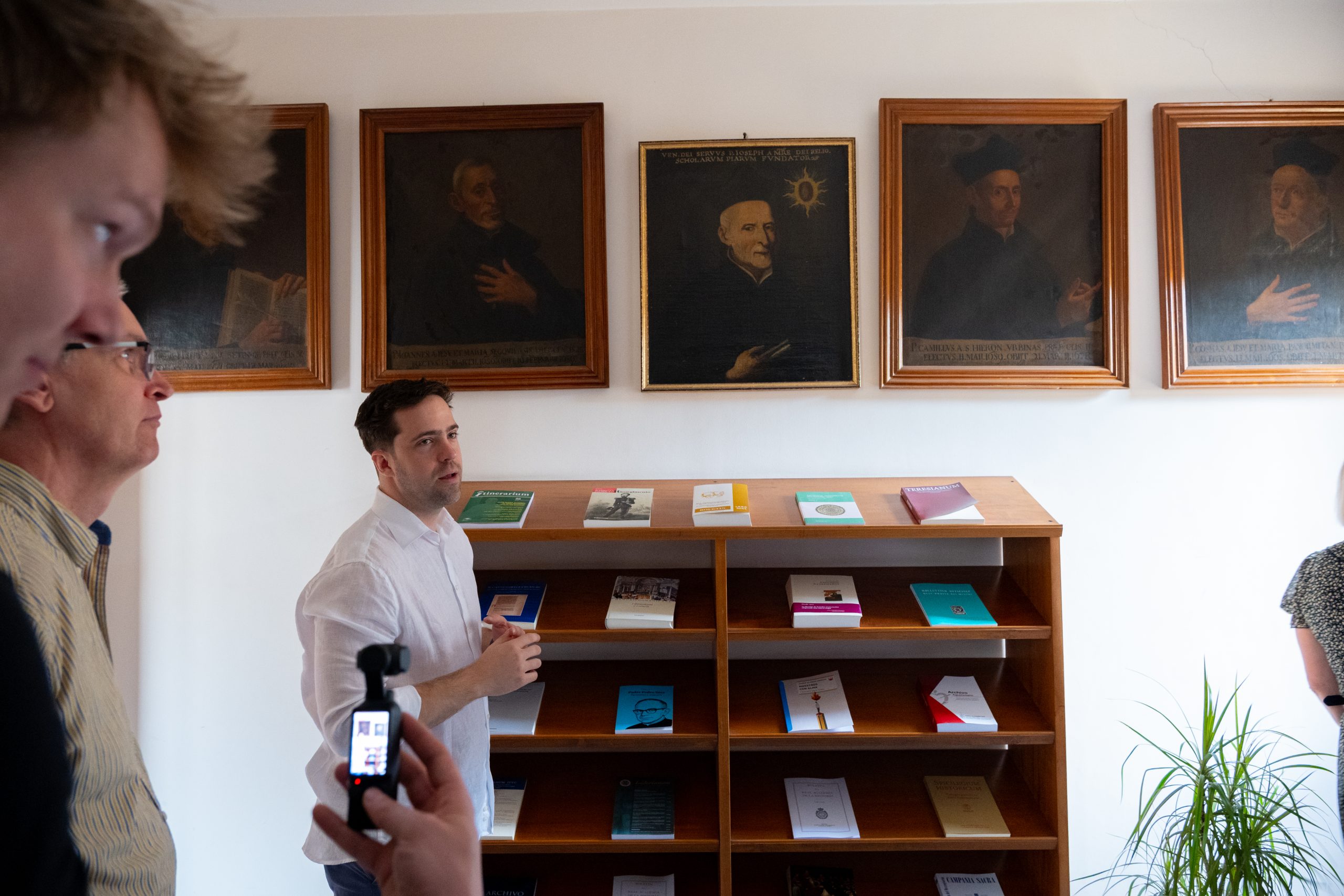
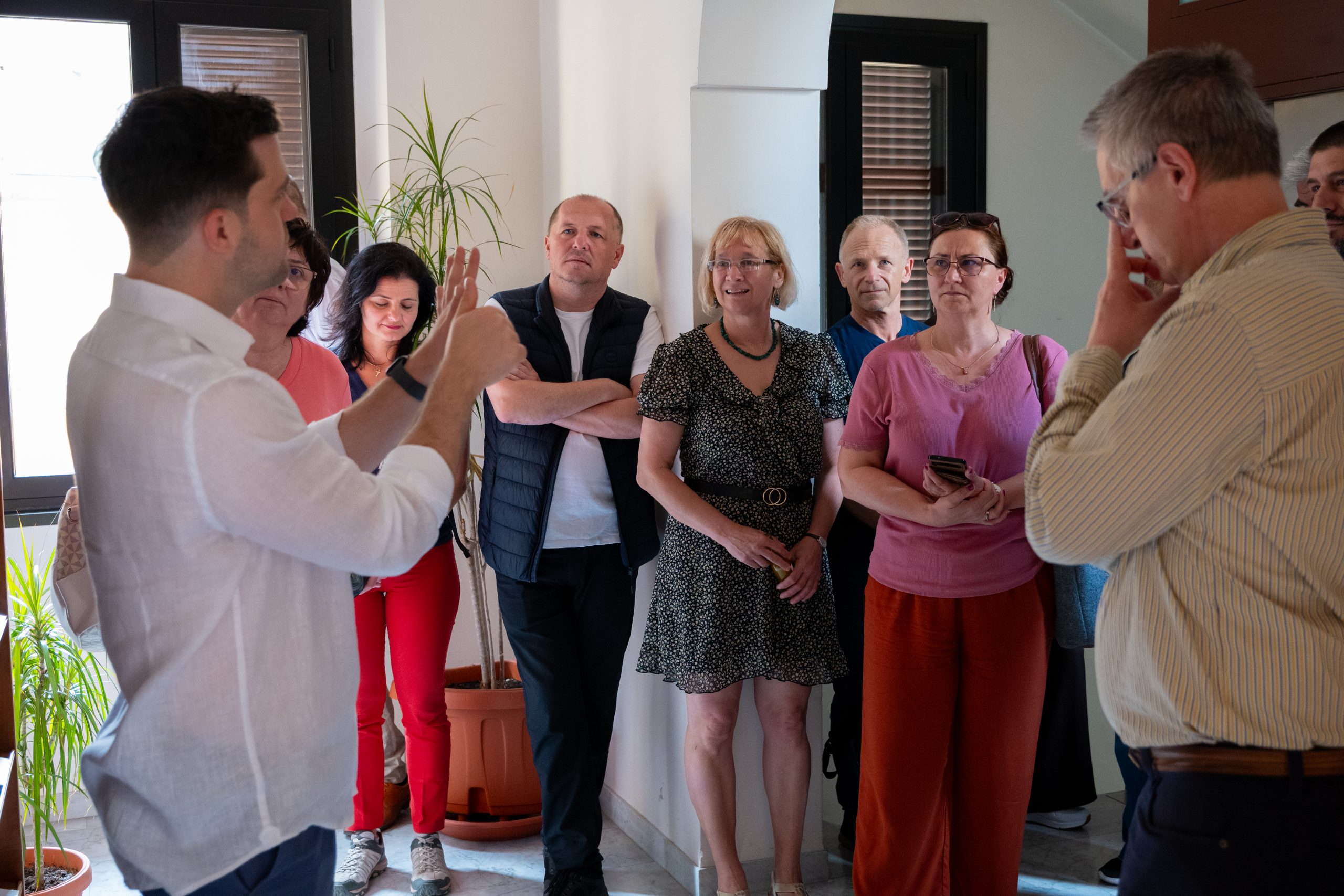
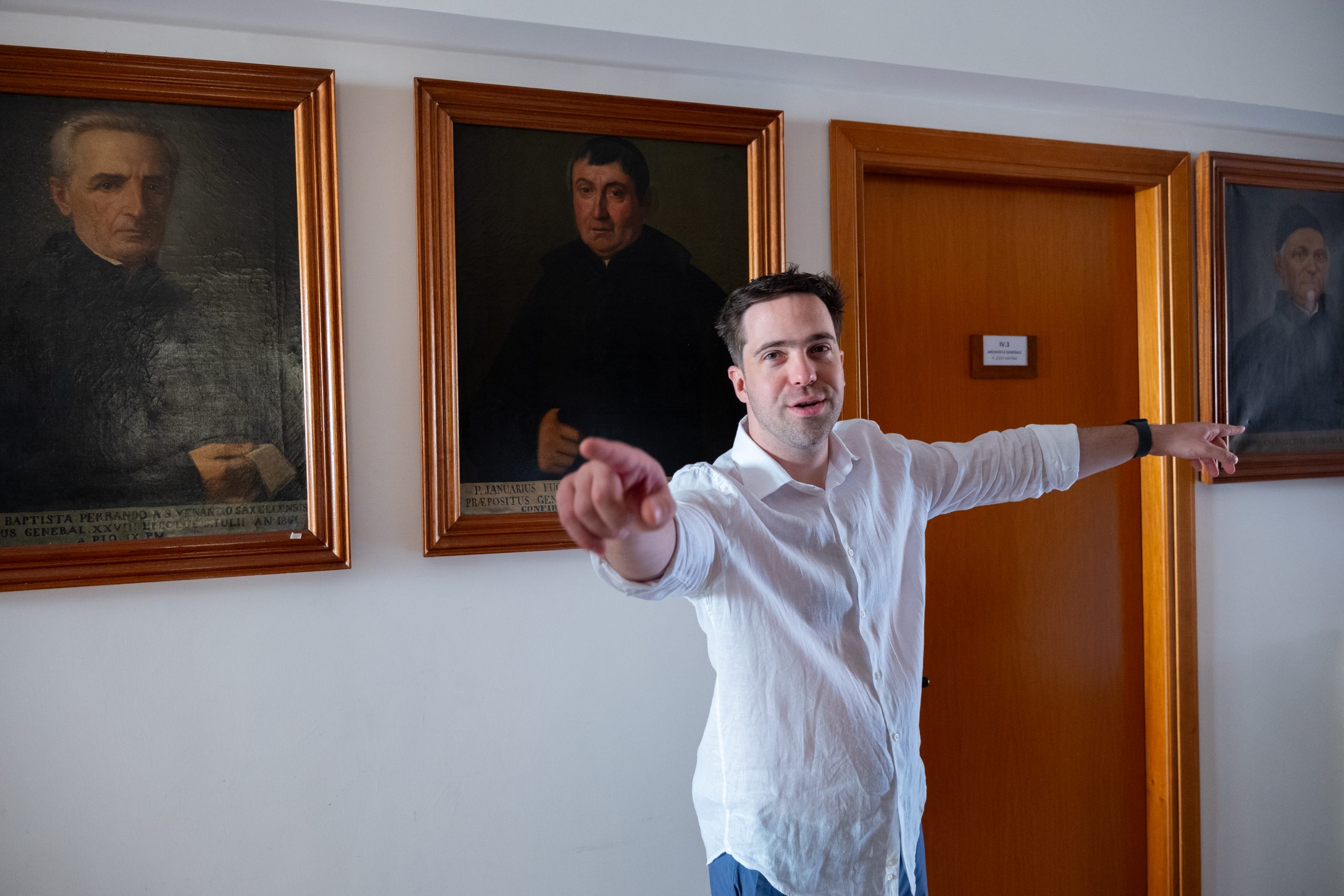
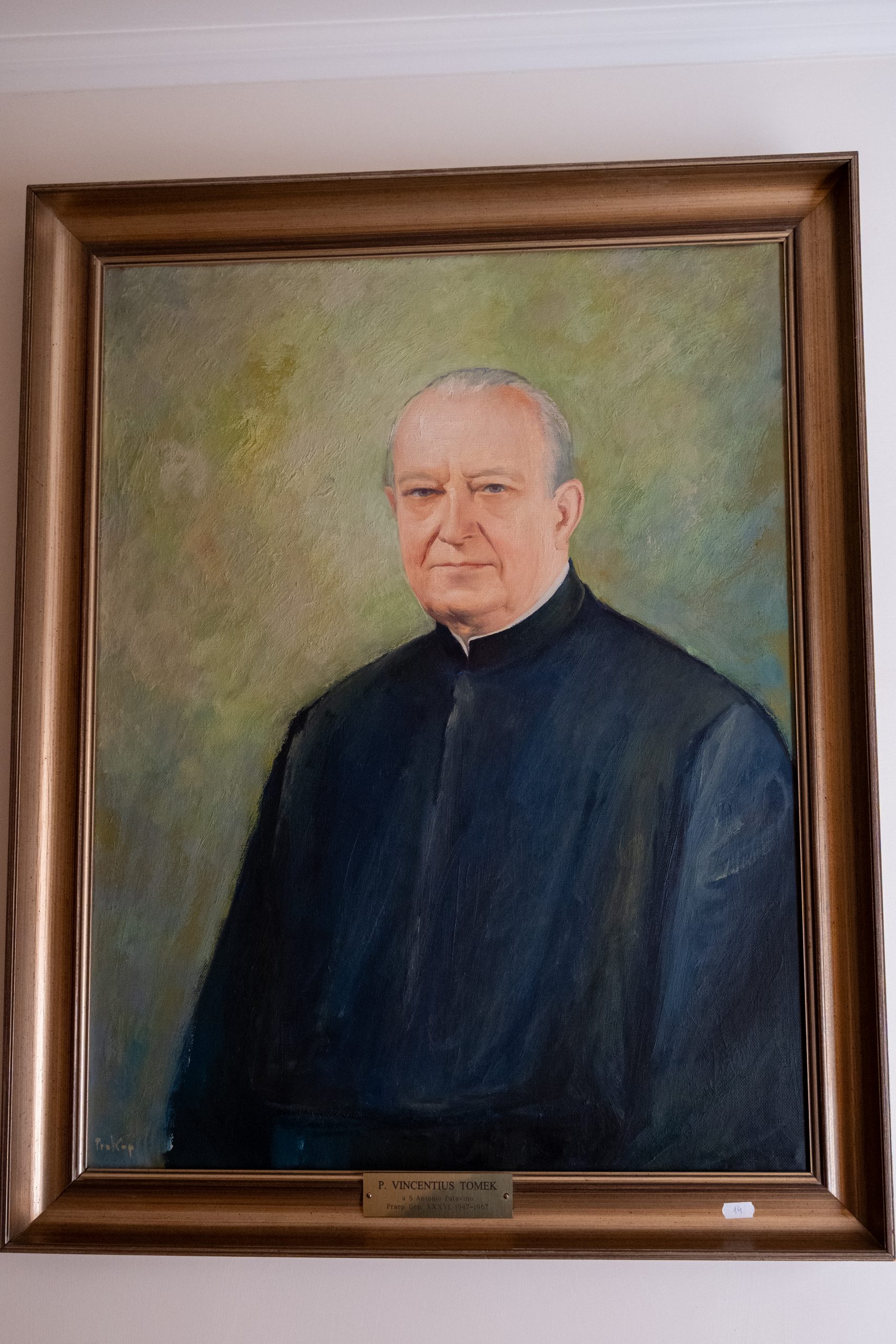
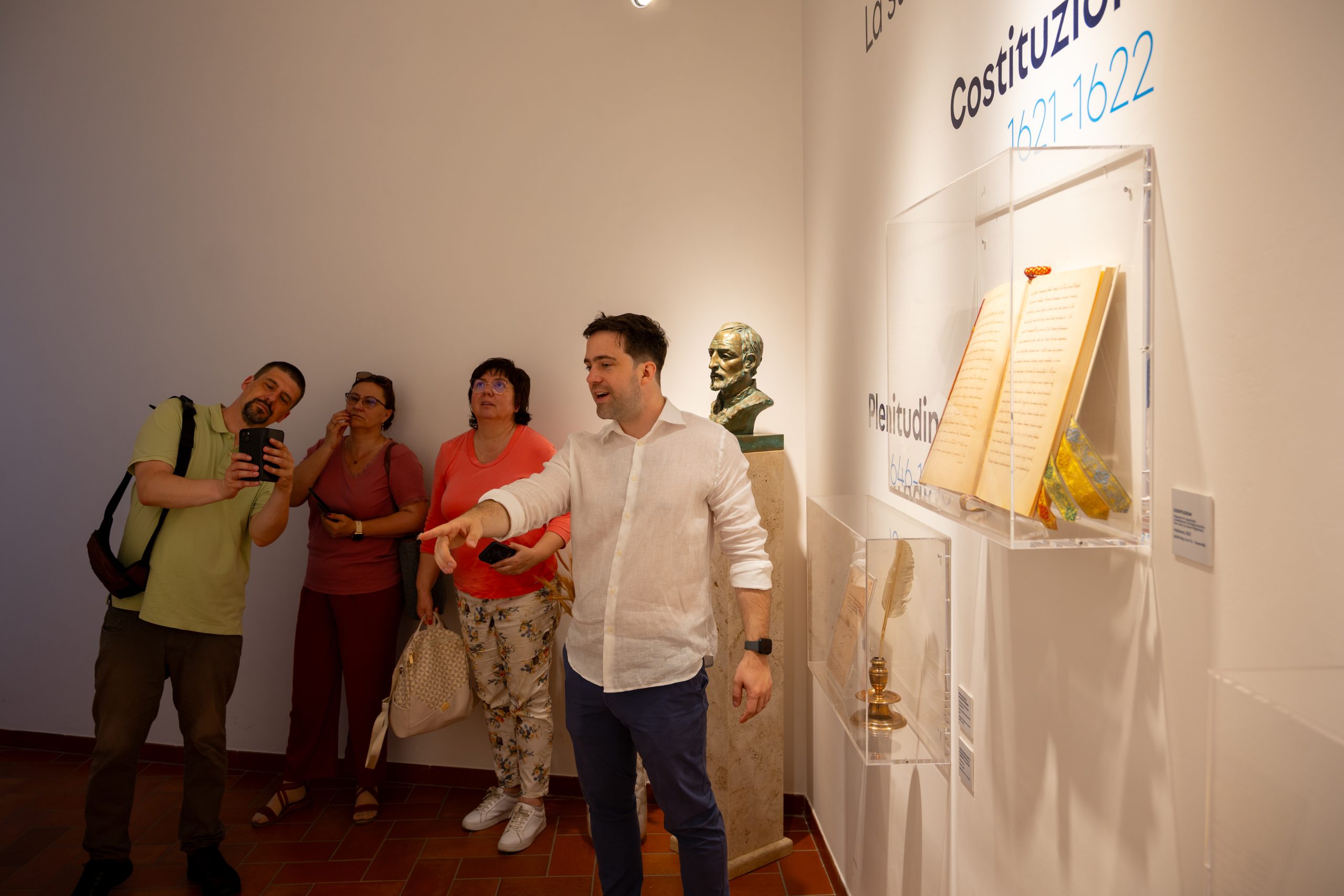
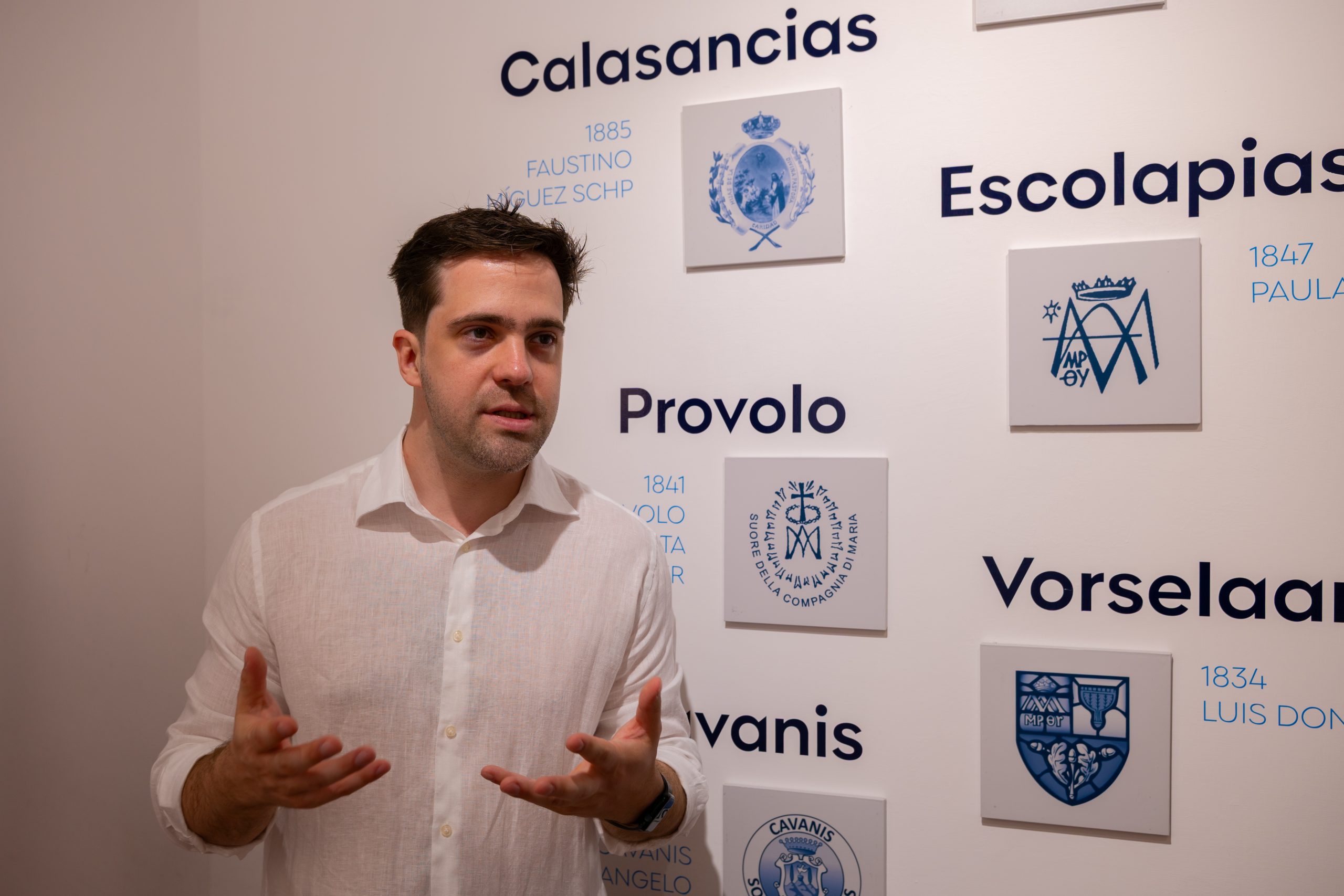
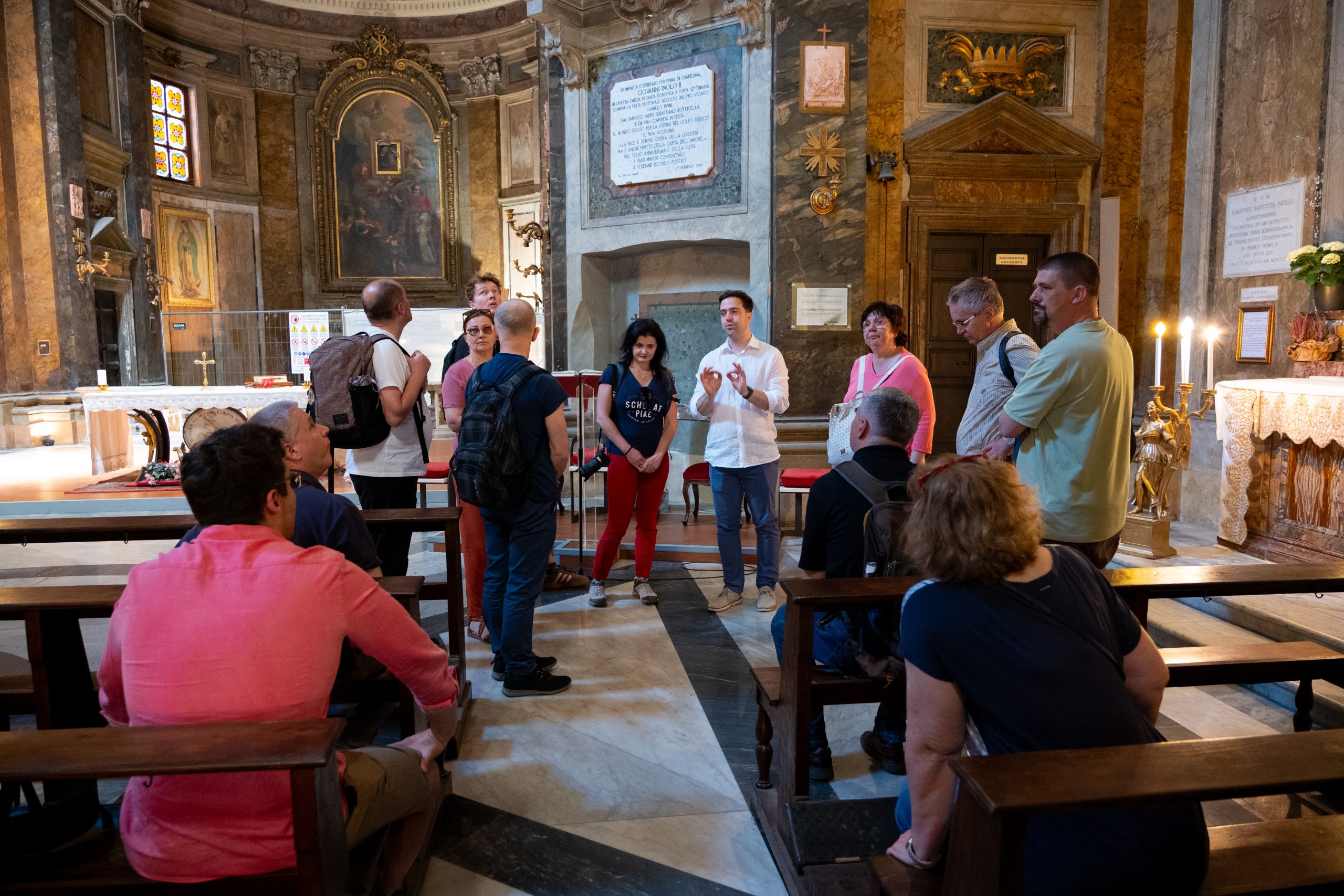
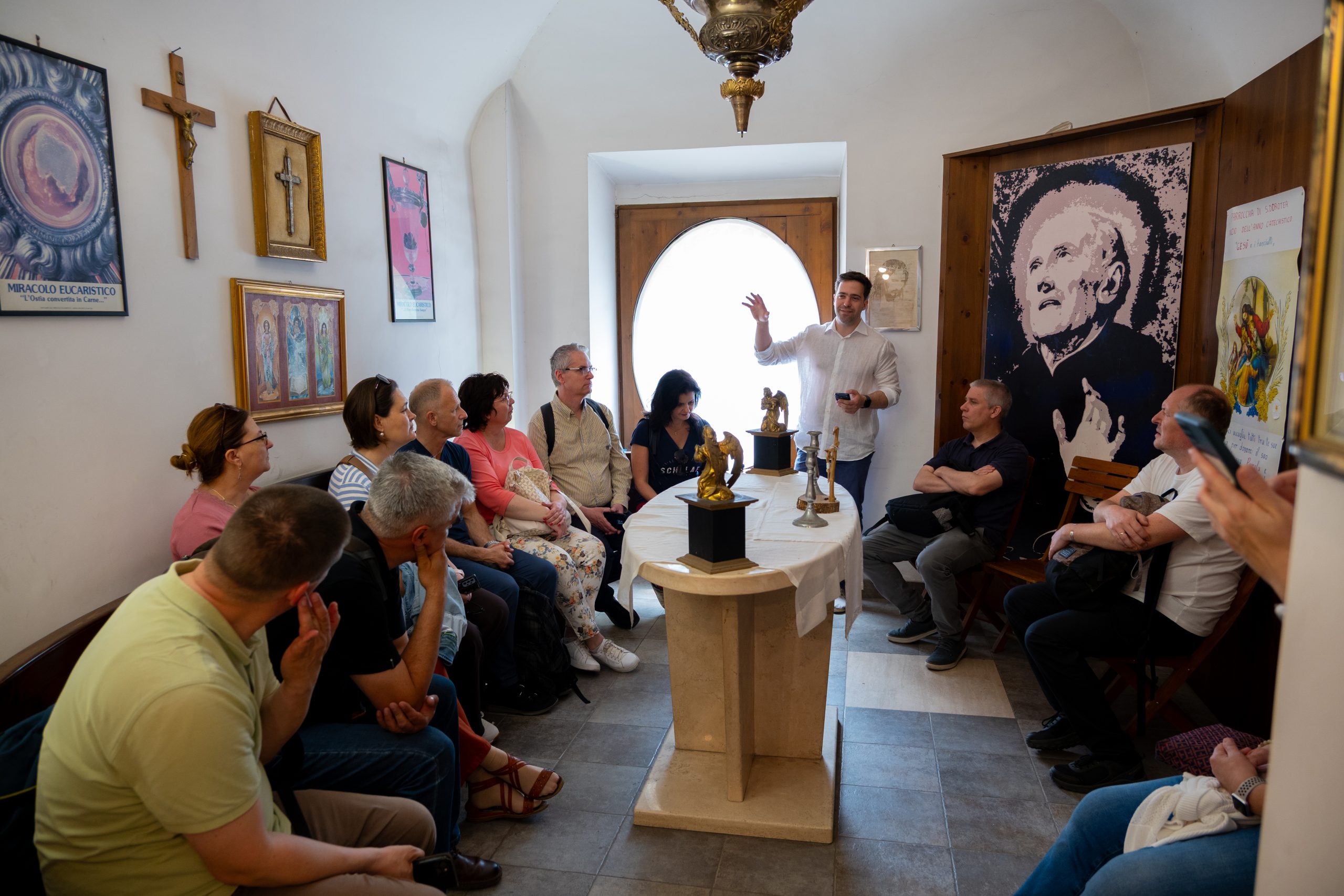
The pilgrimage continued the following day with a visit to the historic centre of the Piarist Order: the house and church of San Pantaleo, seat of the General Curia, followed by a walk through the Trastevere district, guided by the Piarist Roland Márkus. The participants were able to see and contemplate personal objects of Saint Joseph Calasanz, his room, his bodily relics and his tomb, as well as many important memories from the history of the Order. A particularly significant experience was the contemplation of the painting of Calasanz displayed in the church of Santa Dorotea and the visit to the first Piarist classroom, located in the neighbouring building.
The personal stories, anecdotes and small details linked to the historical places brought the figure of the Founder even closer to the participants and shed light on the birth and development of the Piarist charism.
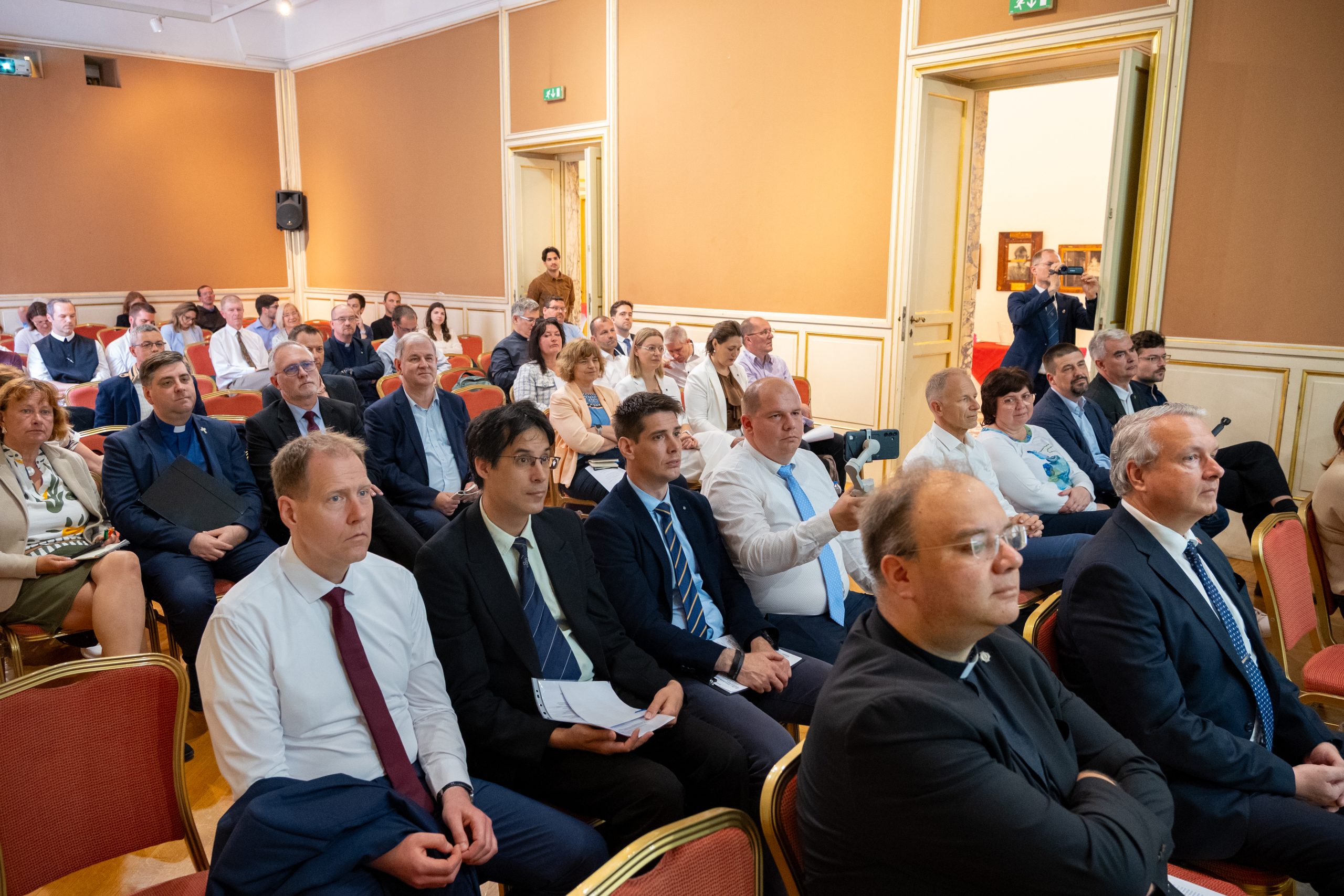
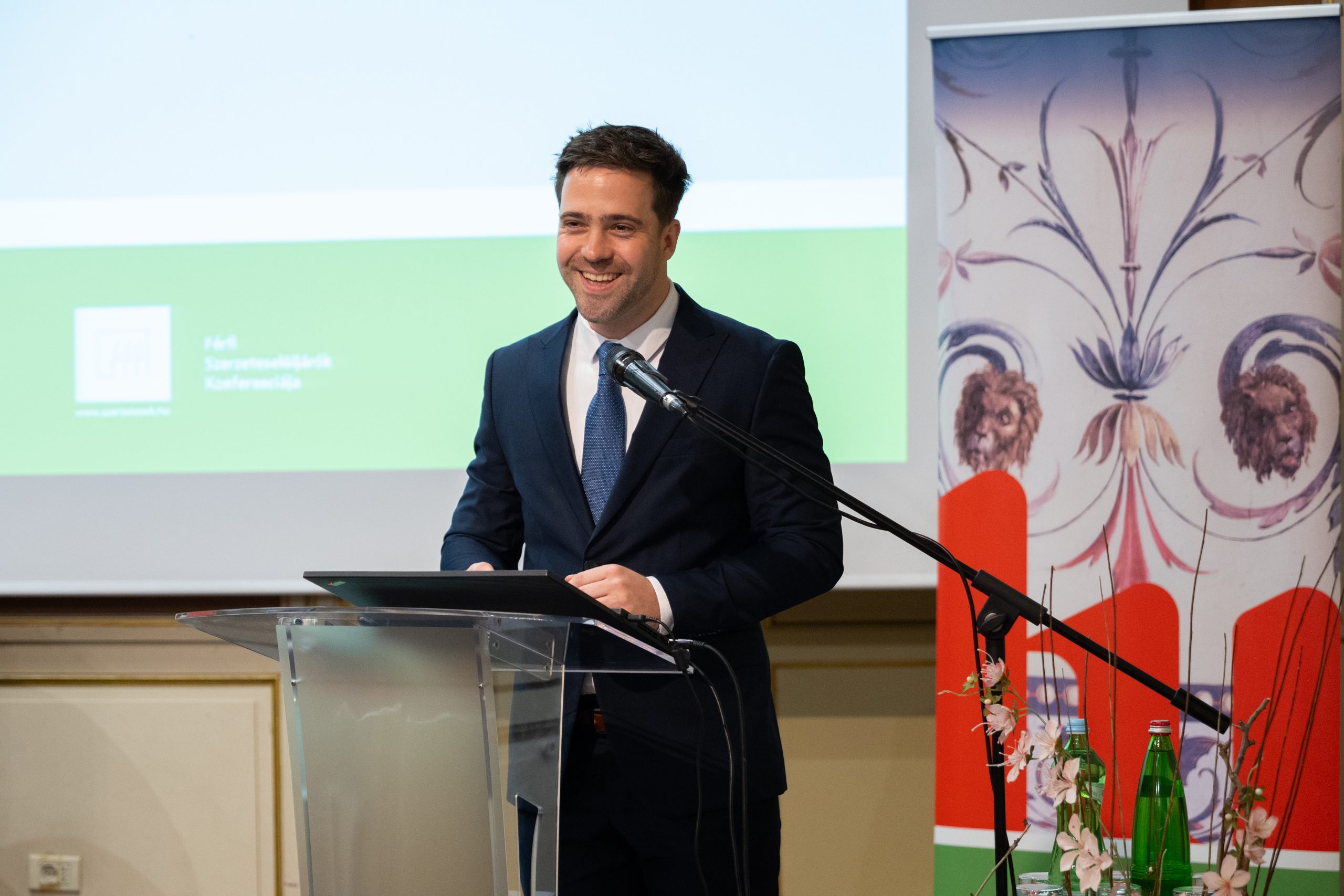
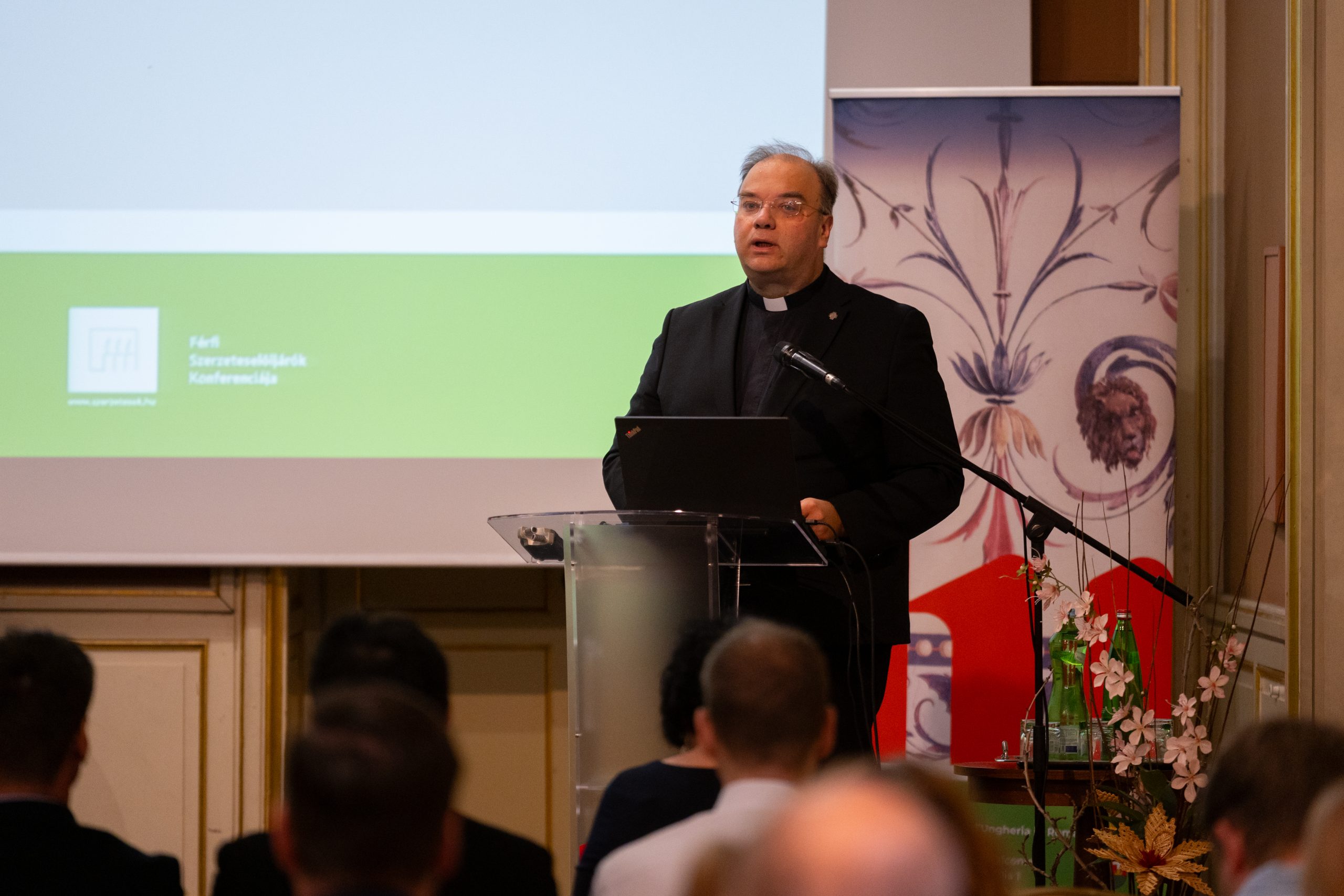
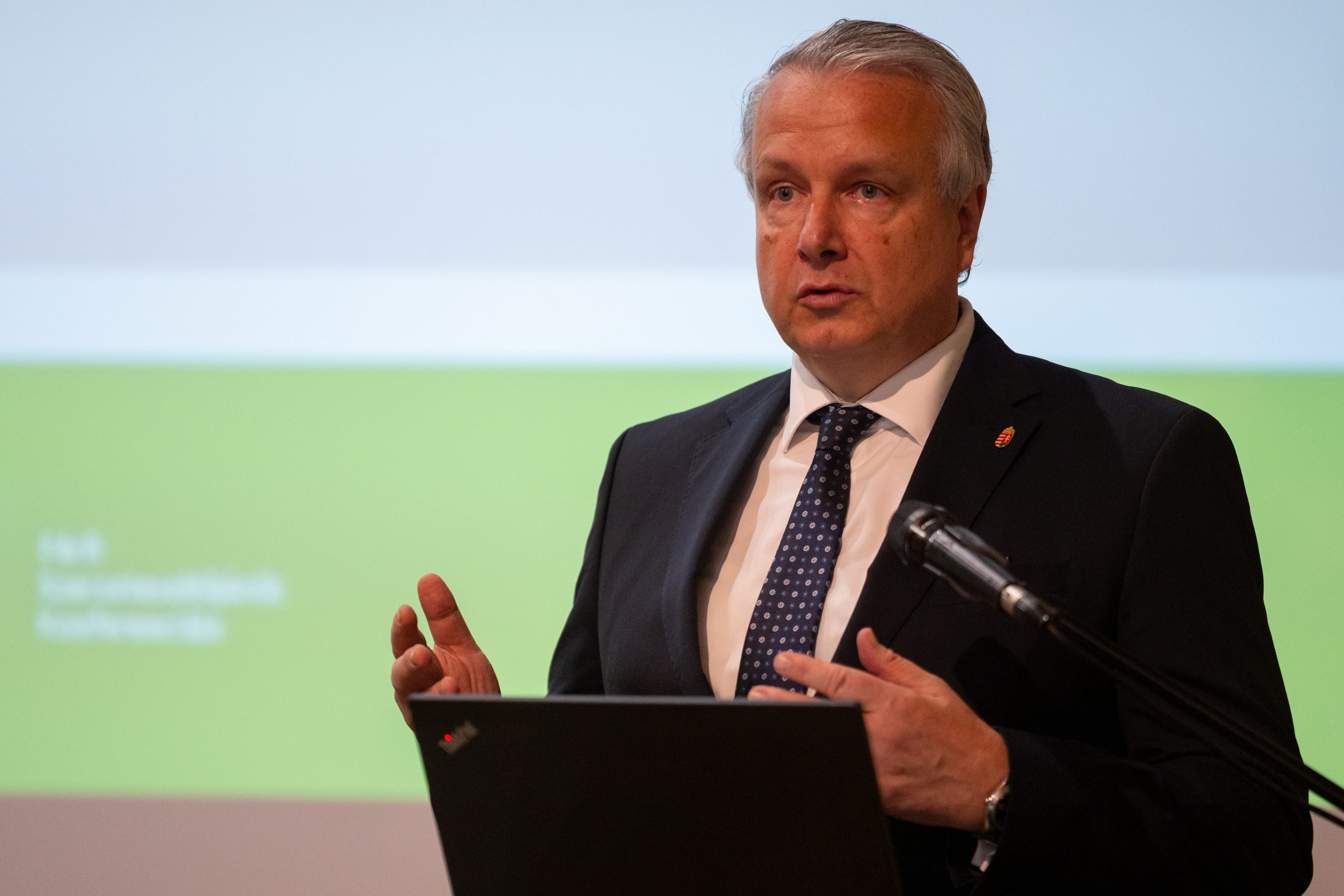
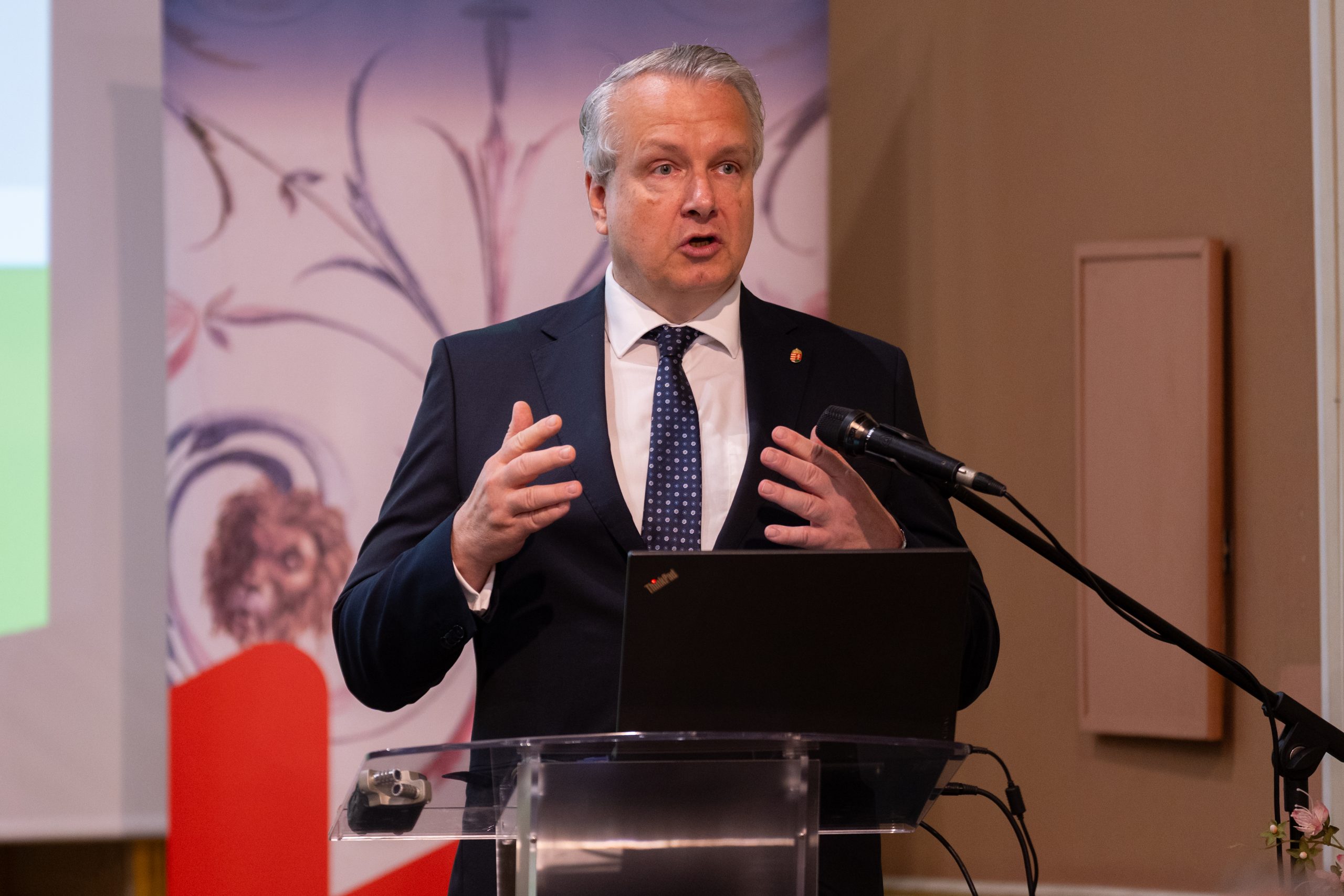
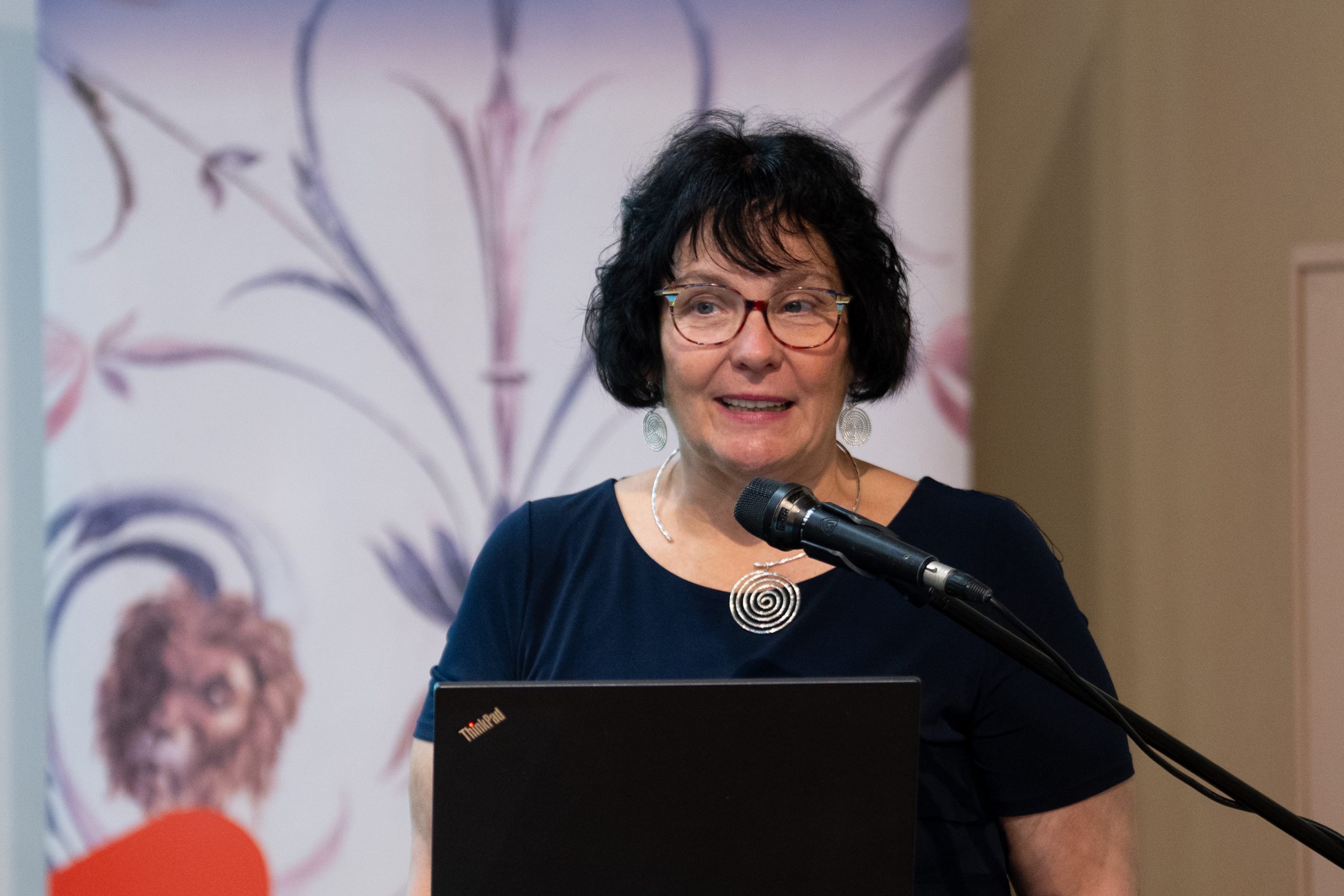
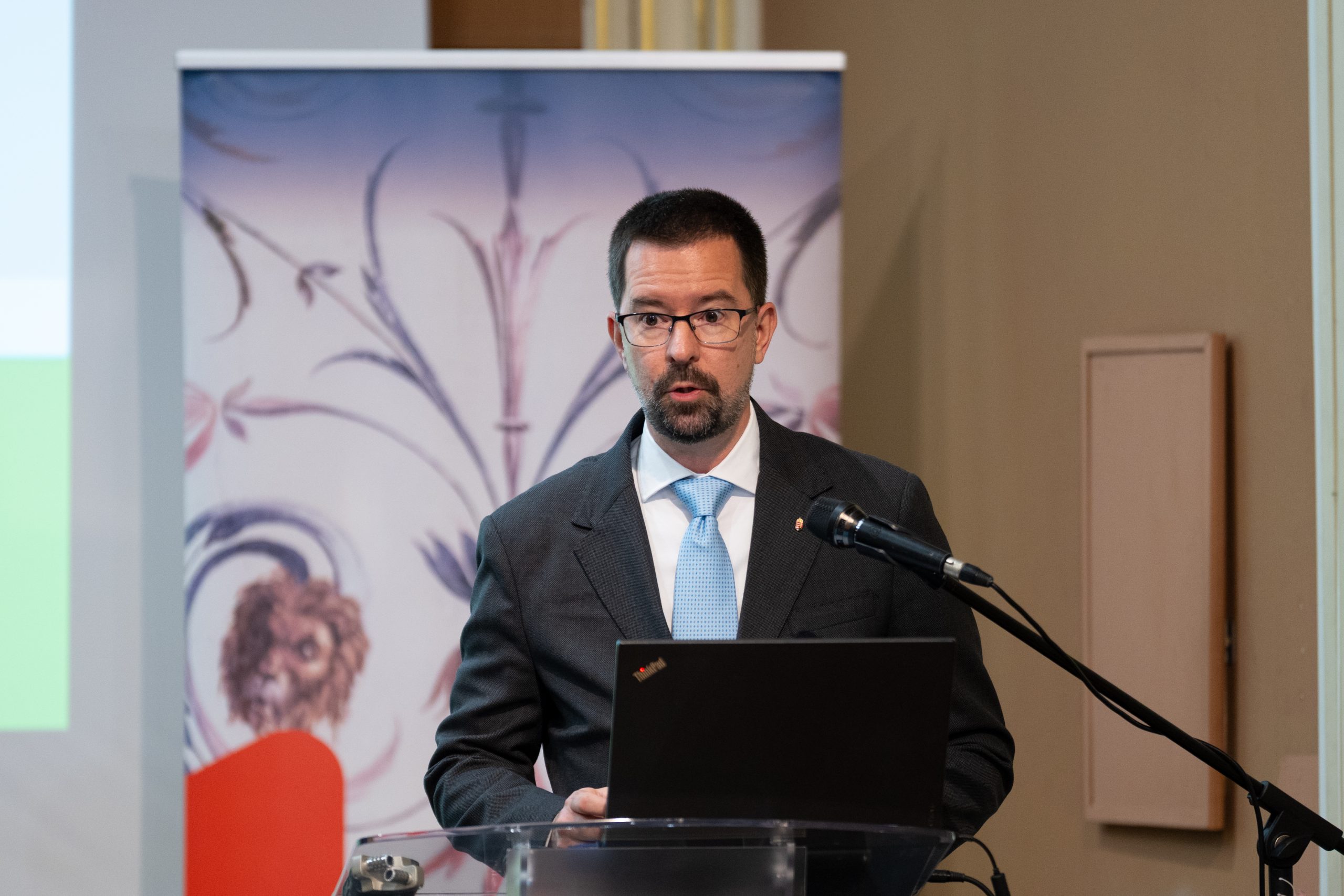
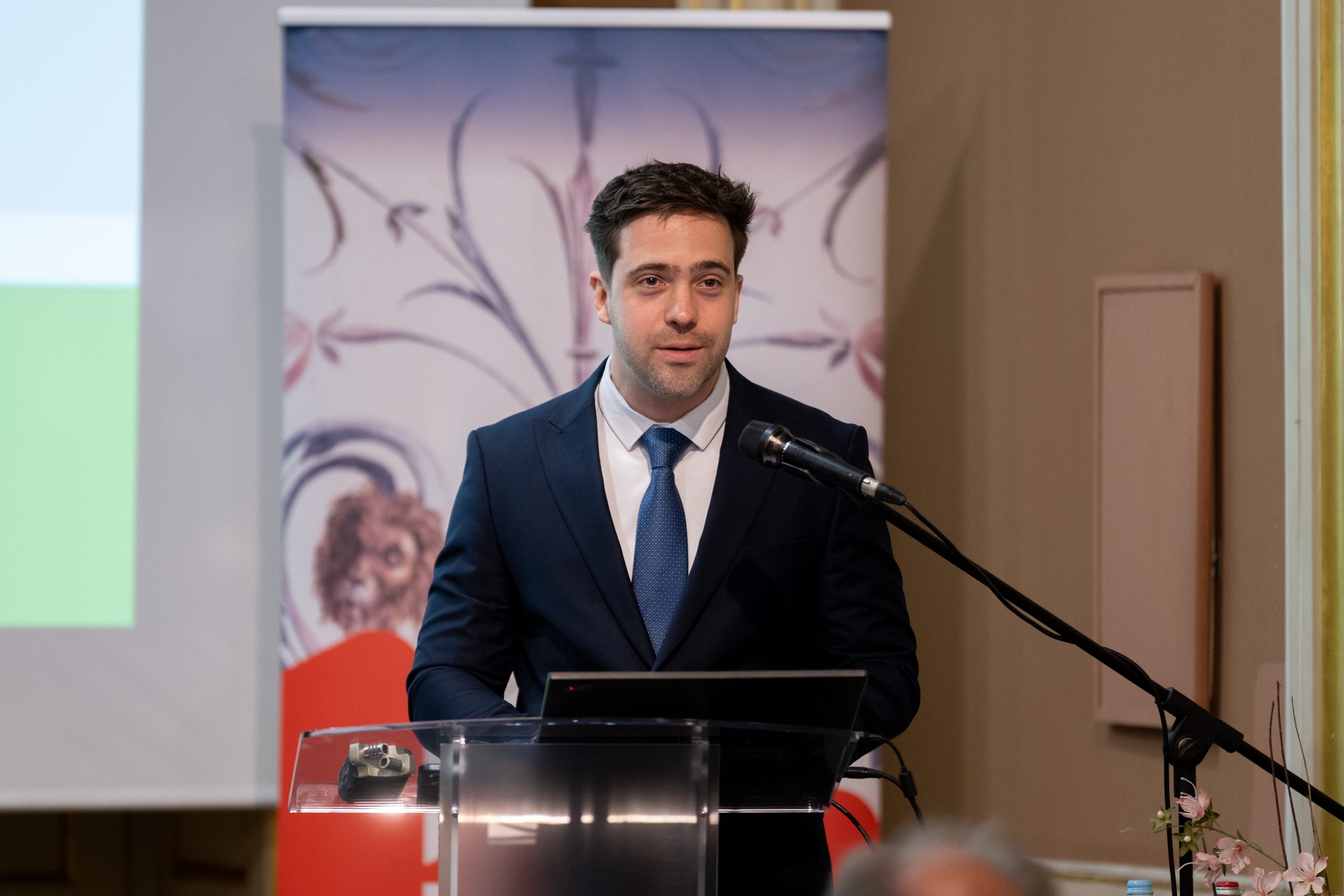
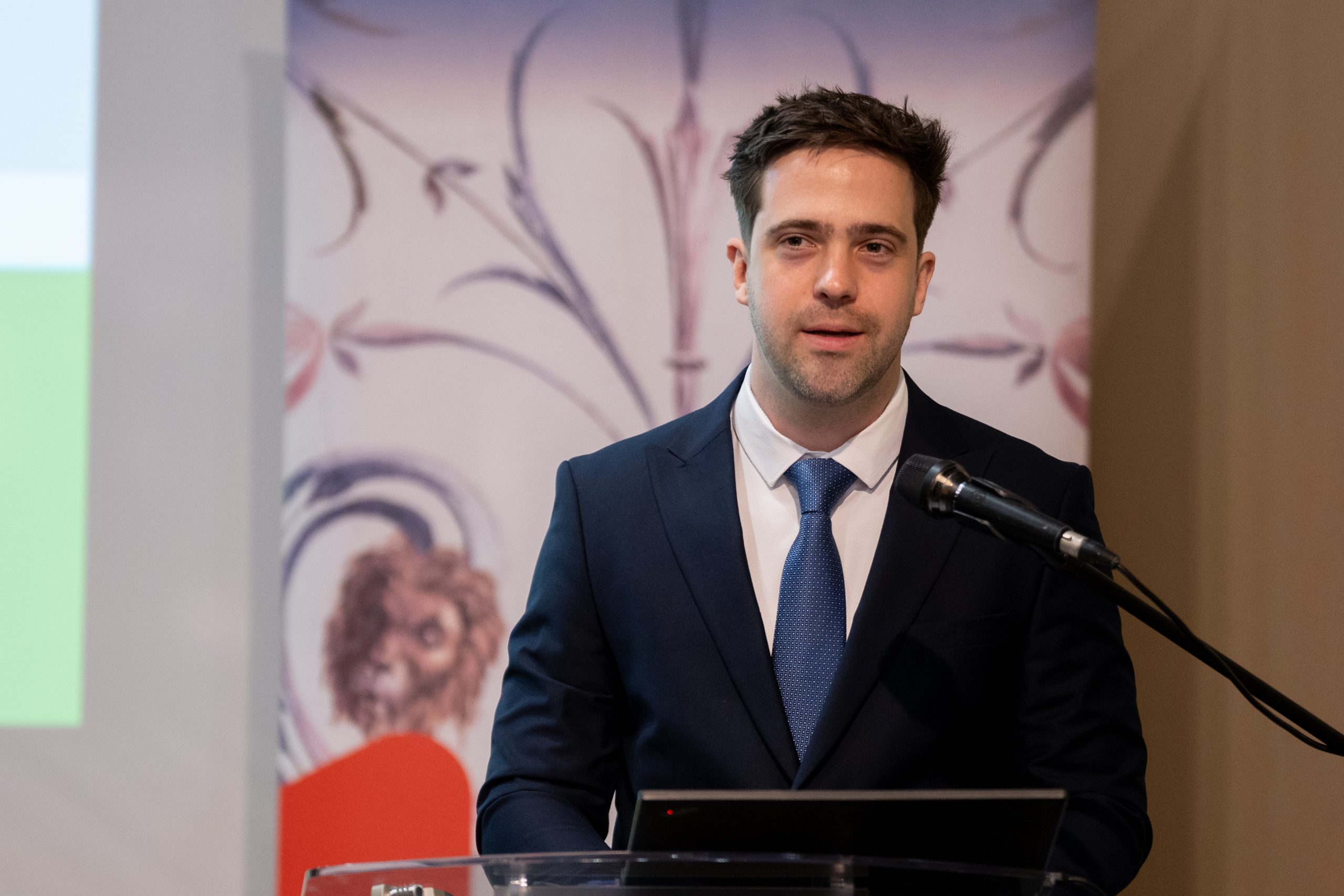
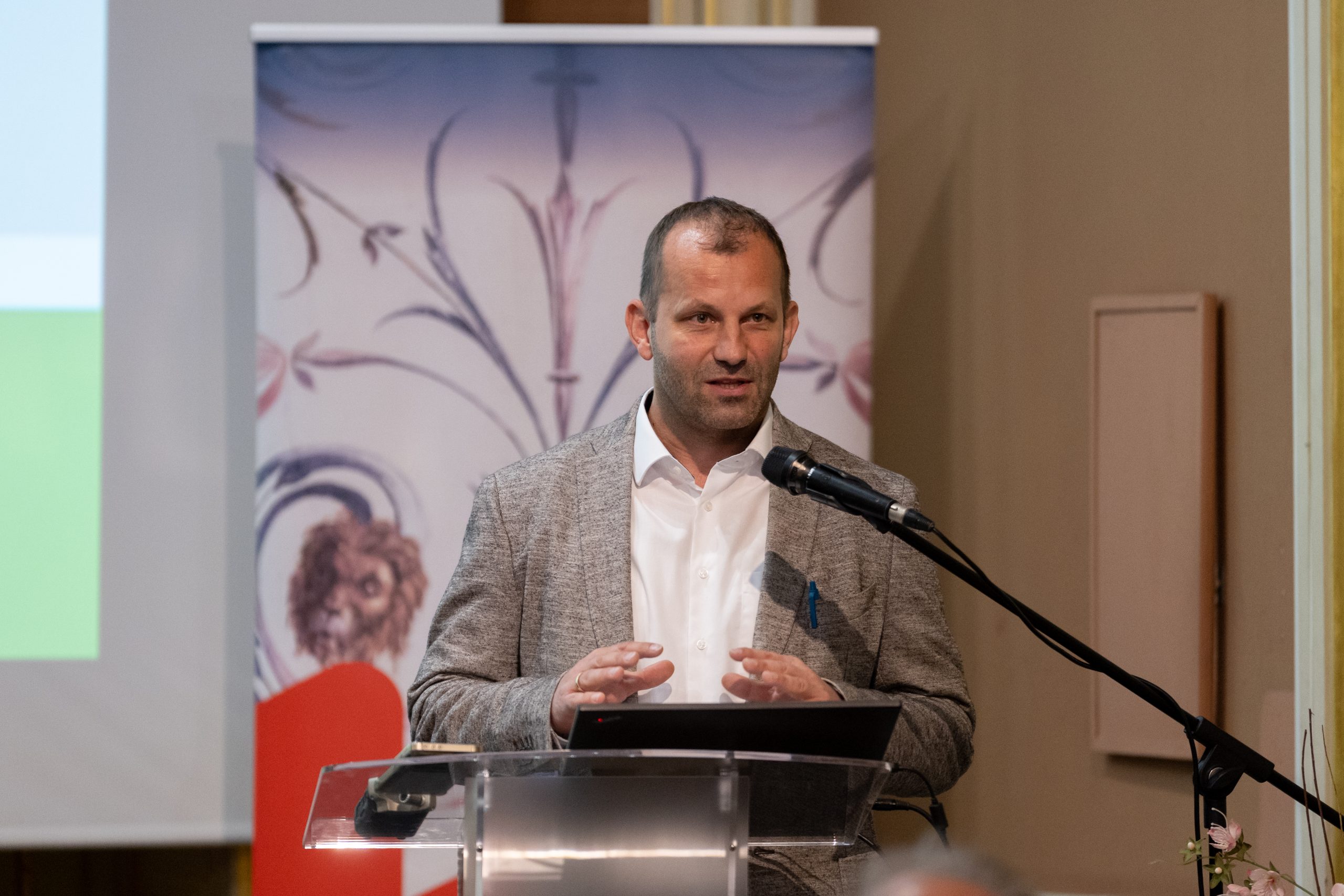
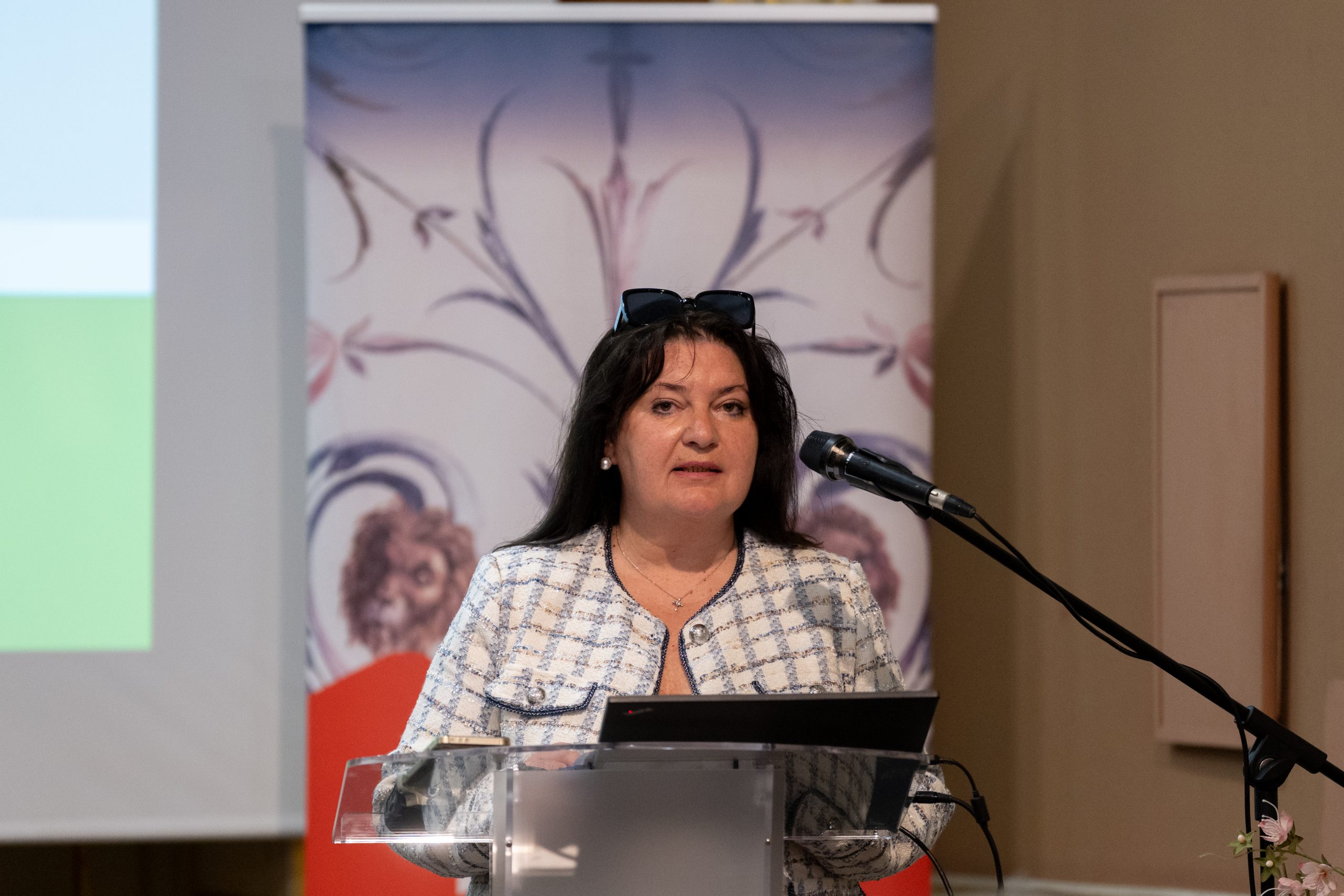
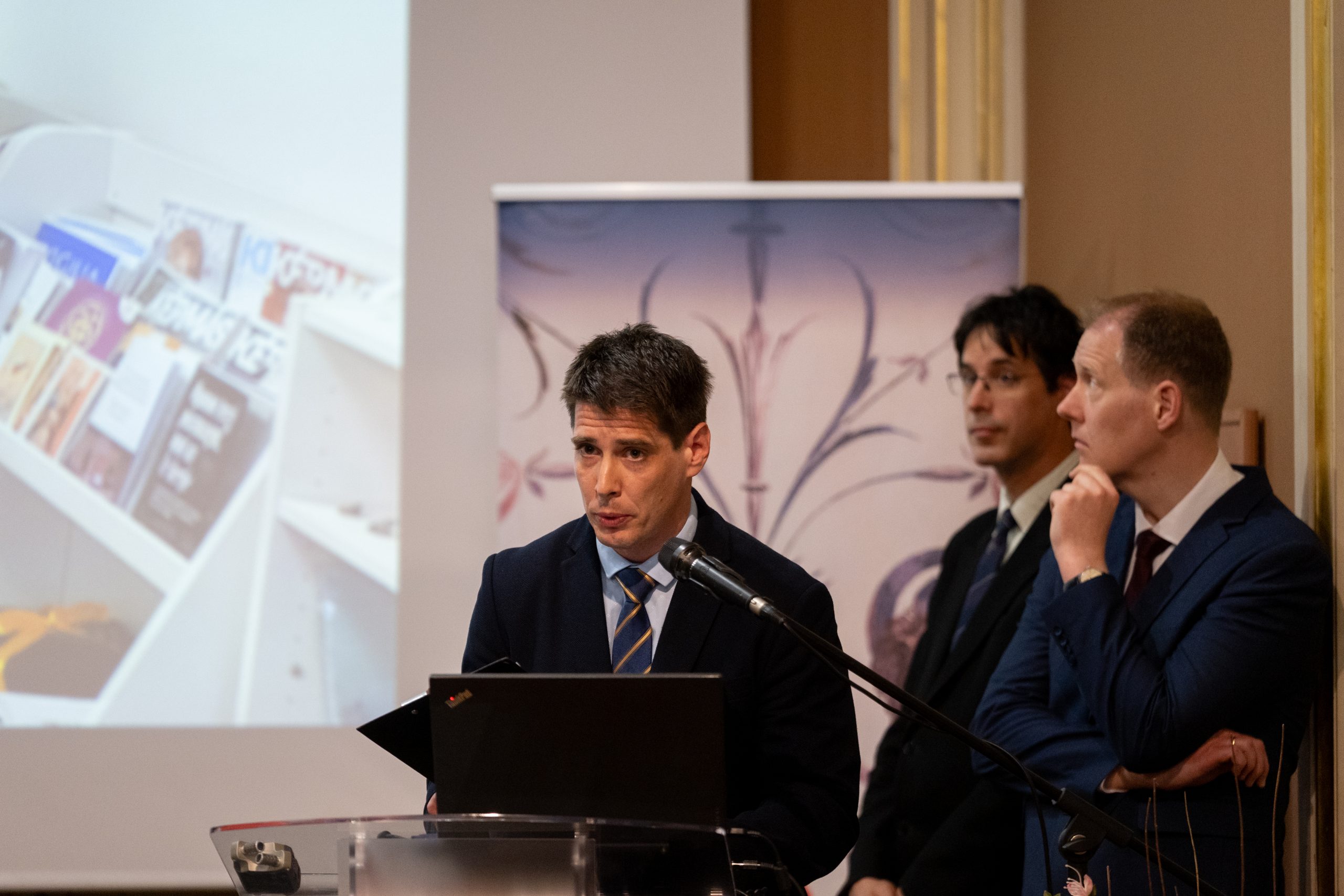
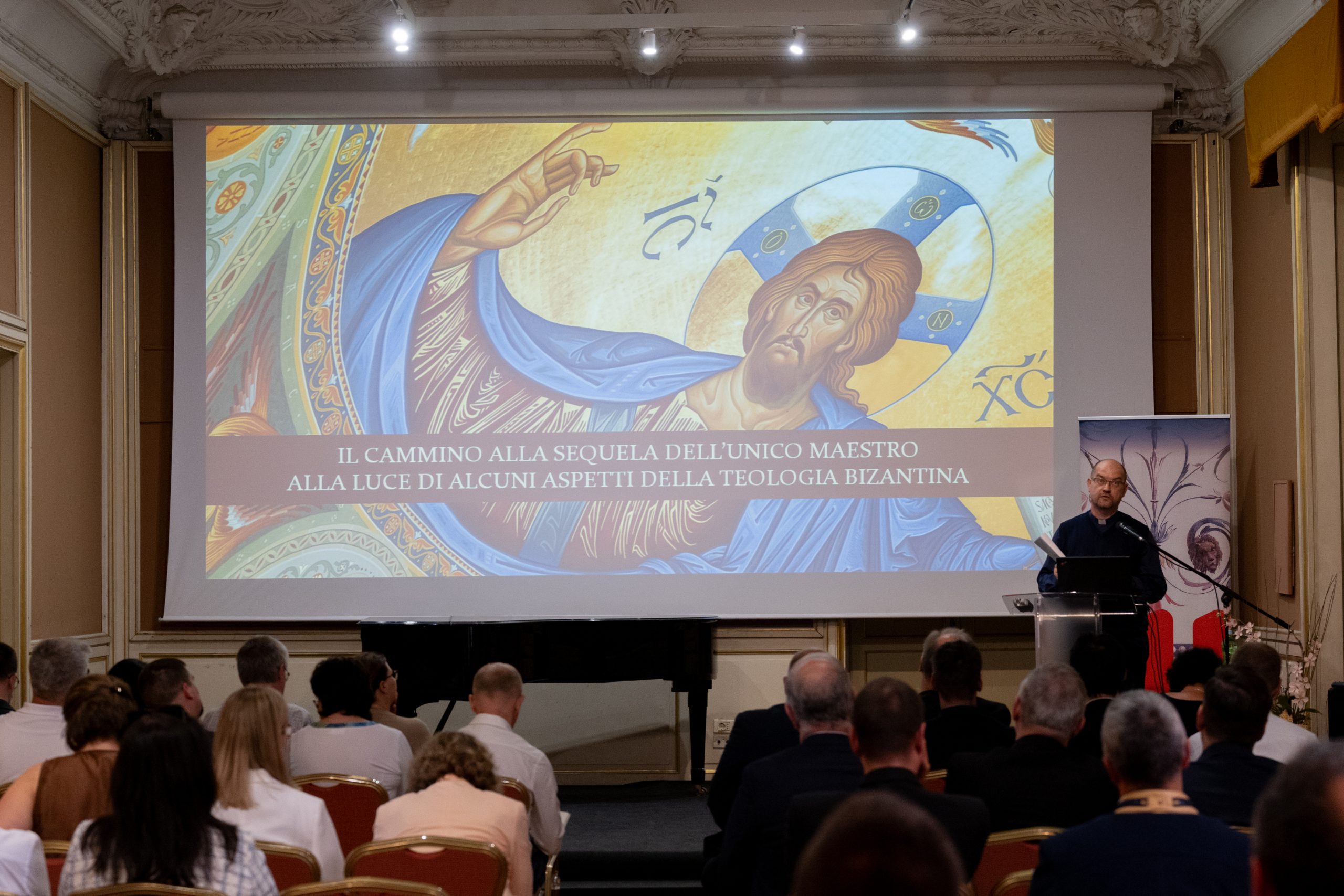
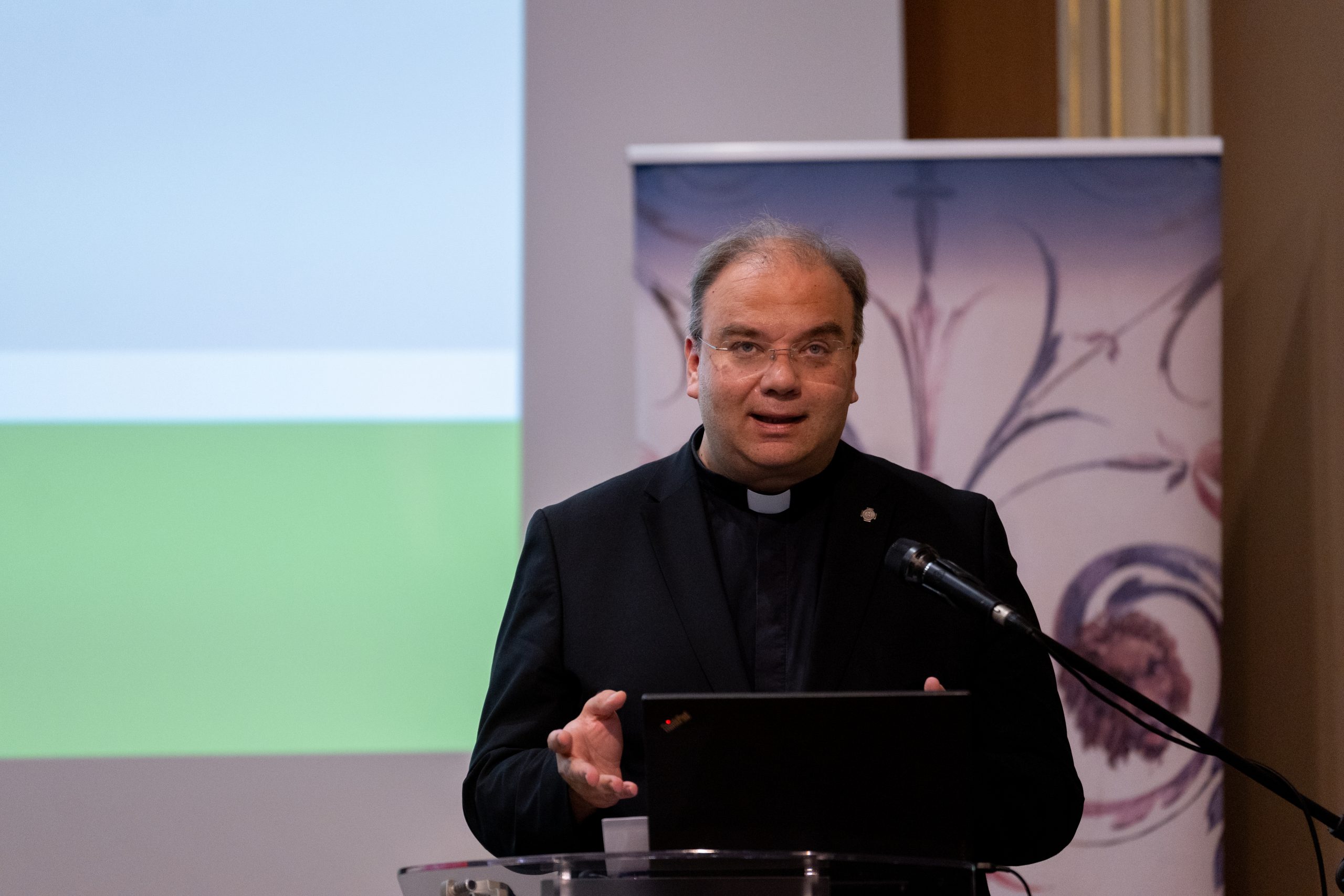
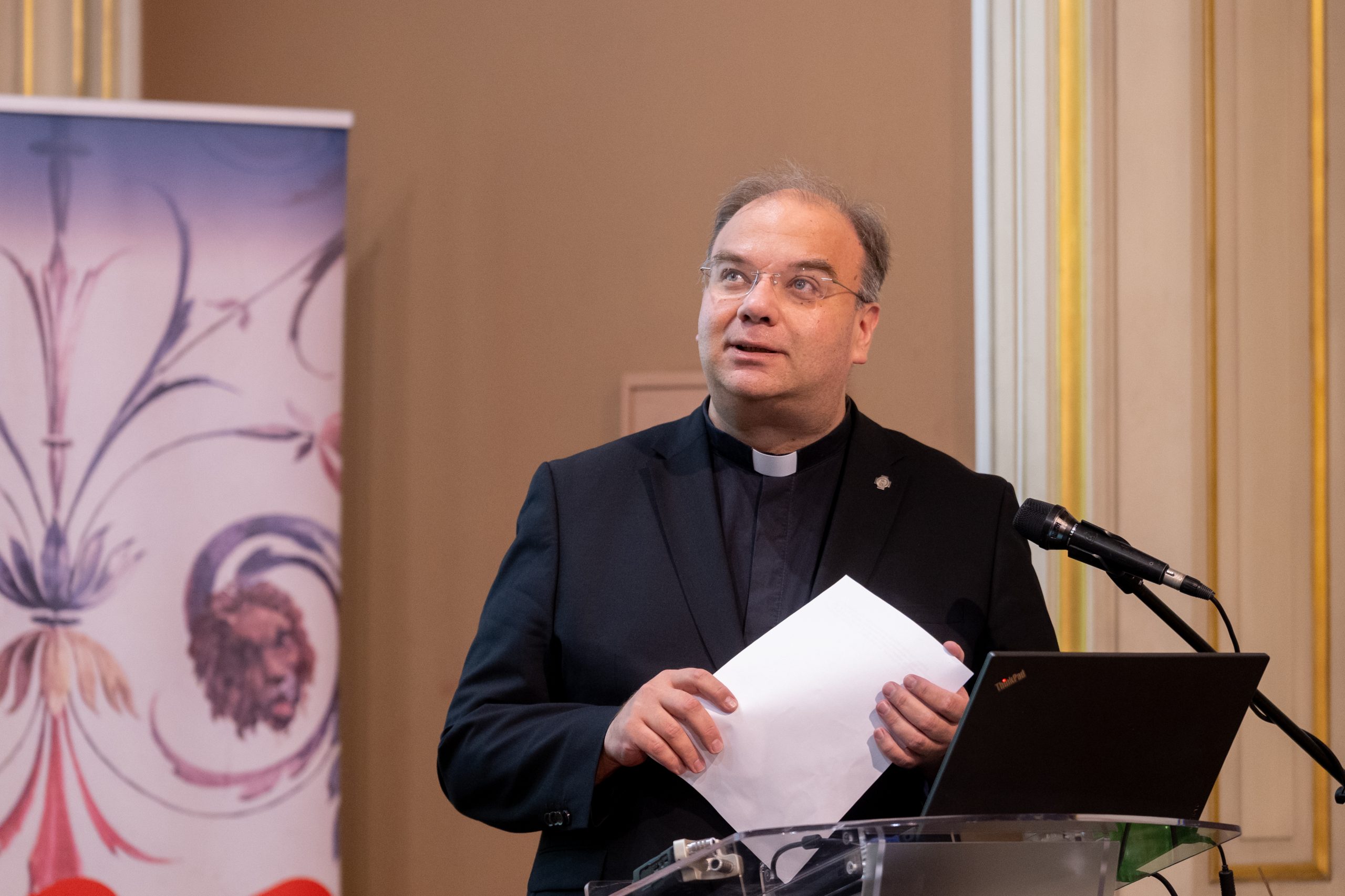
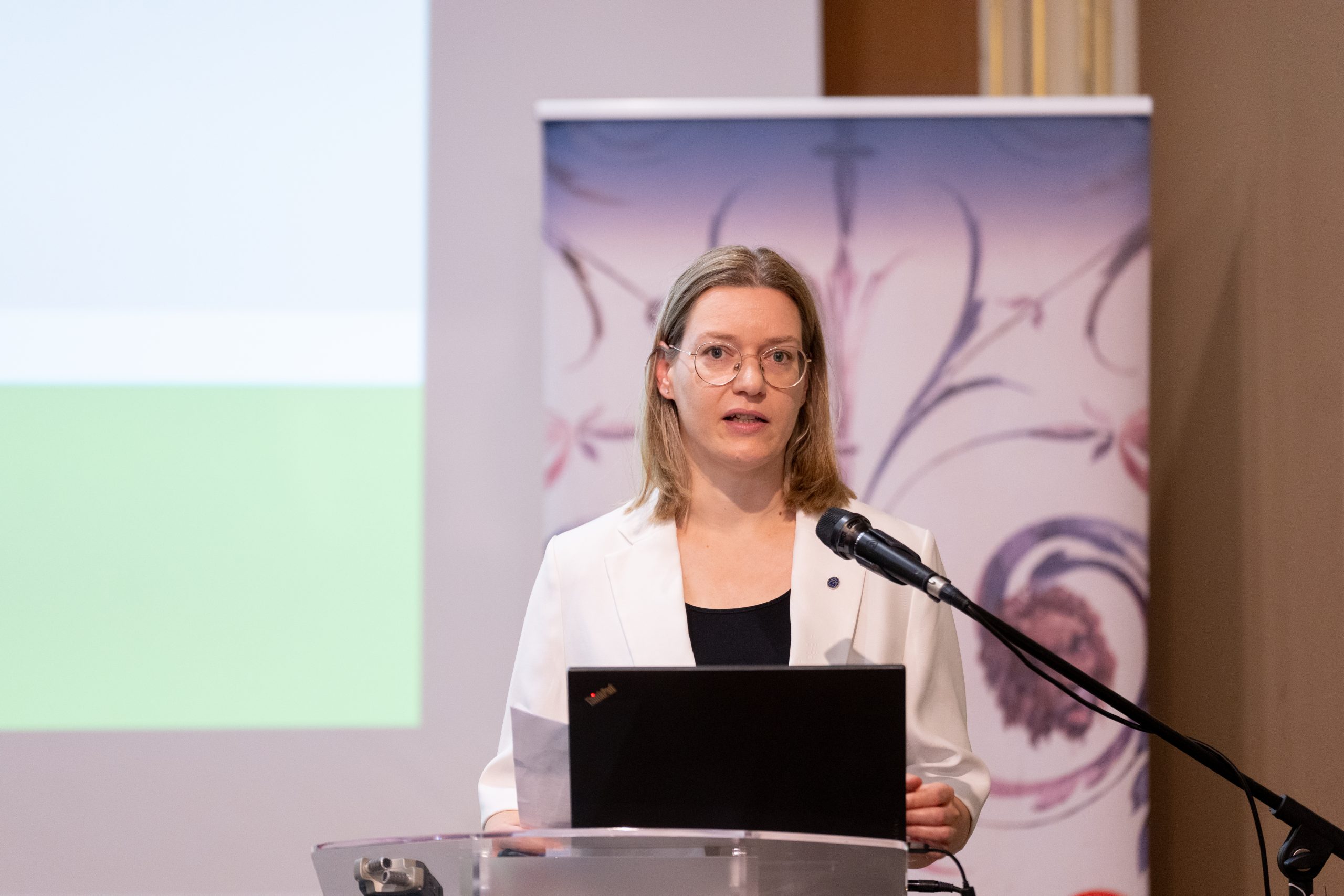
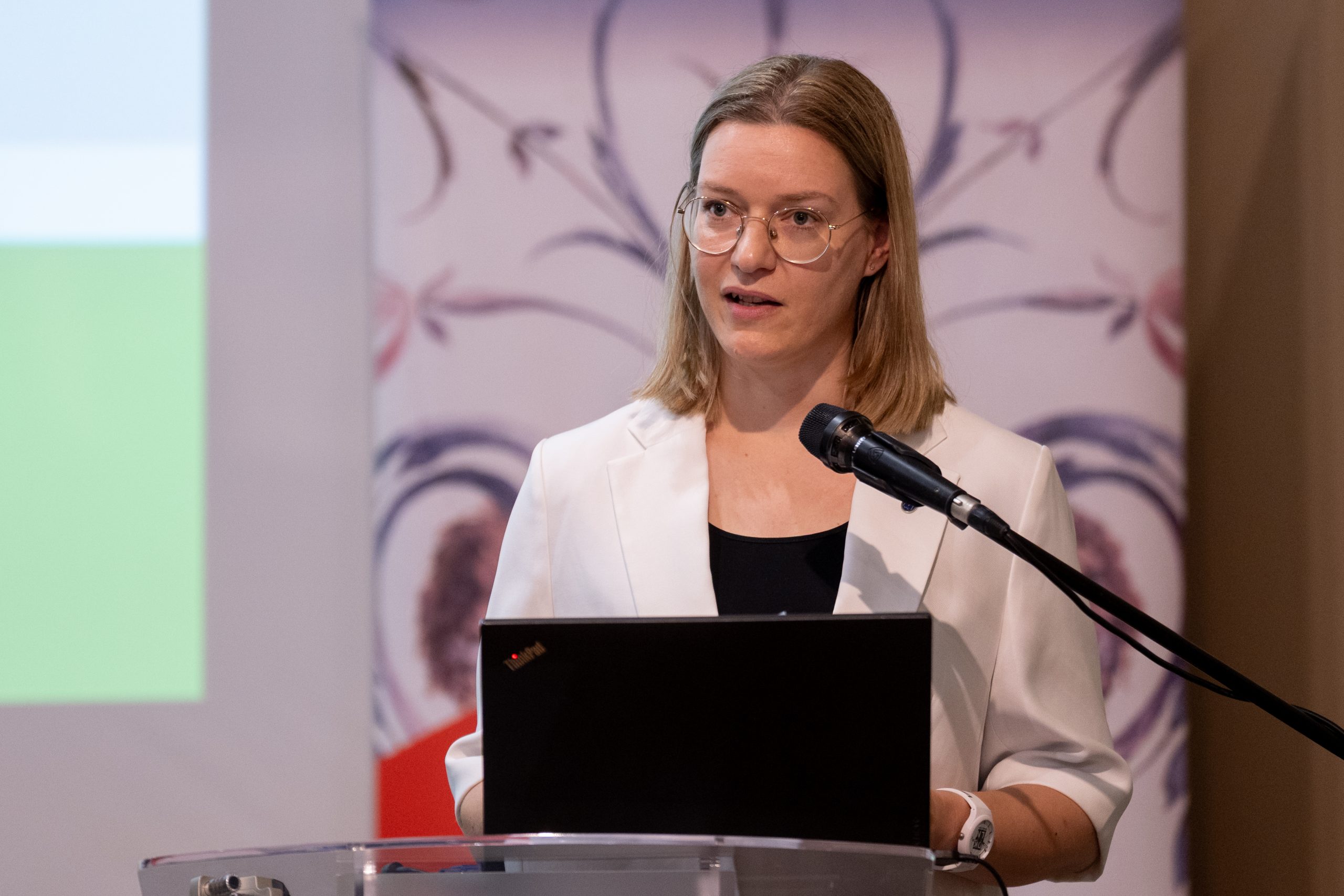
On Tuesday, 12 May, the delegation took part in a pedagogical conference held in the assembly hall of the Hungarian Academy in Rome, entitled: The Hungarian Constellations of Education – Drawing New Maps of Hope in Hungarian Catholic Education. The conference was held at the initiative of the Piarist Father Provincial Viktor Zsódiand was organised by the Hungarian Conference of Male Religious Superiors and the Hungarian Forum for Religious Education, with the participation of numerous communities of great importance in Hungarian Catholic education.
The host of the conference was Rita Rubovszky, Director of the Cistercian School Authority, recently appointed by Bishop János Székely as senior adviser to the education commission of the Hungarian Catholic Bishops’ Conference.
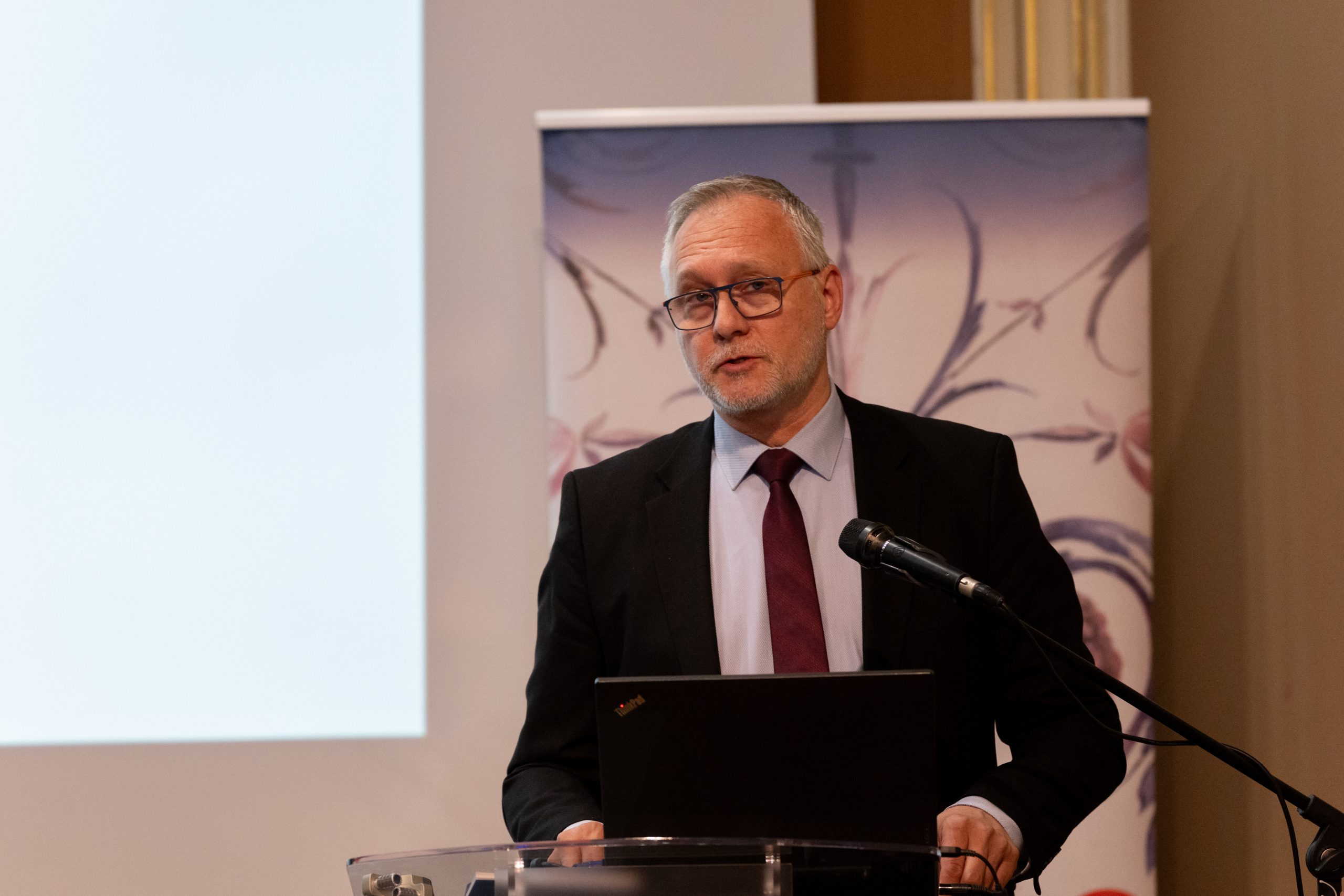
The conference was opened with an address by Péter Kveck, Ambassador of Hungary to the Holy See and a former Piarist pupil of Kecskemét. Words of greeting were also offered by Márk Aurél Érszegi, Director of the Hungarian Academy in Rome.
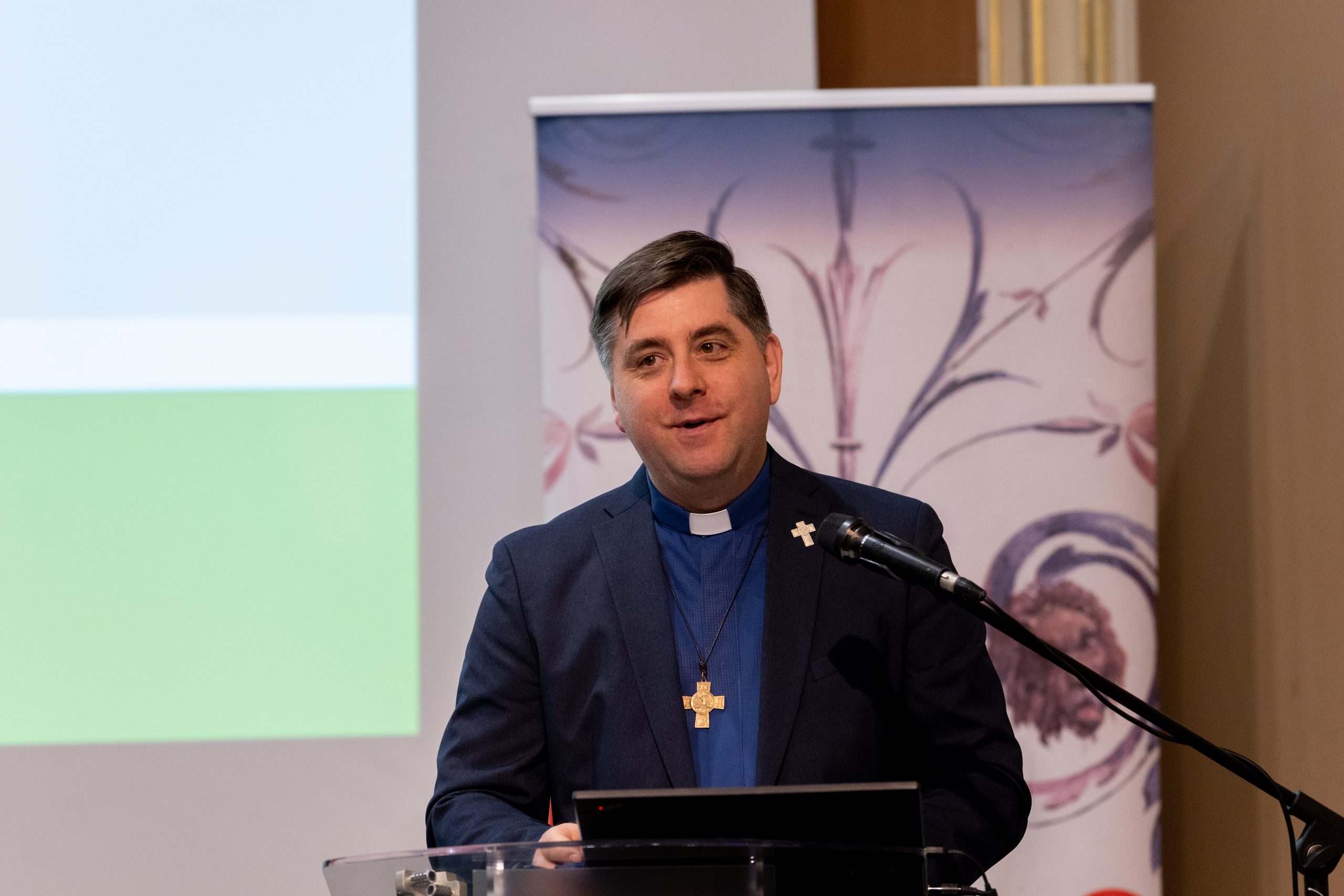
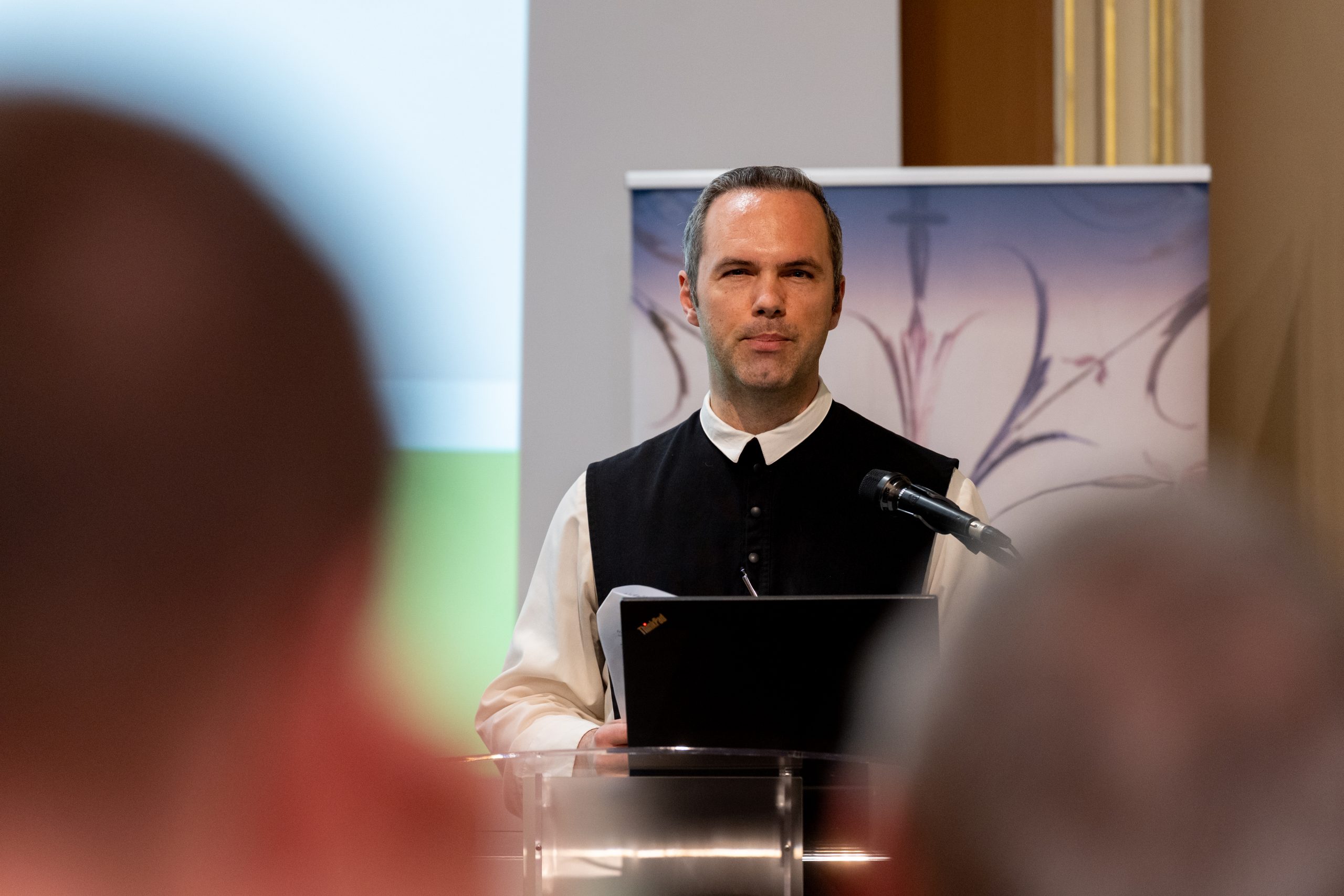
Among the speakers were, on behalf of the Franciscans, András Mikesy and Andrea Vörös, teachers at the Saint Angela Franciscan School and Secondary School; Father Provincial Gábor Vitális, of the Salesian Don Bosco community; Fr John Bayer, representing the Cistercians, together with Professors Balázs Tóth, Tamás Lőrincz and Zoltán Bozsik; Balázs Puskás, from the Saint Michael Educational Institution of Vác; Fr István Seszták, from the Greek Catholic Archdiocese of Hajdúdorog; and, representing the Hungarian Province of the Piarist Order, Father Provincial Viktor Zsódi, Fr Roland Márkus and Petra Kalmár, collaborator at the Provincial centre.
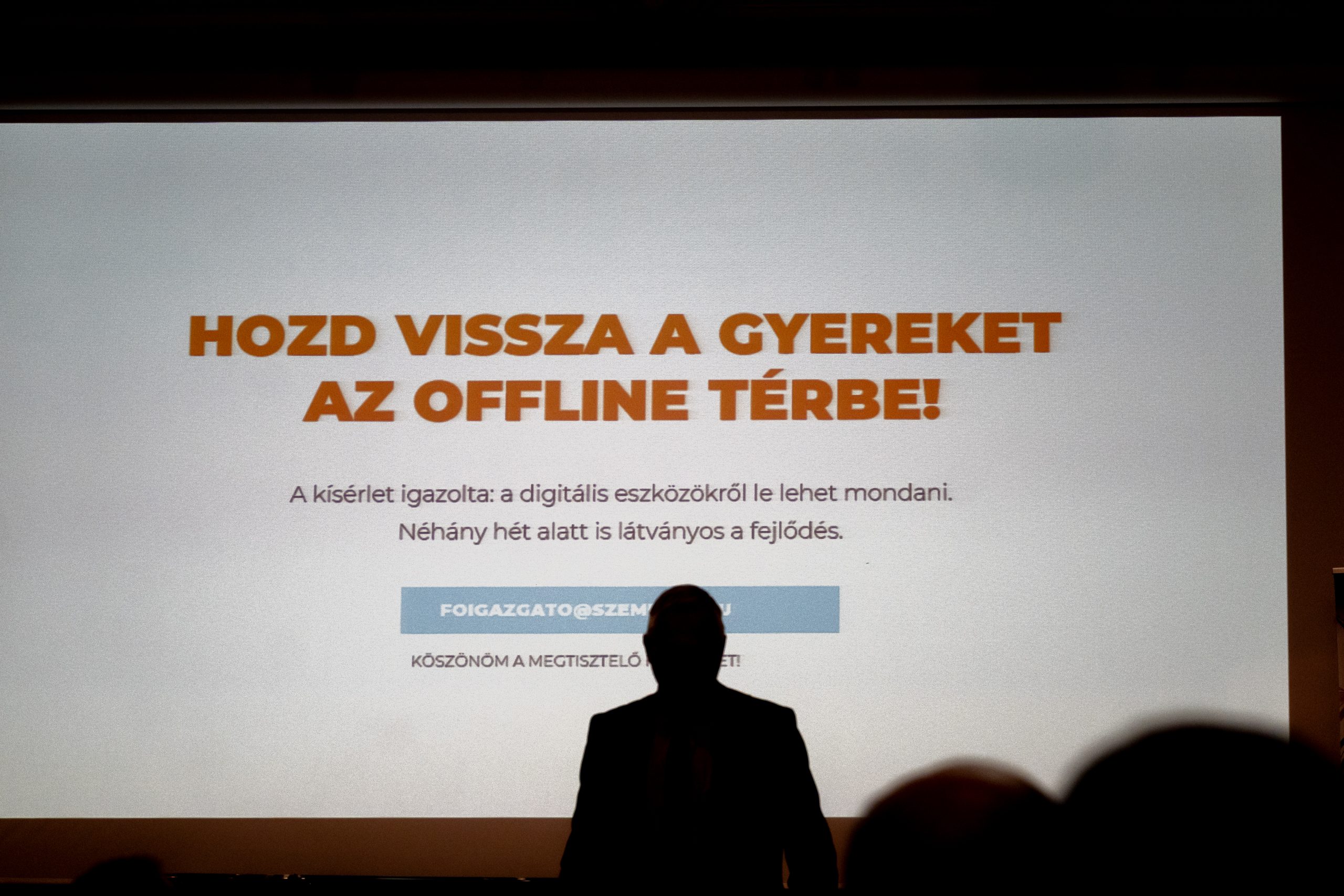
The presentations shed light, from many different perspectives, on the current situation of Hungarian education and, in particular, of ecclesial education and religious schools. Experiences were presented concerning innovations, good practices, present challenges and the search for paths towards the future.
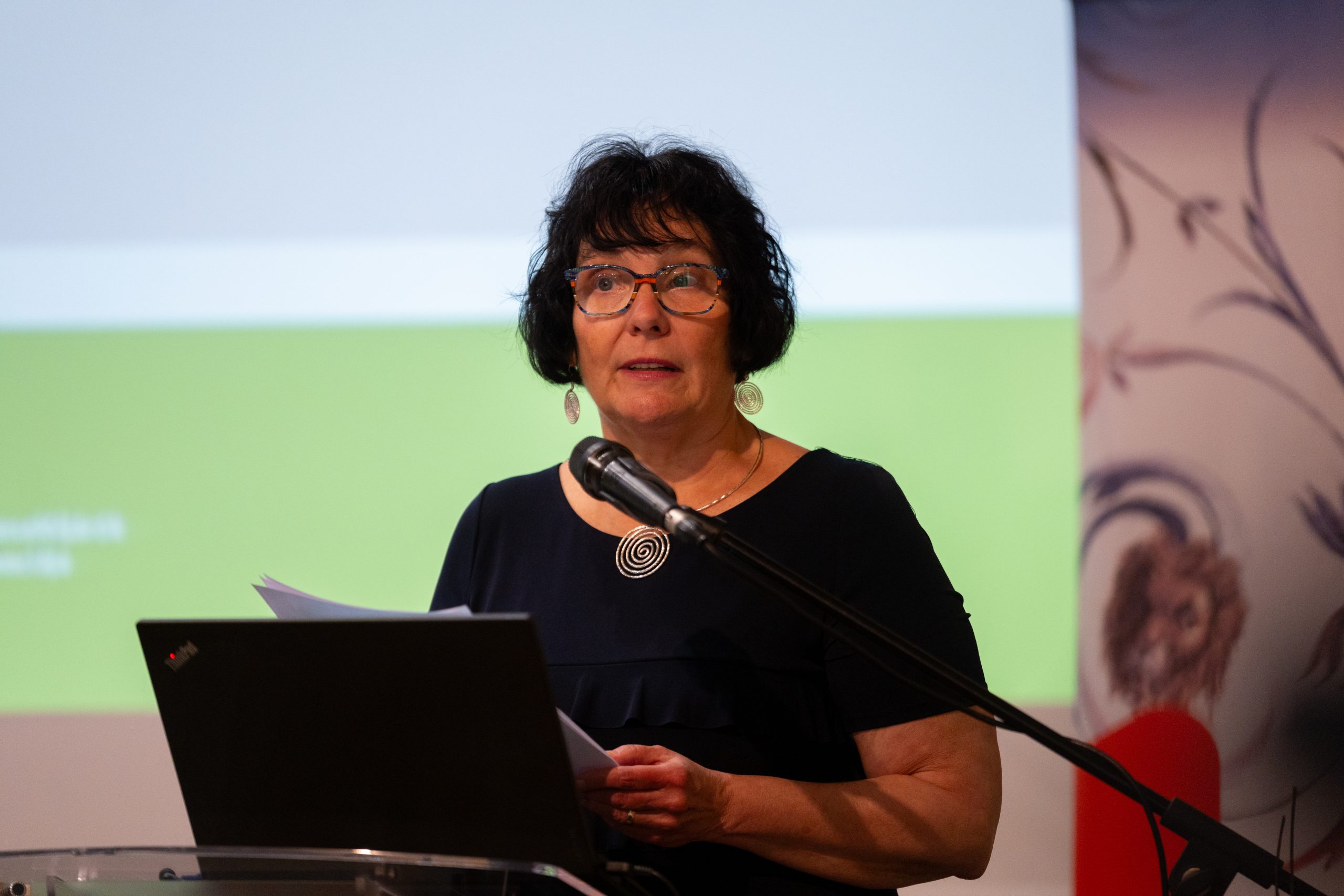
In his lecture entitled Accompanying the heart on the peripheries, the Piarist Roland Márkus summarised the responses of the Calasanz Movement to the challenges of a society increasingly marked by loneliness.
Through personal experiences, he presented the volunteer work carried out in the Roma settlement of Sátoraljaújhely, where young people not only offered help, but, entering with courage and an open heart, directly experienced the reality of those living on the periphery. One of the central ideas of the presentation was that the deepest poverty is not material deprivation, but social invisibility: when people “do not appear on the map” and are excluded from the community’s attention.
In his presentation, he emphasised that ecclesial and educational communities have the responsibility to recognise their own involvement in the problems of social exclusion and loneliness, and to move consciously towards those who live on the periphery. Piarist schools and communities must become meeting points where volunteering, personal presence and community experience help to integrate the poor, the lonely and the young. He stressed that it is not enough to speak about those who live on the periphery; rather, we must offer them the possibility of expressing themselves and being present in the community.
“Let us not forget: when, by offering an authentic presence, we guide those entrusted to us from digital loneliness and the periphery towards personal encounters, we do not only place forgotten or isolated destinies on the map of salvation history; through that encounter, we ourselves also become visible and fully human to ourselves and to others.”
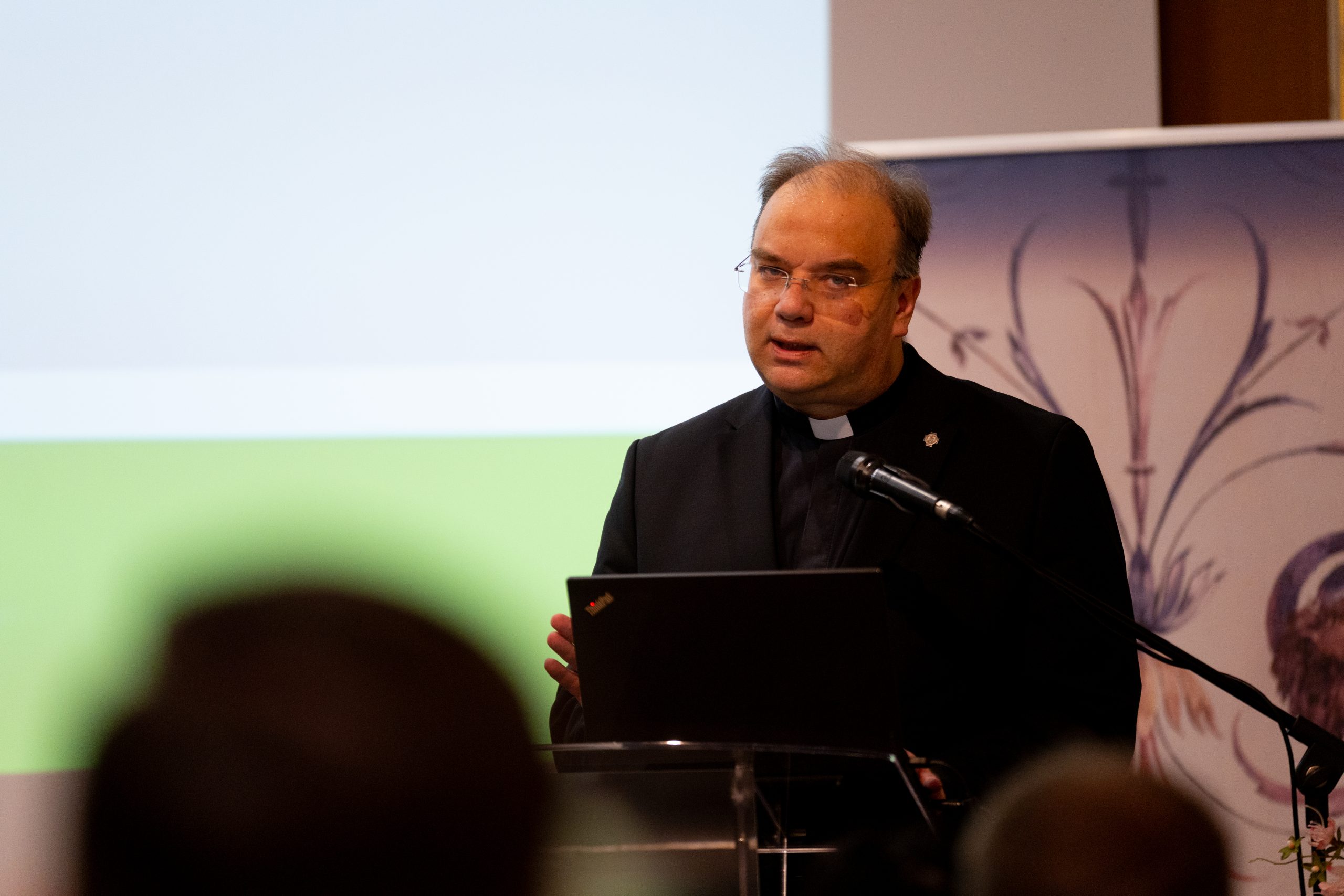
The joint lecture by Father Provincial Viktor Zsódi and Petra Kalmár, collaborator of the Pastoral and Pedagogical Secretariat of the Hungarian Province of the Piarist Order, was entitled The Piarist charism as pedagogical creativity. In it, they shared reflections on the building of a pastoral ecosystem and on the process of “drawing maps” in the world of young people today.
According to the central idea of Fr Viktor Zsódi’s intervention, Catholic education and pastoral care can become a true “map of hope” only if educators and pastoral agents, following the example of Saint Joseph Calasanz, do not impose ready-made answers on young people, but seek the path of evangelisation through attentive presence, listening to reality and recognising the true interests of young people.
“For us, pedagogical creativity does not mean manufacturing new techniques, but rather that spiritual freedom capable of finding new forms for the same evangelical love. Developments have become part of a spiritual process: the search for how our spirituality can become incarnate again today.”
In the second part of the presentation, Petra Kalmár interpreted the Piarist charism as pedagogical creativity: “not as the production of new techniques, but as the form of a spiritual freedom capable of finding new expressions for the same evangelical love.” For this reason, behind the developments presented there was not primarily an organisational logic, but a theological vision: the search for how spirituality can take flesh once again today in the world of young people. The lecture underlined that “if the charism truly wishes to become incarnate in the present, then it will also have organisational forms.” In the Christian tradition, structures are evangelical when they serve life. For this reason, organisational renewal is not a “bureaucratisation” of the charism, but one of its forms of incarnation.
Thus, the aim of pastoral care is to build a network of relationships “in which religious, lay collaborators, young people and their families do not work alongside one another, but consider themselves part of a common mission.” The “theology of gratuity” was also especially highlighted: “truly valuable knowledge has the character of a gift.” Education, therefore, cannot become simply a “production of products”, but must build a community culture in which knowledge can be shared and handed on. This is not only a technical question, but also a spiritual stance in the face of the logic of competition.
The final message of the conference was that “the Piarist charism is a living reality which, in every age, seeks a new language, because Christian education is the constant incarnation of the Gospel in the lives of the people of each time.”
According to the plans, this Roman conference represents a first step: speakers and participants jointly expressed their desire for the dialogue to continue, so that they may go on serving the cause of Hungarian education. The hope was also expressed that next year this exchange will be enriched by the participation of speakers from other contexts and will already open up to the international sphere.
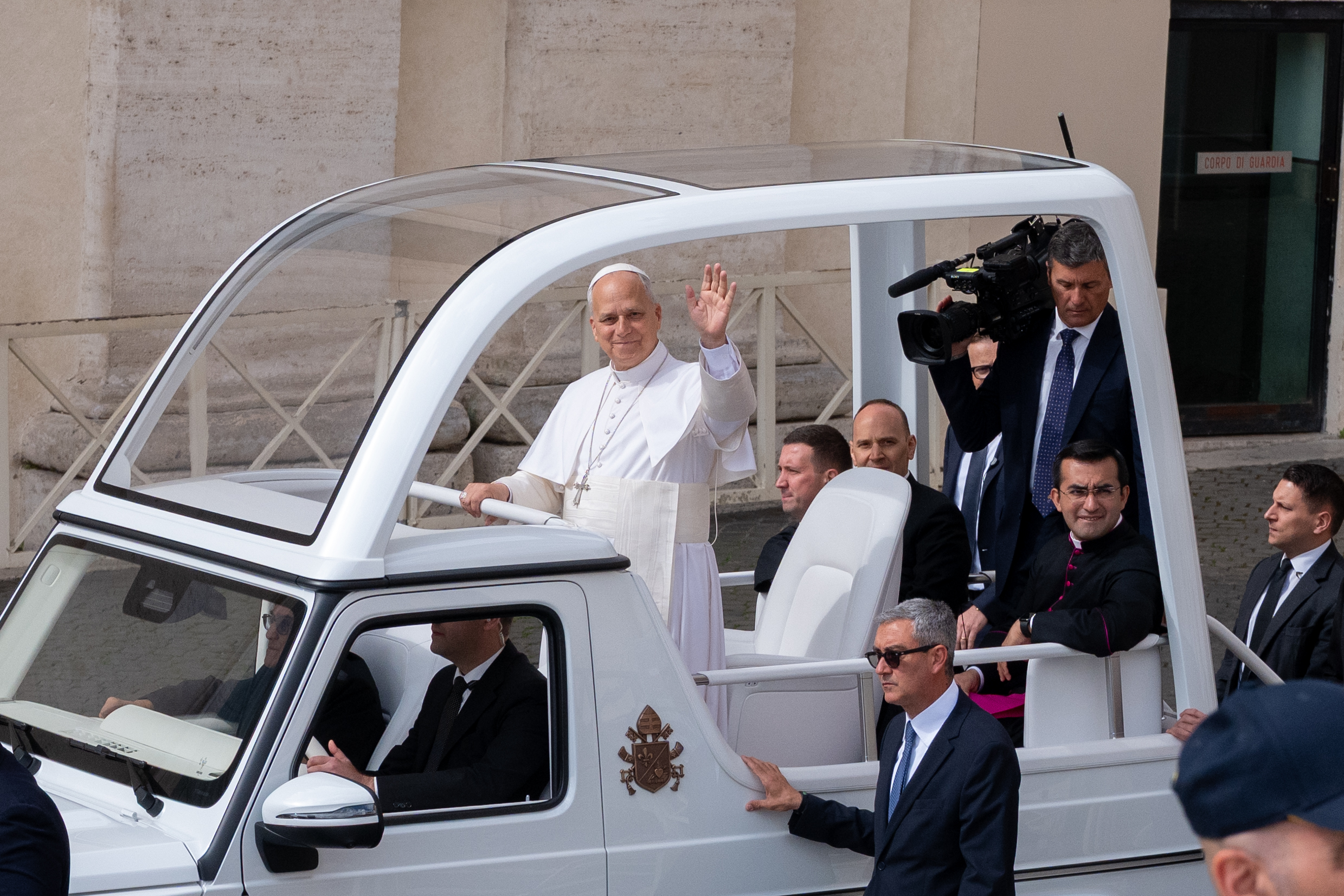
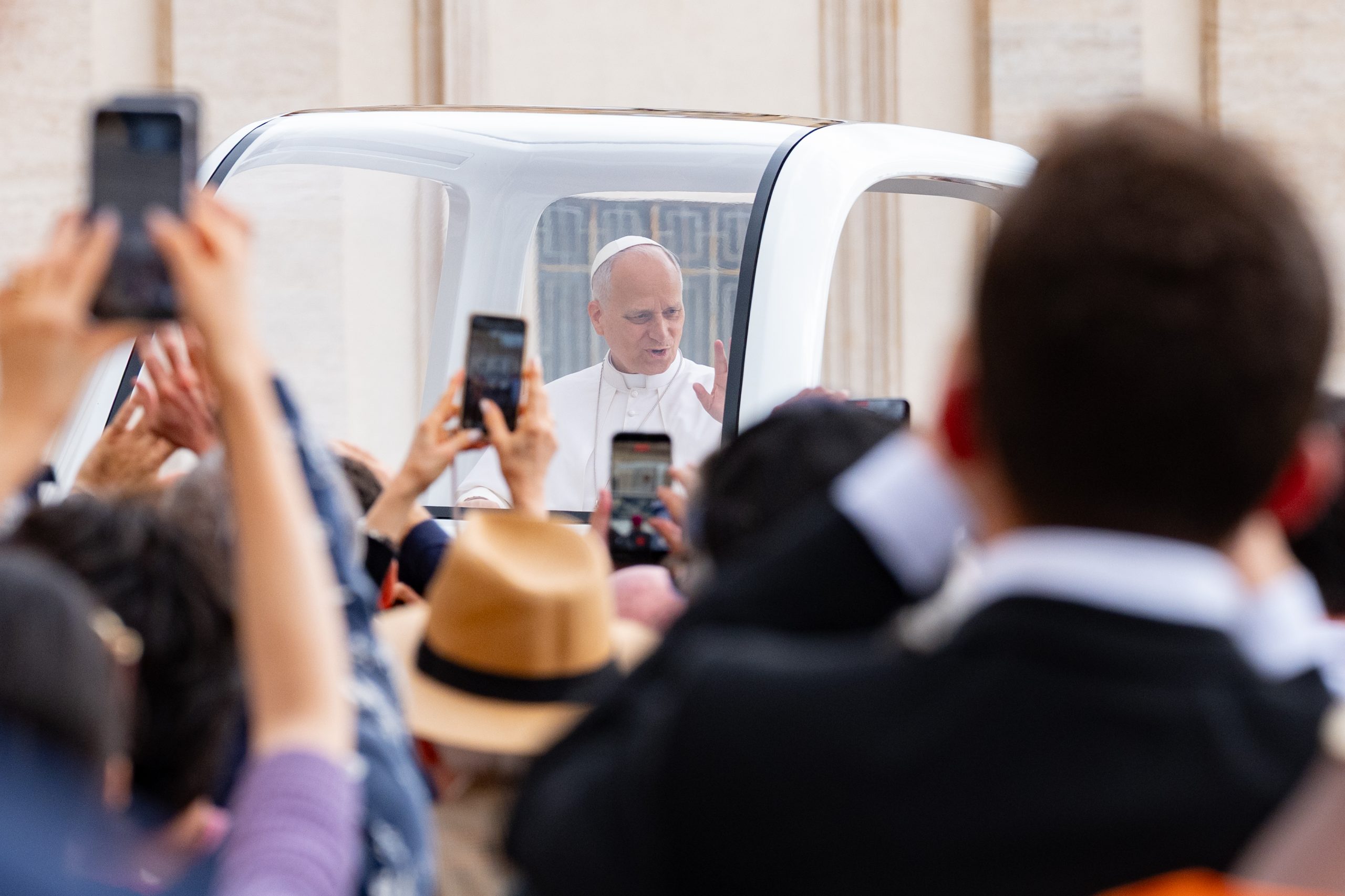
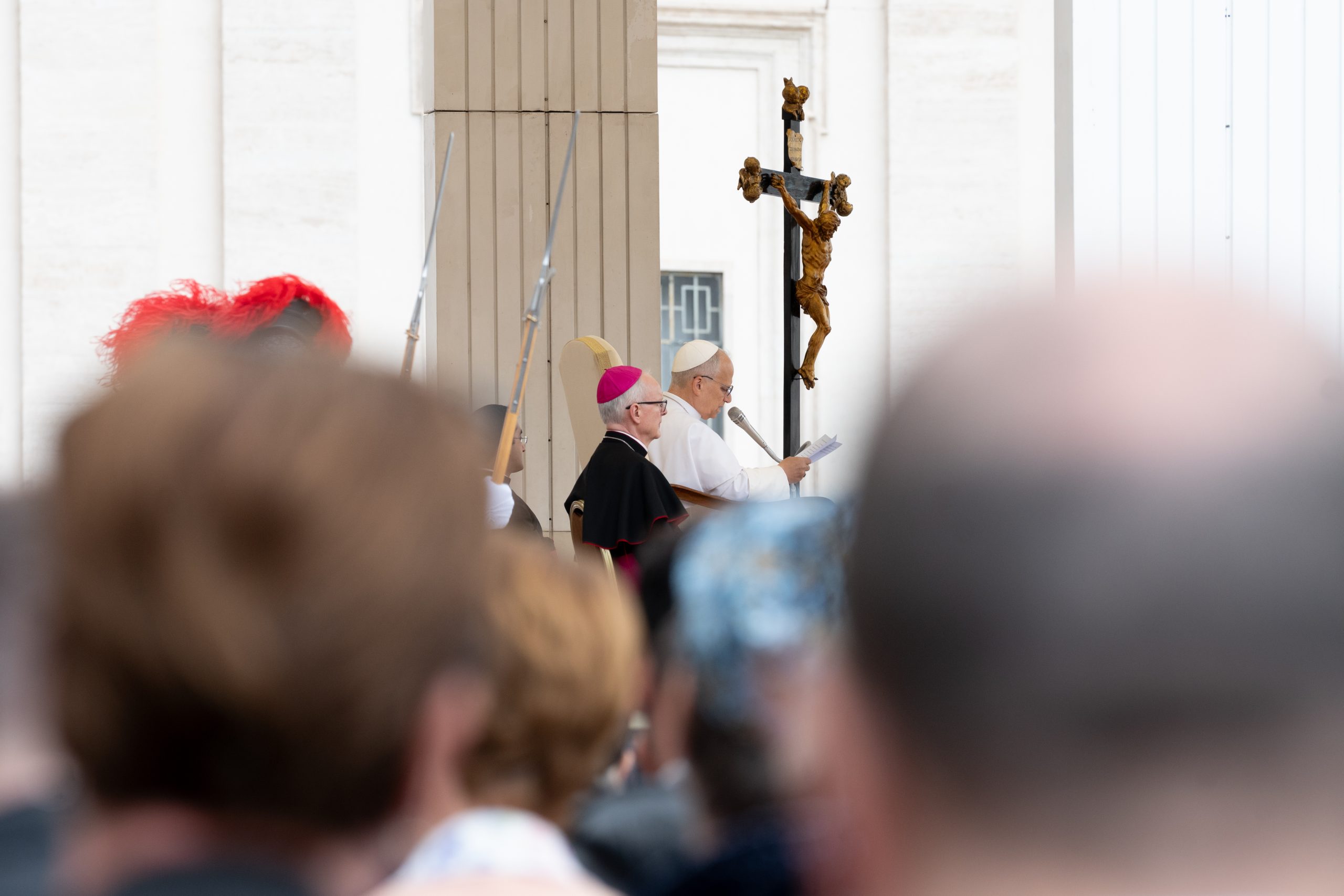
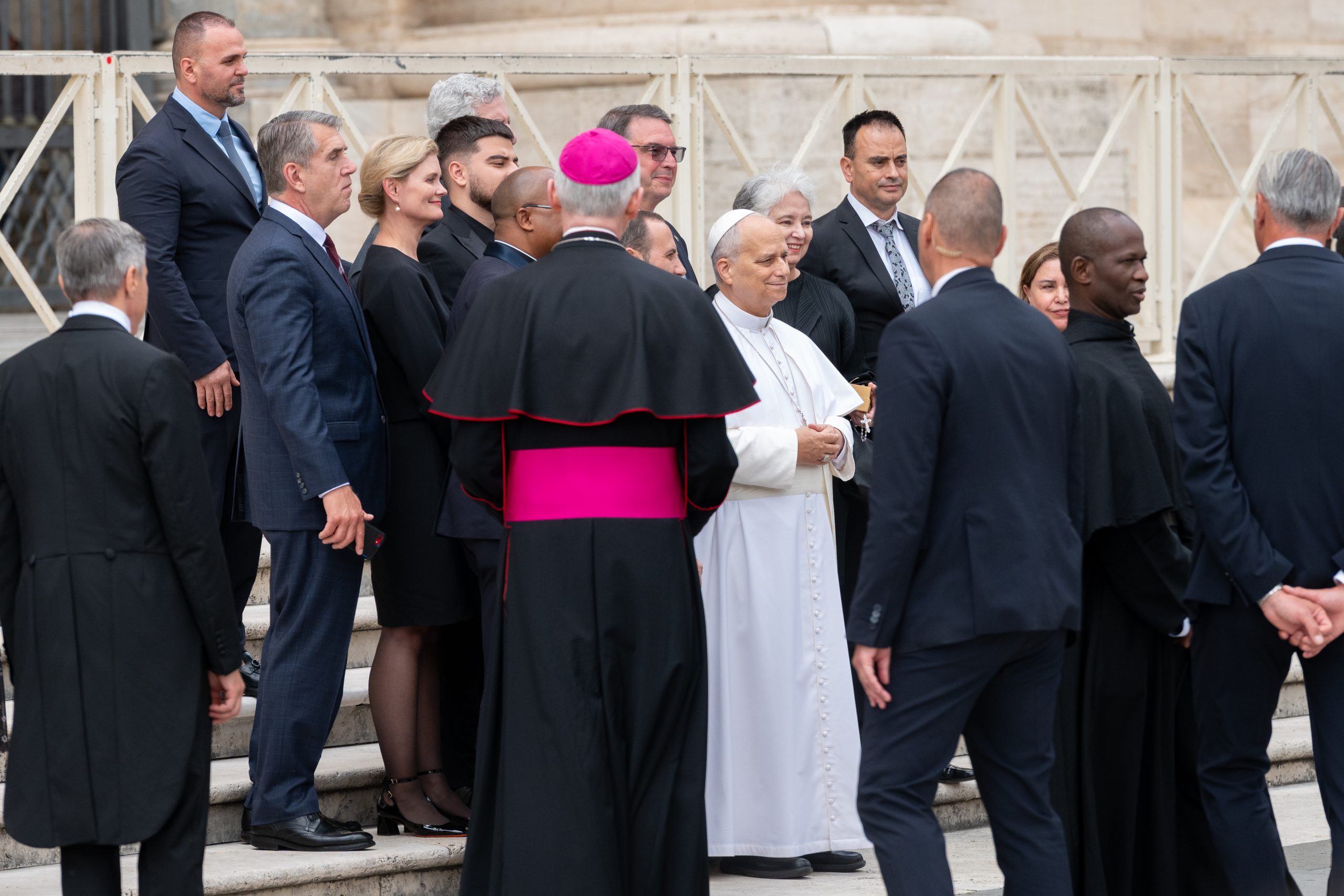
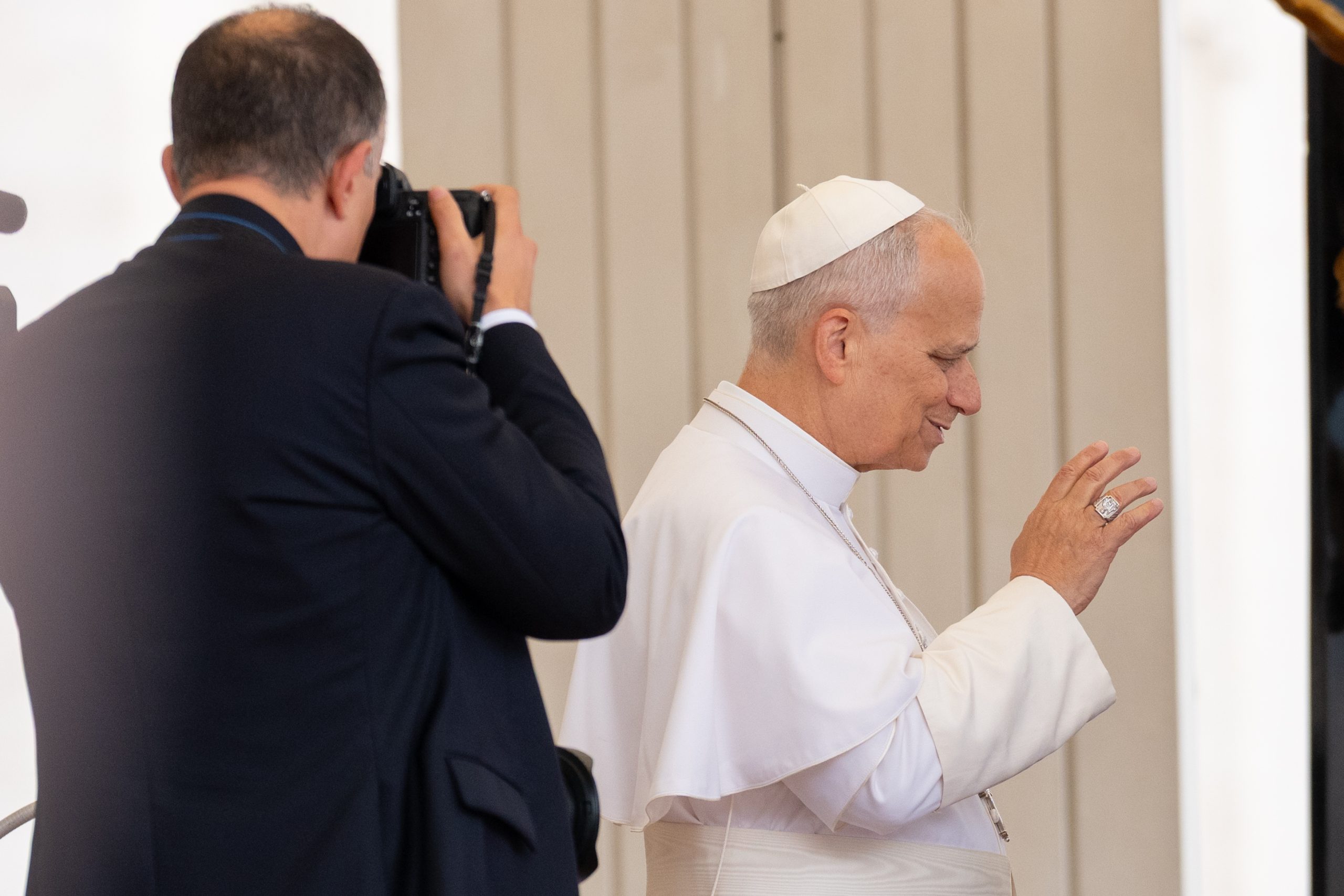
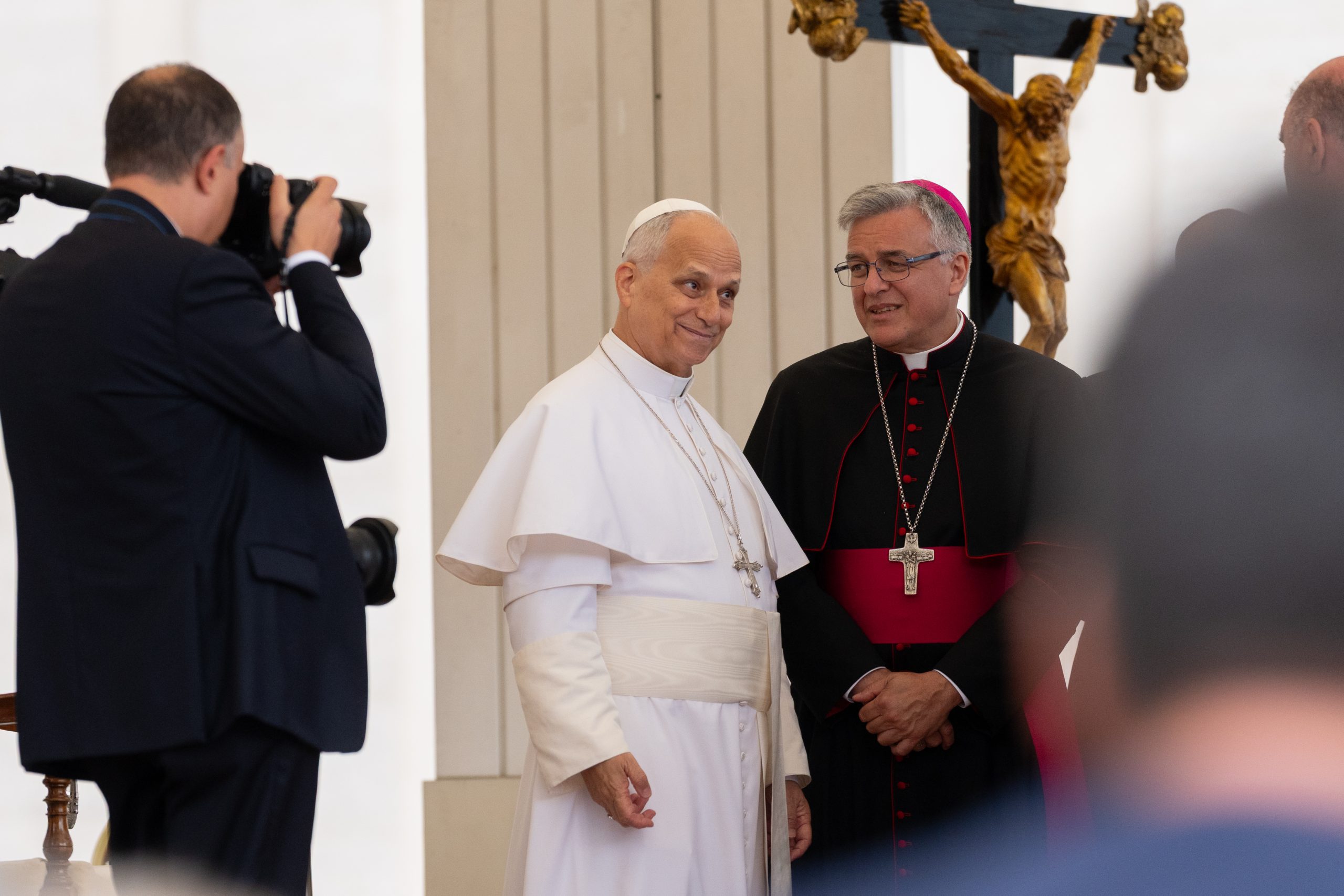
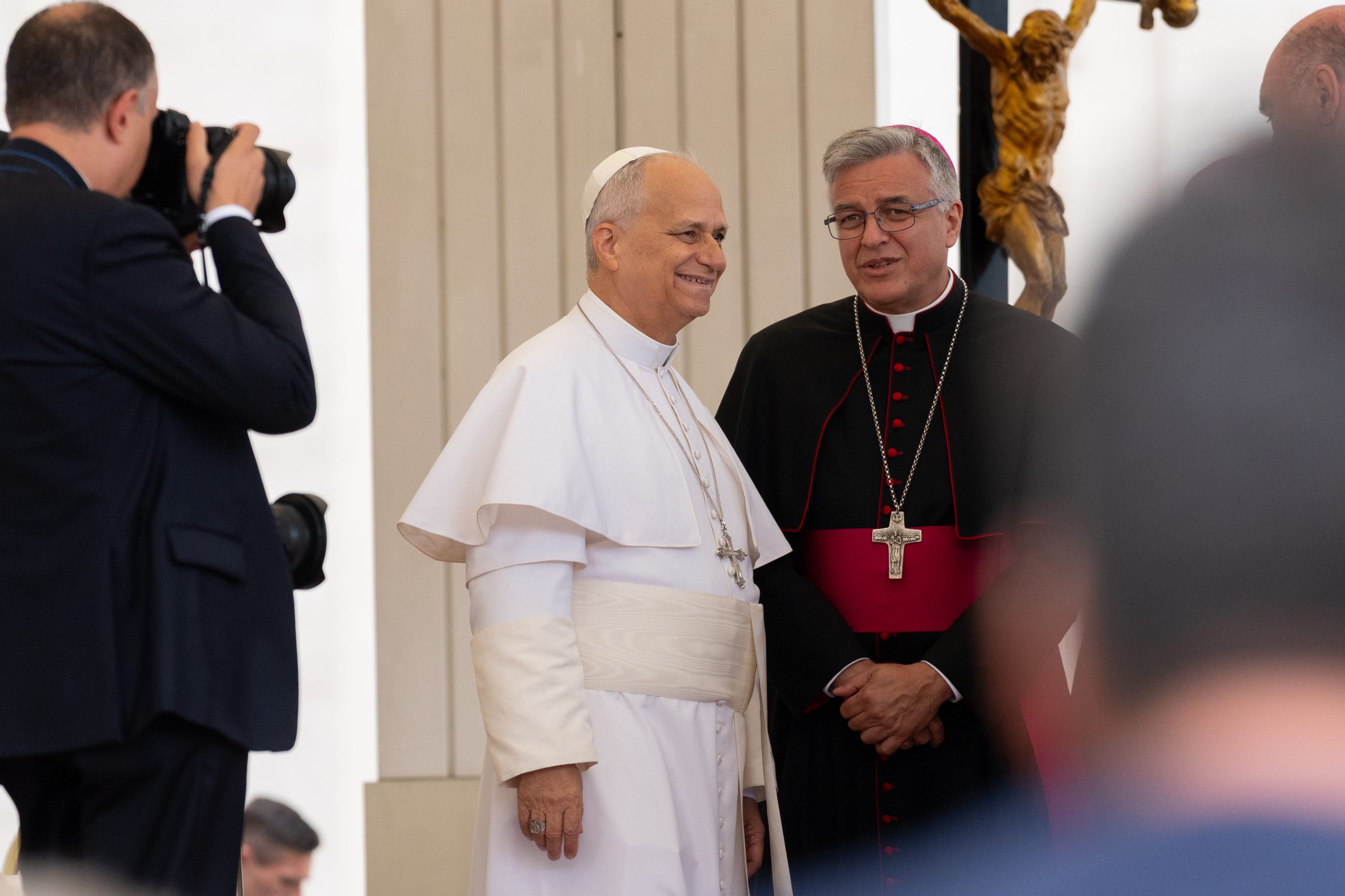
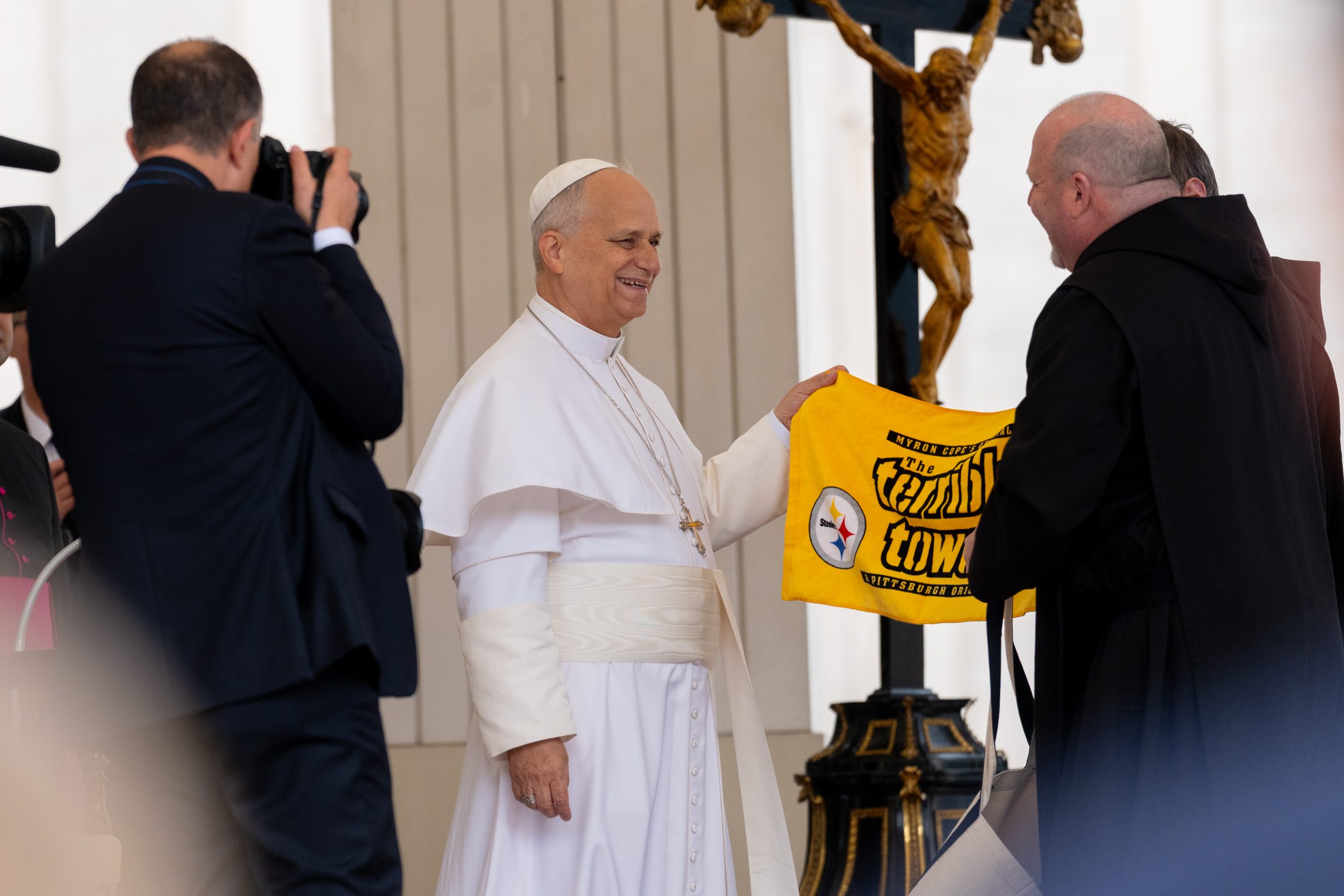
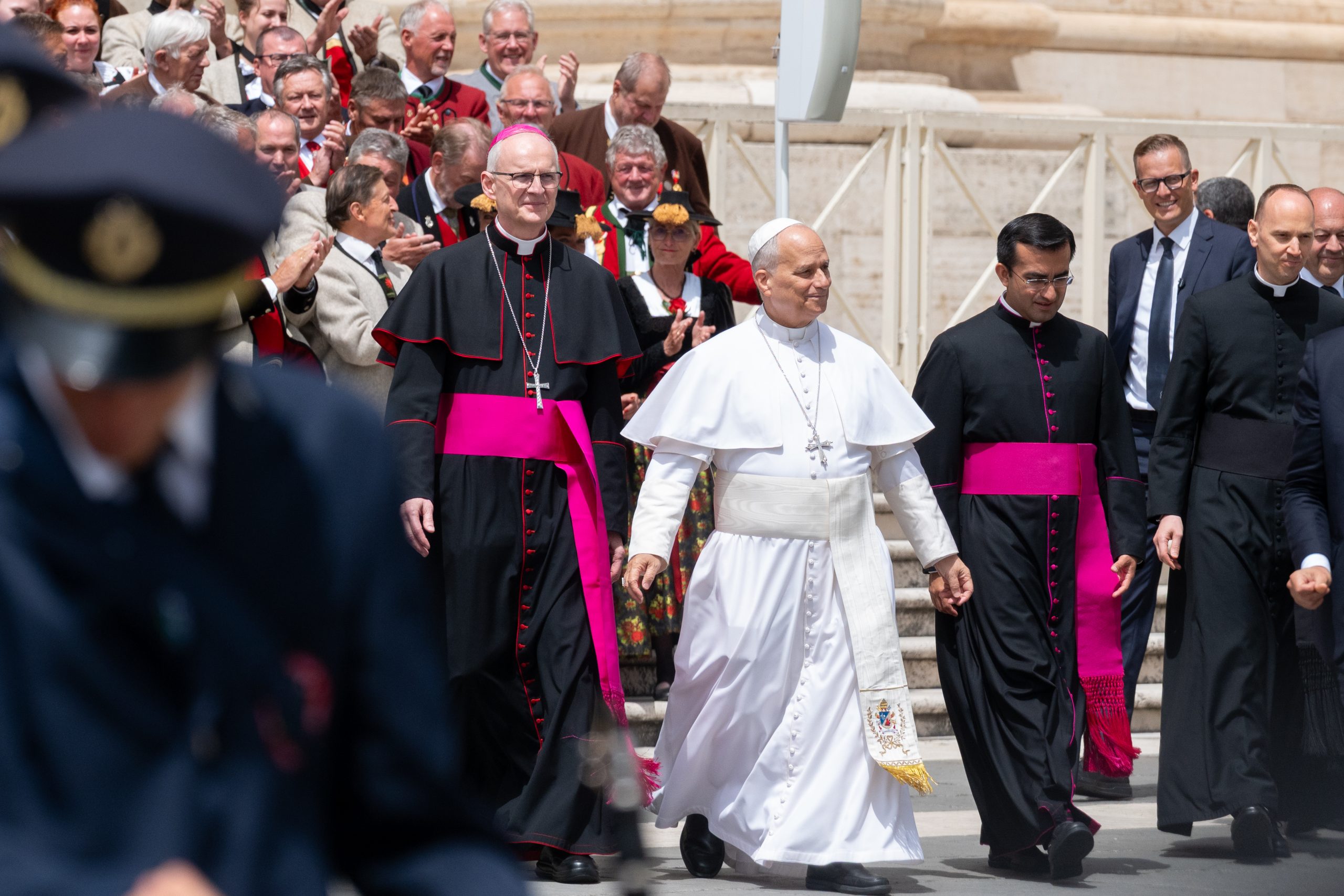
The journey to Rome culminated on Wednesday morning with participation in the papal audience. In his catechesis, Pope Leo XIV meditated on the figure of the Blessed Virgin Mary as model, eminent member and Mother of the Church, in whom the Church contemplates her own vocation: to be a community that welcomes the Word of God, lives in faith and brings Christ to the world. He encouraged the faithful to unite themselves to the Church with deeper love and fidelity, following Mary’s example and recognising in her the gift of God and the community of salvation.
Strengthened by the apostolic blessing of Pope Leo, the pilgrim delegation returned home to continue placing at the service of Hungarian ecclesial education all the spiritual and intellectual treasures gathered during these four days.
Csaba Szabó
Communications Office of the Province of Hungary